MENU

Bibliography Options Menu

The Electronic Scholarly Publishing Project: Providing world-wide, free access to classic scientific papers and other scholarly materials, since 1993.
More About: ESP | OUR CONTENT | THIS WEBSITE | WHAT'S NEW | WHAT'S HOT
ESP: PubMed Auto Bibliography 19 Oct 2026 at 02:00 Created:
Telomeres
Wikipedia: A telomere is a region of repetitive nucleotide sequences at each end of a chromosome, which protects the end of the chromosome from deterioration or from fusion with neighboring chromosomes. Its name is derived from the Greek nouns telos (τέλος) "end" and merοs (μέρος, root: μερ-) "part". For vertebrates, the sequence of nucleotides in telomeres is TTAGGG, with the complementary DNA strand being AATCCC, with a single-stranded TTAGGG overhang. This sequence of TTAGGG is repeated approximately 2,500 times in humans. In humans, average telomere length declines from about 11 kilobases at birth to less than 4 kilobases in old age,[3] with average rate of decline being greater in men than in women. During chromosome replication, the enzymes that duplicate DNA cannot continue their duplication all the way to the end of a chromosome, so in each duplication the end of the chromosome is shortened (this is because the synthesis of Okazaki fragments requires RNA primers attaching ahead on the lagging strand). The telomeres are disposable buffers at the ends of chromosomes which are truncated during cell division; their presence protects the genes before them on the chromosome from being truncated instead. The telomeres themselves are protected by a complex of shelterin proteins, as well as by the RNA that telomeric DNA encodes.
Created with PubMed® Query: telomere.q.txt NOT pmcbook NOT ispreviousversion
Citations The Papers (from PubMed®)
RevDate: 2026-10-16
Sex-Specific Early Life Corticosterone Stress-Coping Capacity Is Linked to Mitochondrial Content and Telomere Maintenance.
Journal of experimental zoology. Part A, Ecological and integrative physiology [Epub ahead of print].
Glucocorticoids are upregulated during acute challenges, contributing to maintenance of energy balance. However, if this upregulation exceeds a threshold or becomes chronic, it can lead to harmful effects. Investigating the factors behind between-individual variation in the magnitude of the response to acute stress and how effectively individuals regulate this response to return to baseline glucocorticoid levels (recovery capacity), is therefore important. Glucocorticoid regulation may be influenced by mitochondrial content, as these hormones are produced in the mitochondria of the adrenal glands. Furthermore, early-life adversity can impair glucocorticoid regulation, and these effects may be mirrored by other mechanisms, such as telomere maintenance, suggesting possible correlations among these traits. In this study, we evaluated whether variation in corticosterone response to an acute challenge and recovery capacity in 27 Cocos Booby (Sula brewsteri) nestlings was related to mitochondrial DNA copy number (mtDNAcn), mass growth rate, and telomere dynamics during the first 30 days of life. We found sex differences in recovery capacity: females sustained higher corticosterone levels than males after an acute challenge. Higher mtDNAcn was associated with greater corticosterone increases and weaker recovery, suggesting that mtDNAcn reflects an individual's capacity to produce glucocorticoids. Finally, telomere dynamics, but not mass growth rate, were related to recovery capacity, a relationship only significant in females. Females with better telomere maintenance had weaker recovery capacity than those with poorer telomere maintenance. These results highlight links among glucocorticoid regulation, mtDNAcn, and telomere dynamics, suggesting that these traits are jointly shaped, likely through sex-specific pathways during early life.
Additional Links: PMID-42885216
Publisher:
PubMed:
Citation:
show bibtex listing
hide bibtex listing
@article {pmid42885216,
year = {2026},
author = {Guillen-Parra, M and Velando, A and Montoya, B and Torres, R},
title = {Sex-Specific Early Life Corticosterone Stress-Coping Capacity Is Linked to Mitochondrial Content and Telomere Maintenance.},
journal = {Journal of experimental zoology. Part A, Ecological and integrative physiology},
volume = {},
number = {},
pages = {e70140},
doi = {10.1002/jez.70140},
pmid = {42885216},
issn = {2471-5646},
support = {CBF-2025-G-361//SECIHTI/ ; PAPIIT IN219525//Universidad Nacional Autónoma de México/ ; },
abstract = {Glucocorticoids are upregulated during acute challenges, contributing to maintenance of energy balance. However, if this upregulation exceeds a threshold or becomes chronic, it can lead to harmful effects. Investigating the factors behind between-individual variation in the magnitude of the response to acute stress and how effectively individuals regulate this response to return to baseline glucocorticoid levels (recovery capacity), is therefore important. Glucocorticoid regulation may be influenced by mitochondrial content, as these hormones are produced in the mitochondria of the adrenal glands. Furthermore, early-life adversity can impair glucocorticoid regulation, and these effects may be mirrored by other mechanisms, such as telomere maintenance, suggesting possible correlations among these traits. In this study, we evaluated whether variation in corticosterone response to an acute challenge and recovery capacity in 27 Cocos Booby (Sula brewsteri) nestlings was related to mitochondrial DNA copy number (mtDNAcn), mass growth rate, and telomere dynamics during the first 30 days of life. We found sex differences in recovery capacity: females sustained higher corticosterone levels than males after an acute challenge. Higher mtDNAcn was associated with greater corticosterone increases and weaker recovery, suggesting that mtDNAcn reflects an individual's capacity to produce glucocorticoids. Finally, telomere dynamics, but not mass growth rate, were related to recovery capacity, a relationship only significant in females. Females with better telomere maintenance had weaker recovery capacity than those with poorer telomere maintenance. These results highlight links among glucocorticoid regulation, mtDNAcn, and telomere dynamics, suggesting that these traits are jointly shaped, likely through sex-specific pathways during early life.},
}
RevDate: 2026-10-15
CRISPR-based interrogation of alternative lengthening of telomeres: mapping dependencies, stress-buffering pathways, and therapeutic vulnerabilities.
Cancer letters pii:S0304-3835(26)00652-X [Epub ahead of print].
Alternative lengthening of telomeres (ALT) is a telomerase-independent telomere maintenance mechanism that supports the growth of approximately 5-10% of human tumors and represents an attractive but insufficiently explored therapeutic target. CRISPR-based functional genomics has emerged as a powerful approach to systematically interrogate ALT biology and identify genetic dependencies associated with the ALT state. In this Review, we discuss the CRISPR-based strategies applied to ALT, including hypothesis-driven targeted loss-of-function screens, phenotype-driven optical screens, in silico mining of large-scale dependency datasets, and genome-wide screens in ALT-adjacent states. Across these approaches, recurrent dependencies converge on pathways mediating replication stress buffering, DNA repair, and telomere maintenance, including FANCM, SMARCAL1, and SUB1. Collectively, these findings support a model in which ALT-positive cells rely not on a unique ALT-specific factor, but rather on stress-buffering mechanisms that prevent chronic telomeric dysfunction from triggering replication catastrophe and cell death, highlighting these pathways as promising candidates for further therapeutic investigation.
Additional Links: PMID-42880484
Publisher:
PubMed:
Citation:
show bibtex listing
hide bibtex listing
@article {pmid42880484,
year = {2026},
author = {Lannoo, R and Bechter, O and Daelemans, D},
title = {CRISPR-based interrogation of alternative lengthening of telomeres: mapping dependencies, stress-buffering pathways, and therapeutic vulnerabilities.},
journal = {Cancer letters},
volume = {},
number = {},
pages = {218888},
doi = {10.1016/j.canlet.2026.218888},
pmid = {42880484},
issn = {1872-7980},
abstract = {Alternative lengthening of telomeres (ALT) is a telomerase-independent telomere maintenance mechanism that supports the growth of approximately 5-10% of human tumors and represents an attractive but insufficiently explored therapeutic target. CRISPR-based functional genomics has emerged as a powerful approach to systematically interrogate ALT biology and identify genetic dependencies associated with the ALT state. In this Review, we discuss the CRISPR-based strategies applied to ALT, including hypothesis-driven targeted loss-of-function screens, phenotype-driven optical screens, in silico mining of large-scale dependency datasets, and genome-wide screens in ALT-adjacent states. Across these approaches, recurrent dependencies converge on pathways mediating replication stress buffering, DNA repair, and telomere maintenance, including FANCM, SMARCAL1, and SUB1. Collectively, these findings support a model in which ALT-positive cells rely not on a unique ALT-specific factor, but rather on stress-buffering mechanisms that prevent chronic telomeric dysfunction from triggering replication catastrophe and cell death, highlighting these pathways as promising candidates for further therapeutic investigation.},
}
RevDate: 2026-10-16
CmpDate: 2026-10-16
A Balanced Chromosomal Rearrangement Disrupting the Telomerase RNA Component Gene Causes Short Telomere-Mediated Pulmonary Fibrosis.
International journal of molecular sciences, 27(19): pii:ijms27198667.
Excessive telomere shortening contributes to pulmonary fibrosis (PF), with at least 30% of familial cases attributed to telomere biology disorders (TBDs). However, TBD-associated PF remains underdiagnosed because of unidentified disease-causing mutations and limited referral for telomere and genetic testing. Here, we combined telomeric restriction fragment analysis, telomere analysis by a long-read Nanopore sequencing method (NanoTelSeq), exome sequencing (ES), and optical genome mapping (OGM) to investigate the underlying cause of disease in a family affected by PF, microcephaly, and premature hair graying. We identified a familial balanced translocation associated with short telomeres, which involved a chromosome 3 breakpoint within the non-coding telomerase RNA component (TERC) gene, disrupting the 451-nucleotide telomerase RNA. Establishing the diagnosis enabled a TBD-tailored protocol and successful lung transplantation in the proband at age 49. These findings identified structural disruption of TERC as a previously unrecognized cause of TBD and broadened the genetic landscape of TBD beyond splicing, single nucleotide substitutions, and insertion/deletion variants. Furthermore, they demonatrate the importance of routine telomere length measurement alongside comprehensive genomic testing in familial PF.
Additional Links: PMID-42883912
Publisher:
PubMed:
Citation:
show bibtex listing
hide bibtex listing
@article {pmid42883912,
year = {2026},
author = {Hourvitz, N and Neustadter-Blackman, M and Unterman, A and Smoom, R and Mory, A and Lederman Nahemias, H and Kurolap, A and Hamiel, U and Kramer, MR and Baris Feldman, H and Tzfati, Y and Marom, D},
title = {A Balanced Chromosomal Rearrangement Disrupting the Telomerase RNA Component Gene Causes Short Telomere-Mediated Pulmonary Fibrosis.},
journal = {International journal of molecular sciences},
volume = {27},
number = {19},
pages = {},
doi = {10.3390/ijms27198667},
pmid = {42883912},
issn = {1422-0067},
support = {1342/23//Israel Science Foundation/ ; 36116//Israel Lung Association Israel/ ; },
mesh = {Humans ; *Telomerase/genetics ; *RNA/genetics ; *Telomere/genetics ; *Pulmonary Fibrosis/genetics/pathology ; *Telomere Shortening/genetics ; Male ; Pedigree ; Female ; Translocation, Genetic ; Microcephaly/genetics ; },
abstract = {Excessive telomere shortening contributes to pulmonary fibrosis (PF), with at least 30% of familial cases attributed to telomere biology disorders (TBDs). However, TBD-associated PF remains underdiagnosed because of unidentified disease-causing mutations and limited referral for telomere and genetic testing. Here, we combined telomeric restriction fragment analysis, telomere analysis by a long-read Nanopore sequencing method (NanoTelSeq), exome sequencing (ES), and optical genome mapping (OGM) to investigate the underlying cause of disease in a family affected by PF, microcephaly, and premature hair graying. We identified a familial balanced translocation associated with short telomeres, which involved a chromosome 3 breakpoint within the non-coding telomerase RNA component (TERC) gene, disrupting the 451-nucleotide telomerase RNA. Establishing the diagnosis enabled a TBD-tailored protocol and successful lung transplantation in the proband at age 49. These findings identified structural disruption of TERC as a previously unrecognized cause of TBD and broadened the genetic landscape of TBD beyond splicing, single nucleotide substitutions, and insertion/deletion variants. Furthermore, they demonatrate the importance of routine telomere length measurement alongside comprehensive genomic testing in familial PF.},
}
MeSH Terms:
show MeSH Terms
hide MeSH Terms
Humans
*Telomerase/genetics
*RNA/genetics
*Telomere/genetics
*Pulmonary Fibrosis/genetics/pathology
*Telomere Shortening/genetics
Male
Pedigree
Female
Translocation, Genetic
Microcephaly/genetics
RevDate: 2026-10-14
Upholding telomeres prevents hepatic stellate cell transdifferentiation and liver fibrogenesis.
Hepatology (Baltimore, Md.) pii:01515467-990000000-01686 [Epub ahead of print].
BACKGROUND AIMS: Hepatic stellate cells (HSCs) are principal drivers of liver cirrhosis. Whether and how telomere dysfunction affects HSC function remain unclear. This study was undertaken to investigate the role of telomere maintenance in HSCs during fibrogenesis and to evaluate its therapeutic potential by genetic and pharmacological means.
APPROACH RESULTS: Liver fibrosis was established in mice treated with carbon tetrachloride (CCl4) or bile duct ligation (BDL), and characterized by tissue and molecular pathology and biochemistry, followed by HSC isolation using flow cytometry. Animals were engineered for HSC-specific overexpression of the telomerase reverse transcriptase (TERT) gene or Acd (encoding the shelterin component TPP1). Alternatively, mice were intraperitoneally injected with telomere dysfunction inhibitor (TELODIN), a D-amino acid octapeptide that stabilizes the telomerase activator TPP1. HSC-specific TERT expression alleviated hepatic fibrosis by suppressing HSC activation, proliferation, and transdifferentiation. Likewise, HSC-specific TPP1 overexpression mitigated hepatic fibrosis by preventing telomere dysfunction and shortening. Pharmacological stabilization of TPP1 by intraperitoneal administration of TELODIN counteracted hepatic fibrogenesis while maintaining HSC quiescence. Mechanistically, TELODIN stabilized TPP1, reduced telomere dysfunction, and decreased HSC transdifferentiation into profibrotic myofibroblasts.
CONCLUSIONS: Telomere dysfunction mediates HSC transdifferentiation during experimental hepatic fibrogenesis. Targeted interventions - that increase telomerase activity or TPP1 mediated telomerase recruitment and activation - alleviate HSC-mediated fibrosis. Pharmacological administration of TELODIN effectively attenuates experimental liver fibrosis by restoring telomere homeostasis in HSCs.
Additional Links: PMID-42873809
Publisher:
PubMed:
Citation:
show bibtex listing
hide bibtex listing
@article {pmid42873809,
year = {2026},
author = {Wang, L and Li, H and Yang, L and Li, J and Xia, J and Li, H and Gao, L and Zhang, J and Wang, H and Liu, J and Hong, X and Shi, J and Liu, JP},
title = {Upholding telomeres prevents hepatic stellate cell transdifferentiation and liver fibrogenesis.},
journal = {Hepatology (Baltimore, Md.)},
volume = {},
number = {},
pages = {},
doi = {10.1097/HEP.0000000000001889},
pmid = {42873809},
issn = {1527-3350},
abstract = {BACKGROUND AIMS: Hepatic stellate cells (HSCs) are principal drivers of liver cirrhosis. Whether and how telomere dysfunction affects HSC function remain unclear. This study was undertaken to investigate the role of telomere maintenance in HSCs during fibrogenesis and to evaluate its therapeutic potential by genetic and pharmacological means.
APPROACH RESULTS: Liver fibrosis was established in mice treated with carbon tetrachloride (CCl4) or bile duct ligation (BDL), and characterized by tissue and molecular pathology and biochemistry, followed by HSC isolation using flow cytometry. Animals were engineered for HSC-specific overexpression of the telomerase reverse transcriptase (TERT) gene or Acd (encoding the shelterin component TPP1). Alternatively, mice were intraperitoneally injected with telomere dysfunction inhibitor (TELODIN), a D-amino acid octapeptide that stabilizes the telomerase activator TPP1. HSC-specific TERT expression alleviated hepatic fibrosis by suppressing HSC activation, proliferation, and transdifferentiation. Likewise, HSC-specific TPP1 overexpression mitigated hepatic fibrosis by preventing telomere dysfunction and shortening. Pharmacological stabilization of TPP1 by intraperitoneal administration of TELODIN counteracted hepatic fibrogenesis while maintaining HSC quiescence. Mechanistically, TELODIN stabilized TPP1, reduced telomere dysfunction, and decreased HSC transdifferentiation into profibrotic myofibroblasts.
CONCLUSIONS: Telomere dysfunction mediates HSC transdifferentiation during experimental hepatic fibrogenesis. Targeted interventions - that increase telomerase activity or TPP1 mediated telomerase recruitment and activation - alleviate HSC-mediated fibrosis. Pharmacological administration of TELODIN effectively attenuates experimental liver fibrosis by restoring telomere homeostasis in HSCs.},
}
RevDate: 2026-10-14
CmpDate: 2026-10-14
Telomere length of both parents contributes to heritable POT1 cancer-predisposition syndrome.
Nature communications, 17(1):.
Germline and somatic mutations in POT1 promote oncogenesis by enabling aberrant telomere elongation. For inherited POT1 mutations, it remains unclear whether elongated telomeres are transmitted to the next generation and whether the inherited long telomeres elevate cancer risk. Using a nanopore sequencing approach that provides haplotype-specific telomere length resolution, we examined telomere inheritance in families carrying POT1 mutations. We found that offspring preferentially inherit their longest telomeres from the carrier parent, consistent with extensive germline telomere elongation, whereas comparatively short telomeres predominantly derive from the non-carrier parent. Analysis of carrier and non-carrier siblings demonstrated that telomeres from both parents are elongated in POT1 carriers, with preferential elongation of the shortest telomeres. These findings support a potential mechanism of genetic anticipation in which POT1 mutations progressively deplete short telomeres capable of enforcing telomere-based tumor suppression from the carrier germline. Therefore, telomeres inherited from both parents jointly shape telomere-based tumor suppressive barriers.
Additional Links: PMID-42875414
PubMed:
Citation:
show bibtex listing
hide bibtex listing
@article {pmid42875414,
year = {2026},
author = {Martin, A and Lu, R and Blake, A and Nichols, KE and Sanchez, SE and Artandi, SE and Savage, SA and Sharma, R and Hockemeyer, D},
title = {Telomere length of both parents contributes to heritable POT1 cancer-predisposition syndrome.},
journal = {Nature communications},
volume = {17},
number = {1},
pages = {},
pmid = {42875414},
issn = {2041-1723},
support = {133396-RSG-19-029-01-DMC//American Cancer Society (American Cancer Society, Inc.)/ ; R01HL131744-05//U.S. Department of Health & Human Services | NIH | National Heart, Lung, and Blood Institute (NHLBI)/ ; },
mesh = {Humans ; Shelterin Complex ; *Telomere-Binding Proteins/genetics ; *Telomere/genetics/metabolism ; *Genetic Predisposition to Disease ; *Neoplasms/genetics ; Female ; Germ-Line Mutation ; Male ; *Telomere Homeostasis/genetics ; Mutation ; Haplotypes ; },
abstract = {Germline and somatic mutations in POT1 promote oncogenesis by enabling aberrant telomere elongation. For inherited POT1 mutations, it remains unclear whether elongated telomeres are transmitted to the next generation and whether the inherited long telomeres elevate cancer risk. Using a nanopore sequencing approach that provides haplotype-specific telomere length resolution, we examined telomere inheritance in families carrying POT1 mutations. We found that offspring preferentially inherit their longest telomeres from the carrier parent, consistent with extensive germline telomere elongation, whereas comparatively short telomeres predominantly derive from the non-carrier parent. Analysis of carrier and non-carrier siblings demonstrated that telomeres from both parents are elongated in POT1 carriers, with preferential elongation of the shortest telomeres. These findings support a potential mechanism of genetic anticipation in which POT1 mutations progressively deplete short telomeres capable of enforcing telomere-based tumor suppression from the carrier germline. Therefore, telomeres inherited from both parents jointly shape telomere-based tumor suppressive barriers.},
}
MeSH Terms:
show MeSH Terms
hide MeSH Terms
Humans
Shelterin Complex
*Telomere-Binding Proteins/genetics
*Telomere/genetics/metabolism
*Genetic Predisposition to Disease
*Neoplasms/genetics
Female
Germ-Line Mutation
Male
*Telomere Homeostasis/genetics
Mutation
Haplotypes
RevDate: 2026-10-15
CmpDate: 2026-10-15
Telomere length and prevalent chronic lung disease in middle-aged and older adults: socioeconomic heterogeneity and early-life tobacco exposure in the health and retirement study.
Frontiers in medicine, 13:1954635.
INTRODUCTION: Telomere shortening is a hallmark of aging and age-related diseases, yet evidence linking it to pulmonary diseases remains limited.
METHODS: We included 4,994 participants aged ≥50 years from the 2008 HRS wave with available telomere measurement data. Pulmonary disease status was defined using the 2008 HRS self-reported physician-diagnosed chronic lung disease item, which includes conditions such as chronic bronchitis or emphysema and excludes asthma. Multivariable logistic regression models were used to examine the association between telomere length and the odds of prevalent chronic lung disease. Stratified analyses, restricted cubic spline (RCS) regression, and sensitivity analyses were conducted.
RESULTS: Each interquartile range (IQR) increase in telomere length was associated with a 14.3% lower odds of prevalent pulmonary disease (adjusted OR = 0.857, 95% CI: 0.774-0.945, P = 0.002). Participants in the longest telomere quartile (Q4) exhibited 38.0% lower odds compared to those in the shortest quartile (Q1). However, after excluding participants exposed to parental smoking during childhood, the association was attenuated and was no longer statistically significant (OR = 0.901, 95% CI: 0.736-1.091, P = 0.297).
DISCUSSION: Telomere shortening may be biologically related to pulmonary disease-related processes via cellular senescence and chronic inflammation. Shorter telomere length was associated with higher odds of prevalent self-reported chronic lung disease in the full sample; however, this association became non-significant after excluding participants exposed to parental smoking during childhood, indicating that the full-sample association should not be interpreted as independent of early-life tobacco exposure. Longitudinal studies are needed to clarify temporality.
Additional Links: PMID-42876816
PubMed:
Citation:
show bibtex listing
hide bibtex listing
@article {pmid42876816,
year = {2026},
author = {Dai, Y and Cai, H and Su, W and Wang, S and Yang, M and Chuai, X},
title = {Telomere length and prevalent chronic lung disease in middle-aged and older adults: socioeconomic heterogeneity and early-life tobacco exposure in the health and retirement study.},
journal = {Frontiers in medicine},
volume = {13},
number = {},
pages = {1954635},
pmid = {42876816},
issn = {2296-858X},
abstract = {INTRODUCTION: Telomere shortening is a hallmark of aging and age-related diseases, yet evidence linking it to pulmonary diseases remains limited.
METHODS: We included 4,994 participants aged ≥50 years from the 2008 HRS wave with available telomere measurement data. Pulmonary disease status was defined using the 2008 HRS self-reported physician-diagnosed chronic lung disease item, which includes conditions such as chronic bronchitis or emphysema and excludes asthma. Multivariable logistic regression models were used to examine the association between telomere length and the odds of prevalent chronic lung disease. Stratified analyses, restricted cubic spline (RCS) regression, and sensitivity analyses were conducted.
RESULTS: Each interquartile range (IQR) increase in telomere length was associated with a 14.3% lower odds of prevalent pulmonary disease (adjusted OR = 0.857, 95% CI: 0.774-0.945, P = 0.002). Participants in the longest telomere quartile (Q4) exhibited 38.0% lower odds compared to those in the shortest quartile (Q1). However, after excluding participants exposed to parental smoking during childhood, the association was attenuated and was no longer statistically significant (OR = 0.901, 95% CI: 0.736-1.091, P = 0.297).
DISCUSSION: Telomere shortening may be biologically related to pulmonary disease-related processes via cellular senescence and chronic inflammation. Shorter telomere length was associated with higher odds of prevalent self-reported chronic lung disease in the full sample; however, this association became non-significant after excluding participants exposed to parental smoking during childhood, indicating that the full-sample association should not be interpreted as independent of early-life tobacco exposure. Longitudinal studies are needed to clarify temporality.},
}
RevDate: 2026-10-15
CmpDate: 2026-10-15
A telomere-to-telomere map of somatic mutation burden and functional impact in a cancer.
Cell, 189(21):6630-6647.e8.
Cancer genomes harbor extensive somatic genetic and epigenetic variation, yet large portions of the genome remain inaccessible to conventional reference-based analyses. Here, we demonstrate that pairing a near-telomere-to-telomere (near-T2T) diploid assembly of a donor with deep short- and long-read sequencing of their melanoma reveals that 16% of somatic variants localize to sequences absent from GRCh38, with satellite repeats acting as hotspots for UV-associated mutagenesis. Centromere kinetochore binding domains emerge as focal sites of chromosome arm aneuploidy breakpoints and somatic genetic variation, features we further demonstrate are also present in non-cancerous tissues. By contrast, extensive epigenetic remodeling of kinetochore binding domains appears specific to oncogenesis. Single-molecule telomere analyses reconstruct the cycle of telomere erosion and telomerase-mediated extension during tumor evolution, while haplotype-resolved chromatin maps reveal widespread somatic epimutations impacting regulatory elements. Together, these findings define previously inaccessible dimensions of somatic variation and establish a framework for telomere-to-telomere studies of human mosaicism.
Additional Links: PMID-42880233
Publisher:
PubMed:
Citation:
show bibtex listing
hide bibtex listing
@article {pmid42880233,
year = {2026},
author = {Sohn, MH and Dubocanin, D and Vollger, MR and Kwon, Y and Minkina, A and Munson, KM and Hart, SFM and Ranchalis, JE and Parmalee, NL and Sedeño-Cortés, AE and Ou, J and Neph, SJ and Au, NYT and Bohaczuk, S and Carroll, B and Frazar, CD and Harvey, WT and Hoekzema, K and Huang, MF and Jacques, CN and Jensen, DM and Kolar, JT and Lee, R and Lin, J and Loy, K and Mack, T and Mao, Y and Mitchell, MW and Pham, MM and Scheinfeldt, LB and Smith, G and Ryke, E and Smith, JD and Sutherlin, L and Swanson, EG and Weiss, JM and , and Carvalho, CMB and Coorens, THH and Harris, K and Wei, CL and Eichler, EE and Altemose, N and Bennett, JT and Stergachis, AB},
title = {A telomere-to-telomere map of somatic mutation burden and functional impact in a cancer.},
journal = {Cell},
volume = {189},
number = {21},
pages = {6630-6647.e8},
doi = {10.1016/j.cell.2026.09.033},
pmid = {42880233},
issn = {1097-4172},
mesh = {Humans ; *Telomere/genetics/metabolism ; *Mutation ; *Melanoma/genetics/pathology ; Epigenesis, Genetic ; Centromere/metabolism ; Telomerase/metabolism ; },
abstract = {Cancer genomes harbor extensive somatic genetic and epigenetic variation, yet large portions of the genome remain inaccessible to conventional reference-based analyses. Here, we demonstrate that pairing a near-telomere-to-telomere (near-T2T) diploid assembly of a donor with deep short- and long-read sequencing of their melanoma reveals that 16% of somatic variants localize to sequences absent from GRCh38, with satellite repeats acting as hotspots for UV-associated mutagenesis. Centromere kinetochore binding domains emerge as focal sites of chromosome arm aneuploidy breakpoints and somatic genetic variation, features we further demonstrate are also present in non-cancerous tissues. By contrast, extensive epigenetic remodeling of kinetochore binding domains appears specific to oncogenesis. Single-molecule telomere analyses reconstruct the cycle of telomere erosion and telomerase-mediated extension during tumor evolution, while haplotype-resolved chromatin maps reveal widespread somatic epimutations impacting regulatory elements. Together, these findings define previously inaccessible dimensions of somatic variation and establish a framework for telomere-to-telomere studies of human mosaicism.},
}
MeSH Terms:
show MeSH Terms
hide MeSH Terms
Humans
*Telomere/genetics/metabolism
*Mutation
*Melanoma/genetics/pathology
Epigenesis, Genetic
Centromere/metabolism
Telomerase/metabolism
RevDate: 2026-10-09
Effects of Telomere Related Senescence-Genes in Cervical Cancer.
Reproductive sciences (Thousand Oaks, Calif.) [Epub ahead of print].
Globally, cervical cancer is a prevalent cancer among women and ranks as the fourth leading cause of mortality in gynecological cancers. However, how telomeres affect cervical cancer remains uncertain. The research entailed the procurement of telomere-associated genes (TRGs) from TelNet. The Cancer Genome Atlas (TCGA) database provided the clinical data and TRG expression rates in patients with cervical cancer. Within the TCGA-CESC dataset, 327 TRGs were identified, differentiating between cancerous and healthy tissues. Subsequently, we combined genes linked to aging and telomeres, leading to 31 overlapping genes and performing an analysis of functional enrichment on these essential genes. Genes unique to telomeres and closely associated with cervical cancer play various roles, mainly in the cell cycle, DNA replication, and DNA repair processes. Key genes, such as those associated with cell aging, homologous recombination, and Human T-cellleukemia virus 1 infection, are vital in the life cycle of a cell. Dysfunction in these genes could lead to irregularities in cellular synthesis and apoptosis processes, potentially accelerating the progression of cervical cancer. Subsequently, the data was analyzed sequentially using single-factor Cox regression, Lasso regression, and multi-factor Cox regression techniques, leading to the development of the TRGs risk model.Among the pinpointed TCGA group (p < 0.001), cervical cancer sufferers with high-risk TRGs showed poorer outcomes. Furthermore, the TRGs risk score emerged as an independent risk factor for cervical cancer. Additionally, communities susceptible to TRGs could benefit from specific medical interventions. To conclude, our team developed a genetic risk model associated with telomeres to predict outcomes in cervical cancer patients, potentially assisting in selecting suitable treatment drugs for them.
Additional Links: PMID-42855652
PubMed:
Citation:
show bibtex listing
hide bibtex listing
@article {pmid42855652,
year = {2026},
author = {Xu, C and Xu, Y and Qingcao, and Luo, G and Yu, J and Chen, H and Wang, G},
title = {Effects of Telomere Related Senescence-Genes in Cervical Cancer.},
journal = {Reproductive sciences (Thousand Oaks, Calif.)},
volume = {},
number = {},
pages = {},
pmid = {42855652},
issn = {1933-7205},
support = {202001BA070001-133//Yunnan Province, Science and Technology Department of Yunnan Province/ ; the key construction disciplines of The First Affiliated Hospital of Dali University//the key construction disciplines of The First Affiliated Hospital of Dali University/ ; },
abstract = {Globally, cervical cancer is a prevalent cancer among women and ranks as the fourth leading cause of mortality in gynecological cancers. However, how telomeres affect cervical cancer remains uncertain. The research entailed the procurement of telomere-associated genes (TRGs) from TelNet. The Cancer Genome Atlas (TCGA) database provided the clinical data and TRG expression rates in patients with cervical cancer. Within the TCGA-CESC dataset, 327 TRGs were identified, differentiating between cancerous and healthy tissues. Subsequently, we combined genes linked to aging and telomeres, leading to 31 overlapping genes and performing an analysis of functional enrichment on these essential genes. Genes unique to telomeres and closely associated with cervical cancer play various roles, mainly in the cell cycle, DNA replication, and DNA repair processes. Key genes, such as those associated with cell aging, homologous recombination, and Human T-cellleukemia virus 1 infection, are vital in the life cycle of a cell. Dysfunction in these genes could lead to irregularities in cellular synthesis and apoptosis processes, potentially accelerating the progression of cervical cancer. Subsequently, the data was analyzed sequentially using single-factor Cox regression, Lasso regression, and multi-factor Cox regression techniques, leading to the development of the TRGs risk model.Among the pinpointed TCGA group (p < 0.001), cervical cancer sufferers with high-risk TRGs showed poorer outcomes. Furthermore, the TRGs risk score emerged as an independent risk factor for cervical cancer. Additionally, communities susceptible to TRGs could benefit from specific medical interventions. To conclude, our team developed a genetic risk model associated with telomeres to predict outcomes in cervical cancer patients, potentially assisting in selecting suitable treatment drugs for them.},
}
RevDate: 2026-10-14
CmpDate: 2026-10-14
A high-quality telomere-to-telomere lumpy skin disease virus genome assembly.
The Journal of general virology, 107(10):.
Lumpy skin disease virus (LSDV) is an emerging livestock capripoxvirus (CaPV) that continues to cause substantial economic losses across Africa, Asia and Europe. However, important uncertainties remain regarding LSDV genome structure, particularly at the telomeric inverted terminal repeats (ITRs) that are central to host interaction, replication and adaptive evolution. Structural variation at the ITRs is driven by recombination during virus replication. Previous assemblies have relied primarily on short-read sequencing, which provides limited resolution of repeat-rich telomeric regions and propagates structural ambiguities into downstream annotation and comparative analyses. Here, we present a high-quality telomere-to-telomere assembly of the LSDV Oman 2009 isolate, generated using a hybrid approach that integrates short Illumina reads with higher-accuracy long Nanopore reads. The resulting 151,091 bp genome contains 157 annotated ORFs and fully resolves complex repeat-rich structures at both ITRs. This new reference corrects misassemblies present in earlier LSDV genomes and confirms clade-specific gene truncations. This genome provides a robust foundation for improved genomic surveillance, accurate read mapping, mutation detection and evolutionary inference of LSDV and demonstrates the value of long-read approaches for resolving complex CaPV genome structures.
Additional Links: PMID-42873583
Publisher:
PubMed:
Citation:
show bibtex listing
hide bibtex listing
@article {pmid42873583,
year = {2026},
author = {Wright, C and Polo, N and Azam, S and Freimanis, G and Sharma, GT and Charleston, B and Batten, C and Downing, T and Albarnaz, J},
title = {A high-quality telomere-to-telomere lumpy skin disease virus genome assembly.},
journal = {The Journal of general virology},
volume = {107},
number = {10},
pages = {},
doi = {10.1099/jgv.0.002348},
pmid = {42873583},
issn = {1465-2099},
mesh = {*Genome, Viral ; Animals ; *Lumpy skin disease virus/genetics/isolation & purification ; *Telomere/genetics ; *Lumpy Skin Disease/virology ; Terminal Repeat Sequences ; Open Reading Frames ; Phylogeny ; },
abstract = {Lumpy skin disease virus (LSDV) is an emerging livestock capripoxvirus (CaPV) that continues to cause substantial economic losses across Africa, Asia and Europe. However, important uncertainties remain regarding LSDV genome structure, particularly at the telomeric inverted terminal repeats (ITRs) that are central to host interaction, replication and adaptive evolution. Structural variation at the ITRs is driven by recombination during virus replication. Previous assemblies have relied primarily on short-read sequencing, which provides limited resolution of repeat-rich telomeric regions and propagates structural ambiguities into downstream annotation and comparative analyses. Here, we present a high-quality telomere-to-telomere assembly of the LSDV Oman 2009 isolate, generated using a hybrid approach that integrates short Illumina reads with higher-accuracy long Nanopore reads. The resulting 151,091 bp genome contains 157 annotated ORFs and fully resolves complex repeat-rich structures at both ITRs. This new reference corrects misassemblies present in earlier LSDV genomes and confirms clade-specific gene truncations. This genome provides a robust foundation for improved genomic surveillance, accurate read mapping, mutation detection and evolutionary inference of LSDV and demonstrates the value of long-read approaches for resolving complex CaPV genome structures.},
}
MeSH Terms:
show MeSH Terms
hide MeSH Terms
*Genome, Viral
Animals
*Lumpy skin disease virus/genetics/isolation & purification
*Telomere/genetics
*Lumpy Skin Disease/virology
Terminal Repeat Sequences
Open Reading Frames
Phylogeny
RevDate: 2026-10-09
Telomere-to-telomere genome assembly of Coprinellus radians.
G3 (Bethesda, Md.) pii:8898570 [Epub ahead of print].
Coprinellus radians has been identified as an important germination-associated fungus of Cremastra appendiculata. However, no reference genome was previously available for this species. In this study, we generated a complete telomere-to-telomere (T2T) genome assembly for C. radians by integrating PacBio HiFi, Oxford Nanopore, BGI short-read, and Hi-C sequencing data. Hi-C interaction mapping anchored 99.36% of the assembled sequences onto 13 pseudochromosomes. Following contaminant removal, gap closure using TGS-GapCloser, and telomere extension, the final assembly consists of 13 gap-free, single-contig chromosomes with telomeric repeats (CCCTAA/TTAGGG) at both ends, yielding a total of 26 telomeres. The resulting high-quality genome is 41.09 Mb (41,092,644 bp) in size, with a contig N50 of 3.36 Mb and a BUSCO completeness score of 96.4%. This gap-free, T2T genome provides a valuable resource for investigating the molecular mechanisms of orchid-fungus symbiosis and the ecological adaptation of wood-decaying fungi.
Additional Links: PMID-42852812
Publisher:
PubMed:
Citation:
show bibtex listing
hide bibtex listing
@article {pmid42852812,
year = {2026},
author = {Yu, M and Cheng, Y and Shan, Y and Duong, HTQ and Bunsupa, S and Tong, X and Han, R},
title = {Telomere-to-telomere genome assembly of Coprinellus radians.},
journal = {G3 (Bethesda, Md.)},
volume = {},
number = {},
pages = {},
doi = {10.1093/g3journal/jkag267},
pmid = {42852812},
issn = {2160-1836},
abstract = {Coprinellus radians has been identified as an important germination-associated fungus of Cremastra appendiculata. However, no reference genome was previously available for this species. In this study, we generated a complete telomere-to-telomere (T2T) genome assembly for C. radians by integrating PacBio HiFi, Oxford Nanopore, BGI short-read, and Hi-C sequencing data. Hi-C interaction mapping anchored 99.36% of the assembled sequences onto 13 pseudochromosomes. Following contaminant removal, gap closure using TGS-GapCloser, and telomere extension, the final assembly consists of 13 gap-free, single-contig chromosomes with telomeric repeats (CCCTAA/TTAGGG) at both ends, yielding a total of 26 telomeres. The resulting high-quality genome is 41.09 Mb (41,092,644 bp) in size, with a contig N50 of 3.36 Mb and a BUSCO completeness score of 96.4%. This gap-free, T2T genome provides a valuable resource for investigating the molecular mechanisms of orchid-fungus symbiosis and the ecological adaptation of wood-decaying fungi.},
}
RevDate: 2026-10-08
Divergent proteomic landscapes and functional requirements for telomere maintenance in type I and type II ALT mESCs.
Molecules and cells pii:S1016-8478(26)00096-8 [Epub ahead of print].
Alternative lengthening of telomeres (ALT) is a telomerase-independent, recombination-based pathway utilized by some cancers. Previously, we established two distinct types of ALT survivors derived from mouse embryonic stem cells (mESCs), characterized by either a unique non-telomeric insertion (type I) or canonical telomeric repeats (type II). In this study, we used telomere-specific proteomics to elucidate the divergent telomere maintenance strategies of these ALT types. We identified distinct proteomic profiles enriched in type I versus type II ALT telomeres. ICE1 is a component of the Little Elongation Complex, which is specifically recruited to type I ALT telomeres, where it supports the transcription of telomeric repeat-containing RNA (TERRA) and telomere maintenance. In contrast, the serine/threonine kinase VRK2 is highly enriched in type II ALT telomeres, where it regulates telomere-nuclear envelope interactions. Depletion of ICE1 or VRK2 impairs telomere stability in type I and type II ALT mESCs, respectively. Our results indicate that cells with a common mESC origin can adopt distinct molecular mechanisms to maintain telomere integrity, highlighting the mechanistic heterogeneity of ALT telomere maintenance.
Additional Links: PMID-42849576
Publisher:
PubMed:
Citation:
show bibtex listing
hide bibtex listing
@article {pmid42849576,
year = {2026},
author = {Lee, H and Park, K and Sauzet, S and Choi, S and Cho, SW and Chung, CH and Sung, S and Kwon, D and Song, H and Urbach, S and Niida, H and Déjardin, J and Lee, J},
title = {Divergent proteomic landscapes and functional requirements for telomere maintenance in type I and type II ALT mESCs.},
journal = {Molecules and cells},
volume = {},
number = {},
pages = {100405},
doi = {10.1016/j.mocell.2026.100405},
pmid = {42849576},
issn = {0219-1032},
abstract = {Alternative lengthening of telomeres (ALT) is a telomerase-independent, recombination-based pathway utilized by some cancers. Previously, we established two distinct types of ALT survivors derived from mouse embryonic stem cells (mESCs), characterized by either a unique non-telomeric insertion (type I) or canonical telomeric repeats (type II). In this study, we used telomere-specific proteomics to elucidate the divergent telomere maintenance strategies of these ALT types. We identified distinct proteomic profiles enriched in type I versus type II ALT telomeres. ICE1 is a component of the Little Elongation Complex, which is specifically recruited to type I ALT telomeres, where it supports the transcription of telomeric repeat-containing RNA (TERRA) and telomere maintenance. In contrast, the serine/threonine kinase VRK2 is highly enriched in type II ALT telomeres, where it regulates telomere-nuclear envelope interactions. Depletion of ICE1 or VRK2 impairs telomere stability in type I and type II ALT mESCs, respectively. Our results indicate that cells with a common mESC origin can adopt distinct molecular mechanisms to maintain telomere integrity, highlighting the mechanistic heterogeneity of ALT telomere maintenance.},
}
RevDate: 2026-10-08
CmpDate: 2026-10-06
Telomere variant sequences encode the genetic blueprint for allele-specific telomere length.
Nature communications, 17(1):.
The ends of human chromosomes are capped by specialized nucleoprotein structures, termed telomeres, which are essential for genome stability. Recent advances in long-read sequencing have enabled allele-specific telomere length measurements at nucleotide resolution, uncovering extreme heterogeneity in telomere length between alleles. The progressive telomere shortening over time makes steady-state telomere length in human somatic cells a promising biomarker for age-associated diseases. However, the mechanisms underlying allele-specific telomere maintenance and its stability remain poorly understood. Here, we developed a high-resolution workflow combining PacBio and Nanopore long-read sequencing platforms to map allele-specific telomere length in human blood samples as well as cultured cell lines. By tracing allele-specific telomeric sequence in family members across multiple generations, we show that the allele-specific telomeric variant sequences (TVSs) are heritable and underlie the extreme heterogeneity of telomere length between alleles. Continuous cell proliferation likely drives the slow but stochastic evolution of allele-specific TVSs, resulting in asymmetry in telomere inheritance from father and mother (p-value = 2.354e-7). Targeted deletion of allele-specific TVSs using CRISPR-Cas9 resets telomere length, further confirming their causal role in the control of allele-specific telomere maintenance. These results indicated that TVSs are heritable genetic elements underlying the allele-specific telomere length.
Additional Links: PMID-42838939
PubMed:
Citation:
show bibtex listing
hide bibtex listing
@article {pmid42838939,
year = {2026},
author = {Chai, X and Poon, L and Liu, H and Singh, MK and Minami, T and Sashida, G and Fukuda, M and Teh, BT and Tan, P and Hwang, WYK and Lin, J and Koh, AS and Kondoh, T and Xu, L and Osato, M and Liu, J and Li, S},
title = {Telomere variant sequences encode the genetic blueprint for allele-specific telomere length.},
journal = {Nature communications},
volume = {17},
number = {1},
pages = {},
pmid = {42838939},
issn = {2041-1723},
support = {MOH-CIRG23jan-0006//MOH | National Medical Research Council (NMRC)/ ; },
mesh = {Humans ; *Telomere/genetics/metabolism ; Alleles ; *Telomere Homeostasis/genetics ; CRISPR-Cas Systems ; Female ; Cell Line ; Male ; },
abstract = {The ends of human chromosomes are capped by specialized nucleoprotein structures, termed telomeres, which are essential for genome stability. Recent advances in long-read sequencing have enabled allele-specific telomere length measurements at nucleotide resolution, uncovering extreme heterogeneity in telomere length between alleles. The progressive telomere shortening over time makes steady-state telomere length in human somatic cells a promising biomarker for age-associated diseases. However, the mechanisms underlying allele-specific telomere maintenance and its stability remain poorly understood. Here, we developed a high-resolution workflow combining PacBio and Nanopore long-read sequencing platforms to map allele-specific telomere length in human blood samples as well as cultured cell lines. By tracing allele-specific telomeric sequence in family members across multiple generations, we show that the allele-specific telomeric variant sequences (TVSs) are heritable and underlie the extreme heterogeneity of telomere length between alleles. Continuous cell proliferation likely drives the slow but stochastic evolution of allele-specific TVSs, resulting in asymmetry in telomere inheritance from father and mother (p-value = 2.354e-7). Targeted deletion of allele-specific TVSs using CRISPR-Cas9 resets telomere length, further confirming their causal role in the control of allele-specific telomere maintenance. These results indicated that TVSs are heritable genetic elements underlying the allele-specific telomere length.},
}
MeSH Terms:
show MeSH Terms
hide MeSH Terms
Humans
*Telomere/genetics/metabolism
Alleles
*Telomere Homeostasis/genetics
CRISPR-Cas Systems
Female
Cell Line
Male
RevDate: 2026-10-08
CmpDate: 2026-10-08
Telomere-to-telomere CHM13 reference reveals missing truth variants and improves deep learning-based variant calling in long-read sequencing data.
Quantitative biology (Beijing, China), 14(4):e70051.
Although long-read sequencing enables comprehensive genomic analysis, its potential is hindered by its reliance on the incomplete GRCh38 reference genome. GRCh38's unresolved bases, structural errors, and haplotype mosaics introduce reference biases, leading to missed variants and false-positive calls. This limitation creates a circular dependency because benchmarks derived from GRCh38 exclude about 15% of complex genomic regions, thereby restricting the training and evaluation of state-of-the-art variant callers. The complete telomere-to-telomere (T2T-CHM13) assembly resolves these gaps and provides an accurate genome-wide coordinate system. To bridge this transition, we present a variant training framework that integrates high-confidence variants from both GRCh38 and T2T-CHM13. Our hybrid training strategy combines rigorous variant filtering and multi-caller aggregation to produce more reliable variants for model training. This mixed-reference model demonstrates superior accuracy across sequencing technologies, coverage depths, and diverse samples. Notably, the model trained solely on a single CHM13-specific sample outperformed models trained on multiple GRCh38-specific samples on the Oxford Nanopore Technologies platform. Our findings not only confirm the advantages of complete reference genomes but also reveal new challenges and opportunities for variant discovery in complex genomic regions.
Additional Links: PMID-42845716
PubMed:
Citation:
show bibtex listing
hide bibtex listing
@article {pmid42845716,
year = {2026},
author = {Zheng, Z and He, M and Yu, X and Chen, L and Li, J and Zhang, J and Luo, R},
title = {Telomere-to-telomere CHM13 reference reveals missing truth variants and improves deep learning-based variant calling in long-read sequencing data.},
journal = {Quantitative biology (Beijing, China)},
volume = {14},
number = {4},
pages = {e70051},
pmid = {42845716},
issn = {2095-4697},
abstract = {Although long-read sequencing enables comprehensive genomic analysis, its potential is hindered by its reliance on the incomplete GRCh38 reference genome. GRCh38's unresolved bases, structural errors, and haplotype mosaics introduce reference biases, leading to missed variants and false-positive calls. This limitation creates a circular dependency because benchmarks derived from GRCh38 exclude about 15% of complex genomic regions, thereby restricting the training and evaluation of state-of-the-art variant callers. The complete telomere-to-telomere (T2T-CHM13) assembly resolves these gaps and provides an accurate genome-wide coordinate system. To bridge this transition, we present a variant training framework that integrates high-confidence variants from both GRCh38 and T2T-CHM13. Our hybrid training strategy combines rigorous variant filtering and multi-caller aggregation to produce more reliable variants for model training. This mixed-reference model demonstrates superior accuracy across sequencing technologies, coverage depths, and diverse samples. Notably, the model trained solely on a single CHM13-specific sample outperformed models trained on multiple GRCh38-specific samples on the Oxford Nanopore Technologies platform. Our findings not only confirm the advantages of complete reference genomes but also reveal new challenges and opportunities for variant discovery in complex genomic regions.},
}
RevDate: 2026-10-08
CmpDate: 2026-10-08
Neighborhood built environment and leukocyte telomere length among African American adults in the Jackson Heart Study.
Annals of behavioral medicine : a publication of the Society of Behavioral Medicine, 60(1):.
BACKGROUND: Evidence on the relationship between the built environment and leukocyte telomere length (LTL), a biomarker of cellular aging, is limited and inconsistent, with intermediary factors and the moderating role of sex remaining understudied.
PURPOSE: This study examined the direct associations between built environment factors and LTL and evaluated whether these associations were mediated by physical activity (PA) and diet and varied by sex.
METHODS: Cross-sectional data came from the Jackson Heart Study (baseline, 2000-04; n = 2174; mean age = 54.7 years; 55.2% females). LTL was measured from blood using Southern blot analysis. Built environment measures included unfavorable food stores, population density, PA facilities, and popular walking destinations. Total PA and healthy eating diet scores were tested as mediators. Linear regression was used to examine the direct and indirect associations between each built environment factor and LTL adjusted for covariates. All analyses were stratified by sex.
RESULTS: Unfavorable food stores, population density, PA facilities, and popular walking destinations were directly associated with LTL (β = -.05, 95% confidence interval [CI] = -0.08 to -0.01; β = -.06, 95% CI = -0.09 to -0.02; β = -.04, 95% CI = -0.07 to -0.01; and β = -.05, 95% CI = -0.08 to -0.02, respectively). When stratified by sex, similar associations were observed in females but not in males. No statistically significant mediation through PA or diet was observed in overall or sex-stratified analyses.
CONCLUSIONS: Built environment appears to be directly associated with shorter LTL in African American females, suggesting an increased disease risk. Similar studies could be extended to other racial and/or ethnic groups to determine the generalizability of the current findings.
Additional Links: PMID-42847365
Publisher:
PubMed:
Citation:
show bibtex listing
hide bibtex listing
@article {pmid42847365,
year = {2026},
author = {Moniruzzaman, M and Deng, Y and Reid, LA and Forde, AT and Palta, P and Sims, M and Tamura, K},
title = {Neighborhood built environment and leukocyte telomere length among African American adults in the Jackson Heart Study.},
journal = {Annals of behavioral medicine : a publication of the Society of Behavioral Medicine},
volume = {60},
number = {1},
pages = {},
doi = {10.1093/abm/kaag016},
pmid = {42847365},
issn = {1532-4796},
support = {//Division of Intramural Research (DIR) at the National Institute on Minority Health and Health Disparities (NIMHD)/ ; ZIA MD000020//National Institutes of Health (NIH)/ ; //NIH Postdoctoral Intramural Research Training/ ; //DIR/ ; //NIMHD/ ; MD000019/ImNIH/Intramural NIH HHS/United States ; HHSN268201800010I//The Jackson Heart Study/ ; HHSN268201800011I//The Jackson Heart Study/ ; HHSN268201800012I//The Jackson Heart Study/ ; HHSN268201800013I//The Jackson Heart Study/ ; HHSN268201800014I//The Jackson Heart Study/ ; HHSN268201800015I//The Jackson Heart Study/ ; //National Heart, Lung, and Blood Institute (NHLBI)/ ; R01AG066134//NIMHD/ ; R01AG067513//NIMHD/ ; //United States Government/ ; //NIMHD/ ; //NHLBI/ ; //NIH/ ; //U.S. Department of Health and Human Services/ ; },
mesh = {Humans ; Female ; Male ; *Black or African American ; *Leukocytes ; Middle Aged ; *Built Environment/statistics & numerical data ; Cross-Sectional Studies ; Aged ; *Telomere ; *Exercise/physiology ; *Neighborhood Characteristics ; Diet ; Adult ; Sex Factors ; },
abstract = {BACKGROUND: Evidence on the relationship between the built environment and leukocyte telomere length (LTL), a biomarker of cellular aging, is limited and inconsistent, with intermediary factors and the moderating role of sex remaining understudied.
PURPOSE: This study examined the direct associations between built environment factors and LTL and evaluated whether these associations were mediated by physical activity (PA) and diet and varied by sex.
METHODS: Cross-sectional data came from the Jackson Heart Study (baseline, 2000-04; n = 2174; mean age = 54.7 years; 55.2% females). LTL was measured from blood using Southern blot analysis. Built environment measures included unfavorable food stores, population density, PA facilities, and popular walking destinations. Total PA and healthy eating diet scores were tested as mediators. Linear regression was used to examine the direct and indirect associations between each built environment factor and LTL adjusted for covariates. All analyses were stratified by sex.
RESULTS: Unfavorable food stores, population density, PA facilities, and popular walking destinations were directly associated with LTL (β = -.05, 95% confidence interval [CI] = -0.08 to -0.01; β = -.06, 95% CI = -0.09 to -0.02; β = -.04, 95% CI = -0.07 to -0.01; and β = -.05, 95% CI = -0.08 to -0.02, respectively). When stratified by sex, similar associations were observed in females but not in males. No statistically significant mediation through PA or diet was observed in overall or sex-stratified analyses.
CONCLUSIONS: Built environment appears to be directly associated with shorter LTL in African American females, suggesting an increased disease risk. Similar studies could be extended to other racial and/or ethnic groups to determine the generalizability of the current findings.},
}
MeSH Terms:
show MeSH Terms
hide MeSH Terms
Humans
Female
Male
*Black or African American
*Leukocytes
Middle Aged
*Built Environment/statistics & numerical data
Cross-Sectional Studies
Aged
*Telomere
*Exercise/physiology
*Neighborhood Characteristics
Diet
Adult
Sex Factors
RevDate: 2026-10-08
Prognostic Impact of Telomere Maintenance Mechanisms in Neuroblastoma.
Journal of clinical oncology : official journal of the American Society of Clinical Oncology [Epub ahead of print].
PURPOSE: Neuroblastoma, a common cancer in children, is characterized by striking clinical heterogeneity, ranging from spontaneous regression to fatal disease. Precise risk classification is therefore essential for appropriate treatment stratification. Given that genotoxic chemotherapy constitutes the mainstay of neuroblastoma treatment, it is particularly important to avoid overtreatment in patients with biologically favorable disease, notably in the heterogeneous group of current non-high-risk patients. Here, we tested the hypothesis that telomere maintenance mechanisms (TMM), which have been proposed as key hallmark of high-risk neuroblastoma, may improve neuroblastoma risk classification over current standard of care.
METHODS: We examined the prognostic accuracy of TMM in comparison with current standard-of-care prognostic variables in 366 patients with neuroblastoma, including 259 non-high-risk patients (test set, n = 116; validation set, n = 143). Patient event-free survival (EFS) and overall survival (OS) were determined according to TMM and currently used molecular classification by chromosomal copy-number alterations or gene expression profiles. The prognostic impact of the three molecular classifications was compared pairwise and with standard-of-care prognostic variables in multivariable analyses.
RESULTS: TMM-based and gene expression-based classification accurately distinguished non-high-risk patients with excellent and adverse EFS and OS in both the test and validation sets. On multivariable analyses of standard-of-care prognostic factors, TMM-based classification remained the only risk factor in the final models (EFS, hazard ratio [HR], 6.4 [95% CI, 3.9 to 10.6], P < .001; OS, HR, 29.4 [95% CI, 9.6 to 90.0], P < .001), in contrast to the two other molecular classifiers. In pairwise comparisons, TMM-based classification outperformed the two other molecular classifications in models built on both EFS and OS (P < .001 each).
CONCLUSION: TMM-based classification improves risk assessment in neuroblastoma, providing a rationale for clinical implementation as a new standard for risk stratification of patients with neuroblastoma.
Additional Links: PMID-42848963
Publisher:
PubMed:
Citation:
show bibtex listing
hide bibtex listing
@article {pmid42848963,
year = {2026},
author = {Rosswog, C and Grauer, MS and Goossens, F and Kuckelkorn, A and Bartenhagen, C and Hemstedt, N and Kahlert, Y and Gecht, J and Schumacher, W and Gunzer, S and Theissen, J and Werr, L and González-Velasco, Ó and Mughal, SS and Kurilov, R and Ackermann, S and Schmidt, R and Brors, B and Berthold, F and Peifer, M and Simon, T and Hero, B and Fischer, M},
title = {Prognostic Impact of Telomere Maintenance Mechanisms in Neuroblastoma.},
journal = {Journal of clinical oncology : official journal of the American Society of Clinical Oncology},
volume = {},
number = {},
pages = {JCO2600742},
doi = {10.1200/JCO-26-00742},
pmid = {42848963},
issn = {1527-7755},
abstract = {PURPOSE: Neuroblastoma, a common cancer in children, is characterized by striking clinical heterogeneity, ranging from spontaneous regression to fatal disease. Precise risk classification is therefore essential for appropriate treatment stratification. Given that genotoxic chemotherapy constitutes the mainstay of neuroblastoma treatment, it is particularly important to avoid overtreatment in patients with biologically favorable disease, notably in the heterogeneous group of current non-high-risk patients. Here, we tested the hypothesis that telomere maintenance mechanisms (TMM), which have been proposed as key hallmark of high-risk neuroblastoma, may improve neuroblastoma risk classification over current standard of care.
METHODS: We examined the prognostic accuracy of TMM in comparison with current standard-of-care prognostic variables in 366 patients with neuroblastoma, including 259 non-high-risk patients (test set, n = 116; validation set, n = 143). Patient event-free survival (EFS) and overall survival (OS) were determined according to TMM and currently used molecular classification by chromosomal copy-number alterations or gene expression profiles. The prognostic impact of the three molecular classifications was compared pairwise and with standard-of-care prognostic variables in multivariable analyses.
RESULTS: TMM-based and gene expression-based classification accurately distinguished non-high-risk patients with excellent and adverse EFS and OS in both the test and validation sets. On multivariable analyses of standard-of-care prognostic factors, TMM-based classification remained the only risk factor in the final models (EFS, hazard ratio [HR], 6.4 [95% CI, 3.9 to 10.6], P < .001; OS, HR, 29.4 [95% CI, 9.6 to 90.0], P < .001), in contrast to the two other molecular classifiers. In pairwise comparisons, TMM-based classification outperformed the two other molecular classifications in models built on both EFS and OS (P < .001 each).
CONCLUSION: TMM-based classification improves risk assessment in neuroblastoma, providing a rationale for clinical implementation as a new standard for risk stratification of patients with neuroblastoma.},
}
RevDate: 2026-10-06
Telomere length in chronic lymphocytic leukemia treated with venetoclax-based regimen in GAIA/CLL13 and CLL2-GIVe trials.
Blood pii:571393 [Epub ahead of print].
Telomere length is a prognostic factor in chronic lymphocytic leukemia (CLL), yet its relevance under targeted therapies remains unclear. Here, we analyzed telomere length using qPCR in 917 samples from treatment-naïve CLL patients without TP53 aberrations enrolled in the GAIA/CLL13 trial comparing venetoclax-based combinations with rituximab (RV), obinutuzumab (GV), or obinutuzumab plus ibrutinib (GIV) versus chemoimmunotherapy (CIT). For CLL with TP53 aberrations, samples from 41 treatment-naïve patients receiving GIV in the CLL2-GIVe trial were analyzed. The median telomere lengths in GAIA/CLL13 and CLL2-GIVe were 4.0 kb (1.2-15.2) and 2.8 kb (1.4-14.0), respectively. A prognostic cutoff of 4.17 kb, based on GAIA/CLL13, was used for dichotomization into short and long telomeres. Within GAIA/CLL13, short telomeres significantly correlated with adverse clinical features including advanced Binet stage, high ECOG, high serum ß2-microglobulin and thymidine kinase levels, high lymphocyte count and large lymph nodes (all P<0.01). Among genetic features, short telomeres significantly associated with unmutated IGHV, del(11q), mutations in NOTCH1, SF3B1, XPO1, RPS15, EGR2 and NFKBIE, and karyotypic complexity (all P<0.01). Short telomeres were associated with shorter progression-free survival (PFS) within CIT, RV, GV, GIV in GAIA/CLL13 (all P<0.01) and in CLL2-GIVe (dichotomized by median; P=0.04), and impacted overall survival only in the CIT arm (P=0.024). Multivariable analysis suggested telomere length as an independent prognostic factor for PFS in the overall GAIA/CLL13 cohort. These findings propose telomere length as a prognostic marker for PFS in CLL patients receiving venetoclax-based first-line therapy and could be of relevance for risk stratification in the modern treatment era. NCT02950051.
Additional Links: PMID-42837320
Publisher:
PubMed:
Citation:
show bibtex listing
hide bibtex listing
@article {pmid42837320,
year = {2026},
author = {Jebaraj, BMC and Tausch, E and Yosifov, DY and Schneider, C and Fürstenau, M and Zhang, C and Robrecht, S and da Cunha-Bang, C and Levin, MD and Staber, PB and Huber, H and Tadmor, T and Thornton, P and Gregor, M and Fink, AM and Fischer, K and Kreuzer, KA and Ritgen, M and Hallek, MJ and Kater, AP and Niemann, CU and Eichhorst, BF and Stilgenbauer, S},
title = {Telomere length in chronic lymphocytic leukemia treated with venetoclax-based regimen in GAIA/CLL13 and CLL2-GIVe trials.},
journal = {Blood},
volume = {},
number = {},
pages = {},
doi = {10.1182/blood.2025032302},
pmid = {42837320},
issn = {1528-0020},
abstract = {Telomere length is a prognostic factor in chronic lymphocytic leukemia (CLL), yet its relevance under targeted therapies remains unclear. Here, we analyzed telomere length using qPCR in 917 samples from treatment-naïve CLL patients without TP53 aberrations enrolled in the GAIA/CLL13 trial comparing venetoclax-based combinations with rituximab (RV), obinutuzumab (GV), or obinutuzumab plus ibrutinib (GIV) versus chemoimmunotherapy (CIT). For CLL with TP53 aberrations, samples from 41 treatment-naïve patients receiving GIV in the CLL2-GIVe trial were analyzed. The median telomere lengths in GAIA/CLL13 and CLL2-GIVe were 4.0 kb (1.2-15.2) and 2.8 kb (1.4-14.0), respectively. A prognostic cutoff of 4.17 kb, based on GAIA/CLL13, was used for dichotomization into short and long telomeres. Within GAIA/CLL13, short telomeres significantly correlated with adverse clinical features including advanced Binet stage, high ECOG, high serum ß2-microglobulin and thymidine kinase levels, high lymphocyte count and large lymph nodes (all P<0.01). Among genetic features, short telomeres significantly associated with unmutated IGHV, del(11q), mutations in NOTCH1, SF3B1, XPO1, RPS15, EGR2 and NFKBIE, and karyotypic complexity (all P<0.01). Short telomeres were associated with shorter progression-free survival (PFS) within CIT, RV, GV, GIV in GAIA/CLL13 (all P<0.01) and in CLL2-GIVe (dichotomized by median; P=0.04), and impacted overall survival only in the CIT arm (P=0.024). Multivariable analysis suggested telomere length as an independent prognostic factor for PFS in the overall GAIA/CLL13 cohort. These findings propose telomere length as a prognostic marker for PFS in CLL patients receiving venetoclax-based first-line therapy and could be of relevance for risk stratification in the modern treatment era. NCT02950051.},
}
RevDate: 2026-10-02
CmpDate: 2026-10-02
Changes in telomere length in Arabidopsis thaliana plants infected with the phytopathogenic bacteria Pseudomonas syringae DC3000.
Vavilovskii zhurnal genetiki i selektsii, 30(5):725-734.
Telomeres are specialized nucleoprotein complexes at the physical ends of linear chromosomes of most eukaryotes that represent a key structural element in genome stability regulation. One of the most important characteristics determining the protective capacity of telomeres is telomere length (TL). In Arabidopsis thaliana, telomere length varies among ecotypes, which may be considered as an adaptive mechanism to various environmental and stress conditions, including phytopathogenic infections. However, the mechanisms of TL regulation under biotic stress remain unclear. Here, we show the results of our study of the TL changes in A. thaliana plants under the Pseudomonas syringae pv. tomato DC3000 infection. In the study, we used natural ecotypes Col-0 (medium telomere length) and Sf-2 (long telomeres), as well as mutant plant lines with disordered and wild-type telomere length phenotypes, oli5- 2-/- and nop2c-2-/-, respectively. It was found that susceptibility to the phytopathogen varies in plants: the line with short telomeres, oli5-2-/-, showed the highest sensitivity compared to the WT and nop2c-2-/-. Sf-2 plants possessed the highest resistance to the infection. Significant shortening of TL on the third day after infection was found on the short arm of chromosome 4 of infected nop2c-2-/- plants, whereas TL of infected oli5-2-/- plants slightly decreased on the third day and increased on the seventh day after infection. The most resistant line Sf-2 retained TL on the third and seventh days after infection but significantly lost it on the 18th day. So, it was shown for the first time that phytopathogenic infection affects telomere length in plants, which opens a new direction in the study of plant telomere regulation under biotic stress.
Additional Links: PMID-42824301
Full Text:
Publisher:
PubMed:
Citation:
show bibtex listing
hide bibtex listing
@article {pmid42824301,
year = {2026},
author = {Sannikova, AV and Abdulkina, LR and Sharipova, MR and Valeeva, LR},
title = {Changes in telomere length in Arabidopsis thaliana plants infected with the phytopathogenic bacteria Pseudomonas syringae DC3000.},
journal = {Vavilovskii zhurnal genetiki i selektsii},
volume = {30},
number = {5},
pages = {725-734},
doi = {10.18699/vjgb-26-73},
pmid = {42824301},
issn = {2500-0462},
abstract = {Telomeres are specialized nucleoprotein complexes at the physical ends of linear chromosomes of most eukaryotes that represent a key structural element in genome stability regulation. One of the most important characteristics determining the protective capacity of telomeres is telomere length (TL). In Arabidopsis thaliana, telomere length varies among ecotypes, which may be considered as an adaptive mechanism to various environmental and stress conditions, including phytopathogenic infections. However, the mechanisms of TL regulation under biotic stress remain unclear. Here, we show the results of our study of the TL changes in A. thaliana plants under the Pseudomonas syringae pv. tomato DC3000 infection. In the study, we used natural ecotypes Col-0 (medium telomere length) and Sf-2 (long telomeres), as well as mutant plant lines with disordered and wild-type telomere length phenotypes, oli5- 2-/- and nop2c-2-/-, respectively. It was found that susceptibility to the phytopathogen varies in plants: the line with short telomeres, oli5-2-/-, showed the highest sensitivity compared to the WT and nop2c-2-/-. Sf-2 plants possessed the highest resistance to the infection. Significant shortening of TL on the third day after infection was found on the short arm of chromosome 4 of infected nop2c-2-/- plants, whereas TL of infected oli5-2-/- plants slightly decreased on the third day and increased on the seventh day after infection. The most resistant line Sf-2 retained TL on the third and seventh days after infection but significantly lost it on the 18th day. So, it was shown for the first time that phytopathogenic infection affects telomere length in plants, which opens a new direction in the study of plant telomere regulation under biotic stress.},
}
RevDate: 2026-10-06
Enhanced occupational noise exposure and reduced telomere length with enhanced risk of heart disease: evidence from two populations.
QJM : monthly journal of the Association of Physicians pii:8866656 [Epub ahead of print].
BACKGROUND: Occupational noise exposure has been linked to cardiovascular risk, but its associations with emerging lipid-related cardiovascular predictors and the potential role of leukocyte telomere length (LTL) remain unclear.
AIM: This study aimed to investigate associations of occupational noise exposure with the atherogenic index of plasma (AIP) and the non-high-density lipoprotein cholesterol to high-density lipoprotein cholesterol ratio (NHHR), and to explore the potential involvement of LTL.
DESIGN AND METHODS: This cross-sectional study included 765 Chinese workers and 131,214 participants from the UK Biobank. In the occupational cohort, cumulative noise exposure (CNE) was calculated using occupational histories and workplace noise monitoring data. AIP and NHHR were derived from lipid biomarkers, and LTL was measured by qRT-PCR. Generalized linear models, restricted cubic splines, interaction analyses and mediation analyses were performed.
RESULTS: CNE was positively and nonlinearly associated with AIP and NHHR (both P for overall < 0.01 and P for nonlinear < 0.01); negatively associated with LTL (P for overall < 0.01 and P for nonlinear = 0.017). LTL was negatively associated with AIP (β: -0.008; 95% CI: -0.015, -0.002) and NHHR (β: -0.056; 95% CI: -0.078, -0.033). LTL explained the associations of noise level and CNE with NHHR, with the proportions of 16.51% and 34.90%, respectively. Similar associations of occupational noise exposure with AIP and LTL were observed in UKB.
CONCLUSION: Our study demonstrates positive associations of occupational noise exposure with AIP and NHHR, and suggests that LTL plays an important role in those associations.
Additional Links: PMID-42834444
Publisher:
PubMed:
Citation:
show bibtex listing
hide bibtex listing
@article {pmid42834444,
year = {2026},
author = {Lai, Y and Chen, Z and Zhang, H and Tan, Q and Lang, K and Zhang, H and Yang, S and Liu, Y and Chen, W and Li, W and Wang, D},
title = {Enhanced occupational noise exposure and reduced telomere length with enhanced risk of heart disease: evidence from two populations.},
journal = {QJM : monthly journal of the Association of Physicians},
volume = {},
number = {},
pages = {},
doi = {10.1093/qjmed/hcag276},
pmid = {42834444},
issn = {1460-2393},
abstract = {BACKGROUND: Occupational noise exposure has been linked to cardiovascular risk, but its associations with emerging lipid-related cardiovascular predictors and the potential role of leukocyte telomere length (LTL) remain unclear.
AIM: This study aimed to investigate associations of occupational noise exposure with the atherogenic index of plasma (AIP) and the non-high-density lipoprotein cholesterol to high-density lipoprotein cholesterol ratio (NHHR), and to explore the potential involvement of LTL.
DESIGN AND METHODS: This cross-sectional study included 765 Chinese workers and 131,214 participants from the UK Biobank. In the occupational cohort, cumulative noise exposure (CNE) was calculated using occupational histories and workplace noise monitoring data. AIP and NHHR were derived from lipid biomarkers, and LTL was measured by qRT-PCR. Generalized linear models, restricted cubic splines, interaction analyses and mediation analyses were performed.
RESULTS: CNE was positively and nonlinearly associated with AIP and NHHR (both P for overall < 0.01 and P for nonlinear < 0.01); negatively associated with LTL (P for overall < 0.01 and P for nonlinear = 0.017). LTL was negatively associated with AIP (β: -0.008; 95% CI: -0.015, -0.002) and NHHR (β: -0.056; 95% CI: -0.078, -0.033). LTL explained the associations of noise level and CNE with NHHR, with the proportions of 16.51% and 34.90%, respectively. Similar associations of occupational noise exposure with AIP and LTL were observed in UKB.
CONCLUSION: Our study demonstrates positive associations of occupational noise exposure with AIP and NHHR, and suggests that LTL plays an important role in those associations.},
}
RevDate: 2026-10-06
CmpDate: 2026-10-06
A telomere-to-telomere assembly of the white mulberry (Morus alba) genome provides insights into karyotype evolution and the white-fruit phenotype in Morus.
aBIOTECH, 7(4):100091.
Additional Links: PMID-42834978
PubMed:
Citation:
show bibtex listing
hide bibtex listing
@article {pmid42834978,
year = {2026},
author = {Peng, F and Li, X and Wei, Z and Han, G and Wang, X},
title = {A telomere-to-telomere assembly of the white mulberry (Morus alba) genome provides insights into karyotype evolution and the white-fruit phenotype in Morus.},
journal = {aBIOTECH},
volume = {7},
number = {4},
pages = {100091},
pmid = {42834978},
issn = {2662-1738},
}
RevDate: 2026-10-06
Alternative lengthening of telomeres in small well-differentiated pancreatic neuroendocrine tumors: independent validation and cross-platform concordance.
Virchows Archiv : an international journal of pathology [Epub ahead of print].
Well-differentiated pancreatic neuroendocrine tumors measuring ≤ 2 cm (small PanNETs) are usually non-functional and most are discovered incidentally. While most are indolent, some behave aggressively and metastasize. Alternative lengthening of telomeres (ALT) has shown promise as a predictive biomarker of recurrence in recent studies. We designed a multi-institutional study to validate the predictive ability of ALT in small PanNET to inform patient selection for operative versus non-operative management. We identified 172 cases of small PanNET diagnosed from 2001 to 2021 in four different institutions. ALT fluorescence in situ hybridization (FISH) could be performed in 133 cases and was compared with clinical outcomes. Among those with FISH, 44.4% were females with a mean age of 65.4 years (range 31-88). Twenty-one cases (15.8%) were ALT-positive. Over a median follow-up of 48 months, a total of 19 progressions (metastasis, recurrence, increase in size, or death) were recorded. ALT positivity was significantly associated with worse progression-free survival [PFS]. In the ALT-positive group, a total of 9 cases showed progression compared to 10 in the ALT-negative group (5-year PFS: 70.2% vs. 88.8%, hazard ratio: 4.69, p = 0.002). In a separate analysis using matched cases, ALT chromogenic in situ hybridization (CISH), demonstrated high concordance with ALT FISH (95.5% for positive and 91.7% for negative cases) enabling cross-platform validation. Unlike FISH, CISH can be interpreted using standard bright field microscopy, facilitating broader implementation. These findings support further evaluation of ALT testing, particularly via CISH, as a potentially scalable and accessible biomarker, while recognizing that formal analytic validation and confirmation in unselected cohorts are required before routine clinical implementation.
Additional Links: PMID-42836995
PubMed:
Citation:
show bibtex listing
hide bibtex listing
@article {pmid42836995,
year = {2026},
author = {Patil, A and Memon, R and Gudmundsdottir, H and Halfdanarson, TR and Greipp, P and Jenkins, S and Vrana, J and Rech, K and Al Diffalha, S and Reid, MD and Allende, DS and Graham, RP},
title = {Alternative lengthening of telomeres in small well-differentiated pancreatic neuroendocrine tumors: independent validation and cross-platform concordance.},
journal = {Virchows Archiv : an international journal of pathology},
volume = {},
number = {},
pages = {},
pmid = {42836995},
issn = {1432-2307},
abstract = {Well-differentiated pancreatic neuroendocrine tumors measuring ≤ 2 cm (small PanNETs) are usually non-functional and most are discovered incidentally. While most are indolent, some behave aggressively and metastasize. Alternative lengthening of telomeres (ALT) has shown promise as a predictive biomarker of recurrence in recent studies. We designed a multi-institutional study to validate the predictive ability of ALT in small PanNET to inform patient selection for operative versus non-operative management. We identified 172 cases of small PanNET diagnosed from 2001 to 2021 in four different institutions. ALT fluorescence in situ hybridization (FISH) could be performed in 133 cases and was compared with clinical outcomes. Among those with FISH, 44.4% were females with a mean age of 65.4 years (range 31-88). Twenty-one cases (15.8%) were ALT-positive. Over a median follow-up of 48 months, a total of 19 progressions (metastasis, recurrence, increase in size, or death) were recorded. ALT positivity was significantly associated with worse progression-free survival [PFS]. In the ALT-positive group, a total of 9 cases showed progression compared to 10 in the ALT-negative group (5-year PFS: 70.2% vs. 88.8%, hazard ratio: 4.69, p = 0.002). In a separate analysis using matched cases, ALT chromogenic in situ hybridization (CISH), demonstrated high concordance with ALT FISH (95.5% for positive and 91.7% for negative cases) enabling cross-platform validation. Unlike FISH, CISH can be interpreted using standard bright field microscopy, facilitating broader implementation. These findings support further evaluation of ALT testing, particularly via CISH, as a potentially scalable and accessible biomarker, while recognizing that formal analytic validation and confirmation in unselected cohorts are required before routine clinical implementation.},
}
RevDate: 2026-10-06
Shorter Leukocyte telomere length as a marker of biological aging in relapsing-remitting multiple sclerosis.
Acta neurologica Belgica [Epub ahead of print].
BACKGROUND: Multiple sclerosis (MS) is increasingly recognized not only as an immune-mediated demyelinating disease but also as a disorder characterized by accelerated biological aging. Leukocyte telomere length (LTL) serves as a hallmark biomarker of cellular senescence, yet its predictive role in early-stage MS and its modulation by shelterin complex genetics remain to be fully elucidated.
METHODS: In this cross-sectional study, relative LTL was measured via quantitative polymerase chain reaction in a highly characterized, young cohort of patients with relapsing-remitting MS (RRMS; n = 40, age ≤ 40) and age- and sex-matched healthy controls (n = 39). High-resolution melting analysis was utilized to genotype key shelterin complex polymorphisms: TERF1 (rs10107605, rs1545827) and TERF2 (rs251796). Comprehensive genetic association testing across codominant, dominant, recessive, overdominant, and additive models was conducted alongside clinical/imaging phenotype correlations.
RESULTS: LTL was significantly shorter in RRMS patients than in healthy controls (p = 0.005), suggesting evidence of accelerated biological aging even in this relatively young cohort. Receiver operating characteristic analysis demonstrated modest discriminatory performance area under the curve = 0.698 (95% CI: 0.60-0.79). Notably, across all inheritance models, TERF1 and TERF2 polymorphisms exhibited no significant association with LTL. Furthermore, subgroup analyses revealed that LTL attrition was independent of chronological age, sex, smoking status, or disease duration, indicating that telomere erosion is driven primarily by intrinsic disease-related systemic stress rather than host shelterin genetic predisposition.
CONCLUSIONS: Our findings demonstrate that leukocyte telomere shortening represents a distinct molecular signature of premature biological aging in young MS patients. By decoupling telomere depletion from primary shelterin genetic variability, this work consistent with disease-driven immunosenescence in MS. In long-standing, heterogeneous disorders like MS, LTL emerges as a promising biomarker for capturing biological decline prior to irreversible neurodegeneration. This study provides a basis for future longitudinal multi-omics investigations exploring telomere dynamics in chronic neuroinflammation.
Additional Links: PMID-42837039
PubMed:
Citation:
show bibtex listing
hide bibtex listing
@article {pmid42837039,
year = {2026},
author = {Karacan, I and Susgun, S and Savasci, D and Yigit, B and Yozlu, D and Korkmaz, ND and Duzenli, OF and Yabaci, A and Yucesan, E and Gursoy, AEB},
title = {Shorter Leukocyte telomere length as a marker of biological aging in relapsing-remitting multiple sclerosis.},
journal = {Acta neurologica Belgica},
volume = {},
number = {},
pages = {},
pmid = {42837039},
issn = {2240-2993},
support = {20240903//Bezmialem Vakıf Üniversitesi/ ; },
abstract = {BACKGROUND: Multiple sclerosis (MS) is increasingly recognized not only as an immune-mediated demyelinating disease but also as a disorder characterized by accelerated biological aging. Leukocyte telomere length (LTL) serves as a hallmark biomarker of cellular senescence, yet its predictive role in early-stage MS and its modulation by shelterin complex genetics remain to be fully elucidated.
METHODS: In this cross-sectional study, relative LTL was measured via quantitative polymerase chain reaction in a highly characterized, young cohort of patients with relapsing-remitting MS (RRMS; n = 40, age ≤ 40) and age- and sex-matched healthy controls (n = 39). High-resolution melting analysis was utilized to genotype key shelterin complex polymorphisms: TERF1 (rs10107605, rs1545827) and TERF2 (rs251796). Comprehensive genetic association testing across codominant, dominant, recessive, overdominant, and additive models was conducted alongside clinical/imaging phenotype correlations.
RESULTS: LTL was significantly shorter in RRMS patients than in healthy controls (p = 0.005), suggesting evidence of accelerated biological aging even in this relatively young cohort. Receiver operating characteristic analysis demonstrated modest discriminatory performance area under the curve = 0.698 (95% CI: 0.60-0.79). Notably, across all inheritance models, TERF1 and TERF2 polymorphisms exhibited no significant association with LTL. Furthermore, subgroup analyses revealed that LTL attrition was independent of chronological age, sex, smoking status, or disease duration, indicating that telomere erosion is driven primarily by intrinsic disease-related systemic stress rather than host shelterin genetic predisposition.
CONCLUSIONS: Our findings demonstrate that leukocyte telomere shortening represents a distinct molecular signature of premature biological aging in young MS patients. By decoupling telomere depletion from primary shelterin genetic variability, this work consistent with disease-driven immunosenescence in MS. In long-standing, heterogeneous disorders like MS, LTL emerges as a promising biomarker for capturing biological decline prior to irreversible neurodegeneration. This study provides a basis for future longitudinal multi-omics investigations exploring telomere dynamics in chronic neuroinflammation.},
}
RevDate: 2026-10-01
CmpDate: 2026-10-01
Biogeographic cline is associated with the global plant telomere length variation.
bioRxiv : the preprint server for biology pii:2026.09.18.752638.
Telomeres have the crucial role of protecting chromosome ends and its length varies significantly between organisms. What evolutionary factor shapes this natural variation has been a long standing question, with answers providing insights into chromosome function and evolution. In animals life-history variation relating to senescence or tumorigenesis explains telomere length variation. For plants, however, we lack knowledge of what factor is driving their length variation in nature. Is life-history differences also driving telomere length variation among plant species? We answer this question by analyzing the telomeres of 257 plant species spanning the major orders of the green plant kingdom. Telomere lengths were estimated for species that vary significantly in their life-history, geographical distribution, and trait characters. Results showed telomere length increased with the evolution of terrestrialization, where Chlorophytes had the shortest telomeres and Spermatophytes had the longest telomeres. Surprisingly, plants with different life-histories had minimal telomere length differences, but biogeographic clines had significant effect on telomere length variation. Plant telomere length increases closer to the equator, while telomere length decreases at higher altitude. Domestication was previously proposed to lengthen telomeres, but we found no consistent domestication effect on telomere lengths comparing crops and their wild progenitors. From our results we conclude plant telomere length contrasts with animal telomeres, in that life-history has minimal effect on length variation. Instead we propose the ecological adaptation hypothesis, where telomere length in plants is determined by selection from abiotic conditions, and suggest temperature is a major factor shaping telomere length in plants.
Additional Links: PMID-42818090
Full Text:
Publisher:
PubMed:
Citation:
show bibtex listing
hide bibtex listing
@article {pmid42818090,
year = {2026},
author = {Nguyen, L and Choi, JY},
title = {Biogeographic cline is associated with the global plant telomere length variation.},
journal = {bioRxiv : the preprint server for biology},
volume = {},
number = {},
pages = {},
doi = {10.64898/2026.09.18.752638},
pmid = {42818090},
issn = {2692-8205},
abstract = {Telomeres have the crucial role of protecting chromosome ends and its length varies significantly between organisms. What evolutionary factor shapes this natural variation has been a long standing question, with answers providing insights into chromosome function and evolution. In animals life-history variation relating to senescence or tumorigenesis explains telomere length variation. For plants, however, we lack knowledge of what factor is driving their length variation in nature. Is life-history differences also driving telomere length variation among plant species? We answer this question by analyzing the telomeres of 257 plant species spanning the major orders of the green plant kingdom. Telomere lengths were estimated for species that vary significantly in their life-history, geographical distribution, and trait characters. Results showed telomere length increased with the evolution of terrestrialization, where Chlorophytes had the shortest telomeres and Spermatophytes had the longest telomeres. Surprisingly, plants with different life-histories had minimal telomere length differences, but biogeographic clines had significant effect on telomere length variation. Plant telomere length increases closer to the equator, while telomere length decreases at higher altitude. Domestication was previously proposed to lengthen telomeres, but we found no consistent domestication effect on telomere lengths comparing crops and their wild progenitors. From our results we conclude plant telomere length contrasts with animal telomeres, in that life-history has minimal effect on length variation. Instead we propose the ecological adaptation hypothesis, where telomere length in plants is determined by selection from abiotic conditions, and suggest temperature is a major factor shaping telomere length in plants.},
}
RevDate: 2026-10-01
CmpDate: 2026-10-01
Telomere Length Profile and Associated Clinical Factors among Tuberculosis Patients in Indonesia.
International journal of mycobacteriology, 15(3):214-220.
BACKGROUND: Tuberculosis remains a major cause of chronic respiratory morbidity in developing countries, including Indonesia. Persistent lung injury in tuberculosis is driven by chronic inflammation and cellular senescence, biological processes closely linked to telomere shortening. However, data on telomere length (TL) profiles and their association with clinical factors in tuberculosis patients remain limited. To characterize TL profiles and identify associated clinical factors among tuberculosis patients in Indonesia.
METHODS: This cross-sectional study was conducted at Persahabatan National Respiratory Referral Hospital and Jakarta Islamic Hospital Cempaka Putih between October 2024 and March 2025. Adult patients with tuberculosis who met the inclusion criteria were enrolled. Relative telomere length (RTL) was measured from peripheral blood mononuclear cells using flow cytometry combined with fluorescence in situ hybridization.
RESULTS: A total of 64 tuberculosis patients were included, with a mean age of 41.36 ± 16.23 years, and the majority were male (68.7%). The mean RTL was 6.83 ± 1.36, with a median of 6.54. Shorter RTL was significantly associated with older age, higher body mass index (BMI), diabetes mellitus (DM), and the occurrence of drug-induced liver injury (DILI) (P < 0.05). Among the evaluated clinical factors, age remained the strongest determinant of telomere shortening.
CONCLUSIONS: RTL was shorter with increasing age, higher BMI, DM, and the occurrence of DILI in tuberculosis patients. These findings highlight telomere alteration as a potential clinical health indicator that may assist in identifying risk profiles in diagnostic and treatment contexts.
Additional Links: PMID-42820907
PubMed:
Citation:
show bibtex listing
hide bibtex listing
@article {pmid42820907,
year = {2026},
author = {Fachrucha, F and Andarini, S and Burhan, E and Wibowo, H and Kekalih, A and Hidayat, M and Hanif, R and Syuaib, FI and Wiyono, WH},
title = {Telomere Length Profile and Associated Clinical Factors among Tuberculosis Patients in Indonesia.},
journal = {International journal of mycobacteriology},
volume = {15},
number = {3},
pages = {214-220},
pmid = {42820907},
issn = {2212-554X},
mesh = {Humans ; Indonesia/epidemiology ; Male ; Female ; Adult ; Cross-Sectional Studies ; Middle Aged ; *Telomere/genetics ; *Tuberculosis/genetics/epidemiology ; Risk Factors ; Young Adult ; *Telomere Shortening ; *Telomere Homeostasis ; Leukocytes, Mononuclear ; Aged ; },
abstract = {BACKGROUND: Tuberculosis remains a major cause of chronic respiratory morbidity in developing countries, including Indonesia. Persistent lung injury in tuberculosis is driven by chronic inflammation and cellular senescence, biological processes closely linked to telomere shortening. However, data on telomere length (TL) profiles and their association with clinical factors in tuberculosis patients remain limited. To characterize TL profiles and identify associated clinical factors among tuberculosis patients in Indonesia.
METHODS: This cross-sectional study was conducted at Persahabatan National Respiratory Referral Hospital and Jakarta Islamic Hospital Cempaka Putih between October 2024 and March 2025. Adult patients with tuberculosis who met the inclusion criteria were enrolled. Relative telomere length (RTL) was measured from peripheral blood mononuclear cells using flow cytometry combined with fluorescence in situ hybridization.
RESULTS: A total of 64 tuberculosis patients were included, with a mean age of 41.36 ± 16.23 years, and the majority were male (68.7%). The mean RTL was 6.83 ± 1.36, with a median of 6.54. Shorter RTL was significantly associated with older age, higher body mass index (BMI), diabetes mellitus (DM), and the occurrence of drug-induced liver injury (DILI) (P < 0.05). Among the evaluated clinical factors, age remained the strongest determinant of telomere shortening.
CONCLUSIONS: RTL was shorter with increasing age, higher BMI, DM, and the occurrence of DILI in tuberculosis patients. These findings highlight telomere alteration as a potential clinical health indicator that may assist in identifying risk profiles in diagnostic and treatment contexts.},
}
MeSH Terms:
show MeSH Terms
hide MeSH Terms
Humans
Indonesia/epidemiology
Male
Female
Adult
Cross-Sectional Studies
Middle Aged
*Telomere/genetics
*Tuberculosis/genetics/epidemiology
Risk Factors
Young Adult
*Telomere Shortening
*Telomere Homeostasis
Leukocytes, Mononuclear
Aged
RevDate: 2026-10-01
CmpDate: 2026-10-01
Telomere length analysis using qPCR in aplastic anemia: prevalence and predictive value for germline mutation status.
Blood research, 61(1):.
PURPOSE: Telomere length analysis (TLA) is used to identify telomere biology disorders (TBD) in aplastic anemia (AA); however, the diagnostic performance of quantitative PCR (qPCR)-based TLA across germline mutation categories remains poorly defined.
METHODS: A total of 305 consecutive patients with AA were prospectively enrolled over 3.5 years. All patients underwent age-adjusted qPCR-based TLA and comprehensive germline sequencing, including whole exome sequencing or blended genome-exome sequencing, and were classified as having inherited bone marrow failure syndrome (IBMFS) (Category 1, n = 40), a monoallelic carrier state (Category 2, n = 19), a variant of uncertain significance (VUS; Category 3, n = 39), or AA without germline variants (Category 4, n = 207).
RESULTS: Shortened telomere length (TL) (≤ 10th percentile) was present in 37.7% of patients, and very short TL (≤ 1st percentile) was present in 14.8%. The degree of shortening varied by etiology: 71.4% of confirmed TBD gene carriers had shortened TL compared with 31.6% of carriers of biallelic variants in Fanconi anemia pathway genes and 37.7% of patients with acquired AA. TL did not distinguish confirmed IBMFS from acquired AA across the full disease spectrum; however, normal TL (> 10th percentile) excluded TBD-associated IBMFS (TBD-IBMFS) with a negative predictive value of 98.5%. Very short TL (≤ 1st percentile) had a positive predictive value of only 12.9% for TBD-IBMFS and was also observed in 13.0% of acquired-AA patients.
CONCLUSIONS: In unselected patients with AA, qPCR-based TLA does not distinguish inherited from acquired disease across the full spectrum of IBMFS; however, normal TL substantially lowers the likelihood of TBD-IBMFS. Very short TL is not specific to constitutional telomeropathy and should be interpreted with caution when adjudicating TBD variants of uncertain significance.
Additional Links: PMID-42821185
PubMed:
Citation:
show bibtex listing
hide bibtex listing
@article {pmid42821185,
year = {2026},
author = {Raina, S and Jain, A and Thakur, V and Balakrishnan, A and Jamwal, M and Bhatia, P and Bansal, D and Malhotra, P and Das, R and Sreedharanunni, S},
title = {Telomere length analysis using qPCR in aplastic anemia: prevalence and predictive value for germline mutation status.},
journal = {Blood research},
volume = {61},
number = {1},
pages = {},
pmid = {42821185},
issn = {2287-979X},
support = {56/08/2022-HAE/BMS//Indian Council of Medical Research/ ; },
abstract = {PURPOSE: Telomere length analysis (TLA) is used to identify telomere biology disorders (TBD) in aplastic anemia (AA); however, the diagnostic performance of quantitative PCR (qPCR)-based TLA across germline mutation categories remains poorly defined.
METHODS: A total of 305 consecutive patients with AA were prospectively enrolled over 3.5 years. All patients underwent age-adjusted qPCR-based TLA and comprehensive germline sequencing, including whole exome sequencing or blended genome-exome sequencing, and were classified as having inherited bone marrow failure syndrome (IBMFS) (Category 1, n = 40), a monoallelic carrier state (Category 2, n = 19), a variant of uncertain significance (VUS; Category 3, n = 39), or AA without germline variants (Category 4, n = 207).
RESULTS: Shortened telomere length (TL) (≤ 10th percentile) was present in 37.7% of patients, and very short TL (≤ 1st percentile) was present in 14.8%. The degree of shortening varied by etiology: 71.4% of confirmed TBD gene carriers had shortened TL compared with 31.6% of carriers of biallelic variants in Fanconi anemia pathway genes and 37.7% of patients with acquired AA. TL did not distinguish confirmed IBMFS from acquired AA across the full disease spectrum; however, normal TL (> 10th percentile) excluded TBD-associated IBMFS (TBD-IBMFS) with a negative predictive value of 98.5%. Very short TL (≤ 1st percentile) had a positive predictive value of only 12.9% for TBD-IBMFS and was also observed in 13.0% of acquired-AA patients.
CONCLUSIONS: In unselected patients with AA, qPCR-based TLA does not distinguish inherited from acquired disease across the full spectrum of IBMFS; however, normal TL substantially lowers the likelihood of TBD-IBMFS. Very short TL is not specific to constitutional telomeropathy and should be interpreted with caution when adjudicating TBD variants of uncertain significance.},
}
RevDate: 2026-09-30
CmpDate: 2026-09-30
Near telomere-to-telomere genome assembly enables the discovery of introgressed purple-leaf gene BraMYB114 in pak choi (Brassica rapa subsp. chinensis).
Horticulture research, 13(10):uhag193.
Pak choi (Brassica rapa subsp. chinensis, AA genome) is a widely cultivated leafy vegetable that comes in green and purple varieties. The enrichment of anthocyanins enhances its nutritional value, making it highly preferred by consumers. However, the genes responsible for the purple phenotype in pak choi remain mostly unknown. Here, we assembled a near-complete telomere-to-telomere genome of the 'ZBC' variety using PacBio HiFi, HiC, and Illumina sequencing technologies. The assembled genome is 420.97 Mb and contains 51 387 genes. Through genomic variation and evolutionary analysis, we identified an introgressed fragment of 854.53 kb on chromosome A03, which originates from B. carinata. The BSA-seq and fine-mapping of the purple trait revealed that the target region overlaps with the 854.53-kb introgressed fragment by 390 kb. Functional annotation of the 390-kb interval revealed 48 genes, including BraA03G007112, an MYB114-like transcription factor named BraMYB114. It positively regulates anthocyanin biosynthesis by activating BraDFR.A09 and BraANS.A01 genes, as shown by transcriptomic, metabolomic, and quantitative real-time PCR analyses. Our research is the first to demonstrate that the BrMYB114 gene, carried by an introgressed fragment, positively regulates anthocyanin synthesis in B. rapa. These findings advance our understanding of the B. rapa genome, introduce approaches for investigating key trait genes in introgression lines, and provide valuable targets for developing anthocyanin-rich vegetables.
Additional Links: PMID-42812975
PubMed:
Citation:
show bibtex listing
hide bibtex listing
@article {pmid42812975,
year = {2026},
author = {Chen, D and Gan, X and Song, Y and Chen, H and Liu, Y and Wan, S and Zhu, B and Lu, Z and Yang, Q and Guo, X and Gao, L and Lysak, MA and Tan, C},
title = {Near telomere-to-telomere genome assembly enables the discovery of introgressed purple-leaf gene BraMYB114 in pak choi (Brassica rapa subsp. chinensis).},
journal = {Horticulture research},
volume = {13},
number = {10},
pages = {uhag193},
pmid = {42812975},
issn = {2662-6810},
abstract = {Pak choi (Brassica rapa subsp. chinensis, AA genome) is a widely cultivated leafy vegetable that comes in green and purple varieties. The enrichment of anthocyanins enhances its nutritional value, making it highly preferred by consumers. However, the genes responsible for the purple phenotype in pak choi remain mostly unknown. Here, we assembled a near-complete telomere-to-telomere genome of the 'ZBC' variety using PacBio HiFi, HiC, and Illumina sequencing technologies. The assembled genome is 420.97 Mb and contains 51 387 genes. Through genomic variation and evolutionary analysis, we identified an introgressed fragment of 854.53 kb on chromosome A03, which originates from B. carinata. The BSA-seq and fine-mapping of the purple trait revealed that the target region overlaps with the 854.53-kb introgressed fragment by 390 kb. Functional annotation of the 390-kb interval revealed 48 genes, including BraA03G007112, an MYB114-like transcription factor named BraMYB114. It positively regulates anthocyanin biosynthesis by activating BraDFR.A09 and BraANS.A01 genes, as shown by transcriptomic, metabolomic, and quantitative real-time PCR analyses. Our research is the first to demonstrate that the BrMYB114 gene, carried by an introgressed fragment, positively regulates anthocyanin synthesis in B. rapa. These findings advance our understanding of the B. rapa genome, introduce approaches for investigating key trait genes in introgression lines, and provide valuable targets for developing anthocyanin-rich vegetables.},
}
RevDate: 2026-09-30
CmpDate: 2026-09-30
Kinetic Control of Condensate Function: How the Formation Dynamics of APBs Influence ALT Cancer Telomere Length Heterogeneity.
BioEssays : news and reviews in molecular, cellular and developmental biology, 48(10):e70187.
Telomerase-free cancer cells use a recombination-based alternative lengthening of telomeres (ALT) pathway to maintain telomere length. ALT cancer cells exhibit extreme heterogeneity in telomere length, which requires the formation of a specialized nuclear condensate, the ALT telomere-associated PML bodies (APBs). Recent findings on APB assembly reveal that APBs form through two mechanistically and kinetically distinct pathways. These pathways modulate the strength of ALT activity. In this essay, I discuss how APB formation dynamics may contribute to telomere-length variability in ALT cells and consider the broader implications of these findings for other chromatin-associated nuclear condensates.
Additional Links: PMID-42814034
Publisher:
PubMed:
Citation:
show bibtex listing
hide bibtex listing
@article {pmid42814034,
year = {2026},
author = {Zhang, H},
title = {Kinetic Control of Condensate Function: How the Formation Dynamics of APBs Influence ALT Cancer Telomere Length Heterogeneity.},
journal = {BioEssays : news and reviews in molecular, cellular and developmental biology},
volume = {48},
number = {10},
pages = {e70187},
doi = {10.1002/bies.70187},
pmid = {42814034},
issn = {1521-1878},
support = {MCB-2145083//National Science Foundation/ ; R01CA308360/NH/NIH HHS/United States ; },
mesh = {Humans ; *Telomere Homeostasis/genetics ; *Telomere/metabolism/genetics ; *Neoplasms/genetics/metabolism ; Kinetics ; Telomerase/metabolism ; Animals ; *Biomolecular Condensates/metabolism ; },
abstract = {Telomerase-free cancer cells use a recombination-based alternative lengthening of telomeres (ALT) pathway to maintain telomere length. ALT cancer cells exhibit extreme heterogeneity in telomere length, which requires the formation of a specialized nuclear condensate, the ALT telomere-associated PML bodies (APBs). Recent findings on APB assembly reveal that APBs form through two mechanistically and kinetically distinct pathways. These pathways modulate the strength of ALT activity. In this essay, I discuss how APB formation dynamics may contribute to telomere-length variability in ALT cells and consider the broader implications of these findings for other chromatin-associated nuclear condensates.},
}
MeSH Terms:
show MeSH Terms
hide MeSH Terms
Humans
*Telomere Homeostasis/genetics
*Telomere/metabolism/genetics
*Neoplasms/genetics/metabolism
Kinetics
Telomerase/metabolism
Animals
*Biomolecular Condensates/metabolism
RevDate: 2026-09-29
Accelerated Biological Aging in Cholestatic Liver Disease: Telomere Attrition and Association With Disease Severity.
Alimentary pharmacology & therapeutics [Epub ahead of print].
BACKGROUND: Primary sclerosing cholangitis (PSC) and primary biliary cholangitis (PBC) are rare, chronic cholestatic liver diseases with heterogeneous progression and limited biomarkers of disease biology. Epigenetic age acceleration has been demonstrated in PSC and PBC, suggesting accelerated biological aging. DNA methylation-derived telomere length (DNAmTL) reflects replicative aging and cellular turnover, but its role in PSC and PBC remains unclear. We aimed to evaluate DNAmTL in PSC and PBC and its association with disease severity.
METHODS: We analysed and compared DNAmTL and age-adjusted DNAmTL among patients with PSC (n = 474) versus PSC controls (n = 484) and patients with PBC (n = 291) versus PBC controls (n = 291). Associations with clinical outcomes were assessed using nonparametric tests and multivariable logistic regression models. Correlations with primary sclerosing cholangitis Risk Estimate Tool (PREsTO) score and epigenetic age acceleration (AgeAccelGrim) were evaluated using linear regression.
RESULTS: Patients with PSC demonstrated significantly shorter age-adjusted DNAmTL compared with controls (median -0.036 vs. 0.016, p < 0.001). Patients with PBC also exhibited reduced DNAmTL relative to controls (median 6.814 vs. 6.885, p < 0.001). Within PSC, shorter DNAmTL was associated with cirrhosis (OR 0.21, 95% CI 0.06-0.69, p = 0.013) and advanced disease (OR 0.20, 95% CI 0.06-0.67, p = 0.009). Shorter DNAmTL was also observed in hepatic decompensation and hepatobiliary malignancy, including cholangiocarcinoma. DNAmTL inversely correlated with PReSTO score (p < 0.001). DNAmTL was strongly inversely correlated with AgeAccelGrim in both PSC and PBC (p < 0.001).
CONCLUSION: Cholestatic liver diseases are associated with shortened DNAmTL, which independently correlates with disease severity in PSC. Together with epigenetic age acceleration, these findings support a model of accelerated biological aging in PSC and PBC characterized by converging signatures of accelerated biological aging that may contribute to progressive biliary injury and fibrosis.
Additional Links: PMID-42808449
Publisher:
PubMed:
Citation:
show bibtex listing
hide bibtex listing
@article {pmid42808449,
year = {2026},
author = {Alsakarneh, SG and Juran, BD and Fernandez, J and Patnaik, M and Gores, GJ and LaRusso, NF and Lazaridis, KN},
title = {Accelerated Biological Aging in Cholestatic Liver Disease: Telomere Attrition and Association With Disease Severity.},
journal = {Alimentary pharmacology & therapeutics},
volume = {},
number = {},
pages = {},
doi = {10.1111/apt.71013},
pmid = {42808449},
issn = {1365-2036},
support = {RC2 DK118619/DK/NIDDK NIH HHS/United States ; R01 DK126691/DK/NIDDK NIH HHS/United States ; //Halloran Family Foundation/ ; },
abstract = {BACKGROUND: Primary sclerosing cholangitis (PSC) and primary biliary cholangitis (PBC) are rare, chronic cholestatic liver diseases with heterogeneous progression and limited biomarkers of disease biology. Epigenetic age acceleration has been demonstrated in PSC and PBC, suggesting accelerated biological aging. DNA methylation-derived telomere length (DNAmTL) reflects replicative aging and cellular turnover, but its role in PSC and PBC remains unclear. We aimed to evaluate DNAmTL in PSC and PBC and its association with disease severity.
METHODS: We analysed and compared DNAmTL and age-adjusted DNAmTL among patients with PSC (n = 474) versus PSC controls (n = 484) and patients with PBC (n = 291) versus PBC controls (n = 291). Associations with clinical outcomes were assessed using nonparametric tests and multivariable logistic regression models. Correlations with primary sclerosing cholangitis Risk Estimate Tool (PREsTO) score and epigenetic age acceleration (AgeAccelGrim) were evaluated using linear regression.
RESULTS: Patients with PSC demonstrated significantly shorter age-adjusted DNAmTL compared with controls (median -0.036 vs. 0.016, p < 0.001). Patients with PBC also exhibited reduced DNAmTL relative to controls (median 6.814 vs. 6.885, p < 0.001). Within PSC, shorter DNAmTL was associated with cirrhosis (OR 0.21, 95% CI 0.06-0.69, p = 0.013) and advanced disease (OR 0.20, 95% CI 0.06-0.67, p = 0.009). Shorter DNAmTL was also observed in hepatic decompensation and hepatobiliary malignancy, including cholangiocarcinoma. DNAmTL inversely correlated with PReSTO score (p < 0.001). DNAmTL was strongly inversely correlated with AgeAccelGrim in both PSC and PBC (p < 0.001).
CONCLUSION: Cholestatic liver diseases are associated with shortened DNAmTL, which independently correlates with disease severity in PSC. Together with epigenetic age acceleration, these findings support a model of accelerated biological aging in PSC and PBC characterized by converging signatures of accelerated biological aging that may contribute to progressive biliary injury and fibrosis.},
}
RevDate: 2026-09-29
CmpDate: 2026-09-29
Preliminary insights into whole-blood mitochondrial DNA copy number and telomere length in Parkinson's disease and multiple system atrophy.
Journal of neurology, 273(10):.
BACKGROUND: Parkinson's disease (PD) and multiple system atrophy (MSA) are α-synucleinopathies characterized by progressive neurodegeneration and overlapping clinical features but distinct pathological mechanisms with peripheral biomarkers remaining limited. Mitochondrial dysfunction and telomere attrition are hallmarks of cellular aging implicated in neurodegeneration, yet their combined role remains unclear.
METHODS: Whole-blood mitochondrial DNA copy number (mtDNA-CN) and telomere length (TL) were assessed in 58 PD patients, 35 MSA patients, and 62 healthy controls from Southern Italy. Mitochondrially encoded NADH dehydrogenase 1 (ND1) gene levels and TL were measured by quantitative PCR and normalized to the β-actin gene. Group differences were tested using multivariable linear regression adjusted for age and sex, with statistical significance defined as p < 0.05 after false discovery rate (FDR)-corrected Wald tests.
RESULTS: ND1-CN was significantly reduced in PD (pFDR = 1.63 × 10 - 22) and MSA (pFDR = 2.56 × 10 - 8) compared to controls and was also significantly lower in PD with respect to MSA (pFDR = 8.43 × 10 - 22). TL was reduced in PD (pFDR = 3.21 × 10 - 16) and MSA (pFDR = 1.44 × 10 - 12), with smaller between-group differences (pFDR = 5.47 × 10 - 2).
CONCLUSIONS: Our findings support the involvement of mitochondrial dysfunction and telomere attrition in PD and MSA. However, mtDNA-CN provided a clearer distinction between the two α-synucleinopathies than TL, suggesting that peripheral mtDNA-CN may represent a more informative non-invasive biomarker of disease-specific mitochondrial alterations. Further longitudinal studies in larger, independent cohorts are warranted to validate its diagnostic and prognostic utility.
Additional Links: PMID-42809157
PubMed:
Citation:
show bibtex listing
hide bibtex listing
@article {pmid42809157,
year = {2026},
author = {Gagliardi, M and Felicetti, A and Procopio, R and Augimeri, A and Morelli, M and Quattrone, A and Annesi, G and Quattrone, A},
title = {Preliminary insights into whole-blood mitochondrial DNA copy number and telomere length in Parkinson's disease and multiple system atrophy.},
journal = {Journal of neurology},
volume = {273},
number = {10},
pages = {},
pmid = {42809157},
issn = {1432-1459},
mesh = {Humans ; Female ; *DNA, Mitochondrial/blood/genetics ; Male ; *Multiple System Atrophy/genetics/blood ; Aged ; *Parkinson Disease/genetics/blood ; Middle Aged ; *DNA Copy Number Variations ; NADH Dehydrogenase/genetics ; *Telomere ; },
abstract = {BACKGROUND: Parkinson's disease (PD) and multiple system atrophy (MSA) are α-synucleinopathies characterized by progressive neurodegeneration and overlapping clinical features but distinct pathological mechanisms with peripheral biomarkers remaining limited. Mitochondrial dysfunction and telomere attrition are hallmarks of cellular aging implicated in neurodegeneration, yet their combined role remains unclear.
METHODS: Whole-blood mitochondrial DNA copy number (mtDNA-CN) and telomere length (TL) were assessed in 58 PD patients, 35 MSA patients, and 62 healthy controls from Southern Italy. Mitochondrially encoded NADH dehydrogenase 1 (ND1) gene levels and TL were measured by quantitative PCR and normalized to the β-actin gene. Group differences were tested using multivariable linear regression adjusted for age and sex, with statistical significance defined as p < 0.05 after false discovery rate (FDR)-corrected Wald tests.
RESULTS: ND1-CN was significantly reduced in PD (pFDR = 1.63 × 10 - 22) and MSA (pFDR = 2.56 × 10 - 8) compared to controls and was also significantly lower in PD with respect to MSA (pFDR = 8.43 × 10 - 22). TL was reduced in PD (pFDR = 3.21 × 10 - 16) and MSA (pFDR = 1.44 × 10 - 12), with smaller between-group differences (pFDR = 5.47 × 10 - 2).
CONCLUSIONS: Our findings support the involvement of mitochondrial dysfunction and telomere attrition in PD and MSA. However, mtDNA-CN provided a clearer distinction between the two α-synucleinopathies than TL, suggesting that peripheral mtDNA-CN may represent a more informative non-invasive biomarker of disease-specific mitochondrial alterations. Further longitudinal studies in larger, independent cohorts are warranted to validate its diagnostic and prognostic utility.},
}
MeSH Terms:
show MeSH Terms
hide MeSH Terms
Humans
Female
*DNA, Mitochondrial/blood/genetics
Male
*Multiple System Atrophy/genetics/blood
Aged
*Parkinson Disease/genetics/blood
Middle Aged
*DNA Copy Number Variations
NADH Dehydrogenase/genetics
*Telomere
RevDate: 2026-09-29
Low-power infrared laser on telomere maintenance in an experimental model of arthritis.
Photochemical & photobiological sciences : Official journal of the European Photochemistry Association and the European Society for Photobiology [Epub ahead of print].
Telomere shortening accelerated by inflammation and oxidative stress is a critical factor in arthritic joint degradation. While photobiomodulation (PBM) is known to mitigate inflammation, its impact on nuclear mechanisms governing genomic stability remains poorly understood. This study evaluated the effects of low-power infrared laser on the temporal expression of key telomere maintenance genes (TRF1, TRF2, POT1, and TIN2) in zymosan-induced arthritis. Experimental arthritis was induced via bilateral intra-articular injection of zymosan into the talocrural and subtalar joints of C57BL/6 mice. PBM was initiated 5 h post-induction using a low-power infrared laser (830 nm, 10 mW, 200 mW/cm[2], 3 and 30 J/cm[2], 0.15 and 1.5 J, 15 and 150 s). Joint tissues were harvested at 24, 48, and 72 h to determine relative mRNA expression levels using RT-qPCR. Zymosan administration alone triggered an acute, compensatory upregulation of all evaluated telomere maintenance genes within 24 h. PBM significantly altered this transcriptional kinetic profile in a time- and fluence-dependent manner. At 24 and 48-hour time points, laser treatment induced a pronounced downregulation of telomere maintenance genes. Conversely, a striking transcriptional rebound occurred at 72 h in the high-fluence group, yielding a highly significant upregulation of TRF2, POT1, and TIN2 relative to untreated arthritic controls. By regulating telomere maintenance kinetics, PBM could prevent replicative senescence and the senescence-associated secretory phenotype. Mapping this the temporal window, number of laser exposures, and dosing parameters could provide a mechanistic framework for optimizing clinical PBM protocols to preserve genomic stability, extend cellular longevity, and restore tissue homeostasis in arthritic diseases.
Additional Links: PMID-42809210
PubMed:
Citation:
show bibtex listing
hide bibtex listing
@article {pmid42809210,
year = {2026},
author = {Ferreira, VB and de Souza, ÁC and Dos Anjos, LMJ and da Silva Ferreira, AC and da Silva, MA and de Souza da Fonseca, A and de Paoli, F},
title = {Low-power infrared laser on telomere maintenance in an experimental model of arthritis.},
journal = {Photochemical & photobiological sciences : Official journal of the European Photochemistry Association and the European Society for Photobiology},
volume = {},
number = {},
pages = {},
pmid = {42809210},
issn = {1474-9092},
abstract = {Telomere shortening accelerated by inflammation and oxidative stress is a critical factor in arthritic joint degradation. While photobiomodulation (PBM) is known to mitigate inflammation, its impact on nuclear mechanisms governing genomic stability remains poorly understood. This study evaluated the effects of low-power infrared laser on the temporal expression of key telomere maintenance genes (TRF1, TRF2, POT1, and TIN2) in zymosan-induced arthritis. Experimental arthritis was induced via bilateral intra-articular injection of zymosan into the talocrural and subtalar joints of C57BL/6 mice. PBM was initiated 5 h post-induction using a low-power infrared laser (830 nm, 10 mW, 200 mW/cm[2], 3 and 30 J/cm[2], 0.15 and 1.5 J, 15 and 150 s). Joint tissues were harvested at 24, 48, and 72 h to determine relative mRNA expression levels using RT-qPCR. Zymosan administration alone triggered an acute, compensatory upregulation of all evaluated telomere maintenance genes within 24 h. PBM significantly altered this transcriptional kinetic profile in a time- and fluence-dependent manner. At 24 and 48-hour time points, laser treatment induced a pronounced downregulation of telomere maintenance genes. Conversely, a striking transcriptional rebound occurred at 72 h in the high-fluence group, yielding a highly significant upregulation of TRF2, POT1, and TIN2 relative to untreated arthritic controls. By regulating telomere maintenance kinetics, PBM could prevent replicative senescence and the senescence-associated secretory phenotype. Mapping this the temporal window, number of laser exposures, and dosing parameters could provide a mechanistic framework for optimizing clinical PBM protocols to preserve genomic stability, extend cellular longevity, and restore tissue homeostasis in arthritic diseases.},
}
RevDate: 2026-09-29
Per- and polyfluoroalkyl substances, seminal plasma metabolome, and sperm telomere length and mitochondrial DNA copy number: a cohort study.
Journal of hazardous materials, 517:143663 pii:S0304-3894(26)02644-0 [Epub ahead of print].
This study investigated the associations between exposure to 16 per- and polyfluoroalkyl substances (PFAS), seminal plasma metabolome, and sperm telomere length (STL) and mitochondrial DNA copy number (mtDNAcn) among more than 1000 healthy Chinese men screened as potential sperm donors. No associations were observed between PFAS concentrations in blood or seminal plasma and sperm mtDNAcn. However, PFAS concentrations in seminal plasma, but not blood plasma, were associated with longer STL in both single-chemical and mixture models (all FDR-adjusted P < 0.05). Metabolome-wide association analyses identified 79 metabolites associated with seminal PFAS concentrations and 62 metabolites associated with STL. Among these, 18 overlapping metabolites were enriched in pathways related to steroid metabolism and unsaturated fatty acid metabolism, suggesting potential metabolic processes linking seminal PFAS exposure with STL. Exploratory indirect-effect analyses further identified 12 metabolites with indirect-effect proportions ranging from 5.6% to 15.2%. Our findings provide novel insights into potential metabolic pathways linking PFAS exposure with sperm telomere biology and highlight the utility of untargeted metabolomics for generating hypotheses about potential biological mechanisms.
Additional Links: PMID-42809965
Publisher:
PubMed:
Citation:
show bibtex listing
hide bibtex listing
@article {pmid42809965,
year = {2026},
author = {Li, G and Si, K and Zhang, J and Chen, X and Shen, X and Mustieles, V and Gaskins, AJ and Li, M and Sun, F and Meng, TQ and Pan, A and Liu, C and Chen, D and Huang, L and Li, X and Wang, YX},
title = {Per- and polyfluoroalkyl substances, seminal plasma metabolome, and sperm telomere length and mitochondrial DNA copy number: a cohort study.},
journal = {Journal of hazardous materials},
volume = {517},
number = {},
pages = {143663},
doi = {10.1016/j.jhazmat.2026.143663},
pmid = {42809965},
issn = {1873-3336},
abstract = {This study investigated the associations between exposure to 16 per- and polyfluoroalkyl substances (PFAS), seminal plasma metabolome, and sperm telomere length (STL) and mitochondrial DNA copy number (mtDNAcn) among more than 1000 healthy Chinese men screened as potential sperm donors. No associations were observed between PFAS concentrations in blood or seminal plasma and sperm mtDNAcn. However, PFAS concentrations in seminal plasma, but not blood plasma, were associated with longer STL in both single-chemical and mixture models (all FDR-adjusted P < 0.05). Metabolome-wide association analyses identified 79 metabolites associated with seminal PFAS concentrations and 62 metabolites associated with STL. Among these, 18 overlapping metabolites were enriched in pathways related to steroid metabolism and unsaturated fatty acid metabolism, suggesting potential metabolic processes linking seminal PFAS exposure with STL. Exploratory indirect-effect analyses further identified 12 metabolites with indirect-effect proportions ranging from 5.6% to 15.2%. Our findings provide novel insights into potential metabolic pathways linking PFAS exposure with sperm telomere biology and highlight the utility of untargeted metabolomics for generating hypotheses about potential biological mechanisms.},
}
RevDate: 2026-09-29
Telomeres in Aging: Links to Clonal Hematopoiesis, Cardiovascular Disease, and Cancer.
The American journal of medicine pii:S0002-9343(26)00694-7 [Epub ahead of print].
Telomeres protect chromosome ends and help preserve genomic integrity. Progressive telomere shortening with each cell division functions as a biologic clock that contributes to limited human lifespan. When telomeres become critically short with aging, DNA damage responses are activated, leading to cellular senescence or apoptosis. This process creates selective pressure that triggers the emergence of somatic mutations. Mutant hematopoietic stem cells driving clonal hematopoiesis acquire a fitness and survival advantage over normal hematopoietic stem cells. However, Clonal hematopoiesis is associated with elevated risks of cardiovascular disease and cancer. In more extreme cases, continued proliferation driven by somatic mutations of p53 and other checkpoint genes, combined with critically short telomeres, can promote mutations in the TERT promoter gene. These mutations reactivate telomerase, enabling sustained proliferation, cellular immortality, and malignant transformation. Telomere maintenance and regulation therefore represent promising therapeutic targets for aging, cardiovascular disease, and cancer.
Additional Links: PMID-42810491
Publisher:
PubMed:
Citation:
show bibtex listing
hide bibtex listing
@article {pmid42810491,
year = {2026},
author = {Zheng, H and Zhan, H},
title = {Telomeres in Aging: Links to Clonal Hematopoiesis, Cardiovascular Disease, and Cancer.},
journal = {The American journal of medicine},
volume = {},
number = {},
pages = {},
doi = {10.1016/j.amjmed.2026.09.026},
pmid = {42810491},
issn = {1555-7162},
abstract = {Telomeres protect chromosome ends and help preserve genomic integrity. Progressive telomere shortening with each cell division functions as a biologic clock that contributes to limited human lifespan. When telomeres become critically short with aging, DNA damage responses are activated, leading to cellular senescence or apoptosis. This process creates selective pressure that triggers the emergence of somatic mutations. Mutant hematopoietic stem cells driving clonal hematopoiesis acquire a fitness and survival advantage over normal hematopoietic stem cells. However, Clonal hematopoiesis is associated with elevated risks of cardiovascular disease and cancer. In more extreme cases, continued proliferation driven by somatic mutations of p53 and other checkpoint genes, combined with critically short telomeres, can promote mutations in the TERT promoter gene. These mutations reactivate telomerase, enabling sustained proliferation, cellular immortality, and malignant transformation. Telomere maintenance and regulation therefore represent promising therapeutic targets for aging, cardiovascular disease, and cancer.},
}
RevDate: 2026-09-27
CmpDate: 2026-09-27
Redox regulation of telomerase and telomeres in cancer: a critical appraisal of exposure, causality and molecular directness.
Molecular biology reports, 53(1):.
Telomerase reactivation and altered redox metabolism co-occur in most cancers, but the literature joining them is hard to read whole. We separate it into five propositions - redox control of telomerase, telomerase reverse transcriptase (TERT)-dependent control of redox metabolism, oxidative telomere damage, redox-associated alternative lengthening of telomeres, and therapeutic translation - and appraise each along four easily conflated axes: exposure, model, causal test and molecular directness. Much disagreement then reflects design heterogeneity rather than genuine conflict, and one common design is weaker than it appears: millimolar thiol given before a thiol-reactive electrophile cannot separate restored antioxidant capacity from chemical quenching of the compound. Causal strength and molecular directness vary independently. The best-supported redox findings - peroxide-driven Src/Ran-dependent TERT nuclear export, and glutathione depletion with repletion - rest on necessity and rescue but remain pathway-mediated, in transfected or non-cancer systems. The most direct chemistry is biochemical and telomeric: lesion identity and position govern shelterin binding, G-quadruplex folding, repair and telomerase extension, and one acute 8-oxoguanine event causes dysfunction without shortening. We identified no study causally linking a residue-resolved oxidative modification of endogenous TERT to altered assembly, localization or catalysis; imetelstat is the translational counterpart, its randomized efficacy established but redox engagement and telomere pharmacodynamics unmeasured. We set out the measurements that would close both gaps.
Additional Links: PMID-42801356
PubMed:
Citation:
show bibtex listing
hide bibtex listing
@article {pmid42801356,
year = {2026},
author = {Tatar, M and Khorrami, M and Kazemi, F and Masoumi, M and Babaei, S and Khorrami, M},
title = {Redox regulation of telomerase and telomeres in cancer: a critical appraisal of exposure, causality and molecular directness.},
journal = {Molecular biology reports},
volume = {53},
number = {1},
pages = {},
pmid = {42801356},
issn = {1573-4978},
mesh = {*Telomerase/metabolism/genetics ; Humans ; Oxidation-Reduction ; *Telomere/metabolism/genetics ; *Neoplasms/metabolism/genetics ; Oxidative Stress ; Telomere Homeostasis ; Animals ; },
abstract = {Telomerase reactivation and altered redox metabolism co-occur in most cancers, but the literature joining them is hard to read whole. We separate it into five propositions - redox control of telomerase, telomerase reverse transcriptase (TERT)-dependent control of redox metabolism, oxidative telomere damage, redox-associated alternative lengthening of telomeres, and therapeutic translation - and appraise each along four easily conflated axes: exposure, model, causal test and molecular directness. Much disagreement then reflects design heterogeneity rather than genuine conflict, and one common design is weaker than it appears: millimolar thiol given before a thiol-reactive electrophile cannot separate restored antioxidant capacity from chemical quenching of the compound. Causal strength and molecular directness vary independently. The best-supported redox findings - peroxide-driven Src/Ran-dependent TERT nuclear export, and glutathione depletion with repletion - rest on necessity and rescue but remain pathway-mediated, in transfected or non-cancer systems. The most direct chemistry is biochemical and telomeric: lesion identity and position govern shelterin binding, G-quadruplex folding, repair and telomerase extension, and one acute 8-oxoguanine event causes dysfunction without shortening. We identified no study causally linking a residue-resolved oxidative modification of endogenous TERT to altered assembly, localization or catalysis; imetelstat is the translational counterpart, its randomized efficacy established but redox engagement and telomere pharmacodynamics unmeasured. We set out the measurements that would close both gaps.},
}
MeSH Terms:
show MeSH Terms
hide MeSH Terms
*Telomerase/metabolism/genetics
Humans
Oxidation-Reduction
*Telomere/metabolism/genetics
*Neoplasms/metabolism/genetics
Oxidative Stress
Telomere Homeostasis
Animals
RevDate: 2026-09-26
CmpDate: 2026-09-26
Study of Telomere Length Kinetics and Telomerase Reverse Transcriptase Gene Polymorphism in Children Undergoing Allogeneic Haematopoietic Stem Cell Transplantation.
Genes, 17(9): pii:genes17091050.
Background: Telomere length and telomerase activity are important determinants of haematopoietic cell proliferative capacity and may influence outcomes after allogeneic haematopoietic stem cell transplantation (allo-HSCT). Genetic variation within the telomerase reverse transcriptase (TERT) gene may further contribute to transplantation success and post-transplant complications. Methods: Telomere length was assessed in 98 paediatric allo-HSCT recipients and their donors using quantitative real-time PCR before allo-HSCT and at one and two years post-transplantation. Selected four TERT polymorphisms (rs2736100, rs2853669, rs2735940, and rs10069690) were genotyped in donors and recipients before allo-HSCT. Associations between telomere length, genetic variants, and clinical outcomes were analysed. Results: Telomere length did not differ between recipients and donors before transplantation; however, donors younger than 18 years exhibited significantly longer telomeres. Telomere length increased at one and two years after allo-HSCT compared with pre-transplant values, with the most pronounced changes observed in patients with acute lymphoblastic leukaemia. No direct associations were found between TERT polymorphisms and telomere length. Nevertheless, the recipient rs2735940 T allele was associated with improved survival, the donor rs2736100 G allele with the achievement of complete chimerism, and the recipient rs2853669 C allele with an increased risk of acute graft-versus-host disease (aGvHD). Haplotype analysis identified associations between TERT variants and cytomegalovirus reactivation as well as aGvHD. Conclusions: Paediatric allo-HSCT is associated with dynamic post-transplant changes in telomere length. Although TERT polymorphisms did not directly affect telomere length, several variants were linked with clinically relevant transplantation outcomes, highlighting the potential role of telomere biology in haematopoietic reconstitution and transplant-related complications.
Additional Links: PMID-42792944
Publisher:
PubMed:
Citation:
show bibtex listing
hide bibtex listing
@article {pmid42792944,
year = {2026},
author = {Häusler, K and Dratwa-Kuzmin, M and Ussowicz, M and Rybka, B and Ryczan-Krawczyk, R and Kalwak, K and Bogunia-Kubik, K},
title = {Study of Telomere Length Kinetics and Telomerase Reverse Transcriptase Gene Polymorphism in Children Undergoing Allogeneic Haematopoietic Stem Cell Transplantation.},
journal = {Genes},
volume = {17},
number = {9},
pages = {},
doi = {10.3390/genes17091050},
pmid = {42792944},
issn = {2073-4425},
support = {2018/31/B/NZ2/03065//National Science Centre/ ; },
mesh = {Humans ; *Telomerase/genetics ; *Hematopoietic Stem Cell Transplantation/adverse effects ; Child ; Female ; Child, Preschool ; Adolescent ; Male ; Transplantation, Homologous ; *Polymorphism, Single Nucleotide ; Infant ; *Telomere/genetics ; *Telomere Homeostasis/genetics ; Graft vs Host Disease/genetics ; },
abstract = {Background: Telomere length and telomerase activity are important determinants of haematopoietic cell proliferative capacity and may influence outcomes after allogeneic haematopoietic stem cell transplantation (allo-HSCT). Genetic variation within the telomerase reverse transcriptase (TERT) gene may further contribute to transplantation success and post-transplant complications. Methods: Telomere length was assessed in 98 paediatric allo-HSCT recipients and their donors using quantitative real-time PCR before allo-HSCT and at one and two years post-transplantation. Selected four TERT polymorphisms (rs2736100, rs2853669, rs2735940, and rs10069690) were genotyped in donors and recipients before allo-HSCT. Associations between telomere length, genetic variants, and clinical outcomes were analysed. Results: Telomere length did not differ between recipients and donors before transplantation; however, donors younger than 18 years exhibited significantly longer telomeres. Telomere length increased at one and two years after allo-HSCT compared with pre-transplant values, with the most pronounced changes observed in patients with acute lymphoblastic leukaemia. No direct associations were found between TERT polymorphisms and telomere length. Nevertheless, the recipient rs2735940 T allele was associated with improved survival, the donor rs2736100 G allele with the achievement of complete chimerism, and the recipient rs2853669 C allele with an increased risk of acute graft-versus-host disease (aGvHD). Haplotype analysis identified associations between TERT variants and cytomegalovirus reactivation as well as aGvHD. Conclusions: Paediatric allo-HSCT is associated with dynamic post-transplant changes in telomere length. Although TERT polymorphisms did not directly affect telomere length, several variants were linked with clinically relevant transplantation outcomes, highlighting the potential role of telomere biology in haematopoietic reconstitution and transplant-related complications.},
}
MeSH Terms:
show MeSH Terms
hide MeSH Terms
Humans
*Telomerase/genetics
*Hematopoietic Stem Cell Transplantation/adverse effects
Child
Female
Child, Preschool
Adolescent
Male
Transplantation, Homologous
*Polymorphism, Single Nucleotide
Infant
*Telomere/genetics
*Telomere Homeostasis/genetics
Graft vs Host Disease/genetics
RevDate: 2026-09-26
CmpDate: 2026-09-26
MUTYH Activity Maintains Telomere Stability in Response to Chronic Telomeric 8-Oxoguanine Damage in Cancer Cells.
Biomolecules, 16(9): pii:biom16091234.
Telomeres are highly susceptible to oxidative DNA damage, particularly 8-oxoguanine (8-oxoG), which is processed by glycosylase-initiated base excision repair (BER). OGG1 removes 8-oxoG opposite C, and MUTYH removes A misinserted opposite 8-oxoG to prevent mutations. While OGG1 has an established role in telomere protection, the contribution of MUTYH to telomere stability in cancer cells after oxidative DNA damage remains poorly understood. Using a chemoptogenetic system to induce targeted 8-oxoG lesions specifically at telomeres in HeLa cancer cells, we demonstrate that MUTYH is required to prevent telomere shortening, telomere loss, and genomic instability after chronic damage. Yet, telomere damage in MUTYH-deficient cells does not cause sustained DNA damage signaling or reduced cellular proliferation. Whole-genome sequencing further reveals enrichment of G to T transversions within telomeric repeats in MUTYH-deficient cells, consistent with increased mutagenesis due to unrepaired 8-oxoG:A mispairs. Combined loss of MUTYH and OGG1 rescues damage-induced telomere aberrations and genomic instability, implicating BER-generated single-strand break (SSB) intermediates as major contributors to telomere instability. In agreement, exo-FISH and S1-END-seq analyses reveal that repair-proficient cells rapidly accumulate SSB intermediates after damage, which are later resolved, whereas glycosylase-deficient cells exhibit SSBs at later time points. Together, these findings identify MUTYH as a critical guardian of telomere integrity during chronic oxidative stress and provide insight into how defective BER at telomeres contributes to genomic instability in cancer cells, with implications for cancers associated with MUTYH deficiency and mutations.
Additional Links: PMID-42793066
Publisher:
PubMed:
Citation:
show bibtex listing
hide bibtex listing
@article {pmid42793066,
year = {2026},
author = {De Rosa, M and Heidenreich, TM and Childs, L and Azeroglu, B and Toprani, SM and Aryamanesh, N and Galaviz, P and Pickett, HA and Lazzerini Denchi, E and Nagel, ZD and Opresko, PL},
title = {MUTYH Activity Maintains Telomere Stability in Response to Chronic Telomeric 8-Oxoguanine Damage in Cancer Cells.},
journal = {Biomolecules},
volume = {16},
number = {9},
pages = {},
doi = {10.3390/biom16091234},
pmid = {42793066},
issn = {2218-273X},
support = {K99ES035871/ES/NIEHS NIH HHS/United States ; R35ES030396/ES/NIEHS NIH HHS/United States ; R01CA207342/CA/NCI NIH HHS/United States ; 2043344//National Health and Medical Research Council/ ; 1ZIABC011816//National Institutes of Health (NIH), Intramural Research Program (USA)/ ; U01ES029520/NH/NIH HHS/United States ; R37CA248565/CA/NCI NIH HHS/United States ; },
mesh = {Humans ; *DNA Glycosylases/metabolism/genetics ; *Guanine/analogs & derivatives/metabolism ; *Telomere/metabolism/genetics ; *DNA Damage ; HeLa Cells ; Genomic Instability ; *Neoplasms/genetics/metabolism ; Excision Repair ; DNA Repair ; Oxidative Stress ; },
abstract = {Telomeres are highly susceptible to oxidative DNA damage, particularly 8-oxoguanine (8-oxoG), which is processed by glycosylase-initiated base excision repair (BER). OGG1 removes 8-oxoG opposite C, and MUTYH removes A misinserted opposite 8-oxoG to prevent mutations. While OGG1 has an established role in telomere protection, the contribution of MUTYH to telomere stability in cancer cells after oxidative DNA damage remains poorly understood. Using a chemoptogenetic system to induce targeted 8-oxoG lesions specifically at telomeres in HeLa cancer cells, we demonstrate that MUTYH is required to prevent telomere shortening, telomere loss, and genomic instability after chronic damage. Yet, telomere damage in MUTYH-deficient cells does not cause sustained DNA damage signaling or reduced cellular proliferation. Whole-genome sequencing further reveals enrichment of G to T transversions within telomeric repeats in MUTYH-deficient cells, consistent with increased mutagenesis due to unrepaired 8-oxoG:A mispairs. Combined loss of MUTYH and OGG1 rescues damage-induced telomere aberrations and genomic instability, implicating BER-generated single-strand break (SSB) intermediates as major contributors to telomere instability. In agreement, exo-FISH and S1-END-seq analyses reveal that repair-proficient cells rapidly accumulate SSB intermediates after damage, which are later resolved, whereas glycosylase-deficient cells exhibit SSBs at later time points. Together, these findings identify MUTYH as a critical guardian of telomere integrity during chronic oxidative stress and provide insight into how defective BER at telomeres contributes to genomic instability in cancer cells, with implications for cancers associated with MUTYH deficiency and mutations.},
}
MeSH Terms:
show MeSH Terms
hide MeSH Terms
Humans
*DNA Glycosylases/metabolism/genetics
*Guanine/analogs & derivatives/metabolism
*Telomere/metabolism/genetics
*DNA Damage
HeLa Cells
Genomic Instability
*Neoplasms/genetics/metabolism
Excision Repair
DNA Repair
Oxidative Stress
RevDate: 2026-09-26
CmpDate: 2026-09-26
Beyond End Protection: Shelterin, POT1 Dysfunction, and Telomere Replication Stress in Cancer.
Biomolecules, 16(9): pii:biom16091344.
Telomeres (chromosome-end nucleoprotein complexes) are prone to replication fork stalling because of their G-rich repetitive sequences, G-quadruplexes, t-loops, oxidative lesions, and telomeric R-loops generated when telomeric repeat-containing RNA (TERRA) hybridizes with telomeric DNA. In this review, we will summarize how telomeres are replicated and maintained and the mechanisms by which replication stress occurs at telomeres. Subsequently, we will review the role of POT1 mutations in cancer development and pathology and discuss therapeutic strategies targeting telomere biology in cancer.
Additional Links: PMID-42793176
Publisher:
PubMed:
Citation:
show bibtex listing
hide bibtex listing
@article {pmid42793176,
year = {2026},
author = {Matsumoto, T and Takaori-Kondo, A},
title = {Beyond End Protection: Shelterin, POT1 Dysfunction, and Telomere Replication Stress in Cancer.},
journal = {Biomolecules},
volume = {16},
number = {9},
pages = {},
doi = {10.3390/biom16091344},
pmid = {42793176},
issn = {2218-273X},
mesh = {Humans ; *Telomere/metabolism/genetics ; *Shelterin Complex/metabolism ; *Telomere-Binding Proteins/genetics/metabolism ; *DNA Replication ; *Neoplasms/genetics/metabolism/pathology ; Animals ; Mutation ; },
abstract = {Telomeres (chromosome-end nucleoprotein complexes) are prone to replication fork stalling because of their G-rich repetitive sequences, G-quadruplexes, t-loops, oxidative lesions, and telomeric R-loops generated when telomeric repeat-containing RNA (TERRA) hybridizes with telomeric DNA. In this review, we will summarize how telomeres are replicated and maintained and the mechanisms by which replication stress occurs at telomeres. Subsequently, we will review the role of POT1 mutations in cancer development and pathology and discuss therapeutic strategies targeting telomere biology in cancer.},
}
MeSH Terms:
show MeSH Terms
hide MeSH Terms
Humans
*Telomere/metabolism/genetics
*Shelterin Complex/metabolism
*Telomere-Binding Proteins/genetics/metabolism
*DNA Replication
*Neoplasms/genetics/metabolism/pathology
Animals
Mutation
RevDate: 2026-09-26
CmpDate: 2026-09-26
A Military Veteran with Pulmonary Fibrosis, Hepatic Cirrhosis, Bone Marrow Dysfunction and Shortened Telomeres Found to Have GAVE, a Potential Unsuspected Consequence of Telomere Spectrum Disorder.
Journal of clinical medicine, 15(18): pii:jcm15187073.
Background: Telomeres are repetitive DNA sequences at chromosome ends that maintain genomic stability and shorten with age. Mutations in genes such as DKC1, TERC, TERT, NOP10, TINF2 and NHP2 cause Telomere Spectrum Disorders (TSD), leading to shortened telomeres. Acquired TSDs arise from environmental or occupational exposures and commonly affect veterans, truck drivers, and industrial workers. These exposures generate reactive oxygen species associated with cancer, liver disease, pulmonary disease, and bone marrow complications. Idiopathic Pulmonary Fibrosis (IPF) is most common pulmonary manifestation, followed by hepatic fibrosis/cirrhosis, hematologic disorders (e.g., aplastic anemia, MDS), and rarely gastrointestinal findings. This case describes a Gulf War veteran with suspected acquired short telomeres and multisystem involvement (idiopathic cirrhosis, pulmonary fibrosis, cytopenias) and uniquely found to have gastrointestinal (Gastric Antral Vascular Ectasia, GAVE), a potential unsuspected manifestation of TSD. Methods/Case: A 76-year-old male with atrial fibrillation (post-Watchman), cryptogenic cirrhosis, COPD, IPF, diabetes, and anemia presented with severe shortness of breath and hypoxia. Admitted for Sepsis and Acute Hypoxic Respiratory Failure. Treated with AVAPS, IV Zosyn, IV Lasix, steroids, bronchodilators, and diuretics. His condition improved, and he was discharged on baseline 3L O2. His Gl history included GAVE, an unsuspected bleeding complication causing chronic iron-deficiency anemia. Hematologic findings included chronic anemia, thrombocytopenia, and a hypocellular bone marrow with 12% atypical NK cells. Discussion/Results: The patient's Gulf War exposure to oil fire pollutants (benzene, toluene, PAHs, lead, cadmium, and particulate matter) likely contributed to telomere shortening and TSD-related multisystem disease. Given his shortened telomeres, testing for TERC and TERT mutations is warranted. GAVE ("watermelon stomach") is a rare cause of GI bleeding characterized by dilated gastric vessels and chronic anemia and has been linked to TSD but no current reports have documented this association. Its occurrence in this patient suggests an unrecognized gastrointestinal manifestation of TSD as the patient does not have known history of portal hypertension. Conclusions: This represents an potentially underreported manifestation of acquired TSD presenting with combined hepatic, pulmonary, hematologic, and gastrointestinal (GAVE) involvement.
Additional Links: PMID-42795846
Publisher:
PubMed:
Citation:
show bibtex listing
hide bibtex listing
@article {pmid42795846,
year = {2026},
author = {Uhlen, A and Oudit, OA and Patel, D and Shah, N and Delorenzo, L and Vuchula, S},
title = {A Military Veteran with Pulmonary Fibrosis, Hepatic Cirrhosis, Bone Marrow Dysfunction and Shortened Telomeres Found to Have GAVE, a Potential Unsuspected Consequence of Telomere Spectrum Disorder.},
journal = {Journal of clinical medicine},
volume = {15},
number = {18},
pages = {},
doi = {10.3390/jcm15187073},
pmid = {42795846},
issn = {2077-0383},
abstract = {Background: Telomeres are repetitive DNA sequences at chromosome ends that maintain genomic stability and shorten with age. Mutations in genes such as DKC1, TERC, TERT, NOP10, TINF2 and NHP2 cause Telomere Spectrum Disorders (TSD), leading to shortened telomeres. Acquired TSDs arise from environmental or occupational exposures and commonly affect veterans, truck drivers, and industrial workers. These exposures generate reactive oxygen species associated with cancer, liver disease, pulmonary disease, and bone marrow complications. Idiopathic Pulmonary Fibrosis (IPF) is most common pulmonary manifestation, followed by hepatic fibrosis/cirrhosis, hematologic disorders (e.g., aplastic anemia, MDS), and rarely gastrointestinal findings. This case describes a Gulf War veteran with suspected acquired short telomeres and multisystem involvement (idiopathic cirrhosis, pulmonary fibrosis, cytopenias) and uniquely found to have gastrointestinal (Gastric Antral Vascular Ectasia, GAVE), a potential unsuspected manifestation of TSD. Methods/Case: A 76-year-old male with atrial fibrillation (post-Watchman), cryptogenic cirrhosis, COPD, IPF, diabetes, and anemia presented with severe shortness of breath and hypoxia. Admitted for Sepsis and Acute Hypoxic Respiratory Failure. Treated with AVAPS, IV Zosyn, IV Lasix, steroids, bronchodilators, and diuretics. His condition improved, and he was discharged on baseline 3L O2. His Gl history included GAVE, an unsuspected bleeding complication causing chronic iron-deficiency anemia. Hematologic findings included chronic anemia, thrombocytopenia, and a hypocellular bone marrow with 12% atypical NK cells. Discussion/Results: The patient's Gulf War exposure to oil fire pollutants (benzene, toluene, PAHs, lead, cadmium, and particulate matter) likely contributed to telomere shortening and TSD-related multisystem disease. Given his shortened telomeres, testing for TERC and TERT mutations is warranted. GAVE ("watermelon stomach") is a rare cause of GI bleeding characterized by dilated gastric vessels and chronic anemia and has been linked to TSD but no current reports have documented this association. Its occurrence in this patient suggests an unrecognized gastrointestinal manifestation of TSD as the patient does not have known history of portal hypertension. Conclusions: This represents an potentially underreported manifestation of acquired TSD presenting with combined hepatic, pulmonary, hematologic, and gastrointestinal (GAVE) involvement.},
}
RevDate: 2026-09-26
CmpDate: 2026-09-26
Exercise-induced hypertension, leukocyte telomere length, and dietary antioxidant intake in elite male taekwondo athletes: an integrated analysis.
Frontiers in physiology, 17:1934571.
PURPOSE: This study examined leukocyte telomere length (LTL) and nutritional intake characteristics according to resting hypertension and exercise-induced hypertension (EIH) status exclusively in elite male collegiate and professional taekwondo athletes. It further investigated associations among blood pressure responses, biological aging markers, and nutritional indices without presuming a direct association between EIH and LTL.
METHODS: A total of 108 male taekwondo athletes underwent body composition assessment and graded exercise testing (GXT) using the Bruce treadmill protocol. Resting hypertension was defined as systolic blood pressure (SBP) ≥140 mmHg or diastolic blood pressure (DBP) ≥90 mmHg, and EIH as peak exercise SBP ≥210 mmHg or DBP ≥105 mmHg. Dietary intake was assessed via 3-day estimated food records and analyzed using CAN Pro 5.0. Relative LTL was measured by real-time PCR and expressed as the T/S ratio. Group comparisons employed Welch's t-test; associations were examined using correlation, multiple linear regression, binary logistic regression, and generalized estimating equations.
RESULTS: Among 108 athletes, 23 (21.3%) met the resting hypertension criterion and 44 (40.7%) met the EIH criterion. The EIH group showed higher resting and peak SBP and a greater exercise-induced SBP rise. LTL did not differ between the EIH and non-EIH groups (p = .554) and was not independently associated with EIH odds (p = .177). LTL showed a borderline inverse association with resting SBP (ρ = -0.203, p = .050). In the multivariable models, BMI was inversely associated with LTL (B = -0.0070, p = .034) and positively associated with EIH odds (OR per 1-SD = 3.80, p = .002), whereas vitamin C intake density was inversely associated with EIH odds (OR per 1-SD = 0.30, p = .019). Dietary fiber and vitamin C intake densities were positively correlated with LTL (both p = .012).
CONCLUSION: While EIH was not directly linked to telomere shortening in this cross-sectional observation, the high prevalence of EIH and its strong association with body composition and antioxidant intake highlight the necessity of dynamic blood pressure monitoring. Incorporating objective hydration controls and targeted nutritional strategies (e.g., vitamin C and fiber) should be considered as part of comprehensive cardiovascular risk management in elite athletes, warranting further prospective validation.
Additional Links: PMID-42798446
PubMed:
Citation:
show bibtex listing
hide bibtex listing
@article {pmid42798446,
year = {2026},
author = {Shin, YA and Lee, JH},
title = {Exercise-induced hypertension, leukocyte telomere length, and dietary antioxidant intake in elite male taekwondo athletes: an integrated analysis.},
journal = {Frontiers in physiology},
volume = {17},
number = {},
pages = {1934571},
pmid = {42798446},
issn = {1664-042X},
abstract = {PURPOSE: This study examined leukocyte telomere length (LTL) and nutritional intake characteristics according to resting hypertension and exercise-induced hypertension (EIH) status exclusively in elite male collegiate and professional taekwondo athletes. It further investigated associations among blood pressure responses, biological aging markers, and nutritional indices without presuming a direct association between EIH and LTL.
METHODS: A total of 108 male taekwondo athletes underwent body composition assessment and graded exercise testing (GXT) using the Bruce treadmill protocol. Resting hypertension was defined as systolic blood pressure (SBP) ≥140 mmHg or diastolic blood pressure (DBP) ≥90 mmHg, and EIH as peak exercise SBP ≥210 mmHg or DBP ≥105 mmHg. Dietary intake was assessed via 3-day estimated food records and analyzed using CAN Pro 5.0. Relative LTL was measured by real-time PCR and expressed as the T/S ratio. Group comparisons employed Welch's t-test; associations were examined using correlation, multiple linear regression, binary logistic regression, and generalized estimating equations.
RESULTS: Among 108 athletes, 23 (21.3%) met the resting hypertension criterion and 44 (40.7%) met the EIH criterion. The EIH group showed higher resting and peak SBP and a greater exercise-induced SBP rise. LTL did not differ between the EIH and non-EIH groups (p = .554) and was not independently associated with EIH odds (p = .177). LTL showed a borderline inverse association with resting SBP (ρ = -0.203, p = .050). In the multivariable models, BMI was inversely associated with LTL (B = -0.0070, p = .034) and positively associated with EIH odds (OR per 1-SD = 3.80, p = .002), whereas vitamin C intake density was inversely associated with EIH odds (OR per 1-SD = 0.30, p = .019). Dietary fiber and vitamin C intake densities were positively correlated with LTL (both p = .012).
CONCLUSION: While EIH was not directly linked to telomere shortening in this cross-sectional observation, the high prevalence of EIH and its strong association with body composition and antioxidant intake highlight the necessity of dynamic blood pressure monitoring. Incorporating objective hydration controls and targeted nutritional strategies (e.g., vitamin C and fiber) should be considered as part of comprehensive cardiovascular risk management in elite athletes, warranting further prospective validation.},
}
RevDate: 2026-09-25
Associations of light smoking with serum carcinoembryonic antigen and relative leukocyte telomere length in men with asthma.
Monaldi archives for chest disease = Archivio Monaldi per le malattie del torace [Epub ahead of print].
Smoking and asthma are associated with oxidative stress and chronic inflammation, which may contribute to accelerated cellular aging. Relative leukocyte telomere length (RTL) and serum carcinoembryonic antigen (CEA) are accessible biomarkers linked to these pathways, but their associations with light smoking (1-4 cigarettes/day) in men with asthma remain unclear. This cross-sectional study included 156 men: 73 with asthma and 83 healthy controls, classified as asthmatic light smokers, asthmatic nonsmokers, healthy light smokers, or healthy nonsmokers. Primary analyses used outcome-specific datasets after within-group Tukey 1.5×IQR exclusion, yielding 150 observations for CEA and 148 for RTL; complete-data and age-restricted analyses were sensitivity analyses. CEA differed across groups and was higher in asthmatic light smokers than in healthy nonsmokers (Dunn-Bonferroni p=0.006). In the age-adjusted full-cohort model, light smoking among participants with asthma was associated with higher CEA [adjusted ratio 1.18, 95% confidence interval (CI) 1.01-1.38; p=0.034]. This association became statistically inconclusive after broader adjustment. RTL also differed across groups and was shorter in asthmatic light smokers than in asthmatic nonsmokers (Dunnett T3 p=0.001). In the primary median-regression model, light smoking among participants with asthma was associated with lower RTL (adjusted conditional-median ratio 0.38, 95% bootstrap CI 0.22-0.67; p=0.001), but this association was not consistently retained in severity-adjusted, complete-data, and age-restricted analyses. Asthma-status×smoking-status interactions were nonsignificant for both biomarkers. Light smoking was associated with higher CEA and lower RTL in the primary models, but both findings were sensitive to analytical specification. These exploratory cross-sectional associations do not establish causality and require longitudinal confirmation.
Additional Links: PMID-42788204
Publisher:
PubMed:
Citation:
show bibtex listing
hide bibtex listing
@article {pmid42788204,
year = {2026},
author = {Sobhanparast, S and Herischi, A and Amiri-Sadeghan, A and Soleymani, J and Shirforoush-Sattari, M and Seyyedi, M and Ansarin, K and Chaparzadeh, N and Aftabi, Y},
title = {Associations of light smoking with serum carcinoembryonic antigen and relative leukocyte telomere length in men with asthma.},
journal = {Monaldi archives for chest disease = Archivio Monaldi per le malattie del torace},
volume = {},
number = {},
pages = {},
doi = {10.4081/monaldi.2026.3946},
pmid = {42788204},
issn = {2532-5264},
abstract = {Smoking and asthma are associated with oxidative stress and chronic inflammation, which may contribute to accelerated cellular aging. Relative leukocyte telomere length (RTL) and serum carcinoembryonic antigen (CEA) are accessible biomarkers linked to these pathways, but their associations with light smoking (1-4 cigarettes/day) in men with asthma remain unclear. This cross-sectional study included 156 men: 73 with asthma and 83 healthy controls, classified as asthmatic light smokers, asthmatic nonsmokers, healthy light smokers, or healthy nonsmokers. Primary analyses used outcome-specific datasets after within-group Tukey 1.5×IQR exclusion, yielding 150 observations for CEA and 148 for RTL; complete-data and age-restricted analyses were sensitivity analyses. CEA differed across groups and was higher in asthmatic light smokers than in healthy nonsmokers (Dunn-Bonferroni p=0.006). In the age-adjusted full-cohort model, light smoking among participants with asthma was associated with higher CEA [adjusted ratio 1.18, 95% confidence interval (CI) 1.01-1.38; p=0.034]. This association became statistically inconclusive after broader adjustment. RTL also differed across groups and was shorter in asthmatic light smokers than in asthmatic nonsmokers (Dunnett T3 p=0.001). In the primary median-regression model, light smoking among participants with asthma was associated with lower RTL (adjusted conditional-median ratio 0.38, 95% bootstrap CI 0.22-0.67; p=0.001), but this association was not consistently retained in severity-adjusted, complete-data, and age-restricted analyses. Asthma-status×smoking-status interactions were nonsignificant for both biomarkers. Light smoking was associated with higher CEA and lower RTL in the primary models, but both findings were sensitive to analytical specification. These exploratory cross-sectional associations do not establish causality and require longitudinal confirmation.},
}
RevDate: 2026-09-25
CmpDate: 2026-09-25
Reproductive Drivers of Temporal Telomere Dynamics in Female Tree Swallows.
Molecular ecology, 35(18):e70526.
Understanding trade-offs between life-history traits, particularly between reproductive investment and somatic maintenance, remains a major challenge in evolutionary ecology. Telomeres progressively shorten with age and have been suggested as good predictors of survival and longevity. Both intrinsic factors and external stressors, including high reproductive effort, accelerate telomere attrition. Thus, the dynamic nature of telomere length (TL) offers a promising avenue for assessing individual variation in the cost of reproduction. Here, we quantified telomere length (TL) in breeding female Tree swallows (Tachycineta bicolor) from a population breeding in southern Québec, Canada (2023-2024) to assess both cross-sectional and longitudinal changes in TL relative to age, morphological traits, reproductive output, and habitat quality (breeding density). Cross-sectional results showed an age-dependent variation in TL, with evidence of a reproductive trade-off among second year (SY) females with higher fledging success. Longitudinal analyses revealed that earlier breeding in spring was associated with short-term telomere loss, but this trend was not maintained across breeding seasons. In contrast, habitat quality was not associated with telomere changes. Together, our findings support the use of telomere dynamics as a possible biomarker of reproductive effort at both population and individual level. Our results also underscore that the trade-off between reproduction and telomere dynamics is contingent on the temporal scale, specific life history traits, and individual age.
Additional Links: PMID-42788391
Publisher:
PubMed:
Citation:
show bibtex listing
hide bibtex listing
@article {pmid42788391,
year = {2026},
author = {Barbeau, J and Pelletier, F and Garant, D},
title = {Reproductive Drivers of Temporal Telomere Dynamics in Female Tree Swallows.},
journal = {Molecular ecology},
volume = {35},
number = {18},
pages = {e70526},
doi = {10.1111/mec.70526},
pmid = {42788391},
issn = {1365-294X},
support = {549146//Natural Sciences and Engineering Research Council of Canada/ ; 2024-05209//Natural Sciences and Engineering Research Council of Canada/ ; CRC-2022-00486//Canada Research Chairs/ ; 329093//Fonds de recherche du Québec - Nature et technologies/ ; },
mesh = {Animals ; Female ; *Reproduction/genetics ; *Swallows/genetics/physiology ; *Telomere/genetics ; Quebec ; Ecosystem ; Seasons ; *Telomere Shortening ; },
abstract = {Understanding trade-offs between life-history traits, particularly between reproductive investment and somatic maintenance, remains a major challenge in evolutionary ecology. Telomeres progressively shorten with age and have been suggested as good predictors of survival and longevity. Both intrinsic factors and external stressors, including high reproductive effort, accelerate telomere attrition. Thus, the dynamic nature of telomere length (TL) offers a promising avenue for assessing individual variation in the cost of reproduction. Here, we quantified telomere length (TL) in breeding female Tree swallows (Tachycineta bicolor) from a population breeding in southern Québec, Canada (2023-2024) to assess both cross-sectional and longitudinal changes in TL relative to age, morphological traits, reproductive output, and habitat quality (breeding density). Cross-sectional results showed an age-dependent variation in TL, with evidence of a reproductive trade-off among second year (SY) females with higher fledging success. Longitudinal analyses revealed that earlier breeding in spring was associated with short-term telomere loss, but this trend was not maintained across breeding seasons. In contrast, habitat quality was not associated with telomere changes. Together, our findings support the use of telomere dynamics as a possible biomarker of reproductive effort at both population and individual level. Our results also underscore that the trade-off between reproduction and telomere dynamics is contingent on the temporal scale, specific life history traits, and individual age.},
}
MeSH Terms:
show MeSH Terms
hide MeSH Terms
Animals
Female
*Reproduction/genetics
*Swallows/genetics/physiology
*Telomere/genetics
Quebec
Ecosystem
Seasons
*Telomere Shortening
RevDate: 2026-09-24
A telomere-to-telomere genome assembly of the Arachis batizocoi.
Journal of integrative plant biology [Epub ahead of print].
A gap-free, 1.29 Gb telomere-to-telomere genome of the wild peanut Arachis batizocoi achieved 98.50% BUSCO completeness and 38,919 annotated genes. Comparative analyses resolved ten centromeres, rust-resistance transcriptomes were analyzed, and the triploid hybrid W2557 was generated for breeding.
Additional Links: PMID-42779480
Publisher:
PubMed:
Citation:
show bibtex listing
hide bibtex listing
@article {pmid42779480,
year = {2026},
author = {Chen, G and Wang, Q and Zhang, B and Xu, L and Miao, L and Han, S and Wang, X and Du, P and Fu, L and Zhang, X},
title = {A telomere-to-telomere genome assembly of the Arachis batizocoi.},
journal = {Journal of integrative plant biology},
volume = {},
number = {},
pages = {},
doi = {10.1111/jipb.70405},
pmid = {42779480},
issn = {1744-7909},
abstract = {A gap-free, 1.29 Gb telomere-to-telomere genome of the wild peanut Arachis batizocoi achieved 98.50% BUSCO completeness and 38,919 annotated genes. Comparative analyses resolved ten centromeres, rust-resistance transcriptomes were analyzed, and the triploid hybrid W2557 was generated for breeding.},
}
RevDate: 2026-09-24
CmpDate: 2026-09-24
NEMP1 organizes the meiotic telomere LINC interface to control chromosome movement and telomere integrity.
bioRxiv : the preprint server for biology pii:2026.09.17.752236.
Nuclear Envelope Membrane Protein 1 (NEMP1) is highly expressed in oocytes and required for fertility, yet its meiotic function remains poorly understood. Here, we identify NEMP1 as a critical organizer of meiotic telomere-nuclear envelope coupling and chromosome dynamics. Loss of NEMP1 causes telomere aggregation, loss of shelterin protection, telomere shortening, persistent DNA damage, aberrant non-homologous end joining, and chromosome end-to-end fusion, ultimately leading to aneuploidy in mouse oocyte. NEMP1 is required during early fetal meiotic prophase I for telomere-nuclear envelope attachment, bouquet formation, homolog pairing, and synapsis. Live cell imaging revealed robust rapid prophase movements in wild-type meiocytes, which were nearly abolished by NEMP1 loss and restored by NEMP1-GFP re-expression. Mechanistically, NEMP1 associates with telomeric DNA and the SUN1-KASH5 LINC machinery, and SUN1-GFP restores chromosome movement in Nemp1-deficient meiocytes. Together, these findings establish NEMP1 as a nuclear-envelope organizer linking telomere protection, chromosome dynamics, and genome integrity during mammalian oogenesis.
Additional Links: PMID-42780109
Full Text:
Publisher:
PubMed:
Citation:
show bibtex listing
hide bibtex listing
@article {pmid42780109,
year = {2026},
author = {Zhang, H and Zhang, L and Pangas, S and Jurisicova, A and McNeill, H},
title = {NEMP1 organizes the meiotic telomere LINC interface to control chromosome movement and telomere integrity.},
journal = {bioRxiv : the preprint server for biology},
volume = {},
number = {},
pages = {},
doi = {10.64898/2026.09.17.752236},
pmid = {42780109},
issn = {2692-8205},
abstract = {Nuclear Envelope Membrane Protein 1 (NEMP1) is highly expressed in oocytes and required for fertility, yet its meiotic function remains poorly understood. Here, we identify NEMP1 as a critical organizer of meiotic telomere-nuclear envelope coupling and chromosome dynamics. Loss of NEMP1 causes telomere aggregation, loss of shelterin protection, telomere shortening, persistent DNA damage, aberrant non-homologous end joining, and chromosome end-to-end fusion, ultimately leading to aneuploidy in mouse oocyte. NEMP1 is required during early fetal meiotic prophase I for telomere-nuclear envelope attachment, bouquet formation, homolog pairing, and synapsis. Live cell imaging revealed robust rapid prophase movements in wild-type meiocytes, which were nearly abolished by NEMP1 loss and restored by NEMP1-GFP re-expression. Mechanistically, NEMP1 associates with telomeric DNA and the SUN1-KASH5 LINC machinery, and SUN1-GFP restores chromosome movement in Nemp1-deficient meiocytes. Together, these findings establish NEMP1 as a nuclear-envelope organizer linking telomere protection, chromosome dynamics, and genome integrity during mammalian oogenesis.},
}
RevDate: 2026-09-24
CmpDate: 2026-09-24
Telomere-to-Telomere Genome Assemblies of Coprinellus xanthothrix and Coprinellus saccharinus Reveal Chromosome-Scale Genome Architecture and Lineage-Specific Evolutionary Dynamics.
Journal of fungi (Basel, Switzerland), 12(9): pii:jof12090678.
Coprinellus comprises mushroom-forming saprotrophic fungi that colonize decomposing plant-derived substrates, yet chromosome-complete genomic resources for this genus remain limited. To resolve chromosome architecture and lineage-specific evolution in this fungal group, we generated chromosome-complete assemblies of Coprinellus xanthothrix and C. saccharinus by integrating Oxford Nanopore Technologies (ONT) long reads, DNA nanoball sequencing (DNBSEQ) short reads, Hi-C, and RNA-seq data. Each genome comprised 13 gapless chromosomes with all 26 telomeres recovered; assembly sizes were 46.92 and 54.81 Mb, with BUSCO completeness of 99.20% and 99.10%, respectively. The larger C. saccharinus genome was primarily associated with greater retroelement content, whereas functional annotation profiles and CAZyme repertoires were broadly comparable between species. Phylogenomic analyses grouped C. xanthothrix with C. radians and C. saccharinus with C. micaceus, with estimated divergence times of 54.4 and 32.8 Ma, respectively. Both divergence events occurred within the Paleogene. Gene family analyses identified lineage-specific expansions enriched in nucleotide metabolism, DNA replication and repair, glutathione metabolism, redox regulation, endocytosis, cytoskeletal organization, and cell-cycle processes. Synteny and Ks analyses further revealed chromosome-level rearrangements and lineage-specific small-scale duplication but no strong evidence of recent whole-genome duplication. Together, the temporal placement of these divergences and the associated genomic patterns raise a testable hypothesis that long-term climatic and vegetation reorganization, together with changes in plant-derived substrates and microhabitats, may have contributed to lineage establishment and ecological differentiation. However, because direct paleoecological evidence and functional validation are currently lacking, this proposed relationship should not be interpreted as causal. These chromosome-complete assemblies provide important resources for comparative genomics in Coprinellus and future experimental studies of saprotrophic adaptation.
Additional Links: PMID-42783973
Publisher:
PubMed:
Citation:
show bibtex listing
hide bibtex listing
@article {pmid42783973,
year = {2026},
author = {Yang, M and Huo, W and Li, H and Li, J and He, X and Dai, L and Qi, P and Liu, Y and Zhang, L and Qiao, T and Li, G},
title = {Telomere-to-Telomere Genome Assemblies of Coprinellus xanthothrix and Coprinellus saccharinus Reveal Chromosome-Scale Genome Architecture and Lineage-Specific Evolutionary Dynamics.},
journal = {Journal of fungi (Basel, Switzerland)},
volume = {12},
number = {9},
pages = {},
doi = {10.3390/jof12090678},
pmid = {42783973},
issn = {2309-608X},
support = {2021YFD1600400//National Key R&D program of China/ ; 2025k-37//Shaanxi Academy of Sciences Platform Project/ ; },
abstract = {Coprinellus comprises mushroom-forming saprotrophic fungi that colonize decomposing plant-derived substrates, yet chromosome-complete genomic resources for this genus remain limited. To resolve chromosome architecture and lineage-specific evolution in this fungal group, we generated chromosome-complete assemblies of Coprinellus xanthothrix and C. saccharinus by integrating Oxford Nanopore Technologies (ONT) long reads, DNA nanoball sequencing (DNBSEQ) short reads, Hi-C, and RNA-seq data. Each genome comprised 13 gapless chromosomes with all 26 telomeres recovered; assembly sizes were 46.92 and 54.81 Mb, with BUSCO completeness of 99.20% and 99.10%, respectively. The larger C. saccharinus genome was primarily associated with greater retroelement content, whereas functional annotation profiles and CAZyme repertoires were broadly comparable between species. Phylogenomic analyses grouped C. xanthothrix with C. radians and C. saccharinus with C. micaceus, with estimated divergence times of 54.4 and 32.8 Ma, respectively. Both divergence events occurred within the Paleogene. Gene family analyses identified lineage-specific expansions enriched in nucleotide metabolism, DNA replication and repair, glutathione metabolism, redox regulation, endocytosis, cytoskeletal organization, and cell-cycle processes. Synteny and Ks analyses further revealed chromosome-level rearrangements and lineage-specific small-scale duplication but no strong evidence of recent whole-genome duplication. Together, the temporal placement of these divergences and the associated genomic patterns raise a testable hypothesis that long-term climatic and vegetation reorganization, together with changes in plant-derived substrates and microhabitats, may have contributed to lineage establishment and ecological differentiation. However, because direct paleoecological evidence and functional validation are currently lacking, this proposed relationship should not be interpreted as causal. These chromosome-complete assemblies provide important resources for comparative genomics in Coprinellus and future experimental studies of saprotrophic adaptation.},
}
RevDate: 2026-09-23
CmpDate: 2026-09-23
Leukocyte telomere dynamic change in patients with mild to moderate covid-19 during three weeks of follow-up: Relation with therapy.
Journal of medical biochemistry, 45(3):609-619.
BACKGROUND: A three-year COVID-19 pandemic revealed aspectrum of disease severity and clinical manifestations. Themost intriguing part of this phenomenon lays in inter-individual variability in COVID-19 course among patients,which is attributable to patient's age, comorbidities and general health status. Focus of this follow-up study was toassess leukocyte telomere length change in mild-to-moderate COVID-19 patients and concomitant influence ofinflammation, oxidative stress (OS), pulmonary involvementand implemented therapy on the course of the disease.
METHODS: Routine biochemical/haematological parameters, markers of OS (prooxidants and antioxidants), vitaminD, IgM and IgG antibodies level and relative length ofleukocyte telomeres (rLTL) were measured at three timepoints (at diagnosis, after 14 and 21 days from the diseaseonset) in blood samples of 31 consecutive COVID-19patients, with a mild (n = 16) and moderate (n = 15) form ofthe disease, treated on an outpatient basis.
RESULTS: Although the patients had reduced rLTL at baseline (median: 0.592; 25th - 75th percentiles: 0.518-0.724), it significantly increased during the follow-up(median: 0.773; 25th - 75th percentiles: 0.615-0.923; P<0.01). The rate of telomere attrition was associated withthe extent of OS and pulmonary involvement. During follow-up, the burden of OS was reduced, while antioxidantdefence mechanisms were recovered. The use of antibiotics and N-acetylcysteine-propolis supplementation wasassociated with telomere lengthening.
CONCLUSIONS: Results of this study revealed significant interaction between OS, inflammation and leukocyte telomerelength attrition in COVID-19. Our data suggest that rRTLcan be a biomarker that enables more precise therapy decision and accurate patient status estimation.
Additional Links: PMID-42775022
PubMed:
Citation:
show bibtex listing
hide bibtex listing
@article {pmid42775022,
year = {2026},
author = {Kotur-Stevuljević, J and Roksandić, MM and Vekić, J and Dimić, N and Dimić, D and Ćujić, D and Guzonjić, A and Gnjatović, M and Todorović, A and Bogavac-Stanojević, N},
title = {Leukocyte telomere dynamic change in patients with mild to moderate covid-19 during three weeks of follow-up: Relation with therapy.},
journal = {Journal of medical biochemistry},
volume = {45},
number = {3},
pages = {609-619},
pmid = {42775022},
issn = {1452-8258},
abstract = {BACKGROUND: A three-year COVID-19 pandemic revealed aspectrum of disease severity and clinical manifestations. Themost intriguing part of this phenomenon lays in inter-individual variability in COVID-19 course among patients,which is attributable to patient's age, comorbidities and general health status. Focus of this follow-up study was toassess leukocyte telomere length change in mild-to-moderate COVID-19 patients and concomitant influence ofinflammation, oxidative stress (OS), pulmonary involvementand implemented therapy on the course of the disease.
METHODS: Routine biochemical/haematological parameters, markers of OS (prooxidants and antioxidants), vitaminD, IgM and IgG antibodies level and relative length ofleukocyte telomeres (rLTL) were measured at three timepoints (at diagnosis, after 14 and 21 days from the diseaseonset) in blood samples of 31 consecutive COVID-19patients, with a mild (n = 16) and moderate (n = 15) form ofthe disease, treated on an outpatient basis.
RESULTS: Although the patients had reduced rLTL at baseline (median: 0.592; 25th - 75th percentiles: 0.518-0.724), it significantly increased during the follow-up(median: 0.773; 25th - 75th percentiles: 0.615-0.923; P<0.01). The rate of telomere attrition was associated withthe extent of OS and pulmonary involvement. During follow-up, the burden of OS was reduced, while antioxidantdefence mechanisms were recovered. The use of antibiotics and N-acetylcysteine-propolis supplementation wasassociated with telomere lengthening.
CONCLUSIONS: Results of this study revealed significant interaction between OS, inflammation and leukocyte telomerelength attrition in COVID-19. Our data suggest that rRTLcan be a biomarker that enables more precise therapy decision and accurate patient status estimation.},
}
RevDate: 2026-09-23
CmpDate: 2026-09-23
The impact of chronic exposure to cigarette and waterpipe smoke extracts on telomeres, telomerase, and cancer progression.
Frontiers in genetics, 17:1837683.
INTRODUCTION: Tobacco smoking remains a leading cause of many life-threatening diseases, particularly lung cancer. Waterpipe smoking has rapidly gained popularity worldwide, while research on this tobacco form remains limited. Tobacco smoking has been linked to the shortening of telomeres and activation of telomerase, important regulators of genomic stability and cancer progression. However, the direct impact of whole-smoke exposure on telomere dynamics and its relationship with cancer progression remains minimally explored, and this requires suitable experimental systems.
METHODS: This study aims to demonstrate an experimental procedure to enable prolonged exposure of lung cancer cells (A549) to sub-toxic concentrations of cigarette and waterpipe smoke extracts, and to investigate in those cells the effects on telomere length, telomerase activity, and cancer progression. We also checked telomere length, epithelial-to-mesenchymal transition (EMT) markers, and migration in two other colon (HCT116) and breast cancer (MCF7) cell lines.
RESULTS: After 12 weeks of exposure, there was a significant decrease in relative telomere length in heterogeneous/parents of A549 cells with waterpipe exposure, and a significant increase in telomerase activity with cigarette exposure. Chronic exposure to both smoke extracts also led to a significant upregulation in the expression of the SNAI2 mesenchymal marker in both heterogeneous populations and single-cell-derived colonies. Additionally, chronic exposure to cigarette smoke extract significantly enhanced migration in single-cell-derived colonies. Comparable results were seen in the colonies of colon and breast cancer cell lines.
DISCUSSION: Our findings revealed that chronic smoke exposure disrupts telomere dynamics particularly in lung cancer cells and triggers transcriptional EMT changes that might contribute to cancer progression in lung, breast, and colon cancer cells, offering new insights into a potential link between tobacco smoke, telomere dysfunction, and cancer progression.
Additional Links: PMID-42775372
PubMed:
Citation:
show bibtex listing
hide bibtex listing
@article {pmid42775372,
year = {2026},
author = {Azar, D and Kabbani, D and Abdel Karim, C and Akika, R and Melki, P and El Hourani, M and Salman, R and Nassar, FJ and Shihadeh, A and Ghantous, A and Nasr, R and Khoueiry-Zgheib, N},
title = {The impact of chronic exposure to cigarette and waterpipe smoke extracts on telomeres, telomerase, and cancer progression.},
journal = {Frontiers in genetics},
volume = {17},
number = {},
pages = {1837683},
pmid = {42775372},
issn = {1664-8021},
abstract = {INTRODUCTION: Tobacco smoking remains a leading cause of many life-threatening diseases, particularly lung cancer. Waterpipe smoking has rapidly gained popularity worldwide, while research on this tobacco form remains limited. Tobacco smoking has been linked to the shortening of telomeres and activation of telomerase, important regulators of genomic stability and cancer progression. However, the direct impact of whole-smoke exposure on telomere dynamics and its relationship with cancer progression remains minimally explored, and this requires suitable experimental systems.
METHODS: This study aims to demonstrate an experimental procedure to enable prolonged exposure of lung cancer cells (A549) to sub-toxic concentrations of cigarette and waterpipe smoke extracts, and to investigate in those cells the effects on telomere length, telomerase activity, and cancer progression. We also checked telomere length, epithelial-to-mesenchymal transition (EMT) markers, and migration in two other colon (HCT116) and breast cancer (MCF7) cell lines.
RESULTS: After 12 weeks of exposure, there was a significant decrease in relative telomere length in heterogeneous/parents of A549 cells with waterpipe exposure, and a significant increase in telomerase activity with cigarette exposure. Chronic exposure to both smoke extracts also led to a significant upregulation in the expression of the SNAI2 mesenchymal marker in both heterogeneous populations and single-cell-derived colonies. Additionally, chronic exposure to cigarette smoke extract significantly enhanced migration in single-cell-derived colonies. Comparable results were seen in the colonies of colon and breast cancer cell lines.
DISCUSSION: Our findings revealed that chronic smoke exposure disrupts telomere dynamics particularly in lung cancer cells and triggers transcriptional EMT changes that might contribute to cancer progression in lung, breast, and colon cancer cells, offering new insights into a potential link between tobacco smoke, telomere dysfunction, and cancer progression.},
}
RevDate: 2026-09-23
Mitophagy-Related Gene Dysregulation: Links With Telomere Attrition and Impaired Lung Function in Sulfur Mustard-Exposed Veterans.
Journal of applied toxicology : JAT [Epub ahead of print].
Sulfur mustard (SM) exposure in veterans accelerates aging and causes persistent lung function decline. This study tested the hypothesis that dysregulated mitophagy is associated with telomere attrition and SM-induced respiratory impairment. This analysis included 200 participants from a cohort study. Leukocyte telomere length was measured using monochrome multiplex quantitative PCR. Transcriptional expression of mitophagy-related genes (DRP1, FIS1, PINK1, PRKN) was quantified by RT-qPCR. Lung function was assessed by spirometry, measuring forced vital capacity (FVC) and forced expiratory volume in 1 s (FEV1). The SM-exposed group exhibited significantly shorter telomere length, upregulated mitophagy-related gene expression, and reduced FVC and FEV1 compared to controls. After false discovery rate correction, significant negative associations were observed between telomere length and the mitophagy-related genes DRP1, FIS1, and PRKN. Telomere length also showed positive correlations with FVC and FEV1. Furthermore, the expression of DRP1, FIS1, and PRKN was negatively correlated with spirometry parameters. Delayed SM toxicity induces concurrent mitophagy-related gene dysregulation, telomere shortening, and lung function decline. The strong correlations between these transcriptional findings suggest that disrupted mitochondrial quality control may be associated with accelerated cellular aging and respiratory impairment, although functional mitophagy flux was not directly assessed. These results identify the mitophagy-telomere axis as a potential therapeutic target for mitigating SM-related pathology.
Additional Links: PMID-42775893
Publisher:
PubMed:
Citation:
show bibtex listing
hide bibtex listing
@article {pmid42775893,
year = {2026},
author = {Nasiri, L and Vaez-Mahdavi, MR and Kalantar, MS and Hassanpour, H and Kaboudanian-Ardestani, S and Ghazanfari, T},
title = {Mitophagy-Related Gene Dysregulation: Links With Telomere Attrition and Impaired Lung Function in Sulfur Mustard-Exposed Veterans.},
journal = {Journal of applied toxicology : JAT},
volume = {},
number = {},
pages = {},
doi = {10.1002/jat.70446},
pmid = {42775893},
issn = {1099-1263},
abstract = {Sulfur mustard (SM) exposure in veterans accelerates aging and causes persistent lung function decline. This study tested the hypothesis that dysregulated mitophagy is associated with telomere attrition and SM-induced respiratory impairment. This analysis included 200 participants from a cohort study. Leukocyte telomere length was measured using monochrome multiplex quantitative PCR. Transcriptional expression of mitophagy-related genes (DRP1, FIS1, PINK1, PRKN) was quantified by RT-qPCR. Lung function was assessed by spirometry, measuring forced vital capacity (FVC) and forced expiratory volume in 1 s (FEV1). The SM-exposed group exhibited significantly shorter telomere length, upregulated mitophagy-related gene expression, and reduced FVC and FEV1 compared to controls. After false discovery rate correction, significant negative associations were observed between telomere length and the mitophagy-related genes DRP1, FIS1, and PRKN. Telomere length also showed positive correlations with FVC and FEV1. Furthermore, the expression of DRP1, FIS1, and PRKN was negatively correlated with spirometry parameters. Delayed SM toxicity induces concurrent mitophagy-related gene dysregulation, telomere shortening, and lung function decline. The strong correlations between these transcriptional findings suggest that disrupted mitochondrial quality control may be associated with accelerated cellular aging and respiratory impairment, although functional mitophagy flux was not directly assessed. These results identify the mitophagy-telomere axis as a potential therapeutic target for mitigating SM-related pathology.},
}
RevDate: 2026-09-23
Telomere-to-telomere co-mapping of transposable elements and human genes identifies a cluster of young L1 elements in the interferon-alpha domain with potential evolutionary arms-race.
G3 (Bethesda, Md.) pii:8832506 [Epub ahead of print].
Transposable elements (TEs) have played a central role in major evolutionary transitions across the human lineage, from eukaryogenesis to the emergence of the eutherian placenta, and are currently reactivated in cancer and autoimmune diseases. The complete telomere-to-telomere (T2T) assembly enables comprehensive investigation of TE contributions to gene regulation. Using a 10 kb window around transcription start sites, we mapped 3,709,429 human TEs to 28,738 genes against a 500-permutation background and assessed the enrichment and functional associations of 6 TE classes and 44 families. We identified a 220 kb interferon-alpha domain enriched with young L1 elements: 77 of its 175 TEs are evolutionary young L1 copies from 36 subfamilies, at mean divergence 135.7 against 188.2 genome-wide. This is consistent with recent L1 activity and could indicate a recent evolutionary arms-race affecting innate immune gene regulation. Distinct TE classes exhibited specific functional associations: SVA elements were enriched near genes involved in transcription termination; Alu elements were linked to RNA processing and splicing; MIR elements were associated with zinc homeostasis and voltage-gated potassium channel genes; LINE elements were enriched near genes related to lipid metabolism and olfactory perception; and LTR elements were associated with ion transport. This correlative map provides a positional baseline against which epigenomic and functional TE studies can be normalized, and a set of candidate loci for further investigation of evolutionary arms race.
Additional Links: PMID-42777117
Publisher:
PubMed:
Citation:
show bibtex listing
hide bibtex listing
@article {pmid42777117,
year = {2026},
author = {Nikitin, D},
title = {Telomere-to-telomere co-mapping of transposable elements and human genes identifies a cluster of young L1 elements in the interferon-alpha domain with potential evolutionary arms-race.},
journal = {G3 (Bethesda, Md.)},
volume = {},
number = {},
pages = {},
doi = {10.1093/g3journal/jkag250},
pmid = {42777117},
issn = {2160-1836},
abstract = {Transposable elements (TEs) have played a central role in major evolutionary transitions across the human lineage, from eukaryogenesis to the emergence of the eutherian placenta, and are currently reactivated in cancer and autoimmune diseases. The complete telomere-to-telomere (T2T) assembly enables comprehensive investigation of TE contributions to gene regulation. Using a 10 kb window around transcription start sites, we mapped 3,709,429 human TEs to 28,738 genes against a 500-permutation background and assessed the enrichment and functional associations of 6 TE classes and 44 families. We identified a 220 kb interferon-alpha domain enriched with young L1 elements: 77 of its 175 TEs are evolutionary young L1 copies from 36 subfamilies, at mean divergence 135.7 against 188.2 genome-wide. This is consistent with recent L1 activity and could indicate a recent evolutionary arms-race affecting innate immune gene regulation. Distinct TE classes exhibited specific functional associations: SVA elements were enriched near genes involved in transcription termination; Alu elements were linked to RNA processing and splicing; MIR elements were associated with zinc homeostasis and voltage-gated potassium channel genes; LINE elements were enriched near genes related to lipid metabolism and olfactory perception; and LTR elements were associated with ion transport. This correlative map provides a positional baseline against which epigenomic and functional TE studies can be normalized, and a set of candidate loci for further investigation of evolutionary arms race.},
}
RevDate: 2026-09-22
CmpDate: 2026-09-22
The telomere-to-telomere gap-free reference genome and DNA methylome unveil epigenetic regulation of proanthocyanidin biosynthesis during apricot fruit development.
The Plant journal : for cell and molecular biology, 127(6):e71138.
Apricot (Prunus armeniaca L.) is an economically significant fruit crop worldwide with remarkable germplasm diversity, and its fruit quality is primarily determined by key metabolites (e.g., sugars, organic acids, and flavonoids). However, current apricot genome assemblies remain incomplete, with substantial unanchored regions that hamper analyses of genomic evolution and the regulatory mechanisms underlying fruit quality. Here, we generated the first gap-free telomere-to-telomere (T2T) de novo assembly of the P. armeniaca genome (248.3 Mb) and annotated 22 786 protein-coding genes across eight chromosomes. Combined analyses of metabolomic and transcriptomic data, we characterized the transcriptomic and metabolic landscape of apricot across five developmental stages and assigned 3198 metabolites and their co-expressed genes to five functional metabolic-gene modules. DNA methylome profiling further revealed dynamic epigenetic reprogramming during fruit development, characterized by decreases in CG and CHG methylation and an increase in CHH methylation. Notably, higher CHH DNA methylation in promoter regions was associated with the upregulation of leucoanthocyanidin reductase (PaLAR) and dihydroflavonol 4-reductase (PaDFR), contributing to anthocyanin biosynthesis during ripening. Moreover, we identified PaTT2 as a potential regulator of proanthocyanidin biosynthesis and directly activates PaLAR, as evidenced by Y1H and dual-luciferase assays. Our study sheds light on the epigenetic and metabolic regulatory networks of apricot, serving as a valuable foundation for molecular breeding and genetic enhancement.
Additional Links: PMID-42770540
Publisher:
PubMed:
Citation:
show bibtex listing
hide bibtex listing
@article {pmid42770540,
year = {2026},
author = {Qiang, X and Zhang, T and Wang, M and Ren, T and Bai, G and Zhang, Y and Chen, Z and Du, X and Jia, Y and Li, Z and Yue, M},
title = {The telomere-to-telomere gap-free reference genome and DNA methylome unveil epigenetic regulation of proanthocyanidin biosynthesis during apricot fruit development.},
journal = {The Plant journal : for cell and molecular biology},
volume = {127},
number = {6},
pages = {e71138},
doi = {10.1111/tpj.71138},
pmid = {42770540},
issn = {1365-313X},
support = {32300314//the National Natural Science Foundation of China/ ; 2023k-01//the Science and Technology Program of Shaanxi Academy of Sciences/ ; 2026RC-KJXX-104//the Innovation Capability Support Program of Shaanxi Province/ ; 2024TJ-02//the Youth Talent Support Program of Xi'an Botanical Garden of Shaanxi Province/ ; 22NYYF002//the Xi'an Science and Technology Bureau Project/ ; },
mesh = {*Fruit/growth & development/genetics/metabolism ; *Proanthocyanidins/biosynthesis/genetics ; *Epigenesis, Genetic ; *DNA Methylation/genetics ; *Prunus armeniaca/genetics/metabolism/growth & development ; *Genome, Plant/genetics ; Gene Expression Regulation, Plant ; Telomere/genetics ; Plant Proteins/genetics/metabolism ; },
abstract = {Apricot (Prunus armeniaca L.) is an economically significant fruit crop worldwide with remarkable germplasm diversity, and its fruit quality is primarily determined by key metabolites (e.g., sugars, organic acids, and flavonoids). However, current apricot genome assemblies remain incomplete, with substantial unanchored regions that hamper analyses of genomic evolution and the regulatory mechanisms underlying fruit quality. Here, we generated the first gap-free telomere-to-telomere (T2T) de novo assembly of the P. armeniaca genome (248.3 Mb) and annotated 22 786 protein-coding genes across eight chromosomes. Combined analyses of metabolomic and transcriptomic data, we characterized the transcriptomic and metabolic landscape of apricot across five developmental stages and assigned 3198 metabolites and their co-expressed genes to five functional metabolic-gene modules. DNA methylome profiling further revealed dynamic epigenetic reprogramming during fruit development, characterized by decreases in CG and CHG methylation and an increase in CHH methylation. Notably, higher CHH DNA methylation in promoter regions was associated with the upregulation of leucoanthocyanidin reductase (PaLAR) and dihydroflavonol 4-reductase (PaDFR), contributing to anthocyanin biosynthesis during ripening. Moreover, we identified PaTT2 as a potential regulator of proanthocyanidin biosynthesis and directly activates PaLAR, as evidenced by Y1H and dual-luciferase assays. Our study sheds light on the epigenetic and metabolic regulatory networks of apricot, serving as a valuable foundation for molecular breeding and genetic enhancement.},
}
MeSH Terms:
show MeSH Terms
hide MeSH Terms
*Fruit/growth & development/genetics/metabolism
*Proanthocyanidins/biosynthesis/genetics
*Epigenesis, Genetic
*DNA Methylation/genetics
*Prunus armeniaca/genetics/metabolism/growth & development
*Genome, Plant/genetics
Gene Expression Regulation, Plant
Telomere/genetics
Plant Proteins/genetics/metabolism
RevDate: 2026-09-22
Impaired telomere maintenance in rheumatoid arthritis: a case-control study of telomerase reverse transcriptase and telomeric repeat-binding factors in disease susceptibility and functional impairment.
Clinical rheumatology [Epub ahead of print].
OBJECTIVES: To determine the association of telomere-associated proteins, including telomerase reverse transcriptase (TERT), telomeric repeat-binding factor 1 (TERF1), and telomeric repeat-binding factor 2 (TERF2), with rheumatoid arthritis (RA) susceptibility, disease activity, and functional impairment.
METHODS: This case-control study was conducted from March 2025 to February 2026 at the Department of Biochemistry, Islamic International Medical College, Riphah International University, Islamabad, in collaboration with Foundation University, Islamabad, and the Rheumatology Department of a Fauji Foundation Hospital, Rawalpindi. A non-probability purposive sampling technique was used to enroll 66 female patients with RA diagnosed according to the American College of Rheumatology (ACR) classification criteria and 22 age-matched healthy female controls. Disease activity and functional status were assessed using the Clinical Disease Activity Index (CDAI) and Modified Health Assessment Questionnaire (MHAQ). Serum levels of TERT, TERF1, and TERF2 were measured using enzyme-linked immunosorbent assay. Statistical analysis, including group comparisons, correlation, linear regression, binary logistic regression, and mediation analysis, was performed using SPSS version 21.
RESULTS: Binary logistic regression analysis demonstrated that TERT (OR = 7.35, 95% CI, 1.63-33.15, p = 0.009) and TERF2 (OR = 11.04, 95% CI, 2.68-45.50, p = 0.001) were significantly associated with RA susceptibility. Correlation analysis showed weak and non-significant associations of TERT and TERF2 with disease activity and functional disability (r = - 0.011, p = 0.929) (r = 0.175, p = 0.163) and functional disability (r = - 0.011, p = 0.930) (r = 0.092, p = 0.466) respectively. Linear regression analysis demonstrated that TERF1 was significantly associated with functional disability (B = 0.771, p = 0.025). Mediation analysis indicated that TERF1 was not significantly associated with disease activity (B = 5.764, p = 0.326), while disease activity was significantly associated with functional disability (B = 0.019, p = 0.0069), and the indirect effect was not statistically significant (bootstrap 95% confidence interval, - 0.066 to 0.363).
CONCLUSIONS: TERT and TERF2 were significantly associated with RA susceptibility, whereas TERF1 may influence functional impairment through mechanisms independent of inflammatory disease activity. These findings highlight the potential role of telomere-associated proteins in the pathogenesis and clinical heterogeneity of RA. Key Points • Telomerase reverse transcriptase (TERT) and telomeric repeat-binding factor 2 (TERF2) were associated with rheumatoid arthritis susceptibility. • Telomeric repeat-binding factor 1 (TERF1) was identified as a predictor of functional impairment in rheumatoid arthritis. • Functional disability may be influenced by inflammation-independent mechanisms rather than disease activity alone. • Telomere regulatory pathways may contribute to both disease development and progression in rheumatoid arthritis.
Additional Links: PMID-42771105
PubMed:
Citation:
show bibtex listing
hide bibtex listing
@article {pmid42771105,
year = {2026},
author = {Jahan, S and Rahim, A and Ayub, S and Salim, B and Siddiqi, FA},
title = {Impaired telomere maintenance in rheumatoid arthritis: a case-control study of telomerase reverse transcriptase and telomeric repeat-binding factors in disease susceptibility and functional impairment.},
journal = {Clinical rheumatology},
volume = {},
number = {},
pages = {},
pmid = {42771105},
issn = {1434-9949},
support = {FUI/ORIC/IFRP/03/2022-414//Foundation University Islamabad/ ; },
abstract = {OBJECTIVES: To determine the association of telomere-associated proteins, including telomerase reverse transcriptase (TERT), telomeric repeat-binding factor 1 (TERF1), and telomeric repeat-binding factor 2 (TERF2), with rheumatoid arthritis (RA) susceptibility, disease activity, and functional impairment.
METHODS: This case-control study was conducted from March 2025 to February 2026 at the Department of Biochemistry, Islamic International Medical College, Riphah International University, Islamabad, in collaboration with Foundation University, Islamabad, and the Rheumatology Department of a Fauji Foundation Hospital, Rawalpindi. A non-probability purposive sampling technique was used to enroll 66 female patients with RA diagnosed according to the American College of Rheumatology (ACR) classification criteria and 22 age-matched healthy female controls. Disease activity and functional status were assessed using the Clinical Disease Activity Index (CDAI) and Modified Health Assessment Questionnaire (MHAQ). Serum levels of TERT, TERF1, and TERF2 were measured using enzyme-linked immunosorbent assay. Statistical analysis, including group comparisons, correlation, linear regression, binary logistic regression, and mediation analysis, was performed using SPSS version 21.
RESULTS: Binary logistic regression analysis demonstrated that TERT (OR = 7.35, 95% CI, 1.63-33.15, p = 0.009) and TERF2 (OR = 11.04, 95% CI, 2.68-45.50, p = 0.001) were significantly associated with RA susceptibility. Correlation analysis showed weak and non-significant associations of TERT and TERF2 with disease activity and functional disability (r = - 0.011, p = 0.929) (r = 0.175, p = 0.163) and functional disability (r = - 0.011, p = 0.930) (r = 0.092, p = 0.466) respectively. Linear regression analysis demonstrated that TERF1 was significantly associated with functional disability (B = 0.771, p = 0.025). Mediation analysis indicated that TERF1 was not significantly associated with disease activity (B = 5.764, p = 0.326), while disease activity was significantly associated with functional disability (B = 0.019, p = 0.0069), and the indirect effect was not statistically significant (bootstrap 95% confidence interval, - 0.066 to 0.363).
CONCLUSIONS: TERT and TERF2 were significantly associated with RA susceptibility, whereas TERF1 may influence functional impairment through mechanisms independent of inflammatory disease activity. These findings highlight the potential role of telomere-associated proteins in the pathogenesis and clinical heterogeneity of RA. Key Points • Telomerase reverse transcriptase (TERT) and telomeric repeat-binding factor 2 (TERF2) were associated with rheumatoid arthritis susceptibility. • Telomeric repeat-binding factor 1 (TERF1) was identified as a predictor of functional impairment in rheumatoid arthritis. • Functional disability may be influenced by inflammation-independent mechanisms rather than disease activity alone. • Telomere regulatory pathways may contribute to both disease development and progression in rheumatoid arthritis.},
}
RevDate: 2026-09-21
Robust model comparison and tests of interactions in phylogenetic path analysis: Revisiting "Why are telomeres the length they are?" (Benson et al. 2025).
Evolution; international journal of organic evolution pii:8824258 [Epub ahead of print].
We discuss robust model comparison in phylogenetic path analysis and how to incorporate interactions in path analysis with d-separation. We revisit a study by Benson et al. (2025) to highlight the importance of carefully evaluating the causal models being compared to avoid erroneous conclusions. Our results show that there are biologically plausible models, not previously considered, that outperform those in the original study leading to quite different biological conclusions. We also use this work to demonstrate, using empirical data, how interactions can be incorporated in path analyses, and highlight how their presence affects the conditional independencies that must be tested for the model to be considered a plausible causal model. Our commentary highlights the importance of rigorously evaluating model space and verifying both the implied conditional independencies as well as the robustness of the assumed causal effects.
Additional Links: PMID-42765951
Publisher:
PubMed:
Citation:
show bibtex listing
hide bibtex listing
@article {pmid42765951,
year = {2026},
author = {Gonzalez-Voyer, A and Bargas-Galarraga, I and von Hardenberg, A},
title = {Robust model comparison and tests of interactions in phylogenetic path analysis: Revisiting "Why are telomeres the length they are?" (Benson et al. 2025).},
journal = {Evolution; international journal of organic evolution},
volume = {},
number = {},
pages = {},
doi = {10.1093/evolut/qpag171},
pmid = {42765951},
issn = {1558-5646},
abstract = {We discuss robust model comparison in phylogenetic path analysis and how to incorporate interactions in path analysis with d-separation. We revisit a study by Benson et al. (2025) to highlight the importance of carefully evaluating the causal models being compared to avoid erroneous conclusions. Our results show that there are biologically plausible models, not previously considered, that outperform those in the original study leading to quite different biological conclusions. We also use this work to demonstrate, using empirical data, how interactions can be incorporated in path analyses, and highlight how their presence affects the conditional independencies that must be tested for the model to be considered a plausible causal model. Our commentary highlights the importance of rigorously evaluating model space and verifying both the implied conditional independencies as well as the robustness of the assumed causal effects.},
}
RevDate: 2026-09-21
Small Molecule Modulation of TERRA RNA Quadruplex Reprograms ALT-Telomere Maintenance.
Angewandte Chemie (International ed. in English) [Epub ahead of print].
Telomeric repeat-containing RNA (TERRA) plays a central role in telomere maintenance in telomerase-negative cancers that employ the alternative lengthening of telomeres (ALT) pathway; however, its RNA G-quadruplex (rG4) structures remain underexplored as chemical targets. Here, we report a structure-guided approach to selectively modulate TERRA rG4 using an indoloquinoxaline-based small-molecule scaffold. Biophysical analyses confirm high-affinity and selective binding, while NMR and computational studies identify terminal tetrad stacking as the dominant binding mode of the ligand to the TERRA rG4. Ligand engagement disrupts the TERRA-Telomeric Repeat-Binding Factor 2 (TRF2) interaction (ELISA, EMSA) and alters TERRA abundance (qRT-PCR). Transcriptomic (RNA-seq) analysis reveals ligand-induced differential expression of ALT-associated genes and DNA metabolism pathways. In ALT-positive U2OS cells, the ligand localizes to the nucleus, induces telomere-associated DNA damage, and triggers S-phase arrest and apoptosis. These findings establish TERRA rG4 as a chemically addressable structural element in ALT biology and demonstrate the potential of small molecules to probe and modulate long non-coding RNA (lncRNA)-mediated genome maintenance.
Additional Links: PMID-42766372
Publisher:
PubMed:
Citation:
show bibtex listing
hide bibtex listing
@article {pmid42766372,
year = {2026},
author = {Bhattacharyya, T and Pal, S and Braun, M and Pradhan, S and Paul, R and Bhattacharya, K and Schwalbe, H and Dash, J},
title = {Small Molecule Modulation of TERRA RNA Quadruplex Reprograms ALT-Telomere Maintenance.},
journal = {Angewandte Chemie (International ed. in English)},
volume = {},
number = {},
pages = {e2898522},
doi = {10.1002/anie.2898522},
pmid = {42766372},
issn = {1521-3773},
support = {CRG/2021/004525//Science and Engineering Research Board/ ; //Technical Research Centre at IACS/ ; IIRPIG-2024 122301-01128//Indian Council of Medical Research/ ; },
abstract = {Telomeric repeat-containing RNA (TERRA) plays a central role in telomere maintenance in telomerase-negative cancers that employ the alternative lengthening of telomeres (ALT) pathway; however, its RNA G-quadruplex (rG4) structures remain underexplored as chemical targets. Here, we report a structure-guided approach to selectively modulate TERRA rG4 using an indoloquinoxaline-based small-molecule scaffold. Biophysical analyses confirm high-affinity and selective binding, while NMR and computational studies identify terminal tetrad stacking as the dominant binding mode of the ligand to the TERRA rG4. Ligand engagement disrupts the TERRA-Telomeric Repeat-Binding Factor 2 (TRF2) interaction (ELISA, EMSA) and alters TERRA abundance (qRT-PCR). Transcriptomic (RNA-seq) analysis reveals ligand-induced differential expression of ALT-associated genes and DNA metabolism pathways. In ALT-positive U2OS cells, the ligand localizes to the nucleus, induces telomere-associated DNA damage, and triggers S-phase arrest and apoptosis. These findings establish TERRA rG4 as a chemically addressable structural element in ALT biology and demonstrate the potential of small molecules to probe and modulate long non-coding RNA (lncRNA)-mediated genome maintenance.},
}
RevDate: 2026-09-18
First Experience of TCRαβ[+] Depleted Haploidentical Hematopoietic Stem Cell Transplantation in a Child with a TINF2-Related Telomere Biology Disorder.
Turkish journal of haematology : official journal of Turkish Society of Haematology [Epub ahead of print].
Additional Links: PMID-42755158
Publisher:
PubMed:
Citation:
show bibtex listing
hide bibtex listing
@article {pmid42755158,
year = {2026},
author = {Tellioğlu Sarıaslan, M and Yılmaz, E and Gök, V and Özcan, A and Ünal, E and Boğa, İ and Karakükçü, M},
title = {First Experience of TCRαβ[+] Depleted Haploidentical Hematopoietic Stem Cell Transplantation in a Child with a TINF2-Related Telomere Biology Disorder.},
journal = {Turkish journal of haematology : official journal of Turkish Society of Haematology},
volume = {},
number = {},
pages = {},
doi = {10.4274/tjh.galenos.2026.29939},
pmid = {42755158},
issn = {1308-5263},
}
RevDate: 2026-09-18
CmpDate: 2026-09-18
Telomeres in mitosis: organization and dynamics.
Nucleus (Austin, Tex.), 17(1):2698214.
Telomeres are specialized chromosomal structures that protect chromosome ends and maintain genome stability. Their organization depends on telomeric DNA repeats, the shelterin complex, accessory factors, and telomerase. While telomere structure and maintenance have been characterized, their dynamics during mammalian mitosis remain incompletely understood. Mitosis involves profound cellular reorganization, including chromatin condensation, spindle formation, and nuclear membrane disassembly and reassembly. Emerging evidence suggests that telomeres participate in these processes and may contribute to proper chromosome segregation and post-mitotic chromatin organization. Studies indicate that telomeric proteins such as TRF1 and TNKS1 interact with centrosomes and spindle components, while telomeres also interface with chromatin and nuclear membrane reassembly factors, including BAF1, LAP2α, and the ESCRT machinery during late mitosis. Defects in these processes or interactions can lead to telomere dysfunction and genomic instability. Understanding telomere dynamics during mitosis is therefore critical for elucidating mechanisms underlying aging, laminopathies, and other telomere-related human diseases.
Additional Links: PMID-42758105
Publisher:
PubMed:
Citation:
show bibtex listing
hide bibtex listing
@article {pmid42758105,
year = {2026},
author = {La Torre, M and Fabiano, S and Burla, R and Saggio, I},
title = {Telomeres in mitosis: organization and dynamics.},
journal = {Nucleus (Austin, Tex.)},
volume = {17},
number = {1},
pages = {2698214},
doi = {10.1080/19491034.2026.2698214},
pmid = {42758105},
issn = {1949-1042},
mesh = {*Mitosis/genetics ; Humans ; *Telomere/metabolism/genetics ; Animals ; Genomic Instability ; },
abstract = {Telomeres are specialized chromosomal structures that protect chromosome ends and maintain genome stability. Their organization depends on telomeric DNA repeats, the shelterin complex, accessory factors, and telomerase. While telomere structure and maintenance have been characterized, their dynamics during mammalian mitosis remain incompletely understood. Mitosis involves profound cellular reorganization, including chromatin condensation, spindle formation, and nuclear membrane disassembly and reassembly. Emerging evidence suggests that telomeres participate in these processes and may contribute to proper chromosome segregation and post-mitotic chromatin organization. Studies indicate that telomeric proteins such as TRF1 and TNKS1 interact with centrosomes and spindle components, while telomeres also interface with chromatin and nuclear membrane reassembly factors, including BAF1, LAP2α, and the ESCRT machinery during late mitosis. Defects in these processes or interactions can lead to telomere dysfunction and genomic instability. Understanding telomere dynamics during mitosis is therefore critical for elucidating mechanisms underlying aging, laminopathies, and other telomere-related human diseases.},
}
MeSH Terms:
show MeSH Terms
hide MeSH Terms
*Mitosis/genetics
Humans
*Telomere/metabolism/genetics
Animals
Genomic Instability
RevDate: 2026-09-17
CmpDate: 2026-09-17
Progress on the telomere-telomerase system in planarian neoblasts homeostasis and regeneration.
Yi chuan = Hereditas, 48(9):869-877.
Planarians are flatworms with remarkable regenerative abilities, and their adult pluripotent stem cells, known as neoblasts, serve as the foundation for this regeneration. Neoblasts can rapidly migrate, proliferate, and undergo directed differentiation following tissue injury to complete regeneration. Telomeres are located at the ends of eukaryotic chromosomes and play a core role in maintaining chromosomal integrity. With each cell division, telomeres shorten. Telomerase is a reverse transcriptase that compensates for telomere loss during cell division by extending telomeric repeats. The telomere-telomerase system is one of the important mechanisms for maintaining stem cell homeostasis. As adult pluripotent stem cells of planarians, neoblasts are required to maintain a dynamic balance between high-frequency cell division and multilineage differentiation. The maintenance of their long-term proliferative capacity and genomic stability may depend on the precise regulation of the telomere-telomerase system. Thus, this system represents a critical entry point for understanding the remarkable regenerative ability of planarians. Integrating recent progress in regeneration, neoblast regulation, and the telomere-telomerase system, we systematically summarize the emerging evidence for telomere- telomerase involvement in neoblast homeostasis and regeneration. We aim to provide insights for research in regenerative medicine, stem cell regulation, and neural injury repair.
Additional Links: PMID-42751823
Publisher:
PubMed:
Citation:
show bibtex listing
hide bibtex listing
@article {pmid42751823,
year = {2026},
author = {Han, FZ and Wang, QX and Cheng, XR},
title = {Progress on the telomere-telomerase system in planarian neoblasts homeostasis and regeneration.},
journal = {Yi chuan = Hereditas},
volume = {48},
number = {9},
pages = {869-877},
doi = {10.16288/j.yczz.26-131},
pmid = {42751823},
issn = {0253-9772},
mesh = {Animals ; *Planarians/physiology/genetics/enzymology/cytology ; *Telomerase/metabolism/genetics ; *Regeneration/genetics ; *Telomere/metabolism/genetics ; *Homeostasis ; Cell Differentiation ; },
abstract = {Planarians are flatworms with remarkable regenerative abilities, and their adult pluripotent stem cells, known as neoblasts, serve as the foundation for this regeneration. Neoblasts can rapidly migrate, proliferate, and undergo directed differentiation following tissue injury to complete regeneration. Telomeres are located at the ends of eukaryotic chromosomes and play a core role in maintaining chromosomal integrity. With each cell division, telomeres shorten. Telomerase is a reverse transcriptase that compensates for telomere loss during cell division by extending telomeric repeats. The telomere-telomerase system is one of the important mechanisms for maintaining stem cell homeostasis. As adult pluripotent stem cells of planarians, neoblasts are required to maintain a dynamic balance between high-frequency cell division and multilineage differentiation. The maintenance of their long-term proliferative capacity and genomic stability may depend on the precise regulation of the telomere-telomerase system. Thus, this system represents a critical entry point for understanding the remarkable regenerative ability of planarians. Integrating recent progress in regeneration, neoblast regulation, and the telomere-telomerase system, we systematically summarize the emerging evidence for telomere- telomerase involvement in neoblast homeostasis and regeneration. We aim to provide insights for research in regenerative medicine, stem cell regulation, and neural injury repair.},
}
MeSH Terms:
show MeSH Terms
hide MeSH Terms
Animals
*Planarians/physiology/genetics/enzymology/cytology
*Telomerase/metabolism/genetics
*Regeneration/genetics
*Telomere/metabolism/genetics
*Homeostasis
Cell Differentiation
RevDate: 2026-09-17
Protocol for telomere-to-telomere assembly of Borrelia genomes using a hybrid method.
STAR protocols, 7(4):104841 pii:S2666-1667(26)00494-6 [Epub ahead of print].
Borrelia has a linear chromosome and linear plasmids capped by hairpin telomeres that short-read sequencing cannot resolve. Here, we present a protocol for telomere-to-telomere assembly of Borrelia genomes. We describe steps for spanning B. burgdorferi culture, DNA extraction, and sequencing through hybrid genome assembly to generate complete Borrelia genomes. The pipeline integrates Oxford Nanopore long reads and Illumina short reads to assemble hairpin telomeres, resolve paralogous linear and circular plasmids, and annotate and validate the assembled complete Borrelia genome. For complete details on the use and execution of this protocol, please refer to Amin et al.[1].
Additional Links: PMID-42752086
Publisher:
PubMed:
Citation:
show bibtex listing
hide bibtex listing
@article {pmid42752086,
year = {2026},
author = {Amin, AB and Ibarra-Meneses, AV and Blanchette, M and Fernandez-Prada, C and Langlais, D},
title = {Protocol for telomere-to-telomere assembly of Borrelia genomes using a hybrid method.},
journal = {STAR protocols},
volume = {7},
number = {4},
pages = {104841},
doi = {10.1016/j.xpro.2026.104841},
pmid = {42752086},
issn = {2666-1667},
abstract = {Borrelia has a linear chromosome and linear plasmids capped by hairpin telomeres that short-read sequencing cannot resolve. Here, we present a protocol for telomere-to-telomere assembly of Borrelia genomes. We describe steps for spanning B. burgdorferi culture, DNA extraction, and sequencing through hybrid genome assembly to generate complete Borrelia genomes. The pipeline integrates Oxford Nanopore long reads and Illumina short reads to assemble hairpin telomeres, resolve paralogous linear and circular plasmids, and annotate and validate the assembled complete Borrelia genome. For complete details on the use and execution of this protocol, please refer to Amin et al.[1].},
}
RevDate: 2026-09-16
CmpDate: 2026-09-16
Revisiting HPV integration landscapes using telomere-to-telomere human genome reference closes the gaps in HPV integration sites search.
Virology journal, 23(1):.
Accurate characterization of human papillomavirus (HPV) integration into the host genome is essential for understanding HPV-driven carcinogenesis. However, most previous integration studies relied on incomplete human reference genomes, potentially obscuring integration events occurring within highly repetitive genomic regions. Here, we reassessed HPV integration landscapes using the first complete telomere-to-telomere (T2T) human reference genome assembly (hs1). We reanalyzed datasets from three independent studies generated using complementary sequencing technologies, including short-read Illumina sequencing, PacBio continuous long reads (CLR), PacBio high-fidelity (HiFi) sequencing, and ultra-long Oxford Nanopore sequencing. Reanalysis using the T2T reference confirmed the majority of previously reported integration breakpoints while identifying numerous additional sites, increasing the total number of detected breakpoints from 446 to 799. Notably, newly detected integrations frequently localized to repeat-rich genomic regions, including centromeric and pericentromeric satellite sequences that were absent from earlier reference assemblies. Importantly, integration events within these regions were detectable not only in long-read datasets but also in short-read sequencing data when analyzed using the complete reference genome. Our findings demonstrate that incomplete reference assemblies have led to systematic underestimation of HPV integration events, particularly within structurally complex genomic regions. These results highlight the importance of adopting complete human genome references for viral integration analyses and suggest that reanalysis of existing datasets may reveal previously overlooked biologically and clinically relevant integration events.
Additional Links: PMID-42745324
PubMed:
Citation:
show bibtex listing
hide bibtex listing
@article {pmid42745324,
year = {2026},
author = {Pacholewska, A and Khan, BY and Schweiger, MR},
title = {Revisiting HPV integration landscapes using telomere-to-telomere human genome reference closes the gaps in HPV integration sites search.},
journal = {Virology journal},
volume = {23},
number = {1},
pages = {},
pmid = {42745324},
issn = {1743-422X},
mesh = {Humans ; *Virus Integration/genetics ; *Telomere/genetics ; *Human Papillomavirus Viruses/genetics/physiology ; *Genome, Human ; Papillomavirus Infections/virology ; High-Throughput Nucleotide Sequencing ; *Papillomaviridae/genetics/physiology ; DNA, Viral/genetics ; Sequence Analysis, DNA ; },
abstract = {Accurate characterization of human papillomavirus (HPV) integration into the host genome is essential for understanding HPV-driven carcinogenesis. However, most previous integration studies relied on incomplete human reference genomes, potentially obscuring integration events occurring within highly repetitive genomic regions. Here, we reassessed HPV integration landscapes using the first complete telomere-to-telomere (T2T) human reference genome assembly (hs1). We reanalyzed datasets from three independent studies generated using complementary sequencing technologies, including short-read Illumina sequencing, PacBio continuous long reads (CLR), PacBio high-fidelity (HiFi) sequencing, and ultra-long Oxford Nanopore sequencing. Reanalysis using the T2T reference confirmed the majority of previously reported integration breakpoints while identifying numerous additional sites, increasing the total number of detected breakpoints from 446 to 799. Notably, newly detected integrations frequently localized to repeat-rich genomic regions, including centromeric and pericentromeric satellite sequences that were absent from earlier reference assemblies. Importantly, integration events within these regions were detectable not only in long-read datasets but also in short-read sequencing data when analyzed using the complete reference genome. Our findings demonstrate that incomplete reference assemblies have led to systematic underestimation of HPV integration events, particularly within structurally complex genomic regions. These results highlight the importance of adopting complete human genome references for viral integration analyses and suggest that reanalysis of existing datasets may reveal previously overlooked biologically and clinically relevant integration events.},
}
MeSH Terms:
show MeSH Terms
hide MeSH Terms
Humans
*Virus Integration/genetics
*Telomere/genetics
*Human Papillomavirus Viruses/genetics/physiology
*Genome, Human
Papillomavirus Infections/virology
High-Throughput Nucleotide Sequencing
*Papillomaviridae/genetics/physiology
DNA, Viral/genetics
Sequence Analysis, DNA
RevDate: 2026-09-15
Genomic and computational analysis of variants in telomere regulatory genes in subjects with bone marrow failure.
European journal of human genetics : EJHG [Epub ahead of print].
Telomere Biology Disorders (TBDs) are a genetically heterogeneous and often under-recognized cause of Bone Marrow Failure Syndromes (BMFS), driven by defective telomere maintenance and progressive telomere attrition. We performed an integrated genomic, telomeric and computational analysis in 118 subjects presenting clinical features of BMFS to delineate the contribution of Telomere Regulatory Genes (TRGs) variants to disease pathogenesis. Whole exome sequencing (WES) identified pathogenic (18.18%), likely pathogenic (27.27%) and rare variants of uncertain significance (54.54%) in 27 subjects (22.9%) across five TRGs: RTEL1, TERT, TINF2, NOP10, and WRAP53. Telomere Length (TL) assessment revealed significant telomere shortening in TRG variant-positive subjects compared with age-matched controls, with the most profound attrition observed in individuals harboring de novo TINF2 gene variants. RTEL1 emerged as the most frequently affected gene, with recurrent clustering of variants within its C-terminal regulatory region. A familial NOP10 variant, Asp12His, segregated with cutaneous pigmentation and hematological abnormalities consistent with the established role of NOP10 in dyskeratosis congenita, further broadening the known mutational spectrum of the gene. Structure-guided in-silico analyses predicted that both novel and recurrent variants disrupt protein stability, telomerase assembly or trafficking and shelterin complex integrity. Reduced TERT expression and a significant inverse correlation between telomere length and clinical severity further underscored the functional impact of TRG defects. Collectively, this study provides the first comprehensive characterization of TRG variants in the Indian BMFS cohort and highlights the utility of integrating genomic sequencing, telomere length measurement and computational modeling to improve diagnostic precision, variant interpretation and clinical stratification in TBDs.
Additional Links: PMID-42736390
PubMed:
Citation:
show bibtex listing
hide bibtex listing
@article {pmid42736390,
year = {2026},
author = {Shah, A and Yadav, A and George, M and Dhangar, S and Rajendran, A and Shanmukhaiah, C and Sharma, S and Idicula-Thomas, S and Vundinti, BR},
title = {Genomic and computational analysis of variants in telomere regulatory genes in subjects with bone marrow failure.},
journal = {European journal of human genetics : EJHG},
volume = {},
number = {},
pages = {},
pmid = {42736390},
issn = {1476-5438},
support = {ICMR/NIIH/15-2019//Indian Council of Medical Research (ICMR)/ ; 09/859(0004)/2019-EMR-I//Council of Scientific and Industrial Research (CSIR)/ ; BT/PR40165/BTIS/137/12/2021//Department of Biotechnology, Ministry of Science and Technology (DBT)/ ; },
abstract = {Telomere Biology Disorders (TBDs) are a genetically heterogeneous and often under-recognized cause of Bone Marrow Failure Syndromes (BMFS), driven by defective telomere maintenance and progressive telomere attrition. We performed an integrated genomic, telomeric and computational analysis in 118 subjects presenting clinical features of BMFS to delineate the contribution of Telomere Regulatory Genes (TRGs) variants to disease pathogenesis. Whole exome sequencing (WES) identified pathogenic (18.18%), likely pathogenic (27.27%) and rare variants of uncertain significance (54.54%) in 27 subjects (22.9%) across five TRGs: RTEL1, TERT, TINF2, NOP10, and WRAP53. Telomere Length (TL) assessment revealed significant telomere shortening in TRG variant-positive subjects compared with age-matched controls, with the most profound attrition observed in individuals harboring de novo TINF2 gene variants. RTEL1 emerged as the most frequently affected gene, with recurrent clustering of variants within its C-terminal regulatory region. A familial NOP10 variant, Asp12His, segregated with cutaneous pigmentation and hematological abnormalities consistent with the established role of NOP10 in dyskeratosis congenita, further broadening the known mutational spectrum of the gene. Structure-guided in-silico analyses predicted that both novel and recurrent variants disrupt protein stability, telomerase assembly or trafficking and shelterin complex integrity. Reduced TERT expression and a significant inverse correlation between telomere length and clinical severity further underscored the functional impact of TRG defects. Collectively, this study provides the first comprehensive characterization of TRG variants in the Indian BMFS cohort and highlights the utility of integrating genomic sequencing, telomere length measurement and computational modeling to improve diagnostic precision, variant interpretation and clinical stratification in TBDs.},
}
RevDate: 2026-09-15
CmpDate: 2026-09-15
Deconstructing the Alternative Lengthening of Telomeres: Integromics Prioritizes Five Master Hubs Dictating Clinical Survival and Therapeutic Vulnerabilities.
Biology, 15(17):.
The Alternative Lengthening of Telomeres (ALT) pathway drives replicative immortality in aggressive malignancies, particularly sarcomas and gliomas. Clinical ALT stratification has relied on screening for structural ATRX and DAXX mutations. However, this genotypic approach fails to capture the dynamic macro-reprogramming required to sustain ALT. Here, we established and validated a 28-gene transcriptomic signature that captures the ALT-associated transcriptomic phenotype of the ALT phenotype. Using multivariate Cox proportional hazards models and time-dependent ROC analyses, we demonstrate that this signature is a robust, independent predictor of poor overall survival in Sarcoma (SARC) and Lower Grade Glioma (LGG) cohorts, outperforming the prognostic value of traditional ATRX/DAXX mutational status. Genomic mapping revealed this transcriptional synchrony is structurally facilitated by non-random focal clustering on Chromosome 8. To deconstruct the machinery driving this lethal phenotype, we employed an integromic approach, synthesizing protein-protein and metabolic flux networks. Topological algorithms prioritized five indispensable hubs: TP53, ATM, ATR, PCNA, and UBE2I. Gene-metabolite profiling identified PCNA as a bottleneck funneling extreme deoxyribonucleotide (dNTP) demand to sustain break-induced telomeric recombination. To translate these vulnerabilities into actionable treatments, we mapped these hubs to a precision pharmacological network. We propose a multi-targeted strategy combining FDA-approved PARP inhibitors to exploit ATR-mediated synthetic lethality, alongside antimetabolites to induce nucleotide starvation. This study redefines ALT risk stratification and provides a data-driven framework to target and treat resistant ALT-positive tumors.
Additional Links: PMID-42737963
PubMed:
Citation:
show bibtex listing
hide bibtex listing
@article {pmid42737963,
year = {2026},
author = {Armendáriz-Castillo, I and Guerrero, S and Herrera-Yela, A and Bautista, J and López-Cortés, A},
title = {Deconstructing the Alternative Lengthening of Telomeres: Integromics Prioritizes Five Master Hubs Dictating Clinical Survival and Therapeutic Vulnerabilities.},
journal = {Biology},
volume = {15},
number = {17},
pages = {},
pmid = {42737963},
issn = {2079-7737},
abstract = {The Alternative Lengthening of Telomeres (ALT) pathway drives replicative immortality in aggressive malignancies, particularly sarcomas and gliomas. Clinical ALT stratification has relied on screening for structural ATRX and DAXX mutations. However, this genotypic approach fails to capture the dynamic macro-reprogramming required to sustain ALT. Here, we established and validated a 28-gene transcriptomic signature that captures the ALT-associated transcriptomic phenotype of the ALT phenotype. Using multivariate Cox proportional hazards models and time-dependent ROC analyses, we demonstrate that this signature is a robust, independent predictor of poor overall survival in Sarcoma (SARC) and Lower Grade Glioma (LGG) cohorts, outperforming the prognostic value of traditional ATRX/DAXX mutational status. Genomic mapping revealed this transcriptional synchrony is structurally facilitated by non-random focal clustering on Chromosome 8. To deconstruct the machinery driving this lethal phenotype, we employed an integromic approach, synthesizing protein-protein and metabolic flux networks. Topological algorithms prioritized five indispensable hubs: TP53, ATM, ATR, PCNA, and UBE2I. Gene-metabolite profiling identified PCNA as a bottleneck funneling extreme deoxyribonucleotide (dNTP) demand to sustain break-induced telomeric recombination. To translate these vulnerabilities into actionable treatments, we mapped these hubs to a precision pharmacological network. We propose a multi-targeted strategy combining FDA-approved PARP inhibitors to exploit ATR-mediated synthetic lethality, alongside antimetabolites to induce nucleotide starvation. This study redefines ALT risk stratification and provides a data-driven framework to target and treat resistant ALT-positive tumors.},
}
RevDate: 2026-09-15
CmpDate: 2026-09-15
Pervasive sublethal impacts of heat exposure revealed by telomere dynamics.
Proceedings. Biological sciences, 293(2079):.
Predicting species responses to anthropogenic environmental change remains one of the most pressing and complex challenges in contemporary biology. While mass mortality events and localized extinctions have been linked to global warming, the more elusive and probably common, effects of sublethal heat are less well understood. In a cooperatively breeding bird from the Australian tropical savannah, we identified that hotter conditions accelerated telomere attrition through two critical life-history stages: juveniles transitioning to nutritional independence and adults transitioning into a reproductive phase. In both stages, there was no capacity for environmental or social conditions to mitigate heat-related telomere attrition, except in adults inhabiting high-density vegetation. These findings demonstrate that sublethal heat effects can have pervasive cryptic consequences for individual somatic state, thereby reducing fitness. More generally, our findings, although probably widespread and concerning for population persistence, also highlight the importance of preserving climate refugia in conservation strategies amid rising sublethal temperatures.
Additional Links: PMID-42744327
Publisher:
PubMed:
Citation:
show bibtex listing
hide bibtex listing
@article {pmid42744327,
year = {2026},
author = {Eastwood, JR and Teunissen, N and Hall, M and Kingma, SA and Roast, MJ and Aranzamendi, NH and Hoppe, I and Porte, AL and Verhulst, S and Peters, A},
title = {Pervasive sublethal impacts of heat exposure revealed by telomere dynamics.},
journal = {Proceedings. Biological sciences},
volume = {293},
number = {2079},
pages = {},
doi = {10.1098/rspb.2025.2877},
pmid = {42744327},
issn = {1471-2954},
support = {FT110100505//Australian Research Council/ ; DP150103595//Australian Research Council/ ; DP180100058//Australian Research Council/ ; DP210100328//Australian Research Council/ ; DP240100330//Australian Research Council/ ; //Max Planck Society Minerva Program/ ; },
mesh = {Animals ; *Hot Temperature/adverse effects ; *Telomere/physiology ; Global Warming ; Australia ; },
abstract = {Predicting species responses to anthropogenic environmental change remains one of the most pressing and complex challenges in contemporary biology. While mass mortality events and localized extinctions have been linked to global warming, the more elusive and probably common, effects of sublethal heat are less well understood. In a cooperatively breeding bird from the Australian tropical savannah, we identified that hotter conditions accelerated telomere attrition through two critical life-history stages: juveniles transitioning to nutritional independence and adults transitioning into a reproductive phase. In both stages, there was no capacity for environmental or social conditions to mitigate heat-related telomere attrition, except in adults inhabiting high-density vegetation. These findings demonstrate that sublethal heat effects can have pervasive cryptic consequences for individual somatic state, thereby reducing fitness. More generally, our findings, although probably widespread and concerning for population persistence, also highlight the importance of preserving climate refugia in conservation strategies amid rising sublethal temperatures.},
}
MeSH Terms:
show MeSH Terms
hide MeSH Terms
Animals
*Hot Temperature/adverse effects
*Telomere/physiology
Global Warming
Australia
RevDate: 2026-09-14
Telomere-to-telomere genome assembly of Aspergillus nidulans CS2498 with resolved centromeric regions.
Microbiology resource announcements [Epub ahead of print].
Aspergillus nidulans is a well-characterized fungal model organism that is used to address basic genetic, epigenetic, and cell biological questions. Here, we present a gapless telomere-to-telomere assembly of nanopore sequencing reads of the eight chromosomes of Aspergillus nidulans CS2498, including centromeric regions.
Additional Links: PMID-42734348
Publisher:
PubMed:
Citation:
show bibtex listing
hide bibtex listing
@article {pmid42734348,
year = {2026},
author = {Svoboda, T and Berger, H and Strauss, J},
title = {Telomere-to-telomere genome assembly of Aspergillus nidulans CS2498 with resolved centromeric regions.},
journal = {Microbiology resource announcements},
volume = {},
number = {},
pages = {e0063026},
doi = {10.1128/mra.00630-26},
pmid = {42734348},
issn = {2576-098X},
abstract = {Aspergillus nidulans is a well-characterized fungal model organism that is used to address basic genetic, epigenetic, and cell biological questions. Here, we present a gapless telomere-to-telomere assembly of nanopore sequencing reads of the eight chromosomes of Aspergillus nidulans CS2498, including centromeric regions.},
}
RevDate: 2026-09-12
CmpDate: 2026-09-12
Crucial role of telomere maintenance-related genes in survival prediction and subtype identification in colorectal cancer.
Frontiers in molecular biosciences, 13:1728178 pii:1728178.
BACKGROUND: Telomere maintenance-related genes (TMRGs) are implicated in Colorectal cancer (CRC) development, but their prognostic value and clinical relevance remain insufficiently explored. This study aims to develop a TMRG-based prognostic model and elucidate its clinical utility in CRC management.
METHODS: The Cancer Genome Atlas database was utilized to download RNA-seq data from 638 CRC and 51 control samples. Differential expressed genes were screened and intersected with 2086 TMRGs, resulting in the identification of 976 TMRGs. Through univariate and multivariate Cox regression analysis, a prognostic model comprising three telomere maintenance-related biomarkers (PDE1B, TFAP2B, and HSPA1A) was developed and validated using an external dataset. By integrating the model risk score with clinical features, a nomogram was constructed to predict the survival outcomes of CRC patients. Additionally, an in-depth investigation of the immuno-infiltration, functional variation and drug sensitivity analysis were performed in two risk subgroups defined by the prognostic model. Finally, the functional significance of PDE1B in CRC cell lines was investigated through MTT assays, cell colony formation assays, transwell assays and flow cytometry.
RESULTS: A total of 976 DE-TMRGs were enriched in telomere/DNA replication pathways. A three-gene signature (PDE1B, TFAP2B, and HSPA1A) stratified patients into high- and low-risk groups with divergent survival (AUC >0.60, validated externally). High-risk patients had advanced N/M stages, elevated M0/M2 macrophages, reduced CD4[+] memory T cells, and upregulated immune checkpoints. Nomogram integrating risk score, age, and N/M stage accurately predicted 1-/3-/5-year survival. Low-risk patients showed greater 5-fluorouracil sensitivity. PDE1B expression was significantly reduced in CRC tissues and correlated with advanced stages. Functional assays confirmed PDE1B overexpression suppressed proliferation, migration, invasion, and induced apoptosis in CRC cells.
CONCLUSION: This study identifies a moderately predictive telomere maintenance-related gene signature as an independent prognostic predictor in CRC. The risk stratification model effectively discriminates patients with distinct survival patterns, tumor microenvironments, and therapeutic responses, while the integrated nomogram offers additional reference information for survival analysis, albeit with only moderate predictive accuracy. These findings indicate telomere maintenance-related gene signature could serve as a preliminary auxiliary risk stratification tool for postoperative CRC patients, PDE1B may also serve as a potential epithelial tumor-suppressor target for future preclinical studies.
Additional Links: PMID-42729150
Full Text:
Publisher:
PubMed:
Citation:
show bibtex listing
hide bibtex listing
@article {pmid42729150,
year = {2026},
author = {Huang, F and Fong, JY and Ng, CT and Venkatachalam, K and Alshawsh, MA and Mai, CW and Chew, YL and Anbalagan, M and Mani, RR and Selvaraja, M},
title = {Crucial role of telomere maintenance-related genes in survival prediction and subtype identification in colorectal cancer.},
journal = {Frontiers in molecular biosciences},
volume = {13},
number = {},
pages = {1728178},
doi = {10.3389/fmolb.2026.1728178},
pmid = {42729150},
issn = {2296-889X},
abstract = {BACKGROUND: Telomere maintenance-related genes (TMRGs) are implicated in Colorectal cancer (CRC) development, but their prognostic value and clinical relevance remain insufficiently explored. This study aims to develop a TMRG-based prognostic model and elucidate its clinical utility in CRC management.
METHODS: The Cancer Genome Atlas database was utilized to download RNA-seq data from 638 CRC and 51 control samples. Differential expressed genes were screened and intersected with 2086 TMRGs, resulting in the identification of 976 TMRGs. Through univariate and multivariate Cox regression analysis, a prognostic model comprising three telomere maintenance-related biomarkers (PDE1B, TFAP2B, and HSPA1A) was developed and validated using an external dataset. By integrating the model risk score with clinical features, a nomogram was constructed to predict the survival outcomes of CRC patients. Additionally, an in-depth investigation of the immuno-infiltration, functional variation and drug sensitivity analysis were performed in two risk subgroups defined by the prognostic model. Finally, the functional significance of PDE1B in CRC cell lines was investigated through MTT assays, cell colony formation assays, transwell assays and flow cytometry.
RESULTS: A total of 976 DE-TMRGs were enriched in telomere/DNA replication pathways. A three-gene signature (PDE1B, TFAP2B, and HSPA1A) stratified patients into high- and low-risk groups with divergent survival (AUC >0.60, validated externally). High-risk patients had advanced N/M stages, elevated M0/M2 macrophages, reduced CD4[+] memory T cells, and upregulated immune checkpoints. Nomogram integrating risk score, age, and N/M stage accurately predicted 1-/3-/5-year survival. Low-risk patients showed greater 5-fluorouracil sensitivity. PDE1B expression was significantly reduced in CRC tissues and correlated with advanced stages. Functional assays confirmed PDE1B overexpression suppressed proliferation, migration, invasion, and induced apoptosis in CRC cells.
CONCLUSION: This study identifies a moderately predictive telomere maintenance-related gene signature as an independent prognostic predictor in CRC. The risk stratification model effectively discriminates patients with distinct survival patterns, tumor microenvironments, and therapeutic responses, while the integrated nomogram offers additional reference information for survival analysis, albeit with only moderate predictive accuracy. These findings indicate telomere maintenance-related gene signature could serve as a preliminary auxiliary risk stratification tool for postoperative CRC patients, PDE1B may also serve as a potential epithelial tumor-suppressor target for future preclinical studies.},
}
RevDate: 2026-09-11
CmpDate: 2026-09-11
Telomerase Reverse Transcriptase (TERT) Mutation at a Price: Telomere Biology Disorder Presenting With Pancytopenia and Cirrhosis Requiring Liver Transplantation.
Cureus, 18(9):e116042.
Telomere biology disorders (TBDs) are inherited conditions that can present in adulthood with pancytopenia and liver disease. We describe a case of a 45-year-old man with a high body mass index (BMI), long-standing macrocytic pancytopenia, and biopsy-proven steatohepatitis who was found to have markedly short telomeres and a heterozygous telomerase reverse transcriptase (TERT)variant. The patient had a clear hematologic response to danazol but developed progressive cirrhosis with portal hypertension, ultimately requiring orthotopic liver transplantation with sleeve gastrectomy; after transplant, liver chemistries normalized, but cytopenias recurred under tacrolimus-based immunosuppression. This case highlights the need to consider TBDs in adults with unexplained macrocytic cytopenias and progressive liver disease, and to recognize that liver transplantation corrects hepatic failure but not the underlying bone marrow disorder.
Additional Links: PMID-42725010
Full Text:
Publisher:
PubMed:
Citation:
show bibtex listing
hide bibtex listing
@article {pmid42725010,
year = {2026},
author = {Fadlou Allah, T and Kesselman, MM and Amini, SS and Daryanani, S and Bhasin, A},
title = {Telomerase Reverse Transcriptase (TERT) Mutation at a Price: Telomere Biology Disorder Presenting With Pancytopenia and Cirrhosis Requiring Liver Transplantation.},
journal = {Cureus},
volume = {18},
number = {9},
pages = {e116042},
doi = {10.7759/cureus.116042},
pmid = {42725010},
issn = {2168-8184},
abstract = {Telomere biology disorders (TBDs) are inherited conditions that can present in adulthood with pancytopenia and liver disease. We describe a case of a 45-year-old man with a high body mass index (BMI), long-standing macrocytic pancytopenia, and biopsy-proven steatohepatitis who was found to have markedly short telomeres and a heterozygous telomerase reverse transcriptase (TERT)variant. The patient had a clear hematologic response to danazol but developed progressive cirrhosis with portal hypertension, ultimately requiring orthotopic liver transplantation with sleeve gastrectomy; after transplant, liver chemistries normalized, but cytopenias recurred under tacrolimus-based immunosuppression. This case highlights the need to consider TBDs in adults with unexplained macrocytic cytopenias and progressive liver disease, and to recognize that liver transplantation corrects hepatic failure but not the underlying bone marrow disorder.},
}
RevDate: 2026-09-11
CmpDate: 2026-09-11
Replicative and Air Pollution-Induced Senescence: Telomere Dysfunction, Mitochondrial Stress, and Modulatory Effects of Astragaloside IV in Endothelial and Vascular Smooth Muscle Cells.
Cardiovascular toxicology, 26(10):.
Telomere dysfunction and mitochondrial impairment are central drivers of vascular cell senescence and atherosclerosis, but their molecular interplay-especially under environmental stress-remains poorly defined. Fine particulate matter (PM) is an important contributor to vascular aging, but effective strategies to mitigate its detrimental effects are still lacking. This study investigated telomeric and mitochondrial alterations in human umbilical vein endothelial cells (HUVECs) and human coronary artery smooth muscle cells (hVSMCs) during replicative senescence (RS) and stress-induced premature senescence (SIPS), and evaluated the potential protective effects of Astragaloside IV (AS-IV), a natural compound with telomere and mitochondria-protective properties, against PM-induced vascular senescence. RS was induced by serial passaging and categorized as young (passages 6-7), intermediate (10-11), and old (17-20). SIPS was induced in early-passage cells by 48-h exposure to fine dust (FD), a PM10-like certified reference material representative of urban traffic emissions, at concentrations of 50 and 100 μg/mL. For the intervention experiments, cells were exposed to FD at 100 μg/mL for 48 h, followed by AS-IV (50 μM) for 24 h. Both HUVECs and hVSMCs showed hallmark features of RS, including SA-β-gal positivity, telomere shortening, activation of p16[INK4a]/p21[Cip1], and mitochondrial dysfunction. FD-induced SIPS predominantly affected HUVECs, leading to premature senescence, telomere shortening, TERRA upregulation, and acute mitochondrial impairment, whereas hVSMCs showed relative resistance despite telomere shortening. AS-IV partially attenuated FD-induced telomeric and mitochondrial damage in HUVECs but had only limited effects in hVSMCs, underscoring the endothelial susceptibility to FD. These findings demonstrate that vascular senescence is governed by cell type-specific telomere-mitochondria interactions that are differentially modulated by FD. The selective protective effects of AS-IV in endothelial cells support the development of telomere-targeted therapeutic strategies to mitigate pollution-induced vascular aging.
Additional Links: PMID-42726170
PubMed:
Citation:
show bibtex listing
hide bibtex listing
@article {pmid42726170,
year = {2026},
author = {Canale, P and Forini, F and Nicolini, G and Alibrandi, L and Scebba, F and Mercuri, A and Turchi, S and Marinaro, I and Campolo, J and Andreassi, MG},
title = {Replicative and Air Pollution-Induced Senescence: Telomere Dysfunction, Mitochondrial Stress, and Modulatory Effects of Astragaloside IV in Endothelial and Vascular Smooth Muscle Cells.},
journal = {Cardiovascular toxicology},
volume = {26},
number = {10},
pages = {},
pmid = {42726170},
issn = {1559-0259},
mesh = {Humans ; *Cellular Senescence/drug effects ; *Saponins/pharmacology ; *Mitochondria/drug effects/metabolism/pathology ; *Particulate Matter/toxicity ; *Muscle, Smooth, Vascular/drug effects/pathology/metabolism ; *Triterpenes/pharmacology ; *Human Umbilical Vein Endothelial Cells/drug effects/metabolism/pathology ; *Myocytes, Smooth Muscle/drug effects/pathology/metabolism ; Cells, Cultured ; *Telomere/drug effects/metabolism/pathology ; Coronary Vessels/drug effects/pathology/metabolism ; *Air Pollutants/toxicity ; Cyclin-Dependent Kinase Inhibitor p16/metabolism ; *Cell Proliferation/drug effects ; *Telomere Shortening/drug effects ; },
abstract = {Telomere dysfunction and mitochondrial impairment are central drivers of vascular cell senescence and atherosclerosis, but their molecular interplay-especially under environmental stress-remains poorly defined. Fine particulate matter (PM) is an important contributor to vascular aging, but effective strategies to mitigate its detrimental effects are still lacking. This study investigated telomeric and mitochondrial alterations in human umbilical vein endothelial cells (HUVECs) and human coronary artery smooth muscle cells (hVSMCs) during replicative senescence (RS) and stress-induced premature senescence (SIPS), and evaluated the potential protective effects of Astragaloside IV (AS-IV), a natural compound with telomere and mitochondria-protective properties, against PM-induced vascular senescence. RS was induced by serial passaging and categorized as young (passages 6-7), intermediate (10-11), and old (17-20). SIPS was induced in early-passage cells by 48-h exposure to fine dust (FD), a PM10-like certified reference material representative of urban traffic emissions, at concentrations of 50 and 100 μg/mL. For the intervention experiments, cells were exposed to FD at 100 μg/mL for 48 h, followed by AS-IV (50 μM) for 24 h. Both HUVECs and hVSMCs showed hallmark features of RS, including SA-β-gal positivity, telomere shortening, activation of p16[INK4a]/p21[Cip1], and mitochondrial dysfunction. FD-induced SIPS predominantly affected HUVECs, leading to premature senescence, telomere shortening, TERRA upregulation, and acute mitochondrial impairment, whereas hVSMCs showed relative resistance despite telomere shortening. AS-IV partially attenuated FD-induced telomeric and mitochondrial damage in HUVECs but had only limited effects in hVSMCs, underscoring the endothelial susceptibility to FD. These findings demonstrate that vascular senescence is governed by cell type-specific telomere-mitochondria interactions that are differentially modulated by FD. The selective protective effects of AS-IV in endothelial cells support the development of telomere-targeted therapeutic strategies to mitigate pollution-induced vascular aging.},
}
MeSH Terms:
show MeSH Terms
hide MeSH Terms
Humans
*Cellular Senescence/drug effects
*Saponins/pharmacology
*Mitochondria/drug effects/metabolism/pathology
*Particulate Matter/toxicity
*Muscle, Smooth, Vascular/drug effects/pathology/metabolism
*Triterpenes/pharmacology
*Human Umbilical Vein Endothelial Cells/drug effects/metabolism/pathology
*Myocytes, Smooth Muscle/drug effects/pathology/metabolism
Cells, Cultured
*Telomere/drug effects/metabolism/pathology
Coronary Vessels/drug effects/pathology/metabolism
*Air Pollutants/toxicity
Cyclin-Dependent Kinase Inhibitor p16/metabolism
*Cell Proliferation/drug effects
*Telomere Shortening/drug effects
RevDate: 2026-09-10
CmpDate: 2026-09-10
Naringin attenuates orchidectomy-induced bone loss in male rats: evidence from bone remodeling and telomere-related indices.
Journal of molecular histology, 57(5):.
Androgen deficiency contributes to secondary osteoporosis in men, yet the effects of naringin in androgen-deficient male bone loss remain unclear. We evaluated whether naringin attenuates orchidectomy (ORX)-induced bone loss in male Sprague-Dawley rats and whether this response is accompanied by changes in bone turnover, the OPG/RANKL axis, TERT expression, and relative telomere length. Forty rats were assigned to Sham, ORX, ORX + Naringin, and ORX + Alendronate (ALN) groups. Treatments were administered by oral gavage for 8 weeks. ORX impaired L4 trabecular microarchitecture, shifted serum bone turnover markers toward resorption, reduced the OPG/RANKL ratio, lowered TERT expression, and shortened relative telomere length. Naringin improved BV/TV, Tb.N, Tb.Th, and Tb.Sp; increased OCN and PINP; reduced CTX-I and TRACP-5b; and partially restored the OPG/RANKL balance compared with untreated ORX rats. Naringin was also associated with higher TERT expression and longer relative telomere length, whereas alendronate produced comparable structural and turnover responses but weaker telomere-related changes. These findings suggest that naringin attenuates ORX-induced bone loss in male rats, with coordinated changes in skeletal remodeling and telomere-related indices.
Additional Links: PMID-42717104
PubMed:
Citation:
show bibtex listing
hide bibtex listing
@article {pmid42717104,
year = {2026},
author = {Zhong, Y and Wu, G and Xiong, S and Zhang, Y and Guo, Z and Lu, W and Lan, Q and Zeng, Z and Chen, D and Guo, H and Li, Y},
title = {Naringin attenuates orchidectomy-induced bone loss in male rats: evidence from bone remodeling and telomere-related indices.},
journal = {Journal of molecular histology},
volume = {57},
number = {5},
pages = {},
pmid = {42717104},
issn = {1567-2387},
support = {GZY-KJS-GD-2025-030//Science and technology co-construction project in the National Demonstration Area of comprehensive Reform of Traditional Chinese Medicine/ ; GZY2025GB0120//Guangzhou University of Traditional Chinese Medicine "Guben" project first-level discipline ability improvement project/ ; 82374482//National Natural Science Foundation of China/ ; },
mesh = {Animals ; Male ; *Flavanones/pharmacology/therapeutic use ; *Orchiectomy/adverse effects ; *Telomere/metabolism/drug effects ; *Bone Remodeling/drug effects ; Rats, Sprague-Dawley ; Rats ; Osteoprotegerin/metabolism ; *Osteoporosis/drug therapy/etiology ; Telomerase/metabolism ; RANK Ligand/metabolism ; },
abstract = {Androgen deficiency contributes to secondary osteoporosis in men, yet the effects of naringin in androgen-deficient male bone loss remain unclear. We evaluated whether naringin attenuates orchidectomy (ORX)-induced bone loss in male Sprague-Dawley rats and whether this response is accompanied by changes in bone turnover, the OPG/RANKL axis, TERT expression, and relative telomere length. Forty rats were assigned to Sham, ORX, ORX + Naringin, and ORX + Alendronate (ALN) groups. Treatments were administered by oral gavage for 8 weeks. ORX impaired L4 trabecular microarchitecture, shifted serum bone turnover markers toward resorption, reduced the OPG/RANKL ratio, lowered TERT expression, and shortened relative telomere length. Naringin improved BV/TV, Tb.N, Tb.Th, and Tb.Sp; increased OCN and PINP; reduced CTX-I and TRACP-5b; and partially restored the OPG/RANKL balance compared with untreated ORX rats. Naringin was also associated with higher TERT expression and longer relative telomere length, whereas alendronate produced comparable structural and turnover responses but weaker telomere-related changes. These findings suggest that naringin attenuates ORX-induced bone loss in male rats, with coordinated changes in skeletal remodeling and telomere-related indices.},
}
MeSH Terms:
show MeSH Terms
hide MeSH Terms
Animals
Male
*Flavanones/pharmacology/therapeutic use
*Orchiectomy/adverse effects
*Telomere/metabolism/drug effects
*Bone Remodeling/drug effects
Rats, Sprague-Dawley
Rats
Osteoprotegerin/metabolism
*Osteoporosis/drug therapy/etiology
Telomerase/metabolism
RANK Ligand/metabolism
RevDate: 2026-09-10
Genetically Proxied Leukocyte Telomere Length and Epigenetic Age Acceleration in Relation to Healthspan: A Mendelian Randomization Study.
Annals of human genetics [Epub ahead of print].
BACKGROUND: Leukocyte telomere length (LTL) and epigenetic age acceleration (EAA) are widely studied biomarkers of biological aging, but their potential roles in healthspan remain unclear. We evaluated whether genetically proxied LTL and EAA show evidence of potential effects on healthspan.
METHODS: We conducted a two-sample Mendelian randomization study. Genetic instruments for LTL and four EAA biomarkers were obtained from published genome-wide association studies, including up to 472,174 individuals for LTL and approximately 35,000 individuals for each EAA biomarker. Summary statistics for healthspan, defined as age at first diagnosis of any of eight major chronic conditions or death, were derived from 300,447 unrelated European-ancestry participants in the UK Biobank. We used inverse-variance-weighted (IVW) models for the main analysis, with complementary MR estimators and sensitivity analyses to evaluate consistency, pleiotropy, instrument heterogeneity, and robustness.
RESULTS: Genetically proxied longer LTL was associated with extended healthspan (IVW β = 0.106; 95% CI: 0.054-0.158; p = 6.9 × 10[-5]). The association was robust across multiple sensitivity analyses. In contrast, the four genetically proxied EAA biomarkers did not show consistent MR evidence of an association with healthspan.
CONCLUSIONS: These findings provide genetic evidence consistent with a potential role of LTL in healthspan, while providing little support for comparable associations involving the genetically proxied components of the evaluated EAA biomarkers. The findings do not exclude potential associations with environmentally or physiologically acquired EAA.
Additional Links: PMID-42717711
Publisher:
PubMed:
Citation:
show bibtex listing
hide bibtex listing
@article {pmid42717711,
year = {2026},
author = {Feng, B and Yang, R and Wang, GR and Hu, Q and Zhao, C},
title = {Genetically Proxied Leukocyte Telomere Length and Epigenetic Age Acceleration in Relation to Healthspan: A Mendelian Randomization Study.},
journal = {Annals of human genetics},
volume = {},
number = {},
pages = {},
doi = {10.1111/ahg.70057},
pmid = {42717711},
issn = {1469-1809},
abstract = {BACKGROUND: Leukocyte telomere length (LTL) and epigenetic age acceleration (EAA) are widely studied biomarkers of biological aging, but their potential roles in healthspan remain unclear. We evaluated whether genetically proxied LTL and EAA show evidence of potential effects on healthspan.
METHODS: We conducted a two-sample Mendelian randomization study. Genetic instruments for LTL and four EAA biomarkers were obtained from published genome-wide association studies, including up to 472,174 individuals for LTL and approximately 35,000 individuals for each EAA biomarker. Summary statistics for healthspan, defined as age at first diagnosis of any of eight major chronic conditions or death, were derived from 300,447 unrelated European-ancestry participants in the UK Biobank. We used inverse-variance-weighted (IVW) models for the main analysis, with complementary MR estimators and sensitivity analyses to evaluate consistency, pleiotropy, instrument heterogeneity, and robustness.
RESULTS: Genetically proxied longer LTL was associated with extended healthspan (IVW β = 0.106; 95% CI: 0.054-0.158; p = 6.9 × 10[-5]). The association was robust across multiple sensitivity analyses. In contrast, the four genetically proxied EAA biomarkers did not show consistent MR evidence of an association with healthspan.
CONCLUSIONS: These findings provide genetic evidence consistent with a potential role of LTL in healthspan, while providing little support for comparable associations involving the genetically proxied components of the evaluated EAA biomarkers. The findings do not exclude potential associations with environmentally or physiologically acquired EAA.},
}
RevDate: 2026-09-10
CmpDate: 2026-09-10
The complete telomere-to-telomere sequence of a mouse Y chromosome.
Science (New York, N.Y.), 393(6816):eaea2249.
The mouse Y chromosome is essential for male reproduction, yet the GRCm39 reference contains 25 gaps, particularly in repetitive and complex regions. Here, we assembled a telomere-to-telomere Y chromosome (mT2T Y) of 95.21 Mb from a C57BL/6 mouse incorporating parental genomes. This assembly fills all gaps, corrects structural errors, and adds over 8.70 Mb of previously unassembled sequence to the reference genome. We annotated 142 previously unidentified genes, identified Y specific satellite arrays, and mapped homologous recombination loci in the pseudoautosomal region (PAR). Analysis of X Y homologous gene expression revealed a Y chromosome dosage compensation mechanism. By combining mT2T Y with T2T mhaESC, we completed the T2T assembly of all C57BL/6 chromosomes, designated T2T mhaESC+Y, providing a complete C57BL/6 reference genome.
Additional Links: PMID-42721245
Publisher:
PubMed:
Citation:
show bibtex listing
hide bibtex listing
@article {pmid42721245,
year = {2026},
author = {Li, Q and Liu, J and Chen, S and Hu, Y and Li, D and Su, Z and Zhang, Y and Yu, X},
title = {The complete telomere-to-telomere sequence of a mouse Y chromosome.},
journal = {Science (New York, N.Y.)},
volume = {393},
number = {6816},
pages = {eaea2249},
doi = {10.1126/science.aea2249},
pmid = {42721245},
issn = {1095-9203},
mesh = {Animals ; *Telomere/genetics ; Mice ; *Y Chromosome/genetics ; Mice, Inbred C57BL ; Male ; Dosage Compensation, Genetic ; Pseudoautosomal Regions/genetics ; Genome ; Homologous Recombination ; Chromosome Mapping ; },
abstract = {The mouse Y chromosome is essential for male reproduction, yet the GRCm39 reference contains 25 gaps, particularly in repetitive and complex regions. Here, we assembled a telomere-to-telomere Y chromosome (mT2T Y) of 95.21 Mb from a C57BL/6 mouse incorporating parental genomes. This assembly fills all gaps, corrects structural errors, and adds over 8.70 Mb of previously unassembled sequence to the reference genome. We annotated 142 previously unidentified genes, identified Y specific satellite arrays, and mapped homologous recombination loci in the pseudoautosomal region (PAR). Analysis of X Y homologous gene expression revealed a Y chromosome dosage compensation mechanism. By combining mT2T Y with T2T mhaESC, we completed the T2T assembly of all C57BL/6 chromosomes, designated T2T mhaESC+Y, providing a complete C57BL/6 reference genome.},
}
MeSH Terms:
show MeSH Terms
hide MeSH Terms
Animals
*Telomere/genetics
Mice
*Y Chromosome/genetics
Mice, Inbred C57BL
Male
Dosage Compensation, Genetic
Pseudoautosomal Regions/genetics
Genome
Homologous Recombination
Chromosome Mapping
RevDate: 2026-09-10
Alterations of Telomere-Associated Genes and Underlying Mechanisms in Hypoxic-Ischemic Encephalopathy.
Neuropharmacology pii:S0028-3908(26)00361-8 [Epub ahead of print].
BACKGROUND: Hypoxic-ischemic encephalopathy (HIE) is a severe neurological disorder with complex pathogenesis. The role of telomere-associated genes in HIE remains unclear. This study aims to investigate their alterations and mechanisms to provide new therapeutic insights.
METHODS: Telomere-associated differentially expressed genes (Telomere-DEGs) were identified from neonatal mouse HIE transcriptome datasets (GSE23317, GSE144456) in GEO. GO and KEGG enrichment analyses were performed. A protein-protein interaction network was constructed using STRING, and the best Telomere-DEGs (BTDGs) were identified via CytoHubba, followed by validation in GSE144456. Immune infiltration was assessed with CIBERSORT. Potential drugs targeting BTDGs were predicted using DGIdb. HT22 cell OGD/R and neonatal mouse HIE models were established. qRT-PCR, Western blot, immunofluorescence, flow cytometry, ROS detection, and CCK-8 assays were used to validate BTDG expression and explore the regulatory role of the SOCS3/NF-κB axis in telomere dysfunction and oxidative stress.
RESULTS: Eighteen HIE-related Telomere-DEGs were identified, with ten defined as BTDGs. Enrichment analyses revealed involvement in glial cell regulation, inflammation, and immune cell migration. Immune infiltration analysis showed significantly increased infiltration of Th1 and mature dendritic cells in the HIE group. BTDG expression was positively associated with neutrophil infiltration, negatively correlated with M1 macrophage infiltration, and positively correlated with M2 macrophage infiltration. Drug prediction identified 19 FDA-approved drugs targeting BTDGs, including Phenobarbital, Baclofen, and Bromocriptine. In vivo, SOCS3 and Ccl4 mRNA and protein were significantly upregulated in the HIE mouse hippocampus. In vitro, OGD/R upregulated SOCS3 in HT22 cells, accompanied by decreased TRF2, increased γ-H2AX and ROS, and reduced cell viability. SOCS3 knockdown inhibited NF-κB activation, upregulated TRF2, reduced γ-H2AX and ROS, and decreased apoptosis, which were reversed by the NF-κB activator PMA.
CONCLUSION: The study systematically identified Telomere-DEGs in neonatal HIE, characterized the disease's inflammatory immune microenvironment, and predicted potential targeted therapeutic agents. SOCS3 upregulation in HIE was confirmed both in vivo and in vitro. In vitro mechanistic studies suggest that SOCS3 aggravates telomere damage and oxidative stress through NF-κB activation, leading to neuronal injury, thus providing experimental evidence for HIE mechanism research and targeted therapy.
Additional Links: PMID-42722102
Publisher:
PubMed:
Citation:
show bibtex listing
hide bibtex listing
@article {pmid42722102,
year = {2026},
author = {Chen, H and Lu, Y and Xiong, D and Zheng, W and Xie, Y},
title = {Alterations of Telomere-Associated Genes and Underlying Mechanisms in Hypoxic-Ischemic Encephalopathy.},
journal = {Neuropharmacology},
volume = {},
number = {},
pages = {111186},
doi = {10.1016/j.neuropharm.2026.111186},
pmid = {42722102},
issn = {1873-7064},
abstract = {BACKGROUND: Hypoxic-ischemic encephalopathy (HIE) is a severe neurological disorder with complex pathogenesis. The role of telomere-associated genes in HIE remains unclear. This study aims to investigate their alterations and mechanisms to provide new therapeutic insights.
METHODS: Telomere-associated differentially expressed genes (Telomere-DEGs) were identified from neonatal mouse HIE transcriptome datasets (GSE23317, GSE144456) in GEO. GO and KEGG enrichment analyses were performed. A protein-protein interaction network was constructed using STRING, and the best Telomere-DEGs (BTDGs) were identified via CytoHubba, followed by validation in GSE144456. Immune infiltration was assessed with CIBERSORT. Potential drugs targeting BTDGs were predicted using DGIdb. HT22 cell OGD/R and neonatal mouse HIE models were established. qRT-PCR, Western blot, immunofluorescence, flow cytometry, ROS detection, and CCK-8 assays were used to validate BTDG expression and explore the regulatory role of the SOCS3/NF-κB axis in telomere dysfunction and oxidative stress.
RESULTS: Eighteen HIE-related Telomere-DEGs were identified, with ten defined as BTDGs. Enrichment analyses revealed involvement in glial cell regulation, inflammation, and immune cell migration. Immune infiltration analysis showed significantly increased infiltration of Th1 and mature dendritic cells in the HIE group. BTDG expression was positively associated with neutrophil infiltration, negatively correlated with M1 macrophage infiltration, and positively correlated with M2 macrophage infiltration. Drug prediction identified 19 FDA-approved drugs targeting BTDGs, including Phenobarbital, Baclofen, and Bromocriptine. In vivo, SOCS3 and Ccl4 mRNA and protein were significantly upregulated in the HIE mouse hippocampus. In vitro, OGD/R upregulated SOCS3 in HT22 cells, accompanied by decreased TRF2, increased γ-H2AX and ROS, and reduced cell viability. SOCS3 knockdown inhibited NF-κB activation, upregulated TRF2, reduced γ-H2AX and ROS, and decreased apoptosis, which were reversed by the NF-κB activator PMA.
CONCLUSION: The study systematically identified Telomere-DEGs in neonatal HIE, characterized the disease's inflammatory immune microenvironment, and predicted potential targeted therapeutic agents. SOCS3 upregulation in HIE was confirmed both in vivo and in vitro. In vitro mechanistic studies suggest that SOCS3 aggravates telomere damage and oxidative stress through NF-κB activation, leading to neuronal injury, thus providing experimental evidence for HIE mechanism research and targeted therapy.},
}
RevDate: 2026-09-07
CmpDate: 2026-09-07
Health behaviours and telomere biology in severe mental disorders.
Translational psychiatry, 16(1):.
Alterations in telomere length (TL), a marker of cellular ageing, have been reported in individuals with severe mental disorders (SMD). Epidemiological studies of the general population have highlighted that unhealthy lifestyles may exacerbate telomere attrition. However, the impact of lifestyle on TL within the context of SMD remains unexplored. The study consisted of 410 participants (schizophrenia spectrum [n = 225] and affective disorder [n = 185]) collected as part of the Norwegian Thematically Organised Psychosis (TOP) study. Leukocyte TL was measured via blood and determined by quantitative real-time Polymerase Chain Reaction (qPCR). Patients provided self-report data on six lifestyle domains including: diet, exercise, smoking, alcohol consumption, substance use, and coffee consumption. A global dichotomised (healthy vs unhealthy) lifestyle variable was created, as well as a health behaviour variable, indicating the level of unhealthy behaviours. Individuals with an unhealthy lifestyle had shorter TL compared to those with a healthy lifestyle (Cohen's d = 0.58, F = 8.62, p = 0.004). A relationship was observed between increasing number of unhealthy behaviours and shorter TL (F = 2.69, p = 0.02), adjusted for age, sex, ethnicity, trauma exposure, medication daily defined dose (DDD), years of education and diagnosis. In terms of base-pair loss, individuals with healthy lifestyles exhibited a roughly 6-year lower biological age, compared to individuals with unhealthy lifestyles. Our study indicates that a healthier lifestyle is associated with longer TL in SMD. This highlights the importance of health behaviours as potential clinical targets for ensuring healthier cellular ageing in psychiatric populations.
Additional Links: PMID-42706234
PubMed:
Citation:
show bibtex listing
hide bibtex listing
@article {pmid42706234,
year = {2026},
author = {Mlakar, V and Di Forti, M and Halff, EF and Srivastava, DP and Akkouh, I and Djurovic, S and Martin-Ruiz, C and Quintana, DS and Birkenæs, V and Steen, NE and E G Ormerod, MB and Andreassen, OA and Aas, M},
title = {Health behaviours and telomere biology in severe mental disorders.},
journal = {Translational psychiatry},
volume = {16},
number = {1},
pages = {},
pmid = {42706234},
issn = {2158-3188},
support = {#223273//Norges Forskningsråd (Research Council of Norway)/ ; #MR/W027720/1//RCUK | Medical Research Council (MRC)/ ; },
mesh = {Humans ; Female ; Male ; *Schizophrenia/genetics ; Adult ; *Health Behavior ; Middle Aged ; Norway ; Life Style ; *Telomere ; *Telomere Shortening ; *Mood Disorders/genetics ; Leukocytes ; },
abstract = {Alterations in telomere length (TL), a marker of cellular ageing, have been reported in individuals with severe mental disorders (SMD). Epidemiological studies of the general population have highlighted that unhealthy lifestyles may exacerbate telomere attrition. However, the impact of lifestyle on TL within the context of SMD remains unexplored. The study consisted of 410 participants (schizophrenia spectrum [n = 225] and affective disorder [n = 185]) collected as part of the Norwegian Thematically Organised Psychosis (TOP) study. Leukocyte TL was measured via blood and determined by quantitative real-time Polymerase Chain Reaction (qPCR). Patients provided self-report data on six lifestyle domains including: diet, exercise, smoking, alcohol consumption, substance use, and coffee consumption. A global dichotomised (healthy vs unhealthy) lifestyle variable was created, as well as a health behaviour variable, indicating the level of unhealthy behaviours. Individuals with an unhealthy lifestyle had shorter TL compared to those with a healthy lifestyle (Cohen's d = 0.58, F = 8.62, p = 0.004). A relationship was observed between increasing number of unhealthy behaviours and shorter TL (F = 2.69, p = 0.02), adjusted for age, sex, ethnicity, trauma exposure, medication daily defined dose (DDD), years of education and diagnosis. In terms of base-pair loss, individuals with healthy lifestyles exhibited a roughly 6-year lower biological age, compared to individuals with unhealthy lifestyles. Our study indicates that a healthier lifestyle is associated with longer TL in SMD. This highlights the importance of health behaviours as potential clinical targets for ensuring healthier cellular ageing in psychiatric populations.},
}
MeSH Terms:
show MeSH Terms
hide MeSH Terms
Humans
Female
Male
*Schizophrenia/genetics
Adult
*Health Behavior
Middle Aged
Norway
Life Style
*Telomere
*Telomere Shortening
*Mood Disorders/genetics
Leukocytes
RevDate: 2026-09-07
CmpDate: 2026-09-07
A gap-free, telomere-to-telomere chromosome-scale genome assembly of the mangrove red snapper, Lutjanus argentimaculatus.
Scientific data, 13(1):.
The mangrove red snapper (Lutjanus argentimaculatus) is a commercially important marine fish species in the Indo-Pacific region. Despite its significant economic value for aquaculture, existing genomic resources remain fragmented, limiting the advancement of molecular breeding and functional genomic studies. Here, we present a gap-free, telomere-to-telomere (T2T) genome assembly of L. argentimaculatus, generated using a hybrid approach combining PacBio HiFi, Oxford Nanopore ultra-long reads and Hi-C technology. The resulting assembly comprises exactly 24 scaffolds spanning 1.03 Gb, perfectly matching the haploid chromosome number with a contig N50 of 46.17 Mb. Notably, this assembly resolves all physical gaps present in previous versions, achieving a BUSCO completeness score of 98.2%. Comprehensive genome annotation successfully predicted 23,167 protein-coding genes. Among these, 22,067 genes (95.25%) were functionally annotated across major public databases, including eggNOG, InterPro, and Swiss-Prot. Furthermore, structural analysis successfully identified 19 telomeres and 20 centromeres, validating the chromosomal integrity. This high-fidelity, gap-free reference genome provides a robust foundation for comparative genomics, population genetics, and the genetic improvement of Lutjanidae species.
Additional Links: PMID-42706272
PubMed:
Citation:
show bibtex listing
hide bibtex listing
@article {pmid42706272,
year = {2026},
author = {Xiang, Y and Lu, Z and Jiang, H and Guo, Y and Wang, Z},
title = {A gap-free, telomere-to-telomere chromosome-scale genome assembly of the mangrove red snapper, Lutjanus argentimaculatus.},
journal = {Scientific data},
volume = {13},
number = {1},
pages = {},
pmid = {42706272},
issn = {2052-4463},
support = {2024YFD2401802//National Key Research and Development Program of China/ ; 31972794//National Natural Science Foundation of China/ ; 2024-MRB-00-001//Research on breeding technology of candidate species for Guangdong modern marine ranching/ ; 230419055//Innovation Strong Campus Project of Guangdong Ocean University/ ; },
mesh = {Animals ; *Telomere/genetics ; *Genome ; *Perciformes/genetics ; *Chromosomes ; Genomics ; },
abstract = {The mangrove red snapper (Lutjanus argentimaculatus) is a commercially important marine fish species in the Indo-Pacific region. Despite its significant economic value for aquaculture, existing genomic resources remain fragmented, limiting the advancement of molecular breeding and functional genomic studies. Here, we present a gap-free, telomere-to-telomere (T2T) genome assembly of L. argentimaculatus, generated using a hybrid approach combining PacBio HiFi, Oxford Nanopore ultra-long reads and Hi-C technology. The resulting assembly comprises exactly 24 scaffolds spanning 1.03 Gb, perfectly matching the haploid chromosome number with a contig N50 of 46.17 Mb. Notably, this assembly resolves all physical gaps present in previous versions, achieving a BUSCO completeness score of 98.2%. Comprehensive genome annotation successfully predicted 23,167 protein-coding genes. Among these, 22,067 genes (95.25%) were functionally annotated across major public databases, including eggNOG, InterPro, and Swiss-Prot. Furthermore, structural analysis successfully identified 19 telomeres and 20 centromeres, validating the chromosomal integrity. This high-fidelity, gap-free reference genome provides a robust foundation for comparative genomics, population genetics, and the genetic improvement of Lutjanidae species.},
}
MeSH Terms:
show MeSH Terms
hide MeSH Terms
Animals
*Telomere/genetics
*Genome
*Perciformes/genetics
*Chromosomes
Genomics
RevDate: 2026-09-08
Fission yeast RPA-TERT-Tpz1TPP1 complex promotes telomere extension and suppresses telomere recombination.
PLoS genetics, 22(9):e1012297 pii:PGENETICS-D-26-00361 [Epub ahead of print].
Telomerase maintains chromosome ends by extending telomeric DNA, yet how recruited telomerase becomes productively engaged remains poorly understood. Recent studies found that Replication Protein A (RPA) contributes to telomerase stimulation through interaction with TERT in humans and with the TPP1 ortholog Est3 in budding yeast, suggesting a direct role in telomerase activation. Here, we provide genetic and structural modeling evidence for a RPA-Trt1TERT-Tpz1TPP1 ternary complex that promotes telomere extension while suppressing recombination in fission yeast. Guided by results from genetic screen, followed by AlphaFold3 modeling and systematic mutagenesis of RPA, Trt1, and Tpz1, we identify four key interfaces supporting telomerase function: Ssb1RPA1-Trt1, Ssb2RPA2-Trt1, Ssb2RPA2-Tpz1, and the TEL-patch-mediated Trt1-Tpz1 interaction. Notably, Tpz1-R81, previously assigned as the TEL patch, instead contacts Ssb2 in the complex. Epistasis and suppressor analyses indicate that the newly identified RPA-Trt1 and RPA-Tpz1 interfaces collaborate with the Trt1-Tpz1 interface to allow telomerase activation after recruitment. Furthermore, comparative analyses using AlphaFold3 suggest that these interactions are likely conserved in budding yeast and humans. Collectively, these findings support a model in which RPA serves as an essential component of the active telomerase complex, coordinating TERT and TPP1-like factors to enable productive telomerase engagement.
Additional Links: PMID-42709834
Publisher:
PubMed:
Citation:
show bibtex listing
hide bibtex listing
@article {pmid42709834,
year = {2026},
author = {Moser, BA and Points, M and Agrawal, S and Didier, AC and Mennie, AK and Lim, CJ and Xu, YJ and Nakamura, TM},
title = {Fission yeast RPA-TERT-Tpz1TPP1 complex promotes telomere extension and suppresses telomere recombination.},
journal = {PLoS genetics},
volume = {22},
number = {9},
pages = {e1012297},
doi = {10.1371/journal.pgen.1012297},
pmid = {42709834},
issn = {1553-7404},
abstract = {Telomerase maintains chromosome ends by extending telomeric DNA, yet how recruited telomerase becomes productively engaged remains poorly understood. Recent studies found that Replication Protein A (RPA) contributes to telomerase stimulation through interaction with TERT in humans and with the TPP1 ortholog Est3 in budding yeast, suggesting a direct role in telomerase activation. Here, we provide genetic and structural modeling evidence for a RPA-Trt1TERT-Tpz1TPP1 ternary complex that promotes telomere extension while suppressing recombination in fission yeast. Guided by results from genetic screen, followed by AlphaFold3 modeling and systematic mutagenesis of RPA, Trt1, and Tpz1, we identify four key interfaces supporting telomerase function: Ssb1RPA1-Trt1, Ssb2RPA2-Trt1, Ssb2RPA2-Tpz1, and the TEL-patch-mediated Trt1-Tpz1 interaction. Notably, Tpz1-R81, previously assigned as the TEL patch, instead contacts Ssb2 in the complex. Epistasis and suppressor analyses indicate that the newly identified RPA-Trt1 and RPA-Tpz1 interfaces collaborate with the Trt1-Tpz1 interface to allow telomerase activation after recruitment. Furthermore, comparative analyses using AlphaFold3 suggest that these interactions are likely conserved in budding yeast and humans. Collectively, these findings support a model in which RPA serves as an essential component of the active telomerase complex, coordinating TERT and TPP1-like factors to enable productive telomerase engagement.},
}
RevDate: 2026-09-06
CmpDate: 2026-09-06
Twisting the End Game: How Telomere Chromatin Modifications Shape Telomere Maintenance.
Aging cell, 25(9):e70694.
Cell division inevitably shortens telomeric DNA owing to the end-replication problem. Eukaryotic chromosomes possess specialized telomere structures to maintain genomic stability. In most proliferative cells, telomerase adds telomeric repeats during S-phase. In differentiated cells where telomerase is silenced, telomeres shorten progressively, thereby compromising genomic integrity. Consequently, cancer cells universally activate alternative telomere maintenance mechanisms during malignant transformation: ~80% reactivate telomerase, while a portion of the rest rely on BIR (break-induced replication)-mediated homologous recombination-based ALT (alternative lengthening of telomeres). Although these mechanisms are stable once established, the initial determinants influencing a cancer cell's choice remain poorly understood. This review discusses recent molecular insights into how telomeric chromatin properties profoundly impact this choice. After briefly introducing telomere chromatin characteristics and key players in its maintenance and dynamics, we discuss the mechanisms by which cancer cells acquire distinct telomere replication capabilities. In particular, we present an in-depth analysis linking telomere heterochromatin status to ALT. Furthermore, based on recent advances, we propose a coupled feedforward loop model explaining how the ALT state becomes "locked in" once initiated. Finally, we offer novel perspectives on rational, telomere-centric therapeutic interventions for ALT-positive cancers, focusing on strategies designed to disrupt such feedforward loops by manipulating telomeric chromatin structure.
Additional Links: PMID-42701949
Publisher:
PubMed:
Citation:
show bibtex listing
hide bibtex listing
@article {pmid42701949,
year = {2026},
author = {Wang, J and Su, Y and Chen, C and Li, Y and Han, J and Du, L and Zheng, L and Dang, YL and Peng, Y},
title = {Twisting the End Game: How Telomere Chromatin Modifications Shape Telomere Maintenance.},
journal = {Aging cell},
volume = {25},
number = {9},
pages = {e70694},
doi = {10.1111/acel.70694},
pmid = {42701949},
issn = {1474-9726},
support = {261111312100//Henan provincial key research and development/ ; 262102310328//Key Scientific and Technological Project of Henan Province/ ; 262300420609//Henan Provincial Natural Science Foundation/ ; 2026BP0102//Henan Institute of Pharmaceutic and Medical sciences Innovation team grant/ ; },
mesh = {Humans ; *Telomere/metabolism/genetics ; *Telomere Homeostasis/genetics ; *Chromatin/metabolism/genetics ; Animals ; DNA Replication ; Neoplasms/genetics/metabolism/pathology ; Telomerase/metabolism/genetics ; },
abstract = {Cell division inevitably shortens telomeric DNA owing to the end-replication problem. Eukaryotic chromosomes possess specialized telomere structures to maintain genomic stability. In most proliferative cells, telomerase adds telomeric repeats during S-phase. In differentiated cells where telomerase is silenced, telomeres shorten progressively, thereby compromising genomic integrity. Consequently, cancer cells universally activate alternative telomere maintenance mechanisms during malignant transformation: ~80% reactivate telomerase, while a portion of the rest rely on BIR (break-induced replication)-mediated homologous recombination-based ALT (alternative lengthening of telomeres). Although these mechanisms are stable once established, the initial determinants influencing a cancer cell's choice remain poorly understood. This review discusses recent molecular insights into how telomeric chromatin properties profoundly impact this choice. After briefly introducing telomere chromatin characteristics and key players in its maintenance and dynamics, we discuss the mechanisms by which cancer cells acquire distinct telomere replication capabilities. In particular, we present an in-depth analysis linking telomere heterochromatin status to ALT. Furthermore, based on recent advances, we propose a coupled feedforward loop model explaining how the ALT state becomes "locked in" once initiated. Finally, we offer novel perspectives on rational, telomere-centric therapeutic interventions for ALT-positive cancers, focusing on strategies designed to disrupt such feedforward loops by manipulating telomeric chromatin structure.},
}
MeSH Terms:
show MeSH Terms
hide MeSH Terms
Humans
*Telomere/metabolism/genetics
*Telomere Homeostasis/genetics
*Chromatin/metabolism/genetics
Animals
DNA Replication
Neoplasms/genetics/metabolism/pathology
Telomerase/metabolism/genetics
RevDate: 2026-09-03
CmpDate: 2026-09-03
Mediating role of telomere shortening in dioxin-like polychlorinated biphenyls associated cognitive decline in children.
Environmental health : a global access science source, 25(1):.
BACKGROUND: Dioxin-like polychlorinated biphenyls (DL-PCBs) are persistent environmental pollutants known to induce oxidative stress and inflammation, which may accelerate telomere shortening and affect neurodevelopment. We hypothesized that DL-PCB exposure contributes to cognitive deficits in children by accelerating telomere attrition, which in turn impairs brain function.
METHODS: We analyzed serum DL-PCB levels, leukocyte telomere length (LTL), and cognitive performance in 1756 primary school children (aged 7-10 years) from Shenyang, China. Twelve DL-PCB congeners were measured, and cognitive outcomes were assessed using a standardized test battery, including the n-back task (Two-Back and Three-Back) and the Attentional Network Test (ANT). LTL was quantified via qRT-PCR. Linear mixed models, mixture analyses (Quartile g-computation analysis (g-comp), Generalized Weighted Quantile Sum regression (gWQS), Bayesian Kernel Machine Regression (BKMR)), and mediation analysis were applied, adjusting for relevant covariates.
RESULTS: Serum concentrations of PCB77, PCB126, and PCB189 were significantly associated with shorter LTL after Bonferroni correction (β = -0.041 for PCB189 per IQR increase, adjusted p = 0.001). PCB81 and PCB189 showed robust negative associations with superior working memory (Three-Back task; adjusted p < 0.05), while basic working memory (Two-Back) exhibited no significant associations. Inattentiveness (HRT-SE) was negatively associated with PCB157, PCB167, PCB169, and PCB189 in crude models, but these associations were attenuated after correction. Mixture analyses confirmed that DL-PCB mixtures were strongly associated with shorter LTL (g-comp β = -0.104, p < 0.001; gWQS β = -0.055, p < 0.001), as well as poorer superior working memory and inattentiveness. Mediation analysis revealed that LTL explained approximately 5-10% of the total effect of PCB77, PCB81, PCB169, and PCB189 on superior working memory and inattentiveness.
CONCLUSION: Overall, early-life DL-PCB exposure is associated with telomere shortening and impaired higher-order cognitive function, with LTL acting as a partial mediator.
Additional Links: PMID-42687176
PubMed:
Citation:
show bibtex listing
hide bibtex listing
@article {pmid42687176,
year = {2026},
author = {Liu, L and Wang, J and Chang, H and Hu, Y and Zhang, H and Wei, H and Zhou, Y and Teng, X},
title = {Mediating role of telomere shortening in dioxin-like polychlorinated biphenyls associated cognitive decline in children.},
journal = {Environmental health : a global access science source},
volume = {25},
number = {1},
pages = {},
pmid = {42687176},
issn = {1476-069X},
mesh = {Humans ; *Polychlorinated Biphenyls/blood/adverse effects ; Child ; *Environmental Pollutants/blood/adverse effects ; *Telomere Shortening/drug effects ; China/epidemiology ; Female ; Male ; *Cognitive Dysfunction/chemically induced/epidemiology ; *Environmental Exposure/adverse effects ; Dioxins ; Leukocytes ; },
abstract = {BACKGROUND: Dioxin-like polychlorinated biphenyls (DL-PCBs) are persistent environmental pollutants known to induce oxidative stress and inflammation, which may accelerate telomere shortening and affect neurodevelopment. We hypothesized that DL-PCB exposure contributes to cognitive deficits in children by accelerating telomere attrition, which in turn impairs brain function.
METHODS: We analyzed serum DL-PCB levels, leukocyte telomere length (LTL), and cognitive performance in 1756 primary school children (aged 7-10 years) from Shenyang, China. Twelve DL-PCB congeners were measured, and cognitive outcomes were assessed using a standardized test battery, including the n-back task (Two-Back and Three-Back) and the Attentional Network Test (ANT). LTL was quantified via qRT-PCR. Linear mixed models, mixture analyses (Quartile g-computation analysis (g-comp), Generalized Weighted Quantile Sum regression (gWQS), Bayesian Kernel Machine Regression (BKMR)), and mediation analysis were applied, adjusting for relevant covariates.
RESULTS: Serum concentrations of PCB77, PCB126, and PCB189 were significantly associated with shorter LTL after Bonferroni correction (β = -0.041 for PCB189 per IQR increase, adjusted p = 0.001). PCB81 and PCB189 showed robust negative associations with superior working memory (Three-Back task; adjusted p < 0.05), while basic working memory (Two-Back) exhibited no significant associations. Inattentiveness (HRT-SE) was negatively associated with PCB157, PCB167, PCB169, and PCB189 in crude models, but these associations were attenuated after correction. Mixture analyses confirmed that DL-PCB mixtures were strongly associated with shorter LTL (g-comp β = -0.104, p < 0.001; gWQS β = -0.055, p < 0.001), as well as poorer superior working memory and inattentiveness. Mediation analysis revealed that LTL explained approximately 5-10% of the total effect of PCB77, PCB81, PCB169, and PCB189 on superior working memory and inattentiveness.
CONCLUSION: Overall, early-life DL-PCB exposure is associated with telomere shortening and impaired higher-order cognitive function, with LTL acting as a partial mediator.},
}
MeSH Terms:
show MeSH Terms
hide MeSH Terms
Humans
*Polychlorinated Biphenyls/blood/adverse effects
Child
*Environmental Pollutants/blood/adverse effects
*Telomere Shortening/drug effects
China/epidemiology
Female
Male
*Cognitive Dysfunction/chemically induced/epidemiology
*Environmental Exposure/adverse effects
Dioxins
Leukocytes
RevDate: 2026-09-03
CmpDate: 2026-09-03
Telomere-to-telomere genome of Phoebe chekiangensis reveals that age-dependent CHG hypomethylation promotes floral transition via MADS-box gene activation.
Horticulture research, 13(9):uhag171.
Phoebe species are renowned for their highly valuable 'golden thread' timber; however, their protracted juvenile phase presents a significant obstacle to mechanistic investigations of floral induction. Phoebe chekiangensis, a rare early-flowering representative within this genus, provides a unique model system for dissecting the vegetative-to-reproductive phase transition. Nevertheless, the absence of a high-quality reference genome has severely hindered molecular insights into its developmental regulation. Here, we present the first telomere-to-telomere (T2T) genome assembly for P. chekiangensis, comprising two completely gap-free haplotypes with contig N50 values exceeding 65 Mb, base-level quality scores >36, and Long Terminal Repeat Assembly Index scores surpassing the gold standard threshold of 20. Approximately 29 000 genes were annotated per haplotype, supported by a BUSCO completeness score of >97%. Age-resolved transcriptomic landscapes identified two MADS-box transcription factors, PcMADS5 (AP1-like) and PcMADS19.1 (SOC1-like), as core activators of the floral transition. Both genes triggered precocious flowering when ectopically expressed in Arabidopsis thaliana. Whole-genome bisulfite sequencing revealed a progressive, age-dependent decline in CHG (where H is A, C, or T) DNA methylation, which was particularly pronounced at the PcMADS19.1 locus. Notably, DML1/2, which mediate active DNA demethylation, were coordinately upregulated during the onset of reproductive growth. Chemical demethylation using 5-azacytidine further diminished CHG methylation and selectively enhanced PcMADS19.1 expression, confirming a causal relationship between CHG hypomethylation and transcriptional activation. This work delivers the first chromosome-scale T2T genome within the genus Phoebe and uncovers CHG demethylation as a previously unrecognized epigenetic switch governing reproductive competence in woody perennials.
Additional Links: PMID-42689311
PubMed:
Citation:
show bibtex listing
hide bibtex listing
@article {pmid42689311,
year = {2026},
author = {Sun, Q and Wang, B and Zhang, Y and Li, C and Han, X and Yang, Q and Tong, Z and Zhang, J},
title = {Telomere-to-telomere genome of Phoebe chekiangensis reveals that age-dependent CHG hypomethylation promotes floral transition via MADS-box gene activation.},
journal = {Horticulture research},
volume = {13},
number = {9},
pages = {uhag171},
pmid = {42689311},
issn = {2662-6810},
abstract = {Phoebe species are renowned for their highly valuable 'golden thread' timber; however, their protracted juvenile phase presents a significant obstacle to mechanistic investigations of floral induction. Phoebe chekiangensis, a rare early-flowering representative within this genus, provides a unique model system for dissecting the vegetative-to-reproductive phase transition. Nevertheless, the absence of a high-quality reference genome has severely hindered molecular insights into its developmental regulation. Here, we present the first telomere-to-telomere (T2T) genome assembly for P. chekiangensis, comprising two completely gap-free haplotypes with contig N50 values exceeding 65 Mb, base-level quality scores >36, and Long Terminal Repeat Assembly Index scores surpassing the gold standard threshold of 20. Approximately 29 000 genes were annotated per haplotype, supported by a BUSCO completeness score of >97%. Age-resolved transcriptomic landscapes identified two MADS-box transcription factors, PcMADS5 (AP1-like) and PcMADS19.1 (SOC1-like), as core activators of the floral transition. Both genes triggered precocious flowering when ectopically expressed in Arabidopsis thaliana. Whole-genome bisulfite sequencing revealed a progressive, age-dependent decline in CHG (where H is A, C, or T) DNA methylation, which was particularly pronounced at the PcMADS19.1 locus. Notably, DML1/2, which mediate active DNA demethylation, were coordinately upregulated during the onset of reproductive growth. Chemical demethylation using 5-azacytidine further diminished CHG methylation and selectively enhanced PcMADS19.1 expression, confirming a causal relationship between CHG hypomethylation and transcriptional activation. This work delivers the first chromosome-scale T2T genome within the genus Phoebe and uncovers CHG demethylation as a previously unrecognized epigenetic switch governing reproductive competence in woody perennials.},
}
RevDate: 2026-09-03
Metformin Therapy Increases Leukocyte Telomere Length, Telomerase Activity, and Longevity Gene Expression in Asian Indians with Prediabetes: A 24-Week Participant-Blind, Outcome-Assessor-Blinded Randomized Controlled Trial.
Mechanisms of ageing and development pii:S0047-6374(26)00093-X [Epub ahead of print].
BACKGROUND: Asian Indians exhibit disproportionately high rates of prediabetes progression to type 2 diabetes, associated with accelerated biological aging. Metformin has been proposed to exert anti-aging effects independent of glycemic control; however, adequately powered randomized controlled trials evaluating telomere biology in prediabetes are lacking.
METHODS: We conducted a participant-blind, outcome-assessor-blinded randomized placebo-controlled trial in North Indian individuals aged 30-60 years with prediabetes. A total of 322 individuals were screened, of whom 195 were excluded for various reasons. Consequently, 127 participants met the eligibility criteria and were enrolled in the study. Participants received metformin 500mg twice daily (n=63) or placebo (n=64) for 24 weeks, alongside lifestyle counseling. Primary outcomes were leukocyte telomere length (LTL), telomerase activity (TA), and longevity gene expression (SIRT1, p66Shc, p53, mTOR) measured in peripheral blood mononuclear cells using quantitative PCR. Secondary outcomes included anthropometric and metabolic parameters.
RESULTS: Among 127 randomized participants, 112 (88.2%) completed the study. Metformin significantly increased LTL compared to placebo (mean change +0.247±0.298 vs +0.036±0.068; 29.6% vs 4.4% elongation; between-group p<0.0001), TA increased substantially in the intervention group (+0.528±0.412, 39.3% increase, p<0.0001), vs minimal change in placebo (-0.019±0.279, p=0.6035; between-group p<0.0001). SIRT1 expression increased significantly (Δ +0.249±0.535 vs +0.029±0.097; p=0.0037), while mTOR expression showed a context-dependent increase requiring mechanistic interpretation (p=0.0004). These effects occurred independent of sustained glycemic improvement.
CONCLUSIONS: Metformin over 24 weeks significantly elongated LTL, raised telomerase activity, and upregulated SIRT1, independent of glycemic control. While demonstrating metformin's geroprotective potential in healthy Asian Indians, the marked LTL response requires cautious interpretation, and validation in larger, long-term studies is needed.
Additional Links: PMID-42692117
Publisher:
PubMed:
Citation:
show bibtex listing
hide bibtex listing
@article {pmid42692117,
year = {2026},
author = {Bhatt, SP and Pandey, S and Misra, A},
title = {Metformin Therapy Increases Leukocyte Telomere Length, Telomerase Activity, and Longevity Gene Expression in Asian Indians with Prediabetes: A 24-Week Participant-Blind, Outcome-Assessor-Blinded Randomized Controlled Trial.},
journal = {Mechanisms of ageing and development},
volume = {},
number = {},
pages = {112241},
doi = {10.1016/j.mad.2026.112241},
pmid = {42692117},
issn = {1872-6216},
abstract = {BACKGROUND: Asian Indians exhibit disproportionately high rates of prediabetes progression to type 2 diabetes, associated with accelerated biological aging. Metformin has been proposed to exert anti-aging effects independent of glycemic control; however, adequately powered randomized controlled trials evaluating telomere biology in prediabetes are lacking.
METHODS: We conducted a participant-blind, outcome-assessor-blinded randomized placebo-controlled trial in North Indian individuals aged 30-60 years with prediabetes. A total of 322 individuals were screened, of whom 195 were excluded for various reasons. Consequently, 127 participants met the eligibility criteria and were enrolled in the study. Participants received metformin 500mg twice daily (n=63) or placebo (n=64) for 24 weeks, alongside lifestyle counseling. Primary outcomes were leukocyte telomere length (LTL), telomerase activity (TA), and longevity gene expression (SIRT1, p66Shc, p53, mTOR) measured in peripheral blood mononuclear cells using quantitative PCR. Secondary outcomes included anthropometric and metabolic parameters.
RESULTS: Among 127 randomized participants, 112 (88.2%) completed the study. Metformin significantly increased LTL compared to placebo (mean change +0.247±0.298 vs +0.036±0.068; 29.6% vs 4.4% elongation; between-group p<0.0001), TA increased substantially in the intervention group (+0.528±0.412, 39.3% increase, p<0.0001), vs minimal change in placebo (-0.019±0.279, p=0.6035; between-group p<0.0001). SIRT1 expression increased significantly (Δ +0.249±0.535 vs +0.029±0.097; p=0.0037), while mTOR expression showed a context-dependent increase requiring mechanistic interpretation (p=0.0004). These effects occurred independent of sustained glycemic improvement.
CONCLUSIONS: Metformin over 24 weeks significantly elongated LTL, raised telomerase activity, and upregulated SIRT1, independent of glycemic control. While demonstrating metformin's geroprotective potential in healthy Asian Indians, the marked LTL response requires cautious interpretation, and validation in larger, long-term studies is needed.},
}
RevDate: 2026-09-02
How telomere attrition protects against cancer.
Nature reviews. Genetics [Epub ahead of print].
Recent studies have shown that telomere attrition functions as a powerful and broadly effective tumour-suppressor mechanism that halts emerging cancers when telomeric DNA becomes depleted. This Review highlights new insights into how telomere attrition guards against cancer, including its role in limiting cell proliferation, the importance of telomere length at birth for lifelong cancer prevention, the mechanisms governing telomere length regulation and how telomerase activation enables malignant cells to bypass this barrier. In contrast to the popular perception that telomere shortening is harmful, the findings demonstrate that normal telomere attrition limits the risk of cancer and suggest that counteracting telomere attrition in healthy individuals (for example, by activating telomerase) could enable tumour outgrowth. Thus, such interventions are best reserved for patients with diseases caused by excessively short telomeres. The new data also further underscore the promise of telomerase inhibition as a broadly effective cancer therapy.
Additional Links: PMID-42680848
PubMed:
Citation:
show bibtex listing
hide bibtex listing
@article {pmid42680848,
year = {2026},
author = {Stuart, A and Zhang, B and Hockemeyer, D and de Lange, T},
title = {How telomere attrition protects against cancer.},
journal = {Nature reviews. Genetics},
volume = {},
number = {},
pages = {},
pmid = {42680848},
issn = {1471-0064},
abstract = {Recent studies have shown that telomere attrition functions as a powerful and broadly effective tumour-suppressor mechanism that halts emerging cancers when telomeric DNA becomes depleted. This Review highlights new insights into how telomere attrition guards against cancer, including its role in limiting cell proliferation, the importance of telomere length at birth for lifelong cancer prevention, the mechanisms governing telomere length regulation and how telomerase activation enables malignant cells to bypass this barrier. In contrast to the popular perception that telomere shortening is harmful, the findings demonstrate that normal telomere attrition limits the risk of cancer and suggest that counteracting telomere attrition in healthy individuals (for example, by activating telomerase) could enable tumour outgrowth. Thus, such interventions are best reserved for patients with diseases caused by excessively short telomeres. The new data also further underscore the promise of telomerase inhibition as a broadly effective cancer therapy.},
}
RevDate: 2026-09-02
CmpDate: 2026-09-02
Analysis of Relative Telomere Length and mtDNA Content in Individual Oocytes and Embryos by Quantitative Real-Time PCR (qPCR).
Methods in molecular biology (Clifton, N.J.), 3038:249-263.
Oocytes and embryos are highly susceptible to intrinsic and extrinsic stressors, making assays for biomarkers of embryo quality of high importance. This has been technically challenging due to the very small amounts of material in embryos, leading to the use of assays requiring pooled embryos which mask inter-embryo variability. This protocol details a qPCR assay to analyze relative telomere lengths and mtDNA content in individual oocytes and embryos. Each is singly collected and lysed in a minimal volume, then qPCR is used to independently amplify two nuclear (telomere and Rn18S) and one mitochondrial DNA sequence for quantification of relative telomere length or mtDNA content that is normalized for cell number by the reference gene. This methodology enables robust and precise measurements of these molecular biomarkers in physiological contexts where tissue availability is limited. Importantly, this assay allows detection of the natural variability in mtDNA and telomeric DNA content between individual oocytes and embryos.
Additional Links: PMID-42681388
PubMed:
Citation:
show bibtex listing
hide bibtex listing
@article {pmid42681388,
year = {2026},
author = {Winstanley, YE and Russell, DL and Robker, RL},
title = {Analysis of Relative Telomere Length and mtDNA Content in Individual Oocytes and Embryos by Quantitative Real-Time PCR (qPCR).},
journal = {Methods in molecular biology (Clifton, N.J.)},
volume = {3038},
number = {},
pages = {249-263},
pmid = {42681388},
issn = {1940-6029},
mesh = {*DNA, Mitochondrial/genetics ; *Oocytes/metabolism ; Animals ; *Telomere/genetics ; *Real-Time Polymerase Chain Reaction/methods ; Female ; *Embryo, Mammalian/metabolism ; Mice ; *Telomere Homeostasis ; },
abstract = {Oocytes and embryos are highly susceptible to intrinsic and extrinsic stressors, making assays for biomarkers of embryo quality of high importance. This has been technically challenging due to the very small amounts of material in embryos, leading to the use of assays requiring pooled embryos which mask inter-embryo variability. This protocol details a qPCR assay to analyze relative telomere lengths and mtDNA content in individual oocytes and embryos. Each is singly collected and lysed in a minimal volume, then qPCR is used to independently amplify two nuclear (telomere and Rn18S) and one mitochondrial DNA sequence for quantification of relative telomere length or mtDNA content that is normalized for cell number by the reference gene. This methodology enables robust and precise measurements of these molecular biomarkers in physiological contexts where tissue availability is limited. Importantly, this assay allows detection of the natural variability in mtDNA and telomeric DNA content between individual oocytes and embryos.},
}
MeSH Terms:
show MeSH Terms
hide MeSH Terms
*DNA, Mitochondrial/genetics
*Oocytes/metabolism
Animals
*Telomere/genetics
*Real-Time Polymerase Chain Reaction/methods
Female
*Embryo, Mammalian/metabolism
Mice
*Telomere Homeostasis
RevDate: 2026-09-02
Sex-specific responses to warming: A longitudinal study linking life-history variation to telomere dynamics, telomerase expression and oxidative stress.
The Journal of animal ecology [Epub ahead of print].
Understanding how climate warming reshapes animal life histories is crucial for assessing population persistence and evolutionary trajectories. This is particularly important in ectotherms, whose physiology, performance and, ultimately, fitness are strongly influenced by environmental temperature. Because climate warming can alter key life-history traits such as growth and survival, its effects may differ between sexes, potentially generating divergent organismal responses and long-term consequences. Identifying the mechanisms underlying these sex-specific patterns is therefore essential for explaining how ectotherms cope with warming environments. To determine whether climate warming induces sex-specific life-history responses and to elucidate physiological mechanisms underlying these responses, we conducted a longitudinal experiment in which toad-headed agamas (Phrynocephalus przewalskii) were exposed to simulated higher temperatures under seminatural conditions. We specifically monitored growth, survival, telomere dynamics, telomerase expression and oxidative status throughout development. Males exposed to elevated temperatures showed accelerated growth and a slight reduction in survival, whereas females showed no detectable changes in growth or survival. This suggests divergent sex-specific responses in life history to warming. At the physiological level, warming did not lead to telomere shortening; instead, the telomere length increased over time in both sexes. This was accompanied by a transient up-regulation of telomerase expression in rapidly growing males, which could contribute to the maintenance of the telomere during accelerated growth. However, telomerase expression declined at the end of the experiment in both sexes exposed to warming. Finally, warming increased lipid oxidative damage in both sexes despite activation of antioxidant responses at elevated temperatures. Our results show that climate warming can reshape sex-specific life-history trajectories without necessarily inducing telomere shortening, challenging the expectation that faster growth under thermal stress is inevitably associated with telomere erosion. However, warming can still impose physiological costs with potential long-term consequences for organismal health, as indicated by elevated oxidative damage. Our findings highlight the importance of integrating sex-specific life-history responses with physiological mechanisms to improve predictions of species responses to climate change.
Additional Links: PMID-42682028
Publisher:
PubMed:
Citation:
show bibtex listing
hide bibtex listing
@article {pmid42682028,
year = {2026},
author = {Pang, X and Burraco, P and Duan, L and Sun, B and Liu, P and Du, W and Zhang, Q},
title = {Sex-specific responses to warming: A longitudinal study linking life-history variation to telomere dynamics, telomerase expression and oxidative stress.},
journal = {The Journal of animal ecology},
volume = {},
number = {},
pages = {},
doi = {10.1111/1365-2656.70342},
pmid = {42682028},
issn = {1365-2656},
support = {RyC2023-044964-I//Spanish Ministry of Science and Innovation/ ; 32071513//National Natural Science Foundation of China/ ; 32330067//National Natural Science Foundation of China/ ; //China's Biodiversity Observation Network (Sino-BON)/ ; 2023IOZ0104//Initiative Scientific Research Program, Institute of Zoology, Chinese Academy of Sciences/ ; },
abstract = {Understanding how climate warming reshapes animal life histories is crucial for assessing population persistence and evolutionary trajectories. This is particularly important in ectotherms, whose physiology, performance and, ultimately, fitness are strongly influenced by environmental temperature. Because climate warming can alter key life-history traits such as growth and survival, its effects may differ between sexes, potentially generating divergent organismal responses and long-term consequences. Identifying the mechanisms underlying these sex-specific patterns is therefore essential for explaining how ectotherms cope with warming environments. To determine whether climate warming induces sex-specific life-history responses and to elucidate physiological mechanisms underlying these responses, we conducted a longitudinal experiment in which toad-headed agamas (Phrynocephalus przewalskii) were exposed to simulated higher temperatures under seminatural conditions. We specifically monitored growth, survival, telomere dynamics, telomerase expression and oxidative status throughout development. Males exposed to elevated temperatures showed accelerated growth and a slight reduction in survival, whereas females showed no detectable changes in growth or survival. This suggests divergent sex-specific responses in life history to warming. At the physiological level, warming did not lead to telomere shortening; instead, the telomere length increased over time in both sexes. This was accompanied by a transient up-regulation of telomerase expression in rapidly growing males, which could contribute to the maintenance of the telomere during accelerated growth. However, telomerase expression declined at the end of the experiment in both sexes exposed to warming. Finally, warming increased lipid oxidative damage in both sexes despite activation of antioxidant responses at elevated temperatures. Our results show that climate warming can reshape sex-specific life-history trajectories without necessarily inducing telomere shortening, challenging the expectation that faster growth under thermal stress is inevitably associated with telomere erosion. However, warming can still impose physiological costs with potential long-term consequences for organismal health, as indicated by elevated oxidative damage. Our findings highlight the importance of integrating sex-specific life-history responses with physiological mechanisms to improve predictions of species responses to climate change.},
}
RevDate: 2026-08-31
Does Methadone Affect TERT Expression and Telomere Length?.
Balkan medical journal [Epub ahead of print].
Additional Links: PMID-42671327
Publisher:
PubMed:
Citation:
show bibtex listing
hide bibtex listing
@article {pmid42671327,
year = {2026},
author = {Omidpanah, N and Saadat, M},
title = {Does Methadone Affect TERT Expression and Telomere Length?.},
journal = {Balkan medical journal},
volume = {},
number = {},
pages = {},
doi = {10.4274/balkanmedj.galenos.2026.2026-7-2},
pmid = {42671327},
issn = {2146-3131},
}
RevDate: 2026-08-31
CmpDate: 2026-08-31
Short leukocyte telomere length across fibrotic interstitial lung disease phenotypes: An Indian pilot study.
Lung India : official organ of Indian Chest Society, 43(5):603-605.
Additional Links: PMID-42671423
Publisher:
PubMed:
Citation:
show bibtex listing
hide bibtex listing
@article {pmid42671423,
year = {2026},
author = {Mehta, AA and Suryavanshi, M and Lakshmi Priya, VP and Vazhoor, V and Nair, VR and Kumar, D and Kumar, M},
title = {Short leukocyte telomere length across fibrotic interstitial lung disease phenotypes: An Indian pilot study.},
journal = {Lung India : official organ of Indian Chest Society},
volume = {43},
number = {5},
pages = {603-605},
doi = {10.4103/lungindia.lungindia_899_25},
pmid = {42671423},
issn = {0970-2113},
}
RevDate: 2026-08-30
CmpDate: 2026-08-30
DVE-1 is a telomere-binding protein and links the NuRD complex to telomere regulation in C. elegans.
iScience, 29(9):117120.
Telomeres are repetitive DNA sequences at the ends of linear chromosomes bound by specialized proteins. In our previous quantitative proteomics screen for telomere-binding proteins of Caenorhabditis elegans, we identified DVE-1, a homolog of mammalian SATB proteins and a transcription factor, as a telomere repeat-binding protein. Here, we validate DVE-1 as a telomere-binding protein in C. elegans, demonstrating in vitro binding of DVE-1 to the single-stranded C-rich telomeric sequence and in vivo co-localization with the telomere-binding protein POT-1. RNA interference-mediated knockdown of dve-1 resulted in reduced TERRA expression and enhanced compaction of telomeric chromatin. Subsequent transcriptomic and proteomic analyses suggest a role for DVE-1 in the regulation of telomeric chromatin organization. Finally, DVE-1 immunoprecipitation followed by mass spectrometry revealed all the core components of the nucleosome remodeling and deacetylase (NuRD) complex as interaction partners, implicating DVE-1 in the coordination of NuRD complex activity in the context of telomere organization.
Additional Links: PMID-42668564
PubMed:
Citation:
show bibtex listing
hide bibtex listing
@article {pmid42668564,
year = {2026},
author = {Sluka, J and Blake, A and Podvalnaya, N and Fradera-Sola, A and Dietz, S and Teschke, L and Ceron-Noriega, A and Herrera-Rodriguez, R and Arz, V and Ketting, R and Padeken, J and Nischwitz, E and Butter, F},
title = {DVE-1 is a telomere-binding protein and links the NuRD complex to telomere regulation in C. elegans.},
journal = {iScience},
volume = {29},
number = {9},
pages = {117120},
pmid = {42668564},
issn = {2589-0042},
abstract = {Telomeres are repetitive DNA sequences at the ends of linear chromosomes bound by specialized proteins. In our previous quantitative proteomics screen for telomere-binding proteins of Caenorhabditis elegans, we identified DVE-1, a homolog of mammalian SATB proteins and a transcription factor, as a telomere repeat-binding protein. Here, we validate DVE-1 as a telomere-binding protein in C. elegans, demonstrating in vitro binding of DVE-1 to the single-stranded C-rich telomeric sequence and in vivo co-localization with the telomere-binding protein POT-1. RNA interference-mediated knockdown of dve-1 resulted in reduced TERRA expression and enhanced compaction of telomeric chromatin. Subsequent transcriptomic and proteomic analyses suggest a role for DVE-1 in the regulation of telomeric chromatin organization. Finally, DVE-1 immunoprecipitation followed by mass spectrometry revealed all the core components of the nucleosome remodeling and deacetylase (NuRD) complex as interaction partners, implicating DVE-1 in the coordination of NuRD complex activity in the context of telomere organization.},
}
RevDate: 2026-08-29
CmpDate: 2026-08-29
A near telomere-to-telomere genome assembly of Isatis indigotica L. facilitates phylogenomic studies in tribe Brassiceae.
Horticulture research, 13(9):uhag162.
Additional Links: PMID-42666985
PubMed:
Citation:
show bibtex listing
hide bibtex listing
@article {pmid42666985,
year = {2026},
author = {Zhang, X and Wang, Y and Yu, P and Yang, T and Wang, J and Li, ZY and Ge, X},
title = {A near telomere-to-telomere genome assembly of Isatis indigotica L. facilitates phylogenomic studies in tribe Brassiceae.},
journal = {Horticulture research},
volume = {13},
number = {9},
pages = {uhag162},
pmid = {42666985},
issn = {2662-6810},
}
RevDate: 2026-08-27
Telomere biology disorders in childhood interstitial lung disease: from genetic diagnosis to bedside suspicion - A commentary on "Telomere biology disorders associated with childhood interstitial lung disease".
Clinical and experimental pediatrics pii:cep.2026.01760 [Epub ahead of print].
Additional Links: PMID-42660513
Publisher:
PubMed:
Citation:
show bibtex listing
hide bibtex listing
@article {pmid42660513,
year = {2026},
author = {Lilitwat, W},
title = {Telomere biology disorders in childhood interstitial lung disease: from genetic diagnosis to bedside suspicion - A commentary on "Telomere biology disorders associated with childhood interstitial lung disease".},
journal = {Clinical and experimental pediatrics},
volume = {},
number = {},
pages = {},
doi = {10.3345/cep.2026.01760},
pmid = {42660513},
issn = {2713-4148},
}
RevDate: 2026-08-28
Early-Life Telomere Length Negatively Covaries With Brood Size and Father Age, and Predicts Long-Term Survival in Male Barn Swallows (Hirundo rustica).
Integrative zoology [Epub ahead of print].
Parental decisions on breeding, such as brood size and timing of reproduction, influence the early-life environment of the offspring, exposing them to variable levels of stressors, which in turn may affect their fitness. In this context, telomeres, conserved DNA sequences at chromosome ends that shorten with age and stress exposure, are relevant because telomere length may predict survival and act as a biomarker reflecting inherited and stress-induced variation in somatic state, thereby linking early-life conditions to future fitness. However, studies examining whether early-life conditions are associated with telomere length and whether telomere length predicts subsequent survival remain limited and provide contrasting results. We examined the effects of parental decisions (brood size and hatching date), as well as parental age and quality (i.e., outermost tail feather length), on telomere length of male barn swallow (Hirundo rustica) nestlings that recruited in their natal site as breeding adults in the following years. We also investigated whether nestling telomere length predicted long-term survival. Telomeres were shorter with increasing brood size, suggesting a detrimental effect of a stressful developmental environment on telomere length. In addition, nestlings raised by older fathers (but not mothers) had shorter telomeres, indicating a possible father aging effect on telomere length. Furthermore, individuals with longer telomeres at the nestling stage showed a higher likelihood of surviving beyond the first year of life. Overall, our results suggest that early-life telomere length may link parental decisions and age to fitness prospects and may thus be a target of selection even in short-lived species.
Additional Links: PMID-42663320
Publisher:
PubMed:
Citation:
show bibtex listing
hide bibtex listing
@article {pmid42663320,
year = {2026},
author = {Novelli, A and Caprioli, M and Ambrosini, R and Costanzo, A and Rubolini, D and Parolini, M and Romano, A},
title = {Early-Life Telomere Length Negatively Covaries With Brood Size and Father Age, and Predicts Long-Term Survival in Male Barn Swallows (Hirundo rustica).},
journal = {Integrative zoology},
volume = {},
number = {},
pages = {},
doi = {10.1111/1749-4877.70173},
pmid = {42663320},
issn = {1749-4877},
abstract = {Parental decisions on breeding, such as brood size and timing of reproduction, influence the early-life environment of the offspring, exposing them to variable levels of stressors, which in turn may affect their fitness. In this context, telomeres, conserved DNA sequences at chromosome ends that shorten with age and stress exposure, are relevant because telomere length may predict survival and act as a biomarker reflecting inherited and stress-induced variation in somatic state, thereby linking early-life conditions to future fitness. However, studies examining whether early-life conditions are associated with telomere length and whether telomere length predicts subsequent survival remain limited and provide contrasting results. We examined the effects of parental decisions (brood size and hatching date), as well as parental age and quality (i.e., outermost tail feather length), on telomere length of male barn swallow (Hirundo rustica) nestlings that recruited in their natal site as breeding adults in the following years. We also investigated whether nestling telomere length predicted long-term survival. Telomeres were shorter with increasing brood size, suggesting a detrimental effect of a stressful developmental environment on telomere length. In addition, nestlings raised by older fathers (but not mothers) had shorter telomeres, indicating a possible father aging effect on telomere length. Furthermore, individuals with longer telomeres at the nestling stage showed a higher likelihood of surviving beyond the first year of life. Overall, our results suggest that early-life telomere length may link parental decisions and age to fitness prospects and may thus be a target of selection even in short-lived species.},
}
RevDate: 2026-08-28
Metabolomic Profiling of Telomere Length: Associations with Aging-related Phenotypes and Modifiable Lifestyle Factors in Chinese Older Adults.
The journals of gerontology. Series A, Biological sciences and medical sciences pii:8772365 [Epub ahead of print].
BACKGROUND: Telomere length (TL) is a well-established biomarker of cellular senescence, yet the metabolic profile of TL and its associations with aging-related phenotypes and responses to modifiable lifestyle factors remain unclear.
METHODS: TL was measured using quantitative real-time polymerase chain reaction (qPCR) in 282 participants from the West China Health and Aging Cohort (WCHAC). Plasma metabolites were analyzed using Liquid Chromatography-tandem Mass Spectrometry. TL-associated metabolic signatures (Met-TL) were identified through elastic net regression models. Associations between Met-TL and aging-related phenotypes and modifiable lifestyle factors were evaluated using linear and logistic regression models in a larger, non-overlapping sample of 5,957 WCHAC participants. Furthermore, we employed mediation analysis to explore the mediating effects of Met-TL between lifestyle factors and aging-related diseases.
RESULTS: We identified a plasma metabolite signature comprising 26 metabolites explaining 17.5% of TL variance. Met-TL significantly associated with aging-related phenotypes (44 Bonferroni-corrected associations) and modifiable lifestyle factors (4 associations). Notably, Met-TL showed robust associations with steatohepatitis and hepatic biomarkers. Mediation analysis revealed that Met-TL partially explained the protective association between healthy lifestyle and steatohepatitis, with a mediation proportion of 8.2%.
CONCLUSION: These findings provide novel insights into the metabolic profile of TL in older adults. The Met-TL may serve as a promising biomarker of cellular aging, particularly in identifying liver dysfunction, facilitating the development of personalized aging monitoring and anti-aging intervention strategies.
Additional Links: PMID-42663576
Publisher:
PubMed:
Citation:
show bibtex listing
hide bibtex listing
@article {pmid42663576,
year = {2026},
author = {Ma, T and Zhao, X and Jiang, K and Lin, L and Xu, L and Yang, N and Chen, X and Zhao, Q and Zhang, X and Yan, H and Dui, X and Xiao, J and Fan, M and Long, L and Liao, J and Zhang, T and Jiang, X and Li, J},
title = {Metabolomic Profiling of Telomere Length: Associations with Aging-related Phenotypes and Modifiable Lifestyle Factors in Chinese Older Adults.},
journal = {The journals of gerontology. Series A, Biological sciences and medical sciences},
volume = {},
number = {},
pages = {},
doi = {10.1093/gerona/glag209},
pmid = {42663576},
issn = {1758-535X},
abstract = {BACKGROUND: Telomere length (TL) is a well-established biomarker of cellular senescence, yet the metabolic profile of TL and its associations with aging-related phenotypes and responses to modifiable lifestyle factors remain unclear.
METHODS: TL was measured using quantitative real-time polymerase chain reaction (qPCR) in 282 participants from the West China Health and Aging Cohort (WCHAC). Plasma metabolites were analyzed using Liquid Chromatography-tandem Mass Spectrometry. TL-associated metabolic signatures (Met-TL) were identified through elastic net regression models. Associations between Met-TL and aging-related phenotypes and modifiable lifestyle factors were evaluated using linear and logistic regression models in a larger, non-overlapping sample of 5,957 WCHAC participants. Furthermore, we employed mediation analysis to explore the mediating effects of Met-TL between lifestyle factors and aging-related diseases.
RESULTS: We identified a plasma metabolite signature comprising 26 metabolites explaining 17.5% of TL variance. Met-TL significantly associated with aging-related phenotypes (44 Bonferroni-corrected associations) and modifiable lifestyle factors (4 associations). Notably, Met-TL showed robust associations with steatohepatitis and hepatic biomarkers. Mediation analysis revealed that Met-TL partially explained the protective association between healthy lifestyle and steatohepatitis, with a mediation proportion of 8.2%.
CONCLUSION: These findings provide novel insights into the metabolic profile of TL in older adults. The Met-TL may serve as a promising biomarker of cellular aging, particularly in identifying liver dysfunction, facilitating the development of personalized aging monitoring and anti-aging intervention strategies.},
}
RevDate: 2026-08-28
CmpDate: 2026-08-28
Complete telomere-to-telomere genome assembly of Guazuma ulmifolia uncovers evolutionary mechanisms, drought adaptation, and flavonoid biosynthesis.
Plant cell reports, 45(9):.
The first T2T reference genome of Guazuma ulmifolia is reported, which serves as a core genomic resource for stress adaptation research and stress-tolerant breeding in cacao wild relatives. Climate change, particularly increased incidence of drought, poses a major threat to food security. Understanding the genomic basis of environmental adaptation in crop wild relatives can provide valuable resources for improving stress resilience. Guazuma ulmifolia, a wild relative of Theobroma cacao with important ecological and medicinal value, lacks high-quality reference genomic resources. Here, we report the first telomere-to-telomere (T2T) chromosome-level genome assembly of G. ulmifolia, with a genome size of 311.31 Mb, contig N50 of 35.19 Mb, and 98.70% BUSCO completeness. Repetitive sequences constitute 27.43% of the G. ulmifolia genome, with LTR retrotransposons as the predominant class. Comparative genomic analyses revealed that genome-size variation among Malvaceae species is associated with differences in polyploidization history and TE dynamics. Ancestral karyotype reconstruction identified five lineage-specific chromosome fusion events distinguishing G. ulmifolia from T. cacao. Comparative analyses further identified tandem duplication-associated expansion of stress-related LEA and GST gene families, suggesting potential genomic features associated with stress responses. Flavonoid biosynthesis genes were largely conserved in copy number but showed tissue-specific expression patterns, providing candidate genes for investigating secondary metabolism. Together, this study establishes a high-quality T2T genome resource for exploring genome evolution, chromosome organization, and stress-related genomic features in Malvaceae.
Additional Links: PMID-42663732
PubMed:
Citation:
show bibtex listing
hide bibtex listing
@article {pmid42663732,
year = {2026},
author = {Dorjee, T and Cui, Y and Liu, B and Richardson, JE and Gao, F},
title = {Complete telomere-to-telomere genome assembly of Guazuma ulmifolia uncovers evolutionary mechanisms, drought adaptation, and flavonoid biosynthesis.},
journal = {Plant cell reports},
volume = {45},
number = {9},
pages = {},
pmid = {42663732},
issn = {1432-203X},
support = {31670335//National Natural Science Foundation of China/ ; },
mesh = {*Genome, Plant/genetics ; *Flavonoids/biosynthesis ; *Telomere/genetics ; *Evolution, Molecular ; Drought Resistance ; Chromosomes, Plant/genetics ; Droughts ; Cacao/genetics ; Phylogeny ; *Adaptation, Physiological/genetics ; },
abstract = {The first T2T reference genome of Guazuma ulmifolia is reported, which serves as a core genomic resource for stress adaptation research and stress-tolerant breeding in cacao wild relatives. Climate change, particularly increased incidence of drought, poses a major threat to food security. Understanding the genomic basis of environmental adaptation in crop wild relatives can provide valuable resources for improving stress resilience. Guazuma ulmifolia, a wild relative of Theobroma cacao with important ecological and medicinal value, lacks high-quality reference genomic resources. Here, we report the first telomere-to-telomere (T2T) chromosome-level genome assembly of G. ulmifolia, with a genome size of 311.31 Mb, contig N50 of 35.19 Mb, and 98.70% BUSCO completeness. Repetitive sequences constitute 27.43% of the G. ulmifolia genome, with LTR retrotransposons as the predominant class. Comparative genomic analyses revealed that genome-size variation among Malvaceae species is associated with differences in polyploidization history and TE dynamics. Ancestral karyotype reconstruction identified five lineage-specific chromosome fusion events distinguishing G. ulmifolia from T. cacao. Comparative analyses further identified tandem duplication-associated expansion of stress-related LEA and GST gene families, suggesting potential genomic features associated with stress responses. Flavonoid biosynthesis genes were largely conserved in copy number but showed tissue-specific expression patterns, providing candidate genes for investigating secondary metabolism. Together, this study establishes a high-quality T2T genome resource for exploring genome evolution, chromosome organization, and stress-related genomic features in Malvaceae.},
}
MeSH Terms:
show MeSH Terms
hide MeSH Terms
*Genome, Plant/genetics
*Flavonoids/biosynthesis
*Telomere/genetics
*Evolution, Molecular
Drought Resistance
Chromosomes, Plant/genetics
Droughts
Cacao/genetics
Phylogeny
*Adaptation, Physiological/genetics
RevDate: 2026-08-28
CmpDate: 2026-08-28
Detailed re-analysis of satellitome mapping facilitated by the telomere-to-telomere (T2T) assembly of bread wheat genome.
Plant molecular biology, 116(5):.
The satellitome of Triticum aestivum cv. Chinese Spring consists of 36 satellite DNA (satDNA) families that were previously molecularly characterized and chromosomally mapped. The recent release of a complete gap-free telomere-to-telomere (T2T) assembly of the species offers a unique opportunity to refine the physical map and evolutionary interpretation of these sequences. Here, we re-evaluate the organization of the wheat satellitome by analyzing the T2T assembly with RepeatMasker and visualizing the results using the CHRISMAPP script. This research strengthens the notion that more than half of wheat satDNAs are connected to transposable elements (TEs) and enables us to propose a model of satDNA origin and evolution driven by TEs and other random genome sequences. By integrating T2T based physical mapping with previous FISH analyses, we refine the genomic distribution of tandem repeats, identify complex satellite organizations and length variants, and resolve several discrepancies between cytogenetic and genomic analyses. Finally, the detailed mapping of satDNA in centromeric and the subtelomeric regions highlight clear chromosome and subgenome specific patterns, suggesting potential roles of satellites in chromosome architecture. Together these findings provide the most complete and accurate satellitome map available for bread wheat, offering new insights into repeat evolution and genome organization in polyploid species.
Additional Links: PMID-42663746
PubMed:
Citation:
show bibtex listing
hide bibtex listing
@article {pmid42663746,
year = {2026},
author = {Garrido-Ramos, MA and Prieto, P},
title = {Detailed re-analysis of satellitome mapping facilitated by the telomere-to-telomere (T2T) assembly of bread wheat genome.},
journal = {Plant molecular biology},
volume = {116},
number = {5},
pages = {},
pmid = {42663746},
issn = {1573-5028},
mesh = {*Triticum/genetics ; *Telomere/genetics ; *Genome, Plant/genetics ; Chromosomes, Plant/genetics ; Chromosome Mapping/methods ; *DNA, Satellite/genetics ; DNA Transposable Elements/genetics ; DNA, Plant/genetics ; Centromere/genetics ; In Situ Hybridization, Fluorescence ; },
abstract = {The satellitome of Triticum aestivum cv. Chinese Spring consists of 36 satellite DNA (satDNA) families that were previously molecularly characterized and chromosomally mapped. The recent release of a complete gap-free telomere-to-telomere (T2T) assembly of the species offers a unique opportunity to refine the physical map and evolutionary interpretation of these sequences. Here, we re-evaluate the organization of the wheat satellitome by analyzing the T2T assembly with RepeatMasker and visualizing the results using the CHRISMAPP script. This research strengthens the notion that more than half of wheat satDNAs are connected to transposable elements (TEs) and enables us to propose a model of satDNA origin and evolution driven by TEs and other random genome sequences. By integrating T2T based physical mapping with previous FISH analyses, we refine the genomic distribution of tandem repeats, identify complex satellite organizations and length variants, and resolve several discrepancies between cytogenetic and genomic analyses. Finally, the detailed mapping of satDNA in centromeric and the subtelomeric regions highlight clear chromosome and subgenome specific patterns, suggesting potential roles of satellites in chromosome architecture. Together these findings provide the most complete and accurate satellitome map available for bread wheat, offering new insights into repeat evolution and genome organization in polyploid species.},
}
MeSH Terms:
show MeSH Terms
hide MeSH Terms
*Triticum/genetics
*Telomere/genetics
*Genome, Plant/genetics
Chromosomes, Plant/genetics
Chromosome Mapping/methods
*DNA, Satellite/genetics
DNA Transposable Elements/genetics
DNA, Plant/genetics
Centromere/genetics
In Situ Hybridization, Fluorescence
RevDate: 2026-08-28
A telomere-to-telomere genome assembly of Medicago ruthenica enables QTL mapping and marker development for pod shattering resistance.
Additional Links: PMID-42665227
Publisher:
PubMed:
Citation:
show bibtex listing
hide bibtex listing
@article {pmid42665227,
year = {2026},
author = {Li, Q and Wang, M and Wang, W and Gao, J and Song, Y and Meng, F and Yu, L and Li, J and Huang, CH and Li, J},
title = {A telomere-to-telomere genome assembly of Medicago ruthenica enables QTL mapping and marker development for pod shattering resistance.},
journal = {Journal of genetics and genomics = Yi chuan xue bao},
volume = {},
number = {},
pages = {},
doi = {10.1016/j.jgg.2026.08.001},
pmid = {42665227},
issn = {1673-8527},
}
RevDate: 2026-08-26
PIWI proximity proteome reveals Set1-mediated piRNA biogenesis for transposon silencing at telomeres.
EMBO reports [Epub ahead of print].
Silencing complexes formed by PIWI-clade Argonaute (Ago) proteins and PIWI-interacting RNAs (piRNAs) are essential guardians of genome integrity, restricting the activities of transposable elements (TEs) in the animal germline. However, our understanding of PIWI-piRNA-directed TE silencing remains incomplete. Here, we systemically characterize the proximity proteome of the PIWI members Piwi, Aubergine (Aub), and Ago3 in the germline of Drosophila ovaries. Functional screening identifies previously uncharacterized factors involved in TE silencing, including the H3K4me3 writer and transcriptional coactivator Set1. Transcriptome analysis reveals that Set1 acts as an indispensable repressor of TEs, particularly of those at telomeres. Set1 is required for the production of antisense, TE-targeting piRNAs. Genome-wide chromatin profiling by CUT&Tag demonstrates that Set1 preferentially associates with TE sequences, including their 3'UTRs, and is localized at subtelomeric piRNA-producing loci. It also controls the accumulation of Rhino, a key activator of piRNA precursor transcription, at these sites. Notably, the catalytic activity of Set1 is dispensable. Our findings uncover a noncanonical function of Set1 in Piwi-mediated TE silencing in germline nuclei.
Additional Links: PMID-42649272
PubMed:
Citation:
show bibtex listing
hide bibtex listing
@article {pmid42649272,
year = {2026},
author = {Isshiki, W and Kozuka-Hata, H and Oyama, M and Kai, T and Iki, T},
title = {PIWI proximity proteome reveals Set1-mediated piRNA biogenesis for transposon silencing at telomeres.},
journal = {EMBO reports},
volume = {},
number = {},
pages = {},
pmid = {42649272},
issn = {1469-3178},
support = {22K06081//MEXT | Japan Society for the Promotion of Science (JSPS)/ ; 26K01938//MEXT | Japan Society for the Promotion of Science (JSPS)/ ; 21H02401//MEXT | Japan Society for the Promotion of Science (JSPS)/ ; 21H05275//MEXT | Japan Society for the Promotion of Science (JSPS)/ ; 23KJ1521//MEXT | Japan Society for the Promotion of Science (JSPS)/ ; J231503018//Life Science Foundation of Japan/ ; J241503007//Takeda Science Foundation (TSF)/ ; J241503010//Daiichi Sankyo Foundation of Life Science/ ; J241503011//Naito Foundation ()/ ; },
abstract = {Silencing complexes formed by PIWI-clade Argonaute (Ago) proteins and PIWI-interacting RNAs (piRNAs) are essential guardians of genome integrity, restricting the activities of transposable elements (TEs) in the animal germline. However, our understanding of PIWI-piRNA-directed TE silencing remains incomplete. Here, we systemically characterize the proximity proteome of the PIWI members Piwi, Aubergine (Aub), and Ago3 in the germline of Drosophila ovaries. Functional screening identifies previously uncharacterized factors involved in TE silencing, including the H3K4me3 writer and transcriptional coactivator Set1. Transcriptome analysis reveals that Set1 acts as an indispensable repressor of TEs, particularly of those at telomeres. Set1 is required for the production of antisense, TE-targeting piRNAs. Genome-wide chromatin profiling by CUT&Tag demonstrates that Set1 preferentially associates with TE sequences, including their 3'UTRs, and is localized at subtelomeric piRNA-producing loci. It also controls the accumulation of Rhino, a key activator of piRNA precursor transcription, at these sites. Notably, the catalytic activity of Set1 is dispensable. Our findings uncover a noncanonical function of Set1 in Piwi-mediated TE silencing in germline nuclei.},
}
RevDate: 2026-08-27
CmpDate: 2026-08-27
Internet Gaming Addiction in Male Adolescents: Mitochondrial DNA Variations and Leukocyte Telomere Length.
Genes, 17(8): pii:genes17080859.
BACKGROUND/OBJECTIVES: Mitochondrial DNA (mtDNA) variations are linked to psychiatric disorders, but their association with internet gaming addiction (IGA) remains unexplored. We investigated mitochondrial D-loop D310 and D514 regions and mtDNA copy number (mtCN) in male adolescents with and without IGA, exploring their associations with leukocyte telomere length (LTL).
METHODS: Questionnaires assessed IGA in 206 male adolescents. Blood samples were analyzed for (C)n repeats at D310 and (CA)n repeats at D514. Relative mtCN and LTL were measured using quantitative PCR.
RESULTS: D310 polymorphism distribution differed significantly between the IGA and non-IGA groups (p = 0.040). Among the (C)n repeats, (C)8 frequency at D310 was significantly lower in the IGA group than in the non-IGA group (p = 0.017). Multivariable logistic regression initially identified the (C)8 polymorphism as an independent predictor reducing IGA likelihood (OR = 0.474, p = 0.014), although this nominal association did not remain statistically significant after formal Bonferroni correction. mtCN differences were not significant (p = 0.247). Notably, LTL was significantly shorter in the IGA group among carriers of (C)8 and (CA)5 polymorphisms (both p = 0.001). Multivariable linear regression confirmed that IGA remained robustly associated with shorter LTL (B = -40.180, p < 0.001), while (C)8 and (CA)5 repeats were not independently associated with LTL shortening.
CONCLUSIONS: While the (C)8 polymorphism's direct genetic contribution to IGA susceptibility remains preliminary and hypothesis-generating due to multiple testing attenuation, IGA exhibits a robust, independent association with LTL shortening. Mitochondrial genomic backgrounds may play a subtle, modulatory role in behavioral addiction pathways, warranting further longitudinal validation.
Additional Links: PMID-42650053
Publisher:
PubMed:
Citation:
show bibtex listing
hide bibtex listing
@article {pmid42650053,
year = {2026},
author = {Kim, N and Park, J and Kong, ID and Hughes, TL and Kim, DK},
title = {Internet Gaming Addiction in Male Adolescents: Mitochondrial DNA Variations and Leukocyte Telomere Length.},
journal = {Genes},
volume = {17},
number = {8},
pages = {},
doi = {10.3390/genes17080859},
pmid = {42650053},
issn = {2073-4425},
support = {2020R1A2C1006590//the National Research Foundation of Korea/ ; 2018R1D1A1B07040673//the National Research Foundation of Korea/ ; },
mesh = {Humans ; Male ; *DNA, Mitochondrial/genetics ; Adolescent ; *Leukocytes/metabolism ; *Internet Addiction Disorder/genetics ; *Telomere/genetics ; DNA Copy Number Variations ; *Telomere Homeostasis/genetics ; Polymorphism, Genetic ; *Behavior, Addictive/genetics ; *Video Games ; },
abstract = {BACKGROUND/OBJECTIVES: Mitochondrial DNA (mtDNA) variations are linked to psychiatric disorders, but their association with internet gaming addiction (IGA) remains unexplored. We investigated mitochondrial D-loop D310 and D514 regions and mtDNA copy number (mtCN) in male adolescents with and without IGA, exploring their associations with leukocyte telomere length (LTL).
METHODS: Questionnaires assessed IGA in 206 male adolescents. Blood samples were analyzed for (C)n repeats at D310 and (CA)n repeats at D514. Relative mtCN and LTL were measured using quantitative PCR.
RESULTS: D310 polymorphism distribution differed significantly between the IGA and non-IGA groups (p = 0.040). Among the (C)n repeats, (C)8 frequency at D310 was significantly lower in the IGA group than in the non-IGA group (p = 0.017). Multivariable logistic regression initially identified the (C)8 polymorphism as an independent predictor reducing IGA likelihood (OR = 0.474, p = 0.014), although this nominal association did not remain statistically significant after formal Bonferroni correction. mtCN differences were not significant (p = 0.247). Notably, LTL was significantly shorter in the IGA group among carriers of (C)8 and (CA)5 polymorphisms (both p = 0.001). Multivariable linear regression confirmed that IGA remained robustly associated with shorter LTL (B = -40.180, p < 0.001), while (C)8 and (CA)5 repeats were not independently associated with LTL shortening.
CONCLUSIONS: While the (C)8 polymorphism's direct genetic contribution to IGA susceptibility remains preliminary and hypothesis-generating due to multiple testing attenuation, IGA exhibits a robust, independent association with LTL shortening. Mitochondrial genomic backgrounds may play a subtle, modulatory role in behavioral addiction pathways, warranting further longitudinal validation.},
}
MeSH Terms:
show MeSH Terms
hide MeSH Terms
Humans
Male
*DNA, Mitochondrial/genetics
Adolescent
*Leukocytes/metabolism
*Internet Addiction Disorder/genetics
*Telomere/genetics
DNA Copy Number Variations
*Telomere Homeostasis/genetics
Polymorphism, Genetic
*Behavior, Addictive/genetics
*Video Games
RevDate: 2026-08-27
CmpDate: 2026-08-27
Angiotensin II and TGFB1 Induce Global DNA Demethylation and Telomere Elongation in Bovine Embryos.
Animals : an open access journal from MDPI, 16(16): pii:ani16162548.
Telomere length (TL) is an important indicator of embryo quality and is associated with subsequent developmental outcomes. However, little is known about the factors that regulate TL during embryonic development. Because in vitro-produced embryos typically exhibit shorter TL than in vivo-developed embryos, this study aimed to identify factors that regulate TL in bovine embryos. Candidate regulators were identified by integrating RNA-seq data from bovine blastocysts with normal or short TL and information on factors present in oviductal fluid. Ingenuity Pathway Analysis of differentially expressed genes identified angiotensin II (Ang II), transforming growth factor-beta 1 (TGFB1), and epidermal growth factor (EGF) as candidate regulators. The effects of supplementing these factors in the culture medium were then evaluated with respect to embryonic development, TL, telomerase activity, and DNA methylation. All three factors improved embryonic development. Ang II and TGFB1 increased TL at the blastocyst stage and reduced global DNA methylation levels at both the 8-cell and blastocyst stages. Transcriptomic analysis further suggested that Ang II and TGFB1 modulated pathways related to chromatin remodeling and telomere maintenance. These findings identify Ang II and TGFB1 as important regulators of telomere length during bovine preimplantation development and suggest that their effects are mediated, at least in part, through epigenetic remodeling.
Additional Links: PMID-42651953
Publisher:
PubMed:
Citation:
show bibtex listing
hide bibtex listing
@article {pmid42651953,
year = {2026},
author = {Hara, S and Abe, K and Shida, M and Shirasuna, K and Iwata, H},
title = {Angiotensin II and TGFB1 Induce Global DNA Demethylation and Telomere Elongation in Bovine Embryos.},
journal = {Animals : an open access journal from MDPI},
volume = {16},
number = {16},
pages = {},
doi = {10.3390/ani16162548},
pmid = {42651953},
issn = {2076-2615},
support = {25K02160//Japan Society for the Promotion of Science/ ; },
abstract = {Telomere length (TL) is an important indicator of embryo quality and is associated with subsequent developmental outcomes. However, little is known about the factors that regulate TL during embryonic development. Because in vitro-produced embryos typically exhibit shorter TL than in vivo-developed embryos, this study aimed to identify factors that regulate TL in bovine embryos. Candidate regulators were identified by integrating RNA-seq data from bovine blastocysts with normal or short TL and information on factors present in oviductal fluid. Ingenuity Pathway Analysis of differentially expressed genes identified angiotensin II (Ang II), transforming growth factor-beta 1 (TGFB1), and epidermal growth factor (EGF) as candidate regulators. The effects of supplementing these factors in the culture medium were then evaluated with respect to embryonic development, TL, telomerase activity, and DNA methylation. All three factors improved embryonic development. Ang II and TGFB1 increased TL at the blastocyst stage and reduced global DNA methylation levels at both the 8-cell and blastocyst stages. Transcriptomic analysis further suggested that Ang II and TGFB1 modulated pathways related to chromatin remodeling and telomere maintenance. These findings identify Ang II and TGFB1 as important regulators of telomere length during bovine preimplantation development and suggest that their effects are mediated, at least in part, through epigenetic remodeling.},
}
RevDate: 2026-08-27
CmpDate: 2026-08-27
The novel nutritional metabolic risk index and established triglyceride-glucose indices in type 2 diabetes: modifying role of biological aging assessed by telomere length.
Frontiers in nutrition, 13:1911472.
BACKGROUND: Triglyceride-glucose (TyG) derivatives are recognized markers of type 2 diabetes (T2DM) risk. However, the association between composite indices integrating nutritional and metabolic status and biological aging in T2DM patients remains unclear.
METHODS: Data from 4,572 adults were analyzed to evaluate the association between four indices, including the geriatric nutritional risk index (GNRI), TyG, triglyceride glucose-waist-to-height ratio (TyG-WHtR), and the composite nutritional metabolic risk index (NMRI), and T2DM prevalence using logistic regression and restricted cubic spline analysis. The potential mediating and moderating roles of relative telomere length (RTL) were also explored.
RESULTS: TyG and TyG-WHtR were strongly associated with higher odds of T2DM, with TyG-WHtR presenting the strongest association (odds ratio [OR] = 10.20; 95% confidence interval [CI]: 8.64-12.10). NMRI was independently inversely associated with T2DM in a non-linear manner, and the inverse association was stronger among participants with shorter RTL (interaction OR = 1.007; 95% CI: 1.000-1.014; p = 0.041). RTL did not mediate but moderated the NMRI-T2DM link. GNRI exhibited no significant association with T2DM.
CONCLUSION: TyG and TyG-WHtR may serve as useful indicators of T2DM risk, while NMRI is inversely associated with T2DM. RTL appeared to modify the association between NMRI and T2DM, suggesting potential value for individualized metabolic risk stratification, which warrants further investigation in longitudinal studies. These findings suggest that the interplay between nutritional-metabolic indices and biological aging in diabetes pathogenesis warrants further investigation.
Additional Links: PMID-42656667
PubMed:
Citation:
show bibtex listing
hide bibtex listing
@article {pmid42656667,
year = {2026},
author = {Yang, C and Li, J and Liu, X and Li, X and Zhang, Y and Zhao, Y},
title = {The novel nutritional metabolic risk index and established triglyceride-glucose indices in type 2 diabetes: modifying role of biological aging assessed by telomere length.},
journal = {Frontiers in nutrition},
volume = {13},
number = {},
pages = {1911472},
pmid = {42656667},
issn = {2296-861X},
abstract = {BACKGROUND: Triglyceride-glucose (TyG) derivatives are recognized markers of type 2 diabetes (T2DM) risk. However, the association between composite indices integrating nutritional and metabolic status and biological aging in T2DM patients remains unclear.
METHODS: Data from 4,572 adults were analyzed to evaluate the association between four indices, including the geriatric nutritional risk index (GNRI), TyG, triglyceride glucose-waist-to-height ratio (TyG-WHtR), and the composite nutritional metabolic risk index (NMRI), and T2DM prevalence using logistic regression and restricted cubic spline analysis. The potential mediating and moderating roles of relative telomere length (RTL) were also explored.
RESULTS: TyG and TyG-WHtR were strongly associated with higher odds of T2DM, with TyG-WHtR presenting the strongest association (odds ratio [OR] = 10.20; 95% confidence interval [CI]: 8.64-12.10). NMRI was independently inversely associated with T2DM in a non-linear manner, and the inverse association was stronger among participants with shorter RTL (interaction OR = 1.007; 95% CI: 1.000-1.014; p = 0.041). RTL did not mediate but moderated the NMRI-T2DM link. GNRI exhibited no significant association with T2DM.
CONCLUSION: TyG and TyG-WHtR may serve as useful indicators of T2DM risk, while NMRI is inversely associated with T2DM. RTL appeared to modify the association between NMRI and T2DM, suggesting potential value for individualized metabolic risk stratification, which warrants further investigation in longitudinal studies. These findings suggest that the interplay between nutritional-metabolic indices and biological aging in diabetes pathogenesis warrants further investigation.},
}
RevDate: 2026-08-27
CmpDate: 2026-08-27
Germline POT1 variants are associated with long telomeres and an unexpected broad spectrum of malignancies.
Genetics in medicine open, 4:104483.
PURPOSE: This study aimed to expand the clinical and biological understanding of POT1 tumor predisposition syndrome and raise awareness of its broad tumor spectrum and association with ultralong telomeres.
METHODS: We conducted a retrospective analysis of 44 individuals carrying pathogenic or likely pathogenic POT1 variants identified between 2018 and 2025. Clinical, pathologic, and demographic data were extracted from medical records. Telomere length was assessed using in-gel hybridization of telomeric restriction fragments.
RESULTS: Of 44 heterozygotes, 31 had the c.233T>C; p.(Ile78Thr) variant, 8 had c.1672dup; p.(Tyr558Leufs∗6), and 5 had other frameshifting, likely loss-of-function variants. Cancer was diagnosed in 27 heterozygotes (61%), totaling 84 primary malignancies (range: 0-8 per person), with most cases (79%) occurring after the age of 50 years. Melanoma (34%) and breast cancer in females (45%) were the most common. Additional tumors included papillary thyroid carcinoma, desmoid tumors, and diverse malignant and benign neoplasms. Colonic polyps were frequent. POT1 heterozygotes with the p.(Ile78Thr) variant exhibited significantly longer telomeres than control participants, with a 62-year-old woman showing comparable or even longer telomeres than her children.
CONCLUSION: POT1 pathogenic variants confer susceptibility to a wide tumor spectrum, notably melanoma and, unexpectedly, breast cancer. At least some of these variants are linked to ultralong telomeres, consistent with findings from this study and others. These findings support incorporating POT1 into multigene panels and suggest telomere length as a potential biomarker for diagnosis.
Additional Links: PMID-42656847
PubMed:
Citation:
show bibtex listing
hide bibtex listing
@article {pmid42656847,
year = {2026},
author = {Abu Shtaya, A and Aloni, S and Eskin-Schwartz, M and Asher, N and Azulay, N and Basel-Salmon, L and Bazak, L and Bernstein Molho, R and Douiev, L and Barhom, SF and Friedman, E and Isakov, O and Mahamid, A and Michaeli, O and Kedar, I and Levi, Z and Liberman, S and Mordechai, S and Reiter, O and Levi, GR and Shkedi Rafid, S and Sarsor, Z and Uziel, O and Simchoni, S and Walsh, T and Wolach, O and Segol, O and Yablonski-Peretz, T and Zick, A and Gluck, A and Tzfati, Y and Goldberg, Y},
title = {Germline POT1 variants are associated with long telomeres and an unexpected broad spectrum of malignancies.},
journal = {Genetics in medicine open},
volume = {4},
number = {},
pages = {104483},
pmid = {42656847},
issn = {2949-7744},
abstract = {PURPOSE: This study aimed to expand the clinical and biological understanding of POT1 tumor predisposition syndrome and raise awareness of its broad tumor spectrum and association with ultralong telomeres.
METHODS: We conducted a retrospective analysis of 44 individuals carrying pathogenic or likely pathogenic POT1 variants identified between 2018 and 2025. Clinical, pathologic, and demographic data were extracted from medical records. Telomere length was assessed using in-gel hybridization of telomeric restriction fragments.
RESULTS: Of 44 heterozygotes, 31 had the c.233T>C; p.(Ile78Thr) variant, 8 had c.1672dup; p.(Tyr558Leufs∗6), and 5 had other frameshifting, likely loss-of-function variants. Cancer was diagnosed in 27 heterozygotes (61%), totaling 84 primary malignancies (range: 0-8 per person), with most cases (79%) occurring after the age of 50 years. Melanoma (34%) and breast cancer in females (45%) were the most common. Additional tumors included papillary thyroid carcinoma, desmoid tumors, and diverse malignant and benign neoplasms. Colonic polyps were frequent. POT1 heterozygotes with the p.(Ile78Thr) variant exhibited significantly longer telomeres than control participants, with a 62-year-old woman showing comparable or even longer telomeres than her children.
CONCLUSION: POT1 pathogenic variants confer susceptibility to a wide tumor spectrum, notably melanoma and, unexpectedly, breast cancer. At least some of these variants are linked to ultralong telomeres, consistent with findings from this study and others. These findings support incorporating POT1 into multigene panels and suggest telomere length as a potential biomarker for diagnosis.},
}
RevDate: 2026-08-27
Prospective Association Between Leukocyte Telomere Length and Mortality: Findings from the Black Women's Experiences Living with Lupus (BeWELL) Study.
Clinical and experimental immunology pii:8771715 [Epub ahead of print].
Leukocyte telomere length (LTL) is a biomarker of replicative history of cells and has been posited to be an indicator of biological aging. LTL may yield insight into immunomodulatory disorders, including systemic lupus erythematosus (SLE), an immune-mediated inflammatory disease that disproportionately affects Black/African American women. This study examined the association between LTL and mortality among 422 Black/African American women in the Black Women's Experiences Living with Lupus (BeWELL) Study. Participants were recruited from metropolitan Atlanta, Georgia between April 2015 and May 2017, and followed for a mean of 1.98 years (SD=0.38). LTL was measured as the telomere to single copy gene ratio (T/S). Mortality was assessed prospectively. Cox proportional hazards regression models adjusting for sociodemographic, health, and disease characteristics were specified. A total of 19 participants died during the follow-up period. Adjusting for demographic, socioeconomic, and health-related covariates, longer LTL was associated with lower risk of mortality (Hazard Ratio=0.13, 95% Confidence Interval=0.02, 0.83, P=0.03). This study is the first to report an association between LTL and subsequent mortality among Black/African American women with SLE. Findings may be particularly relevant for this population, which has been shown to experience severe disease consequences. Future research may further explore LTL in mechanistic studies of SLE and assess the utility of LTL for monitoring disease progression and outcomes.
Additional Links: PMID-42657649
Publisher:
PubMed:
Citation:
show bibtex listing
hide bibtex listing
@article {pmid42657649,
year = {2026},
author = {Chae, DH and Martz, CD and Nuru-Jeter, AM and Yip, T and Lin, J and Bonfá, E and Epel, ES and Saag, K and Lanata, C and Nadgauda, S and Ramirez-Valles, J and Yazdany, J},
title = {Prospective Association Between Leukocyte Telomere Length and Mortality: Findings from the Black Women's Experiences Living with Lupus (BeWELL) Study.},
journal = {Clinical and experimental immunology},
volume = {},
number = {},
pages = {},
doi = {10.1093/cei/uxag052},
pmid = {42657649},
issn = {1365-2249},
abstract = {Leukocyte telomere length (LTL) is a biomarker of replicative history of cells and has been posited to be an indicator of biological aging. LTL may yield insight into immunomodulatory disorders, including systemic lupus erythematosus (SLE), an immune-mediated inflammatory disease that disproportionately affects Black/African American women. This study examined the association between LTL and mortality among 422 Black/African American women in the Black Women's Experiences Living with Lupus (BeWELL) Study. Participants were recruited from metropolitan Atlanta, Georgia between April 2015 and May 2017, and followed for a mean of 1.98 years (SD=0.38). LTL was measured as the telomere to single copy gene ratio (T/S). Mortality was assessed prospectively. Cox proportional hazards regression models adjusting for sociodemographic, health, and disease characteristics were specified. A total of 19 participants died during the follow-up period. Adjusting for demographic, socioeconomic, and health-related covariates, longer LTL was associated with lower risk of mortality (Hazard Ratio=0.13, 95% Confidence Interval=0.02, 0.83, P=0.03). This study is the first to report an association between LTL and subsequent mortality among Black/African American women with SLE. Findings may be particularly relevant for this population, which has been shown to experience severe disease consequences. Future research may further explore LTL in mechanistic studies of SLE and assess the utility of LTL for monitoring disease progression and outcomes.},
}
RevDate: 2026-08-25
CmpDate: 2026-08-25
Two telomere-to-telomere Nelumbo genome assemblies reveal domestication history and empower precision breeding.
Nature communications, 17(1):.
Lotus (Nelumbo) is an ancient aquatic plant of major ecological, economic, and cultural importance, yet its genomic architecture and domestication history remain incompletely resolved. Here, we generate telomere-to-telomere reference genomes for the two extant species, Asian lotus (N. nucifera) and American lotus (N. lutea). Comparative genomics analysis reveals divergence in centromeric regions and chromosomal structural variation between the two species. Population analysis of 832 globally distributed lotus accessions supports tropical Asia as the primary dispersal cradle of Asian lotus. We detect historical introgression events contributing to modern cultivated gene pools, and identify key loci regulating flower color variation and rhizome enlargement. To support research and breeding, we develop the Nelumbo Multi-omics Genome Platform (NMGP; http://182.92.235.125:18888/lotus/home/), integrating multi-omics data with a Pearson correlation-weighted Fusion of machine learning Models for Genomic Prediction (PFMGP) framework. These resources provide foundation for studying lotus evolution and genome-informed breeding.
Additional Links: PMID-42642402
PubMed:
Citation:
show bibtex listing
hide bibtex listing
@article {pmid42642402,
year = {2026},
author = {Sun, H and Xin, J and Yu, Y and Dong, G and Liu, J and Deng, X and Su, Y and Song, H and Li, R and Yang, D and Liang, Q and Jin, S and Yang, M},
title = {Two telomere-to-telomere Nelumbo genome assemblies reveal domestication history and empower precision breeding.},
journal = {Nature communications},
volume = {17},
number = {1},
pages = {},
pmid = {42642402},
issn = {2041-1723},
support = {JCZRJQ202400159//Natural Science Foundation of Hubei Province (Hubei Provincial Natural Science Foundation)/ ; 32400219//National Natural Science Foundation of China (National Science Foundation of China)/ ; },
mesh = {*Genome, Plant/genetics ; *Telomere/genetics ; *Domestication ; *Nelumbo/genetics ; *Plant Breeding ; Genomics ; },
abstract = {Lotus (Nelumbo) is an ancient aquatic plant of major ecological, economic, and cultural importance, yet its genomic architecture and domestication history remain incompletely resolved. Here, we generate telomere-to-telomere reference genomes for the two extant species, Asian lotus (N. nucifera) and American lotus (N. lutea). Comparative genomics analysis reveals divergence in centromeric regions and chromosomal structural variation between the two species. Population analysis of 832 globally distributed lotus accessions supports tropical Asia as the primary dispersal cradle of Asian lotus. We detect historical introgression events contributing to modern cultivated gene pools, and identify key loci regulating flower color variation and rhizome enlargement. To support research and breeding, we develop the Nelumbo Multi-omics Genome Platform (NMGP; http://182.92.235.125:18888/lotus/home/), integrating multi-omics data with a Pearson correlation-weighted Fusion of machine learning Models for Genomic Prediction (PFMGP) framework. These resources provide foundation for studying lotus evolution and genome-informed breeding.},
}
MeSH Terms:
show MeSH Terms
hide MeSH Terms
*Genome, Plant/genetics
*Telomere/genetics
*Domestication
*Nelumbo/genetics
*Plant Breeding
Genomics
RevDate: 2026-08-26
CmpDate: 2026-08-26
The High-Throughput C-Circle Assay for Identifying Modulators of Alternative Lengthening of Telomeres(ALT) Activity.
Methods in molecular biology (Clifton, N.J.), 3005:417-432.
Telomeres are long, repetitive nucleoprotein structures that protect the ends of linear chromosomes during DNA replication. In differentiated cells, telomeres shorten with each cell division, eventually becoming too short to protect chromosome ends from DNA end fusions or recombination. This critical event is known as the "end replication" problem and results in cell senescence. To achieve replicative immortality, tumor cells must evade senescence by maintaining telomere length using one of two telomere maintenance mechanisms: reactivation of telomerase or the alternative lengthening of telomeres (ALT) pathway. The telomerase pathway is normally turned off in differentiated cells, but is reactivated in approximately 85% of cancers. Telomerase uses reverse transcription to elongate telomere ends during DNA replication. The ALT pathway is activated in approximately 15% of cancers. ALT relies on the homologous recombination DNA repair pathway to lengthen telomeres. Activation of ALT is associated with poor prognosis in several cancers, including osteosarcoma and neuroblastoma. ALT is a tumor-specific pathway, which makes it an attractive therapeutic target; however, there are currently no ALT-specific chemical inhibitors. To advance biological understanding of the ALT pathway and to identify potential ALT therapeutics, the high-throughput C-circle assay was developed.
Additional Links: PMID-42642603
PubMed:
Citation:
show bibtex listing
hide bibtex listing
@article {pmid42642603,
year = {2026},
author = {Froney, MM and Ledeboer, ST and Jarstfer, MB and Pattenden, SG},
title = {The High-Throughput C-Circle Assay for Identifying Modulators of Alternative Lengthening of Telomeres(ALT) Activity.},
journal = {Methods in molecular biology (Clifton, N.J.)},
volume = {3005},
number = {},
pages = {417-432},
pmid = {42642603},
issn = {1940-6029},
mesh = {Humans ; *Telomere Homeostasis/drug effects/genetics ; *High-Throughput Screening Assays/methods ; *Telomere/genetics/metabolism ; Telomerase/metabolism ; Cell Line, Tumor ; },
abstract = {Telomeres are long, repetitive nucleoprotein structures that protect the ends of linear chromosomes during DNA replication. In differentiated cells, telomeres shorten with each cell division, eventually becoming too short to protect chromosome ends from DNA end fusions or recombination. This critical event is known as the "end replication" problem and results in cell senescence. To achieve replicative immortality, tumor cells must evade senescence by maintaining telomere length using one of two telomere maintenance mechanisms: reactivation of telomerase or the alternative lengthening of telomeres (ALT) pathway. The telomerase pathway is normally turned off in differentiated cells, but is reactivated in approximately 85% of cancers. Telomerase uses reverse transcription to elongate telomere ends during DNA replication. The ALT pathway is activated in approximately 15% of cancers. ALT relies on the homologous recombination DNA repair pathway to lengthen telomeres. Activation of ALT is associated with poor prognosis in several cancers, including osteosarcoma and neuroblastoma. ALT is a tumor-specific pathway, which makes it an attractive therapeutic target; however, there are currently no ALT-specific chemical inhibitors. To advance biological understanding of the ALT pathway and to identify potential ALT therapeutics, the high-throughput C-circle assay was developed.},
}
MeSH Terms:
show MeSH Terms
hide MeSH Terms
Humans
*Telomere Homeostasis/drug effects/genetics
*High-Throughput Screening Assays/methods
*Telomere/genetics/metabolism
Telomerase/metabolism
Cell Line, Tumor
RevDate: 2026-08-26
CmpDate: 2026-08-26
Telomere-to-Telomere Genome Assembly of Tremella sanguinea Corroborates Its Placement in Phaeotremella and Dates Its Divergence (Tremellales).
Journal of fungi (Basel, Switzerland), 12(8): pii:jof12080602.
Tremella sanguinea is a morphologically distinctive gelatinous mycoparasite of Stereum within Tremellales whose generic placement has remained unresolved for lack of high-quality genomic resources. We combined Oxford Nanopore long-read sequencing, short-read whole-genome sequencing and Hi-C chromatin conformation capture to assemble the first telomere-to-telomere (T2T) genome of this species: 21.44 Mb in nine gap-free chromosomes, with telomeric repeats recovered at all 18 chromosome ends. Phylogenomic analysis of nine Tremellales genomes, including the type species of Phaeotremella, placed T. sanguinea within Phaeotremella as sister to P. skinneri (divergence 24.50 Ma; 95% HPD 22.14-26.89) rather than within Tremella sensu stricto, corroborating at genome scale a placement previously indicated by multi-locus data, providing the first divergence-time estimates for the lineage, and reconciling its position with its dark, foliose basidiocarp morphology. Gene family evolution was contraction-biased, most strongly at the Phaeotremella crown node (92 expansions vs. 855 contractions). The carbohydrate-active enzyme repertoire of T. sanguinea (185 genes) fell within the range reported for Tremellales, whereas families that expanded on its branch were significantly enriched for transport functions, including dipeptide and allantoate transport. These results indicate that T. sanguinea acquires host-derived nutrients through uptake of small molecules rather than through an expanded hydrolytic repertoire, and provide genomic evidence for revising its generic placement within the segregate genera of Tremella sensu lato.
Additional Links: PMID-42646130
Publisher:
PubMed:
Citation:
show bibtex listing
hide bibtex listing
@article {pmid42646130,
year = {2026},
author = {He, X and Huo, W and Qi, J and Dai, L and Qiao, T and Zhang, L and Liu, Y and Qi, P and Li, J},
title = {Telomere-to-Telomere Genome Assembly of Tremella sanguinea Corroborates Its Placement in Phaeotremella and Dates Its Divergence (Tremellales).},
journal = {Journal of fungi (Basel, Switzerland)},
volume = {12},
number = {8},
pages = {},
doi = {10.3390/jof12080602},
pmid = {42646130},
issn = {2309-608X},
support = {2021YFD1600400//National Key R&D program of China/ ; 2025k-37//Shaanxi Academy of Sciences Platform Project/ ; },
abstract = {Tremella sanguinea is a morphologically distinctive gelatinous mycoparasite of Stereum within Tremellales whose generic placement has remained unresolved for lack of high-quality genomic resources. We combined Oxford Nanopore long-read sequencing, short-read whole-genome sequencing and Hi-C chromatin conformation capture to assemble the first telomere-to-telomere (T2T) genome of this species: 21.44 Mb in nine gap-free chromosomes, with telomeric repeats recovered at all 18 chromosome ends. Phylogenomic analysis of nine Tremellales genomes, including the type species of Phaeotremella, placed T. sanguinea within Phaeotremella as sister to P. skinneri (divergence 24.50 Ma; 95% HPD 22.14-26.89) rather than within Tremella sensu stricto, corroborating at genome scale a placement previously indicated by multi-locus data, providing the first divergence-time estimates for the lineage, and reconciling its position with its dark, foliose basidiocarp morphology. Gene family evolution was contraction-biased, most strongly at the Phaeotremella crown node (92 expansions vs. 855 contractions). The carbohydrate-active enzyme repertoire of T. sanguinea (185 genes) fell within the range reported for Tremellales, whereas families that expanded on its branch were significantly enriched for transport functions, including dipeptide and allantoate transport. These results indicate that T. sanguinea acquires host-derived nutrients through uptake of small molecules rather than through an expanded hydrolytic repertoire, and provide genomic evidence for revising its generic placement within the segregate genera of Tremella sensu lato.},
}
RevDate: 2026-08-24
Development of Stress in 1st-year Medical Students and Its Relationship with Cognition and Telomere Length: A Prospective Pilot Study.
Annals of African medicine pii:01244624-990000000-01142 [Epub ahead of print].
BACKGROUND: First-year medical students experience stress as they are exposed to an entirely new environment with a vast academic course.
AIMS: The present study was planned to explore the development of stress during the 1st year in medical students and to correlate the level of stress with cognition and telomere length.
METHODOLOGY: This prospective study was conducted on 30 1st-year medical students. The level of stress was assessed by the Medical Student Stressor Questionnaire (MSSQ). Event-related potentials were used as an indicator of cognitive functions. Telomere length assessment was done by the quantitative polymerase chain reaction method. The readings were taken at the beginning of the session and at the end of their 1st year.
RESULTS: The level of stress increased in all six domains significantly at the end of the 1st year in medical students. The mean of academic-related stress (ARS) scores at the start of the session was 1.52 ± 0.32, and at the end of their 1st year, it increased to 2.23 ± 0.51 depicting that the ARS was the major cause of stress in students. There was a decrease in P300 latency from 238.11 ± 24.49 to 222.82 ± 33.19 depicting an improvement in cognitive function. Telomere length decreased with an average telomere attrition of 325 ± 100.27 base pairs to 302.59 ± 91.31 base pairs over the year, but it did not reach the significant value.
CONCLUSIONS: The level of stress increased during the 1st year in medical students. Mild stress seems to be beneficial and improved cognition in 1st-year medical students. The shortening of telomere length over the year observed in our study did not reach the significant value. No correlation of stress scores with telomere length and cognition was observed. Studies with larger sample size and duration are suggested.
Additional Links: PMID-42635360
Publisher:
PubMed:
Citation:
show bibtex listing
hide bibtex listing
@article {pmid42635360,
year = {2026},
author = {Horo, P and Khaliq, F and Vaney, N and Kar, R},
title = {Development of Stress in 1st-year Medical Students and Its Relationship with Cognition and Telomere Length: A Prospective Pilot Study.},
journal = {Annals of African medicine},
volume = {},
number = {},
pages = {},
doi = {10.4103/aam.aam_556_25},
pmid = {42635360},
issn = {0975-5764},
abstract = {BACKGROUND: First-year medical students experience stress as they are exposed to an entirely new environment with a vast academic course.
AIMS: The present study was planned to explore the development of stress during the 1st year in medical students and to correlate the level of stress with cognition and telomere length.
METHODOLOGY: This prospective study was conducted on 30 1st-year medical students. The level of stress was assessed by the Medical Student Stressor Questionnaire (MSSQ). Event-related potentials were used as an indicator of cognitive functions. Telomere length assessment was done by the quantitative polymerase chain reaction method. The readings were taken at the beginning of the session and at the end of their 1st year.
RESULTS: The level of stress increased in all six domains significantly at the end of the 1st year in medical students. The mean of academic-related stress (ARS) scores at the start of the session was 1.52 ± 0.32, and at the end of their 1st year, it increased to 2.23 ± 0.51 depicting that the ARS was the major cause of stress in students. There was a decrease in P300 latency from 238.11 ± 24.49 to 222.82 ± 33.19 depicting an improvement in cognitive function. Telomere length decreased with an average telomere attrition of 325 ± 100.27 base pairs to 302.59 ± 91.31 base pairs over the year, but it did not reach the significant value.
CONCLUSIONS: The level of stress increased during the 1st year in medical students. Mild stress seems to be beneficial and improved cognition in 1st-year medical students. The shortening of telomere length over the year observed in our study did not reach the significant value. No correlation of stress scores with telomere length and cognition was observed. Studies with larger sample size and duration are suggested.},
}
RevDate: 2026-08-23
CmpDate: 2026-08-23
Salivary telomere length in oral leukoplakia and oral squamous cell carcinoma: A preliminary case- control study.
Journal of oral biology and craniofacial research, 16(5):101522.
PURPOSE: To evaluate salivary telomere length as a potential non-invasive exploratory biomarker for early molecular alterations associated with oral leukoplakia and oral squamous cell carcinoma.
METHODS: Forty-five participants were initially recruited: 15 healthy controls, 15 leukoplakia cases, and 15 oral squamous cell carcinoma (OSCC) cases. Two milliliters of unstimulated saliva was collected, and genomic DNA was isolated using the QIAamp DNA Mini Kit (Qiagen, Hilden, Germany). Relative telomere length (RTL) was assessed using quantitative real-time PCR via the comparative 2 - Δ Δ C t method. Given the non-normal distribution of RTL values (Shapiro-Wilk p < 0.001 in all groups), group variations were evaluated using the non-parametric Kruskal-Wallis test, with Bonferroni-corrected Mann-Whitney U tests for pairwise comparisons.
RESULTS: The mean relative telomere length (RTL) ratios 2 - Δ Δ C t were 0.41 ± 1.00 for healthy controls, 0.48 ± 0.80 for leukoplakia, and 0.61 ± 0.87 for OSCC. The Kruskal-Wallis test confirmed no significant difference in RTL ranks across the cohorts (H(2) = 2.68, p = 0.261), and Bonferroni-corrected post hoc Mann-Whitney U comparisons showed no significant pairwise differences between any two groups (all p > 0.35), revealing a highly variable, non-significant upward trend in salivary relative telomere length from health to malignancy.
CONCLUSION: Salivary telomere length exhibits substantial inter-individual variability and a non-significant increasing trend from healthy controls to oral leukoplakia and OSCC. These preliminary findings suggest that relative telomere length may not be a reliable standalone biomarker in its current form and warrants further validation in larger, longitudinal studies.
Additional Links: PMID-42633234
PubMed:
Citation:
show bibtex listing
hide bibtex listing
@article {pmid42633234,
year = {2026},
author = {Chauhan, A and Angadi, PV and Kulkarni, BB and Belawadi, MS and Patil, R and Sakthi, K},
title = {Salivary telomere length in oral leukoplakia and oral squamous cell carcinoma: A preliminary case- control study.},
journal = {Journal of oral biology and craniofacial research},
volume = {16},
number = {5},
pages = {101522},
pmid = {42633234},
issn = {2212-4268},
abstract = {PURPOSE: To evaluate salivary telomere length as a potential non-invasive exploratory biomarker for early molecular alterations associated with oral leukoplakia and oral squamous cell carcinoma.
METHODS: Forty-five participants were initially recruited: 15 healthy controls, 15 leukoplakia cases, and 15 oral squamous cell carcinoma (OSCC) cases. Two milliliters of unstimulated saliva was collected, and genomic DNA was isolated using the QIAamp DNA Mini Kit (Qiagen, Hilden, Germany). Relative telomere length (RTL) was assessed using quantitative real-time PCR via the comparative 2 - Δ Δ C t method. Given the non-normal distribution of RTL values (Shapiro-Wilk p < 0.001 in all groups), group variations were evaluated using the non-parametric Kruskal-Wallis test, with Bonferroni-corrected Mann-Whitney U tests for pairwise comparisons.
RESULTS: The mean relative telomere length (RTL) ratios 2 - Δ Δ C t were 0.41 ± 1.00 for healthy controls, 0.48 ± 0.80 for leukoplakia, and 0.61 ± 0.87 for OSCC. The Kruskal-Wallis test confirmed no significant difference in RTL ranks across the cohorts (H(2) = 2.68, p = 0.261), and Bonferroni-corrected post hoc Mann-Whitney U comparisons showed no significant pairwise differences between any two groups (all p > 0.35), revealing a highly variable, non-significant upward trend in salivary relative telomere length from health to malignancy.
CONCLUSION: Salivary telomere length exhibits substantial inter-individual variability and a non-significant increasing trend from healthy controls to oral leukoplakia and OSCC. These preliminary findings suggest that relative telomere length may not be a reliable standalone biomarker in its current form and warrants further validation in larger, longitudinal studies.},
}
RevDate: 2026-08-21
CmpDate: 2026-08-21
Naturally acquired malaria is associated with shorter leukocyte relative telomere length and increased hTERT expression in an endemic nigerian population.
Frontiers in cellular and infection microbiology, 16:1880313.
BACKGROUND: Population-level studies have linked malaria endemicity to shorter leukocyte telomere length, but the patient-level molecular basis of this association remains unknown. This study investigated the associations of microscopy-confirmed malaria with relative leukocyte telomere length (rTL), human telomerase reverse transcriptase (hTERT) expression, parasite density, and haematological parameters in an endemic Nigerian cohort.
METHODS: A total of 304 participants with complete microscopy and haematological data were included, comprising equal numbers of malaria-positive (n = 152) and malaria-negative (n = 152) individuals. From this cohort, an age-matched molecular subset of 40 participants (22 malaria-positive and 18 malaria-negative) was selected for rTL and hTERT analyses. Relative leukocyte telomere length was determined as the telomere-to-single-copy gene (T/S) ratio using 36B4, while hTERT expression was quantified by RT-qPCR using GAPDH as the housekeeping gene.
RESULTS: Malaria-positive participants had significantly lower haemoglobin and platelet counts than controls (both p < 0.001). In the molecular subset, malaria-positive participants had significantly shorter rTL than controls (p < 0.001), whereas hTERT expression was significantly higher (p = 0.004). Among malaria-positive participants, rTL differed across parasite-density categories (p = 0.011) and was inversely associated with parasite density (r = -0.68, p < 0.001). Exploratory multivariable analyses showed that malaria positivity and higher parasite density were independently associated with shorter relative leukocyte telomere length.
DISCUSSION/CONCLUSION: To the best of our knowledge, this study is the first to provide patient-level evidence supporting the hypothesis that active malaria may contribute to the shorter relative leukocyte telomere length observed in malaria-endemic African populations. Longitudinal studies are needed to determine whether these changes are transient, cumulative, or reversible following treatment.
Additional Links: PMID-42625703
PubMed:
Citation:
show bibtex listing
hide bibtex listing
@article {pmid42625703,
year = {2026},
author = {Wakai, TN and Chinedu, SN and Afolabi, IS},
title = {Naturally acquired malaria is associated with shorter leukocyte relative telomere length and increased hTERT expression in an endemic nigerian population.},
journal = {Frontiers in cellular and infection microbiology},
volume = {16},
number = {},
pages = {1880313},
pmid = {42625703},
issn = {2235-2988},
mesh = {Humans ; *Telomerase/genetics/metabolism ; Nigeria/epidemiology ; *Leukocytes ; Female ; Male ; Adult ; *Malaria/epidemiology/parasitology ; Young Adult ; Middle Aged ; Adolescent ; *Telomere ; },
abstract = {BACKGROUND: Population-level studies have linked malaria endemicity to shorter leukocyte telomere length, but the patient-level molecular basis of this association remains unknown. This study investigated the associations of microscopy-confirmed malaria with relative leukocyte telomere length (rTL), human telomerase reverse transcriptase (hTERT) expression, parasite density, and haematological parameters in an endemic Nigerian cohort.
METHODS: A total of 304 participants with complete microscopy and haematological data were included, comprising equal numbers of malaria-positive (n = 152) and malaria-negative (n = 152) individuals. From this cohort, an age-matched molecular subset of 40 participants (22 malaria-positive and 18 malaria-negative) was selected for rTL and hTERT analyses. Relative leukocyte telomere length was determined as the telomere-to-single-copy gene (T/S) ratio using 36B4, while hTERT expression was quantified by RT-qPCR using GAPDH as the housekeeping gene.
RESULTS: Malaria-positive participants had significantly lower haemoglobin and platelet counts than controls (both p < 0.001). In the molecular subset, malaria-positive participants had significantly shorter rTL than controls (p < 0.001), whereas hTERT expression was significantly higher (p = 0.004). Among malaria-positive participants, rTL differed across parasite-density categories (p = 0.011) and was inversely associated with parasite density (r = -0.68, p < 0.001). Exploratory multivariable analyses showed that malaria positivity and higher parasite density were independently associated with shorter relative leukocyte telomere length.
DISCUSSION/CONCLUSION: To the best of our knowledge, this study is the first to provide patient-level evidence supporting the hypothesis that active malaria may contribute to the shorter relative leukocyte telomere length observed in malaria-endemic African populations. Longitudinal studies are needed to determine whether these changes are transient, cumulative, or reversible following treatment.},
}
MeSH Terms:
show MeSH Terms
hide MeSH Terms
Humans
*Telomerase/genetics/metabolism
Nigeria/epidemiology
*Leukocytes
Female
Male
Adult
*Malaria/epidemiology/parasitology
Young Adult
Middle Aged
Adolescent
*Telomere
RevDate: 2026-08-20
CmpDate: 2026-08-20
MUTYH activity maintains telomere stability in response to chronic telomeric 8-oxoguanine damage in cancer cells.
bioRxiv : the preprint server for biology pii:2026.07.31.742130.
Telomeres are highly susceptible to oxidative DNA damage, particularly 8-oxoguanine (8-oxoG), which is processed by glycosylase-initiated base excision repair (BER). OGG1 removes 8-oxoG opposite C, and MUTYH removes A misinserted opposite 8-oxoG to prevent mutations. While OGG1 has an established role in telomere protection, the contribution of MUTYH to telomere stability in cancer cells after oxidative DNA damage remains poorly understood. Using a chemoptogenetic system to induce targeted 8-oxoG lesions specifically at telomeres in HeLa cancer cells, we demonstrate that MUTYH is required to prevent telomere shortening, telomere loss, and genomic instability after chronic damage. Yet, telomere damage in MUTYH-deficient cells does not cause sustained DNA damage signaling or reduced cellular proliferation. Whole-genome sequencing further reveals enrichment of G to T transversions within telomeric repeats in MUTYH-deficient cells, consistent with increased mutagenesis due to unrepaired 8-oxoG:A mispairs. Combined loss of MUTYH and OGG1 rescues damage-induced telomere aberrations and genomic instability, implicating BER-generated single-strand break (SSB) intermediates as major contributors to telomere instability. In agreement, exo-FISH and S1-END-seq analyses reveal that repair-proficient cells rapidly accumulate SSB intermediates after damage, which are later resolved, whereas glycosylase-deficient cells exhibit SSBs at later time points. Together, these findings identify MUTYH as a critical guardian of telomere integrity during chronic oxidative stress and provide insight into how defective BER at telomeres contributes to genomic instability in cancer cells, with implications for cancers associated with MUTYH deficiency and mutations.
Additional Links: PMID-42620046
Full Text:
Publisher:
PubMed:
Citation:
show bibtex listing
hide bibtex listing
@article {pmid42620046,
year = {2026},
author = {De Rosa, M and Heidenreich, T and Childs, L and Azeroglu, B and Toprani, SM and Aryamanesh, N and Galaviz, P and Pickett, HA and Denchi, EL and Nagel, Z and Opresko, PL},
title = {MUTYH activity maintains telomere stability in response to chronic telomeric 8-oxoguanine damage in cancer cells.},
journal = {bioRxiv : the preprint server for biology},
volume = {},
number = {},
pages = {},
doi = {10.64898/2026.07.31.742130},
pmid = {42620046},
issn = {2692-8205},
abstract = {Telomeres are highly susceptible to oxidative DNA damage, particularly 8-oxoguanine (8-oxoG), which is processed by glycosylase-initiated base excision repair (BER). OGG1 removes 8-oxoG opposite C, and MUTYH removes A misinserted opposite 8-oxoG to prevent mutations. While OGG1 has an established role in telomere protection, the contribution of MUTYH to telomere stability in cancer cells after oxidative DNA damage remains poorly understood. Using a chemoptogenetic system to induce targeted 8-oxoG lesions specifically at telomeres in HeLa cancer cells, we demonstrate that MUTYH is required to prevent telomere shortening, telomere loss, and genomic instability after chronic damage. Yet, telomere damage in MUTYH-deficient cells does not cause sustained DNA damage signaling or reduced cellular proliferation. Whole-genome sequencing further reveals enrichment of G to T transversions within telomeric repeats in MUTYH-deficient cells, consistent with increased mutagenesis due to unrepaired 8-oxoG:A mispairs. Combined loss of MUTYH and OGG1 rescues damage-induced telomere aberrations and genomic instability, implicating BER-generated single-strand break (SSB) intermediates as major contributors to telomere instability. In agreement, exo-FISH and S1-END-seq analyses reveal that repair-proficient cells rapidly accumulate SSB intermediates after damage, which are later resolved, whereas glycosylase-deficient cells exhibit SSBs at later time points. Together, these findings identify MUTYH as a critical guardian of telomere integrity during chronic oxidative stress and provide insight into how defective BER at telomeres contributes to genomic instability in cancer cells, with implications for cancers associated with MUTYH deficiency and mutations.},
}
RevDate: 2026-08-20
Lifelong congenital untreated isolated GH deficiency does not alter human leukocyte telomere length.
Journal of endocrinological investigation [Epub ahead of print].
BACKGROUND: Telomere shortening reflects cumulative cell replication and functions as a mitotic clock. It is influenced by age and body mass, as both increase the demand for cell proliferation. The GH/IGF-I axis plays a central role in cell proliferation. The Itabaianinha cohort in Brazil, with severe isolated congenital GH deficiency (IGHD) due to a homozygous mutation in the GHRH receptor gene (GHRHR), represents a unique human model of markedly reduced stature and body mass with preserved lifespan, extended healthspan, and normal brain aging.
PURPOSE: To evaluate leukocyte telomere length (LTL) in individuals with untreated congenital IGHD and its association with the GH/IGF axis and metabolic parameters.
METHODS: LTL was assessed in 34 IGHD subjects homozygous for the GHRHR c.57 + 1G→A mutation (aged 24-89 years) and 36 controls homozygous for the wild-type allele (aged 26-79 years). LTL was measured by quantitative PCR using the telomere-to-single copy gene (T/S) ratio. T/S ratio Z-scores used the control-group mean and standard deviation. Circulating IGF-I, IGF-II, and metabolic parameters were evaluated.
RESULTS: IGHD subjects had markedly reduced height and weight, while BMI was similar between groups. IGF-I and IGF-II levels were significantly lower in IGHD (p < 0.0001 for both). LTL did not differ between IGHD,0.96 (0.3), and controls),1.01 (0.4), and age-related telomere decline was comparable. Z-scores confirmed no deviation from expected values. LTL correlated modestly with IGF-II, but not with IGF-I or HOMA-IR.
CONCLUSION: LTL in individuals with untreated IGHD was like that of controls. Age-related LTL decline was also comparable between the groups.
Additional Links: PMID-42622938
PubMed:
Citation:
show bibtex listing
hide bibtex listing
@article {pmid42622938,
year = {2026},
author = {Leal, ÂC and Calado, RT and Bidlingmaier, M and Schweizer, JROL and Salvatori, R and Santana, BA and Frystyk, J and Alvisi, F and Campos, VC and Santos, EG and Villar-Gouy, KR and Melo, EV and Santana, NO and Pereira, FA and Oliveira, CRP and Oliveira, DA and Carvalho, HDG and Diniz Leite, LPS and de Paula, FJA and Elias, PCL and Silva, A and de Castro, M and Aguiar-Oliveira, MH},
title = {Lifelong congenital untreated isolated GH deficiency does not alter human leukocyte telomere length.},
journal = {Journal of endocrinological investigation},
volume = {},
number = {},
pages = {},
pmid = {42622938},
issn = {1720-8386},
abstract = {BACKGROUND: Telomere shortening reflects cumulative cell replication and functions as a mitotic clock. It is influenced by age and body mass, as both increase the demand for cell proliferation. The GH/IGF-I axis plays a central role in cell proliferation. The Itabaianinha cohort in Brazil, with severe isolated congenital GH deficiency (IGHD) due to a homozygous mutation in the GHRH receptor gene (GHRHR), represents a unique human model of markedly reduced stature and body mass with preserved lifespan, extended healthspan, and normal brain aging.
PURPOSE: To evaluate leukocyte telomere length (LTL) in individuals with untreated congenital IGHD and its association with the GH/IGF axis and metabolic parameters.
METHODS: LTL was assessed in 34 IGHD subjects homozygous for the GHRHR c.57 + 1G→A mutation (aged 24-89 years) and 36 controls homozygous for the wild-type allele (aged 26-79 years). LTL was measured by quantitative PCR using the telomere-to-single copy gene (T/S) ratio. T/S ratio Z-scores used the control-group mean and standard deviation. Circulating IGF-I, IGF-II, and metabolic parameters were evaluated.
RESULTS: IGHD subjects had markedly reduced height and weight, while BMI was similar between groups. IGF-I and IGF-II levels were significantly lower in IGHD (p < 0.0001 for both). LTL did not differ between IGHD,0.96 (0.3), and controls),1.01 (0.4), and age-related telomere decline was comparable. Z-scores confirmed no deviation from expected values. LTL correlated modestly with IGF-II, but not with IGF-I or HOMA-IR.
CONCLUSION: LTL in individuals with untreated IGHD was like that of controls. Age-related LTL decline was also comparable between the groups.},
}
▼ ▼ LOAD NEXT 100 CITATIONS
ESP Quick Facts
ESP Origins
In the early 1990's, Robert Robbins was a faculty member at Johns Hopkins, where he directed the informatics core of GDB — the human gene-mapping database of the international human genome project. To share papers with colleagues around the world, he set up a small paper-sharing section on his personal web page. This small project evolved into The Electronic Scholarly Publishing Project.
ESP Support
In 1995, Robbins became the VP/IT of the Fred Hutchinson Cancer Research Center in Seattle, WA. Soon after arriving in Seattle, Robbins secured funding, through the ELSI component of the US Human Genome Project, to create the original ESP.ORG web site, with the formal goal of providing free, world-wide access to the literature of classical genetics.
ESP Rationale
Although the methods of molecular biology can seem almost magical to the uninitiated, the original techniques of classical genetics are readily appreciated by one and all: cross individuals that differ in some inherited trait, collect all of the progeny, score their attributes, and propose mechanisms to explain the patterns of inheritance observed.
ESP Goal
In reading the early works of classical genetics, one is drawn, almost inexorably, into ever more complex models, until molecular explanations begin to seem both necessary and natural. At that point, the tools for understanding genome research are at hand. Assisting readers reach this point was the original goal of The Electronic Scholarly Publishing Project.
ESP Usage
Usage of the site grew rapidly and has remained high. Faculty began to use the site for their assigned readings. Other on-line publishers, ranging from The New York Times to Nature referenced ESP materials in their own publications. Nobel laureates (e.g., Joshua Lederberg) regularly used the site and even wrote to suggest changes and improvements.
ESP Content
When the site began, no journals were making their early content available in digital format. As a result, ESP was obliged to digitize classic literature before it could be made available. For many important papers — such as Mendel's original paper or the first genetic map — ESP had to produce entirely new typeset versions of the works, if they were to be available in a high-quality format.
ESP Help
Early support from the DOE component of the Human Genome Project was critically important for getting the ESP project on a firm foundation. Since that funding ended (nearly 20 years ago), the project has been operated as a purely volunteer effort. Anyone wishing to assist in these efforts should send an email to Robbins.
ESP Plans
With the development of methods for adding typeset side notes to PDF files, the ESP project now plans to add annotated versions of some classical papers to its holdings. We also plan to add new reference and pedagogical material. We have already started providing regularly updated, comprehensive bibliographies to the ESP.ORG site.

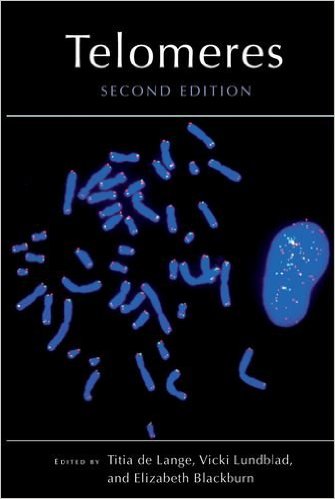
SUPPORT ESP: Click covers to order from Amazon
The ESP project will earn a commission.
Good Beginner's Books
Although multicellular eukaryotes (MCEs) are the most visible component of the biosphere, they represent a highly derived and constrained evolutionary subset of the biosphere, unrepresentative of the vast, mostly unseen, microbial world of prokaryotic life that comprises at least half of the planet's biomass and most of its genetic diversity. The existence of telomeres is one component of the specialized biology of eukaryotes. R. Robbins
ESP Picks from Around the Web (updated 28 JUL 2024 )
Old Science
Weird Science
Treating Disease with Fecal Transplantation
Fossils of miniature humans (hobbits) discovered in Indonesia
Paleontology
Dinosaur tail, complete with feathers, found preserved in amber.
Astronomy

Mysterious fast radio burst (FRB) detected in the distant universe.
Big Data & Informatics

Big Data: Buzzword or Big Deal?
Hacking the genome: Identifying anonymized human subjects using publicly available data.