MENU

Bibliography Options Menu

The Electronic Scholarly Publishing Project: Providing world-wide, free access to classic scientific papers and other scholarly materials, since 1993.
More About: ESP | OUR CONTENT | THIS WEBSITE | WHAT'S NEW | WHAT'S HOT
ESP: PubMed Auto Bibliography 19 Oct 2026 at 01:45 Created:
Evolution of Multicelluarity
Created with PubMed® Query: ( (evolution OR origin) AND (multicellularity OR multicellular) NOT 33634751[PMID] ) NOT pmcbook NOT ispreviousversion
Citations The Papers (from PubMed®)
RevDate: 2026-10-16
CmpDate: 2026-10-16
A 4D GelMA-Cad/Gelatin Hydrogel for High-Resolution DMD Bioprinting of Vascularized Soft Tissue Models.
bioRxiv : the preprint server for biology.
Digital micromirror device (DMD)-based bioprinting enables high-resolution fabrication of hydrogel-based tissue constructs, but print fidelity and hydrogel mechanics are typically coupled through polymer concentration, light exposure, and crosslinking density. This creates a materials constraint for vascular bioprinting, where constructs must preserve microscale architecture during fabrication while supporting multicellular remodeling, lumen formation, and long-term tissue organization. To meet these requirements, we developed a 4D GelMA-Cad/gelatin hydrogel with time-dependent mechanics that maintains print fidelity while providing a soft, cell-permissive matrix. GelMA-Cad provides a covalently photocrosslinked, bioactive network containing an N-cadherin-mimetic peptide, while uncrosslinked gelatin serves as a transient matrix-modifying component that diffuses from the hydrogel after fabrication, producing further softening without bulk degradation of the GelMA-Cad network. We characterized hydrogel chemistry with NMR, quantified time-dependent changes in stiffness, visualized pore morphology with cryo-SEM, and evaluated the platform in retinal and pulmonary constructs. The 4D hydrogel supports 3D-patterned accuracy, cell viability, inner blood-retinal barrier vasculature, and vascularized lung-alveolar tissue models. Single-cell RNA-sequencing of the pulmonary vascular-alveolar model demonstrated compartment-specific transcriptional responses, including enrichment of lung capillary-associated endothelial features and AT1-like epithelial states. Overall, this platform decouples DMD print fidelity from post-print matrix mechanics for vascularized soft tissue bioprinting and tissue modeling.
Additional Links: PMID-42856562
PubMed:
Citation:
show bibtex listing
hide bibtex listing
@article {pmid42856562,
year = {2026},
author = {Wang, JX and McClain, CA and Krystofiak, E and David, HE and Marguerite, NT and Hoskins, WR and Sutphen, HF and Kropski, JA and McCall, AS and O'Grady, B},
title = {A 4D GelMA-Cad/Gelatin Hydrogel for High-Resolution DMD Bioprinting of Vascularized Soft Tissue Models.},
journal = {bioRxiv : the preprint server for biology},
volume = {},
number = {},
pages = {},
pmid = {42856562},
issn = {2692-8205},
abstract = {Digital micromirror device (DMD)-based bioprinting enables high-resolution fabrication of hydrogel-based tissue constructs, but print fidelity and hydrogel mechanics are typically coupled through polymer concentration, light exposure, and crosslinking density. This creates a materials constraint for vascular bioprinting, where constructs must preserve microscale architecture during fabrication while supporting multicellular remodeling, lumen formation, and long-term tissue organization. To meet these requirements, we developed a 4D GelMA-Cad/gelatin hydrogel with time-dependent mechanics that maintains print fidelity while providing a soft, cell-permissive matrix. GelMA-Cad provides a covalently photocrosslinked, bioactive network containing an N-cadherin-mimetic peptide, while uncrosslinked gelatin serves as a transient matrix-modifying component that diffuses from the hydrogel after fabrication, producing further softening without bulk degradation of the GelMA-Cad network. We characterized hydrogel chemistry with NMR, quantified time-dependent changes in stiffness, visualized pore morphology with cryo-SEM, and evaluated the platform in retinal and pulmonary constructs. The 4D hydrogel supports 3D-patterned accuracy, cell viability, inner blood-retinal barrier vasculature, and vascularized lung-alveolar tissue models. Single-cell RNA-sequencing of the pulmonary vascular-alveolar model demonstrated compartment-specific transcriptional responses, including enrichment of lung capillary-associated endothelial features and AT1-like epithelial states. Overall, this platform decouples DMD print fidelity from post-print matrix mechanics for vascularized soft tissue bioprinting and tissue modeling.},
}
RevDate: 2026-10-16
CmpDate: 2026-10-16
From Amyloid Exposure to Genetic Causality: Converging hiPSC-Based Models of Alzheimer's Disease.
Cells, 15(19): pii:cells15191793.
Alzheimer's disease (AD) is a neurodegenerative disorder in which genetic susceptibility, aging, protein aggregation, and neuroglial dysfunction converge to drive progressive neuronal loss. Although animal models and conventional cell systems have provided fundamental insights into pathomechanisms, they only partially reproduce the human-specific and multifactorial nature of AD. Human induced pluripotent stem cell (hiPSC)-based models have emerged as a powerful platform to investigate disease-relevant processes within a patient-specific genetic background while enabling the generation of multiple neural cell types and multicellular systems. In this review, we present the evolution of hiPSC-based AD modeling, from reductionist paradigms based on exogenous amyloid-β exposure to CRISPR-engineered isogenic models addressing causal mutations and genetic risk variants associated with either familial or sporadic forms. We examine the contribution of three-dimensional brain organoids and neuroglial co-culture systems in recapitulating cell-cell interactions, neuroinflammatory responses, and tissue-level pathological processes. We focus on current challenges, including the limited representation of neuronal aging, variability among organoids, and the need for standardized protocols. Finally, we discuss the translational potential of hiPSC-derived systems for target identification, drug discovery, and regenerative medicine. Collectively, these advances position hiPSC-based platforms as essential complementary models for elucidating AD pathogenesis and accelerating the development of precision therapeutic strategies.
Additional Links: PMID-42882491
Publisher:
PubMed:
Citation:
show bibtex listing
hide bibtex listing
@article {pmid42882491,
year = {2026},
author = {Colasuonno, F and Valenza, A and Rossin, F and Moreno, S},
title = {From Amyloid Exposure to Genetic Causality: Converging hiPSC-Based Models of Alzheimer's Disease.},
journal = {Cells},
volume = {15},
number = {19},
pages = {},
doi = {10.3390/cells15191793},
pmid = {42882491},
issn = {2073-4409},
support = {AGYR2020//Italian Alzheimer Research Association Onlus/ ; PRIN 2022, CUP E53D23007150006//Ministry of Universities and Research/ ; PNRR-MAC2-II.3 project PE6 "Heal Italia" CUP E83C22004670001//Ministry of Universities and Research/ ; PNRR (DM 629) CUP: F81J24000490006//Ministry of Universities and Research/ ; 27116//Italian Association for Cancer Research/ ; Grant of Excellence Department 2023-2027//Ministero dell'università e della ricerca/ ; PNRR-MAD-2022-12375639//Ministero della Salute/ ; },
mesh = {Humans ; *Alzheimer Disease/genetics/pathology/metabolism ; *Induced Pluripotent Stem Cells/metabolism/pathology ; *Amyloid beta-Peptides/metabolism ; Animals ; *Models, Biological ; Neuroglia/metabolism/pathology ; *Amyloid/metabolism ; Organoids/metabolism/pathology ; },
abstract = {Alzheimer's disease (AD) is a neurodegenerative disorder in which genetic susceptibility, aging, protein aggregation, and neuroglial dysfunction converge to drive progressive neuronal loss. Although animal models and conventional cell systems have provided fundamental insights into pathomechanisms, they only partially reproduce the human-specific and multifactorial nature of AD. Human induced pluripotent stem cell (hiPSC)-based models have emerged as a powerful platform to investigate disease-relevant processes within a patient-specific genetic background while enabling the generation of multiple neural cell types and multicellular systems. In this review, we present the evolution of hiPSC-based AD modeling, from reductionist paradigms based on exogenous amyloid-β exposure to CRISPR-engineered isogenic models addressing causal mutations and genetic risk variants associated with either familial or sporadic forms. We examine the contribution of three-dimensional brain organoids and neuroglial co-culture systems in recapitulating cell-cell interactions, neuroinflammatory responses, and tissue-level pathological processes. We focus on current challenges, including the limited representation of neuronal aging, variability among organoids, and the need for standardized protocols. Finally, we discuss the translational potential of hiPSC-derived systems for target identification, drug discovery, and regenerative medicine. Collectively, these advances position hiPSC-based platforms as essential complementary models for elucidating AD pathogenesis and accelerating the development of precision therapeutic strategies.},
}
MeSH Terms:
show MeSH Terms
hide MeSH Terms
Humans
*Alzheimer Disease/genetics/pathology/metabolism
*Induced Pluripotent Stem Cells/metabolism/pathology
*Amyloid beta-Peptides/metabolism
Animals
*Models, Biological
Neuroglia/metabolism/pathology
*Amyloid/metabolism
Organoids/metabolism/pathology
RevDate: 2026-10-16
CmpDate: 2026-10-16
The Red Blood Cell-Liver Axis: A New Framework for Iron Homeostasis and Liver Biology.
Biology, 15(19): pii:biology15191773.
The liver is traditionally viewed as an organ of metabolism, bile formation, detoxification, and iron storage. Evidence shows that hepatic red blood cell (RBC) handling extends beyond macrophages to include uptake by hepatocytes and liver sinusoidal endothelial cells, forming a multicellular clearance network. This article introduces the RBC-liver axis, through which the liver senses, processes, and responds to RBC-derived material. Daily RBC turnover generates the dominant flux of heme and iron, recycling 25 mg of iron per day, while hepatocytes couple heme-responsive NRF2 signaling to MRP2-mediated bilirubin excretion. Hepcidin emerges as an integrated output of RBC-derived heme and iron flux, inflammation, oxygen tension, redox status, and erythropoietic demand. Evidence supports a biphasic response in which moderate RBC-derived heme and iron flux stimulates hepcidin, whereas excessive hemolysis may dysregulate this response through ERFE-dependent and ERFE-independent mechanisms. Mechanistically, this model integrates BMP6-SMAD signaling with HO-1, KEAP1-NRF2, BACH1, and redox-sensitive H2O2-STAT3 signaling amplified by hypoxia. Alcohol-associated liver disease illustrates its clinical relevance by linking enhanced erythrocyte turnover to iron accumulation and mortality. Thus, the liver emerges as a central processor of RBC biology, whose metabolic, protein-producing, lipid-handling, detoxifying, and biliary functions may reflect an evolutionarily conserved blood-processing program.
Additional Links: PMID-42883446
Publisher:
PubMed:
Citation:
show bibtex listing
hide bibtex listing
@article {pmid42883446,
year = {2026},
author = {Mueller, S},
title = {The Red Blood Cell-Liver Axis: A New Framework for Iron Homeostasis and Liver Biology.},
journal = {Biology},
volume = {15},
number = {19},
pages = {},
doi = {10.3390/biology15191773},
pmid = {42883446},
issn = {2079-7737},
abstract = {The liver is traditionally viewed as an organ of metabolism, bile formation, detoxification, and iron storage. Evidence shows that hepatic red blood cell (RBC) handling extends beyond macrophages to include uptake by hepatocytes and liver sinusoidal endothelial cells, forming a multicellular clearance network. This article introduces the RBC-liver axis, through which the liver senses, processes, and responds to RBC-derived material. Daily RBC turnover generates the dominant flux of heme and iron, recycling 25 mg of iron per day, while hepatocytes couple heme-responsive NRF2 signaling to MRP2-mediated bilirubin excretion. Hepcidin emerges as an integrated output of RBC-derived heme and iron flux, inflammation, oxygen tension, redox status, and erythropoietic demand. Evidence supports a biphasic response in which moderate RBC-derived heme and iron flux stimulates hepcidin, whereas excessive hemolysis may dysregulate this response through ERFE-dependent and ERFE-independent mechanisms. Mechanistically, this model integrates BMP6-SMAD signaling with HO-1, KEAP1-NRF2, BACH1, and redox-sensitive H2O2-STAT3 signaling amplified by hypoxia. Alcohol-associated liver disease illustrates its clinical relevance by linking enhanced erythrocyte turnover to iron accumulation and mortality. Thus, the liver emerges as a central processor of RBC biology, whose metabolic, protein-producing, lipid-handling, detoxifying, and biliary functions may reflect an evolutionarily conserved blood-processing program.},
}
RevDate: 2026-10-16
CmpDate: 2026-10-16
Transcriptional control of meiotic recombination by DREAM complex components.
Science advances, 12(42):eaef2922.
Meiotic chromosome segregation and recombination, essential for sexual reproduction and evolution, require a specialized gene set. Despite its importance, the transcriptional regulators that directly orchestrate meiotic gene expression remain unidentified in plants. We identify the MuvB core components known from the DREAM complex as key transcriptional regulators of meiotic recombination in Arabidopsis. Loss of DREAM components TCX5/6 and ALY1/2 leads to impaired recombination and fertility defects. Meiocyte-specific transcriptome profiling and genome-wide binding analyses reveal that core recombination genes, including the crossover-promoting helicase MER3, are direct targets. Consistently, MER3 overexpression partially rescues recombination defects in DREAM-compromised plants. These findings establish the DREAM complex components as important regulators of the meiotic program in plants. Given that DREAM dysfunction causes reproductive defects in animals, this regulatory role may be conserved across multicellular eukaryotes.
Additional Links: PMID-42886811
Publisher:
PubMed:
Citation:
show bibtex listing
hide bibtex listing
@article {pmid42886811,
year = {2026},
author = {Tunçay, H and Ma, X and Müller, K and Guo, Y and Toccaceli, VF and Fu, H and Böwer, F and Lang, L and Latrasse, D and Wang, Y and Benhamed, M and Schnittger, A},
title = {Transcriptional control of meiotic recombination by DREAM complex components.},
journal = {Science advances},
volume = {12},
number = {42},
pages = {eaef2922},
doi = {10.1126/sciadv.aef2922},
pmid = {42886811},
issn = {2375-2548},
mesh = {*Meiosis/genetics ; *Arabidopsis/genetics/metabolism ; *Arabidopsis Proteins/genetics/metabolism ; *Transcription, Genetic ; *Gene Expression Regulation, Plant ; *Recombination, Genetic ; *Homologous Recombination ; DNA Helicases/genetics/metabolism ; },
abstract = {Meiotic chromosome segregation and recombination, essential for sexual reproduction and evolution, require a specialized gene set. Despite its importance, the transcriptional regulators that directly orchestrate meiotic gene expression remain unidentified in plants. We identify the MuvB core components known from the DREAM complex as key transcriptional regulators of meiotic recombination in Arabidopsis. Loss of DREAM components TCX5/6 and ALY1/2 leads to impaired recombination and fertility defects. Meiocyte-specific transcriptome profiling and genome-wide binding analyses reveal that core recombination genes, including the crossover-promoting helicase MER3, are direct targets. Consistently, MER3 overexpression partially rescues recombination defects in DREAM-compromised plants. These findings establish the DREAM complex components as important regulators of the meiotic program in plants. Given that DREAM dysfunction causes reproductive defects in animals, this regulatory role may be conserved across multicellular eukaryotes.},
}
MeSH Terms:
show MeSH Terms
hide MeSH Terms
*Meiosis/genetics
*Arabidopsis/genetics/metabolism
*Arabidopsis Proteins/genetics/metabolism
*Transcription, Genetic
*Gene Expression Regulation, Plant
*Recombination, Genetic
*Homologous Recombination
DNA Helicases/genetics/metabolism
RevDate: 2026-10-13
Translational modelling of human microglia from cultures to chimeras.
Experimental & molecular medicine [Epub ahead of print].
Microglia play a crucial role in maintaining homeostasis of the central nervous system, whereas their dysfunction is implicated in the pathogenesis of various neurological diseases. Nevertheless, interspecific genetic differences pose challenges to translating findings from conventional rodent models. Human pluripotent stem cell-derived microglia offer a genetically relevant alternative, but these cells undergo profound transcriptomic changes and lose key homeostatic features when isolated from physiological brain cues. Accordingly, research has increasingly focused on advanced modelling platforms designed to restore the microenvironment required for in vivo microglial identity and functionality. This review examines the evolution of human microglial platforms, encompassing foundational generation protocols and multicellular integration. The discussion extends from two-dimensional co-cultures to three-dimensional brain organoids and includes human microglia chimeric models established via xenotransplantation to provide a physiological niche. In summary, the human pluripotent stem cell-based approach represents a valuable experimental pipeline for microglia research, facilitating the investigation of polygenic structures underlying human neurological diseases, from high-throughput screening to in vivo preclinical validation.
Additional Links: PMID-42869967
PubMed:
Citation:
show bibtex listing
hide bibtex listing
@article {pmid42869967,
year = {2026},
author = {Lee, J and Yoo, Y},
title = {Translational modelling of human microglia from cultures to chimeras.},
journal = {Experimental & molecular medicine},
volume = {},
number = {},
pages = {},
pmid = {42869967},
issn = {2092-6413},
support = {RS-2025-02303431//Ministry of Education (Ministry of Education of the Republic of Korea)/ ; },
abstract = {Microglia play a crucial role in maintaining homeostasis of the central nervous system, whereas their dysfunction is implicated in the pathogenesis of various neurological diseases. Nevertheless, interspecific genetic differences pose challenges to translating findings from conventional rodent models. Human pluripotent stem cell-derived microglia offer a genetically relevant alternative, but these cells undergo profound transcriptomic changes and lose key homeostatic features when isolated from physiological brain cues. Accordingly, research has increasingly focused on advanced modelling platforms designed to restore the microenvironment required for in vivo microglial identity and functionality. This review examines the evolution of human microglial platforms, encompassing foundational generation protocols and multicellular integration. The discussion extends from two-dimensional co-cultures to three-dimensional brain organoids and includes human microglia chimeric models established via xenotransplantation to provide a physiological niche. In summary, the human pluripotent stem cell-based approach represents a valuable experimental pipeline for microglia research, facilitating the investigation of polygenic structures underlying human neurological diseases, from high-throughput screening to in vivo preclinical validation.},
}
RevDate: 2026-10-14
CmpDate: 2026-10-14
Tumor-on-chip and cancer microphysiological platforms: knowledge structure, thematic evolution, and the emergence of organoid-integrated models, 2010-2025.
Frontiers in pharmacology, 17:1926341.
BACKGROUND: Cancer microphysiological systems (MPS), including tumor-on-chip platforms, combine engineered microenvironments, controlled fluid transport, and tumor-relevant biological models for cancer modeling, drug testing, and translational research. Organoid-integrated chips represent one developing component within this broader field, but the publication growth, knowledge structure, and changing research priorities of cancer MPS and tumor-on-chip research have not been systematically mapped across major bibliographic databases.
METHODS: We performed a dual-database bibliometric analysis of publications indexed in the Web of Science Core Collection and Scopus from 2010 to 2025. Bibliometric indicators were analyzed using Bibliometrix, VOSviewer, and CiteSpace. We examined publication growth, source distribution, author and country collaboration, highly cited and co-cited references, and temporal keyword evolution. In addition, a phase-split keyword analysis was conducted to compare the research emphasis during 2010-2020 and 2021-2025.
RESULTS: A total of 476 publications were included in the final cancer MPS/tumor-on-chip corpus. Research output increased markedly after 2020 and reached 101 articles in 2025. Source, co-citation, and keyword analyses suggested a progressive shift from early emphasis on microfluidic device construction and physical culture control toward greater attention to biofabrication, tumor microenvironment reconstruction, immune-related interactions, and drug-screening and other application-oriented themes. Phase-split keyword analysis showed that recent publications placed greater attention on biological applications and translational questions while retaining a clear connection with earlier engineering-oriented research. The United States and China emerged as the major research hubs, although with different collaboration profiles.
CONCLUSION: This study provides a dual-database bibliometric analysis of cancer microphysiological systems and tumor-on-chip research from 2010 to 2025. The field has expanded from microfluidic engineering and basic tumor reconstruction toward tumor microenvironment modeling, multicellular interactions, drug-related applications, and organoid integration. These trends indicate growing translational interest, although the biological performance and clinical utility of individual platforms require direct experimental evaluation.
Additional Links: PMID-42871268
PubMed:
Citation:
show bibtex listing
hide bibtex listing
@article {pmid42871268,
year = {2026},
author = {Tian, H and Li, G and Lian, Y and Liu, H and Fang, Y and Tong, Y and He, Z and Bian, Y and Wei, G},
title = {Tumor-on-chip and cancer microphysiological platforms: knowledge structure, thematic evolution, and the emergence of organoid-integrated models, 2010-2025.},
journal = {Frontiers in pharmacology},
volume = {17},
number = {},
pages = {1926341},
pmid = {42871268},
issn = {1663-9812},
abstract = {BACKGROUND: Cancer microphysiological systems (MPS), including tumor-on-chip platforms, combine engineered microenvironments, controlled fluid transport, and tumor-relevant biological models for cancer modeling, drug testing, and translational research. Organoid-integrated chips represent one developing component within this broader field, but the publication growth, knowledge structure, and changing research priorities of cancer MPS and tumor-on-chip research have not been systematically mapped across major bibliographic databases.
METHODS: We performed a dual-database bibliometric analysis of publications indexed in the Web of Science Core Collection and Scopus from 2010 to 2025. Bibliometric indicators were analyzed using Bibliometrix, VOSviewer, and CiteSpace. We examined publication growth, source distribution, author and country collaboration, highly cited and co-cited references, and temporal keyword evolution. In addition, a phase-split keyword analysis was conducted to compare the research emphasis during 2010-2020 and 2021-2025.
RESULTS: A total of 476 publications were included in the final cancer MPS/tumor-on-chip corpus. Research output increased markedly after 2020 and reached 101 articles in 2025. Source, co-citation, and keyword analyses suggested a progressive shift from early emphasis on microfluidic device construction and physical culture control toward greater attention to biofabrication, tumor microenvironment reconstruction, immune-related interactions, and drug-screening and other application-oriented themes. Phase-split keyword analysis showed that recent publications placed greater attention on biological applications and translational questions while retaining a clear connection with earlier engineering-oriented research. The United States and China emerged as the major research hubs, although with different collaboration profiles.
CONCLUSION: This study provides a dual-database bibliometric analysis of cancer microphysiological systems and tumor-on-chip research from 2010 to 2025. The field has expanded from microfluidic engineering and basic tumor reconstruction toward tumor microenvironment modeling, multicellular interactions, drug-related applications, and organoid integration. These trends indicate growing translational interest, although the biological performance and clinical utility of individual platforms require direct experimental evaluation.},
}
RevDate: 2026-10-09
CmpDate: 2026-10-09
Multicellular cooperation and the hallmarks of cancer: A new foundation.
Evolution, medicine, and public health, 13(1):374-380.
Multicellularity evolved independently several times across the tree of life. In all cases, these events were dependent on various types of cellular cooperation. We previously identified five universal foundations of cellular cooperation that are required in all complex multicellular lineages to allow the collection of cells to function and reproduce as a whole (i.e. a multicellular individual). These include: proliferation inhibition, controlled cell death, resource allocation, division of labor, and maintenance of the extracellular environment. We propose that there is a sixth universal foundation of multicellularity that breaks down in cancer: proximity maintenance. By staying in close proximity, cells can more easily provide benefits for one another, communicate, coordinate their behavior, and evolve increased size and complexity. Here, we revisit and further develop the five original foundations of multicellular cooperation in the context of the evolution of multicellularity from unicellular ancestors and their implications for cancer progression. In our previous work, we suggested that the breakdown of all these cooperative behaviors is reflected in the universal hallmarks of cancer. Similarly, the breakdown of proximity maintenance maps to another hallmark of cancer-activating invasion and metastasis.
Additional Links: PMID-42852314
PubMed:
Citation:
show bibtex listing
hide bibtex listing
@article {pmid42852314,
year = {2025},
author = {Maley, CC and Boddy, AM and Nedelcu, AM and Aktipis, A},
title = {Multicellular cooperation and the hallmarks of cancer: A new foundation.},
journal = {Evolution, medicine, and public health},
volume = {13},
number = {1},
pages = {374-380},
pmid = {42852314},
issn = {2050-6201},
abstract = {Multicellularity evolved independently several times across the tree of life. In all cases, these events were dependent on various types of cellular cooperation. We previously identified five universal foundations of cellular cooperation that are required in all complex multicellular lineages to allow the collection of cells to function and reproduce as a whole (i.e. a multicellular individual). These include: proliferation inhibition, controlled cell death, resource allocation, division of labor, and maintenance of the extracellular environment. We propose that there is a sixth universal foundation of multicellularity that breaks down in cancer: proximity maintenance. By staying in close proximity, cells can more easily provide benefits for one another, communicate, coordinate their behavior, and evolve increased size and complexity. Here, we revisit and further develop the five original foundations of multicellular cooperation in the context of the evolution of multicellularity from unicellular ancestors and their implications for cancer progression. In our previous work, we suggested that the breakdown of all these cooperative behaviors is reflected in the universal hallmarks of cancer. Similarly, the breakdown of proximity maintenance maps to another hallmark of cancer-activating invasion and metastasis.},
}
RevDate: 2026-10-07
CmpDate: 2026-10-08
Overcoming key challenges in the evolutionary transition to multicellularity.
Nature, 658(8135):327-336.
Dozens of independent origins of multicellularity have profoundly shaped Earth's evolutionary and ecological history. These transitions have given rise to massive radiations encompassing thousands to millions of species and the evolution of increasingly complex bodies. Multicellular taxa now constitute the majority of Earth's biomass and have fundamentally transformed global ecosystems, underpinning diverse biomes from forests and grasslands to coral reefs. While these macroevolutionary patterns have long been recognized, the microevolutionary processes driving the transition to multicellularity have remained unclear. Questions remain on how solitary cells form cohesive groups, how these groups become evolutionary units capable of adaptation at the multicellular level, and how novel cell types and developmental patterns emerge. Recent discoveries of previously unknown multicellular species and the development of experimental models have provided important insights into these questions. This work reveals that seemingly insurmountable evolutionary hurdles are often readily overcome either through the repurposing of ancestral unicellular traits or through emergent properties of multicellular collectives that arise spontaneously. Here we review key breakthroughs in our understanding of the microevolutionary processes that underpin the evolution of increasingly complex multicellularity, focusing on mechanisms through which single cells can evolve into functionally integrated multicellular organisms.
Additional Links: PMID-42844412
PubMed:
Citation:
show bibtex listing
hide bibtex listing
@article {pmid42844412,
year = {2026},
author = {Ozan Bozdag, G and Tong, K and Yunker, PJ and Herron, MD and Ratcliff, WC},
title = {Overcoming key challenges in the evolutionary transition to multicellularity.},
journal = {Nature},
volume = {658},
number = {8135},
pages = {327-336},
pmid = {42844412},
issn = {1476-4687},
mesh = {*Biological Evolution ; Animals ; },
abstract = {Dozens of independent origins of multicellularity have profoundly shaped Earth's evolutionary and ecological history. These transitions have given rise to massive radiations encompassing thousands to millions of species and the evolution of increasingly complex bodies. Multicellular taxa now constitute the majority of Earth's biomass and have fundamentally transformed global ecosystems, underpinning diverse biomes from forests and grasslands to coral reefs. While these macroevolutionary patterns have long been recognized, the microevolutionary processes driving the transition to multicellularity have remained unclear. Questions remain on how solitary cells form cohesive groups, how these groups become evolutionary units capable of adaptation at the multicellular level, and how novel cell types and developmental patterns emerge. Recent discoveries of previously unknown multicellular species and the development of experimental models have provided important insights into these questions. This work reveals that seemingly insurmountable evolutionary hurdles are often readily overcome either through the repurposing of ancestral unicellular traits or through emergent properties of multicellular collectives that arise spontaneously. Here we review key breakthroughs in our understanding of the microevolutionary processes that underpin the evolution of increasingly complex multicellularity, focusing on mechanisms through which single cells can evolve into functionally integrated multicellular organisms.},
}
MeSH Terms:
show MeSH Terms
hide MeSH Terms
*Biological Evolution
Animals
RevDate: 2026-10-08
Septins regulate cytokinesis and multicellular development in the closest living relatives of animals.
Molecular biology of the cell [Epub ahead of print].
Septins are cytoskeletal proteins that regulate cytokinesis in fungi and animals, yet their functions in choanoflagellates-the closest living relatives of animals-have remained unknown. Salpingoeca rosetta, a choanoflagellate that switches between unicellular and multicellular forms, encodes four septins that are closely related to animal and fungal septins. Disruption of three of these septins altered cell size and impaired multicellular rosette development, with two of these three also required for normal rosette integrity. Characterization of Sros_septA, which showed the strongest phenotype, revealed a role in cytokinesis: mutant cells underwent furrow ingression but frequently failed to complete cell division, resulting in enlarged, multinucleated cells. Cell size and rates of cytokinesis failure and multinucleation were elevated in uninduced Sros_septA mutant cells and increased further upon rosette induction, revealing a heightened requirement for Sros_septA in cytokinesis during multicellular development in S. rosetta. Consistent with these cytokinesis defects, endogenously tagged Sros_SeptA dynamically redistributed from the basal pole in interphase cells to the cleavage furrow and nascent intercellular bridge during cell division. These findings identify roles for septins in cytokinesis and multicellular development in S. rosetta and offer a framework for exploring the evolution of cytokinetic regulation alongside the emergence of multicellularity in the animal stem lineage. [Media: see text] [Media: see text] [Media: see text] [Media: see text] [Media: see text].
Additional Links: PMID-42848502
Publisher:
PubMed:
Citation:
show bibtex listing
hide bibtex listing
@article {pmid42848502,
year = {2026},
author = {Carver, M and King, N},
title = {Septins regulate cytokinesis and multicellular development in the closest living relatives of animals.},
journal = {Molecular biology of the cell},
volume = {},
number = {},
pages = {mbcE26030141},
doi = {10.1091/mbc.E26-03-0141},
pmid = {42848502},
issn = {1939-4586},
abstract = {Septins are cytoskeletal proteins that regulate cytokinesis in fungi and animals, yet their functions in choanoflagellates-the closest living relatives of animals-have remained unknown. Salpingoeca rosetta, a choanoflagellate that switches between unicellular and multicellular forms, encodes four septins that are closely related to animal and fungal septins. Disruption of three of these septins altered cell size and impaired multicellular rosette development, with two of these three also required for normal rosette integrity. Characterization of Sros_septA, which showed the strongest phenotype, revealed a role in cytokinesis: mutant cells underwent furrow ingression but frequently failed to complete cell division, resulting in enlarged, multinucleated cells. Cell size and rates of cytokinesis failure and multinucleation were elevated in uninduced Sros_septA mutant cells and increased further upon rosette induction, revealing a heightened requirement for Sros_septA in cytokinesis during multicellular development in S. rosetta. Consistent with these cytokinesis defects, endogenously tagged Sros_SeptA dynamically redistributed from the basal pole in interphase cells to the cleavage furrow and nascent intercellular bridge during cell division. These findings identify roles for septins in cytokinesis and multicellular development in S. rosetta and offer a framework for exploring the evolution of cytokinetic regulation alongside the emergence of multicellularity in the animal stem lineage. [Media: see text] [Media: see text] [Media: see text] [Media: see text] [Media: see text].},
}
RevDate: 2026-10-07
CmpDate: 2026-10-07
Diversity and spatial segregation of TRP channels in the closest relatives of animals.
Proceedings of the National Academy of Sciences of the United States of America, 123(41):e2625484123.
Sensory systems, built around specialized cell types, are central to how animals perceive and respond to their environments. However, the evolutionary origin of these systems remains unclear. Here, we show that choanoflagellates, the sister group of animals, possess remarkably diverse repertoires of transient receptor potential (TRP) channels, an ancient superfamily of sensory ion channels. Comparative analyses indicate that most major animal TRP channel families predate the origin of animals and reveal extensive radiations of the TRPM and TRPW families within choanoflagellates, with the latter family likely being lost in the animal lineage. Furthermore, in the choanoflagellate model Salpingoeca rosetta, TRPA, TRPC and TRPV occupy discrete microdomains within the collar complex, a key interface for environmental sensing and feeding. We propose that the evolution of animal sensory systems involved both expansion and reorganization of this ancestral repertoire, with subcellular patterning in unicellular organisms representing a precursor to cell-type specialization in multicellular animals.
Additional Links: PMID-42842415
Publisher:
PubMed:
Citation:
show bibtex listing
hide bibtex listing
@article {pmid42842415,
year = {2026},
author = {Mannsåker, S and Burkhardt, P and Colgren, J},
title = {Diversity and spatial segregation of TRP channels in the closest relatives of animals.},
journal = {Proceedings of the National Academy of Sciences of the United States of America},
volume = {123},
number = {41},
pages = {e2625484123},
doi = {10.1073/pnas.2625484123},
pmid = {42842415},
issn = {1091-6490},
support = {234817//Norwegian Research Council/ ; },
mesh = {Animals ; *Transient Receptor Potential Channels/genetics/metabolism ; *Choanoflagellata/genetics/metabolism ; Phylogeny ; Evolution, Molecular ; Biological Evolution ; },
abstract = {Sensory systems, built around specialized cell types, are central to how animals perceive and respond to their environments. However, the evolutionary origin of these systems remains unclear. Here, we show that choanoflagellates, the sister group of animals, possess remarkably diverse repertoires of transient receptor potential (TRP) channels, an ancient superfamily of sensory ion channels. Comparative analyses indicate that most major animal TRP channel families predate the origin of animals and reveal extensive radiations of the TRPM and TRPW families within choanoflagellates, with the latter family likely being lost in the animal lineage. Furthermore, in the choanoflagellate model Salpingoeca rosetta, TRPA, TRPC and TRPV occupy discrete microdomains within the collar complex, a key interface for environmental sensing and feeding. We propose that the evolution of animal sensory systems involved both expansion and reorganization of this ancestral repertoire, with subcellular patterning in unicellular organisms representing a precursor to cell-type specialization in multicellular animals.},
}
MeSH Terms:
show MeSH Terms
hide MeSH Terms
Animals
*Transient Receptor Potential Channels/genetics/metabolism
*Choanoflagellata/genetics/metabolism
Phylogeny
Evolution, Molecular
Biological Evolution
RevDate: 2026-10-06
CmpDate: 2026-10-06
Integrated single-cell and bulk-tissue transcriptomic analysis reveals an epithelial-stromal inflammatory microenvironment in biliary atresia.
Frontiers in pediatrics, 14:1948945.
BACKGROUND: Biliary atresia is a severe fibroinflammatory cholangiopathy of infancy. Its pathological process involves biliary epithelial injury, immune activation, and intrahepatic stromal remodeling, but the cellular interactions linking these processes remain incompletely defined. Using public single-cell and bulk-tissue transcriptomic cohorts, this study systematically characterized disease-associated alterations across liver cell populations in biliary atresia and further evaluated their consistency in independent cohorts.
METHODS: Public single-cell liver data (GSE176189) and three independent bulk-tissue cohorts (GSE122340, GSE300457, and GSE46960) were analyzed. The single-cell cohort contained 119,538 cells after filtering, including 89,118 cells from biliary atresia samples and 30,420 cells from choledochal cyst samples. Disease-associated genes were identified within major cell populations, used to construct cell-origin microenvironment signatures, and evaluated across bulk cohorts.
RESULTS: Broad cell-type annotation identified cholangiocytes, macrophages, T cells, endothelial cells, fibroblasts, and other liver-resident or immune populations. Based on biliary atresia-upregulated genes from five key cell populations, a 219-gene pathological microenvironment signature was constructed. Cell-type-specific enrichment analysis highlighted immune, antiviral, migration, and matrix-related biological processes, although the fibroblast component was based on fewer genes and was interpreted cautiously. In three bulk-tissue cohorts, the composite microenvironment score was elevated in biliary atresia samples, with areas under the receiver operating characteristic curve of 0.993, 0.782, and 0.798, respectively. Cell-communication analysis suggested candidate MIF, GALECTIN, CLEC, PTN, NOTCH, and CXCL signaling axes, which require spatial or experimental validation.
CONCLUSION: These findings support a multi-cellular inflammatory microenvironment in biliary atresia liver and nominate epithelial-immune-stromal communication axes for future validation, while recognizing that the single-cell comparison used choledochal cyst rather than normal liver as the control condition.
Additional Links: PMID-42835197
PubMed:
Citation:
show bibtex listing
hide bibtex listing
@article {pmid42835197,
year = {2026},
author = {Lu, S and Wang, Z and Li, X},
title = {Integrated single-cell and bulk-tissue transcriptomic analysis reveals an epithelial-stromal inflammatory microenvironment in biliary atresia.},
journal = {Frontiers in pediatrics},
volume = {14},
number = {},
pages = {1948945},
pmid = {42835197},
issn = {2296-2360},
abstract = {BACKGROUND: Biliary atresia is a severe fibroinflammatory cholangiopathy of infancy. Its pathological process involves biliary epithelial injury, immune activation, and intrahepatic stromal remodeling, but the cellular interactions linking these processes remain incompletely defined. Using public single-cell and bulk-tissue transcriptomic cohorts, this study systematically characterized disease-associated alterations across liver cell populations in biliary atresia and further evaluated their consistency in independent cohorts.
METHODS: Public single-cell liver data (GSE176189) and three independent bulk-tissue cohorts (GSE122340, GSE300457, and GSE46960) were analyzed. The single-cell cohort contained 119,538 cells after filtering, including 89,118 cells from biliary atresia samples and 30,420 cells from choledochal cyst samples. Disease-associated genes were identified within major cell populations, used to construct cell-origin microenvironment signatures, and evaluated across bulk cohorts.
RESULTS: Broad cell-type annotation identified cholangiocytes, macrophages, T cells, endothelial cells, fibroblasts, and other liver-resident or immune populations. Based on biliary atresia-upregulated genes from five key cell populations, a 219-gene pathological microenvironment signature was constructed. Cell-type-specific enrichment analysis highlighted immune, antiviral, migration, and matrix-related biological processes, although the fibroblast component was based on fewer genes and was interpreted cautiously. In three bulk-tissue cohorts, the composite microenvironment score was elevated in biliary atresia samples, with areas under the receiver operating characteristic curve of 0.993, 0.782, and 0.798, respectively. Cell-communication analysis suggested candidate MIF, GALECTIN, CLEC, PTN, NOTCH, and CXCL signaling axes, which require spatial or experimental validation.
CONCLUSION: These findings support a multi-cellular inflammatory microenvironment in biliary atresia liver and nominate epithelial-immune-stromal communication axes for future validation, while recognizing that the single-cell comparison used choledochal cyst rather than normal liver as the control condition.},
}
RevDate: 2026-10-06
Deceptive simplicity and law-governed symbiosis: a critical mini-review of the mechanisms underlying the emergence of multicellular organisms.
Bio Systems pii:S0303-2647(26)00293-5 [Epub ahead of print].
The mechanisms underlying the evolutionary emergence of multicellular organisms are examined from a systems perspective. The key parameter of this evolution is complexity, both of individual cells and of the multicellular organism. The main problems of cell integration are examined, such as genome integration and the coordination of the functioning of immune and transport systems. As a result, the emergence of a multicellular organism from any unicellular organism is an unattainable task for random mutations and selection. The concept of regulated symbiosis is proposed as a mechanism for the formation of a multicellular organism. The problem of the origin of multicellularity is also examined from the perspective of systems theory. This perspective allows us to understand the most general problems concerning the origin of multicellular organisms. As a mechanism for implementing regulated symbiosis, immanent laws of form generation are proposed, realized through hidden variables in quantum mechanics.
Additional Links: PMID-42838452
Publisher:
PubMed:
Citation:
show bibtex listing
hide bibtex listing
@article {pmid42838452,
year = {2026},
author = {Melkikh, AV},
title = {Deceptive simplicity and law-governed symbiosis: a critical mini-review of the mechanisms underlying the emergence of multicellular organisms.},
journal = {Bio Systems},
volume = {},
number = {},
pages = {105983},
doi = {10.1016/j.biosystems.2026.105983},
pmid = {42838452},
issn = {1872-8324},
abstract = {The mechanisms underlying the evolutionary emergence of multicellular organisms are examined from a systems perspective. The key parameter of this evolution is complexity, both of individual cells and of the multicellular organism. The main problems of cell integration are examined, such as genome integration and the coordination of the functioning of immune and transport systems. As a result, the emergence of a multicellular organism from any unicellular organism is an unattainable task for random mutations and selection. The concept of regulated symbiosis is proposed as a mechanism for the formation of a multicellular organism. The problem of the origin of multicellularity is also examined from the perspective of systems theory. This perspective allows us to understand the most general problems concerning the origin of multicellular organisms. As a mechanism for implementing regulated symbiosis, immanent laws of form generation are proposed, realized through hidden variables in quantum mechanics.},
}
RevDate: 2026-10-01
CmpDate: 2026-10-01
Diversity and Evolvability of Self-/Nonself-Discrimination and the Origins of Vertebrate Adaptive Immunity.
Annual review of cell and developmental biology, 42(1):307-337.
The ability to discriminate self from nonself is found throughout the tree of life and underlies a diverse range of processes, including immunity, mate choice, and cooperative social interactions. Self-/nonself-recognition also operates during development, for example, coordinating the formation of complex neural circuits. Despite this ubiquity, proteins that mediate self-/nonself-recognition are lineage-specific. Novel genetic interactions have arisen repeatedly and in a punctuated manner, in some cases even evolving de novo within the same lineages. This review examines the fundamental principles of self-/nonself-recognition across diverse taxa, focusing on the cellular and molecular mechanisms underlying discrimination, the generation and maintenance of novel recognition specificities, and how these systems have been modified over time. Together, these modifications provide a mechanistic foundation to address a central problem in evolutionary biology: the origins of vertebrate adaptive immunity, a system capable of unparalleled self-/nonself-discrimination.
Additional Links: PMID-42441833
Publisher:
PubMed:
Citation:
show bibtex listing
hide bibtex listing
@article {pmid42441833,
year = {2026},
author = {De Tomaso, AW and Rodriguez-Valbuena, H},
title = {Diversity and Evolvability of Self-/Nonself-Discrimination and the Origins of Vertebrate Adaptive Immunity.},
journal = {Annual review of cell and developmental biology},
volume = {42},
number = {1},
pages = {307-337},
doi = {10.1146/annurev-cellbio-111822-123126},
pmid = {42441833},
issn = {1530-8995},
mesh = {Animals ; *Vertebrates/immunology/genetics ; Humans ; *Adaptive Immunity/genetics/immunology ; *Biological Evolution ; Self Tolerance ; },
abstract = {The ability to discriminate self from nonself is found throughout the tree of life and underlies a diverse range of processes, including immunity, mate choice, and cooperative social interactions. Self-/nonself-recognition also operates during development, for example, coordinating the formation of complex neural circuits. Despite this ubiquity, proteins that mediate self-/nonself-recognition are lineage-specific. Novel genetic interactions have arisen repeatedly and in a punctuated manner, in some cases even evolving de novo within the same lineages. This review examines the fundamental principles of self-/nonself-recognition across diverse taxa, focusing on the cellular and molecular mechanisms underlying discrimination, the generation and maintenance of novel recognition specificities, and how these systems have been modified over time. Together, these modifications provide a mechanistic foundation to address a central problem in evolutionary biology: the origins of vertebrate adaptive immunity, a system capable of unparalleled self-/nonself-discrimination.},
}
MeSH Terms:
show MeSH Terms
hide MeSH Terms
Animals
*Vertebrates/immunology/genetics
Humans
*Adaptive Immunity/genetics/immunology
*Biological Evolution
Self Tolerance
RevDate: 2026-09-30
CmpDate: 2026-09-30
Beyond the Monolayer: Leveraging 3D Culture Systems to Decode Mechanisms of Drug Resistance and Therapeutic Vulnerabilities in Colorectal Cancer.
Cancer medicine, 15(10):e72305.
Two-dimensional (2D) monolayer cultures remain the workhorse of colorectal cancer (CRC) research and high-throughput screening (HTS), yet they poorly recapitulate tissue architecture, extracellular matrix (ECM) cues, metabolic gradients, and multicellular heterogeneity that govern drug response in vivo. Over the past decade, three-dimensional (3D) culture systems-including spheroids, patient-derived organoids (PDOs), tissue-originated spheroids (CTOS), and collagen-embedded models-have revealed striking 2D vs. 3D discordance in proliferation, signaling, epithelial-mesenchymal transition (EMT), plasticity, and sensitivity to standard chemo- and targeted therapies. This review synthesizes how 3D CRC models are used to decode mechanisms of primary and acquired resistance to anti-CRC therapies, from metabolic phenotypes and ECM remodeling to EMT, polarity loss, and rare invasive trajectories identified by imaging and quantification of morphologic features of CRC cells grown in 3D. Parallel advances in PDO-based functional precision oncology demonstrate that organoid drug screens can prospectively predict patient response in advanced CRC, while 3D combination screens uncover format-specific synergies that are invisible in 2D. Building on this foundation, we highlight recent technical innovations and discuss how integrating morphometric, metabolic, and trajectory-level readouts can move CRC drug discovery "beyond live/dead." Rather than propose a single best model, we outline practical guidelines for matching 3D platform choice (cell lines vs. PDO/CTOS, collagen vs. Matrigel, static vs. live-imaging HTS) to mechanistic questions and therapeutic goals in CRC. We propose an integrated roadmap-matrix-embedded 3D cultures, high-content morphological endpoints, trajectory analytics, and rigorous HTS validation-to decode resistance mechanisms and prioritize clinically actionable combinations in CRC.
Additional Links: PMID-42816767
PubMed:
Citation:
show bibtex listing
hide bibtex listing
@article {pmid42816767,
year = {2026},
author = {Harmych, SJ and Singh, B},
title = {Beyond the Monolayer: Leveraging 3D Culture Systems to Decode Mechanisms of Drug Resistance and Therapeutic Vulnerabilities in Colorectal Cancer.},
journal = {Cancer medicine},
volume = {15},
number = {10},
pages = {e72305},
pmid = {42816767},
issn = {2045-7634},
support = {R01 CA248505/CA/NCI NIH HHS/United States ; RSG-20-130-01-DDC//American Cancer Society/ ; },
mesh = {Humans ; *Colorectal Neoplasms/drug therapy/pathology/metabolism ; *Drug Resistance, Neoplasm ; *Cell Culture Techniques, Three Dimensional/methods ; Epithelial-Mesenchymal Transition ; *Antineoplastic Agents/pharmacology/therapeutic use ; Organoids/drug effects ; Animals ; Extracellular Matrix/metabolism ; Spheroids, Cellular ; Cell Culture Techniques/methods ; Drug Screening Assays, Antitumor/methods ; High-Throughput Screening Assays ; },
abstract = {Two-dimensional (2D) monolayer cultures remain the workhorse of colorectal cancer (CRC) research and high-throughput screening (HTS), yet they poorly recapitulate tissue architecture, extracellular matrix (ECM) cues, metabolic gradients, and multicellular heterogeneity that govern drug response in vivo. Over the past decade, three-dimensional (3D) culture systems-including spheroids, patient-derived organoids (PDOs), tissue-originated spheroids (CTOS), and collagen-embedded models-have revealed striking 2D vs. 3D discordance in proliferation, signaling, epithelial-mesenchymal transition (EMT), plasticity, and sensitivity to standard chemo- and targeted therapies. This review synthesizes how 3D CRC models are used to decode mechanisms of primary and acquired resistance to anti-CRC therapies, from metabolic phenotypes and ECM remodeling to EMT, polarity loss, and rare invasive trajectories identified by imaging and quantification of morphologic features of CRC cells grown in 3D. Parallel advances in PDO-based functional precision oncology demonstrate that organoid drug screens can prospectively predict patient response in advanced CRC, while 3D combination screens uncover format-specific synergies that are invisible in 2D. Building on this foundation, we highlight recent technical innovations and discuss how integrating morphometric, metabolic, and trajectory-level readouts can move CRC drug discovery "beyond live/dead." Rather than propose a single best model, we outline practical guidelines for matching 3D platform choice (cell lines vs. PDO/CTOS, collagen vs. Matrigel, static vs. live-imaging HTS) to mechanistic questions and therapeutic goals in CRC. We propose an integrated roadmap-matrix-embedded 3D cultures, high-content morphological endpoints, trajectory analytics, and rigorous HTS validation-to decode resistance mechanisms and prioritize clinically actionable combinations in CRC.},
}
MeSH Terms:
show MeSH Terms
hide MeSH Terms
Humans
*Colorectal Neoplasms/drug therapy/pathology/metabolism
*Drug Resistance, Neoplasm
*Cell Culture Techniques, Three Dimensional/methods
Epithelial-Mesenchymal Transition
*Antineoplastic Agents/pharmacology/therapeutic use
Organoids/drug effects
Animals
Extracellular Matrix/metabolism
Spheroids, Cellular
Cell Culture Techniques/methods
Drug Screening Assays, Antitumor/methods
High-Throughput Screening Assays
RevDate: 2026-10-01
CmpDate: 2026-10-01
Population density constrains coexistence of cooperative and cheating Kluyveromyces lactis through frequency-dependent physical interactions.
PloS one, 21(10):e0359779.
Coexistence between cooperative and cheating individuals remains a central puzzle in social evolution. Here, we investigate how population density modulates coexistence using Kluyveromyces lactis strains that interact via physical attachment. Snowflake (cooperative) strains flocculate into multicellular clusters that settle efficiently, while Co-Uni (cheater) strains remain planktonic unless attached to Snowflakes, enabling them to exploit settling benefits without contributing to cluster formation. We manipulated settling density over 15 transfers (~60 generations) to alter encounter rates between strains while holding initial frequencies constant. At high densities, Co-Uni persistence was stabilized by frequent co-settling with Snowflakes; at low densities, reduced interaction frequency drove more rapid exclusion. Model-based projections revealed that both the rate of exclusion and the predicted equilibrium frequency of Co-Uni depend on settling density. Direct measurements of settling fitness confirmed that Co-Uni strains were less enriched in the settled fraction at low densities. These results demonstrate that interaction frequency, as modified by population density, can shape the ecological stability of social traits even in the absence of evolved enforcement or metabolic exchange. Our findings support the idea that density acts as a generalizable structural constraint on coexistence in microbial systems.
Additional Links: PMID-42821588
PubMed:
Citation:
show bibtex listing
hide bibtex listing
@article {pmid42821588,
year = {2026},
author = {Zorrilla González, R and Travisano, M},
title = {Population density constrains coexistence of cooperative and cheating Kluyveromyces lactis through frequency-dependent physical interactions.},
journal = {PloS one},
volume = {21},
number = {10},
pages = {e0359779},
pmid = {42821588},
issn = {1932-6203},
mesh = {*Kluyveromyces/physiology ; Population Density ; *Microbial Interactions ; Models, Biological ; },
abstract = {Coexistence between cooperative and cheating individuals remains a central puzzle in social evolution. Here, we investigate how population density modulates coexistence using Kluyveromyces lactis strains that interact via physical attachment. Snowflake (cooperative) strains flocculate into multicellular clusters that settle efficiently, while Co-Uni (cheater) strains remain planktonic unless attached to Snowflakes, enabling them to exploit settling benefits without contributing to cluster formation. We manipulated settling density over 15 transfers (~60 generations) to alter encounter rates between strains while holding initial frequencies constant. At high densities, Co-Uni persistence was stabilized by frequent co-settling with Snowflakes; at low densities, reduced interaction frequency drove more rapid exclusion. Model-based projections revealed that both the rate of exclusion and the predicted equilibrium frequency of Co-Uni depend on settling density. Direct measurements of settling fitness confirmed that Co-Uni strains were less enriched in the settled fraction at low densities. These results demonstrate that interaction frequency, as modified by population density, can shape the ecological stability of social traits even in the absence of evolved enforcement or metabolic exchange. Our findings support the idea that density acts as a generalizable structural constraint on coexistence in microbial systems.},
}
MeSH Terms:
show MeSH Terms
hide MeSH Terms
*Kluyveromyces/physiology
Population Density
*Microbial Interactions
Models, Biological
RevDate: 2026-09-30
CmpDate: 2026-09-30
Complex reproduction reflects life-history trade-offs in early Cambrian multicellular algae.
Proceedings. Biological sciences, 293(2079):.
The Cambrian explosion diversified metazoan consumers and restructured marine food webs, yet how planktonic primary producers responded to this escalating ecological pressure remains poorly understood. Here we report Polyostiosphaera operculata gen. et sp. nov., an exceptionally preserved multicellular alga from the early Cambrian Kuanchuanpu Biota, South China. High-resolution X-ray microtomography, light microscopy and scanning electron microscopy reveal an outer envelope of small cells enclosing a membrane-bound cluster of larger cells, with regularly spaced apertures, in the best-preserved specimens, sealed by plug-like opercula. The two spatially segregated cell populations are interpreted as somatic and reproductive cells, and the operculate apertures as a specialized controlled-release apparatus. This architecture would have permitted propagules to exit through pre-formed channels without catastrophic rupture of the parental body, making staged or repeated release anatomically plausible, although not directly demonstrated. Comparative analysis of Polyostiosphaera with Cambrian multicellular algae and modern Volvocaceae indicates that it had attained a high level of multicellular and reproductive complexity by the early Cambrian. Its reproductive strategy reflects a life-history trade-off: investment in a complex release system may have protected propagules and distributed release under elevated grazing pressure and environmental instability. Polyostiosphaera therefore suggests that consumer-producer interactions during the Cambrian radiation were more intricate than previously recognized.
Additional Links: PMID-42811649
Publisher:
PubMed:
Citation:
show bibtex listing
hide bibtex listing
@article {pmid42811649,
year = {2026},
author = {Chen, L and Yin, Z and Liu, W and Xiang, K and Qin, S and Yang, X and Li, G and Zhu, M},
title = {Complex reproduction reflects life-history trade-offs in early Cambrian multicellular algae.},
journal = {Proceedings. Biological sciences},
volume = {293},
number = {2079},
pages = {},
doi = {10.1098/rspb.2026.1709},
pmid = {42811649},
issn = {1471-2954},
support = {2022YFF0800100//National Key Research and Development Program of China/ ; 42330209//National Natural Science Foundation of China/ ; 42022010//National Natural Science Foundation of China/ ; ZSYS [2024]002//Guizhou Science and Technology Fund/ ; },
mesh = {Reproduction ; *Fossils ; China ; Biological Evolution ; },
abstract = {The Cambrian explosion diversified metazoan consumers and restructured marine food webs, yet how planktonic primary producers responded to this escalating ecological pressure remains poorly understood. Here we report Polyostiosphaera operculata gen. et sp. nov., an exceptionally preserved multicellular alga from the early Cambrian Kuanchuanpu Biota, South China. High-resolution X-ray microtomography, light microscopy and scanning electron microscopy reveal an outer envelope of small cells enclosing a membrane-bound cluster of larger cells, with regularly spaced apertures, in the best-preserved specimens, sealed by plug-like opercula. The two spatially segregated cell populations are interpreted as somatic and reproductive cells, and the operculate apertures as a specialized controlled-release apparatus. This architecture would have permitted propagules to exit through pre-formed channels without catastrophic rupture of the parental body, making staged or repeated release anatomically plausible, although not directly demonstrated. Comparative analysis of Polyostiosphaera with Cambrian multicellular algae and modern Volvocaceae indicates that it had attained a high level of multicellular and reproductive complexity by the early Cambrian. Its reproductive strategy reflects a life-history trade-off: investment in a complex release system may have protected propagules and distributed release under elevated grazing pressure and environmental instability. Polyostiosphaera therefore suggests that consumer-producer interactions during the Cambrian radiation were more intricate than previously recognized.},
}
MeSH Terms:
show MeSH Terms
hide MeSH Terms
Reproduction
*Fossils
China
Biological Evolution
RevDate: 2026-09-28
CmpDate: 2026-09-29
Temporal patterns of thyroid gland maturation and skin metamorphosis in terrestrial indirect-developing de Villiers moss frogs (Arthroleptella villiersi Hewitt, 1935).
Frontiers in zoology, 23(1):.
BACKGROUND: Anurans show diverse life histories ranging from the ancestral aquatic indirect development to derived terrestrial developmental modes that often correlate with the reduction of larval characters. The de Villiers moss frog Arthroleptella villiersi Hewitt, 1935 (Pyxicephalidae) exhibits terrestrial indirect development, hatching as endotrophic tadpoles that undergo metamorphosis within the jelly nest. We investigated the timing and histology of skin and thyroid gland development of A. villiersi to test whether metamorphic rearrangements were conserved and to assess the role of heterochrony in terrestrialization of anuran life histories.
RESULTS: Histological analyses revealed a conserved sequence of thyroid maturation compared to aquatic-indirect and terrestrial direct developing anurans. Skin development recapitulates tadpole typical features, including unicellular glands, a two-layered epidermis, and neuromasts. Subsequent metamorphic rearrangements lead to a three-layered epidermis, stratum corneum, multicellular mucus and granular glands, and reorganized melanophore layers. Neuromasts appear at hatching, differentiate, and degenerate shortly before metamorphosis, correlating with thyroid maturation. Heterochrony plots revealed minor shifts in timing of skin development, including pre-displacement of the development of dermal melanophores and the post-displacement of multicellular granular glands, compared to aquatic indirect-developing anurans.
CONCLUSIONS: Our findings demonstrate that A. villiersi retains a conserved metamorphic remodeling of the skin that correlates with thyroid maturation. The observed minor heterochronic shifts highlight the modularity of skin development without evidence for temporal co-dissociations and therefore indicate an integrated "skin unit of evolution". This indicates that evolutionary transitions to terrestrial life histories in anurans can occur without a fundamental reorganization of skin developmental pathways.
Additional Links: PMID-42806339
PubMed:
Citation:
show bibtex listing
hide bibtex listing
@article {pmid42806339,
year = {2026},
author = {Naumann, B and Schweiger, S and Müller, H},
title = {Temporal patterns of thyroid gland maturation and skin metamorphosis in terrestrial indirect-developing de Villiers moss frogs (Arthroleptella villiersi Hewitt, 1935).},
journal = {Frontiers in zoology},
volume = {23},
number = {1},
pages = {},
pmid = {42806339},
issn = {1742-9994},
abstract = {BACKGROUND: Anurans show diverse life histories ranging from the ancestral aquatic indirect development to derived terrestrial developmental modes that often correlate with the reduction of larval characters. The de Villiers moss frog Arthroleptella villiersi Hewitt, 1935 (Pyxicephalidae) exhibits terrestrial indirect development, hatching as endotrophic tadpoles that undergo metamorphosis within the jelly nest. We investigated the timing and histology of skin and thyroid gland development of A. villiersi to test whether metamorphic rearrangements were conserved and to assess the role of heterochrony in terrestrialization of anuran life histories.
RESULTS: Histological analyses revealed a conserved sequence of thyroid maturation compared to aquatic-indirect and terrestrial direct developing anurans. Skin development recapitulates tadpole typical features, including unicellular glands, a two-layered epidermis, and neuromasts. Subsequent metamorphic rearrangements lead to a three-layered epidermis, stratum corneum, multicellular mucus and granular glands, and reorganized melanophore layers. Neuromasts appear at hatching, differentiate, and degenerate shortly before metamorphosis, correlating with thyroid maturation. Heterochrony plots revealed minor shifts in timing of skin development, including pre-displacement of the development of dermal melanophores and the post-displacement of multicellular granular glands, compared to aquatic indirect-developing anurans.
CONCLUSIONS: Our findings demonstrate that A. villiersi retains a conserved metamorphic remodeling of the skin that correlates with thyroid maturation. The observed minor heterochronic shifts highlight the modularity of skin development without evidence for temporal co-dissociations and therefore indicate an integrated "skin unit of evolution". This indicates that evolutionary transitions to terrestrial life histories in anurans can occur without a fundamental reorganization of skin developmental pathways.},
}
RevDate: 2026-09-28
Evolution of Macrophage Function in Sepsis-Induced Cardiomyopathy: Cellular Networks from Immune Imbalance to Myocardial Injury.
Pharmacological research pii:S1043-6618(26)00390-7 [Epub ahead of print].
Sepsis-induced cardiomyopathy (SICM) is an acute, often reversible myocardial depression driven by the host response to infection. Cardiac macrophages are central signaling hubs that integrate systemic danger signals and orchestrate myocardial dysfunction. We introduce a "Macrophage Functional Continuum" model, conceptualizing macrophages as dynamic signal integrators undergoing three interconnected phases: sensing and initiation, intrinsic reprogramming and fate determination, and multicellular network execution. Conceptually, these phases represent functional modules that may overlap in time and vary across organs, rather than a rigid chronological sequence. Stage-matched strategies-including immunometabolic modulation, checkpoint control, nanomedicine, and macrophage-based therapies-may provide a more context-sensitive therapeutic framework than conventional anti-inflammatory approaches. This review aims to reframe macrophage biology in SICM and provide a roadmap for translational research.
Additional Links: PMID-42805519
Publisher:
PubMed:
Citation:
show bibtex listing
hide bibtex listing
@article {pmid42805519,
year = {2026},
author = {Xu, W and Wang, X and Dai, J and Wang, G and Yang, X and Wang, Q and Li, X and Huang, Q and Li, Y and Zhang, L and Zuo, Z and Qian, Z},
title = {Evolution of Macrophage Function in Sepsis-Induced Cardiomyopathy: Cellular Networks from Immune Imbalance to Myocardial Injury.},
journal = {Pharmacological research},
volume = {},
number = {},
pages = {108475},
doi = {10.1016/j.phrs.2026.108475},
pmid = {42805519},
issn = {1096-1186},
abstract = {Sepsis-induced cardiomyopathy (SICM) is an acute, often reversible myocardial depression driven by the host response to infection. Cardiac macrophages are central signaling hubs that integrate systemic danger signals and orchestrate myocardial dysfunction. We introduce a "Macrophage Functional Continuum" model, conceptualizing macrophages as dynamic signal integrators undergoing three interconnected phases: sensing and initiation, intrinsic reprogramming and fate determination, and multicellular network execution. Conceptually, these phases represent functional modules that may overlap in time and vary across organs, rather than a rigid chronological sequence. Stage-matched strategies-including immunometabolic modulation, checkpoint control, nanomedicine, and macrophage-based therapies-may provide a more context-sensitive therapeutic framework than conventional anti-inflammatory approaches. This review aims to reframe macrophage biology in SICM and provide a roadmap for translational research.},
}
RevDate: 2026-09-24
CmpDate: 2026-09-24
Unicellular and Multicellular Modes of Selection Impose Distinct Constraints on Cellular Phenotype Evolution.
bioRxiv : the preprint server for biology pii:2026.09.16.751889.
Single-cell sequencing data have revealed that cellular phenotypes, such as gene expression states, are often low-dimensional, suggesting that cellular variation may arise from combinations of a smaller set of gene expression programs. A genome therefore defines a repertoire of cellular phenotypes that can be configured through different combinations of programs. However, organisms vary in how much of this repertoire is exposed to selection. In unicellular organisms, different phenotypes are often expressed across environments or life-cycle stages, so selection in a given context acts primarily through the phenotype expressed there. In multicellular organisms, multiple phenotypes can coexist within an individual and contribute jointly to fitness. Here, we use a geometric model to ask how selection acting through cellular phenotypes separately or jointly constrains the ability of a shared genome to evolve and maintain differentiated phenotypes across multiple functional demands. We vary the number of functional demands and how many corresponding phenotypes contribute jointly to fitness. We find similar evolutionary outcomes when demands are weakly divergent. Under strongly divergent demands, however, selection on one phenotype at a time leads to reduced differentiation as demands accumulate, even when sufficient programs are available. As more phenotypes contribute jointly to fitness, differentiation and performance improve. When all phenotypes contribute jointly, differentiation is maintained until demands outnumber programs. Our results suggest that how cellular phenotypes are organized in time and space can impose distinct constraints on the evolution of differentiation from a shared genome.
Additional Links: PMID-42779983
Full Text:
Publisher:
PubMed:
Citation:
show bibtex listing
hide bibtex listing
@article {pmid42779983,
year = {2026},
author = {Kim, M and Pennell, M},
title = {Unicellular and Multicellular Modes of Selection Impose Distinct Constraints on Cellular Phenotype Evolution.},
journal = {bioRxiv : the preprint server for biology},
volume = {},
number = {},
pages = {},
doi = {10.64898/2026.09.16.751889},
pmid = {42779983},
issn = {2692-8205},
abstract = {Single-cell sequencing data have revealed that cellular phenotypes, such as gene expression states, are often low-dimensional, suggesting that cellular variation may arise from combinations of a smaller set of gene expression programs. A genome therefore defines a repertoire of cellular phenotypes that can be configured through different combinations of programs. However, organisms vary in how much of this repertoire is exposed to selection. In unicellular organisms, different phenotypes are often expressed across environments or life-cycle stages, so selection in a given context acts primarily through the phenotype expressed there. In multicellular organisms, multiple phenotypes can coexist within an individual and contribute jointly to fitness. Here, we use a geometric model to ask how selection acting through cellular phenotypes separately or jointly constrains the ability of a shared genome to evolve and maintain differentiated phenotypes across multiple functional demands. We vary the number of functional demands and how many corresponding phenotypes contribute jointly to fitness. We find similar evolutionary outcomes when demands are weakly divergent. Under strongly divergent demands, however, selection on one phenotype at a time leads to reduced differentiation as demands accumulate, even when sufficient programs are available. As more phenotypes contribute jointly to fitness, differentiation and performance improve. When all phenotypes contribute jointly, differentiation is maintained until demands outnumber programs. Our results suggest that how cellular phenotypes are organized in time and space can impose distinct constraints on the evolution of differentiation from a shared genome.},
}
RevDate: 2026-09-24
CmpDate: 2026-09-24
Thermal modulation of transcriptional states, biofilm architecture and survival strategies in Cobetia marina.
Frontiers in microbiology, 17:1858040.
INRODUCTION: Cobetia marina is a marine bacterium that sustains growth and biofilm formation across a broad thermal range, serving as an ideal model for exploring adaptability in thermally dynamic and warming oceans. In this study, we investigated how growth temperature reshapes transcriptional regulation and biofilm architecture in C. marina strain MM1IDA2H-1, as well as its trajectories under thermal stress.
METHODS: We integrated transcriptomic profiling with confocal and electron microscopy at different growth temperatures. Additionally, we conducted adaptive laboratory evolution (ALE) under progressive heat stress coupled with whole-genome sequencing.
RESULTS: Transcriptomes from cultures grown at 16 °C, 35 °C, 38 °C, and 41 °C were linked to physiology and biofilm structure, whereas ALE revealed strategies under warming stress. Low temperature promoted a biofilm-competent program driving motility and exopolysaccharide production. Conversely, growth at 41 °C induced a stress-survival state with repression of cooperative traits-quorum sensing-and the activation of DNA repair and oxidative stress responses. Exploratory network analyses predicted NarL, NtrC, CysB, and CsgD as putative components of a temperature-responsive control core, with a reduction in regulatory connectivity at 38 °C, representing a transitional stop-and-reprogram state. Finally, ALE selected for recurrent clone-specific mutations in csgD1, resolving a phenotypic trade-off by downregulating costly biofilm production to maintain growth capacity.
DISCUSSION: Overall, our findings show how C. marina transitions across a wide temperature range and under thermal stress via state-dependent network rewiring, offering a comprehensive eco-physiological framework that links environmental sensing, multicellular organization, and evolutionary trade-offs in highly dynamic and warming oceans.
Additional Links: PMID-42780362
Full Text:
Publisher:
PubMed:
Citation:
show bibtex listing
hide bibtex listing
@article {pmid42780362,
year = {2026},
author = {Ibacache-Quiroga, C and Schmachtenberg, O and González-Pizarro, K and Herrera, P and Tapia, F and Osses-Lobos, L and Serrano-Barba, B and Stehlík, M and Dinamarca, MA},
title = {Thermal modulation of transcriptional states, biofilm architecture and survival strategies in Cobetia marina.},
journal = {Frontiers in microbiology},
volume = {17},
number = {},
pages = {1858040},
doi = {10.3389/fmicb.2026.1858040},
pmid = {42780362},
issn = {1664-302X},
abstract = {INRODUCTION: Cobetia marina is a marine bacterium that sustains growth and biofilm formation across a broad thermal range, serving as an ideal model for exploring adaptability in thermally dynamic and warming oceans. In this study, we investigated how growth temperature reshapes transcriptional regulation and biofilm architecture in C. marina strain MM1IDA2H-1, as well as its trajectories under thermal stress.
METHODS: We integrated transcriptomic profiling with confocal and electron microscopy at different growth temperatures. Additionally, we conducted adaptive laboratory evolution (ALE) under progressive heat stress coupled with whole-genome sequencing.
RESULTS: Transcriptomes from cultures grown at 16 °C, 35 °C, 38 °C, and 41 °C were linked to physiology and biofilm structure, whereas ALE revealed strategies under warming stress. Low temperature promoted a biofilm-competent program driving motility and exopolysaccharide production. Conversely, growth at 41 °C induced a stress-survival state with repression of cooperative traits-quorum sensing-and the activation of DNA repair and oxidative stress responses. Exploratory network analyses predicted NarL, NtrC, CysB, and CsgD as putative components of a temperature-responsive control core, with a reduction in regulatory connectivity at 38 °C, representing a transitional stop-and-reprogram state. Finally, ALE selected for recurrent clone-specific mutations in csgD1, resolving a phenotypic trade-off by downregulating costly biofilm production to maintain growth capacity.
DISCUSSION: Overall, our findings show how C. marina transitions across a wide temperature range and under thermal stress via state-dependent network rewiring, offering a comprehensive eco-physiological framework that links environmental sensing, multicellular organization, and evolutionary trade-offs in highly dynamic and warming oceans.},
}
RevDate: 2026-09-24
The hepatic sinusoid as a regulatory niche: From cellular specialization to precision hepatology.
Hepatology (Baltimore, Md.) pii:01515467-990000000-01675 [Epub ahead of print].
The hepatic sinusoid is increasingly recognized as a multicellular, spatially organized and therapeutically actionable regulatory niche rather than merely a specialized microvascular bed. Liver sinusoidal endothelial cells, hepatic stellate cells, Kupffer cells, recruited leukocytes, lymphocytes, cholangiocytes, hepatocytes and extracellular matrix components form dynamic networks that coordinate vascular exchange, immune surveillance, metabolic zonation, tissue repair and systemic communication. Recent advances in single-cell and spatial omics, quantitative imaging, mechanobiology and human tissue models have revealed how endothelial dedifferentiation, macrophage and T-cell programming, stellate cell plasticity, extracellular matrix remodeling and stromal control of cancer immunity interact across disease stages. These insights recast fibrosis, portal hypertension, metabolic dysfunction-associated steatotic liver disease and liver cancer as disorders of sinusoidal communication and niche organization, while linking sinusoidal dysfunction to aging and extrahepatic axes. In this review, we trace the evolution of sinusoidal research from cellular specialization to integrated niche biology, focusing on the next unresolved layer: which cell-cell interactions are causal, how they change with disease stage and how they can be measured or perturbed in human tissue. We define priorities for mapping disease-stage-specific human niches, restoring protective functions, developing composite biomarkers and standardizing translational platforms. The hepatic sinusoid is considered here as a tissue-level regulatory unit whose failure can be interrogated through coupled vascular, stromal, immune, metabolic and mechanical readouts.
Additional Links: PMID-42782126
Publisher:
PubMed:
Citation:
show bibtex listing
hide bibtex listing
@article {pmid42782126,
year = {2026},
author = {Fernández-Iglesias, A and Harris, EN and Jalan-Sakrikar, N and Kaur, S and Zapotoczny, B and Ikejima, K and Gracia-Sancho, J},
title = {The hepatic sinusoid as a regulatory niche: From cellular specialization to precision hepatology.},
journal = {Hepatology (Baltimore, Md.)},
volume = {},
number = {},
pages = {},
doi = {10.1097/HEP.0000000000001870},
pmid = {42782126},
issn = {1527-3350},
abstract = {The hepatic sinusoid is increasingly recognized as a multicellular, spatially organized and therapeutically actionable regulatory niche rather than merely a specialized microvascular bed. Liver sinusoidal endothelial cells, hepatic stellate cells, Kupffer cells, recruited leukocytes, lymphocytes, cholangiocytes, hepatocytes and extracellular matrix components form dynamic networks that coordinate vascular exchange, immune surveillance, metabolic zonation, tissue repair and systemic communication. Recent advances in single-cell and spatial omics, quantitative imaging, mechanobiology and human tissue models have revealed how endothelial dedifferentiation, macrophage and T-cell programming, stellate cell plasticity, extracellular matrix remodeling and stromal control of cancer immunity interact across disease stages. These insights recast fibrosis, portal hypertension, metabolic dysfunction-associated steatotic liver disease and liver cancer as disorders of sinusoidal communication and niche organization, while linking sinusoidal dysfunction to aging and extrahepatic axes. In this review, we trace the evolution of sinusoidal research from cellular specialization to integrated niche biology, focusing on the next unresolved layer: which cell-cell interactions are causal, how they change with disease stage and how they can be measured or perturbed in human tissue. We define priorities for mapping disease-stage-specific human niches, restoring protective functions, developing composite biomarkers and standardizing translational platforms. The hepatic sinusoid is considered here as a tissue-level regulatory unit whose failure can be interrogated through coupled vascular, stromal, immune, metabolic and mechanical readouts.},
}
RevDate: 2026-09-22
Biomimetic graphitic carbon nitride nanoparticles for multiscale photomodulation and therapeutic intervention.
Nature biomedical engineering [Epub ahead of print].
Most organic matter on Earth originates from the conversion of solar energy through photosynthesis in chloroplasts. Here, drawing inspiration from photosynthesis, we develop hollow-sphere graphitic carbon nitride nanoparticles (hg-C3N4 NPs) that can modulate biological activity from subcellular processes to whole‑tissue function. The homogeneous hg-C3N4 NPs show responsiveness to light via both photoelectrochemical and photothermal mechanisms and can be spontaneously internalized with excellent cytocompatibility. Using a focusing laser, the hg-C3N4 NPs enable intracellular optical stimulation with subcellular resolution, inducing calcium-transient release in multiple cells and propagation in primary cardiomyocytes and cardiac fibroblasts. At the multicellular scale, optical pacing and synchronization of cardiomyocyte beating is readily achieved by light-emitting diodes. Further, we demonstrate that hg-C3N4 nanoparticles can be safely delivered and elicit measurable cortical and behavioural light responses in a model of advanced retinal degeneration. The application of hg-C3N4 NPs to porcine retinal tissue ex vivo confirms their modulation capability to directly activate retinal ganglion cell activity under light-emitting diode photostimulation. Taken together, hg-C3N4 NPs represent a versatile tool to address complex biomedical challenges through subcellular, intercellular and tissue-level photo-modulation.
Additional Links: PMID-42773169
PubMed:
Citation:
show bibtex listing
hide bibtex listing
@article {pmid42773169,
year = {2026},
author = {Müller, CA and Klompmaker, KK and Zhang, Y and Zhang, J and Kalatanova, A and Li, P and Meng, L and Madsen, JG and Jakobsen, TS and Jørgensen, AC and Askou, AL and Luo, Y and Lin, L and Vogt Bleshøy, S and Bolis, G and Huang, G and Li, W and Davidsen, RS and Bek, T and Hatzakis, NS and Corydon, TJ and Leinonen, H and Tian, B and Dong, M and Chen, M},
title = {Biomimetic graphitic carbon nitride nanoparticles for multiscale photomodulation and therapeutic intervention.},
journal = {Nature biomedical engineering},
volume = {},
number = {},
pages = {},
pmid = {42773169},
issn = {2157-846X},
abstract = {Most organic matter on Earth originates from the conversion of solar energy through photosynthesis in chloroplasts. Here, drawing inspiration from photosynthesis, we develop hollow-sphere graphitic carbon nitride nanoparticles (hg-C3N4 NPs) that can modulate biological activity from subcellular processes to whole‑tissue function. The homogeneous hg-C3N4 NPs show responsiveness to light via both photoelectrochemical and photothermal mechanisms and can be spontaneously internalized with excellent cytocompatibility. Using a focusing laser, the hg-C3N4 NPs enable intracellular optical stimulation with subcellular resolution, inducing calcium-transient release in multiple cells and propagation in primary cardiomyocytes and cardiac fibroblasts. At the multicellular scale, optical pacing and synchronization of cardiomyocyte beating is readily achieved by light-emitting diodes. Further, we demonstrate that hg-C3N4 nanoparticles can be safely delivered and elicit measurable cortical and behavioural light responses in a model of advanced retinal degeneration. The application of hg-C3N4 NPs to porcine retinal tissue ex vivo confirms their modulation capability to directly activate retinal ganglion cell activity under light-emitting diode photostimulation. Taken together, hg-C3N4 NPs represent a versatile tool to address complex biomedical challenges through subcellular, intercellular and tissue-level photo-modulation.},
}
RevDate: 2026-09-21
CmpDate: 2026-09-21
The genomic origins of cyanobacterial morphological diversity.
Proceedings of the National Academy of Sciences of the United States of America, 123(39):e2608186123.
Cyanobacteria are the only prokaryotes to have evolved oxygenic photosynthesis, transforming the geochemistry and biology of the planet. They exhibit remarkable morphological diversity and represent one of the earliest known multicellular organisms, including filamentous growth and cellular differentiation. However, the genomic mechanisms underlying their repeated transitions between unicellularity and multicellularity remain unresolved. Here, we implement phylogenomic and Bayesian molecular clock analyses, estimate ancestral protein-coding gene contents, and examine gene gains and losses associated with major morphological transitions across their phylogeny. Our analyses reveal a dynamic evolutionary history characterized by independent gains and losses of multicellularity-associated traits. Convergent evolution plays a crucial role in the repeated emergence of similar gene functions, particularly within pathways related to signal transduction, cell division, and transcriptional control. Filamentous lineages consistently preserve genes that support cellular coordination and structural integration, while reversions to unicellularity often involve losing genes linked to motility, regulatory complexity, and cytoskeletal organization. Notably, many lost genes trace back to deep ancestral innovations, suggesting that reductions in complexity often reverse previous genomic acquisitions. Together, these findings highlight the modular and reversible nature of cyanobacterial morphological evolution and illustrate how functional convergence affects genome architecture during significant phenotypic transitions.
Additional Links: PMID-42766750
Publisher:
PubMed:
Citation:
show bibtex listing
hide bibtex listing
@article {pmid42766750,
year = {2026},
author = {Yang, L and Bianchini, G and Paps, J and Sánchez-Baracaldo, P},
title = {The genomic origins of cyanobacterial morphological diversity.},
journal = {Proceedings of the National Academy of Sciences of the United States of America},
volume = {123},
number = {39},
pages = {e2608186123},
doi = {10.1073/pnas.2608186123},
pmid = {42766750},
issn = {1091-6490},
support = {URF \ R \ 221007//Royal Society (The Royal Society)/ ; URF \ R \ 221007//Royal Society (The Royal Society)/ ; China-Bristol//China Scholarship Council (CSC)/ ; BB/Y003004/1//UKRI | Biotechnology and Biological Sciences Research Council (AFRC)/ ; },
mesh = {*Cyanobacteria/genetics/cytology/classification ; Phylogeny ; *Genome, Bacterial ; Evolution, Molecular ; Bayes Theorem ; Genomics ; Biological Evolution ; },
abstract = {Cyanobacteria are the only prokaryotes to have evolved oxygenic photosynthesis, transforming the geochemistry and biology of the planet. They exhibit remarkable morphological diversity and represent one of the earliest known multicellular organisms, including filamentous growth and cellular differentiation. However, the genomic mechanisms underlying their repeated transitions between unicellularity and multicellularity remain unresolved. Here, we implement phylogenomic and Bayesian molecular clock analyses, estimate ancestral protein-coding gene contents, and examine gene gains and losses associated with major morphological transitions across their phylogeny. Our analyses reveal a dynamic evolutionary history characterized by independent gains and losses of multicellularity-associated traits. Convergent evolution plays a crucial role in the repeated emergence of similar gene functions, particularly within pathways related to signal transduction, cell division, and transcriptional control. Filamentous lineages consistently preserve genes that support cellular coordination and structural integration, while reversions to unicellularity often involve losing genes linked to motility, regulatory complexity, and cytoskeletal organization. Notably, many lost genes trace back to deep ancestral innovations, suggesting that reductions in complexity often reverse previous genomic acquisitions. Together, these findings highlight the modular and reversible nature of cyanobacterial morphological evolution and illustrate how functional convergence affects genome architecture during significant phenotypic transitions.},
}
MeSH Terms:
show MeSH Terms
hide MeSH Terms
*Cyanobacteria/genetics/cytology/classification
Phylogeny
*Genome, Bacterial
Evolution, Molecular
Bayes Theorem
Genomics
Biological Evolution
RevDate: 2026-09-19
CmpDate: 2026-09-19
A satellite in the phage universe: isolation and characterization of six novel Streptomyces phages AndoPrime, Ando, Arkania, Jaresh, Tatooine, and Galidraan.
FEMS microbes, 7:xtag048 pii:xtag048.
Streptomyces are soil-dwelling actinomycetes whose complex multicellular development is tightly linked to the production of bioactive specialized metabolites. The constant phage predation has continuously driven their evolution, whilst the complex development and metabolite secretion has co-evolved in response to the phage pressure shaping these interactions. Here, we report the isolation and characterization of six novel phages with one being a phage satellite, that were isolated as part of a public outreach program within the framework of the priority program SPP2330 involving local high schools. Five of the phages (i.e. AndoPrime, Ando, Arkania, Jaresh, and Tatooine) were isolated on Streptomyces griseus, while Galidraan was isolated on Streptomyces galbus. All phages exhibit a siphoviral morphotype except Arkania, which shows a podoviral morphotype. The isolates are virulent, with the exception of the satellite phage Ando, which is predicted to be a temperate phage. This distinct phage harbors a relatively small 13-kb genome encoding an integrase but lacks genes for lysis and tail proteins, rendering it dependent on its helper phage AndoPrime for productive infection. Collectively, this study expands the repertoire of characterized Streptomyces phages and provides new insights into their diversity and evolutionary dynamics within the complex host, shaping ecological interactions.
Additional Links: PMID-42761865
Full Text:
Publisher:
PubMed:
Citation:
show bibtex listing
hide bibtex listing
@article {pmid42761865,
year = {2026},
author = {Kabuu, M and Ritzerfeld, A and Roigé, BB and Mechrouki, S and Nocke, MK and Davoudi, E and Luthe, T and Frunzke, J},
title = {A satellite in the phage universe: isolation and characterization of six novel Streptomyces phages AndoPrime, Ando, Arkania, Jaresh, Tatooine, and Galidraan.},
journal = {FEMS microbes},
volume = {7},
number = {},
pages = {xtag048},
doi = {10.1093/femsmc/xtag048},
pmid = {42761865},
issn = {2633-6685},
abstract = {Streptomyces are soil-dwelling actinomycetes whose complex multicellular development is tightly linked to the production of bioactive specialized metabolites. The constant phage predation has continuously driven their evolution, whilst the complex development and metabolite secretion has co-evolved in response to the phage pressure shaping these interactions. Here, we report the isolation and characterization of six novel phages with one being a phage satellite, that were isolated as part of a public outreach program within the framework of the priority program SPP2330 involving local high schools. Five of the phages (i.e. AndoPrime, Ando, Arkania, Jaresh, and Tatooine) were isolated on Streptomyces griseus, while Galidraan was isolated on Streptomyces galbus. All phages exhibit a siphoviral morphotype except Arkania, which shows a podoviral morphotype. The isolates are virulent, with the exception of the satellite phage Ando, which is predicted to be a temperate phage. This distinct phage harbors a relatively small 13-kb genome encoding an integrase but lacks genes for lysis and tail proteins, rendering it dependent on its helper phage AndoPrime for productive infection. Collectively, this study expands the repertoire of characterized Streptomyces phages and provides new insights into their diversity and evolutionary dynamics within the complex host, shaping ecological interactions.},
}
RevDate: 2026-09-18
The Genome of Bangia fuscopurpurea Illustrates Early Establishment of Multicellularity and Intertidal Adaptation in Red Algae.
Plant physiology pii:8817494 [Epub ahead of print].
The billion-year-old fossil red alga Bangiomorpha pubescens represents the oldest taxonomically resolved multicellular eukaryote, morphologically indistinguishable from the extant intertidal alga Bangia fuscopurpurea. Here, we report a chromosome-level 107.55 Mb genome assembly of B. fuscopurpurea. Phylogenomic analysis confirms its placement as the most basal multicellular red algal lineage, diverging ∼973.40 million years ago. The genome reveals lineage-specific expansion of Osvaldo-type LTR retrotransposons that influence generation-specific gene expression. Metabolically, B. fuscopurpurea relies exclusively on the methylerythritol phosphate pathway for terpenoid biosynthesis, lacking the mevalonate pathway. Genomic analysis reveals the presence of core abscisic acid biosynthetic genes alongside partial of other hormone pathway components, suggesting that fundamental phytohormone biosynthetic capacity was established in early red algal lineages. Multi-omics profiling reveals pronounced transcriptional and epigenetic differences between haploid gametophytes and diploid sporophytes, with distinct generation-specific DNA methylation patterns (5mC and 6mA). Time-series transcriptomic analyses identified 2,320 rhythmically expressed genes exhibiting diurnal patterns aligned with intertidal environmental fluctuations, including reactive oxygen species detoxification genes peaking at dusk and photoprotective genes at dawn. These findings illuminate the genomic innovations underlying early multicellular evolution, life cycle regulation, and intertidal adaptation in ancient red algae, establishing B. fuscopurpurea as a critical reference for understanding photosynthetic eukaryote diversification.
Additional Links: PMID-42759495
Publisher:
PubMed:
Citation:
show bibtex listing
hide bibtex listing
@article {pmid42759495,
year = {2026},
author = {Hui, Y and Lyu, D and Cao, T and Deng, Y and Yang, L and Cheng, H and Liang, H and Huang, N and Ge, Z and Liu, J and Zheng, L and Zhou, F and Li, P and Zhu, J and Lu, Q and Zhuang, Y and Yarish, C and Shen, Z and Niu, J and Wang, G and Chen, W and Lu, S and Li, K},
title = {The Genome of Bangia fuscopurpurea Illustrates Early Establishment of Multicellularity and Intertidal Adaptation in Red Algae.},
journal = {Plant physiology},
volume = {},
number = {},
pages = {},
doi = {10.1093/plphys/kiag695},
pmid = {42759495},
issn = {1532-2548},
abstract = {The billion-year-old fossil red alga Bangiomorpha pubescens represents the oldest taxonomically resolved multicellular eukaryote, morphologically indistinguishable from the extant intertidal alga Bangia fuscopurpurea. Here, we report a chromosome-level 107.55 Mb genome assembly of B. fuscopurpurea. Phylogenomic analysis confirms its placement as the most basal multicellular red algal lineage, diverging ∼973.40 million years ago. The genome reveals lineage-specific expansion of Osvaldo-type LTR retrotransposons that influence generation-specific gene expression. Metabolically, B. fuscopurpurea relies exclusively on the methylerythritol phosphate pathway for terpenoid biosynthesis, lacking the mevalonate pathway. Genomic analysis reveals the presence of core abscisic acid biosynthetic genes alongside partial of other hormone pathway components, suggesting that fundamental phytohormone biosynthetic capacity was established in early red algal lineages. Multi-omics profiling reveals pronounced transcriptional and epigenetic differences between haploid gametophytes and diploid sporophytes, with distinct generation-specific DNA methylation patterns (5mC and 6mA). Time-series transcriptomic analyses identified 2,320 rhythmically expressed genes exhibiting diurnal patterns aligned with intertidal environmental fluctuations, including reactive oxygen species detoxification genes peaking at dusk and photoprotective genes at dawn. These findings illuminate the genomic innovations underlying early multicellular evolution, life cycle regulation, and intertidal adaptation in ancient red algae, establishing B. fuscopurpurea as a critical reference for understanding photosynthetic eukaryote diversification.},
}
RevDate: 2026-09-17
Three-dimensional cell culture models in oncology: from tumour spheroids to integrated microphysiological systems.
Pharmacological research pii:S1043-6618(26)00380-4 [Epub ahead of print].
Traditional two-dimensional (2D) cell cultures fail to capture the structural, mechanical, and biochemical complexity of living tissues, prompting a major paradigm shift toward three-dimensional (3D) cell culture models. 3D systems faithfully replicate in vivo physiological architectures, dynamic cell-to-cell contacts, and extracellular matrix (ECM) interactions, bridging a critical gap in preclinical studies by predicting human therapeutic responses more accurately. This review explores the technological evolution from simple multicellular tumor spheroids to sophisticated microphysiological networks. Scaffold-free methods-including the hanging drop, low-adherent plates, magnetic levitation, and dynamic bioreactors-efficiently recreate the pathophysiological oxygen, nutrient, and metabolic gradients characteristic of solid tumor zonation and drug-resistance pathways. Conversely, scaffold-based systems leverage hydrogels, synthetic polymers, and decellularized matrices to dissect the biomechanics of matrix stiffness and mechanotransduction. At a higher tier of biological fidelity, patient-derived organoids preserve cellular heterogeneity, native tissue polarity, and accurate patient-specific mutational profiles, serving as critical pipelines for personalized medicine and precision drug screening. Furthermore, the integration of advanced microfluidic technologies has facilitated the engineering of tumor-, organ-, and multi-organ body-on-a-chip platforms. These microphysiological systems reconstruct dynamic fluid flow, functional tissue-vascular interfaces, physiological barriers (such as the blood-brain barrier), and systemic pharmacokinetic/pharmacodynamic (ADME) drug profiles. Beyond deepening mechanistic insights into oncology, these interconnected 3D models provide highly ethical, predictive, and cost-effective alternatives to animal experimentation in strict alignment with the 3Rs principles. Ultimately, these complementary 3D culture technologies are transforming oncology into a highly predictive, patient-tailored discipline.
Additional Links: PMID-42753878
Publisher:
PubMed:
Citation:
show bibtex listing
hide bibtex listing
@article {pmid42753878,
year = {2026},
author = {Martin, E and Bessaguet, F and Clere, N},
title = {Three-dimensional cell culture models in oncology: from tumour spheroids to integrated microphysiological systems.},
journal = {Pharmacological research},
volume = {},
number = {},
pages = {108465},
doi = {10.1016/j.phrs.2026.108465},
pmid = {42753878},
issn = {1096-1186},
abstract = {Traditional two-dimensional (2D) cell cultures fail to capture the structural, mechanical, and biochemical complexity of living tissues, prompting a major paradigm shift toward three-dimensional (3D) cell culture models. 3D systems faithfully replicate in vivo physiological architectures, dynamic cell-to-cell contacts, and extracellular matrix (ECM) interactions, bridging a critical gap in preclinical studies by predicting human therapeutic responses more accurately. This review explores the technological evolution from simple multicellular tumor spheroids to sophisticated microphysiological networks. Scaffold-free methods-including the hanging drop, low-adherent plates, magnetic levitation, and dynamic bioreactors-efficiently recreate the pathophysiological oxygen, nutrient, and metabolic gradients characteristic of solid tumor zonation and drug-resistance pathways. Conversely, scaffold-based systems leverage hydrogels, synthetic polymers, and decellularized matrices to dissect the biomechanics of matrix stiffness and mechanotransduction. At a higher tier of biological fidelity, patient-derived organoids preserve cellular heterogeneity, native tissue polarity, and accurate patient-specific mutational profiles, serving as critical pipelines for personalized medicine and precision drug screening. Furthermore, the integration of advanced microfluidic technologies has facilitated the engineering of tumor-, organ-, and multi-organ body-on-a-chip platforms. These microphysiological systems reconstruct dynamic fluid flow, functional tissue-vascular interfaces, physiological barriers (such as the blood-brain barrier), and systemic pharmacokinetic/pharmacodynamic (ADME) drug profiles. Beyond deepening mechanistic insights into oncology, these interconnected 3D models provide highly ethical, predictive, and cost-effective alternatives to animal experimentation in strict alignment with the 3Rs principles. Ultimately, these complementary 3D culture technologies are transforming oncology into a highly predictive, patient-tailored discipline.},
}
RevDate: 2026-09-16
Hox/Meis-dependent gene-regulatory transition underlies cardiopharyngeal neural crest diversification.
The EMBO journal [Epub ahead of print].
Neural crest cells (NCCs) are multipotent migratory cells essential for cardiac development, yet the lineage trajectories and gene regulatory networks underlying their differentiation in the cardiopharyngeal region remain unclear. Here, we integrate single-cell RNA-seq, spatial transcriptomics, and multiomic analyses to construct a comprehensive map of NCC lineages in developing mouse cardiopharyngeal tissues. We identify a transition from Hox-positive pharyngeal NCCs to Hox-negative intracardiac populations associated with the outflow tract cushion, accompanied by a shift in Meis transcription factor binding and gene-regulatory network architecture. By contrast, NCCs forming the aorticopulmonary septum and great vessel smooth muscle retain distinct Hox-codes. A Meis2-Sox9-Scx gene-regulatory network defines a skeletogenic progenitor-like intermediate state that gives rise to coronary artery smooth muscle and semilunar valves. Our findings suggest that the loss of Hox-dependent regional identity enables pharyngeal NCCs to acquire new fates upon entering the cardiac cushion, providing insight into the developmental origins of coronary and valvular calcification.
Additional Links: PMID-42745049
PubMed:
Citation:
show bibtex listing
hide bibtex listing
@article {pmid42745049,
year = {2026},
author = {Iwase, A and Uchijima, Y and Seya, D and Kida, M and Higashiyama, H and Matsui, K and Taguchi, A and Harada, Y and Wang, Y and Yamamoto, S and Fukuda, S and Nomura, S and Kohro, T and Shukunami, C and Akiyama, H and Seki, M and Kanai, A and Suzuki, Y and Kawamura, T and Nakagawa, O and Katoh, H and Ishikawa, S and Wada, Y and Aburatani, H and Kurihara, Y and Miyagawa-Tomita, S and Kurihara, H},
title = {Hox/Meis-dependent gene-regulatory transition underlies cardiopharyngeal neural crest diversification.},
journal = {The EMBO journal},
volume = {},
number = {},
pages = {},
pmid = {42745049},
issn = {1460-2075},
support = {19H01048//MEXT | Japan Society for the Promotion of Science (JSPS)/ ; 21K19519//MEXT | Japan Society for the Promotion of Science (JSPS)/ ; 22H04991//MEXT | Japan Society for the Promotion of Science (JSPS)/ ; 19K08308//MEXT | Japan Society for the Promotion of Science (JSPS)/ ; 22K20917//MEXT | Japan Society for the Promotion of Science (JSPS)/ ; 24K18996//MEXT | Japan Society for the Promotion of Science (JSPS)/ ; 20K15858//MEXT | JSPS | Japan Society for the Promotion of Science London (JSPS)/ ; 22K07877//MEXT | JSPS | Japan Society for the Promotion of Science London (JSPS)/ ; 17J11177//MEXT | JSPS | Japan Society for the Promotion of Science London (JSPS)/ ; 20H04858//MEXT | JSPS | Japan Society for the Promotion of Science London (JSPS)/ ; 24K11186//MEXT | JSPS | Japan Society for the Promotion of Science London (JSPS)/ ; JPMJCR13W2//MEXT | JST | Core Research for Evolutional Science and Technology (CREST)/ ; 16H06279//MEXT | JST | Core Research for Evolutional Science and Technology (CREST)/ ; JP22H04925//MEXT | JST | Core Research for Evolutional Science and Technology (CREST)/ ; },
abstract = {Neural crest cells (NCCs) are multipotent migratory cells essential for cardiac development, yet the lineage trajectories and gene regulatory networks underlying their differentiation in the cardiopharyngeal region remain unclear. Here, we integrate single-cell RNA-seq, spatial transcriptomics, and multiomic analyses to construct a comprehensive map of NCC lineages in developing mouse cardiopharyngeal tissues. We identify a transition from Hox-positive pharyngeal NCCs to Hox-negative intracardiac populations associated with the outflow tract cushion, accompanied by a shift in Meis transcription factor binding and gene-regulatory network architecture. By contrast, NCCs forming the aorticopulmonary septum and great vessel smooth muscle retain distinct Hox-codes. A Meis2-Sox9-Scx gene-regulatory network defines a skeletogenic progenitor-like intermediate state that gives rise to coronary artery smooth muscle and semilunar valves. Our findings suggest that the loss of Hox-dependent regional identity enables pharyngeal NCCs to acquire new fates upon entering the cardiac cushion, providing insight into the developmental origins of coronary and valvular calcification.},
}
RevDate: 2026-09-15
CmpDate: 2026-09-15
Nucleotide Combination Proportions Across Algae, Monocotyledons and Dicotyledons: Insights into Plant Genome Evolution.
Plants (Basel, Switzerland), 15(17):.
Plant evolution started with unicellular algae, gradually evolving multicellularity and terrestrial colonization. These evolutionary events were accompanied by the interplay of chromosome polyploidization, rearrangement, gene loss, and point mutation. We counted the proportion of nucleotide combinations in the genome sequences of 64 sequenced plants, and analyzed the significant difference in these nucleotide combination proportions among algae, monocotyledons and dicotyledons. The correlation of highly significant different and no significant different nucleotide combinations was analyzed respectively. Nucleotide combinations and their reverse complementary sequence proportions were analyzed in different functional regions of the genome. These results reveal that some nucleotide combinations are subject to strict selection, and these combinations have a higher proportion in the CDS regions and lower proportion in the intergenic regions. Meanwhile, there are some nucleotide combinations that are under less selective pressure, and these combinations have a higher proportion in the intergenic regions and lower proportion in the CDS regions. Cluster analysis based on trinucleotide to octanucleotide combination proportions reveals that plant genome evolution is accompanied by clade-wide differentiation of genome-wide nucleotide composition patterns, in addition to well-documented chromosomal polyploidization, structural rearrangement and gene loss events. We analyzed the changes in the proportion of nucleotide combinations at the genome level in 64 sequenced plants, providing a new idea for studying genome evolution in the plant kingdom.
Additional Links: PMID-42739410
PubMed:
Citation:
show bibtex listing
hide bibtex listing
@article {pmid42739410,
year = {2026},
author = {Qin, Z and Li, A and Zhou, Y and Jiang, Z and Du, T and Hou, F},
title = {Nucleotide Combination Proportions Across Algae, Monocotyledons and Dicotyledons: Insights into Plant Genome Evolution.},
journal = {Plants (Basel, Switzerland)},
volume = {15},
number = {17},
pages = {},
pmid = {42739410},
issn = {2223-7747},
support = {ZR2024MC207//Shandong Provincial Natural Science Foundation/ ; 32572325//National Natural Science Foundation of China/ ; CARS-10-GW08//China Agriculture Research System/ ; SDAIT-16-04//Shandong Provincial Agriculture Department/ ; CXGC2026D23//Shandong Academy of Agricultural Sciences/ ; },
abstract = {Plant evolution started with unicellular algae, gradually evolving multicellularity and terrestrial colonization. These evolutionary events were accompanied by the interplay of chromosome polyploidization, rearrangement, gene loss, and point mutation. We counted the proportion of nucleotide combinations in the genome sequences of 64 sequenced plants, and analyzed the significant difference in these nucleotide combination proportions among algae, monocotyledons and dicotyledons. The correlation of highly significant different and no significant different nucleotide combinations was analyzed respectively. Nucleotide combinations and their reverse complementary sequence proportions were analyzed in different functional regions of the genome. These results reveal that some nucleotide combinations are subject to strict selection, and these combinations have a higher proportion in the CDS regions and lower proportion in the intergenic regions. Meanwhile, there are some nucleotide combinations that are under less selective pressure, and these combinations have a higher proportion in the intergenic regions and lower proportion in the CDS regions. Cluster analysis based on trinucleotide to octanucleotide combination proportions reveals that plant genome evolution is accompanied by clade-wide differentiation of genome-wide nucleotide composition patterns, in addition to well-documented chromosomal polyploidization, structural rearrangement and gene loss events. We analyzed the changes in the proportion of nucleotide combinations at the genome level in 64 sequenced plants, providing a new idea for studying genome evolution in the plant kingdom.},
}
RevDate: 2026-09-15
CmpDate: 2026-09-15
Learning Without Neurons: A Review of Associative Memory in Protists.
The Journal of eukaryotic microbiology, 73(5):e70120.
For decades, the capacity for associative learning was considered a hallmark of multicellular organisms possessing complex nervous systems. However, a growing body of evidence in the field of basal cognition is challenging this neuro-centric paradigm, demonstrating that unicellular eukaryotes, or protozoans, exhibit sophisticated behavioral plasticity. This review synthesizes historical and contemporary research into associative learning-specifically classical and operant conditioning-in prominent protozoan models such as Paramecium, Stentor, and the acellular slime mold Physarum polycephalum. We examine the experimental frameworks that have successfully demonstrated anticipatory behavior and stimulus-response pairing, while critically addressing the methodological skepticism that has historically clouded the field. Furthermore, we explore the hypothesized subcellular mechanisms driving these processes, including cytoskeletal restructuring, epigenetic modifications, and biochemical signaling cascades that serve as a non-neural "memory." By reevaluating the cognitive boundaries of the single cell, this paper argues that learning is a fundamental property of biological systems rather than a specialized function of neural tissue. The findings discussed herein have significant implications for our understanding of the evolution of intelligence, the development of synthetic biological systems, and the broadening definition of biological memory.
Additional Links: PMID-42741802
Publisher:
PubMed:
Citation:
show bibtex listing
hide bibtex listing
@article {pmid42741802,
year = {2026},
author = {Jorwal, Y},
title = {Learning Without Neurons: A Review of Associative Memory in Protists.},
journal = {The Journal of eukaryotic microbiology},
volume = {73},
number = {5},
pages = {e70120},
doi = {10.1111/jeu.70120},
pmid = {42741802},
issn = {1550-7408},
mesh = {*Physarum polycephalum/physiology ; Memory ; *Paramecium/physiology ; *Learning ; Neurons/physiology ; Animals ; },
abstract = {For decades, the capacity for associative learning was considered a hallmark of multicellular organisms possessing complex nervous systems. However, a growing body of evidence in the field of basal cognition is challenging this neuro-centric paradigm, demonstrating that unicellular eukaryotes, or protozoans, exhibit sophisticated behavioral plasticity. This review synthesizes historical and contemporary research into associative learning-specifically classical and operant conditioning-in prominent protozoan models such as Paramecium, Stentor, and the acellular slime mold Physarum polycephalum. We examine the experimental frameworks that have successfully demonstrated anticipatory behavior and stimulus-response pairing, while critically addressing the methodological skepticism that has historically clouded the field. Furthermore, we explore the hypothesized subcellular mechanisms driving these processes, including cytoskeletal restructuring, epigenetic modifications, and biochemical signaling cascades that serve as a non-neural "memory." By reevaluating the cognitive boundaries of the single cell, this paper argues that learning is a fundamental property of biological systems rather than a specialized function of neural tissue. The findings discussed herein have significant implications for our understanding of the evolution of intelligence, the development of synthetic biological systems, and the broadening definition of biological memory.},
}
MeSH Terms:
show MeSH Terms
hide MeSH Terms
*Physarum polycephalum/physiology
Memory
*Paramecium/physiology
*Learning
Neurons/physiology
Animals
RevDate: 2026-09-12
Engineering the human endometrium at the intersection of development and reproduction.
Nature biomedical engineering [Epub ahead of print].
The human endometrium plays a central role in embryo implantation, pregnancy, and reproductive and systemic health, making it of great biological and clinical interest. Animal models of the endometrium often fail to mimic many intrinsic characteristics at the base of human physiology and pathology. Although two-dimensional cell-culture systems have yielded foundational insights, recent advances in three-dimensional modelling techniques have unlocked long-term culture of hormone-responsive, multicellular systems that more closely reproduce endometrial physiology. Here we trace the evolution of endometrial modelling technologies from early, reductionist approaches to next-generation organoids and multi-lineage assembloids. We discuss how these systems offer opportunities for integrative studies of tissue remodelling, reproductive disorders and maternal-embryo communication, and we highlight the remaining challenges in the field. We outline emerging frontiers at the intersection of developmental biology, bioengineering and personalized medicine, where endometrial models are advancing our understanding of human reproduction and its broader implications for women's health.
Additional Links: PMID-42728338
PubMed:
Citation:
show bibtex listing
hide bibtex listing
@article {pmid42728338,
year = {2026},
author = {Vélez-Avilés, AN and Abel, A and Taylor, HS and Sozen, B},
title = {Engineering the human endometrium at the intersection of development and reproduction.},
journal = {Nature biomedical engineering},
volume = {},
number = {},
pages = {},
pmid = {42728338},
issn = {2157-846X},
abstract = {The human endometrium plays a central role in embryo implantation, pregnancy, and reproductive and systemic health, making it of great biological and clinical interest. Animal models of the endometrium often fail to mimic many intrinsic characteristics at the base of human physiology and pathology. Although two-dimensional cell-culture systems have yielded foundational insights, recent advances in three-dimensional modelling techniques have unlocked long-term culture of hormone-responsive, multicellular systems that more closely reproduce endometrial physiology. Here we trace the evolution of endometrial modelling technologies from early, reductionist approaches to next-generation organoids and multi-lineage assembloids. We discuss how these systems offer opportunities for integrative studies of tissue remodelling, reproductive disorders and maternal-embryo communication, and we highlight the remaining challenges in the field. We outline emerging frontiers at the intersection of developmental biology, bioengineering and personalized medicine, where endometrial models are advancing our understanding of human reproduction and its broader implications for women's health.},
}
RevDate: 2026-09-12
CmpDate: 2026-09-12
Extracellular vesicles in erectile dysfunction: a narrative review of multicellular regulation.
Translational andrology and urology, 15(8):308.
BACKGROUND AND OBJECTIVE: Erectile dysfunction (ED) is a multifactorial disorder involving vascular, neural, smooth muscle, and stromal dysfunction. Currently available treatments only provide symptomatic relief without addressing underlying tissue damage. Extracellular vesicles (EVs) act as mediators of intercellular communication involved in tissue repair. This review aims to summarize current evidence on EVs in ED, with a focus on their roles in multicellular regulation and therapeutic applications.
METHODS: The PubMed database was reviewed to identify relevant experimental and translational studies on EVs in ED. Studies were included if they focused on EV sources, cargo composition, and their roles in intercellular communication and tissue remodeling.
KEY CONTENT AND FINDINGS: EVs derived from multiple cellular sources, including endothelial cells, smooth muscle cells, fibroblasts, pericytes, and stem/progenitor cells, modulate interconnected processes involving vascular regulation, neurovascular signaling, smooth muscle maintenance, stromal remodeling, fibrosis, and oxidative stress. Preclinical studies consistently demonstrate functional improvement across diabetic, neurogenic, and aging-related ED models through enhancement of angiogenesis, neuroregeneration, anti-apoptotic signaling, and fibrosis modulation. However, therapeutic outcomes vary according to EV origin, cargo composition, isolation methods, and delivery strategies, and current evidence remains largely limited to small animal models without standardized protocols or long-term clinical validation.
CONCLUSIONS: EVs regulate multicellular communication within the erectile tissue. Despite encouraging preclinical findings, challenges such as heterogeneity, lack of standardization, and limited clinical validation remain. Further advances in precision and mechanism-based EV strategies may help define the therapeutic potential of EV-based approaches in ED.
Additional Links: PMID-42729129
Full Text:
Publisher:
PubMed:
Citation:
show bibtex listing
hide bibtex listing
@article {pmid42729129,
year = {2026},
author = {Rho, BY and Kim, JW and Yin, GN and Ryu, JK},
title = {Extracellular vesicles in erectile dysfunction: a narrative review of multicellular regulation.},
journal = {Translational andrology and urology},
volume = {15},
number = {8},
pages = {308},
doi = {10.21037/tau-2026-0471},
pmid = {42729129},
issn = {2223-4691},
abstract = {BACKGROUND AND OBJECTIVE: Erectile dysfunction (ED) is a multifactorial disorder involving vascular, neural, smooth muscle, and stromal dysfunction. Currently available treatments only provide symptomatic relief without addressing underlying tissue damage. Extracellular vesicles (EVs) act as mediators of intercellular communication involved in tissue repair. This review aims to summarize current evidence on EVs in ED, with a focus on their roles in multicellular regulation and therapeutic applications.
METHODS: The PubMed database was reviewed to identify relevant experimental and translational studies on EVs in ED. Studies were included if they focused on EV sources, cargo composition, and their roles in intercellular communication and tissue remodeling.
KEY CONTENT AND FINDINGS: EVs derived from multiple cellular sources, including endothelial cells, smooth muscle cells, fibroblasts, pericytes, and stem/progenitor cells, modulate interconnected processes involving vascular regulation, neurovascular signaling, smooth muscle maintenance, stromal remodeling, fibrosis, and oxidative stress. Preclinical studies consistently demonstrate functional improvement across diabetic, neurogenic, and aging-related ED models through enhancement of angiogenesis, neuroregeneration, anti-apoptotic signaling, and fibrosis modulation. However, therapeutic outcomes vary according to EV origin, cargo composition, isolation methods, and delivery strategies, and current evidence remains largely limited to small animal models without standardized protocols or long-term clinical validation.
CONCLUSIONS: EVs regulate multicellular communication within the erectile tissue. Despite encouraging preclinical findings, challenges such as heterogeneity, lack of standardization, and limited clinical validation remain. Further advances in precision and mechanism-based EV strategies may help define the therapeutic potential of EV-based approaches in ED.},
}
RevDate: 2026-09-08
CmpDate: 2026-09-08
Marine flatworms as windows into the evolution of bilaterian neuropeptide signalling.
Journal of neuroendocrinology, 38(9):e70259.
The evolutionary origin(s) of neuropeptide signalling is still largely unknown. It has been hypothesised that signal transmission via neuropeptides played a crucial role in the regulation of nervous systems in the bilaterian ancestor. Identification, expression and functional analyses of neuropeptides and their receptors across different taxonomic groups are important for better understanding the origin(s) of bilaterian neuropeptide signalling. An example is flatworms belonging to the Platyhelminthes (spiralian protostomes) and Xenacoelomorpha (sister to all Bilateria or sister to Ambulacraria). Despite their simple morphology (i.e., a body plan lacking a coelom and circulatory system), they often possess brain-like central nervous systems and a number of bilaterian-conserved neuropeptides. This feature makes them useful models for analyses of neuropeptides and their links to nervous systems. Although previous studies have revealed orthologous relationships between vertebrate neuropeptides and those found in both marine Platyhelminthes and Xenacoelomorpha, our work suggests possible ancestral functions of vasopressin/oxytocin (VP/OT) peptides (platytocin) in these groups.
Additional Links: PMID-42708282
Publisher:
PubMed:
Citation:
show bibtex listing
hide bibtex listing
@article {pmid42708282,
year = {2026},
author = {Nakamura, R and Hamada, M and Bailly, X and Sakamoto, H and Sakamoto, T},
title = {Marine flatworms as windows into the evolution of bilaterian neuropeptide signalling.},
journal = {Journal of neuroendocrinology},
volume = {38},
number = {9},
pages = {e70259},
doi = {10.1111/jne.70259},
pmid = {42708282},
issn = {1365-2826},
support = {//Ministry of Education, Culture, Sports, Science and Technology/ ; //Takeda Science Foundation/ ; JP22H04925//Japan Society for the Promotion of Science/ ; JP25K09811//Japan Society for the Promotion of Science/ ; },
mesh = {Animals ; *Neuropeptides/physiology/metabolism/genetics ; *Platyhelminths/physiology/genetics/metabolism ; *Signal Transduction/physiology ; *Biological Evolution ; Phylogeny ; Evolution, Molecular ; },
abstract = {The evolutionary origin(s) of neuropeptide signalling is still largely unknown. It has been hypothesised that signal transmission via neuropeptides played a crucial role in the regulation of nervous systems in the bilaterian ancestor. Identification, expression and functional analyses of neuropeptides and their receptors across different taxonomic groups are important for better understanding the origin(s) of bilaterian neuropeptide signalling. An example is flatworms belonging to the Platyhelminthes (spiralian protostomes) and Xenacoelomorpha (sister to all Bilateria or sister to Ambulacraria). Despite their simple morphology (i.e., a body plan lacking a coelom and circulatory system), they often possess brain-like central nervous systems and a number of bilaterian-conserved neuropeptides. This feature makes them useful models for analyses of neuropeptides and their links to nervous systems. Although previous studies have revealed orthologous relationships between vertebrate neuropeptides and those found in both marine Platyhelminthes and Xenacoelomorpha, our work suggests possible ancestral functions of vasopressin/oxytocin (VP/OT) peptides (platytocin) in these groups.},
}
MeSH Terms:
show MeSH Terms
hide MeSH Terms
Animals
*Neuropeptides/physiology/metabolism/genetics
*Platyhelminths/physiology/genetics/metabolism
*Signal Transduction/physiology
*Biological Evolution
Phylogeny
Evolution, Molecular
RevDate: 2026-09-07
CmpDate: 2026-09-07
Susana Coelho.
Current biology : CB, 36(17):R929-R930.
Susana Coelho is an evolutionary developmental biologist who uses brown algae as a model system to investigate the evolution of multicellularity, development, and life-cycle complexity. After doctoral training as a cell biologist at the Marine Biological Association in Plymouth, UK and postdoctoral research at the CNRS in France, she became Research Director at the Roscoff Biological Station before joining the Max Planck Institute for Biology Tübingen as Director and Scientific Member.
Additional Links: PMID-42705212
Publisher:
PubMed:
Citation:
show bibtex listing
hide bibtex listing
@article {pmid42705212,
year = {2026},
author = {Coelho, S},
title = {Susana Coelho.},
journal = {Current biology : CB},
volume = {36},
number = {17},
pages = {R929-R930},
doi = {10.1016/j.cub.2026.06.058},
pmid = {42705212},
issn = {1879-0445},
mesh = {History, 20th Century ; History, 21st Century ; *Biological Evolution ; Animals ; *Developmental Biology/history ; },
abstract = {Susana Coelho is an evolutionary developmental biologist who uses brown algae as a model system to investigate the evolution of multicellularity, development, and life-cycle complexity. After doctoral training as a cell biologist at the Marine Biological Association in Plymouth, UK and postdoctoral research at the CNRS in France, she became Research Director at the Roscoff Biological Station before joining the Max Planck Institute for Biology Tübingen as Director and Scientific Member.},
}
MeSH Terms:
show MeSH Terms
hide MeSH Terms
History, 20th Century
History, 21st Century
*Biological Evolution
Animals
*Developmental Biology/history
RevDate: 2026-09-05
Mechanosensitive channels dominate the minimal ion channel repertoire in prokaryotes.
Biophysical journal pii:S0006-3495(26)00611-9 [Epub ahead of print].
The eukaryotic genomes encode hundreds of proteins that function as ion channels and transporters. Essential for sustaining life, these proteins mediate the movement of inorganic ions (e.g., K[+], Na[+], Cl[-], and Ca[2+]) across the plasma membrane according to their electrochemical gradients. In multicellular organisms, a diverse array of ion channels contributes to the maintenance of the resting membrane potential, the regulation of pH, osmolarity, and cell volume, and the control of secretion, electrical excitability, and synaptic activity, among many other fundamental physiological processes. Although independent evolutionary origins have been proposed for several ion channel families, their relative hierarchical importance for cellular viability remains poorly understood. To advance our knowledge of ion channel evolutionary history, we focused on determining the minimal combination of permeabilities that allows cellular viability. To this end, we conducted a survey of representative prokaryotes with small genomes across bacterial and archaeal phyla. By focusing on the smallest genomes, our approach enabled the identification of five ion channel architectures shared among prokaryotes. Among these, non-selective mechanosensitive channels (MscS and MscL) are the most abundant, followed by potassium channels, CLC-type channels and proton channels of the MotA/TolQ/ExbB family. The conservation of the mechanosensitive protein architecture across archaeal and bacterial membranes suggests that the capacity to monitor physical membrane integrity predates the requirements for electrical communication.
Additional Links: PMID-42698212
Publisher:
PubMed:
Citation:
show bibtex listing
hide bibtex listing
@article {pmid42698212,
year = {2026},
author = {Uribe, C and Peña, L and Morales-Navarro, S and Brauchi, SE and Riadi, G and Opazo, JC and González, W},
title = {Mechanosensitive channels dominate the minimal ion channel repertoire in prokaryotes.},
journal = {Biophysical journal},
volume = {},
number = {},
pages = {},
doi = {10.1016/j.bpj.2026.09.006},
pmid = {42698212},
issn = {1542-0086},
abstract = {The eukaryotic genomes encode hundreds of proteins that function as ion channels and transporters. Essential for sustaining life, these proteins mediate the movement of inorganic ions (e.g., K[+], Na[+], Cl[-], and Ca[2+]) across the plasma membrane according to their electrochemical gradients. In multicellular organisms, a diverse array of ion channels contributes to the maintenance of the resting membrane potential, the regulation of pH, osmolarity, and cell volume, and the control of secretion, electrical excitability, and synaptic activity, among many other fundamental physiological processes. Although independent evolutionary origins have been proposed for several ion channel families, their relative hierarchical importance for cellular viability remains poorly understood. To advance our knowledge of ion channel evolutionary history, we focused on determining the minimal combination of permeabilities that allows cellular viability. To this end, we conducted a survey of representative prokaryotes with small genomes across bacterial and archaeal phyla. By focusing on the smallest genomes, our approach enabled the identification of five ion channel architectures shared among prokaryotes. Among these, non-selective mechanosensitive channels (MscS and MscL) are the most abundant, followed by potassium channels, CLC-type channels and proton channels of the MotA/TolQ/ExbB family. The conservation of the mechanosensitive protein architecture across archaeal and bacterial membranes suggests that the capacity to monitor physical membrane integrity predates the requirements for electrical communication.},
}
RevDate: 2026-09-05
CmpDate: 2026-09-05
Glucan exopolysaccharide from Enterococcus hirae OL616073 alleviates oxidative stress and extends lifespan in different model systems.
Frontiers in molecular biosciences, 13:1901988 pii:1901988.
OBJECTIVE: This study aims to evaluate the oxidative stress alleviating potential of glucan exopolysaccharide (EPS) using in vitro (biochemical and cell culture) and in vivo Caenorhabditis elegans model systems.
METHODS: The in vitro antioxidant potential of EPS from Enterococcus hirae OL616073 of food origin was evaluated using reducing power, ferric-reducing antioxidant power (FRAP) assay, and 2,2-azino-bis (3-ethylbenzothiazoline-6-sulfonic acid) (ABTS) radical-scavenging activity assays. The antioxidant effect of EPS was also evaluated in C. elegans (wild type Bristol N2), a simple multi-cellular eukaryotic model via survival assay, gene expression, DCF-DA staining, reproduction, and pharyngeal pumping assay. Finally, the ROS scavenging activity of EPS was investigated in human colon cancer cells (Caco-2 cell line) by DCF-DA staining and flow cytometry.
RESULTS AND DISCUSSION: The in vitro assays showed the significant antioxidant activity of EPS as evidenced by reducing power, FRAP, and ABTS radical-scavenging activity. In C. elegans, EPS treatment (150 and 300 μg/mL) significantly extended the lifespan of wild-type (Bristol N2) C. elegans (∼1.21% and ∼0.83%) compared to control. EPS treatment (150 μg/mL) resulted in increased egg-laying capacity and little change in the pharyngeal pumping rate of C. elegans over five consecutive days. In addition, pre-, post-, and co-treatment of EPS (150 μg/mL) in the presence or absence of H2O2 (1 mM) showed a reduction in ROS generation. Similarly, in the colorectal cancer cell line (Caco-2), high basal intracellular ROS levels were reduced with increasing concentration of EPS via an increase in intracellular antioxidant enzymes.
CONCLUSION: EPS from E. hirae OL616073 of food origin exhibited significant antioxidant potential across diverse model systems. These findings highlight its potential as a natural antioxidant ingredient for applications in functional foods, nutraceuticals, and pharmaceutical formulations.
Additional Links: PMID-42698900
Full Text:
Publisher:
PubMed:
Citation:
show bibtex listing
hide bibtex listing
@article {pmid42698900,
year = {2026},
author = {Potunuru, UR and Padmapriya, P and Muthubharathi, BC and Meenachi, BA and Goswami, R and Devi, PB and Mohan, A and Balamurugan, K and Dhayalan, A and Kavitake, D and Shetty, PH},
title = {Glucan exopolysaccharide from Enterococcus hirae OL616073 alleviates oxidative stress and extends lifespan in different model systems.},
journal = {Frontiers in molecular biosciences},
volume = {13},
number = {},
pages = {1901988},
doi = {10.3389/fmolb.2026.1901988},
pmid = {42698900},
issn = {2296-889X},
abstract = {OBJECTIVE: This study aims to evaluate the oxidative stress alleviating potential of glucan exopolysaccharide (EPS) using in vitro (biochemical and cell culture) and in vivo Caenorhabditis elegans model systems.
METHODS: The in vitro antioxidant potential of EPS from Enterococcus hirae OL616073 of food origin was evaluated using reducing power, ferric-reducing antioxidant power (FRAP) assay, and 2,2-azino-bis (3-ethylbenzothiazoline-6-sulfonic acid) (ABTS) radical-scavenging activity assays. The antioxidant effect of EPS was also evaluated in C. elegans (wild type Bristol N2), a simple multi-cellular eukaryotic model via survival assay, gene expression, DCF-DA staining, reproduction, and pharyngeal pumping assay. Finally, the ROS scavenging activity of EPS was investigated in human colon cancer cells (Caco-2 cell line) by DCF-DA staining and flow cytometry.
RESULTS AND DISCUSSION: The in vitro assays showed the significant antioxidant activity of EPS as evidenced by reducing power, FRAP, and ABTS radical-scavenging activity. In C. elegans, EPS treatment (150 and 300 μg/mL) significantly extended the lifespan of wild-type (Bristol N2) C. elegans (∼1.21% and ∼0.83%) compared to control. EPS treatment (150 μg/mL) resulted in increased egg-laying capacity and little change in the pharyngeal pumping rate of C. elegans over five consecutive days. In addition, pre-, post-, and co-treatment of EPS (150 μg/mL) in the presence or absence of H2O2 (1 mM) showed a reduction in ROS generation. Similarly, in the colorectal cancer cell line (Caco-2), high basal intracellular ROS levels were reduced with increasing concentration of EPS via an increase in intracellular antioxidant enzymes.
CONCLUSION: EPS from E. hirae OL616073 of food origin exhibited significant antioxidant potential across diverse model systems. These findings highlight its potential as a natural antioxidant ingredient for applications in functional foods, nutraceuticals, and pharmaceutical formulations.},
}
RevDate: 2026-09-04
Tumor spheroids versus organoids: defining the more suitable three-dimensional model for cancer research.
Expert opinion on drug discovery [Epub ahead of print].
INTRODUCTION: Three-dimensional cell culture systems, such as spheroids and organoids, have emerged as tools for modeling biological processes beyond conventional two-dimensional cultures. Spheroids, formed by self-aggregation of cell lines or primary cells, are simple multicellular structures ideal for drug screening due to their reproducibility and compatibility with high-throughput platforms. Organoids, typically derived from stem cells or patient tissues, develop structures that mimic tissue architecture and genetic features, including tumor heterogeneity.
AREAS COVERED: This review examines the fundamental differences between spheroid and organoid models, focusing on their cellular origin, structural features, methods of generation, and applications in tumor research. The authors discuss the advantages and limitations of each system and highlight how experimental goals, scalability requirements, and biological complexity influence model selection. This review is based on structured literature searches of PubMed/MEDLINE, Web of Science, and Google Scholar for articles published between January 1988 and July 2026.
EXPERT OPINION: Tumor spheroid models offer practical and scalable solutions to screening and mechanistic studies, while organoids offer biological complexity and better representation of patient-derived disease characteristics. These models improve the physiological relevance of in-vitro studies, help bridge the gap between simplified cell culture systems and in-vivo testing, and reduce dependence on animal model testing.
Additional Links: PMID-42695534
Publisher:
PubMed:
Citation:
show bibtex listing
hide bibtex listing
@article {pmid42695534,
year = {2026},
author = {Tanna, H and Shah, S},
title = {Tumor spheroids versus organoids: defining the more suitable three-dimensional model for cancer research.},
journal = {Expert opinion on drug discovery},
volume = {},
number = {},
pages = {1-17},
doi = {10.1080/17460441.2026.2726313},
pmid = {42695534},
issn = {1746-045X},
abstract = {INTRODUCTION: Three-dimensional cell culture systems, such as spheroids and organoids, have emerged as tools for modeling biological processes beyond conventional two-dimensional cultures. Spheroids, formed by self-aggregation of cell lines or primary cells, are simple multicellular structures ideal for drug screening due to their reproducibility and compatibility with high-throughput platforms. Organoids, typically derived from stem cells or patient tissues, develop structures that mimic tissue architecture and genetic features, including tumor heterogeneity.
AREAS COVERED: This review examines the fundamental differences between spheroid and organoid models, focusing on their cellular origin, structural features, methods of generation, and applications in tumor research. The authors discuss the advantages and limitations of each system and highlight how experimental goals, scalability requirements, and biological complexity influence model selection. This review is based on structured literature searches of PubMed/MEDLINE, Web of Science, and Google Scholar for articles published between January 1988 and July 2026.
EXPERT OPINION: Tumor spheroid models offer practical and scalable solutions to screening and mechanistic studies, while organoids offer biological complexity and better representation of patient-derived disease characteristics. These models improve the physiological relevance of in-vitro studies, help bridge the gap between simplified cell culture systems and in-vivo testing, and reduce dependence on animal model testing.},
}
RevDate: 2026-09-03
Aggregicoccus is a myxobacterial genus inherently deficient in fruiting genes.
Microbiology spectrum [Epub ahead of print].
Myxobacteria are fascinating and important prokaryotes with remarkable multicellular behaviors, which make them a model system for studying prokaryotic development and cooperation. Although there have been sporadic discoveries of myxobacterial species unable to fruit, it is unclear whether the non-fruiting characteristic is due to taxon-specific genetic deficiency or suboptimal cultivation conditions. Aggregicoccus is a non-fruiting myxobacterial genus typified by a single validly published species, Ag. edonensis. In this study, we report five novel Aggregicoccus strains, which are classified into three novel type species, Ag. lacus, Ag. agri, and Ag. guangxiensis, based on polyphasic taxonomic analysis. All the Aggregicoccus strains are unable to produce fruiting bodies, but can still sporulate. We compared the genome differences between Aggregicoccus and Myxococcus; both genera belong to the Myxococcaceae family, and all the genomes are of similar sizes. The results showed that the Aggregicoccus strains are inherently deficient in the fruiting body-associated genomic information (FAGI). We propose an assessment of FAGI for the classification of non-fruiting myxobacterial species.IMPORTANCEFruiting body formation is traditionally regarded as a defining trait of myxobacteria. Here, we report that Aggregicoccus spp., including six strains of four species, can sporulate but are deficient in the fruiting body-associated genomic information (FAGI). This demonstrates that the non-fruiting characteristic in Aggregicoccus stems from inherent genetic deficiencies rather than suboptimal cultivation. Our findings highlight the need to assess FAGI presence in classifying non-fruiting lineages, innovate the isolation method, and refine our understanding of the diversity and evolution of the myxobacteria.
Additional Links: PMID-42690072
Publisher:
PubMed:
Citation:
show bibtex listing
hide bibtex listing
@article {pmid42690072,
year = {2026},
author = {Du, X and Wang, J and Wang, J and Xu, Y and Chen, Q and Su, Z and Li, Y-z},
title = {Aggregicoccus is a myxobacterial genus inherently deficient in fruiting genes.},
journal = {Microbiology spectrum},
volume = {},
number = {},
pages = {e0253525},
doi = {10.1128/spectrum.02535-25},
pmid = {42690072},
issn = {2165-0497},
abstract = {Myxobacteria are fascinating and important prokaryotes with remarkable multicellular behaviors, which make them a model system for studying prokaryotic development and cooperation. Although there have been sporadic discoveries of myxobacterial species unable to fruit, it is unclear whether the non-fruiting characteristic is due to taxon-specific genetic deficiency or suboptimal cultivation conditions. Aggregicoccus is a non-fruiting myxobacterial genus typified by a single validly published species, Ag. edonensis. In this study, we report five novel Aggregicoccus strains, which are classified into three novel type species, Ag. lacus, Ag. agri, and Ag. guangxiensis, based on polyphasic taxonomic analysis. All the Aggregicoccus strains are unable to produce fruiting bodies, but can still sporulate. We compared the genome differences between Aggregicoccus and Myxococcus; both genera belong to the Myxococcaceae family, and all the genomes are of similar sizes. The results showed that the Aggregicoccus strains are inherently deficient in the fruiting body-associated genomic information (FAGI). We propose an assessment of FAGI for the classification of non-fruiting myxobacterial species.IMPORTANCEFruiting body formation is traditionally regarded as a defining trait of myxobacteria. Here, we report that Aggregicoccus spp., including six strains of four species, can sporulate but are deficient in the fruiting body-associated genomic information (FAGI). This demonstrates that the non-fruiting characteristic in Aggregicoccus stems from inherent genetic deficiencies rather than suboptimal cultivation. Our findings highlight the need to assess FAGI presence in classifying non-fruiting lineages, innovate the isolation method, and refine our understanding of the diversity and evolution of the myxobacteria.},
}
RevDate: 2026-09-01
CmpDate: 2026-09-01
Evolution of malignant tumors as neoorgan and predictions of future scenarios resulting from inappropriate treatment.
Medical review (2021), 6(4):347-350.
Malignant tumors have long been viewed as uncontrolled cell proliferation driven by somatic mutations. However, emerging multi-omics and microenvironment evidence challenges this paradigm. Advanced tumors transcend cellular abnormality to form a "neoorgan" - a complex tissue ecosystem with multicellular coordination, functional autonomy, metabolic symbiosis, neural integration, and evolutionary potential. Genomic instability generates lineage-specific karyotypes; tumors reactivate ancient gene modules from primitive multicellular organisms; they actively remodel immune function via mitochondrial transfer; and they establish functional connections with the nervous system. Based on this evolutionary trajectory, we propose testable predictions: tumors may progress from a parasitic neoorgan toward an independent species, as exemplified by naturally occurring transmissible tumors and the "tumor-derived animal" hypothesis. Recognizing cancer as an evolutionary entity striving for independence - rather than a mere genetic malfunction - demands a fundamental shift in therapeutic strategy. Instead of solely cytotoxic "killing", rational approaches may aim to reintegrate the tumor into host regulatory networks or guide its evolution toward self-destruction. This framework expands tumor biology and challenges conventional boundaries between disease, life, and species.
Additional Links: PMID-42676610
PubMed:
Citation:
show bibtex listing
hide bibtex listing
@article {pmid42676610,
year = {2026},
author = {Chen, Q and Tian, S and Linghu, E},
title = {Evolution of malignant tumors as neoorgan and predictions of future scenarios resulting from inappropriate treatment.},
journal = {Medical review (2021)},
volume = {6},
number = {4},
pages = {347-350},
pmid = {42676610},
issn = {2749-9642},
abstract = {Malignant tumors have long been viewed as uncontrolled cell proliferation driven by somatic mutations. However, emerging multi-omics and microenvironment evidence challenges this paradigm. Advanced tumors transcend cellular abnormality to form a "neoorgan" - a complex tissue ecosystem with multicellular coordination, functional autonomy, metabolic symbiosis, neural integration, and evolutionary potential. Genomic instability generates lineage-specific karyotypes; tumors reactivate ancient gene modules from primitive multicellular organisms; they actively remodel immune function via mitochondrial transfer; and they establish functional connections with the nervous system. Based on this evolutionary trajectory, we propose testable predictions: tumors may progress from a parasitic neoorgan toward an independent species, as exemplified by naturally occurring transmissible tumors and the "tumor-derived animal" hypothesis. Recognizing cancer as an evolutionary entity striving for independence - rather than a mere genetic malfunction - demands a fundamental shift in therapeutic strategy. Instead of solely cytotoxic "killing", rational approaches may aim to reintegrate the tumor into host regulatory networks or guide its evolution toward self-destruction. This framework expands tumor biology and challenges conventional boundaries between disease, life, and species.},
}
RevDate: 2026-09-01
Stemness as a Systems-Level State: From Ancestral Plasticity to Systemic Control in Regeneration, Aging, and Cancer.
Annual review of genetics [Epub ahead of print].
Multicellularity necessitated the evolution of cellular diversity and specialization, yet across organisms, the retention of cellular plasticity within defined physiological contexts is a recurring principle. Here, we examine early-diverging metazoans to reevaluate the evolutionary logic of stemness. Rather than viewing stem cells as exceptional, we argue that cellular plasticity represents a deeply conserved attribute of early life. The ability of cells to remain responsive, multipotent, and regenerative under ecological or physiological contexts challenges the notion of cellular identity. We integrate evidence across three layers: evolutionary origins of cellular plasticity, systemic physiological axes that govern stem cell behavior, and metabolic and epigenetic mechanisms that execute fate decisions. This synthesis reveals that stemness is not a default cellular state but a licensed state, permitted when organism-level physiological signals align with local tissue demands. Within this framework, regeneration, age-associated decline, and cancer emerge as evidence of how effectively systemic governance regulates cellular plasticity across multicellular life.
Additional Links: PMID-42679850
Publisher:
PubMed:
Citation:
show bibtex listing
hide bibtex listing
@article {pmid42679850,
year = {2026},
author = {Arora, J and Tiwari, S and Palakodeti, D and Mukherjee, T},
title = {Stemness as a Systems-Level State: From Ancestral Plasticity to Systemic Control in Regeneration, Aging, and Cancer.},
journal = {Annual review of genetics},
volume = {},
number = {},
pages = {},
doi = {10.1146/annurev-genet-013026-083508},
pmid = {42679850},
issn = {1545-2948},
abstract = {Multicellularity necessitated the evolution of cellular diversity and specialization, yet across organisms, the retention of cellular plasticity within defined physiological contexts is a recurring principle. Here, we examine early-diverging metazoans to reevaluate the evolutionary logic of stemness. Rather than viewing stem cells as exceptional, we argue that cellular plasticity represents a deeply conserved attribute of early life. The ability of cells to remain responsive, multipotent, and regenerative under ecological or physiological contexts challenges the notion of cellular identity. We integrate evidence across three layers: evolutionary origins of cellular plasticity, systemic physiological axes that govern stem cell behavior, and metabolic and epigenetic mechanisms that execute fate decisions. This synthesis reveals that stemness is not a default cellular state but a licensed state, permitted when organism-level physiological signals align with local tissue demands. Within this framework, regeneration, age-associated decline, and cancer emerge as evidence of how effectively systemic governance regulates cellular plasticity across multicellular life.},
}
RevDate: 2026-08-31
Divergent contributions of multiple PPIases to cell survival, sociality, and stress tolerance in Myxococcus xanthus DK1622.
Applied and environmental microbiology [Epub ahead of print].
Peptidylprolyl isomerase (PPIase) catalyzes the rate-limiting step of proline cis-trans isomerization during protein folding. In bacteria, multiple PPIases are commonly present and participate in diverse physiological processes. Myxococcus xanthus DK1622 possesses as many as 17 PPIase genes. We previously reported the functional divergence of the four trigger factor family PPIases. Here, we systematically assessed the contributions of the remaining PPIases in cell survival, sociality, and stress tolerance. Pin1, localized in the periplasm, was essential for cell growth. Absence of the membrane-bound Pin3 impaired the social motility, predation ability, and sporulation but did not affect the fruiting body formation of M. xanthus. Furthermore, nearly all M. xanthus PPIases contributed to tolerance to environmental stresses. The transcriptional levels and expression patterns of these PPIases varied distinctly, even among members of the same family or with high sequence homology. Our findings provide a comprehensive view of functional divergences and suggest a potential functional cooperation network of PPIases in M. xanthus.IMPORTANCEPeptidylprolyl isomerase (PPIase), a ubiquitous enzyme present across nearly all kingdoms of life, catalyzes the cis-trans isomerization of peptidyl-prolyl bonds in polypeptide chains, thereby significantly accelerating protein folding. As a result, PPIases play critical roles in a wide range of physiological processes mediated by their substrate proteins. Myxobacteria are distinguished by their complex multicellular social behaviors. Among the 17 PPIases belonging to three families in Myxococcus xanthus DK1622, the membrane-bound Pin3, one of the SurA homologs, is involved in social behaviors such as social motility, predation, and sporulation. Given that PPIases are widely recognized as chaperones, our results also indicate that these M. xanthus PPIases extensively contribute to stress tolerance. Our findings underscore the essential functions of PPIases in cellular processes and reveal a correlation between the expansion of cellular functionalities and the functional evolution of PPIase proteins.
Additional Links: PMID-42671788
Publisher:
PubMed:
Citation:
show bibtex listing
hide bibtex listing
@article {pmid42671788,
year = {2026},
author = {Wan, T-y and Chen, R-y and Zhou, Z-y and Cao, Y and Pan, Z and Li, Y-z and Zhuo, L},
title = {Divergent contributions of multiple PPIases to cell survival, sociality, and stress tolerance in Myxococcus xanthus DK1622.},
journal = {Applied and environmental microbiology},
volume = {},
number = {},
pages = {e0125226},
doi = {10.1128/aem.01252-26},
pmid = {42671788},
issn = {1098-5336},
abstract = {Peptidylprolyl isomerase (PPIase) catalyzes the rate-limiting step of proline cis-trans isomerization during protein folding. In bacteria, multiple PPIases are commonly present and participate in diverse physiological processes. Myxococcus xanthus DK1622 possesses as many as 17 PPIase genes. We previously reported the functional divergence of the four trigger factor family PPIases. Here, we systematically assessed the contributions of the remaining PPIases in cell survival, sociality, and stress tolerance. Pin1, localized in the periplasm, was essential for cell growth. Absence of the membrane-bound Pin3 impaired the social motility, predation ability, and sporulation but did not affect the fruiting body formation of M. xanthus. Furthermore, nearly all M. xanthus PPIases contributed to tolerance to environmental stresses. The transcriptional levels and expression patterns of these PPIases varied distinctly, even among members of the same family or with high sequence homology. Our findings provide a comprehensive view of functional divergences and suggest a potential functional cooperation network of PPIases in M. xanthus.IMPORTANCEPeptidylprolyl isomerase (PPIase), a ubiquitous enzyme present across nearly all kingdoms of life, catalyzes the cis-trans isomerization of peptidyl-prolyl bonds in polypeptide chains, thereby significantly accelerating protein folding. As a result, PPIases play critical roles in a wide range of physiological processes mediated by their substrate proteins. Myxobacteria are distinguished by their complex multicellular social behaviors. Among the 17 PPIases belonging to three families in Myxococcus xanthus DK1622, the membrane-bound Pin3, one of the SurA homologs, is involved in social behaviors such as social motility, predation, and sporulation. Given that PPIases are widely recognized as chaperones, our results also indicate that these M. xanthus PPIases extensively contribute to stress tolerance. Our findings underscore the essential functions of PPIases in cellular processes and reveal a correlation between the expansion of cellular functionalities and the functional evolution of PPIase proteins.},
}
RevDate: 2026-08-29
CmpDate: 2026-08-29
Stem cell regulation: conserved pluripotency, transcriptional, and metabolic networks in animals and plants.
Frontiers in cell and developmental biology, 14:1779433.
Animal and plant stem cells have evolved lineage-specific regulatory networks over billions of years of independent evolution. However, their shared unicellular origin implies the preservation of shared ancestral regulatory modules and the repeated use of analogous molecular logic in stem cell control. Therefore, this narrative review aims to explore the molecular mechanisms common to animal and plant stem cells by focusing on three key aspects: stemness maintenance, transcriptional regulation, and metabolic control. In terms of stemness maintenance, the review highlights the pivotal functions of conserved proteins including breast cancer gene 1-associated really interesting new gene domain 1 (BARD1; animal protein)/AtROW1 (BARD1 plant homolog), retinoblastoma protein (RB; animal protein)/RETINOBLASTOMA-RELATED (RBR; RB plant homolog), and P-element induced wimpy testis (Piwi; animal protein)/ZWILLE (ZLL; Piwi plant homolog). In terms of transcriptional regulation, the review reveals the conserved functions of complexes and factors, such as Polycomb group PcG/Trithorax group proteins TrxG, switch/sucrose non-fermentable, MYC proto-oncogene (c-Myc; animal protein)/MYC (c-Myc plant homolog), Lin28/cold-shock domain protein 1, and Pumilio RNA-binding proteins in determining stem cell fate. In terms of metabolic regulation, the review delineates the convergent roles of threonine metabolism, target of rapamycin kinase signaling, glycogen synthase kinase (GSK3β; animal protein)/BRASSINOSTEROID-INSENSITIVE 2 (BIN2; GSK3β plant homolog), and nitric oxide signaling in orchestrating stem cell homeostasis by integrating nutrient and environmental signals. Despite vast differences in tissues and environments, the review findings suggest that stem cell systems across multicellular life forms share a common ancient molecular language for regulation. Overall, this review not only offers a fresh perspective on the evolution of stem cell mechanisms but also proposes testable hypotheses and conceptual frameworks for future cross-kingdom studies that may, in the long term, inform regenerative medicine research.
Additional Links: PMID-42666440
PubMed:
Citation:
show bibtex listing
hide bibtex listing
@article {pmid42666440,
year = {2026},
author = {Huang, Q and Tang, QS and Qi, MY and Yang, XY and Xie, HQ and Guo, H and Zhang, XY},
title = {Stem cell regulation: conserved pluripotency, transcriptional, and metabolic networks in animals and plants.},
journal = {Frontiers in cell and developmental biology},
volume = {14},
number = {},
pages = {1779433},
pmid = {42666440},
issn = {2296-634X},
abstract = {Animal and plant stem cells have evolved lineage-specific regulatory networks over billions of years of independent evolution. However, their shared unicellular origin implies the preservation of shared ancestral regulatory modules and the repeated use of analogous molecular logic in stem cell control. Therefore, this narrative review aims to explore the molecular mechanisms common to animal and plant stem cells by focusing on three key aspects: stemness maintenance, transcriptional regulation, and metabolic control. In terms of stemness maintenance, the review highlights the pivotal functions of conserved proteins including breast cancer gene 1-associated really interesting new gene domain 1 (BARD1; animal protein)/AtROW1 (BARD1 plant homolog), retinoblastoma protein (RB; animal protein)/RETINOBLASTOMA-RELATED (RBR; RB plant homolog), and P-element induced wimpy testis (Piwi; animal protein)/ZWILLE (ZLL; Piwi plant homolog). In terms of transcriptional regulation, the review reveals the conserved functions of complexes and factors, such as Polycomb group PcG/Trithorax group proteins TrxG, switch/sucrose non-fermentable, MYC proto-oncogene (c-Myc; animal protein)/MYC (c-Myc plant homolog), Lin28/cold-shock domain protein 1, and Pumilio RNA-binding proteins in determining stem cell fate. In terms of metabolic regulation, the review delineates the convergent roles of threonine metabolism, target of rapamycin kinase signaling, glycogen synthase kinase (GSK3β; animal protein)/BRASSINOSTEROID-INSENSITIVE 2 (BIN2; GSK3β plant homolog), and nitric oxide signaling in orchestrating stem cell homeostasis by integrating nutrient and environmental signals. Despite vast differences in tissues and environments, the review findings suggest that stem cell systems across multicellular life forms share a common ancient molecular language for regulation. Overall, this review not only offers a fresh perspective on the evolution of stem cell mechanisms but also proposes testable hypotheses and conceptual frameworks for future cross-kingdom studies that may, in the long term, inform regenerative medicine research.},
}
RevDate: 2006-11-15
CmpDate: 1988-08-11
Comparative chemical anatomy of the brain: concepts and methods.
Basic and applied histochemistry, 32(1):15-30.
The study of neuropeptides represents an appropriate playground for comparative and evolutionary research. Comparative analysis can give insight into the conservative pattern of intercellular transmission molecules, possibly bound both to some evolutionary antiquity and to cellular constraints. In the same time it can teach us how modulation has occurred at molecular, cellular, multicellular levels in order to give the species-specific functional organization. Using some examples from vertebrate central neurons system (CNS) immunocytochemical analyses, the results so far obtained suggest the rise of a new comparative chemical neuroanatomy. The rationale of "what" and "why" we are comparing is, however, needed in order to understand constancy, heterogeneity or else trends toward complexity in the distribution of neuropeptides.
Additional Links: PMID-3390124
PubMed:
Citation:
show bibtex listing
hide bibtex listing
@article {pmid3390124,
year = {1988},
author = {Fasolo, A and Panzica, GC and Viglietti-Panzica, C and Renda, T and D'Este, L},
title = {Comparative chemical anatomy of the brain: concepts and methods.},
journal = {Basic and applied histochemistry},
volume = {32},
number = {1},
pages = {15-30},
pmid = {3390124},
issn = {0391-7258},
mesh = {Anatomy, Comparative/*methods ; Animals ; Brain Chemistry ; Humans ; Immunohistochemistry/methods ; Neuropeptides/analysis/genetics/physiology ; Phylogeny ; },
abstract = {The study of neuropeptides represents an appropriate playground for comparative and evolutionary research. Comparative analysis can give insight into the conservative pattern of intercellular transmission molecules, possibly bound both to some evolutionary antiquity and to cellular constraints. In the same time it can teach us how modulation has occurred at molecular, cellular, multicellular levels in order to give the species-specific functional organization. Using some examples from vertebrate central neurons system (CNS) immunocytochemical analyses, the results so far obtained suggest the rise of a new comparative chemical neuroanatomy. The rationale of "what" and "why" we are comparing is, however, needed in order to understand constancy, heterogeneity or else trends toward complexity in the distribution of neuropeptides.},
}
MeSH Terms:
show MeSH Terms
hide MeSH Terms
Anatomy, Comparative/*methods
Animals
Brain Chemistry
Humans
Immunohistochemistry/methods
Neuropeptides/analysis/genetics/physiology
Phylogeny
RevDate: 2019-08-16
CmpDate: 1985-11-25
The structure of invertebrate extracellular hemoglobins (erythrocruorins and chlorocruorins).
Comparative biochemistry and physiology. B, Comparative biochemistry, 82(1):1-15.
The knowledge accumulated over the last 30 years concerning the subunit structures of the invertebrate extracellular hemoglobins permits us to classify them into four distinct groups. Single-domain, single-subunit hemoglobins consisting of single, heme-binding polypeptide chains which have a molecular mass of ca. 16 KDa. These molecules are found in multicellular parasitic organisms such as the trematodes Dicrocoelium and Fasciolopsis and in a few insects, namely in the adult Anisops and in the larvae of Chironomus and of Buenoa. Two-domain, multi-subunit hemoglobins consisting of 30-37 KDa polypeptide chains each containing two, linearly connected heme-binding domains, which form polymeric aggregates with molecular masses ranging from 250 to 800 KDa. These hemoglobins are found extensively among the carapaced branchiopod crustaceans: Caenestheria, Daphnia and Lepidurus hemoglobins have been found to consist of 10, 16 and 24 two-domain chains, respectively. Judging from their electron microscopic appearances, some of the hemoglobins may possess different molecular symmetries. Multi-domain, multi-subunit hemoglobins consisting of two or more polypeptide chains, each comprising many heme-binding domains of ca. 15-20 KDa each. Examples of this class are found among the carapaceless branchiopod crustaceans, the planorbid snails and the clams from the families Astartidae and Carditidae. Artemia hemoglobin consists of two chains of ca. 125 KDa, each containing 8 heme-binding domains. Planorbis and Helisoma hemoglobins possess a molecular mass of ca. 1700 KDa and consist of 10 chains of 170-200 KDa. Astarte and Cardita hemoglobins appear in electron micrographs as rod-like polymers of variable dimensions, 20-30 nm in diameter and 20-100 nm in length and consist of polypeptide chains of ca. 300 KDa. The crustacean and gastropod hemoglobins vary in their electron microscopic appearance and may possess different molecular symmetries. Single-domain, multi-subunit hemoglobins consisting of aggregates of several small subunits, some of which are disulfide-bonded and not all of which contain heme. These molecules are widely distributed among the annelids and possibly also among the pogonophores. They are characterized by a two-tiered, hexagonal electron microscopic appearance, with a vertex-to-vertex diameter of 30 nm and a height of 20 nm, an acidic isoelectric point, a sedimentation coefficient of 50-60 S and a low iron content of 0.24 +/- 0.03%.(ABSTRACT TRUNCATED AT 400 WORDS)
Additional Links: PMID-3902346
Publisher:
PubMed:
Citation:
show bibtex listing
hide bibtex listing
@article {pmid3902346,
year = {1985},
author = {Vinogradov, SN},
title = {The structure of invertebrate extracellular hemoglobins (erythrocruorins and chlorocruorins).},
journal = {Comparative biochemistry and physiology. B, Comparative biochemistry},
volume = {82},
number = {1},
pages = {1-15},
doi = {10.1016/0305-0491(85)90120-8},
pmid = {3902346},
issn = {0305-0491},
support = {HL 25952/HL/NHLBI NIH HHS/United States ; },
mesh = {Animals ; Erythrocruorins/genetics/*metabolism ; Extracellular Space/metabolism ; Hemeproteins/genetics/*metabolism ; Hemoglobins/*metabolism ; Invertebrates/*metabolism ; Macromolecular Substances ; Oxygen/metabolism ; *Phylogeny ; Protein Binding ; Species Specificity ; Structure-Activity Relationship ; },
abstract = {The knowledge accumulated over the last 30 years concerning the subunit structures of the invertebrate extracellular hemoglobins permits us to classify them into four distinct groups. Single-domain, single-subunit hemoglobins consisting of single, heme-binding polypeptide chains which have a molecular mass of ca. 16 KDa. These molecules are found in multicellular parasitic organisms such as the trematodes Dicrocoelium and Fasciolopsis and in a few insects, namely in the adult Anisops and in the larvae of Chironomus and of Buenoa. Two-domain, multi-subunit hemoglobins consisting of 30-37 KDa polypeptide chains each containing two, linearly connected heme-binding domains, which form polymeric aggregates with molecular masses ranging from 250 to 800 KDa. These hemoglobins are found extensively among the carapaced branchiopod crustaceans: Caenestheria, Daphnia and Lepidurus hemoglobins have been found to consist of 10, 16 and 24 two-domain chains, respectively. Judging from their electron microscopic appearances, some of the hemoglobins may possess different molecular symmetries. Multi-domain, multi-subunit hemoglobins consisting of two or more polypeptide chains, each comprising many heme-binding domains of ca. 15-20 KDa each. Examples of this class are found among the carapaceless branchiopod crustaceans, the planorbid snails and the clams from the families Astartidae and Carditidae. Artemia hemoglobin consists of two chains of ca. 125 KDa, each containing 8 heme-binding domains. Planorbis and Helisoma hemoglobins possess a molecular mass of ca. 1700 KDa and consist of 10 chains of 170-200 KDa. Astarte and Cardita hemoglobins appear in electron micrographs as rod-like polymers of variable dimensions, 20-30 nm in diameter and 20-100 nm in length and consist of polypeptide chains of ca. 300 KDa. The crustacean and gastropod hemoglobins vary in their electron microscopic appearance and may possess different molecular symmetries. Single-domain, multi-subunit hemoglobins consisting of aggregates of several small subunits, some of which are disulfide-bonded and not all of which contain heme. These molecules are widely distributed among the annelids and possibly also among the pogonophores. They are characterized by a two-tiered, hexagonal electron microscopic appearance, with a vertex-to-vertex diameter of 30 nm and a height of 20 nm, an acidic isoelectric point, a sedimentation coefficient of 50-60 S and a low iron content of 0.24 +/- 0.03%.(ABSTRACT TRUNCATED AT 400 WORDS)},
}
MeSH Terms:
show MeSH Terms
hide MeSH Terms
Animals
Erythrocruorins/genetics/*metabolism
Extracellular Space/metabolism
Hemeproteins/genetics/*metabolism
Hemoglobins/*metabolism
Invertebrates/*metabolism
Macromolecular Substances
Oxygen/metabolism
*Phylogeny
Protein Binding
Species Specificity
Structure-Activity Relationship
RevDate: 2021-05-26
CmpDate: 1995-10-25
A phosphatidylinositol (PI) kinase gene family in Dictyostelium discoideum: biological roles of putative mammalian p110 and yeast Vps34p PI 3-kinase homologs during growth and development.
Molecular and cellular biology, 15(10):5645-5656.
Three groups of phosphatidylinositol (PI) kinases convert PI into PI(3)phosphate, PI(4)phosphate, PI(4,5) bisphosphate, and PI(3,4,5)trisphosphate. These phosphoinositides have been shown to function in vesicle-mediated protein sorting, and they serve as second-messenger signaling molecules for regulating cell growth. To further elucidate the mechanism of regulation and function of phosphoinositides, we cloned genes encoding five putative PI kinases from Dictyostelium discoideum. Database analysis indicates that D. discoideum PIK1 (DdPIK1), -2, and -3 are most closely related to the mammalian p110 PI 3-kinase, DdPIK5 is closest to the yeast Vps34p PI 3-kinase, and DdPIK4 is most homologous to PI 4-kinases. Together with other known PI kinases, a superfamily of PI kinase genes has been defined, with all of the encoded proteins sharing a common highly conserved catalytic core domain. DdPIK1, -2, and -3 may have redundant functions because disruption of any single gene had no effect on D. discoideum growth or development. However, strains in which both of the two most highly related genes, DdPIK1 and DdPIK2, were disrupted showed both growth and developmental defects, while double knockouts of DdPIK1 and DdPIK3 and DdPIK2 and DdPIK3 appear to be lethal. The delta Ddpik1 delta Ddpik2 null cells were smaller than wild-type cells and grew slowly both in association with bacteria and in axenic medium when attached to petri plates but were unable to grow in suspension in axenic medium. When delta Ddpik1 delta Ddpik2 null cells were plated for multicellular development, they formed aggregates having multiple tips and produced abnormal fruiting bodies. Antisense expression of DdPIK5 (a putative homolog of the Saccharomyces cerevisiae VPS34) led to a defect in the growth of D. discoideum cells on bacterial lawns and abnormal development. DdPIK5 complemented the temperature-sensitive growth defect of a Schizosaccharomyces pombe delta Svps34 mutant strain, suggesting DdPIK5 encodes a functional homolog of yeast Vps34p. These observations indicate that in D. discoideum, different PI kinases regulate distinct cellular processes, including cell growth, development, and protein trafficking.
Additional Links: PMID-7565716
PubMed:
Citation:
show bibtex listing
hide bibtex listing
@article {pmid7565716,
year = {1995},
author = {Zhou, K and Takegawa, K and Emr, SD and Firtel, RA},
title = {A phosphatidylinositol (PI) kinase gene family in Dictyostelium discoideum: biological roles of putative mammalian p110 and yeast Vps34p PI 3-kinase homologs during growth and development.},
journal = {Molecular and cellular biology},
volume = {15},
number = {10},
pages = {5645-5656},
pmid = {7565716},
issn = {0270-7306},
support = {CA60559/CA/NCI NIH HHS/United States ; },
mesh = {1-Phosphatidylinositol 4-Kinase ; Amino Acid Sequence ; Animals ; Base Sequence ; Cloning, Molecular ; Conserved Sequence ; Dictyostelium/*enzymology/genetics/growth & development ; Gene Expression Regulation, Developmental ; Gene Expression Regulation, Fungal ; Genes, Fungal/*genetics ; Mammals/genetics ; Molecular Sequence Data ; Multigene Family/*genetics ; Phosphatidylinositol 3-Kinases ; Phosphotransferases (Alcohol Group Acceptor)/genetics/*physiology ; Phylogeny ; RNA, Antisense/genetics ; *Saccharomyces cerevisiae Proteins ; Sequence Analysis, DNA ; Sequence Homology, Amino Acid ; },
abstract = {Three groups of phosphatidylinositol (PI) kinases convert PI into PI(3)phosphate, PI(4)phosphate, PI(4,5) bisphosphate, and PI(3,4,5)trisphosphate. These phosphoinositides have been shown to function in vesicle-mediated protein sorting, and they serve as second-messenger signaling molecules for regulating cell growth. To further elucidate the mechanism of regulation and function of phosphoinositides, we cloned genes encoding five putative PI kinases from Dictyostelium discoideum. Database analysis indicates that D. discoideum PIK1 (DdPIK1), -2, and -3 are most closely related to the mammalian p110 PI 3-kinase, DdPIK5 is closest to the yeast Vps34p PI 3-kinase, and DdPIK4 is most homologous to PI 4-kinases. Together with other known PI kinases, a superfamily of PI kinase genes has been defined, with all of the encoded proteins sharing a common highly conserved catalytic core domain. DdPIK1, -2, and -3 may have redundant functions because disruption of any single gene had no effect on D. discoideum growth or development. However, strains in which both of the two most highly related genes, DdPIK1 and DdPIK2, were disrupted showed both growth and developmental defects, while double knockouts of DdPIK1 and DdPIK3 and DdPIK2 and DdPIK3 appear to be lethal. The delta Ddpik1 delta Ddpik2 null cells were smaller than wild-type cells and grew slowly both in association with bacteria and in axenic medium when attached to petri plates but were unable to grow in suspension in axenic medium. When delta Ddpik1 delta Ddpik2 null cells were plated for multicellular development, they formed aggregates having multiple tips and produced abnormal fruiting bodies. Antisense expression of DdPIK5 (a putative homolog of the Saccharomyces cerevisiae VPS34) led to a defect in the growth of D. discoideum cells on bacterial lawns and abnormal development. DdPIK5 complemented the temperature-sensitive growth defect of a Schizosaccharomyces pombe delta Svps34 mutant strain, suggesting DdPIK5 encodes a functional homolog of yeast Vps34p. These observations indicate that in D. discoideum, different PI kinases regulate distinct cellular processes, including cell growth, development, and protein trafficking.},
}
MeSH Terms:
show MeSH Terms
hide MeSH Terms
1-Phosphatidylinositol 4-Kinase
Amino Acid Sequence
Animals
Base Sequence
Cloning, Molecular
Conserved Sequence
Dictyostelium/*enzymology/genetics/growth & development
Gene Expression Regulation, Developmental
Gene Expression Regulation, Fungal
Genes, Fungal/*genetics
Mammals/genetics
Molecular Sequence Data
Multigene Family/*genetics
Phosphatidylinositol 3-Kinases
Phosphotransferases (Alcohol Group Acceptor)/genetics/*physiology
Phylogeny
RNA, Antisense/genetics
*Saccharomyces cerevisiae Proteins
Sequence Analysis, DNA
Sequence Homology, Amino Acid
RevDate: 2022-03-18
CmpDate: 1994-03-24
A molecular snapshot of the metazoan 'Eve'.
Trends in biochemical sciences, 18(12):459-463.
A description of the molecular make-up of the ancestral multicellular animal is emerging from the growing availability of molecular biological and biochemical data gleaned from the study of modern members of ancient groups of animals. We use the distributions of classes of transcription factors, signal transduction systems and other molecular innovations among metazoan phyla to infer some of the characteristics of the first animals.
Additional Links: PMID-7906442
Publisher:
PubMed:
Citation:
show bibtex listing
hide bibtex listing
@article {pmid7906442,
year = {1993},
author = {Shenk, MA and Steele, RE},
title = {A molecular snapshot of the metazoan 'Eve'.},
journal = {Trends in biochemical sciences},
volume = {18},
number = {12},
pages = {459-463},
doi = {10.1016/0968-0004(93)90003-6},
pmid = {7906442},
issn = {0968-0004},
mesh = {Animals ; Cell Communication/genetics/physiology ; Cnidaria/*genetics ; Drosophila ; Extracellular Matrix Proteins/genetics/physiology ; Molecular Biology ; *Phylogeny ; Signal Transduction/genetics/physiology ; Transcription Factors/genetics/physiology ; },
abstract = {A description of the molecular make-up of the ancestral multicellular animal is emerging from the growing availability of molecular biological and biochemical data gleaned from the study of modern members of ancient groups of animals. We use the distributions of classes of transcription factors, signal transduction systems and other molecular innovations among metazoan phyla to infer some of the characteristics of the first animals.},
}
MeSH Terms:
show MeSH Terms
hide MeSH Terms
Animals
Cell Communication/genetics/physiology
Cnidaria/*genetics
Drosophila
Extracellular Matrix Proteins/genetics/physiology
Molecular Biology
*Phylogeny
Signal Transduction/genetics/physiology
Transcription Factors/genetics/physiology
RevDate: 2019-07-25
CmpDate: 1994-10-06
The Penicillium chrysogenum and Aspergillus nidulans wetA developmental regulatory genes are functionally equivalent.
Molecular & general genetics : MGG, 244(5):539-547.
Aspergillus nidulans and Penicillium chrysogenum are related fungi that reproduce asexually by forming multicellular conidiophores and uninucleate conidia. In A. nidulans, spore maturation is controlled by the wetA (AwetA) regulatory gene. We cloned a homologous gene (PwetA) from P. chrysogenum to determine if spore maturation is regulated by a similar mechanism in this species. The PwetA and AwetA genes are similar in structure and functional organization. The inferred polypeptides share 77% overall amino acid sequence similarity, with several regions having > 85% similarity. The genes also had significant, local sequence similarities in their 5' flanking regions, including conserved binding sites for the product of the regulatory gene abaA. PwetA fully complemented an A. nidulans wetA deletion mutation, demonstrating that PwetA and its 5' regulatory sequences function normally in A. nidulans. These results indicate that the mechanisms controlling sporulation in A. nidulans and P. chrysogenum are evolutionarily conserved.
Additional Links: PMID-8078481
PubMed:
Citation:
show bibtex listing
hide bibtex listing
@article {pmid8078481,
year = {1994},
author = {Prade, RA and Timberlake, WE},
title = {The Penicillium chrysogenum and Aspergillus nidulans wetA developmental regulatory genes are functionally equivalent.},
journal = {Molecular & general genetics : MGG},
volume = {244},
number = {5},
pages = {539-547},
pmid = {8078481},
issn = {0026-8925},
support = {GM37886/GM/NIGMS NIH HHS/United States ; },
mesh = {Amino Acid Sequence ; Aspergillus nidulans/*genetics/physiology ; Base Sequence ; Conserved Sequence ; DNA Mutational Analysis ; DNA Primers ; DNA, Fungal/genetics ; Fungal Proteins/chemistry/genetics ; *Gene Expression Regulation, Fungal ; *Genes, Fungal ; Genes, Regulator ; Molecular Sequence Data ; Morphogenesis ; Penicillium chrysogenum/*genetics/physiology ; Phylogeny ; Promoter Regions, Genetic ; Spores, Fungal/cytology/*growth & development ; },
abstract = {Aspergillus nidulans and Penicillium chrysogenum are related fungi that reproduce asexually by forming multicellular conidiophores and uninucleate conidia. In A. nidulans, spore maturation is controlled by the wetA (AwetA) regulatory gene. We cloned a homologous gene (PwetA) from P. chrysogenum to determine if spore maturation is regulated by a similar mechanism in this species. The PwetA and AwetA genes are similar in structure and functional organization. The inferred polypeptides share 77% overall amino acid sequence similarity, with several regions having > 85% similarity. The genes also had significant, local sequence similarities in their 5' flanking regions, including conserved binding sites for the product of the regulatory gene abaA. PwetA fully complemented an A. nidulans wetA deletion mutation, demonstrating that PwetA and its 5' regulatory sequences function normally in A. nidulans. These results indicate that the mechanisms controlling sporulation in A. nidulans and P. chrysogenum are evolutionarily conserved.},
}
MeSH Terms:
show MeSH Terms
hide MeSH Terms
Amino Acid Sequence
Aspergillus nidulans/*genetics/physiology
Base Sequence
Conserved Sequence
DNA Mutational Analysis
DNA Primers
DNA, Fungal/genetics
Fungal Proteins/chemistry/genetics
*Gene Expression Regulation, Fungal
*Genes, Fungal
Genes, Regulator
Molecular Sequence Data
Morphogenesis
Penicillium chrysogenum/*genetics/physiology
Phylogeny
Promoter Regions, Genetic
Spores, Fungal/cytology/*growth & development
RevDate: 2009-11-19
CmpDate: 1993-10-06
Molecular phylogenetic position of hexactinellid sponges in relation to the Protista and Demospongiae.
Molecular marine biology and biotechnology, 2(2):71-75.
Although it is generally accepted that the first multicellular organisms arose from unicellular ancestors, the phylogenetic relationships linking these groups remain unclear. Anatomical, physiological, and molecular studies of current multicellular organisms with relatively simple body organization suggest key characteristics of the earliest multicellular lineages. Glass sponges, the Hexactinellida, possess cellular characteristics that resemble some unicellular protistan organisms. These unique sponges were abundant in shallow seas of the early Cambrian, but they are currently restricted to polar habitats or very deep regions of the world oceans. Due in part to their relative inaccessibility, their potential significance to the early phylogeny of the eukaryotic kingdoms has been largely overlooked. We used sequences of the 18s ribosomal RNA gene of Farrea occa, a representative of the deep-water hexactinellid sponges, and Coelocarteria singaporense, a representative of the more common demosponges, and compared them with selected ribosomal RNA gene sequences available within the Protista. Using four computational methods for phylogenetic analysis of ribosomal DNA sequences, we found that the hexactinellid sponge-demosponge cluster is most closely related to Volvox and Acanthamoeba.
Additional Links: PMID-8364691
PubMed:
Citation:
show bibtex listing
hide bibtex listing
@article {pmid8364691,
year = {1993},
author = {West, L and Powers, D},
title = {Molecular phylogenetic position of hexactinellid sponges in relation to the Protista and Demospongiae.},
journal = {Molecular marine biology and biotechnology},
volume = {2},
number = {2},
pages = {71-75},
pmid = {8364691},
issn = {1053-6426},
mesh = {Animals ; Base Sequence ; DNA, Ribosomal/chemistry/isolation & purification ; Eukaryota/*classification/genetics ; Molecular Sequence Data ; Phylogeny ; Polymerase Chain Reaction ; Porifera/*classification/genetics ; RNA, Ribosomal, 18S/genetics ; },
abstract = {Although it is generally accepted that the first multicellular organisms arose from unicellular ancestors, the phylogenetic relationships linking these groups remain unclear. Anatomical, physiological, and molecular studies of current multicellular organisms with relatively simple body organization suggest key characteristics of the earliest multicellular lineages. Glass sponges, the Hexactinellida, possess cellular characteristics that resemble some unicellular protistan organisms. These unique sponges were abundant in shallow seas of the early Cambrian, but they are currently restricted to polar habitats or very deep regions of the world oceans. Due in part to their relative inaccessibility, their potential significance to the early phylogeny of the eukaryotic kingdoms has been largely overlooked. We used sequences of the 18s ribosomal RNA gene of Farrea occa, a representative of the deep-water hexactinellid sponges, and Coelocarteria singaporense, a representative of the more common demosponges, and compared them with selected ribosomal RNA gene sequences available within the Protista. Using four computational methods for phylogenetic analysis of ribosomal DNA sequences, we found that the hexactinellid sponge-demosponge cluster is most closely related to Volvox and Acanthamoeba.},
}
MeSH Terms:
show MeSH Terms
hide MeSH Terms
Animals
Base Sequence
DNA, Ribosomal/chemistry/isolation & purification
Eukaryota/*classification/genetics
Molecular Sequence Data
Phylogeny
Polymerase Chain Reaction
Porifera/*classification/genetics
RNA, Ribosomal, 18S/genetics
RevDate: 2016-11-03
CmpDate: 1996-02-12
Phylogenetic position of the dicyemid mesozoa inferred from 18S rDNA sequences.
The Biological bulletin, 189(2):81-90.
The dicyemid mesozoa, obligate symbionts in the cephalopod kidney, are simply organized multicellular animals. They have long been the subject of phylogenetic debates. Some authors have suggested that dicyemids represent an offshoot from an early metazoan ancestor. Other workers considered them to be degenerated progeny of higher metazoa, possibly parasitic trematodes. We determined the almost complete nucleotide sequences of 18S rDNA in two species of dicyemid, Dicyema orientale and Dicyema acuticephalum, isolated purely from cephalopod urine. We compared these sequences with sequences determined in the present study from three flatworm species, as well as with a variety of eukaryote sequences obtained from databases. The phylogenetic trees reconstructed with the use of the neighbor-joining, maximum-parsimony, and maximum-likelihood methods indicated that the dicyemids belong among the triploblastic animals (Bilateria). However, we cannot firmly establish the position of the dicyemids within the Bilateria because we cannot ignore the problem of long branch attraction between the myxozoans, dicyemids, nematodes, and acoel flatworms. The present results favor the hypothesis that the dicyemids do not represent an early divergent metazoan group, but rather a group degenerated from a triploblastic ancestor.
Additional Links: PMID-8541419
Publisher:
PubMed:
Citation:
show bibtex listing
hide bibtex listing
@article {pmid8541419,
year = {1995},
author = {Katayama, T and Wada, H and Furuya, H and Satoh, N and Yamamoto, M},
title = {Phylogenetic position of the dicyemid mesozoa inferred from 18S rDNA sequences.},
journal = {The Biological bulletin},
volume = {189},
number = {2},
pages = {81-90},
doi = {10.2307/1542458},
pmid = {8541419},
issn = {0006-3185},
mesh = {Animals ; Base Sequence ; DNA Primers ; DNA, Ribosomal/*genetics ; Invertebrates/*classification/genetics ; Molecular Sequence Data ; Mollusca/parasitology ; Phylogeny ; RNA, Ribosomal, 18S/*genetics ; Sequence Homology, Nucleic Acid ; Symbiosis ; },
abstract = {The dicyemid mesozoa, obligate symbionts in the cephalopod kidney, are simply organized multicellular animals. They have long been the subject of phylogenetic debates. Some authors have suggested that dicyemids represent an offshoot from an early metazoan ancestor. Other workers considered them to be degenerated progeny of higher metazoa, possibly parasitic trematodes. We determined the almost complete nucleotide sequences of 18S rDNA in two species of dicyemid, Dicyema orientale and Dicyema acuticephalum, isolated purely from cephalopod urine. We compared these sequences with sequences determined in the present study from three flatworm species, as well as with a variety of eukaryote sequences obtained from databases. The phylogenetic trees reconstructed with the use of the neighbor-joining, maximum-parsimony, and maximum-likelihood methods indicated that the dicyemids belong among the triploblastic animals (Bilateria). However, we cannot firmly establish the position of the dicyemids within the Bilateria because we cannot ignore the problem of long branch attraction between the myxozoans, dicyemids, nematodes, and acoel flatworms. The present results favor the hypothesis that the dicyemids do not represent an early divergent metazoan group, but rather a group degenerated from a triploblastic ancestor.},
}
MeSH Terms:
show MeSH Terms
hide MeSH Terms
Animals
Base Sequence
DNA Primers
DNA, Ribosomal/*genetics
Invertebrates/*classification/genetics
Molecular Sequence Data
Mollusca/parasitology
Phylogeny
RNA, Ribosomal, 18S/*genetics
Sequence Homology, Nucleic Acid
Symbiosis
RevDate: 2024-01-09
CmpDate: 1996-03-28
Structural features and phylogeny of the actin gene of Chondrus crispus (Gigartinales, Rhodophyta).
Current genetics, 28(2):164-172.
We have characterized the cDNA and genomic sequences that encode actin from the multicellular red alga Chondrus crispus. Southern-blot analysis indicates that the C. crispus actin gene (ChAc) is present as a single copy. Northern analysis shows that, like the GapA gene, the actin gene is well expressed in gametophytes but weakly in protoplasts. Compared to actin genes of animals, fungi, green plants and oomycetes, that of C. crispus displays a higher evolutionary rate and does not show any of the amino-acid signatures characteristic of the other lineages. As previously described for GapA, ChAc is interrupted by a single intron at the beginning of the coding region. The site of initiation of transcription was characterized by RNAse protection. The promoter region displays a CAAT box but lacks a canonical TATA motif. Other noticeable features, such as a high content of pyrimidines as well as a 14-nt motif found in both the 5'-untranslated region and the intron, were observed.
Additional Links: PMID-8590468
PubMed:
Citation:
show bibtex listing
hide bibtex listing
@article {pmid8590468,
year = {1995},
author = {Bouget, FY and Kerbourc'h, C and Liaud, MF and Loiseaux de Goër, S and Quatrano, RS and Cerff, R and Kloareg, B},
title = {Structural features and phylogeny of the actin gene of Chondrus crispus (Gigartinales, Rhodophyta).},
journal = {Current genetics},
volume = {28},
number = {2},
pages = {164-172},
pmid = {8590468},
issn = {0172-8083},
mesh = {Actins/*genetics ; Amino Acid Sequence ; Base Sequence ; Blotting, Southern ; DNA, Complementary ; Molecular Sequence Data ; *Phylogeny ; Rhodophyta/*genetics ; Sequence Homology, Amino Acid ; },
abstract = {We have characterized the cDNA and genomic sequences that encode actin from the multicellular red alga Chondrus crispus. Southern-blot analysis indicates that the C. crispus actin gene (ChAc) is present as a single copy. Northern analysis shows that, like the GapA gene, the actin gene is well expressed in gametophytes but weakly in protoplasts. Compared to actin genes of animals, fungi, green plants and oomycetes, that of C. crispus displays a higher evolutionary rate and does not show any of the amino-acid signatures characteristic of the other lineages. As previously described for GapA, ChAc is interrupted by a single intron at the beginning of the coding region. The site of initiation of transcription was characterized by RNAse protection. The promoter region displays a CAAT box but lacks a canonical TATA motif. Other noticeable features, such as a high content of pyrimidines as well as a 14-nt motif found in both the 5'-untranslated region and the intron, were observed.},
}
MeSH Terms:
show MeSH Terms
hide MeSH Terms
Actins/*genetics
Amino Acid Sequence
Base Sequence
Blotting, Southern
DNA, Complementary
Molecular Sequence Data
*Phylogeny
Rhodophyta/*genetics
Sequence Homology, Amino Acid
RevDate: 2019-09-05
CmpDate: 1997-02-25
The sequence and organization of the core histone H3 and H4 genes in the early branching amitochondriate protist Trichomonas vaginalis.
Journal of molecular evolution, 43(6):563-571.
Among the unicellular protists, several of which are parasitic, some of the most divergent eukaryotic species are found. The evolutionary distances between protists are so large that even slowly evolving proteins like histones are strongly divergent. In this study we isolated cDNA and genomic histone H3 and H4 clones from Trichomonas vaginalis. Two histone H3 and three histone H4 genes were detected on three genomic clones with one complete H3 and two complete H4 sequences. H3 and H4 genes were divergently transcribed with very short intergenic regions of only 194 bp, which contained T. vaginalis-specific as well as histone-specific putative promoter elements. Southern blot analysis showed that there may be several more histone gene pairs. The two complete histone H4 genes were different on the nucleotide level but encoded the same amino acid sequence. Comparison of the amino acid sequences of the T. vaginalis H3 and H4 histones with sequences from animals, fungi, and plants as well as other protists revealed a significant divergence not only from the sequences in multicellular organisms but especially from the sequences in other protists like Entamoeba histolytica, Trypanosoma cruzi, and Leishmania infantum.
Additional Links: PMID-8995053
PubMed:
Citation:
show bibtex listing
hide bibtex listing
@article {pmid8995053,
year = {1996},
author = {Marinets, A and Müller, M and Johnson, PJ and Kulda, J and Scheiner, O and Wiedermann, G and Duchêne, M},
title = {The sequence and organization of the core histone H3 and H4 genes in the early branching amitochondriate protist Trichomonas vaginalis.},
journal = {Journal of molecular evolution},
volume = {43},
number = {6},
pages = {563-571},
pmid = {8995053},
issn = {0022-2844},
support = {AI11942/AI/NIAID NIH HHS/United States ; },
mesh = {Amino Acid Sequence ; Animals ; Base Sequence ; Blotting, Southern ; Cloning, Molecular ; DNA, Complementary/genetics ; Genome ; Histones/*genetics/physiology ; Molecular Sequence Data ; *Phylogeny ; Sequence Analysis, DNA ; Sequence Homology, Amino Acid ; Trichomonas vaginalis/*genetics/physiology ; },
abstract = {Among the unicellular protists, several of which are parasitic, some of the most divergent eukaryotic species are found. The evolutionary distances between protists are so large that even slowly evolving proteins like histones are strongly divergent. In this study we isolated cDNA and genomic histone H3 and H4 clones from Trichomonas vaginalis. Two histone H3 and three histone H4 genes were detected on three genomic clones with one complete H3 and two complete H4 sequences. H3 and H4 genes were divergently transcribed with very short intergenic regions of only 194 bp, which contained T. vaginalis-specific as well as histone-specific putative promoter elements. Southern blot analysis showed that there may be several more histone gene pairs. The two complete histone H4 genes were different on the nucleotide level but encoded the same amino acid sequence. Comparison of the amino acid sequences of the T. vaginalis H3 and H4 histones with sequences from animals, fungi, and plants as well as other protists revealed a significant divergence not only from the sequences in multicellular organisms but especially from the sequences in other protists like Entamoeba histolytica, Trypanosoma cruzi, and Leishmania infantum.},
}
MeSH Terms:
show MeSH Terms
hide MeSH Terms
Amino Acid Sequence
Animals
Base Sequence
Blotting, Southern
Cloning, Molecular
DNA, Complementary/genetics
Genome
Histones/*genetics/physiology
Molecular Sequence Data
*Phylogeny
Sequence Analysis, DNA
Sequence Homology, Amino Acid
Trichomonas vaginalis/*genetics/physiology
RevDate: 2019-10-24
CmpDate: 1997-07-02
Type IV collagen in sponges, the missing link in basement membrane ubiquity.
Biology of the cell, 88(1-2):37-44.
Basement membrane structures, or their main component, type IV collagen, have been detected in all multicellular animal species, except sponges. We cancel this exception by the demonstration of type IV collagenous sequences in a new marine sponge species by cDNA and genomic DNA studies. One of these sequences is long enough to demonstrate the specific characteristics of type IV collagen chains. The 12 cysteines are at conserved positions in the carboxyl-terminal non-helical NCl domain, as are the interruptions in the carboxyl-terminal end of the triple helical domain. The gene organization of the region coding for the NCl domain is similar to that of the human genes COL4A2, COL4A4 and COL4A6. An additional, shorter sequence suggests the presence of a second chain. The expected tissue localization of this collagen has been confirmed using polyclonal antibodies raised against a sponge recombinant protein. These results demonstrate that type IV collagen is representated in all animal phyla. It is actually the only known ubiquitous collagen and it has at least two different alpha chains in all the species where it has been characterized.
Additional Links: PMID-9175266
Publisher:
PubMed:
Citation:
show bibtex listing
hide bibtex listing
@article {pmid9175266,
year = {1996},
author = {Boute, N and Exposito, JY and Boury-Esnault, N and Vacelet, J and Noro, N and Miyazaki, K and Yoshizato, K and Garrone, R},
title = {Type IV collagen in sponges, the missing link in basement membrane ubiquity.},
journal = {Biology of the cell},
volume = {88},
number = {1-2},
pages = {37-44},
doi = {10.1016/s0248-4900(97)86829-3},
pmid = {9175266},
issn = {0248-4900},
mesh = {Amino Acid Sequence ; Animals ; Basement Membrane/chemistry ; Cloning, Molecular ; Collagen/*analysis ; DNA, Complementary/isolation & purification ; Genome ; Humans ; Molecular Sequence Data ; Oligonucleotide Probes ; Phylogeny ; Porifera/*chemistry ; Species Specificity ; },
abstract = {Basement membrane structures, or their main component, type IV collagen, have been detected in all multicellular animal species, except sponges. We cancel this exception by the demonstration of type IV collagenous sequences in a new marine sponge species by cDNA and genomic DNA studies. One of these sequences is long enough to demonstrate the specific characteristics of type IV collagen chains. The 12 cysteines are at conserved positions in the carboxyl-terminal non-helical NCl domain, as are the interruptions in the carboxyl-terminal end of the triple helical domain. The gene organization of the region coding for the NCl domain is similar to that of the human genes COL4A2, COL4A4 and COL4A6. An additional, shorter sequence suggests the presence of a second chain. The expected tissue localization of this collagen has been confirmed using polyclonal antibodies raised against a sponge recombinant protein. These results demonstrate that type IV collagen is representated in all animal phyla. It is actually the only known ubiquitous collagen and it has at least two different alpha chains in all the species where it has been characterized.},
}
MeSH Terms:
show MeSH Terms
hide MeSH Terms
Amino Acid Sequence
Animals
Basement Membrane/chemistry
Cloning, Molecular
Collagen/*analysis
DNA, Complementary/isolation & purification
Genome
Humans
Molecular Sequence Data
Oligonucleotide Probes
Phylogeny
Porifera/*chemistry
Species Specificity
RevDate: 2017-02-14
CmpDate: 1998-02-03
Time and time again: the phylogeny of melatonin as a transducer of biological time.
Journal of biological rhythms, 12(6):489-497.
The circadian secretion of melatonin is a critical component in circadian and seasonal rhythms in many vertebrate species. This hormone is produced by photoreceptors and cell types derived from photoreceptors in vertebrate retinas and pineal complexes via circadian regulation of the biosynthetic enzymes arylalkylamine N-acetyltransferase and hydroxyindole-O-methyltransferase at both transcriptional and posttranscriptional levels. The question of whether other multicellular animals and organisms from other taxa produce melatonin in a homologously regulated pathway is at this point unclear, but preliminary evidence suggests that vertebrate and insect melatonin are produced by convergent or parallel phylogenies. The existence and function of algal and plant melatonin is worthy of further study but is unresolved at this point. In vertebrates, the role of melatonin in behavioral and systems physiology follows two phylogenetic patterns. First, the circadian regulation of visual system structures, including the hypothalamic suprachiasmatic area, the inner retina, and retinorecipient and integrative visual structures, is a primitive characteristic among vertebrate species. Second, the relative loss of visual regulation and the presence of melatonin binding in the pars tuberalis of the adenohypophysis among mammals is a derived characteristic because these characteristics are present in this group only.
Additional Links: PMID-9406022
Publisher:
PubMed:
Citation:
show bibtex listing
hide bibtex listing
@article {pmid9406022,
year = {1997},
author = {Cassone, VM and Natesan, AK},
title = {Time and time again: the phylogeny of melatonin as a transducer of biological time.},
journal = {Journal of biological rhythms},
volume = {12},
number = {6},
pages = {489-497},
doi = {10.1177/074873049701200602},
pmid = {9406022},
issn = {0748-7304},
mesh = {Amino Acid Sequence ; Animals ; Circadian Rhythm/*physiology ; Humans ; Melatonin/*physiology ; Molecular Sequence Data ; Phylogeny ; Signal Transduction/*physiology ; },
abstract = {The circadian secretion of melatonin is a critical component in circadian and seasonal rhythms in many vertebrate species. This hormone is produced by photoreceptors and cell types derived from photoreceptors in vertebrate retinas and pineal complexes via circadian regulation of the biosynthetic enzymes arylalkylamine N-acetyltransferase and hydroxyindole-O-methyltransferase at both transcriptional and posttranscriptional levels. The question of whether other multicellular animals and organisms from other taxa produce melatonin in a homologously regulated pathway is at this point unclear, but preliminary evidence suggests that vertebrate and insect melatonin are produced by convergent or parallel phylogenies. The existence and function of algal and plant melatonin is worthy of further study but is unresolved at this point. In vertebrates, the role of melatonin in behavioral and systems physiology follows two phylogenetic patterns. First, the circadian regulation of visual system structures, including the hypothalamic suprachiasmatic area, the inner retina, and retinorecipient and integrative visual structures, is a primitive characteristic among vertebrate species. Second, the relative loss of visual regulation and the presence of melatonin binding in the pars tuberalis of the adenohypophysis among mammals is a derived characteristic because these characteristics are present in this group only.},
}
MeSH Terms:
show MeSH Terms
hide MeSH Terms
Amino Acid Sequence
Animals
Circadian Rhythm/*physiology
Humans
Melatonin/*physiology
Molecular Sequence Data
Phylogeny
Signal Transduction/*physiology
RevDate: 2010-08-25
CmpDate: 1998-04-28
A novel member of the transforming growth factor-beta (TGF-beta) superfamily from the filarial nematodes Brugia malayi and B. pahangi.
Experimental parasitology, 88(3):200-209.
Transforming growth factor-beta (TGF-beta) superfamily genes encode products controlling pattern formation, cell differentiation, and immune-mediated inflammation. Members of this superfamily are known in multicellular organisms from mammals to the model nematode Caenorhabditis elegans. Using PCR with oligonucleotides complementary to highly conserved motifs in the TGF-beta superfamily, we first isolated a genomic clone from the filarial nematode Brugia malayi. This gene, termed Bm-tgh-1 (TGF-beta homolog-1), spans 2.5 kb of genomic DNA and contains seven exons. Transcripts of this gene are poorly represented in cDNA libraries, but a full-length cDNA was isolated by RACE from B. pahangi (Bp-tgh-1). The tgh-1 genes from the two species are >98% identical at the nucleotide and amino acid levels, differing at 18/1576 base pairs and 5/428 amino acids; all nonsynonymous substitutions are in the long N-terminal propeptide. They show a high level of similarity throughout all seven exons to a C. elegans gene on cosmid T25F10. Homology to other members of the TGF-beta superfamily is restricted to the C-terminal domain which contains the mature active protein. Key features shared with other members of the superfamily include the tetrabasic proteolytic cleavage site to release an active C-terminal peptide, seven cysteines arrayed in identical fashion, and conserved sequence motifs. tgh-1 is most similar to the BMP-1 subfamily involved in developmental signaling in nematodes, insects, and vertebrates. RT-PCR on first-strand cDNA from both Brugia species, with primers specific to the 3' end, showed that tgh-1 is not expressed in the microfilarial stage, but is detectable in the mosquito-derived infective larvae and is maximal in maturing parasites around the time of molting in the mammalian host. Adult parasites show a relatively low level of expression. The identification of tgh-1, and its preferential expression in developing parasites, suggests that it may be involved in key developmental events in the complex filarial life cycle.
Additional Links: PMID-9562423
Publisher:
PubMed:
Citation:
show bibtex listing
hide bibtex listing
@article {pmid9562423,
year = {1998},
author = {Gomez-Escobar, N and Lewis, E and Maizels, RM},
title = {A novel member of the transforming growth factor-beta (TGF-beta) superfamily from the filarial nematodes Brugia malayi and B. pahangi.},
journal = {Experimental parasitology},
volume = {88},
number = {3},
pages = {200-209},
doi = {10.1006/expr.1998.4248},
pmid = {9562423},
issn = {0014-4894},
support = {//Wellcome Trust/United Kingdom ; },
mesh = {Amino Acid Sequence ; Animals ; Base Sequence ; Brugia malayi/*chemistry/genetics ; Brugia pahangi/*chemistry/genetics ; DNA, Helminth/chemistry/isolation & purification ; Exons ; Female ; Gene Expression ; Male ; Molecular Sequence Data ; Phylogeny ; Polymerase Chain Reaction ; RNA, Messenger/analysis ; Sequence Alignment ; Transforming Growth Factor beta/chemistry/*genetics ; },
abstract = {Transforming growth factor-beta (TGF-beta) superfamily genes encode products controlling pattern formation, cell differentiation, and immune-mediated inflammation. Members of this superfamily are known in multicellular organisms from mammals to the model nematode Caenorhabditis elegans. Using PCR with oligonucleotides complementary to highly conserved motifs in the TGF-beta superfamily, we first isolated a genomic clone from the filarial nematode Brugia malayi. This gene, termed Bm-tgh-1 (TGF-beta homolog-1), spans 2.5 kb of genomic DNA and contains seven exons. Transcripts of this gene are poorly represented in cDNA libraries, but a full-length cDNA was isolated by RACE from B. pahangi (Bp-tgh-1). The tgh-1 genes from the two species are >98% identical at the nucleotide and amino acid levels, differing at 18/1576 base pairs and 5/428 amino acids; all nonsynonymous substitutions are in the long N-terminal propeptide. They show a high level of similarity throughout all seven exons to a C. elegans gene on cosmid T25F10. Homology to other members of the TGF-beta superfamily is restricted to the C-terminal domain which contains the mature active protein. Key features shared with other members of the superfamily include the tetrabasic proteolytic cleavage site to release an active C-terminal peptide, seven cysteines arrayed in identical fashion, and conserved sequence motifs. tgh-1 is most similar to the BMP-1 subfamily involved in developmental signaling in nematodes, insects, and vertebrates. RT-PCR on first-strand cDNA from both Brugia species, with primers specific to the 3' end, showed that tgh-1 is not expressed in the microfilarial stage, but is detectable in the mosquito-derived infective larvae and is maximal in maturing parasites around the time of molting in the mammalian host. Adult parasites show a relatively low level of expression. The identification of tgh-1, and its preferential expression in developing parasites, suggests that it may be involved in key developmental events in the complex filarial life cycle.},
}
MeSH Terms:
show MeSH Terms
hide MeSH Terms
Amino Acid Sequence
Animals
Base Sequence
Brugia malayi/*chemistry/genetics
Brugia pahangi/*chemistry/genetics
DNA, Helminth/chemistry/isolation & purification
Exons
Female
Gene Expression
Male
Molecular Sequence Data
Phylogeny
Polymerase Chain Reaction
RNA, Messenger/analysis
Sequence Alignment
Transforming Growth Factor beta/chemistry/*genetics
RevDate: 2019-07-07
CmpDate: 1998-10-05
Characterization and phylogenetic analysis of a cDNA encoding the Fes/FER related, non-receptor protein-tyrosine kinase in the marine sponge sycon raphanus.
Gene, 216(1):77-84.
In search of ancient versions of phylogenetically conserved genes/proteins, which are typical for multicellular animals, we have decided to analyse marine sponges (Porifera), the most ancient and most primitive metazoan organisms. We report here the complete nucleotide sequence of Sycon raphanus cDNA coding for a 879 aa long protein, which displays high overall similarity in primary structure and organization of domains with non-receptor tyrosine kinases (TKs) from the Fes/FER family. The encoded protein, which we named Fes/FER_SR, has a highly conserved, 260 aa long tyrosine kinase domain at the C-terminus. Amino-terminal to the catalytic domain is an 85 aa long SH2 domain. The N-terminus is over 500 aa long and displays homology only with N-terminal domains of protein-tyrosine kinases (PTKs) from the Fes/FER family. Mammalian Fes/FER proteins show around 58% overall homology with Fes/FER_SR (identity and similarity) and lower homology was found with Drosophila melanogaster Fps (FER) protein (49%). Homologies in TK, SH2 and N-terminal domains are on average 78%, 65% and 49%, respectively. Fes/FER_SR shows next to best homology with the Abl family of non-receptor PTKs, while Src-related PTKs from the fresh-water sponge Spongilla lacustris are related only distantly to Fes/FER_SR. Phylogenetic analysis shows that the S. raphanus TK is indeed the most ancient known member of the Fes/FER family of non-receptor PTKs. The role of these PTKs in signal transduction in higher animals is still enigmatic; they are present in the nucleus as well as in the cytoplasm and FER is found in all cell types examined. The function of Fes/FER_SR in sponge, the most primitive multicellular animal which lacks specialized organ systems, remains to be elucidated.
Additional Links: PMID-9714748
Publisher:
PubMed:
Citation:
show bibtex listing
hide bibtex listing
@article {pmid9714748,
year = {1998},
author = {Cetkovic, H and Müller, IM and Müller, WE and Gamulin, V},
title = {Characterization and phylogenetic analysis of a cDNA encoding the Fes/FER related, non-receptor protein-tyrosine kinase in the marine sponge sycon raphanus.},
journal = {Gene},
volume = {216},
number = {1},
pages = {77-84},
doi = {10.1016/s0378-1119(98)00320-5},
pmid = {9714748},
issn = {0378-1119},
mesh = {Amino Acid Sequence ; Animals ; DNA, Complementary/chemistry/*genetics ; Molecular Sequence Data ; Phylogeny ; Porifera/chemistry/*enzymology/*genetics ; Protein-Tyrosine Kinases/genetics ; Proto-Oncogene Proteins/*genetics ; Sequence Alignment ; Sequence Analysis, DNA ; Sequence Homology, Amino Acid ; },
abstract = {In search of ancient versions of phylogenetically conserved genes/proteins, which are typical for multicellular animals, we have decided to analyse marine sponges (Porifera), the most ancient and most primitive metazoan organisms. We report here the complete nucleotide sequence of Sycon raphanus cDNA coding for a 879 aa long protein, which displays high overall similarity in primary structure and organization of domains with non-receptor tyrosine kinases (TKs) from the Fes/FER family. The encoded protein, which we named Fes/FER_SR, has a highly conserved, 260 aa long tyrosine kinase domain at the C-terminus. Amino-terminal to the catalytic domain is an 85 aa long SH2 domain. The N-terminus is over 500 aa long and displays homology only with N-terminal domains of protein-tyrosine kinases (PTKs) from the Fes/FER family. Mammalian Fes/FER proteins show around 58% overall homology with Fes/FER_SR (identity and similarity) and lower homology was found with Drosophila melanogaster Fps (FER) protein (49%). Homologies in TK, SH2 and N-terminal domains are on average 78%, 65% and 49%, respectively. Fes/FER_SR shows next to best homology with the Abl family of non-receptor PTKs, while Src-related PTKs from the fresh-water sponge Spongilla lacustris are related only distantly to Fes/FER_SR. Phylogenetic analysis shows that the S. raphanus TK is indeed the most ancient known member of the Fes/FER family of non-receptor PTKs. The role of these PTKs in signal transduction in higher animals is still enigmatic; they are present in the nucleus as well as in the cytoplasm and FER is found in all cell types examined. The function of Fes/FER_SR in sponge, the most primitive multicellular animal which lacks specialized organ systems, remains to be elucidated.},
}
MeSH Terms:
show MeSH Terms
hide MeSH Terms
Amino Acid Sequence
Animals
DNA, Complementary/chemistry/*genetics
Molecular Sequence Data
Phylogeny
Porifera/chemistry/*enzymology/*genetics
Protein-Tyrosine Kinases/genetics
Proto-Oncogene Proteins/*genetics
Sequence Alignment
Sequence Analysis, DNA
Sequence Homology, Amino Acid
RevDate: 2022-10-14
CmpDate: 1998-12-01
Actin phylogeny identifies Mesostigma viride as a flagellate ancestor of the land plants.
Journal of molecular evolution, 47(5):544-550.
Green algae and land plants trace their evolutionary history to a unique common ancestor. This "green lineage" is phylogenetically subdivided into two distinct assemblages, the Chlorophyta and the Streptophyta. The Chlorophyta includes the Chlorophyceae, Trebouxiophyceae, Ulvophyceae, and Prasinopohyceae, whereas the Streptophyta includes the Charophyceae plus the bryophytes, ferns, and all other multicellular land plants (Embryophyta). The Prasinophyceae is believed to contain the earliest divergences within the green lineage. Phylogenetic analyses using rDNA sequences identify the prasinophytes as a paraphyletic taxon that diverges at the base of the Chlorophyta. rDNA analyses, however, provide ambiguous results regarding the identity of the flagellate ancestor of the Streptophyta. We have sequenced the actin-encoding cDNAs from Scherffelia dubia (Prasinophyceae), Coleochaete scutata, Spirogyra sp. (Charophyceae), and the single-copy actin gene from Mesostigma viride (Prasinophyceae). Phylogenetic analyses show Mesostigma to be the earliest divergence within the Streptophyta and provide direct evidence for a scaly, biflagellate, unicellular ancestor for this lineage. This result is supported by the existence of two conserved actin-coding region introns (positions 20-3, 152-1), and one intron in the 5'-untranslated region of the actin gene shared by Mesostigma and the embryophytes.
Additional Links: PMID-9797404
Publisher:
PubMed:
Citation:
show bibtex listing
hide bibtex listing
@article {pmid9797404,
year = {1998},
author = {Bhattacharya, D and Weber, K and An, SS and Berning-Koch, W},
title = {Actin phylogeny identifies Mesostigma viride as a flagellate ancestor of the land plants.},
journal = {Journal of molecular evolution},
volume = {47},
number = {5},
pages = {544-550},
doi = {10.1007/pl00006410},
pmid = {9797404},
issn = {0022-2844},
mesh = {Actins/*genetics ; Base Sequence ; Chlorophyta/*genetics ; DNA Primers ; DNA, Complementary ; Molecular Sequence Data ; *Phylogeny ; },
abstract = {Green algae and land plants trace their evolutionary history to a unique common ancestor. This "green lineage" is phylogenetically subdivided into two distinct assemblages, the Chlorophyta and the Streptophyta. The Chlorophyta includes the Chlorophyceae, Trebouxiophyceae, Ulvophyceae, and Prasinopohyceae, whereas the Streptophyta includes the Charophyceae plus the bryophytes, ferns, and all other multicellular land plants (Embryophyta). The Prasinophyceae is believed to contain the earliest divergences within the green lineage. Phylogenetic analyses using rDNA sequences identify the prasinophytes as a paraphyletic taxon that diverges at the base of the Chlorophyta. rDNA analyses, however, provide ambiguous results regarding the identity of the flagellate ancestor of the Streptophyta. We have sequenced the actin-encoding cDNAs from Scherffelia dubia (Prasinophyceae), Coleochaete scutata, Spirogyra sp. (Charophyceae), and the single-copy actin gene from Mesostigma viride (Prasinophyceae). Phylogenetic analyses show Mesostigma to be the earliest divergence within the Streptophyta and provide direct evidence for a scaly, biflagellate, unicellular ancestor for this lineage. This result is supported by the existence of two conserved actin-coding region introns (positions 20-3, 152-1), and one intron in the 5'-untranslated region of the actin gene shared by Mesostigma and the embryophytes.},
}
MeSH Terms:
show MeSH Terms
hide MeSH Terms
Actins/*genetics
Base Sequence
Chlorophyta/*genetics
DNA Primers
DNA, Complementary
Molecular Sequence Data
*Phylogeny
RevDate: 2009-09-29
CmpDate: 1999-01-25
Identification and characterization of the KlCMD1 gene encoding Kluyveromyces lactis calmodulin.
Yeast (Chichester, England), 14(9):869-875.
The KlCMD1 gene was isolated from a Kluyveromyces lactis genomic library as a suppressor of the Saccharomyces cerevisiae temperature-sensitive mutant spc110-124, an allele previously shown to be suppressed by elevated copy number of the S. cerevisiae calmodulin gene CMD1. The KlCMD1 gene encodes a polypeptide which is 95% identical to S. cerevisiae calmodulin and 55% identical to calmodulin from Schizosaccharomyces pombe. Complementation of a S. cerevisiae cdm1 deletion mutant by KlCMD1 demonstrates that this gene encodes a functional calmodulin homologue. Multiple sequence alignment of calmodulins from yeast and multicellular eukaryotes shows that the K. lactis and S. cerevisiae calmodulins are considerably more closely related to each other than to other calmodulins, most of which have four functional Ca2+-binding EF hand domains. Thus like its S. cerevisiae counterpart Cmd1p, the KlCMD1 product is predicted to form only three Ca2+-binding motifs.
Additional Links: PMID-9818725
Publisher:
PubMed:
Citation:
show bibtex listing
hide bibtex listing
@article {pmid9818725,
year = {1998},
author = {Rayner, TF and Stark, MJ},
title = {Identification and characterization of the KlCMD1 gene encoding Kluyveromyces lactis calmodulin.},
journal = {Yeast (Chichester, England)},
volume = {14},
number = {9},
pages = {869-875},
doi = {10.1002/(SICI)1097-0061(19980630)14:9<869::AID-YEA278>3.0.CO;2-U},
pmid = {9818725},
issn = {0749-503X},
support = {//Wellcome Trust/United Kingdom ; },
mesh = {Amino Acid Sequence ; Base Sequence ; Calmodulin/chemistry/*genetics ; Genes, Fungal ; Humans ; Kluyveromyces/*genetics ; Molecular Sequence Data ; Phylogeny ; Saccharomyces cerevisiae/genetics ; Sequence Alignment ; Sequence Analysis, DNA ; },
abstract = {The KlCMD1 gene was isolated from a Kluyveromyces lactis genomic library as a suppressor of the Saccharomyces cerevisiae temperature-sensitive mutant spc110-124, an allele previously shown to be suppressed by elevated copy number of the S. cerevisiae calmodulin gene CMD1. The KlCMD1 gene encodes a polypeptide which is 95% identical to S. cerevisiae calmodulin and 55% identical to calmodulin from Schizosaccharomyces pombe. Complementation of a S. cerevisiae cdm1 deletion mutant by KlCMD1 demonstrates that this gene encodes a functional calmodulin homologue. Multiple sequence alignment of calmodulins from yeast and multicellular eukaryotes shows that the K. lactis and S. cerevisiae calmodulins are considerably more closely related to each other than to other calmodulins, most of which have four functional Ca2+-binding EF hand domains. Thus like its S. cerevisiae counterpart Cmd1p, the KlCMD1 product is predicted to form only three Ca2+-binding motifs.},
}
MeSH Terms:
show MeSH Terms
hide MeSH Terms
Amino Acid Sequence
Base Sequence
Calmodulin/chemistry/*genetics
Genes, Fungal
Humans
Kluyveromyces/*genetics
Molecular Sequence Data
Phylogeny
Saccharomyces cerevisiae/genetics
Sequence Alignment
Sequence Analysis, DNA
RevDate: 2019-06-20
CmpDate: 1999-04-22
The mitochondrial adenine nucleotide translocator from Dictyostelium discoideum. Functional characterization and DNA sequencing.
European journal of biochemistry, 259(3):795-800.
The mitochondrial adenine nucleotide translocator (ANT) catalyses the exchange of ATP and ADP between the mitochondria and the cytosol. We have cloned and sequenced the gene encoding the Dictyostelium discoideum ANT (DdANT) and analysed its transcriptional regulation. The single copy D. discoideum ant gene encodes a protein of 309 amino acid residues with a predicted molecular mass of 33,469 Da and a pI of 9.85. These values are comparable to those of ANTs from mammals, insects and fungi. The long N-terminal extension characteristic of plant ANT is absent in DdANT. The protein coding region of the D. discoideum ant gene is interrupted by three introns. Polyclonal antibodies directed against the beef heart mitochondrial ANT or its C-terminal peptide recognized the D. discoideum protein. Northern blot analysis revealed that the expression of the D. discoideum ant gene decreased rapidly during the first hours of multicellular development but the amount of protein remained stable throughout differentiation.
Additional Links: PMID-10092866
Publisher:
PubMed:
Citation:
show bibtex listing
hide bibtex listing
@article {pmid10092866,
year = {1999},
author = {Bof, M and Brandolin, G and Satre, M and Klein, G},
title = {The mitochondrial adenine nucleotide translocator from Dictyostelium discoideum. Functional characterization and DNA sequencing.},
journal = {European journal of biochemistry},
volume = {259},
number = {3},
pages = {795-800},
doi = {10.1046/j.1432-1327.1999.00088.x},
pmid = {10092866},
issn = {0014-2956},
mesh = {Animals ; Atractyloside/analogs & derivatives/pharmacology ; Cell Differentiation/genetics ; Cell Division/drug effects ; Cloning, Molecular ; Dictyostelium/*genetics ; Enzyme Inhibitors/pharmacology ; Gene Expression Regulation, Developmental/genetics ; Mitochondria/*metabolism ; Mitochondrial ADP, ATP Translocases/chemistry/*genetics ; Phylogeny ; Protozoan Proteins/chemistry/*genetics ; RNA, Messenger/metabolism ; Sequence Alignment ; Sequence Analysis, DNA ; },
abstract = {The mitochondrial adenine nucleotide translocator (ANT) catalyses the exchange of ATP and ADP between the mitochondria and the cytosol. We have cloned and sequenced the gene encoding the Dictyostelium discoideum ANT (DdANT) and analysed its transcriptional regulation. The single copy D. discoideum ant gene encodes a protein of 309 amino acid residues with a predicted molecular mass of 33,469 Da and a pI of 9.85. These values are comparable to those of ANTs from mammals, insects and fungi. The long N-terminal extension characteristic of plant ANT is absent in DdANT. The protein coding region of the D. discoideum ant gene is interrupted by three introns. Polyclonal antibodies directed against the beef heart mitochondrial ANT or its C-terminal peptide recognized the D. discoideum protein. Northern blot analysis revealed that the expression of the D. discoideum ant gene decreased rapidly during the first hours of multicellular development but the amount of protein remained stable throughout differentiation.},
}
MeSH Terms:
show MeSH Terms
hide MeSH Terms
Animals
Atractyloside/analogs & derivatives/pharmacology
Cell Differentiation/genetics
Cell Division/drug effects
Cloning, Molecular
Dictyostelium/*genetics
Enzyme Inhibitors/pharmacology
Gene Expression Regulation, Developmental/genetics
Mitochondria/*metabolism
Mitochondrial ADP, ATP Translocases/chemistry/*genetics
Phylogeny
Protozoan Proteins/chemistry/*genetics
RNA, Messenger/metabolism
Sequence Alignment
Sequence Analysis, DNA
RevDate: 2006-11-15
CmpDate: 1999-07-12
Protein families in multicellular organisms.
Current opinion in structural biology, 9(3):408-415.
The complete sequence of the nematode worm Caenorhabditis elegans contains the genetic machinery that is required to undertake the core biological processes of single cells. However, the genome also encodes proteins that are associated with multicellularity, as well as others that are lineage-specific expansions of phylogenetically widespread families and yet more that are absent in non-nematodes. Ongoing analysis is beginning to illuminate the similarities and differences among human proteins and proteins that are encoded by the genomes of the multicellular worm and the unicellular yeast, and will be essential in determining the reliability of transferring experimental data among phylogenetically distant species.
Additional Links: PMID-10361098
Publisher:
PubMed:
Citation:
show bibtex listing
hide bibtex listing
@article {pmid10361098,
year = {1999},
author = {Copley, RR and Schultz, J and Ponting, CP and Bork, P},
title = {Protein families in multicellular organisms.},
journal = {Current opinion in structural biology},
volume = {9},
number = {3},
pages = {408-415},
doi = {10.1016/S0959-440X(99)80055-4},
pmid = {10361098},
issn = {0959-440X},
mesh = {Animals ; Conserved Sequence ; Genome ; Humans ; Intracellular Fluid/physiology ; *Multigene Family ; Phylogeny ; Proteins/*chemistry/*genetics/physiology ; Signal Transduction/genetics ; },
abstract = {The complete sequence of the nematode worm Caenorhabditis elegans contains the genetic machinery that is required to undertake the core biological processes of single cells. However, the genome also encodes proteins that are associated with multicellularity, as well as others that are lineage-specific expansions of phylogenetically widespread families and yet more that are absent in non-nematodes. Ongoing analysis is beginning to illuminate the similarities and differences among human proteins and proteins that are encoded by the genomes of the multicellular worm and the unicellular yeast, and will be essential in determining the reliability of transferring experimental data among phylogenetically distant species.},
}
MeSH Terms:
show MeSH Terms
hide MeSH Terms
Animals
Conserved Sequence
Genome
Humans
Intracellular Fluid/physiology
*Multigene Family
Phylogeny
Proteins/*chemistry/*genetics/physiology
Signal Transduction/genetics
RevDate: 2009-11-19
CmpDate: 1999-10-14
How many is enough? Exploring the myosin repertoire in the model eukaryote Dictyostelium discoideum.
Cell biochemistry and biophysics, 30(3):389-411.
The cytoplasm of eukaryotic cells is a very complex milieu and unraveling how its unique cytoarchitecture is achieved and maintained is a central theme in modern cell biology. It is crucial to understand how organelles and macro-complexes of RNA and/or proteins are transported to and/or maintained at their specific cellular locations. The importance of filamentous-actin-directed myosin-powered cargo transport was only recently realized, and after an initial explosion in the identification of new molecules, the field is now concentrating on their functional dissection. Direct connections of myosins to a variety of cellular tasks are now slowly emerging, such as in cytokinesis, phagocytosis, endocytosis, polarized secretion and exocytosis, axonal transport, etc. Unconventional myosins have been identified in a wide variety of organisms, making the presence of actin and myosins a hallmark of eukaryotism. The genome of S. cerevisiae encodes only five myosins, whereas a mammalian cell has the capacity to express between two and three dozen myosins. Why is it so crucial to arrive at this final census? The main questions that we would like to discuss are the following. How many distinct myosin-powered functions are carried out in a typical higher eukaryote? Or, in other words, what is the minimal set of myosins essential to accomplish the multitude of tasks related to motility and intracellular dynamics in a multicellular organism? And also, as a corollary, what is the degree of functional redundancy inside a given myosin class? In that respect, the choice of a model organism suitable for such an investigation is more crucial than ever. Here we argue that Dictyostelium discoideum is affirming its position as an ideal system of intermediate complexity to study myosin-powered trafficking and is or will soon become the second eukaryote for which complete knowledge of the whole repertoire of myosins is available.
Additional Links: PMID-10403058
Publisher:
PubMed:
Citation:
show bibtex listing
hide bibtex listing
@article {pmid10403058,
year = {1999},
author = {Soldati, T and Geissler, H and Schwarz, EC},
title = {How many is enough? Exploring the myosin repertoire in the model eukaryote Dictyostelium discoideum.},
journal = {Cell biochemistry and biophysics},
volume = {30},
number = {3},
pages = {389-411},
doi = {10.1007/BF02738121},
pmid = {10403058},
issn = {1085-9195},
mesh = {Actins/physiology ; Animals ; Cytoplasm/metabolism ; Cytoskeleton/physiology ; Dictyostelium/*metabolism ; Models, Biological ; Myosins/classification/*physiology ; Phagocytosis ; Phylogeny ; Protein Binding ; Signal Transduction ; Structure-Activity Relationship ; },
abstract = {The cytoplasm of eukaryotic cells is a very complex milieu and unraveling how its unique cytoarchitecture is achieved and maintained is a central theme in modern cell biology. It is crucial to understand how organelles and macro-complexes of RNA and/or proteins are transported to and/or maintained at their specific cellular locations. The importance of filamentous-actin-directed myosin-powered cargo transport was only recently realized, and after an initial explosion in the identification of new molecules, the field is now concentrating on their functional dissection. Direct connections of myosins to a variety of cellular tasks are now slowly emerging, such as in cytokinesis, phagocytosis, endocytosis, polarized secretion and exocytosis, axonal transport, etc. Unconventional myosins have been identified in a wide variety of organisms, making the presence of actin and myosins a hallmark of eukaryotism. The genome of S. cerevisiae encodes only five myosins, whereas a mammalian cell has the capacity to express between two and three dozen myosins. Why is it so crucial to arrive at this final census? The main questions that we would like to discuss are the following. How many distinct myosin-powered functions are carried out in a typical higher eukaryote? Or, in other words, what is the minimal set of myosins essential to accomplish the multitude of tasks related to motility and intracellular dynamics in a multicellular organism? And also, as a corollary, what is the degree of functional redundancy inside a given myosin class? In that respect, the choice of a model organism suitable for such an investigation is more crucial than ever. Here we argue that Dictyostelium discoideum is affirming its position as an ideal system of intermediate complexity to study myosin-powered trafficking and is or will soon become the second eukaryote for which complete knowledge of the whole repertoire of myosins is available.},
}
MeSH Terms:
show MeSH Terms
hide MeSH Terms
Actins/physiology
Animals
Cytoplasm/metabolism
Cytoskeleton/physiology
Dictyostelium/*metabolism
Models, Biological
Myosins/classification/*physiology
Phagocytosis
Phylogeny
Protein Binding
Signal Transduction
Structure-Activity Relationship
RevDate: 2024-01-09
CmpDate: 1999-12-17
Arabidopsis cop8 and fus4 mutations define the same gene that encodes subunit 4 of the COP9 signalosome.
The Plant cell, 11(10):1967-1980.
The pleiotropic constitutive photomorphogenic/deetiolated/fusca (cop/det/fus) mutants of Arabidopsis exhibit features of light-grown seedlings when grown in the dark. Cloning and biochemical analysis of COP9 have revealed that it is a component of a multiprotein complex, the COP9 signalosome (previously known as the COP9 complex). Here, we compare the immunoaffinity and the biochemical purification of the COP9 signalosome from cauliflower and confirm its eight-subunit composition. Molecular cloning of subunit 4 of the complex revealed that it is a proteasome-COP9 complex-eIF3 domain protein encoded by a gene that maps to chromosome 5, near the chromosomal location of the cop8 and fus4 mutations. Genetic complementation tests showed that the cop8 and fus4 mutations define the same locus, now designated as COP8. Molecular analysis of the subunit 4-encoding gene in both cop8 and fus4 mutants identified specific molecular lesions, and overexpression of the subunit 4 cDNA in a cop8 mutant background resulted in complete rescue of the mutant phenotype. Thus, we conclude that COP8 encodes subunit 4 of the COP9 signalosome. Examination of possible molecular interactions by using the yeast two-hybrid assay indicated that COP8 is capable of strong self-association as well as interaction with COP9, FUS6/COP11, FUS5, and Arabidopsis JAB1 homolog 1, the latter four proteins being previously defined subunits of the Arabidopsis COP9 signalosome. A comparative sequence analysis indicated that COP8 is highly conserved among multicellular eukaryotes and is also similar to a subunit of the 19S regulatory particle of the 26S proteasome.
Additional Links: PMID-10521526
PubMed:
Citation:
show bibtex listing
hide bibtex listing
@article {pmid10521526,
year = {1999},
author = {Serino, G and Tsuge, T and Kwok, S and Matsui, M and Wei, N and Deng, XW},
title = {Arabidopsis cop8 and fus4 mutations define the same gene that encodes subunit 4 of the COP9 signalosome.},
journal = {The Plant cell},
volume = {11},
number = {10},
pages = {1967-1980},
pmid = {10521526},
issn = {1040-4651},
mesh = {Alleles ; Animals ; Arabidopsis/*genetics ; *Arabidopsis Proteins ; COP9 Signalosome Complex ; Chromatography, Affinity ; Chromosome Mapping ; Cloning, Molecular ; *Genes, Plant ; Humans ; Molecular Sequence Data ; Multiprotein Complexes ; *Mutation ; Peptide Hydrolases ; Phenotype ; Phylogeny ; Plant Proteins/*genetics/isolation & purification/metabolism ; *Proteins ; Sequence Homology, Amino Acid ; *Signal Transduction ; },
abstract = {The pleiotropic constitutive photomorphogenic/deetiolated/fusca (cop/det/fus) mutants of Arabidopsis exhibit features of light-grown seedlings when grown in the dark. Cloning and biochemical analysis of COP9 have revealed that it is a component of a multiprotein complex, the COP9 signalosome (previously known as the COP9 complex). Here, we compare the immunoaffinity and the biochemical purification of the COP9 signalosome from cauliflower and confirm its eight-subunit composition. Molecular cloning of subunit 4 of the complex revealed that it is a proteasome-COP9 complex-eIF3 domain protein encoded by a gene that maps to chromosome 5, near the chromosomal location of the cop8 and fus4 mutations. Genetic complementation tests showed that the cop8 and fus4 mutations define the same locus, now designated as COP8. Molecular analysis of the subunit 4-encoding gene in both cop8 and fus4 mutants identified specific molecular lesions, and overexpression of the subunit 4 cDNA in a cop8 mutant background resulted in complete rescue of the mutant phenotype. Thus, we conclude that COP8 encodes subunit 4 of the COP9 signalosome. Examination of possible molecular interactions by using the yeast two-hybrid assay indicated that COP8 is capable of strong self-association as well as interaction with COP9, FUS6/COP11, FUS5, and Arabidopsis JAB1 homolog 1, the latter four proteins being previously defined subunits of the Arabidopsis COP9 signalosome. A comparative sequence analysis indicated that COP8 is highly conserved among multicellular eukaryotes and is also similar to a subunit of the 19S regulatory particle of the 26S proteasome.},
}
MeSH Terms:
show MeSH Terms
hide MeSH Terms
Alleles
Animals
Arabidopsis/*genetics
*Arabidopsis Proteins
COP9 Signalosome Complex
Chromatography, Affinity
Chromosome Mapping
Cloning, Molecular
*Genes, Plant
Humans
Molecular Sequence Data
Multiprotein Complexes
*Mutation
Peptide Hydrolases
Phenotype
Phylogeny
Plant Proteins/*genetics/isolation & purification/metabolism
*Proteins
Sequence Homology, Amino Acid
*Signal Transduction
RevDate: 2009-11-19
CmpDate: 2000-01-07
Characterization of outer arm dynein in sea anemone, Anthopleura midori.
Cell motility and the cytoskeleton, 44(3):202-208.
Outer arm dynein was purified from sperm flagella of a sea anemone, Anthopleura midori, and its biochemical and biophysical properties were characterized. The dynein, obtained at a 20S ATPase peak by sucrose density gradient centrifugation, consisted of two heavy chains, three intermediate chains, and seven light chains. The specific ATPase activity of dynein was 1.3 micromol Pi/mg/min. Four polypeptides (296, 296, 225, and 206 kDa) were formed by UV cleavage at 365 nm of dynein in the presence of vanadate and ATP. In addition, negatively stained images of dynein molecules and the hook-shaped image of the outer arm of the flagella indicated that sea anemone outer arm dynein is two-headed. In contrast to protist dyneins, which are three-headed, outer arm dyneins of flagella and cilia in multicellular animals are two-headed molecules corresponding to the two heavy chains. Phylogenetic considerations were made concerning the diversity of outer arm dyneins.
Additional Links: PMID-10542368
Publisher:
PubMed:
Citation:
show bibtex listing
hide bibtex listing
@article {pmid10542368,
year = {1999},
author = {Mohri, H and Inaba, K and Kubo-Irie, M and Takai, H and Yano-Toyoshima, Y},
title = {Characterization of outer arm dynein in sea anemone, Anthopleura midori.},
journal = {Cell motility and the cytoskeleton},
volume = {44},
number = {3},
pages = {202-208},
doi = {10.1002/(SICI)1097-0169(199911)44:3<202::AID-CM5>3.0.CO;2-E},
pmid = {10542368},
issn = {0886-1544},
mesh = {Animals ; Dyneins/*chemistry/isolation & purification/physiology/ultrastructure ; Male ; Phylogeny ; Sea Anemones/classification/*enzymology ; Sperm Tail/ultrastructure ; },
abstract = {Outer arm dynein was purified from sperm flagella of a sea anemone, Anthopleura midori, and its biochemical and biophysical properties were characterized. The dynein, obtained at a 20S ATPase peak by sucrose density gradient centrifugation, consisted of two heavy chains, three intermediate chains, and seven light chains. The specific ATPase activity of dynein was 1.3 micromol Pi/mg/min. Four polypeptides (296, 296, 225, and 206 kDa) were formed by UV cleavage at 365 nm of dynein in the presence of vanadate and ATP. In addition, negatively stained images of dynein molecules and the hook-shaped image of the outer arm of the flagella indicated that sea anemone outer arm dynein is two-headed. In contrast to protist dyneins, which are three-headed, outer arm dyneins of flagella and cilia in multicellular animals are two-headed molecules corresponding to the two heavy chains. Phylogenetic considerations were made concerning the diversity of outer arm dyneins.},
}
MeSH Terms:
show MeSH Terms
hide MeSH Terms
Animals
Dyneins/*chemistry/isolation & purification/physiology/ultrastructure
Male
Phylogeny
Sea Anemones/classification/*enzymology
Sperm Tail/ultrastructure
RevDate: 2019-06-21
CmpDate: 1999-12-14
OTC and AUL1, two convergent and overlapping genes in the nuclear genome of Arabidopsis thaliana.
FEBS letters, 461(1-2):101-106.
In contrast to bacterial, fungal and vertebrate ornithine transcarbamylases (OTCs; EC 2.1.3.3), very little is known about the enzyme in plants. We report here the isolation of a T-DNA-tagged mutant displaying sensitivity to ornithine, whose characterization has allowed for the identification of several complementary and genomic DNA clones encoding the OTC and auxilin-like 1 (AUL1) proteins of the crucifer Arabidopsis thaliana. Transcript mapping revealed that at least 22 bp within the OTC-AUL1 intercoding region are transcribed from both strands, which makes this one of the rarely described cases of convergent and overlapping transcription units in the nuclear genome of a multicellular eukaryote. Transcription of the OTC gene was shown to be ubiquitous in aerial organs of adult plants, whereas that of AUL1 was obscured by the existence of a putative second copy of the gene. The OTC-AUL1 locus maps at the bottom of chromosome 1.
Additional Links: PMID-10561504
Publisher:
PubMed:
Citation:
show bibtex listing
hide bibtex listing
@article {pmid10561504,
year = {1999},
author = {Quesada, V and Ponce, MR and Micol, JL},
title = {OTC and AUL1, two convergent and overlapping genes in the nuclear genome of Arabidopsis thaliana.},
journal = {FEBS letters},
volume = {461},
number = {1-2},
pages = {101-106},
doi = {10.1016/s0014-5793(99)01426-x},
pmid = {10561504},
issn = {0014-5793},
mesh = {Adaptor Proteins, Vesicular Transport ; Amino Acid Sequence ; Arabidopsis/*genetics ; *Arabidopsis Proteins ; Base Sequence ; Cell Nucleus/*genetics ; DNA, Bacterial/genetics/metabolism ; DNA, Complementary/metabolism ; Genes, Overlapping ; Genome, Plant ; Models, Genetic ; Molecular Sequence Data ; Mutagenesis ; Nerve Tissue Proteins/*genetics ; Ornithine Carbamoyltransferase/*genetics ; Phenotype ; Phosphoproteins/*genetics ; Phylogeny ; Plant Proteins/*genetics ; Reverse Transcriptase Polymerase Chain Reaction ; Transcription, Genetic ; },
abstract = {In contrast to bacterial, fungal and vertebrate ornithine transcarbamylases (OTCs; EC 2.1.3.3), very little is known about the enzyme in plants. We report here the isolation of a T-DNA-tagged mutant displaying sensitivity to ornithine, whose characterization has allowed for the identification of several complementary and genomic DNA clones encoding the OTC and auxilin-like 1 (AUL1) proteins of the crucifer Arabidopsis thaliana. Transcript mapping revealed that at least 22 bp within the OTC-AUL1 intercoding region are transcribed from both strands, which makes this one of the rarely described cases of convergent and overlapping transcription units in the nuclear genome of a multicellular eukaryote. Transcription of the OTC gene was shown to be ubiquitous in aerial organs of adult plants, whereas that of AUL1 was obscured by the existence of a putative second copy of the gene. The OTC-AUL1 locus maps at the bottom of chromosome 1.},
}
MeSH Terms:
show MeSH Terms
hide MeSH Terms
Adaptor Proteins, Vesicular Transport
Amino Acid Sequence
Arabidopsis/*genetics
*Arabidopsis Proteins
Base Sequence
Cell Nucleus/*genetics
DNA, Bacterial/genetics/metabolism
DNA, Complementary/metabolism
Genes, Overlapping
Genome, Plant
Models, Genetic
Molecular Sequence Data
Mutagenesis
Nerve Tissue Proteins/*genetics
Ornithine Carbamoyltransferase/*genetics
Phenotype
Phosphoproteins/*genetics
Phylogeny
Plant Proteins/*genetics
Reverse Transcriptase Polymerase Chain Reaction
Transcription, Genetic
RevDate: 2019-06-07
CmpDate: 2000-03-08
Functional classification of cNMP-binding proteins and nucleotide cyclases with implications for novel regulatory pathways in Mycobacterium tuberculosis.
Genome research, 10(2):204-219.
We have analyzed the cyclic nucleotide (cNMP)-binding protein and nucleotide cyclase superfamilies using Bayesian computational methods of protein family identification and classification. In addition to the known cNMP-binding proteins (cNMP-dependent kinases, cNMP-gated channels, cAMP-guanine nucleotide exchange factors, and bacterial cAMP-dependent transcription factors), new functional groups of cNMP-binding proteins were identified, including putative ABC-transporter subunits, translocases, and esterases. Classification of the nucleotide cyclases revealed subtle differences in sequence conservation of the active site that distinguish the five classes of cyclases: the multicellular eukaryotic adenylyl cyclases, the eukaryotic receptor-type guanylyl cyclases, the eukaryotic soluble guanylyl cyclases, the unicellular eukaryotic and prokaryotic adenylyl cyclases, and the putative prokaryotic guanylyl cyclases. Phylogenetic distribution of the cNMP-binding proteins and cyclases was analyzed, with particular attention to the 22 complete archaeal and eubacterial genome sequences. Mycobacterium tuberculosis H37Rv and Synechocystis PCC6803 were each found to encode several more putative cNMP-binding proteins than other prokaryotes; many of these proteins are of unknown function. M. tuberculosis also encodes several more putative nucleotide cyclases than other prokaryotic species.
Additional Links: PMID-10673278
Publisher:
PubMed:
Citation:
show bibtex listing
hide bibtex listing
@article {pmid10673278,
year = {2000},
author = {McCue, LA and McDonough, KA and Lawrence, CE},
title = {Functional classification of cNMP-binding proteins and nucleotide cyclases with implications for novel regulatory pathways in Mycobacterium tuberculosis.},
journal = {Genome research},
volume = {10},
number = {2},
pages = {204-219},
doi = {10.1101/gr.10.2.204},
pmid = {10673278},
issn = {1088-9051},
support = {5RO1-HG0125703/HG/NHGRI NIH HHS/United States ; },
mesh = {Adenylyl Cyclases/metabolism ; Amino Acid Sequence ; Carrier Proteins/*classification/*metabolism ; Computational Biology ; Guanylate Cyclase/metabolism ; Molecular Sequence Data ; Mycobacterium tuberculosis/*enzymology/metabolism ; Nucleotides, Cyclic/*metabolism ; Phosphorus-Oxygen Lyases/*classification/*metabolism ; Phylogeny ; Sequence Alignment ; },
abstract = {We have analyzed the cyclic nucleotide (cNMP)-binding protein and nucleotide cyclase superfamilies using Bayesian computational methods of protein family identification and classification. In addition to the known cNMP-binding proteins (cNMP-dependent kinases, cNMP-gated channels, cAMP-guanine nucleotide exchange factors, and bacterial cAMP-dependent transcription factors), new functional groups of cNMP-binding proteins were identified, including putative ABC-transporter subunits, translocases, and esterases. Classification of the nucleotide cyclases revealed subtle differences in sequence conservation of the active site that distinguish the five classes of cyclases: the multicellular eukaryotic adenylyl cyclases, the eukaryotic receptor-type guanylyl cyclases, the eukaryotic soluble guanylyl cyclases, the unicellular eukaryotic and prokaryotic adenylyl cyclases, and the putative prokaryotic guanylyl cyclases. Phylogenetic distribution of the cNMP-binding proteins and cyclases was analyzed, with particular attention to the 22 complete archaeal and eubacterial genome sequences. Mycobacterium tuberculosis H37Rv and Synechocystis PCC6803 were each found to encode several more putative cNMP-binding proteins than other prokaryotes; many of these proteins are of unknown function. M. tuberculosis also encodes several more putative nucleotide cyclases than other prokaryotic species.},
}
MeSH Terms:
show MeSH Terms
hide MeSH Terms
Adenylyl Cyclases/metabolism
Amino Acid Sequence
Carrier Proteins/*classification/*metabolism
Computational Biology
Guanylate Cyclase/metabolism
Molecular Sequence Data
Mycobacterium tuberculosis/*enzymology/metabolism
Nucleotides, Cyclic/*metabolism
Phosphorus-Oxygen Lyases/*classification/*metabolism
Phylogeny
Sequence Alignment
RevDate: 2019-01-21
CmpDate: 2000-06-23
Extracellular matrix (ECM) components in a very primitive multicellular animal, the dicyemid mesozoan Kantharella antarctica.
The Anatomical record, 259(1):52-59.
One of the most vital synapomorphic properties of metazoans is the presence of an extracellular matrix (ECM), i.e., a complex of proteoglycans, adhesive glycoproteins, and collagens. The genetically controlled ECM mediates between the respective receptors morphogenesis and cell differentiation and is central to gastrulation, i.e., the process which generates the embryonic germ layers, upon which all metazoan body structures are based. However, the primitive metazoans include a phylum, viz. the Dicyemida, which lacks any kind of typical metazoan ECM structures including a basement membrane, and hence does not develop through gastrulation. Since the ECM components fibronectin, laminin, and type IV collagen, all of which are essential constituents of each basement membrane, have been proved to be evolutionary ancient molecules from the lowest metazoans up to vertebrates, antibodies against the respective vertebrate ECM components were employed by electron microscopy to look for these molecules also in the dicyemid mesozoan Kantharella antarctica. As a result, all three protein families showed an immunolabel which was localized intracellularly and intimately associated with the cell membranes as well as with the submembranously arranged delicate filamentous network. The immunolabel was most intense in the fibronectin-like protein, followed by the type IV collagen-like protein and weakest in the laminin-like protein. From an evolutionary point of view, this kind of distribution of ECM components, primarily found in intracellular regions, seems to reflect a very primitive situation of the structures of the respective ECM molecules having not yet reached their definitive position outside the cell, thus generating the complete biological function of typical ECM. Moreover, these results confirm the long-standing presumption that the dicyemid mesozoan body structure might be the missing link between the Protozoa and Metazoa.
Additional Links: PMID-10760743
Publisher:
PubMed:
Citation:
show bibtex listing
hide bibtex listing
@article {pmid10760743,
year = {2000},
author = {Czaker, R},
title = {Extracellular matrix (ECM) components in a very primitive multicellular animal, the dicyemid mesozoan Kantharella antarctica.},
journal = {The Anatomical record},
volume = {259},
number = {1},
pages = {52-59},
doi = {10.1002/(SICI)1097-0185(20000501)259:1<52::AID-AR6>3.0.CO;2-J},
pmid = {10760743},
issn = {0003-276X},
mesh = {Animals ; Antarctic Regions ; Collagen/metabolism ; Extracellular Matrix/*metabolism/ultrastructure ; Fibronectins/metabolism ; Invertebrates/*metabolism/*ultrastructure ; Laminin/metabolism ; Phylogeny ; },
abstract = {One of the most vital synapomorphic properties of metazoans is the presence of an extracellular matrix (ECM), i.e., a complex of proteoglycans, adhesive glycoproteins, and collagens. The genetically controlled ECM mediates between the respective receptors morphogenesis and cell differentiation and is central to gastrulation, i.e., the process which generates the embryonic germ layers, upon which all metazoan body structures are based. However, the primitive metazoans include a phylum, viz. the Dicyemida, which lacks any kind of typical metazoan ECM structures including a basement membrane, and hence does not develop through gastrulation. Since the ECM components fibronectin, laminin, and type IV collagen, all of which are essential constituents of each basement membrane, have been proved to be evolutionary ancient molecules from the lowest metazoans up to vertebrates, antibodies against the respective vertebrate ECM components were employed by electron microscopy to look for these molecules also in the dicyemid mesozoan Kantharella antarctica. As a result, all three protein families showed an immunolabel which was localized intracellularly and intimately associated with the cell membranes as well as with the submembranously arranged delicate filamentous network. The immunolabel was most intense in the fibronectin-like protein, followed by the type IV collagen-like protein and weakest in the laminin-like protein. From an evolutionary point of view, this kind of distribution of ECM components, primarily found in intracellular regions, seems to reflect a very primitive situation of the structures of the respective ECM molecules having not yet reached their definitive position outside the cell, thus generating the complete biological function of typical ECM. Moreover, these results confirm the long-standing presumption that the dicyemid mesozoan body structure might be the missing link between the Protozoa and Metazoa.},
}
MeSH Terms:
show MeSH Terms
hide MeSH Terms
Animals
Antarctic Regions
Collagen/metabolism
Extracellular Matrix/*metabolism/ultrastructure
Fibronectins/metabolism
Invertebrates/*metabolism/*ultrastructure
Laminin/metabolism
Phylogeny
RevDate: 2021-02-18
CmpDate: 2000-09-29
A look at the Caenorhabditis elegans Kex2/Subtilisin-like proprotein convertase family.
BioEssays : news and reviews in molecular, cellular and developmental biology, 22(6):545-553.
Significant advances have recently been made in our understanding of the mechanisms of activation of proteins that require processing. Often this involves endoproteolytic cleavage of precursor forms at basic residues, and is carried out by a group of serine endoproteinases, termed the proprotein convertases. In mammals, seven different convertases have been identified to date. These act in both the regulated secretory pathway for the processing of prohormones and proneuropeptides and in the constitutive secretory pathway, in which a variety of proproteins are activated endoproteolytically. The recently completed sequence of the nematode Caenorhabditis elegans genome affords a unique opportunity to examine the entire proprotein convertase family in a multicellular organism. Here we review the nature of the family, emphasising the structural features, characteristic of the four nematode genes, that supply all of the necessary functions unique to this group of serine endoproteinases. Studies of the C. elegans genes not only provide important information about the evaluation of this gene family but should help to illuminate the roles of these proteins in mammalian systems. BioEssays 22:545-553, 2000.
Additional Links: PMID-10842308
Publisher:
PubMed:
Citation:
show bibtex listing
hide bibtex listing
@article {pmid10842308,
year = {2000},
author = {Thacker, C and Rose, AM},
title = {A look at the Caenorhabditis elegans Kex2/Subtilisin-like proprotein convertase family.},
journal = {BioEssays : news and reviews in molecular, cellular and developmental biology},
volume = {22},
number = {6},
pages = {545-553},
doi = {10.1002/(SICI)1521-1878(200006)22:6<545::AID-BIES7>3.0.CO;2-F},
pmid = {10842308},
issn = {0265-9247},
mesh = {Animals ; Caenorhabditis elegans/*enzymology/genetics ; Genes, Helminth ; Humans ; Multigene Family ; Mutation ; Phylogeny ; *Proprotein Convertases ; *Saccharomyces cerevisiae Proteins ; Subtilisins/chemistry/genetics/*metabolism ; },
abstract = {Significant advances have recently been made in our understanding of the mechanisms of activation of proteins that require processing. Often this involves endoproteolytic cleavage of precursor forms at basic residues, and is carried out by a group of serine endoproteinases, termed the proprotein convertases. In mammals, seven different convertases have been identified to date. These act in both the regulated secretory pathway for the processing of prohormones and proneuropeptides and in the constitutive secretory pathway, in which a variety of proproteins are activated endoproteolytically. The recently completed sequence of the nematode Caenorhabditis elegans genome affords a unique opportunity to examine the entire proprotein convertase family in a multicellular organism. Here we review the nature of the family, emphasising the structural features, characteristic of the four nematode genes, that supply all of the necessary functions unique to this group of serine endoproteinases. Studies of the C. elegans genes not only provide important information about the evaluation of this gene family but should help to illuminate the roles of these proteins in mammalian systems. BioEssays 22:545-553, 2000.},
}
MeSH Terms:
show MeSH Terms
hide MeSH Terms
Animals
Caenorhabditis elegans/*enzymology/genetics
Genes, Helminth
Humans
Multigene Family
Mutation
Phylogeny
*Proprotein Convertases
*Saccharomyces cerevisiae Proteins
Subtilisins/chemistry/genetics/*metabolism
RevDate: 2019-10-25
CmpDate: 2000-10-19
The mitogen-activated protein kinase p38 pathway is conserved in metazoans: cloning and activation of p38 of the SAPK2 subfamily from the sponge Suberites domuncula.
Biology of the cell, 92(2):95-104.
Our recent data suggest that during auto- and allograft recognition in sponges (Porifera), cytokines are differentially expressed. Since the mitogen-activated protein kinase (MAPK) signal transduction modulates the synthesis and release of cytokines, we intended to identify one key molecule of this pathway. Therefore, a cDNA from the marine sponge Suberites domuncula encoding the MAPK was isolated and analyzed. Its encoded protein is 366 amino acids long (calculated Mr 42 209), has a TGY dual phosphorylation motif in protein kinase subdomain VIII and displays highest overall similarity to the mammalian p38 stress activated protein kinase (SAPK2), one subfamily of MAPKs. The sponge protein was therefore termed p38_SD. The overall homology (identity and similarity) between p38_SD and human p38alpha (CSBP2) kinase is 82%. One feature of the sponge kinase is the absence of threonine at position 106. In human p38alpha MAPK this residue is involved in the interaction with the specific pyridinyl-imidazole inhibitor; T106 is replaced in p38_SD by methionine. Inhibition studies with the respective inhibitor SB 203580 showed that it had no effect on the phosphorylation of the p38 substrate myelin basic protein. A stress responsive kinase Krs_SD similar to mammalian Ste20 kinases, upstream regulators of p38, had already previously been found in S. domuncula. The S. domuncula p38 MAPK is phosphorylated after treatment of the animal in hypertonic medium. In contrast, exposure of cells to hydrogen peroxide, heat shock and ultraviolet light does not cause any phosphorylation of p38. It is concluded that sponges, the oldest and most simple multicellular animals, utilize the conserved p38 MAPK signaling pathway, known to be involved in stress and immune (inflammatory) responses in higher animals.
Additional Links: PMID-10879630
Publisher:
PubMed:
Citation:
show bibtex listing
hide bibtex listing
@article {pmid10879630,
year = {2000},
author = {Böhm, M and Schröder, HC and Müller, IM and Müller, WE and Gamulin, V},
title = {The mitogen-activated protein kinase p38 pathway is conserved in metazoans: cloning and activation of p38 of the SAPK2 subfamily from the sponge Suberites domuncula.},
journal = {Biology of the cell},
volume = {92},
number = {2},
pages = {95-104},
doi = {10.1016/s0248-4900(00)89017-6},
pmid = {10879630},
issn = {0248-4900},
mesh = {Amino Acid Sequence ; Animals ; *Conserved Sequence ; Enzyme Activation ; Gene Library ; Genes, Immediate-Early ; Hot Temperature ; Hydrogen Peroxide/pharmacology ; Marine Biology ; Mitogen-Activated Protein Kinases/classification/*genetics ; Models, Genetic ; Molecular Sequence Data ; Osmotic Pressure ; Phylogeny ; Porifera/classification/drug effects/*genetics/radiation effects ; Sequence Analysis ; Sequence Homology, Amino Acid ; Signal Transduction ; Ultraviolet Rays ; p38 Mitogen-Activated Protein Kinases ; },
abstract = {Our recent data suggest that during auto- and allograft recognition in sponges (Porifera), cytokines are differentially expressed. Since the mitogen-activated protein kinase (MAPK) signal transduction modulates the synthesis and release of cytokines, we intended to identify one key molecule of this pathway. Therefore, a cDNA from the marine sponge Suberites domuncula encoding the MAPK was isolated and analyzed. Its encoded protein is 366 amino acids long (calculated Mr 42 209), has a TGY dual phosphorylation motif in protein kinase subdomain VIII and displays highest overall similarity to the mammalian p38 stress activated protein kinase (SAPK2), one subfamily of MAPKs. The sponge protein was therefore termed p38_SD. The overall homology (identity and similarity) between p38_SD and human p38alpha (CSBP2) kinase is 82%. One feature of the sponge kinase is the absence of threonine at position 106. In human p38alpha MAPK this residue is involved in the interaction with the specific pyridinyl-imidazole inhibitor; T106 is replaced in p38_SD by methionine. Inhibition studies with the respective inhibitor SB 203580 showed that it had no effect on the phosphorylation of the p38 substrate myelin basic protein. A stress responsive kinase Krs_SD similar to mammalian Ste20 kinases, upstream regulators of p38, had already previously been found in S. domuncula. The S. domuncula p38 MAPK is phosphorylated after treatment of the animal in hypertonic medium. In contrast, exposure of cells to hydrogen peroxide, heat shock and ultraviolet light does not cause any phosphorylation of p38. It is concluded that sponges, the oldest and most simple multicellular animals, utilize the conserved p38 MAPK signaling pathway, known to be involved in stress and immune (inflammatory) responses in higher animals.},
}
MeSH Terms:
show MeSH Terms
hide MeSH Terms
Amino Acid Sequence
Animals
*Conserved Sequence
Enzyme Activation
Gene Library
Genes, Immediate-Early
Hot Temperature
Hydrogen Peroxide/pharmacology
Marine Biology
Mitogen-Activated Protein Kinases/classification/*genetics
Models, Genetic
Molecular Sequence Data
Osmotic Pressure
Phylogeny
Porifera/classification/drug effects/*genetics/radiation effects
Sequence Analysis
Sequence Homology, Amino Acid
Signal Transduction
Ultraviolet Rays
p38 Mitogen-Activated Protein Kinases
RevDate: 2026-08-06
CmpDate: 2001-02-08
The COG database: new developments in phylogenetic classification of proteins from complete genomes.
Nucleic acids research, 29(1):22-28.
The database of Clusters of Orthologous Groups of proteins (COGs), which represents an attempt on a phylogenetic classification of the proteins encoded in complete genomes, currently consists of 2791 COGs including 45 350 proteins from 30 genomes of bacteria, archaea and the yeast Saccharomyces cerevisiae (http://www.ncbi.nlm.nih. gov/COG). In addition, a supplement to the COGs is available, in which proteins encoded in the genomes of two multicellular eukaryotes, the nematode Caenorhabditis elegans and the fruit fly Drosophila melanogaster, and shared with bacteria and/or archaea were included. The new features added to the COG database include information pages with structural and functional details on each COG and literature references, improvements of the COGNITOR program that is used to fit new proteins into the COGs, and classification of genomes and COGs constructed by using principal component analysis.
Additional Links: PMID-11125040
PubMed:
Citation:
show bibtex listing
hide bibtex listing
@article {pmid11125040,
year = {2001},
author = {Tatusov, RL and Natale, DA and Garkavtsev, IV and Tatusova, TA and Shankavaram, UT and Rao, BS and Kiryutin, B and Galperin, MY and Fedorova, ND and Koonin, EV},
title = {The COG database: new developments in phylogenetic classification of proteins from complete genomes.},
journal = {Nucleic acids research},
volume = {29},
number = {1},
pages = {22-28},
pmid = {11125040},
issn = {1362-4962},
mesh = {Animals ; Archaea/genetics ; Bacteria/genetics ; Caenorhabditis elegans/genetics ; *Databases, Factual ; Drosophila melanogaster/genetics ; Genome ; Information Storage and Retrieval ; Internet ; Phylogeny ; *Proteins/classification/genetics ; Saccharomyces cerevisiae/genetics ; Sequence Alignment ; },
abstract = {The database of Clusters of Orthologous Groups of proteins (COGs), which represents an attempt on a phylogenetic classification of the proteins encoded in complete genomes, currently consists of 2791 COGs including 45 350 proteins from 30 genomes of bacteria, archaea and the yeast Saccharomyces cerevisiae (http://www.ncbi.nlm.nih. gov/COG). In addition, a supplement to the COGs is available, in which proteins encoded in the genomes of two multicellular eukaryotes, the nematode Caenorhabditis elegans and the fruit fly Drosophila melanogaster, and shared with bacteria and/or archaea were included. The new features added to the COG database include information pages with structural and functional details on each COG and literature references, improvements of the COGNITOR program that is used to fit new proteins into the COGs, and classification of genomes and COGs constructed by using principal component analysis.},
}
MeSH Terms:
show MeSH Terms
hide MeSH Terms
Animals
Archaea/genetics
Bacteria/genetics
Caenorhabditis elegans/genetics
*Databases, Factual
Drosophila melanogaster/genetics
Genome
Information Storage and Retrieval
Internet
Phylogeny
*Proteins/classification/genetics
Saccharomyces cerevisiae/genetics
Sequence Alignment
RevDate: 2024-03-14
CmpDate: 2001-03-22
Identification of specificity determinants and generation of alleles with novel specificity at the het-c heterokaryon incompatibility locus of Neurospora crassa.
Molecular and cellular biology, 21(4):1045-1057.
The capacity for nonself recognition is a ubiquitous and essential aspect of biology. In filamentous fungi, nonself recognition during vegetative growth is believed to be mediated by genetic differences at heterokaryon incompatibility (het) loci. Filamentous fungi are capable of undergoing hyphal fusion to form mycelial networks and with other individuals to form vegetative heterokaryons, in which genetically distinct nuclei occupy a common cytoplasm. In Neurospora crassa, 11 het loci have been identified that affect the viability of such vegetative heterokaryons. The het-c locus has at least three mutually incompatible alleles, termed het-c(OR), het-c(PA), and het-c(GR). Hyphal fusion between strains that are of alternative het-c specificity results in vegetative heterokaryons that are aconidial and which show growth inhibition and hyphal compartmentation and death. A 34- to 48-amino-acid variable domain, which is dissimilar in HET-C(OR), HET-C(PA), and HET-C(GR), confers allelic specificity. To assess requirements for allelic specificity, we constructed chimeras between the het-c variable domain from 24 different isolates that displayed amino acid and insertion or deletion variations and determined their het-c specificity by introduction into N. crassa. We also constructed a number of artificial alleles that contained novel het-c specificity domains. By this method, we identified four additional and novel het-c specificities. Our results indicate that amino acid and length variations within the insertion or deletion motif are the primary determinants for conferring het-c allelic specificity. These results provide a molecular model for nonself recognition in multicellular eucaryotes.
Additional Links: PMID-11158292
PubMed:
Citation:
show bibtex listing
hide bibtex listing
@article {pmid11158292,
year = {2001},
author = {Wu, J and Glass, NL},
title = {Identification of specificity determinants and generation of alleles with novel specificity at the het-c heterokaryon incompatibility locus of Neurospora crassa.},
journal = {Molecular and cellular biology},
volume = {21},
number = {4},
pages = {1045-1057},
pmid = {11158292},
issn = {0270-7306},
support = {R01 GM060468/GM/NIGMS NIH HHS/United States ; GM60468/GM/NIGMS NIH HHS/United States ; },
mesh = {Alleles ; Amino Acid Sequence ; Base Sequence ; Chimera/genetics ; DNA Primers/genetics ; Fungal Proteins/chemistry/*genetics ; Genes, Fungal ; Genetic Variation ; Models, Biological ; Molecular Sequence Data ; Neurospora crassa/*genetics/growth & development ; Phenotype ; Phylogeny ; Protein Structure, Tertiary ; Transformation, Genetic ; },
abstract = {The capacity for nonself recognition is a ubiquitous and essential aspect of biology. In filamentous fungi, nonself recognition during vegetative growth is believed to be mediated by genetic differences at heterokaryon incompatibility (het) loci. Filamentous fungi are capable of undergoing hyphal fusion to form mycelial networks and with other individuals to form vegetative heterokaryons, in which genetically distinct nuclei occupy a common cytoplasm. In Neurospora crassa, 11 het loci have been identified that affect the viability of such vegetative heterokaryons. The het-c locus has at least three mutually incompatible alleles, termed het-c(OR), het-c(PA), and het-c(GR). Hyphal fusion between strains that are of alternative het-c specificity results in vegetative heterokaryons that are aconidial and which show growth inhibition and hyphal compartmentation and death. A 34- to 48-amino-acid variable domain, which is dissimilar in HET-C(OR), HET-C(PA), and HET-C(GR), confers allelic specificity. To assess requirements for allelic specificity, we constructed chimeras between the het-c variable domain from 24 different isolates that displayed amino acid and insertion or deletion variations and determined their het-c specificity by introduction into N. crassa. We also constructed a number of artificial alleles that contained novel het-c specificity domains. By this method, we identified four additional and novel het-c specificities. Our results indicate that amino acid and length variations within the insertion or deletion motif are the primary determinants for conferring het-c allelic specificity. These results provide a molecular model for nonself recognition in multicellular eucaryotes.},
}
MeSH Terms:
show MeSH Terms
hide MeSH Terms
Alleles
Amino Acid Sequence
Base Sequence
Chimera/genetics
DNA Primers/genetics
Fungal Proteins/chemistry/*genetics
Genes, Fungal
Genetic Variation
Models, Biological
Molecular Sequence Data
Neurospora crassa/*genetics/growth & development
Phenotype
Phylogeny
Protein Structure, Tertiary
Transformation, Genetic
RevDate: 2019-07-07
CmpDate: 2001-05-03
Molecular cloning and characterization of human VPS18, VPS 11, VPS16, and VPS33.
Gene, 264(2):241-247.
In multicellular organisms, the delivery of proteins to lysosomes is essential. Many of the genes necessary for this process have first been identified by their requirement for vacuolar delivery in yeast. A subset of these genes, the four class C vps genes, is necessary for the delivery of endocytic and biosynthetic cargo in yeast, and also in Drosophila. Here, we describe the sequence and expression pattern of four human homologs of these genes. This initial molecular description of these four genes is an important step towards their evaluation as candidate genes that may be involved in the pathogenesis of Hermansky-Pudlak syndrome-related diseases.
Additional Links: PMID-11250079
Publisher:
PubMed:
Citation:
show bibtex listing
hide bibtex listing
@article {pmid11250079,
year = {2001},
author = {Huizing, M and Didier, A and Walenta, J and Anikster, Y and Gahl, WA and Krämer, H},
title = {Molecular cloning and characterization of human VPS18, VPS 11, VPS16, and VPS33.},
journal = {Gene},
volume = {264},
number = {2},
pages = {241-247},
doi = {10.1016/s0378-1119(01)00333-x},
pmid = {11250079},
issn = {0378-1119},
support = {R01 EY010199/EY/NEI NIH HHS/United States ; EY10199/EY/NEI NIH HHS/United States ; },
mesh = {Amino Acid Sequence ; Blotting, Northern ; Carrier Proteins/*genetics ; DNA, Complementary/chemistry/genetics ; Female ; Humans ; Membrane Proteins/*genetics ; Molecular Sequence Data ; Phylogeny ; Proteins/*genetics ; RNA, Messenger/genetics/metabolism ; Sequence Analysis, DNA ; Tissue Distribution ; *Vesicular Transport Proteins ; },
abstract = {In multicellular organisms, the delivery of proteins to lysosomes is essential. Many of the genes necessary for this process have first been identified by their requirement for vacuolar delivery in yeast. A subset of these genes, the four class C vps genes, is necessary for the delivery of endocytic and biosynthetic cargo in yeast, and also in Drosophila. Here, we describe the sequence and expression pattern of four human homologs of these genes. This initial molecular description of these four genes is an important step towards their evaluation as candidate genes that may be involved in the pathogenesis of Hermansky-Pudlak syndrome-related diseases.},
}
MeSH Terms:
show MeSH Terms
hide MeSH Terms
Amino Acid Sequence
Blotting, Northern
Carrier Proteins/*genetics
DNA, Complementary/chemistry/genetics
Female
Humans
Membrane Proteins/*genetics
Molecular Sequence Data
Phylogeny
Proteins/*genetics
RNA, Messenger/genetics/metabolism
Sequence Analysis, DNA
Tissue Distribution
*Vesicular Transport Proteins
RevDate: 2008-11-21
CmpDate: 2001-08-30
SigB, SigC, and SigE from Myxococcus xanthus homologous to sigma32 are not required for heat shock response but for multicellular differentiation.
Journal of molecular microbiology and biotechnology, 3(2):287-293.
Myxococcus xanthus has been known to have multiple sigma factors which are considered to play important roles in regulation of gene expression in development. A new gene encoding a putative sigma factor, sigE, was cloned by using a degenerate oligonucleotide corresponding to the conserved region 2.2 of M. xanthus SigA. In the 2.0-kb nucleotide sequence, an open reading frame consisting of 280 amino acid residues was identified. The amino acid sequence of SigE shows high similarity to heat shock sigma factors in bacteria. However, the sigE gene is not induced by heat shock and deletion of sigE does not affect production of heat shock proteins. SigE is expressed during both vegetative growth and fruiting body development. In the deletion mutant of the sigE gene fruiting body formation is initiated earlier and fewer spores are produced than in the parent strain. Interestingly, the deltasigE mutant shows defects in fruiting body formation at 37 degrees C. In addition to SigE, SigB and SigC show high sequence similarity to heat shock sigma factors. However, even if all three sigma factor genes are disrupted, heat shock proteins are still normally induced. A deltasigBdeltasigCdeltasigE triple deletion strain forms fruiting bodies earlier, but sporulats later than the parent strain. Spores from the triple deletion mutant are aberrant and their viability is less than 0.001% compared with that of the parent strain, suggesting that these sigma factors may have redundant functions in multicellular differentiation of M. xanthus.
Additional Links: PMID-11321585
PubMed:
Citation:
show bibtex listing
hide bibtex listing
@article {pmid11321585,
year = {2001},
author = {Ueki, T and Inouye, S},
title = {SigB, SigC, and SigE from Myxococcus xanthus homologous to sigma32 are not required for heat shock response but for multicellular differentiation.},
journal = {Journal of molecular microbiology and biotechnology},
volume = {3},
number = {2},
pages = {287-293},
pmid = {11321585},
issn = {1464-1801},
support = {GM26843/GM/NIGMS NIH HHS/United States ; },
mesh = {Amino Acid Sequence ; Bacterial Proteins/biosynthesis/chemistry/*genetics ; Base Sequence ; Conserved Sequence ; *DNA-Binding Proteins ; Gene Deletion ; *Gene Expression Regulation, Bacterial ; Gene Expression Regulation, Developmental ; Heat-Shock Proteins/chemistry/*genetics ; Hot Temperature ; Molecular Sequence Data ; Myxococcus xanthus/genetics/growth & development/*physiology ; Open Reading Frames ; Phylogeny ; Sequence Alignment ; Sequence Homology, Amino Acid ; Sigma Factor/biosynthesis/chemistry/*genetics ; Transcription Factors/chemistry/*genetics ; },
abstract = {Myxococcus xanthus has been known to have multiple sigma factors which are considered to play important roles in regulation of gene expression in development. A new gene encoding a putative sigma factor, sigE, was cloned by using a degenerate oligonucleotide corresponding to the conserved region 2.2 of M. xanthus SigA. In the 2.0-kb nucleotide sequence, an open reading frame consisting of 280 amino acid residues was identified. The amino acid sequence of SigE shows high similarity to heat shock sigma factors in bacteria. However, the sigE gene is not induced by heat shock and deletion of sigE does not affect production of heat shock proteins. SigE is expressed during both vegetative growth and fruiting body development. In the deletion mutant of the sigE gene fruiting body formation is initiated earlier and fewer spores are produced than in the parent strain. Interestingly, the deltasigE mutant shows defects in fruiting body formation at 37 degrees C. In addition to SigE, SigB and SigC show high sequence similarity to heat shock sigma factors. However, even if all three sigma factor genes are disrupted, heat shock proteins are still normally induced. A deltasigBdeltasigCdeltasigE triple deletion strain forms fruiting bodies earlier, but sporulats later than the parent strain. Spores from the triple deletion mutant are aberrant and their viability is less than 0.001% compared with that of the parent strain, suggesting that these sigma factors may have redundant functions in multicellular differentiation of M. xanthus.},
}
MeSH Terms:
show MeSH Terms
hide MeSH Terms
Amino Acid Sequence
Bacterial Proteins/biosynthesis/chemistry/*genetics
Base Sequence
Conserved Sequence
*DNA-Binding Proteins
Gene Deletion
*Gene Expression Regulation, Bacterial
Gene Expression Regulation, Developmental
Heat-Shock Proteins/chemistry/*genetics
Hot Temperature
Molecular Sequence Data
Myxococcus xanthus/genetics/growth & development/*physiology
Open Reading Frames
Phylogeny
Sequence Alignment
Sequence Homology, Amino Acid
Sigma Factor/biosynthesis/chemistry/*genetics
Transcription Factors/chemistry/*genetics
RevDate: 2022-03-10
CmpDate: 2001-09-06
The Arabidopsis thaliana ABC protein superfamily, a complete inventory.
The Journal of biological chemistry, 276(32):30231-30244.
We describe the first complete inventory of ATP-binding cassette (ABC) proteins from a multicellular organism, the model plant Arabidopsis thaliana. By the application of several search criteria, Arabidopsis was found to contain a total of 129 open reading frames (ORFs) capable of encoding ABC proteins, of which 103 possessed contiguous transmembrane spans and were identified as putative intrinsic membrane proteins. Fifty-two of the putative intrinsic membrane proteins contained at least two transmembrane domains (TMDs) and two nucleotide-binding folds (NBFs) and could be classified as belonging to one of five subfamilies of full-molecule transporters. The other 51 putative membrane proteins, all of which were half-molecule transporters, fell into five subfamilies. Of the remaining ORFs identified, all of which encoded proteins lacking TMDs, 11 could be classified into three subfamilies. There were no obvious homologs in other organisms for 15 of the ORFs which encoded a heterogeneous group of non-intrinsic ABC proteins (NAPs). Unrooted phylogenetic analyses substantiated the subfamily designations. Notable features of the Arabidopsis ABC superfamily was the presence of a large yeast-like PDR subfamily, and the absence of genes encoding bona fide cystic fibrosis transmembrane conductance regulator (CFTR), sulfonylurea receptor (SUR), and heavy metal tolerance factor 1 (HMT1) homologs. Arabidopsis was unusual in its large allocation of ORFs (a minimum of 0.5%) to members of the ABC protein superfamily.
Additional Links: PMID-11346655
Publisher:
PubMed:
Citation:
show bibtex listing
hide bibtex listing
@article {pmid11346655,
year = {2001},
author = {Sánchez-Fernández, R and Davies, TG and Coleman, JO and Rea, PA},
title = {The Arabidopsis thaliana ABC protein superfamily, a complete inventory.},
journal = {The Journal of biological chemistry},
volume = {276},
number = {32},
pages = {30231-30244},
doi = {10.1074/jbc.M103104200},
pmid = {11346655},
issn = {0021-9258},
mesh = {ATP-Binding Cassette Transporters/*chemistry/metabolism ; Algorithms ; Arabidopsis/*chemistry/*genetics ; Binding Sites ; DNA, Complementary/metabolism ; Databases, Factual ; Expressed Sequence Tags ; Models, Genetic ; Multigene Family ; Mutation ; Open Reading Frames ; Phylogeny ; Plant Proteins/*chemistry ; Protein Binding ; Protein Structure, Tertiary ; },
abstract = {We describe the first complete inventory of ATP-binding cassette (ABC) proteins from a multicellular organism, the model plant Arabidopsis thaliana. By the application of several search criteria, Arabidopsis was found to contain a total of 129 open reading frames (ORFs) capable of encoding ABC proteins, of which 103 possessed contiguous transmembrane spans and were identified as putative intrinsic membrane proteins. Fifty-two of the putative intrinsic membrane proteins contained at least two transmembrane domains (TMDs) and two nucleotide-binding folds (NBFs) and could be classified as belonging to one of five subfamilies of full-molecule transporters. The other 51 putative membrane proteins, all of which were half-molecule transporters, fell into five subfamilies. Of the remaining ORFs identified, all of which encoded proteins lacking TMDs, 11 could be classified into three subfamilies. There were no obvious homologs in other organisms for 15 of the ORFs which encoded a heterogeneous group of non-intrinsic ABC proteins (NAPs). Unrooted phylogenetic analyses substantiated the subfamily designations. Notable features of the Arabidopsis ABC superfamily was the presence of a large yeast-like PDR subfamily, and the absence of genes encoding bona fide cystic fibrosis transmembrane conductance regulator (CFTR), sulfonylurea receptor (SUR), and heavy metal tolerance factor 1 (HMT1) homologs. Arabidopsis was unusual in its large allocation of ORFs (a minimum of 0.5%) to members of the ABC protein superfamily.},
}
MeSH Terms:
show MeSH Terms
hide MeSH Terms
ATP-Binding Cassette Transporters/*chemistry/metabolism
Algorithms
Arabidopsis/*chemistry/*genetics
Binding Sites
DNA, Complementary/metabolism
Databases, Factual
Expressed Sequence Tags
Models, Genetic
Multigene Family
Mutation
Open Reading Frames
Phylogeny
Plant Proteins/*chemistry
Protein Binding
Protein Structure, Tertiary
RevDate: 2023-05-01
CmpDate: 2001-08-16
Loss of cell cycle checkpoint control in Drosophila Rfc4 mutants.
Molecular and cellular biology, 21(15):5156-5168.
Two alleles of the Drosophila melanogaster Rfc4 (DmRfc4) gene, which encodes subunit 4 of the replication factor C (RFC) complex, cause striking defects in mitotic chromosome cohesion and condensation. These mutations produce larval phenotypes consistent with a role in DNA replication but also result in mitotic chromosomal defects appearing either as premature chromosome condensation-like or precocious sister chromatid separation figures. Though the DmRFC4 protein localizes to all replicating nuclei, it is dispersed from chromatin in mitosis. Thus the mitotic defects appear not to be the result of a direct role for RFC4 in chromosome structure. We also show that the mitotic defects in these two DmRfc4 alleles are the result of aberrant checkpoint control in response to DNA replication inhibition or damage to chromosomes. Not all surveillance function is compromised in these mutants, as the kinetochore attachment checkpoint is operative. Intriguingly, metaphase delay is frequently observed with the more severe of the two alleles, indicating that subsequent chromosome segregation may be inhibited. This is the first demonstration that subunit 4 of RFC functions in checkpoint control in any organism, and our findings additionally emphasize the conserved nature of RFC's involvement in checkpoint control in multicellular eukaryotes.
Additional Links: PMID-11438670
PubMed:
Citation:
show bibtex listing
hide bibtex listing
@article {pmid11438670,
year = {2001},
author = {Krause, SA and Loupart, ML and Vass, S and Schoenfelder, S and Harrison, S and Heck, MM},
title = {Loss of cell cycle checkpoint control in Drosophila Rfc4 mutants.},
journal = {Molecular and cellular biology},
volume = {21},
number = {15},
pages = {5156-5168},
pmid = {11438670},
issn = {0270-7306},
support = {/WT_/Wellcome Trust/United Kingdom ; },
mesh = {Alleles ; Amino Acid Sequence ; Animals ; Bromodeoxyuridine/metabolism ; Cell Cycle ; Cell Nucleus/metabolism ; Cells, Cultured ; Chromosome Aberrations ; Chromosome Disorders ; Chromosomes/metabolism/ultrastructure ; Cloning, Molecular ; DNA/metabolism ; DNA-Binding Proteins/*genetics ; Drosophila/metabolism ; Indoles/metabolism ; Larva/metabolism ; Microscopy, Fluorescence ; Mitosis ; Molecular Sequence Data ; *Mutation ; Phylogeny ; Polymerase Chain Reaction ; Replication Protein C ; Salivary Glands/metabolism ; Sequence Homology, Amino Acid ; },
abstract = {Two alleles of the Drosophila melanogaster Rfc4 (DmRfc4) gene, which encodes subunit 4 of the replication factor C (RFC) complex, cause striking defects in mitotic chromosome cohesion and condensation. These mutations produce larval phenotypes consistent with a role in DNA replication but also result in mitotic chromosomal defects appearing either as premature chromosome condensation-like or precocious sister chromatid separation figures. Though the DmRFC4 protein localizes to all replicating nuclei, it is dispersed from chromatin in mitosis. Thus the mitotic defects appear not to be the result of a direct role for RFC4 in chromosome structure. We also show that the mitotic defects in these two DmRfc4 alleles are the result of aberrant checkpoint control in response to DNA replication inhibition or damage to chromosomes. Not all surveillance function is compromised in these mutants, as the kinetochore attachment checkpoint is operative. Intriguingly, metaphase delay is frequently observed with the more severe of the two alleles, indicating that subsequent chromosome segregation may be inhibited. This is the first demonstration that subunit 4 of RFC functions in checkpoint control in any organism, and our findings additionally emphasize the conserved nature of RFC's involvement in checkpoint control in multicellular eukaryotes.},
}
MeSH Terms:
show MeSH Terms
hide MeSH Terms
Alleles
Amino Acid Sequence
Animals
Bromodeoxyuridine/metabolism
Cell Cycle
Cell Nucleus/metabolism
Cells, Cultured
Chromosome Aberrations
Chromosome Disorders
Chromosomes/metabolism/ultrastructure
Cloning, Molecular
DNA/metabolism
DNA-Binding Proteins/*genetics
Drosophila/metabolism
Indoles/metabolism
Larva/metabolism
Microscopy, Fluorescence
Mitosis
Molecular Sequence Data
*Mutation
Phylogeny
Polymerase Chain Reaction
Replication Protein C
Salivary Glands/metabolism
Sequence Homology, Amino Acid
RevDate: 2019-05-13
CmpDate: 2001-12-18
Identification and characterization of two penta-EF-hand Ca(2+)-binding proteins in Dictyostelium discoideum.
Journal of biochemistry, 130(2):207-215.
Penta-EF-hand (PEF) proteins such as ALG-2 (apoptosis-linked gene 2 product) and the calpain small subunit are a newly classified family of Ca(2+)-binding proteins that possess five EF-hand-like motifs. We identified two mutually homologous PEF proteins, designated DdPEF-1 and DdPEF-2 (64% amino acid residue identities), in the cellular slime mold Dictyostelium discoideum. Both PEF proteins showed a higher similarity to mammalian ALG-2 and peflin (Group I PEF proteins) than to calpain and sorcin subfamily (Group II PEF proteins) in the first EF-hand (EF-1) regions. Northern blot analyses revealed that DdPEF-1 and DdPEF-2 were constitutively expressed throughout development of Dictyostelium, but their levels of expression were developmentally regulated. In situ hybridization analyses demonstrated that DdPEF-1 was expressed in both the anterior prestalk and the posterior prespore regions of the tipped aggregate, slugs and early culminants. On the other hand, DdPEF-2 was dominantly expressed in the anterior tip region of these multicellular structures. Both PEF proteins were detected as 22-23-kDa proteins in soluble fractions in the presence of EGTA but in particulate fractions in the presence of Ca(2+) by Western blotting using specific monoclonal antibodies. Together with the finding of PEF-like sequences in DNA databases of plants, fungi and protists, our results strongly suggest that Group I PEF proteins are ubiquitously present in all eukaryotes and play important roles in basic cellular functions.
Additional Links: PMID-11481037
Publisher:
PubMed:
Citation:
show bibtex listing
hide bibtex listing
@article {pmid11481037,
year = {2001},
author = {Ohkouchi, S and Nishio, K and Maeda, M and Hitomi, K and Adachi, H and Maki, M},
title = {Identification and characterization of two penta-EF-hand Ca(2+)-binding proteins in Dictyostelium discoideum.},
journal = {Journal of biochemistry},
volume = {130},
number = {2},
pages = {207-215},
doi = {10.1093/oxfordjournals.jbchem.a002974},
pmid = {11481037},
issn = {0021-924X},
mesh = {Amino Acid Sequence ; Animals ; Calcium/metabolism ; Calcium-Binding Proteins/*chemistry/classification/genetics/*metabolism ; Cell Fractionation ; Dictyostelium/*chemistry/genetics ; *EF Hand Motifs ; Gene Expression Regulation, Developmental ; In Situ Hybridization ; Molecular Sequence Data ; Phylogeny ; Protozoan Proteins/chemistry/classification/genetics/metabolism ; Sequence Alignment ; },
abstract = {Penta-EF-hand (PEF) proteins such as ALG-2 (apoptosis-linked gene 2 product) and the calpain small subunit are a newly classified family of Ca(2+)-binding proteins that possess five EF-hand-like motifs. We identified two mutually homologous PEF proteins, designated DdPEF-1 and DdPEF-2 (64% amino acid residue identities), in the cellular slime mold Dictyostelium discoideum. Both PEF proteins showed a higher similarity to mammalian ALG-2 and peflin (Group I PEF proteins) than to calpain and sorcin subfamily (Group II PEF proteins) in the first EF-hand (EF-1) regions. Northern blot analyses revealed that DdPEF-1 and DdPEF-2 were constitutively expressed throughout development of Dictyostelium, but their levels of expression were developmentally regulated. In situ hybridization analyses demonstrated that DdPEF-1 was expressed in both the anterior prestalk and the posterior prespore regions of the tipped aggregate, slugs and early culminants. On the other hand, DdPEF-2 was dominantly expressed in the anterior tip region of these multicellular structures. Both PEF proteins were detected as 22-23-kDa proteins in soluble fractions in the presence of EGTA but in particulate fractions in the presence of Ca(2+) by Western blotting using specific monoclonal antibodies. Together with the finding of PEF-like sequences in DNA databases of plants, fungi and protists, our results strongly suggest that Group I PEF proteins are ubiquitously present in all eukaryotes and play important roles in basic cellular functions.},
}
MeSH Terms:
show MeSH Terms
hide MeSH Terms
Amino Acid Sequence
Animals
Calcium/metabolism
Calcium-Binding Proteins/*chemistry/classification/genetics/*metabolism
Cell Fractionation
Dictyostelium/*chemistry/genetics
*EF Hand Motifs
Gene Expression Regulation, Developmental
In Situ Hybridization
Molecular Sequence Data
Phylogeny
Protozoan Proteins/chemistry/classification/genetics/metabolism
Sequence Alignment
RevDate: 2019-08-22
CmpDate: 2001-08-30
TorsinA: movement at many levels.
Neuron, 31(1):9-12.
TorsinA is the causative protein in the human neurologic disease early onset torsin dystonia, a movement disorder involving dysfunction in the basal ganglia without apparent neurodegeneration. Most cases result from a dominantly acting three-base pair deletion in the TOR1A gene causing loss of a glutamic acid near the carboxyl terminus of torsinA. Torsins are members of the AAA(+) superfamily of ATPases and are present in all multicellular organisms. Initial studies suggest that torsinA is an ER protein involved in chaperone functions and/or membrane movement.
Additional Links: PMID-11498045
Publisher:
PubMed:
Citation:
show bibtex listing
hide bibtex listing
@article {pmid11498045,
year = {2001},
author = {Breakefield, XO and Kamm, C and Hanson, PI},
title = {TorsinA: movement at many levels.},
journal = {Neuron},
volume = {31},
number = {1},
pages = {9-12},
doi = {10.1016/s0896-6273(01)00350-6},
pmid = {11498045},
issn = {0896-6273},
mesh = {Animals ; Carrier Proteins/chemistry/*genetics/metabolism ; Dystonia Musculorum Deformans/*genetics/physiopathology ; Humans ; Models, Molecular ; *Molecular Chaperones ; Multigene Family ; Phylogeny ; Protein Conformation ; Sequence Deletion ; },
abstract = {TorsinA is the causative protein in the human neurologic disease early onset torsin dystonia, a movement disorder involving dysfunction in the basal ganglia without apparent neurodegeneration. Most cases result from a dominantly acting three-base pair deletion in the TOR1A gene causing loss of a glutamic acid near the carboxyl terminus of torsinA. Torsins are members of the AAA(+) superfamily of ATPases and are present in all multicellular organisms. Initial studies suggest that torsinA is an ER protein involved in chaperone functions and/or membrane movement.},
}
MeSH Terms:
show MeSH Terms
hide MeSH Terms
Animals
Carrier Proteins/chemistry/*genetics/metabolism
Dystonia Musculorum Deformans/*genetics/physiopathology
Humans
Models, Molecular
*Molecular Chaperones
Multigene Family
Phylogeny
Protein Conformation
Sequence Deletion
RevDate: 2019-06-07
CmpDate: 2002-05-03
Inhibitor of apoptosis proteins and their relatives: IAPs and other BIRPs.
Genome biology, 2(7):REVIEWS3009.
Apoptosis is a physiological cell death process important for development, homeostasis and the immune defence of multicellular animals. The key effectors of apoptosis are caspases, cysteine proteases that cleave after aspartate residues. The inhibitor of apoptosis (IAP) family of proteins prevent cell death by binding to and inhibiting active caspases and are negatively regulated by IAP-binding proteins, such as the mammalian protein DIABLO/Smac. IAPs are characterized by the presence of one to three domains known as baculoviral IAP repeat (BIR) domains and many also have a RING-finger domain at their carboxyl terminus. More recently, a second group of BIR-domain-containing proteins (BIRPs) have been identified that includes the mammalian proteins Bruce and Survivin as well as BIR-containing proteins in yeasts and Caenorhabditis elegans. These Survivin-like BIRPs regulate cytokinesis and mitotic spindle formation. In this review, we describe the IAPs and other BIRPs, their evolutionary relationships and their subcellular and tissue localizations.
Additional Links: PMID-11516343
PubMed:
Citation:
show bibtex listing
hide bibtex listing
@article {pmid11516343,
year = {2001},
author = {Verhagen, AM and Coulson, EJ and Vaux, DL},
title = {Inhibitor of apoptosis proteins and their relatives: IAPs and other BIRPs.},
journal = {Genome biology},
volume = {2},
number = {7},
pages = {REVIEWS3009},
pmid = {11516343},
issn = {1474-760X},
mesh = {Amino Acid Sequence ; Animals ; Apoptosis/genetics/physiology ; Caspase Inhibitors ; Caspases/metabolism ; Chromosomal Proteins, Non-Histone/genetics/physiology ; Humans ; Inhibitor of Apoptosis Proteins ; Insect Proteins/*genetics/physiology ; *Microtubule-Associated Proteins ; Molecular Sequence Data ; Neoplasm Proteins ; Phylogeny ; Proteins/*genetics/physiology ; Sequence Homology, Amino Acid ; Survivin ; X-Linked Inhibitor of Apoptosis Protein ; },
abstract = {Apoptosis is a physiological cell death process important for development, homeostasis and the immune defence of multicellular animals. The key effectors of apoptosis are caspases, cysteine proteases that cleave after aspartate residues. The inhibitor of apoptosis (IAP) family of proteins prevent cell death by binding to and inhibiting active caspases and are negatively regulated by IAP-binding proteins, such as the mammalian protein DIABLO/Smac. IAPs are characterized by the presence of one to three domains known as baculoviral IAP repeat (BIR) domains and many also have a RING-finger domain at their carboxyl terminus. More recently, a second group of BIR-domain-containing proteins (BIRPs) have been identified that includes the mammalian proteins Bruce and Survivin as well as BIR-containing proteins in yeasts and Caenorhabditis elegans. These Survivin-like BIRPs regulate cytokinesis and mitotic spindle formation. In this review, we describe the IAPs and other BIRPs, their evolutionary relationships and their subcellular and tissue localizations.},
}
MeSH Terms:
show MeSH Terms
hide MeSH Terms
Amino Acid Sequence
Animals
Apoptosis/genetics/physiology
Caspase Inhibitors
Caspases/metabolism
Chromosomal Proteins, Non-Histone/genetics/physiology
Humans
Inhibitor of Apoptosis Proteins
Insect Proteins/*genetics/physiology
*Microtubule-Associated Proteins
Molecular Sequence Data
Neoplasm Proteins
Phylogeny
Proteins/*genetics/physiology
Sequence Homology, Amino Acid
Survivin
X-Linked Inhibitor of Apoptosis Protein
RevDate: 2019-12-10
CmpDate: 2001-10-25
Molecular cloning and characterization of the mouse and human TUSP gene, a novel member of the tubby superfamily.
Gene, 273(2):275-284.
We report here the cloning and characterization of a novel gene belonging to the tubby superfamily proteins (TUSP) in mouse and human. The mouse Tusp cDNA is 9120 bp in length and encodes a deduced protein of 1547 amino acids, while the human TUSP gene is 11,127 bp and encodes a deduced protein of 1544 amino acids. The human and mouse genes are 87% identical for their nucleotide sequences and 85% identical for their amino acid sequences. The protein sequences of these genes are 40-48% identical to other tubby family proteins at the C-terminal conserved 'tubby domain'. In addition, the TUSP proteins contain a tubby signature motif (FXGRVTQ), two bipartite nuclear localization signals (NLSs) at the C-terminal, two proline-rich regions, one WD40 repeat region and one suppressor of cytokines signaling domain. Transfection assay with green fluorescent protein-tagged TUSP expression constructs showed that the complete TUSP protein and the N-terminal portion of TUSP are localized in the cytoplasm but the C-terminal portion with the two NLSs produced distinct dots or spots localized in the cytoplasm. Northern blotting analysis showed that the major transcript with the complete coding sequence is expressed mainly in the brain, skeletal muscle, testis and kidney. Radiation hybrid mapping localized the mouse gene to chromosome 17q13 and the human TUSP gene to chromosome 6q25-q26 near the type 1 diabetes gene IDDM5. However, association analysis in diabetic families with a polymorphic microsatellite marker did not show any evidence for association between TUSP and type 1 diabetes. The precise biological function of the tubby superfamily genes is still unknown; the highly conserved tubby domain in different species, however, suggests that these proteins must have fundamental biological functions in a wide range of multi-cellular organisms.
Additional Links: PMID-11595174
Publisher:
PubMed:
Citation:
show bibtex listing
hide bibtex listing
@article {pmid11595174,
year = {2001},
author = {Li, QZ and Wang, CY and Shi, JD and Ruan, QG and Eckenrode, S and Davoodi-Semiromi, A and Kukar, T and Gu, Y and Lian, W and Wu, D and She, JX},
title = {Molecular cloning and characterization of the mouse and human TUSP gene, a novel member of the tubby superfamily.},
journal = {Gene},
volume = {273},
number = {2},
pages = {275-284},
doi = {10.1016/s0378-1119(01)00582-0},
pmid = {11595174},
issn = {0378-1119},
support = {P01 AI-42288/AI/NIAID NIH HHS/United States ; },
mesh = {Adaptor Proteins, Signal Transducing ; Alternative Splicing ; Amino Acid Sequence ; Animals ; Blotting, Northern ; Cell Line ; Chromosome Mapping ; Chromosomes, Human, Pair 6/genetics ; Cloning, Molecular ; Cytoplasm/metabolism ; DNA, Complementary/chemistry/genetics ; Diabetes Mellitus/genetics ; Dinucleotide Repeats/genetics ; Female ; Gene Expression ; Genes/genetics ; Green Fluorescent Proteins ; Humans ; Intracellular Signaling Peptides and Proteins ; Luminescent Proteins/genetics/metabolism ; Male ; Mice ; Molecular Sequence Data ; Phylogeny ; Polymorphism, Genetic ; Proteins/*genetics ; RNA, Messenger/genetics/metabolism ; Recombinant Fusion Proteins/genetics/metabolism ; Sequence Alignment ; Sequence Analysis, DNA ; Sequence Homology, Amino Acid ; Tissue Distribution ; },
abstract = {We report here the cloning and characterization of a novel gene belonging to the tubby superfamily proteins (TUSP) in mouse and human. The mouse Tusp cDNA is 9120 bp in length and encodes a deduced protein of 1547 amino acids, while the human TUSP gene is 11,127 bp and encodes a deduced protein of 1544 amino acids. The human and mouse genes are 87% identical for their nucleotide sequences and 85% identical for their amino acid sequences. The protein sequences of these genes are 40-48% identical to other tubby family proteins at the C-terminal conserved 'tubby domain'. In addition, the TUSP proteins contain a tubby signature motif (FXGRVTQ), two bipartite nuclear localization signals (NLSs) at the C-terminal, two proline-rich regions, one WD40 repeat region and one suppressor of cytokines signaling domain. Transfection assay with green fluorescent protein-tagged TUSP expression constructs showed that the complete TUSP protein and the N-terminal portion of TUSP are localized in the cytoplasm but the C-terminal portion with the two NLSs produced distinct dots or spots localized in the cytoplasm. Northern blotting analysis showed that the major transcript with the complete coding sequence is expressed mainly in the brain, skeletal muscle, testis and kidney. Radiation hybrid mapping localized the mouse gene to chromosome 17q13 and the human TUSP gene to chromosome 6q25-q26 near the type 1 diabetes gene IDDM5. However, association analysis in diabetic families with a polymorphic microsatellite marker did not show any evidence for association between TUSP and type 1 diabetes. The precise biological function of the tubby superfamily genes is still unknown; the highly conserved tubby domain in different species, however, suggests that these proteins must have fundamental biological functions in a wide range of multi-cellular organisms.},
}
MeSH Terms:
show MeSH Terms
hide MeSH Terms
Adaptor Proteins, Signal Transducing
Alternative Splicing
Amino Acid Sequence
Animals
Blotting, Northern
Cell Line
Chromosome Mapping
Chromosomes, Human, Pair 6/genetics
Cloning, Molecular
Cytoplasm/metabolism
DNA, Complementary/chemistry/genetics
Diabetes Mellitus/genetics
Dinucleotide Repeats/genetics
Female
Gene Expression
Genes/genetics
Green Fluorescent Proteins
Humans
Intracellular Signaling Peptides and Proteins
Luminescent Proteins/genetics/metabolism
Male
Mice
Molecular Sequence Data
Phylogeny
Polymorphism, Genetic
Proteins/*genetics
RNA, Messenger/genetics/metabolism
Recombinant Fusion Proteins/genetics/metabolism
Sequence Alignment
Sequence Analysis, DNA
Sequence Homology, Amino Acid
Tissue Distribution
RevDate: 2019-09-21
CmpDate: 2002-03-06
Phylogenetic position of Sorogena stoianovitchae and relationships within the class Colpodea (Ciliophora) based on SSU rDNA sequences.
The Journal of eukaryotic microbiology, 48(5):604-607.
The ciliate Sorogena stoianovitchae, which can form a multicellular fruiting body, has been classified based upon its ultrastructure and morphology: the oral and somatic infraciliature of S. stoianovitchae most closely resemble those of members of the order Cyrtolophosidida in the class Colpodea. We characterized the small subunit ribosomal DNA (SSU rDNA) gene sequence from S. stoianovitchae and compared this sequence with those from representatives of all ciliate classes. These analyses placed S. stoianovitchae as either sister to members of the class Nassophorea or Colpodea. In an in-group analysis, including all SSU rDNA sequences from members of the classes Nassophorea and Colpodea and representatives of appropriate outgroups, S. stoianovitchae was always sister to Platyophrya vorax (class Colpodea, order Cyrtolophosidida). However, our analyses failed to support the monophyly of the class Colpodea. Instead, our data suggest that there are essentially three unresolved clades: (1) the class Nassophorea; (2) Bresslaua vorax, Colpoda inflata, Pseudoplatyophrya nana, and Bursaria truncatella (class Colpodea); and (3) P. vorax and S. stoianovitchae (class Colpodea).
Additional Links: PMID-11596926
Publisher:
PubMed:
Citation:
show bibtex listing
hide bibtex listing
@article {pmid11596926,
year = {2001},
author = {Lasek-Nesselquist, E and Katz, LA},
title = {Phylogenetic position of Sorogena stoianovitchae and relationships within the class Colpodea (Ciliophora) based on SSU rDNA sequences.},
journal = {The Journal of eukaryotic microbiology},
volume = {48},
number = {5},
pages = {604-607},
doi = {10.1111/j.1550-7408.2001.tb00197.x},
pmid = {11596926},
issn = {1066-5234},
mesh = {Animals ; Ciliophora/*classification/*genetics ; DNA, Protozoan/analysis ; DNA, Ribosomal/*analysis ; Molecular Sequence Data ; *Phylogeny ; RNA, Ribosomal/*genetics ; *Sequence Analysis, DNA ; },
abstract = {The ciliate Sorogena stoianovitchae, which can form a multicellular fruiting body, has been classified based upon its ultrastructure and morphology: the oral and somatic infraciliature of S. stoianovitchae most closely resemble those of members of the order Cyrtolophosidida in the class Colpodea. We characterized the small subunit ribosomal DNA (SSU rDNA) gene sequence from S. stoianovitchae and compared this sequence with those from representatives of all ciliate classes. These analyses placed S. stoianovitchae as either sister to members of the class Nassophorea or Colpodea. In an in-group analysis, including all SSU rDNA sequences from members of the classes Nassophorea and Colpodea and representatives of appropriate outgroups, S. stoianovitchae was always sister to Platyophrya vorax (class Colpodea, order Cyrtolophosidida). However, our analyses failed to support the monophyly of the class Colpodea. Instead, our data suggest that there are essentially three unresolved clades: (1) the class Nassophorea; (2) Bresslaua vorax, Colpoda inflata, Pseudoplatyophrya nana, and Bursaria truncatella (class Colpodea); and (3) P. vorax and S. stoianovitchae (class Colpodea).},
}
MeSH Terms:
show MeSH Terms
hide MeSH Terms
Animals
Ciliophora/*classification/*genetics
DNA, Protozoan/analysis
DNA, Ribosomal/*analysis
Molecular Sequence Data
*Phylogeny
RNA, Ribosomal/*genetics
*Sequence Analysis, DNA
RevDate: 2019-11-05
CmpDate: 2002-05-10
Redox-regulation of the expression of the peroxide-detoxifying chloroplast 2-cys peroxiredoxin in the liverwort Riccia fluitans.
Planta, 214(2):304-313.
2-Cys peroxiredoxins (2-CPs) are H2O2- and alkyl hydroperoxide-detoxifying enzymes, and occur in animals, fungi, bacteria and higher plants. Here, the cDNA encoding a peroxiredoxin of a multicellular cryptogamic plant was first cloned from the liverwort Riccia fluitans L., and the dependence of its expression on the cellular redox state was analysed. The presence of an N-terminal targeting signal indicates that, like 2-CPs from higher plants, Riccia 2-CP is posttranslationally imported into chloroplasts. Addition of ascorbate and other reductants suppressed 2-CP gene expression and decreased 2-CP protein levels. With ascorbate, the decrease in 2-CP transcript level was fast, concentration dependent, and correlated with the amounts of ascorbate taken up by the tissue. In an approach to identify signaling components, staurosporine was proved to be a highly potent inhibitor of ascorbate-dependent repression of 2-CP-expression. The staurosporine effect indicates that a serine/threonine-kinase is involved in ascorbate-modulated redox regulation of 2-CP expression.
Additional Links: PMID-11800396
Publisher:
PubMed:
Citation:
show bibtex listing
hide bibtex listing
@article {pmid11800396,
year = {2001},
author = {Horling, F and Baier, M and Dietz, KJ},
title = {Redox-regulation of the expression of the peroxide-detoxifying chloroplast 2-cys peroxiredoxin in the liverwort Riccia fluitans.},
journal = {Planta},
volume = {214},
number = {2},
pages = {304-313},
doi = {10.1007/s004250100623},
pmid = {11800396},
issn = {0032-0935},
mesh = {Amino Acid Sequence ; Arabidopsis Proteins ; Ascorbic Acid/pharmacology ; Blotting, Western ; Chloroplasts/metabolism ; Cloning, Molecular ; Gene Expression Regulation, Developmental ; Gene Expression Regulation, Plant ; Glutathione/pharmacology ; Molecular Sequence Data ; Oxidation-Reduction ; Peroxidases/genetics/*metabolism ; Peroxiredoxins ; Phylogeny ; Plant Proteins/genetics/metabolism ; Plants/drug effects/genetics/*metabolism ; Sequence Homology, Amino Acid ; Signal Transduction ; },
abstract = {2-Cys peroxiredoxins (2-CPs) are H2O2- and alkyl hydroperoxide-detoxifying enzymes, and occur in animals, fungi, bacteria and higher plants. Here, the cDNA encoding a peroxiredoxin of a multicellular cryptogamic plant was first cloned from the liverwort Riccia fluitans L., and the dependence of its expression on the cellular redox state was analysed. The presence of an N-terminal targeting signal indicates that, like 2-CPs from higher plants, Riccia 2-CP is posttranslationally imported into chloroplasts. Addition of ascorbate and other reductants suppressed 2-CP gene expression and decreased 2-CP protein levels. With ascorbate, the decrease in 2-CP transcript level was fast, concentration dependent, and correlated with the amounts of ascorbate taken up by the tissue. In an approach to identify signaling components, staurosporine was proved to be a highly potent inhibitor of ascorbate-dependent repression of 2-CP-expression. The staurosporine effect indicates that a serine/threonine-kinase is involved in ascorbate-modulated redox regulation of 2-CP expression.},
}
MeSH Terms:
show MeSH Terms
hide MeSH Terms
Amino Acid Sequence
Arabidopsis Proteins
Ascorbic Acid/pharmacology
Blotting, Western
Chloroplasts/metabolism
Cloning, Molecular
Gene Expression Regulation, Developmental
Gene Expression Regulation, Plant
Glutathione/pharmacology
Molecular Sequence Data
Oxidation-Reduction
Peroxidases/genetics/*metabolism
Peroxiredoxins
Phylogeny
Plant Proteins/genetics/metabolism
Plants/drug effects/genetics/*metabolism
Sequence Homology, Amino Acid
Signal Transduction
RevDate: 2024-09-24
CmpDate: 2002-03-25
Roseiflexus castenholzii gen. nov., sp. nov., a thermophilic, filamentous, photosynthetic bacterium that lacks chlorosomes.
International journal of systematic and evolutionary microbiology, 52(Pt 1):187-193.
A novel thermophilic, photosynthetic bacterium, designated strain HLO8T, was isolated from a bacterial mat in a Japanese hot spring. Morphologically, the isolate was an unbranched multicellular filament with a cell diameter of 0.8-1.0 microm. The bacterium was red to reddish-brown in colour and formed a distinct red bacterial mat in the natural environment. It was able to grow photoheterotrophically under anaerobic light conditions and also chemoheterotrophically under aerobic dark conditions. Optimal growth occurred at 50 degrees C and pH 7.5-8.0. The cells contained bacteriochlorophyll (Bchl) a and gamma-carotene derivatives as photosynthetic pigments, but lacked Bchl c and chlorosomes. Cellular fatty acids in the isolate were mainly C16:0, C14:0 and C15:0. The major quinone was menaquinone-11. The DNA G+C content was 62.0 mol% (by HPLC). Phylogenetic analysis based on 16S rDNA sequencing suggested that the isolate belonged to the anoxygenic filamentous phototrophic bacteria represented by Chloroflexus aurantiacus, but was clearly distant from all members in this group (the sequence similarities between the isolate and its relatives were less than 83.8%). Based on genotypic and phenotypic data, the name Roseiflexus castenholzii gen. nov., sp. nov. is proposed for this isolate; the type strain is HLO8T (= DSM 13941T = JCM 11240T).
Additional Links: PMID-11837302
Publisher:
PubMed:
Citation:
show bibtex listing
hide bibtex listing
@article {pmid11837302,
year = {2002},
author = {Hanada, S and Takaichi, S and Matsuura, K and Nakamura, K},
title = {Roseiflexus castenholzii gen. nov., sp. nov., a thermophilic, filamentous, photosynthetic bacterium that lacks chlorosomes.},
journal = {International journal of systematic and evolutionary microbiology},
volume = {52},
number = {Pt 1},
pages = {187-193},
doi = {10.1099/00207713-52-1-187},
pmid = {11837302},
issn = {1466-5026},
mesh = {Bacteriochlorophylls/metabolism ; Carotenoids/metabolism ; Chlorobi/*classification/genetics/*physiology/ultrastructure ; DNA, Ribosomal/analysis ; Fresh Water/microbiology ; Light-Harvesting Protein Complexes ; Molecular Sequence Data ; *Photosynthesis ; Photosynthetic Reaction Center Complex Proteins/metabolism ; Phylogeny ; RNA, Ribosomal, 16S/genetics ; Sequence Analysis, DNA ; Temperature ; },
abstract = {A novel thermophilic, photosynthetic bacterium, designated strain HLO8T, was isolated from a bacterial mat in a Japanese hot spring. Morphologically, the isolate was an unbranched multicellular filament with a cell diameter of 0.8-1.0 microm. The bacterium was red to reddish-brown in colour and formed a distinct red bacterial mat in the natural environment. It was able to grow photoheterotrophically under anaerobic light conditions and also chemoheterotrophically under aerobic dark conditions. Optimal growth occurred at 50 degrees C and pH 7.5-8.0. The cells contained bacteriochlorophyll (Bchl) a and gamma-carotene derivatives as photosynthetic pigments, but lacked Bchl c and chlorosomes. Cellular fatty acids in the isolate were mainly C16:0, C14:0 and C15:0. The major quinone was menaquinone-11. The DNA G+C content was 62.0 mol% (by HPLC). Phylogenetic analysis based on 16S rDNA sequencing suggested that the isolate belonged to the anoxygenic filamentous phototrophic bacteria represented by Chloroflexus aurantiacus, but was clearly distant from all members in this group (the sequence similarities between the isolate and its relatives were less than 83.8%). Based on genotypic and phenotypic data, the name Roseiflexus castenholzii gen. nov., sp. nov. is proposed for this isolate; the type strain is HLO8T (= DSM 13941T = JCM 11240T).},
}
MeSH Terms:
show MeSH Terms
hide MeSH Terms
Bacteriochlorophylls/metabolism
Carotenoids/metabolism
Chlorobi/*classification/genetics/*physiology/ultrastructure
DNA, Ribosomal/analysis
Fresh Water/microbiology
Light-Harvesting Protein Complexes
Molecular Sequence Data
*Photosynthesis
Photosynthetic Reaction Center Complex Proteins/metabolism
Phylogeny
RNA, Ribosomal, 16S/genetics
Sequence Analysis, DNA
Temperature
RevDate: 2018-11-13
CmpDate: 2002-03-25
Discovery of five conserved beta -defensin gene clusters using a computational search strategy.
Proceedings of the National Academy of Sciences of the United States of America, 99(4):2129-2133.
The innate immune system includes antimicrobial peptides that protect multicellular organisms from a diverse spectrum of microorganisms. beta-Defensins comprise one important family of mammalian antimicrobial peptides. The annotation of the human genome fails to reveal the expected diversity, and a recent query of the draft sequence with the blast search engine found only one new beta-defensin gene (DEFB3). To define better the beta-defensin gene family, we adopted a genomics approach that uses hmmer, a computational search tool based on hidden Markov models, in combination with blast. This strategy identified 28 new human and 43 new mouse beta-defensin genes in five syntenic chromosomal regions. Within each syntenic cluster, the gene sequences and organization were similar, suggesting each cluster pair arose from a common ancestor and was retained because of conserved functions. Preliminary analysis indicates that at least 26 of the predicted genes are transcribed. These results demonstrate the value of a genomewide search strategy to identify genes with conserved structural motifs. Discovery of these genes represents a new starting point for exploring the role of beta-defensins in innate immunity.
Additional Links: PMID-11854508
PubMed:
Citation:
show bibtex listing
hide bibtex listing
@article {pmid11854508,
year = {2002},
author = {Schutte, BC and Mitros, JP and Bartlett, JA and Walters, JD and Jia, HP and Welsh, MJ and Casavant, TL and McCray, PB},
title = {Discovery of five conserved beta -defensin gene clusters using a computational search strategy.},
journal = {Proceedings of the National Academy of Sciences of the United States of America},
volume = {99},
number = {4},
pages = {2129-2133},
pmid = {11854508},
issn = {0027-8424},
support = {P30-HD27748/HD/NICHD NIH HHS/United States ; CA-85188/CA/NCI NIH HHS/United States ; HL-61234/HL/NHLBI NIH HHS/United States ; K12 HD027748/HD/NICHD NIH HHS/United States ; P50 HL061234/HL/NHLBI NIH HHS/United States ; },
mesh = {Amino Acid Motifs ; Amino Acid Sequence ; Animals ; Computers ; Conserved Sequence ; Contig Mapping ; Cysteine/chemistry ; Exons ; Humans ; Markov Chains ; Mice ; Models, Genetic ; Molecular Sequence Data ; Multigene Family ; Phylogeny ; Sequence Homology, Amino Acid ; Software ; beta-Defensins/*chemistry/*genetics ; },
abstract = {The innate immune system includes antimicrobial peptides that protect multicellular organisms from a diverse spectrum of microorganisms. beta-Defensins comprise one important family of mammalian antimicrobial peptides. The annotation of the human genome fails to reveal the expected diversity, and a recent query of the draft sequence with the blast search engine found only one new beta-defensin gene (DEFB3). To define better the beta-defensin gene family, we adopted a genomics approach that uses hmmer, a computational search tool based on hidden Markov models, in combination with blast. This strategy identified 28 new human and 43 new mouse beta-defensin genes in five syntenic chromosomal regions. Within each syntenic cluster, the gene sequences and organization were similar, suggesting each cluster pair arose from a common ancestor and was retained because of conserved functions. Preliminary analysis indicates that at least 26 of the predicted genes are transcribed. These results demonstrate the value of a genomewide search strategy to identify genes with conserved structural motifs. Discovery of these genes represents a new starting point for exploring the role of beta-defensins in innate immunity.},
}
MeSH Terms:
show MeSH Terms
hide MeSH Terms
Amino Acid Motifs
Amino Acid Sequence
Animals
Computers
Conserved Sequence
Contig Mapping
Cysteine/chemistry
Exons
Humans
Markov Chains
Mice
Models, Genetic
Molecular Sequence Data
Multigene Family
Phylogeny
Sequence Homology, Amino Acid
Software
beta-Defensins/*chemistry/*genetics
RevDate: 2023-12-13
CmpDate: 2002-06-20
Gamma-tubulin in barley and tobacco: sequence relationship and RNA expression patterns in developing leaves during mitosis and post-mitotic growth.
Plant & cell physiology, 43(2):224-229.
gamma-Tubulin is typically associated with microtubule organising centres, such as the centrosome, and appears to mediate microtubule nucleation. Centrosomes are usually not found in higher plants, but active genes homologous to gamma-tubulin have been identified in the plant kingdom, including the angiosperms Arabidopsis, maize and rice. We have isolated and characterised gamma-tubulin cDNA sequences of two further angiosperm species, barley and tobacco. Sequence comparison revealed a phylogenetic tree with distinct clusters corresponding to the systematic position of the species. Furthermore, domains, thought to be exposed in the folded protein and to be candidates for interaction with associated, nucleation-site related proteins, exhibited motifs highly specific of multicellular plants. Strong expression of the gamma-tubulin genes, as determined by Northern blotting, correlated with mitotic activity. Expression dropped distinctly when mitotic activity ceased. Thus, in post-mitotic tissues that showed intricate reshuffling of cortical microtubule arrays related to cell shaping only very low gamma-tubulin steady-state RNA levels were found, contrasting with the situation for alpha-tubulin. The findings indicate that gamma-tubulin expression in plants may be more tightly linked to mitosis, although there is some gamma-tubulin expression at the RNA level even after mitosis. It follows that the post-mitotic changes in microtubular arrays may be less dependent on concurrent gamma-tubulin RNA expression than mitotic cells.
Additional Links: PMID-11867702
Publisher:
PubMed:
Citation:
show bibtex listing
hide bibtex listing
@article {pmid11867702,
year = {2002},
author = {Schröder, J and Kautz, K and Wernicke, W},
title = {Gamma-tubulin in barley and tobacco: sequence relationship and RNA expression patterns in developing leaves during mitosis and post-mitotic growth.},
journal = {Plant & cell physiology},
volume = {43},
number = {2},
pages = {224-229},
doi = {10.1093/pcp/pcf030},
pmid = {11867702},
issn = {0032-0781},
mesh = {Amino Acid Sequence ; Blotting, Northern ; DNA, Complementary/genetics/isolation & purification ; Gene Expression Regulation, Developmental ; Gene Expression Regulation, Plant ; Hordeum/*genetics/growth & development ; Mitosis/genetics ; Molecular Sequence Data ; Phylogeny ; Plant Leaves/*genetics/growth & development ; RNA, Plant/genetics/metabolism ; Sequence Homology, Amino Acid ; Nicotiana/*genetics/growth & development ; Tubulin/biosynthesis/*genetics ; },
abstract = {gamma-Tubulin is typically associated with microtubule organising centres, such as the centrosome, and appears to mediate microtubule nucleation. Centrosomes are usually not found in higher plants, but active genes homologous to gamma-tubulin have been identified in the plant kingdom, including the angiosperms Arabidopsis, maize and rice. We have isolated and characterised gamma-tubulin cDNA sequences of two further angiosperm species, barley and tobacco. Sequence comparison revealed a phylogenetic tree with distinct clusters corresponding to the systematic position of the species. Furthermore, domains, thought to be exposed in the folded protein and to be candidates for interaction with associated, nucleation-site related proteins, exhibited motifs highly specific of multicellular plants. Strong expression of the gamma-tubulin genes, as determined by Northern blotting, correlated with mitotic activity. Expression dropped distinctly when mitotic activity ceased. Thus, in post-mitotic tissues that showed intricate reshuffling of cortical microtubule arrays related to cell shaping only very low gamma-tubulin steady-state RNA levels were found, contrasting with the situation for alpha-tubulin. The findings indicate that gamma-tubulin expression in plants may be more tightly linked to mitosis, although there is some gamma-tubulin expression at the RNA level even after mitosis. It follows that the post-mitotic changes in microtubular arrays may be less dependent on concurrent gamma-tubulin RNA expression than mitotic cells.},
}
MeSH Terms:
show MeSH Terms
hide MeSH Terms
Amino Acid Sequence
Blotting, Northern
DNA, Complementary/genetics/isolation & purification
Gene Expression Regulation, Developmental
Gene Expression Regulation, Plant
Hordeum/*genetics/growth & development
Mitosis/genetics
Molecular Sequence Data
Phylogeny
Plant Leaves/*genetics/growth & development
RNA, Plant/genetics/metabolism
Sequence Homology, Amino Acid
Nicotiana/*genetics/growth & development
Tubulin/biosynthesis/*genetics
RevDate: 2021-02-06
CmpDate: 2002-07-25
A novel family of calmodulin-binding transcription activators in multicellular organisms.
The Journal of biological chemistry, 277(24):21851-21861.
Screening of cDNA expression libraries derived from plants exposed to stress, with 35S-labeled recombinant calmodulin as a probe, revealed a new family of proteins containing a transcription activation domain and two types of DNA-binding domains designated the CG-1 domain and the transcription factor immunoglobulin domain, ankyrin repeats, and a varying number of IQ calmodulin-binding motifs. Based on domain organization and amino acid sequence comparisons, similar proteins, with the same domain organization, were identified in the genomes of other multicellular organisms including human, Drosophila, and Caenorhabditis, whereas none were found in the complete genomes of single cell eukaryotes and prokaryotes. This family of proteins was designated calmodulin-binding transcription activators (CAMTAs). Arabidopsis thaliana contains six CAMTA genes (AtCAMTA1-AtCAMTA6). The transcription activation domain of AtCAMTA1 was mapped by testing a series of protein fusions with the DNA-binding domain of the bacterial LexA transcription factor and two reporter genes fused to LexA recognition sequences in yeast cells. Two human proteins designated HsCAMTA1 and HsCAMTA2 were also shown to activate transcription in yeast using the same reporter system. Subcellular fractionation of Arabidopsis tissues revealed the presence of CAMTAs predominantly in the nucleus. Calmodulin binding assays identified a region of 25 amino acids capable of binding calmodulin with high affinity (K(d) = 1.2 nm) in the presence of calcium. We suggest that CAMTAs comprise a conserved family of transcription factors in a wide range of multicellular eukaryotes, which possibly respond to calcium signaling by direct binding of calmodulin.
Additional Links: PMID-11925432
Publisher:
PubMed:
Citation:
show bibtex listing
hide bibtex listing
@article {pmid11925432,
year = {2002},
author = {Bouché, N and Scharlat, A and Snedden, W and Bouchez, D and Fromm, H},
title = {A novel family of calmodulin-binding transcription activators in multicellular organisms.},
journal = {The Journal of biological chemistry},
volume = {277},
number = {24},
pages = {21851-21861},
doi = {10.1074/jbc.M200268200},
pmid = {11925432},
issn = {0021-9258},
mesh = {Amino Acid Motifs ; Amino Acid Sequence ; Animals ; Arabidopsis ; Caenorhabditis elegans ; Calmodulin/*chemistry/*metabolism ; Cell Line ; Cell Nucleus/metabolism ; Chromatography, Affinity ; Cloning, Molecular ; Conserved Sequence ; DNA/metabolism ; DNA, Complementary/metabolism ; Databases as Topic ; Dose-Response Relationship, Drug ; Drosophila ; Gene Library ; Glutathione Transferase/metabolism ; Humans ; Insecta ; Kinetics ; Models, Genetic ; Molecular Sequence Data ; Multigene Family ; Peptides/chemistry ; Phylogeny ; Protein Binding ; Protein Structure, Tertiary ; Sequence Homology, Amino Acid ; Signal Transduction ; *Transcription, Genetic ; Transcriptional Activation ; Two-Hybrid System Techniques ; beta-Galactosidase/metabolism ; },
abstract = {Screening of cDNA expression libraries derived from plants exposed to stress, with 35S-labeled recombinant calmodulin as a probe, revealed a new family of proteins containing a transcription activation domain and two types of DNA-binding domains designated the CG-1 domain and the transcription factor immunoglobulin domain, ankyrin repeats, and a varying number of IQ calmodulin-binding motifs. Based on domain organization and amino acid sequence comparisons, similar proteins, with the same domain organization, were identified in the genomes of other multicellular organisms including human, Drosophila, and Caenorhabditis, whereas none were found in the complete genomes of single cell eukaryotes and prokaryotes. This family of proteins was designated calmodulin-binding transcription activators (CAMTAs). Arabidopsis thaliana contains six CAMTA genes (AtCAMTA1-AtCAMTA6). The transcription activation domain of AtCAMTA1 was mapped by testing a series of protein fusions with the DNA-binding domain of the bacterial LexA transcription factor and two reporter genes fused to LexA recognition sequences in yeast cells. Two human proteins designated HsCAMTA1 and HsCAMTA2 were also shown to activate transcription in yeast using the same reporter system. Subcellular fractionation of Arabidopsis tissues revealed the presence of CAMTAs predominantly in the nucleus. Calmodulin binding assays identified a region of 25 amino acids capable of binding calmodulin with high affinity (K(d) = 1.2 nm) in the presence of calcium. We suggest that CAMTAs comprise a conserved family of transcription factors in a wide range of multicellular eukaryotes, which possibly respond to calcium signaling by direct binding of calmodulin.},
}
MeSH Terms:
show MeSH Terms
hide MeSH Terms
Amino Acid Motifs
Amino Acid Sequence
Animals
Arabidopsis
Caenorhabditis elegans
Calmodulin/*chemistry/*metabolism
Cell Line
Cell Nucleus/metabolism
Chromatography, Affinity
Cloning, Molecular
Conserved Sequence
DNA/metabolism
DNA, Complementary/metabolism
Databases as Topic
Dose-Response Relationship, Drug
Drosophila
Gene Library
Glutathione Transferase/metabolism
Humans
Insecta
Kinetics
Models, Genetic
Molecular Sequence Data
Multigene Family
Peptides/chemistry
Phylogeny
Protein Binding
Protein Structure, Tertiary
Sequence Homology, Amino Acid
Signal Transduction
*Transcription, Genetic
Transcriptional Activation
Two-Hybrid System Techniques
beta-Galactosidase/metabolism
RevDate: 2021-02-09
CmpDate: 2002-08-06
Ceramide kinase, a novel lipid kinase. Molecular cloning and functional characterization.
The Journal of biological chemistry, 277(26):23294-23300.
Ceramide-1-phosphate is a sphingolipid metabolite that has been implicated in membrane fusion of brain synaptic vesicles and neutrophil phagolysosome formation. Ceramide-1-phosphate can be produced by ATP-dependent ceramide kinase activity, although little is known of this enzyme because it has not yet been highly purified or cloned. Based on sequence homology to sphingosine kinase type 1, we have now cloned a related lipid kinase, human ceramide kinase (hCERK). hCERK encodes a protein of 537 amino acids that has a catalytic region with a high degree of similarity to the diacylglycerol kinase catalytic domain. hCERK also has a putative N-myristoylation site on its NH(2) terminus followed by a pleckstrin homology domain. Membrane but not cytosolic fractions from HEK293 cells transiently transfected with a hCERK expression vector readily phosphorylated ceramide but not sphingosine or other sphingoid bases, diacylglycerol or phosphatidylinositol. This activity was clearly distinguished from those of bacterial or human diacylglycerol kinases. With natural ceramide as a substrate, the enzyme had a pH optimum of 6.0-7.5 and showed Michaelis-Menten kinetics, with K(m) values of 187 and 32 microm for ceramide and ATP, respectively. Northern blot analysis revealed that hCERK mRNA expression was high in the brain, heart, skeletal muscle, kidney, and liver. A BLAST search analysis using the hCERK sequence revealed that putative ceramide kinases (CERKs) exist widely in diverse multicellular organisms including plants, nematodes, insects, and vertebrates. Phylogenetic analysis revealed that CERKs are a new class of lipid kinases that are clearly distinct from sphingosine and diacylglycerol kinases. Cloning of CERK should provide new molecular tools to investigate the physiological functions of ceramide-1-phosphate.
Additional Links: PMID-11956206
Publisher:
PubMed:
Citation:
show bibtex listing
hide bibtex listing
@article {pmid11956206,
year = {2002},
author = {Sugiura, M and Kono, K and Liu, H and Shimizugawa, T and Minekura, H and Spiegel, S and Kohama, T},
title = {Ceramide kinase, a novel lipid kinase. Molecular cloning and functional characterization.},
journal = {The Journal of biological chemistry},
volume = {277},
number = {26},
pages = {23294-23300},
doi = {10.1074/jbc.M201535200},
pmid = {11956206},
issn = {0021-9258},
mesh = {Amino Acid Sequence ; Animals ; Blotting, Northern ; Cloning, Molecular ; Humans ; Mice ; Molecular Sequence Data ; Phosphotransferases (Alcohol Group Acceptor)/chemistry/*genetics/physiology ; Phylogeny ; Recombinant Proteins/biosynthesis/chemistry ; },
abstract = {Ceramide-1-phosphate is a sphingolipid metabolite that has been implicated in membrane fusion of brain synaptic vesicles and neutrophil phagolysosome formation. Ceramide-1-phosphate can be produced by ATP-dependent ceramide kinase activity, although little is known of this enzyme because it has not yet been highly purified or cloned. Based on sequence homology to sphingosine kinase type 1, we have now cloned a related lipid kinase, human ceramide kinase (hCERK). hCERK encodes a protein of 537 amino acids that has a catalytic region with a high degree of similarity to the diacylglycerol kinase catalytic domain. hCERK also has a putative N-myristoylation site on its NH(2) terminus followed by a pleckstrin homology domain. Membrane but not cytosolic fractions from HEK293 cells transiently transfected with a hCERK expression vector readily phosphorylated ceramide but not sphingosine or other sphingoid bases, diacylglycerol or phosphatidylinositol. This activity was clearly distinguished from those of bacterial or human diacylglycerol kinases. With natural ceramide as a substrate, the enzyme had a pH optimum of 6.0-7.5 and showed Michaelis-Menten kinetics, with K(m) values of 187 and 32 microm for ceramide and ATP, respectively. Northern blot analysis revealed that hCERK mRNA expression was high in the brain, heart, skeletal muscle, kidney, and liver. A BLAST search analysis using the hCERK sequence revealed that putative ceramide kinases (CERKs) exist widely in diverse multicellular organisms including plants, nematodes, insects, and vertebrates. Phylogenetic analysis revealed that CERKs are a new class of lipid kinases that are clearly distinct from sphingosine and diacylglycerol kinases. Cloning of CERK should provide new molecular tools to investigate the physiological functions of ceramide-1-phosphate.},
}
MeSH Terms:
show MeSH Terms
hide MeSH Terms
Amino Acid Sequence
Animals
Blotting, Northern
Cloning, Molecular
Humans
Mice
Molecular Sequence Data
Phosphotransferases (Alcohol Group Acceptor)/chemistry/*genetics/physiology
Phylogeny
Recombinant Proteins/biosynthesis/chemistry
RevDate: 2024-01-09
CmpDate: 2002-06-28
Characterization of three PDI-like genes in Physcomitrella patens and construction of knock-out mutants.
Molecular genetics and genomics : MGG, 267(2):231-240.
Plant genomes typically contain several sequences homologous to protein disulfide isomerase (PDI). PDI was first identified as an abundant enzyme in the endoplasmic reticulum, where it catalyzes the formation, reduction, and isomerization of disulfide bonds during protein folding. PDI-like proteins have also been implicated in a variety of other functions, such as the regulation of cell adhesion, and may act as elicitors of the autoimmune response in mammals. A PDI-like protein (RB60) was recently shown to be imported into chloroplasts in the unicellular green alga Chlamydomonas reinhardtii and a higher plant, Pisum sativum, where it associates with thylakoid membranes. This suggests that the different PDI-like proteins in plant and animals may have diverse biological roles. To begin to elucidate the roles of PDI-like proteins, we have cloned, characterized, and generated knock-out mutants for three PDI-like genes that have high, medium, and low levels of expression, respectively, in the moss Physcomitrella patens. Phylogenetic analysis indicates that the three PDI-like proteins cluster with RB60 and four proteins from Arabidopsis thaliana. They are typified by an N-terminal domain rich in negatively charged residues. The knock-out mutants, which are the first knock-outs available for PDI-like proteins in a multicellular organism, were found to be viable, indicating that the function of each single gene is dispensable, and suggesting that they may be functionally complementary.
Additional Links: PMID-11976967
Publisher:
PubMed:
Citation:
show bibtex listing
hide bibtex listing
@article {pmid11976967,
year = {2002},
author = {Meiri, E and Levitan, A and Guo, F and Christopher, DA and Schaefer, D and Zrÿd, JP and Danon, A},
title = {Characterization of three PDI-like genes in Physcomitrella patens and construction of knock-out mutants.},
journal = {Molecular genetics and genomics : MGG},
volume = {267},
number = {2},
pages = {231-240},
doi = {10.1007/s00438-002-0658-5},
pmid = {11976967},
issn = {1617-4615},
mesh = {Amino Acid Sequence ; Base Sequence ; Bryopsida/enzymology/*genetics ; DNA, Complementary/genetics ; DNA, Plant/genetics ; Gene Targeting ; *Genes, Plant ; Molecular Sequence Data ; Mutagenesis, Insertional ; Phylogeny ; Protein Disulfide-Isomerases/*genetics ; Sequence Homology, Amino Acid ; },
abstract = {Plant genomes typically contain several sequences homologous to protein disulfide isomerase (PDI). PDI was first identified as an abundant enzyme in the endoplasmic reticulum, where it catalyzes the formation, reduction, and isomerization of disulfide bonds during protein folding. PDI-like proteins have also been implicated in a variety of other functions, such as the regulation of cell adhesion, and may act as elicitors of the autoimmune response in mammals. A PDI-like protein (RB60) was recently shown to be imported into chloroplasts in the unicellular green alga Chlamydomonas reinhardtii and a higher plant, Pisum sativum, where it associates with thylakoid membranes. This suggests that the different PDI-like proteins in plant and animals may have diverse biological roles. To begin to elucidate the roles of PDI-like proteins, we have cloned, characterized, and generated knock-out mutants for three PDI-like genes that have high, medium, and low levels of expression, respectively, in the moss Physcomitrella patens. Phylogenetic analysis indicates that the three PDI-like proteins cluster with RB60 and four proteins from Arabidopsis thaliana. They are typified by an N-terminal domain rich in negatively charged residues. The knock-out mutants, which are the first knock-outs available for PDI-like proteins in a multicellular organism, were found to be viable, indicating that the function of each single gene is dispensable, and suggesting that they may be functionally complementary.},
}
MeSH Terms:
show MeSH Terms
hide MeSH Terms
Amino Acid Sequence
Base Sequence
Bryopsida/enzymology/*genetics
DNA, Complementary/genetics
DNA, Plant/genetics
Gene Targeting
*Genes, Plant
Molecular Sequence Data
Mutagenesis, Insertional
Phylogeny
Protein Disulfide-Isomerases/*genetics
Sequence Homology, Amino Acid
RevDate: 2006-11-15
CmpDate: 2002-05-16
[Nuclear receptors in man, fly and worm provide greater understanding of disease].
Lakartidningen, 99(11):1186-1190.
Recently the complete genomic sequences for three very different multicellular organisms have been published, from one nematode (Caenorhabditis elegans), one fly (Drosophila melanogaster) and human (Homo sapiens). Of course, this means a breakthrough in many ways for biological research. Summarised in this article are the findings made using these genomic sequences regarding the protein family of nuclear receptors. This is a group of transcription factors involved in many important biological processes, i.e. regulation of cholesterol homeostasis and fertility; classical members of this protein family are, amongst others, the receptors for estradiol and progesterone.
Additional Links: PMID-11985014
PubMed:
Citation:
show bibtex listing
hide bibtex listing
@article {pmid11985014,
year = {2002},
author = {Enmark, E and Gustafsson, JA},
title = {[Nuclear receptors in man, fly and worm provide greater understanding of disease].},
journal = {Lakartidningen},
volume = {99},
number = {11},
pages = {1186-1190},
pmid = {11985014},
issn = {0023-7205},
mesh = {Animals ; *Base Sequence ; Caenorhabditis elegans/genetics ; Drosophila melanogaster/genetics ; *Genetics, Medical ; Genomic Library ; Hominidae/genetics ; Humans ; Phylogeny ; Receptors, Cytoplasmic and Nuclear/*genetics ; Transcription Factors/*genetics ; },
abstract = {Recently the complete genomic sequences for three very different multicellular organisms have been published, from one nematode (Caenorhabditis elegans), one fly (Drosophila melanogaster) and human (Homo sapiens). Of course, this means a breakthrough in many ways for biological research. Summarised in this article are the findings made using these genomic sequences regarding the protein family of nuclear receptors. This is a group of transcription factors involved in many important biological processes, i.e. regulation of cholesterol homeostasis and fertility; classical members of this protein family are, amongst others, the receptors for estradiol and progesterone.},
}
MeSH Terms:
show MeSH Terms
hide MeSH Terms
Animals
*Base Sequence
Caenorhabditis elegans/genetics
Drosophila melanogaster/genetics
*Genetics, Medical
Genomic Library
Hominidae/genetics
Humans
Phylogeny
Receptors, Cytoplasmic and Nuclear/*genetics
Transcription Factors/*genetics
RevDate: 2021-09-15
CmpDate: 2002-12-20
Drosophila melanogaster importin alpha1 and alpha3 can replace importin alpha2 during spermatogenesis but not oogenesis.
Genetics, 161(1):157-170.
Importin alpha's mediate the nuclear transport of many classical nuclear localization signal (cNLS)-containing proteins. Multicellular animals contain multiple importin alpha genes, most of which fall into three conventional phylogenetic clades, here designated alpha1, alpha2, and alpha3. Using degenerate PCR we cloned Drosophila melanogaster importin alpha1, alpha2, and alpha3 genes, demonstrating that the complete conventional importin alpha gene family arose prior to the split between invertebrates and vertebrates. We have begun to analyze the genetic interactions among conventional importin alpha genes by studying their capacity to rescue the male and female sterility of importin alpha2 null flies. The sterility of alpha2 null males was rescued to similar extents by importin alpha1, alpha2, and alpha3 transgenes, suggesting that all three conventional importin alpha's are capable of performing the important role of importin alpha2 during spermatogenesis. In contrast, sterility of alpha2 null females was rescued only by importin alpha2 transgenes, suggesting that it plays a paralog-specific role in oogenesis. Female infertility was also rescued by a mutant importin alpha2 transgene lacking a site that is normally phosphorylated in ovaries. These rescue experiments suggest that male and female gametogenesis have distinct requirements for importin alpha2.
Additional Links: PMID-12019231
PubMed:
Citation:
show bibtex listing
hide bibtex listing
@article {pmid12019231,
year = {2002},
author = {Mason, DA and Fleming, RJ and Goldfarb, DS},
title = {Drosophila melanogaster importin alpha1 and alpha3 can replace importin alpha2 during spermatogenesis but not oogenesis.},
journal = {Genetics},
volume = {161},
number = {1},
pages = {157-170},
pmid = {12019231},
issn = {0016-6731},
support = {GM40362/GM/NIGMS NIH HHS/United States ; },
mesh = {Animals ; Animals, Genetically Modified ; *Drosophila Proteins ; Drosophila melanogaster/*physiology ; Female ; Fertility/physiology ; Gene Dosage ; Male ; Oogenesis/*physiology ; Ovary/metabolism ; Phosphorylation ; Phylogeny ; Spermatogenesis/*physiology ; Testis/metabolism/ultrastructure ; alpha Karyopherins/*physiology ; },
abstract = {Importin alpha's mediate the nuclear transport of many classical nuclear localization signal (cNLS)-containing proteins. Multicellular animals contain multiple importin alpha genes, most of which fall into three conventional phylogenetic clades, here designated alpha1, alpha2, and alpha3. Using degenerate PCR we cloned Drosophila melanogaster importin alpha1, alpha2, and alpha3 genes, demonstrating that the complete conventional importin alpha gene family arose prior to the split between invertebrates and vertebrates. We have begun to analyze the genetic interactions among conventional importin alpha genes by studying their capacity to rescue the male and female sterility of importin alpha2 null flies. The sterility of alpha2 null males was rescued to similar extents by importin alpha1, alpha2, and alpha3 transgenes, suggesting that all three conventional importin alpha's are capable of performing the important role of importin alpha2 during spermatogenesis. In contrast, sterility of alpha2 null females was rescued only by importin alpha2 transgenes, suggesting that it plays a paralog-specific role in oogenesis. Female infertility was also rescued by a mutant importin alpha2 transgene lacking a site that is normally phosphorylated in ovaries. These rescue experiments suggest that male and female gametogenesis have distinct requirements for importin alpha2.},
}
MeSH Terms:
show MeSH Terms
hide MeSH Terms
Animals
Animals, Genetically Modified
*Drosophila Proteins
Drosophila melanogaster/*physiology
Female
Fertility/physiology
Gene Dosage
Male
Oogenesis/*physiology
Ovary/metabolism
Phosphorylation
Phylogeny
Spermatogenesis/*physiology
Testis/metabolism/ultrastructure
alpha Karyopherins/*physiology
RevDate: 2026-01-28
CmpDate: 2002-10-17
Sulfhydryl oxidases: emerging catalysts of protein disulfide bond formation in eukaryotes.
Archives of biochemistry and biophysics, 405(1):1-12.
Members of the Quiescin-sulfhydryl oxidase (QSOX) family utilize a thioredoxin domain and a small FAD-binding domain homologous to the yeast ERV1p protein to oxidize sulfhydryl groups to disulfides with the reduction of oxygen to hydrogen peroxide. QSOX enzymes are found in all multicellular organisms for which complete genomes exist and in Trypanosoma brucei, but are not found in yeast. The avian QSOX is the best understood enzymatically: its preferred substrates are peptides and proteins, not monothiols such as glutathione. Mixtures of avian QSOX and protein disulfide isomerase catalyze the rapid insertion of the correct disulfide pairings in reduced RNase. Immunohistochemical studies of human tissues show a marked and highly localized concentration of QSOX in cell types associated with heavy secretory loads. Consistent with this role in the formation of disulfide bonds, QSOX is typically found in the cell in the endoplasmic reticulum and Golgi and outside the cell. In sum, this review suggests that QSOX enzymes play a significant role in oxidative folding of a large variety of proteins in a wide range of multicellular organisms.
Additional Links: PMID-12176051
Publisher:
PubMed:
Citation:
show bibtex listing
hide bibtex listing
@article {pmid12176051,
year = {2002},
author = {Thorpe, C and Hoober, KL and Raje, S and Glynn, NM and Burnside, J and Turi, GK and Coppock, DL},
title = {Sulfhydryl oxidases: emerging catalysts of protein disulfide bond formation in eukaryotes.},
journal = {Archives of biochemistry and biophysics},
volume = {405},
number = {1},
pages = {1-12},
doi = {10.1016/s0003-9861(02)00337-5},
pmid = {12176051},
issn = {0003-9861},
support = {GM26643/GM/NIGMS NIH HHS/United States ; },
mesh = {Amino Acid Sequence ; Animals ; Birds ; Disulfides ; Endoplasmic Reticulum/metabolism ; Extracellular Matrix/metabolism ; Humans ; Immunohistochemistry ; Models, Biological ; Models, Genetic ; Models, Molecular ; Molecular Sequence Data ; Multigene Family ; Oxidoreductases/*metabolism/*physiology ; Phylogeny ; Saponins ; Sequence Homology, Amino Acid ; Thioredoxins/metabolism ; Trypanosoma ; Oxidoreductases Acting on Sulfur Group Donors ; },
abstract = {Members of the Quiescin-sulfhydryl oxidase (QSOX) family utilize a thioredoxin domain and a small FAD-binding domain homologous to the yeast ERV1p protein to oxidize sulfhydryl groups to disulfides with the reduction of oxygen to hydrogen peroxide. QSOX enzymes are found in all multicellular organisms for which complete genomes exist and in Trypanosoma brucei, but are not found in yeast. The avian QSOX is the best understood enzymatically: its preferred substrates are peptides and proteins, not monothiols such as glutathione. Mixtures of avian QSOX and protein disulfide isomerase catalyze the rapid insertion of the correct disulfide pairings in reduced RNase. Immunohistochemical studies of human tissues show a marked and highly localized concentration of QSOX in cell types associated with heavy secretory loads. Consistent with this role in the formation of disulfide bonds, QSOX is typically found in the cell in the endoplasmic reticulum and Golgi and outside the cell. In sum, this review suggests that QSOX enzymes play a significant role in oxidative folding of a large variety of proteins in a wide range of multicellular organisms.},
}
MeSH Terms:
show MeSH Terms
hide MeSH Terms
Amino Acid Sequence
Animals
Birds
Disulfides
Endoplasmic Reticulum/metabolism
Extracellular Matrix/metabolism
Humans
Immunohistochemistry
Models, Biological
Models, Genetic
Models, Molecular
Molecular Sequence Data
Multigene Family
Oxidoreductases/*metabolism/*physiology
Phylogeny
Saponins
Sequence Homology, Amino Acid
Thioredoxins/metabolism
Trypanosoma
Oxidoreductases Acting on Sulfur Group Donors
RevDate: 2006-11-15
CmpDate: 2003-04-25
Tyrosine hydroxylase and dopamine-beta-hydroxylase immunoreactivities in the cnidarian Renilla koellikeri.
Cell and tissue research, 310(1):109-117.
Western Blot and immunohistochemical studies were conducted in the sea pansy Renilla koellikeri, a representative of the earliest multicellular animals with a nervous system, using various antibodies raised against enzymes of the catecholamine biosynthetic pathway. Western blots of sea pansy extracts revealed a protein band that co-migrated with dopamine-beta-hydroxylase (DBH) from mouse adrenal glands. Similar experiments with antisera against tyrosine hydroxylase (TH) revealed several immunoreactive protein bands, all of larger molecular weight than mammalian tyrosine hydroxylase. DBH-like and, to a lesser extent, TH-like and phenylethanolamine N-methyltransferase-like immunoreactivities were detected in ectodermal sensory neurons and associated subectodermal neurites, in neurons of the mesogleal nerve-net and associated amoebocytes, and in some endodermal neurons. While it is still not clear whether the detected TH-immunoreactive proteins represent some form of TH, the presence in sea pansies of a DBH-like protein is in agreement with previously detected norepinephrine-like immunoreactivity in the same species. The widespread distribution of these immunoreactivities in various sea pansy neurons suggests important roles for catecholamines in nerve net activity.
Additional Links: PMID-12242490
Publisher:
PubMed:
Citation:
show bibtex listing
hide bibtex listing
@article {pmid12242490,
year = {2002},
author = {Anctil, M and Hurtubise, P and Gillis, MA},
title = {Tyrosine hydroxylase and dopamine-beta-hydroxylase immunoreactivities in the cnidarian Renilla koellikeri.},
journal = {Cell and tissue research},
volume = {310},
number = {1},
pages = {109-117},
doi = {10.1007/s00441-002-0601-4},
pmid = {12242490},
issn = {0302-766X},
mesh = {Adrenal Glands/enzymology ; Animals ; Anthozoa/cytology/*enzymology ; Antibody Specificity/immunology ; Catecholamines/*biosynthesis ; Cell Size/physiology ; Cross Reactions/immunology ; Dopamine beta-Hydroxylase/metabolism ; Ectoderm/cytology ; Endoderm/cytology ; Immunohistochemistry ; Mice ; Nerve Net/cytology/*enzymology ; Nervous System/cytology/*enzymology ; Neurites/enzymology/ultrastructure ; Neurons, Afferent/cytology/*enzymology ; Phylogeny ; Species Specificity ; Tyrosine 3-Monooxygenase/metabolism ; },
abstract = {Western Blot and immunohistochemical studies were conducted in the sea pansy Renilla koellikeri, a representative of the earliest multicellular animals with a nervous system, using various antibodies raised against enzymes of the catecholamine biosynthetic pathway. Western blots of sea pansy extracts revealed a protein band that co-migrated with dopamine-beta-hydroxylase (DBH) from mouse adrenal glands. Similar experiments with antisera against tyrosine hydroxylase (TH) revealed several immunoreactive protein bands, all of larger molecular weight than mammalian tyrosine hydroxylase. DBH-like and, to a lesser extent, TH-like and phenylethanolamine N-methyltransferase-like immunoreactivities were detected in ectodermal sensory neurons and associated subectodermal neurites, in neurons of the mesogleal nerve-net and associated amoebocytes, and in some endodermal neurons. While it is still not clear whether the detected TH-immunoreactive proteins represent some form of TH, the presence in sea pansies of a DBH-like protein is in agreement with previously detected norepinephrine-like immunoreactivity in the same species. The widespread distribution of these immunoreactivities in various sea pansy neurons suggests important roles for catecholamines in nerve net activity.},
}
MeSH Terms:
show MeSH Terms
hide MeSH Terms
Adrenal Glands/enzymology
Animals
Anthozoa/cytology/*enzymology
Antibody Specificity/immunology
Catecholamines/*biosynthesis
Cell Size/physiology
Cross Reactions/immunology
Dopamine beta-Hydroxylase/metabolism
Ectoderm/cytology
Endoderm/cytology
Immunohistochemistry
Mice
Nerve Net/cytology/*enzymology
Nervous System/cytology/*enzymology
Neurites/enzymology/ultrastructure
Neurons, Afferent/cytology/*enzymology
Phylogeny
Species Specificity
Tyrosine 3-Monooxygenase/metabolism
RevDate: 2009-11-03
CmpDate: 2002-12-03
Mushroom stem cells.
BioEssays : news and reviews in molecular, cellular and developmental biology, 24(10):949-952.
Contrary to the rarity of totipotent cells in animals, almost every cell formed by a fungus can function as a "stem cell". The multicellular fruiting bodies of basidiomycete fungi consist of the same kind of filamentous hyphae that form the feeding phase, or mycelium, of the organism, and visible cellular differentiation is almost nonexistent. Mushroom primordia develop from masses of converging hyphae, and the stipe (or stem), cap, and gills are clearly demarcated within the embryonic fruiting body long before the organ expands and unfolds through water uptake and cell wall loosening. Though frequent references are made to gilled mushrooms in this article, the totipotent nature of fruiting body cells and lack of meristems is also applicable to basidiomycetes that spread their spore-producing tissues inside tubes (e.g., boletes), over spines and rippled surfaces, or form spores in cavities within the fruiting body. Even in the mature mushroom, every hypha retains its totipotency. Among animals, only sponges exhibit a similar degree of developmental flexibility, which is interesting, because these simple metazoans may be relatively close relatives of fungi.
Additional Links: PMID-12325127
Publisher:
PubMed:
Citation:
show bibtex listing
hide bibtex listing
@article {pmid12325127,
year = {2002},
author = {Money, NP},
title = {Mushroom stem cells.},
journal = {BioEssays : news and reviews in molecular, cellular and developmental biology},
volume = {24},
number = {10},
pages = {949-952},
doi = {10.1002/bies.10160},
pmid = {12325127},
issn = {0265-9247},
mesh = {Agaricales/*cytology/physiology ; Cell Differentiation ; Cell Division ; Cell Lineage ; Fungi/*cytology/*physiology ; Phylogeny ; },
abstract = {Contrary to the rarity of totipotent cells in animals, almost every cell formed by a fungus can function as a "stem cell". The multicellular fruiting bodies of basidiomycete fungi consist of the same kind of filamentous hyphae that form the feeding phase, or mycelium, of the organism, and visible cellular differentiation is almost nonexistent. Mushroom primordia develop from masses of converging hyphae, and the stipe (or stem), cap, and gills are clearly demarcated within the embryonic fruiting body long before the organ expands and unfolds through water uptake and cell wall loosening. Though frequent references are made to gilled mushrooms in this article, the totipotent nature of fruiting body cells and lack of meristems is also applicable to basidiomycetes that spread their spore-producing tissues inside tubes (e.g., boletes), over spines and rippled surfaces, or form spores in cavities within the fruiting body. Even in the mature mushroom, every hypha retains its totipotency. Among animals, only sponges exhibit a similar degree of developmental flexibility, which is interesting, because these simple metazoans may be relatively close relatives of fungi.},
}
MeSH Terms:
show MeSH Terms
hide MeSH Terms
Agaricales/*cytology/physiology
Cell Differentiation
Cell Division
Cell Lineage
Fungi/*cytology/*physiology
Phylogeny
RevDate: 2018-11-13
CmpDate: 2003-01-14
Structural characterization of the human proteome.
Genome research, 12(11):1625-1641.
This paper reports an analysis of the encoded proteins (the proteome) of the genomes of human, fly, worm, yeast, and representatives of bacteria and archaea in terms of the three-dimensional structures of their globular domains together with a general sequence-based study. We show that 39% of the human proteome can be assigned to known structures. We estimate that for 77% of the proteome, there is some functional annotation, but only 26% of the proteome can be assigned to standard sequence motifs that characterize function. Of the human protein sequences, 13% are transmembrane proteins, but only 3% of the residues in the proteome form membrane-spanning regions. There are substantial differences in the composition of globular domains of transmembrane proteins between the proteomes we have analyzed. Commonly occurring structural superfamilies are identified within the proteome. The frequencies of these superfamilies enable us to estimate that 98% of the human proteome evolved by domain duplication, with four of the 10 most duplicated superfamilies specific for multicellular organisms. The zinc-finger superfamily is massively duplicated in human compared to fly and worm, and occurrence of domains in repeats is more common in metazoa than in single cellular organisms. Structural superfamilies over- and underrepresented in human disease genes have been identified. Data and results can be downloaded and analyzed via web-based applications at http://www.sbg.bio.ic.ac.uk.
Additional Links: PMID-12421749
PubMed:
Citation:
show bibtex listing
hide bibtex listing
@article {pmid12421749,
year = {2002},
author = {Müller, A and MacCallum, RM and Sternberg, MJ},
title = {Structural characterization of the human proteome.},
journal = {Genome research},
volume = {12},
number = {11},
pages = {1625-1641},
pmid = {12421749},
issn = {1088-9051},
mesh = {Algorithms ; Animals ; Archaeal Proteins/chemistry/classification/genetics/physiology ; Bacterial Proteins/chemistry/classification/genetics/physiology ; Caenorhabditis elegans Proteins/chemistry/classification/genetics/physiology ; Databases, Genetic/statistics & numerical data ; Drosophila Proteins/chemistry/classification/genetics/physiology ; Escherichia coli Proteins/chemistry/classification/genetics/physiology ; Gene Duplication ; Genetic Diseases, Inborn/genetics ; Humans ; Markov Chains ; Membrane Proteins/chemistry/classification/genetics/physiology ; Online Systems/statistics & numerical data ; Phylogeny ; Protein Structure, Quaternary/genetics/physiology ; Proteome/*chemistry/classification/physiology ; Saccharomyces cerevisiae Proteins/chemistry/classification/genetics/physiology ; },
abstract = {This paper reports an analysis of the encoded proteins (the proteome) of the genomes of human, fly, worm, yeast, and representatives of bacteria and archaea in terms of the three-dimensional structures of their globular domains together with a general sequence-based study. We show that 39% of the human proteome can be assigned to known structures. We estimate that for 77% of the proteome, there is some functional annotation, but only 26% of the proteome can be assigned to standard sequence motifs that characterize function. Of the human protein sequences, 13% are transmembrane proteins, but only 3% of the residues in the proteome form membrane-spanning regions. There are substantial differences in the composition of globular domains of transmembrane proteins between the proteomes we have analyzed. Commonly occurring structural superfamilies are identified within the proteome. The frequencies of these superfamilies enable us to estimate that 98% of the human proteome evolved by domain duplication, with four of the 10 most duplicated superfamilies specific for multicellular organisms. The zinc-finger superfamily is massively duplicated in human compared to fly and worm, and occurrence of domains in repeats is more common in metazoa than in single cellular organisms. Structural superfamilies over- and underrepresented in human disease genes have been identified. Data and results can be downloaded and analyzed via web-based applications at http://www.sbg.bio.ic.ac.uk.},
}
MeSH Terms:
show MeSH Terms
hide MeSH Terms
Algorithms
Animals
Archaeal Proteins/chemistry/classification/genetics/physiology
Bacterial Proteins/chemistry/classification/genetics/physiology
Caenorhabditis elegans Proteins/chemistry/classification/genetics/physiology
Databases, Genetic/statistics & numerical data
Drosophila Proteins/chemistry/classification/genetics/physiology
Escherichia coli Proteins/chemistry/classification/genetics/physiology
Gene Duplication
Genetic Diseases, Inborn/genetics
Humans
Markov Chains
Membrane Proteins/chemistry/classification/genetics/physiology
Online Systems/statistics & numerical data
Phylogeny
Protein Structure, Quaternary/genetics/physiology
Proteome/*chemistry/classification/physiology
Saccharomyces cerevisiae Proteins/chemistry/classification/genetics/physiology
RevDate: 2012-11-15
CmpDate: 2003-04-11
Morphological studies on the bathyal ascidian, Megalodicopia hians Oka 1918 (Octacnemidae, Phlebobranchia), with remarks on feeding and tunic morphology.
Zoological science, 19(10):1181-1189.
Megalodicopia hians Oka is a solitary ascidian belonging to the family Octacnemidae inhabiting the bathyal /abyssal zone as well as other octacnemid ascidians. The phylogenetic relationship of octacnemids is open to argument because of its extraordinary morphological features due to habitat adaptation, e.g., a pharynx lacking ciliated stigmata. Aggregations of M. hians were discovered by the manned submersible Shinkai 2000 in the bathyal seafloor of Toyama Bay, Japan Sea, in 2000; this was the first in situ observation of M. hians in the Japanese coastal waters. In 2001, a total of 36 M. hians specimens were collected from the bay (592 to approximately 978 m deep). In situ observation indicated that M. hians usually opens its large oral apertures to engulf the drifting food particles in the water current. Microscopical observation of the gut contents also showed that M. hians is a non selective macrophagous feeding on small crustaceans, diatoms, detritus, and so on. Along with the position of the intestinal loop and gonad, the morphological characteristics of the tunic (integument of ascidians) suggest that M. hians is closely related to Cionidae and/or Corellidae. Some symbiotic/parasitic organisms were occasionally found in the tunic, including rod-shaped bacteria, fungi-like multicellular structure, and spawns of unknown animals.
Additional Links: PMID-12426481
Publisher:
PubMed:
Citation:
show bibtex listing
hide bibtex listing
@article {pmid12426481,
year = {2002},
author = {Okuyama, M and Saito, Y and Ogawa, M and Takeuchi, A and Jing, Z and Naganuma, T and Hirose, E},
title = {Morphological studies on the bathyal ascidian, Megalodicopia hians Oka 1918 (Octacnemidae, Phlebobranchia), with remarks on feeding and tunic morphology.},
journal = {Zoological science},
volume = {19},
number = {10},
pages = {1181-1189},
doi = {10.2108/zsj.19.1181},
pmid = {12426481},
issn = {0289-0003},
mesh = {Animals ; Environment ; *Feeding Behavior ; Gonads/anatomy & histology ; Integumentary System/anatomy & histology/microbiology ; Intestines/anatomy & histology ; Japan ; Oceans and Seas ; Phylogeny ; Species Specificity ; Urochordata/*anatomy & histology/classification/*physiology ; },
abstract = {Megalodicopia hians Oka is a solitary ascidian belonging to the family Octacnemidae inhabiting the bathyal /abyssal zone as well as other octacnemid ascidians. The phylogenetic relationship of octacnemids is open to argument because of its extraordinary morphological features due to habitat adaptation, e.g., a pharynx lacking ciliated stigmata. Aggregations of M. hians were discovered by the manned submersible Shinkai 2000 in the bathyal seafloor of Toyama Bay, Japan Sea, in 2000; this was the first in situ observation of M. hians in the Japanese coastal waters. In 2001, a total of 36 M. hians specimens were collected from the bay (592 to approximately 978 m deep). In situ observation indicated that M. hians usually opens its large oral apertures to engulf the drifting food particles in the water current. Microscopical observation of the gut contents also showed that M. hians is a non selective macrophagous feeding on small crustaceans, diatoms, detritus, and so on. Along with the position of the intestinal loop and gonad, the morphological characteristics of the tunic (integument of ascidians) suggest that M. hians is closely related to Cionidae and/or Corellidae. Some symbiotic/parasitic organisms were occasionally found in the tunic, including rod-shaped bacteria, fungi-like multicellular structure, and spawns of unknown animals.},
}
MeSH Terms:
show MeSH Terms
hide MeSH Terms
Animals
Environment
*Feeding Behavior
Gonads/anatomy & histology
Integumentary System/anatomy & histology/microbiology
Intestines/anatomy & histology
Japan
Oceans and Seas
Phylogeny
Species Specificity
Urochordata/*anatomy & histology/classification/*physiology
RevDate: 2019-10-25
CmpDate: 2003-03-05
A family of activation associated secreted protein (ASP) homologues of Cooperia punctata.
Research in veterinary science, 73(3):297-306.
Activation-associated secreted proteins (ASP) of nematodes have been studied as potential vaccine components. In this study we report the cloning and analysis of cDNA and genomic sequences of Cooperia punctata and establish the presence of two 75% identical ASP-1 genes in C. punctata. Additional C. punctata ASP paralogues were shown to be present. Analysis of PCR products amplified from genomic DNA from a pool of worms revealed extensive sequence diversity within this family of proteins, reflecting the presence of different ASP paralogues in a single worm as well as extensive polymorphisms between different worms. ASP proteins contain a conserved region called the sperm-coating protein (SCP) domain of unknown function, which is present as a single copy in proteins from yeast and a wide range of multi-cellular organisms. Only in three nematodes has a protein composed of duplicated SCP-domains been identified. C. punctata is the first organism in which at least two such genes are found. Database searches identified similarity of the C-terminal cysteine-rich domain of ASP proteins to a nematode metallothionein motif. Cp-asp-1b was expressed in Escherichia coli and both the N-terminal and C-terminal domain were shown to be recognized by sera of C. punctata infected bovines. The description of the asp gene family of C. punctata provides the basis for more detailed studies into the extent of variation and immunological recognition of this family that may assist in rational vaccine design.
Additional Links: PMID-12443689
Publisher:
PubMed:
Citation:
show bibtex listing
hide bibtex listing
@article {pmid12443689,
year = {2002},
author = {Yatsuda, AP and Eysker, M and Vieira-Bressan, MC and De Vries, E},
title = {A family of activation associated secreted protein (ASP) homologues of Cooperia punctata.},
journal = {Research in veterinary science},
volume = {73},
number = {3},
pages = {297-306},
doi = {10.1016/s0034-5288(02)00125-x},
pmid = {12443689},
issn = {0034-5288},
mesh = {Amino Acid Sequence ; Animals ; Base Sequence ; Blotting, Western ; Cattle ; Cattle Diseases/*parasitology ; DNA, Complementary/genetics ; Enzyme-Linked Immunosorbent Assay ; Escherichia coli/genetics ; Helminth Proteins/*genetics/metabolism/physiology ; Molecular Sequence Data ; Phylogeny ; Polymerase Chain Reaction ; RNA, Helminth/genetics/metabolism ; Random Amplified Polymorphic DNA Technique ; Recombinant Proteins/genetics/metabolism ; Reverse Transcriptase Polymerase Chain Reaction ; Sequence Homology, Nucleic Acid ; Trichostrongyloidea/*genetics/metabolism/physiology ; Trichostrongyloidiasis/parasitology/*veterinary ; },
abstract = {Activation-associated secreted proteins (ASP) of nematodes have been studied as potential vaccine components. In this study we report the cloning and analysis of cDNA and genomic sequences of Cooperia punctata and establish the presence of two 75% identical ASP-1 genes in C. punctata. Additional C. punctata ASP paralogues were shown to be present. Analysis of PCR products amplified from genomic DNA from a pool of worms revealed extensive sequence diversity within this family of proteins, reflecting the presence of different ASP paralogues in a single worm as well as extensive polymorphisms between different worms. ASP proteins contain a conserved region called the sperm-coating protein (SCP) domain of unknown function, which is present as a single copy in proteins from yeast and a wide range of multi-cellular organisms. Only in three nematodes has a protein composed of duplicated SCP-domains been identified. C. punctata is the first organism in which at least two such genes are found. Database searches identified similarity of the C-terminal cysteine-rich domain of ASP proteins to a nematode metallothionein motif. Cp-asp-1b was expressed in Escherichia coli and both the N-terminal and C-terminal domain were shown to be recognized by sera of C. punctata infected bovines. The description of the asp gene family of C. punctata provides the basis for more detailed studies into the extent of variation and immunological recognition of this family that may assist in rational vaccine design.},
}
MeSH Terms:
show MeSH Terms
hide MeSH Terms
Amino Acid Sequence
Animals
Base Sequence
Blotting, Western
Cattle
Cattle Diseases/*parasitology
DNA, Complementary/genetics
Enzyme-Linked Immunosorbent Assay
Escherichia coli/genetics
Helminth Proteins/*genetics/metabolism/physiology
Molecular Sequence Data
Phylogeny
Polymerase Chain Reaction
RNA, Helminth/genetics/metabolism
Random Amplified Polymorphic DNA Technique
Recombinant Proteins/genetics/metabolism
Reverse Transcriptase Polymerase Chain Reaction
Sequence Homology, Nucleic Acid
Trichostrongyloidea/*genetics/metabolism/physiology
Trichostrongyloidiasis/parasitology/*veterinary
RevDate: 2006-11-15
CmpDate: 2003-03-10
Control of morphogenesis in the human fungal pathogen Penicillium marneffei.
International journal of medical microbiology : IJMM, 292(5-6):331-347.
Fungal pathogens are an increasing threat to human health due to the increasing population of immunocompromised individuals and the increased incidence of treatment-derived infections. Penicillium marneffei is an emerging fungal pathogen endemic to South-east Asia, where it is AIDS defining. Like many other fungal pathogens, P. marneffei is capable of alternating between a filamentous and a yeast growth form, known as dimorphic switching, in response to environmental stimuli. P. marneffei grows in the filamentous form at 25 degrees C and in the yeast form at 37 degrees C. During filamentous growth and in response to environmental cues, P. marneffei undergoes asexual development to form complex multicellular structures from which the infectious agents, the conidia, are produced. At 37 degrees C, P. marneffei undergoes the dimorphic switching program to produce the pathogenic yeast cells. These yeast cells are found intracellularly in the mononuclear phagocyte system of the host and divide by fission, in contrast to the budding mode of division exhibited by most other fungal pathogens. In addition, P. marneffei is evolutionarily distinct from most other dimorphic fungal pathogens and is the only known Penicillium species which exhibits dimorphic growth. The unique evolutionary history of P. marneffei and the rapidly increasing incidence of infection, coupled with the presence of both complex asexual development and dimorphic switching programs in one organism, makes this system a valuable one for the study of morphogenesis and pathogenicity. Recent development of molecular genetic techniques for P. marneffei, including DNA-mediated transformation, have greatly facilitated the study of these two important morphogenetic programs, asexual development and dimorphic switching, and we are beginning to uncover important determinants which control these events. Understand these programs is providing insights into the biology of P. marneffei and its pathogenic capacity.
Additional Links: PMID-12452280
Publisher:
PubMed:
Citation:
show bibtex listing
hide bibtex listing
@article {pmid12452280,
year = {2002},
author = {Andrianopoulos, A},
title = {Control of morphogenesis in the human fungal pathogen Penicillium marneffei.},
journal = {International journal of medical microbiology : IJMM},
volume = {292},
number = {5-6},
pages = {331-347},
doi = {10.1078/1438-4221-00217},
pmid = {12452280},
issn = {1438-4221},
mesh = {Cell Division/genetics ; Gene Expression Regulation, Fungal ; Humans ; Hyphae/genetics/*growth & development ; Penicillium/genetics/*growth & development ; Phylogeny ; Signal Transduction/genetics ; Spores, Fungal/genetics/*growth & development ; Yeasts/genetics/*growth & development ; },
abstract = {Fungal pathogens are an increasing threat to human health due to the increasing population of immunocompromised individuals and the increased incidence of treatment-derived infections. Penicillium marneffei is an emerging fungal pathogen endemic to South-east Asia, where it is AIDS defining. Like many other fungal pathogens, P. marneffei is capable of alternating between a filamentous and a yeast growth form, known as dimorphic switching, in response to environmental stimuli. P. marneffei grows in the filamentous form at 25 degrees C and in the yeast form at 37 degrees C. During filamentous growth and in response to environmental cues, P. marneffei undergoes asexual development to form complex multicellular structures from which the infectious agents, the conidia, are produced. At 37 degrees C, P. marneffei undergoes the dimorphic switching program to produce the pathogenic yeast cells. These yeast cells are found intracellularly in the mononuclear phagocyte system of the host and divide by fission, in contrast to the budding mode of division exhibited by most other fungal pathogens. In addition, P. marneffei is evolutionarily distinct from most other dimorphic fungal pathogens and is the only known Penicillium species which exhibits dimorphic growth. The unique evolutionary history of P. marneffei and the rapidly increasing incidence of infection, coupled with the presence of both complex asexual development and dimorphic switching programs in one organism, makes this system a valuable one for the study of morphogenesis and pathogenicity. Recent development of molecular genetic techniques for P. marneffei, including DNA-mediated transformation, have greatly facilitated the study of these two important morphogenetic programs, asexual development and dimorphic switching, and we are beginning to uncover important determinants which control these events. Understand these programs is providing insights into the biology of P. marneffei and its pathogenic capacity.},
}
MeSH Terms:
show MeSH Terms
hide MeSH Terms
Cell Division/genetics
Gene Expression Regulation, Fungal
Humans
Hyphae/genetics/*growth & development
Penicillium/genetics/*growth & development
Phylogeny
Signal Transduction/genetics
Spores, Fungal/genetics/*growth & development
Yeasts/genetics/*growth & development
RevDate: 2024-01-09
CmpDate: 2003-03-18
Unique mitochondrial genome architecture in unicellular relatives of animals.
Proceedings of the National Academy of Sciences of the United States of America, 100(3):892-897.
Animal mtDNAs are typically small (approximately 16 kbp), circular-mapping molecules that encode 37 or fewer tightly packed genes. Here we investigate whether similarly compact mitochondrial genomes are also present in the closest unicellular relatives of animals, i.e., choanoflagellate and ichthyosporean protists. We find that the gene content and architecture of the mitochondrial genomes of the choanoflagellate Monosiga brevicollis, the ichthyosporean Amoebidium parasiticum, and Metazoa are radically different from one another. The circular-mapping choanoflagellate mtDNA with its long intergenic regions is four times as large and contains two times as many protein genes as do animal mtDNAs, whereas the ichthyosporean mitochondrial genome totals >200 kbp and consists of several hundred linear chromosomes that share elaborate terminal-specific sequence patterns. The highly peculiar organization of the ichthyosporean mtDNA raises questions about the mechanism of mitochondrial genome replication and chromosome segregation during cell division in this organism. Considering that the closest unicellular relatives of animals possess large, spacious, gene-rich mtDNAs, we posit that the distinct compaction characteristic of metazoan mitochondrial genomes occurred simultaneously with the emergence of a multicellular body plan in the animal lineage.
Additional Links: PMID-12552117
PubMed:
Citation:
show bibtex listing
hide bibtex listing
@article {pmid12552117,
year = {2003},
author = {Burger, G and Forget, L and Zhu, Y and Gray, MW and Lang, BF},
title = {Unique mitochondrial genome architecture in unicellular relatives of animals.},
journal = {Proceedings of the National Academy of Sciences of the United States of America},
volume = {100},
number = {3},
pages = {892-897},
pmid = {12552117},
issn = {0027-8424},
mesh = {Amino Acid Motifs ; Animals ; Base Sequence ; Chromosomes/ultrastructure ; DNA, Mitochondrial/*genetics ; Electrophoresis, Agar Gel ; *Genome ; Genome, Bacterial ; Genome, Fungal ; Genome, Plant ; Humans ; Introns ; Models, Genetic ; Molecular Sequence Data ; Open Reading Frames ; Phylogeny ; },
abstract = {Animal mtDNAs are typically small (approximately 16 kbp), circular-mapping molecules that encode 37 or fewer tightly packed genes. Here we investigate whether similarly compact mitochondrial genomes are also present in the closest unicellular relatives of animals, i.e., choanoflagellate and ichthyosporean protists. We find that the gene content and architecture of the mitochondrial genomes of the choanoflagellate Monosiga brevicollis, the ichthyosporean Amoebidium parasiticum, and Metazoa are radically different from one another. The circular-mapping choanoflagellate mtDNA with its long intergenic regions is four times as large and contains two times as many protein genes as do animal mtDNAs, whereas the ichthyosporean mitochondrial genome totals >200 kbp and consists of several hundred linear chromosomes that share elaborate terminal-specific sequence patterns. The highly peculiar organization of the ichthyosporean mtDNA raises questions about the mechanism of mitochondrial genome replication and chromosome segregation during cell division in this organism. Considering that the closest unicellular relatives of animals possess large, spacious, gene-rich mtDNAs, we posit that the distinct compaction characteristic of metazoan mitochondrial genomes occurred simultaneously with the emergence of a multicellular body plan in the animal lineage.},
}
MeSH Terms:
show MeSH Terms
hide MeSH Terms
Amino Acid Motifs
Animals
Base Sequence
Chromosomes/ultrastructure
DNA, Mitochondrial/*genetics
Electrophoresis, Agar Gel
*Genome
Genome, Bacterial
Genome, Fungal
Genome, Plant
Humans
Introns
Models, Genetic
Molecular Sequence Data
Open Reading Frames
Phylogeny
RevDate: 2024-06-05
CmpDate: 2003-02-27
Dictyostelium mobile elements: strategies to amplify in a compact genome.
Cellular and molecular life sciences : CMLS, 59(12):2097-2111.
Dictyostelium discoideum is a eukaryotic microorganism that is attractive for the study of fundamental biological phenomena such as cell-cell communication, formation of multicellularity, cell differentiation and morphogenesis. Large-scale sequencing of the D. discoideum genome has provided new insights into evolutionary strategies evolved by transposable elements (TEs) to settle in compact microbial genomes and to maintain active populations over evolutionary time. The high gene density (about 1 gene/2.6 kb) of the D. discoideum genome leaves limited space for selfish molecular invaders to move and amplify without causing deleterious mutations that eradicate their host. Targeting of transfer RNA (tRNA) gene loci appears to be a generally successful strategy for TEs residing in compact genomes to insert away from coding regions. In D. discoideum, tRNA gene-targeted retrotransposition has evolved independently at least three times by both non-long terminal repeat (LTR) retrotransposons and retrovirus-like LTR retrotransposons. Unlike the nonspecifically inserting D. discoideum TEs, which have a strong tendency to insert into preexisting TE copies and form large and complex clusters near the ends of chromosomes, the tRNA gene-targeted retrotransposons have managed to occupy 75% of the tRNA gene loci spread on chromosome 2 and represent 80% of the TEs recognized on the assembled central 6.5-Mb part of chromosome 2. In this review we update the available information about D. discoideum TEs which emerges both from previous work and current large-scale genome sequencing, with special emphasis on the fact that tRNA genes are principal determinants of retrotransposon insertions into the D. discoideum genome.
Additional Links: PMID-12568336
Full Text:
Publisher:
PubMed:
Citation:
show bibtex listing
hide bibtex listing
@article {pmid12568336,
year = {2002},
author = {Winckler, T and Dingermann, T and Glöckner, G},
title = {Dictyostelium mobile elements: strategies to amplify in a compact genome.},
journal = {Cellular and molecular life sciences : CMLS},
volume = {59},
number = {12},
pages = {2097-2111},
doi = {10.1007/s000180200010},
pmid = {12568336},
issn = {1420-682X},
mesh = {Animals ; *DNA Transposable Elements ; Dictyostelium/*genetics ; Genes, Protozoan ; Genome, Protozoan ; Open Reading Frames ; Phylogeny ; RNA, Transfer/genetics ; *Retroelements ; },
abstract = {Dictyostelium discoideum is a eukaryotic microorganism that is attractive for the study of fundamental biological phenomena such as cell-cell communication, formation of multicellularity, cell differentiation and morphogenesis. Large-scale sequencing of the D. discoideum genome has provided new insights into evolutionary strategies evolved by transposable elements (TEs) to settle in compact microbial genomes and to maintain active populations over evolutionary time. The high gene density (about 1 gene/2.6 kb) of the D. discoideum genome leaves limited space for selfish molecular invaders to move and amplify without causing deleterious mutations that eradicate their host. Targeting of transfer RNA (tRNA) gene loci appears to be a generally successful strategy for TEs residing in compact genomes to insert away from coding regions. In D. discoideum, tRNA gene-targeted retrotransposition has evolved independently at least three times by both non-long terminal repeat (LTR) retrotransposons and retrovirus-like LTR retrotransposons. Unlike the nonspecifically inserting D. discoideum TEs, which have a strong tendency to insert into preexisting TE copies and form large and complex clusters near the ends of chromosomes, the tRNA gene-targeted retrotransposons have managed to occupy 75% of the tRNA gene loci spread on chromosome 2 and represent 80% of the TEs recognized on the assembled central 6.5-Mb part of chromosome 2. In this review we update the available information about D. discoideum TEs which emerges both from previous work and current large-scale genome sequencing, with special emphasis on the fact that tRNA genes are principal determinants of retrotransposon insertions into the D. discoideum genome.},
}
MeSH Terms:
show MeSH Terms
hide MeSH Terms
Animals
*DNA Transposable Elements
Dictyostelium/*genetics
Genes, Protozoan
Genome, Protozoan
Open Reading Frames
Phylogeny
RNA, Transfer/genetics
*Retroelements
RevDate: 2019-09-22
CmpDate: 2003-09-08
The COP9 signalosome-like complex in S. cerevisiae and links to other PCI complexes.
The international journal of biochemistry & cell biology, 35(5):706-715.
The COP9 signalosome (CSN), the lid subcomplex of the proteasome and translational initiation factor 3 (eIF3) share structural similarities and are often referred to as the PCI family of complexes. In multicellular eukaryotes, the CSN is highly conserved as an 8-subunit complex but in Saccharomyces cerevisiae the complex is rather divergent. We further characterize the composition and properties of the CSN in budding yeast and its interactions with these related complexes. Using the generalized profile method we identified CSN candidates, four with PCI domains: Csn9, Csn10, Pci8/Csn11, and Csn12, and one with an MPN domain, Csn5/Rri1. These proteins and an additional interactor, Csi1, were tested for pairwise interactions by yeast two-hybrid and were found to form a cluster surrounding Csn12. Csn5 and Csn12 cofractionate in a complexed form with an apparent molecular weight of roughly 250kDa. However, Csn5 migrates as a monomer in Deltacsn12 supporting the pivotal role of Csn12 in stabilizing the complex. Confocal fluorescence microscopy detects GFP-tagged Csn5 preferentially in the nucleus, whereas in absence of Csn12, Csn10, Pci8/Csn11, or Csi1, Csn5 is delocalized throughout the cell, indicating that multiple subunits are required for nuclear localization of Csn5. Two CSN subunits, Csn9 and Csi1, interact with the proteasome lid subunit Rpn5. Pci8/Csn11 has previously been shown to interact with eIF3. Together, these results point to a network of interactions between these three structurally similar, yet functionally diverse, complexes.
Additional Links: PMID-12672462
Publisher:
PubMed:
Citation:
show bibtex listing
hide bibtex listing
@article {pmid12672462,
year = {2003},
author = {Maytal-Kivity, V and Pick, E and Piran, R and Hofmann, K and Glickman, MH},
title = {The COP9 signalosome-like complex in S. cerevisiae and links to other PCI complexes.},
journal = {The international journal of biochemistry & cell biology},
volume = {35},
number = {5},
pages = {706-715},
doi = {10.1016/s1357-2725(02)00378-3},
pmid = {12672462},
issn = {1357-2725},
mesh = {Amino Acid Sequence ; COP9 Signalosome Complex ; Cysteine Endopeptidases/genetics ; DNA-Binding Proteins/*chemistry/genetics ; Humans ; Intracellular Signaling Peptides and Proteins ; Microscopy, Fluorescence ; Molecular Sequence Data ; Multienzyme Complexes/genetics ; Multiprotein Complexes ; Peptide Hydrolases ; Phylogeny ; Proteasome Endopeptidase Complex ; Proteins/*chemistry/genetics ; Saccharomyces cerevisiae/*genetics ; Saccharomyces cerevisiae Proteins/*chemistry/genetics ; Saccharomycetales/*genetics ; Sequence Alignment ; Sequence Homology ; Transcription Factors/*chemistry/genetics ; Ubiquitin/genetics ; },
abstract = {The COP9 signalosome (CSN), the lid subcomplex of the proteasome and translational initiation factor 3 (eIF3) share structural similarities and are often referred to as the PCI family of complexes. In multicellular eukaryotes, the CSN is highly conserved as an 8-subunit complex but in Saccharomyces cerevisiae the complex is rather divergent. We further characterize the composition and properties of the CSN in budding yeast and its interactions with these related complexes. Using the generalized profile method we identified CSN candidates, four with PCI domains: Csn9, Csn10, Pci8/Csn11, and Csn12, and one with an MPN domain, Csn5/Rri1. These proteins and an additional interactor, Csi1, were tested for pairwise interactions by yeast two-hybrid and were found to form a cluster surrounding Csn12. Csn5 and Csn12 cofractionate in a complexed form with an apparent molecular weight of roughly 250kDa. However, Csn5 migrates as a monomer in Deltacsn12 supporting the pivotal role of Csn12 in stabilizing the complex. Confocal fluorescence microscopy detects GFP-tagged Csn5 preferentially in the nucleus, whereas in absence of Csn12, Csn10, Pci8/Csn11, or Csi1, Csn5 is delocalized throughout the cell, indicating that multiple subunits are required for nuclear localization of Csn5. Two CSN subunits, Csn9 and Csi1, interact with the proteasome lid subunit Rpn5. Pci8/Csn11 has previously been shown to interact with eIF3. Together, these results point to a network of interactions between these three structurally similar, yet functionally diverse, complexes.},
}
MeSH Terms:
show MeSH Terms
hide MeSH Terms
Amino Acid Sequence
COP9 Signalosome Complex
Cysteine Endopeptidases/genetics
DNA-Binding Proteins/*chemistry/genetics
Humans
Intracellular Signaling Peptides and Proteins
Microscopy, Fluorescence
Molecular Sequence Data
Multienzyme Complexes/genetics
Multiprotein Complexes
Peptide Hydrolases
Phylogeny
Proteasome Endopeptidase Complex
Proteins/*chemistry/genetics
Saccharomyces cerevisiae/*genetics
Saccharomyces cerevisiae Proteins/*chemistry/genetics
Saccharomycetales/*genetics
Sequence Alignment
Sequence Homology
Transcription Factors/*chemistry/genetics
Ubiquitin/genetics
RevDate: 2006-11-15
CmpDate: 2003-06-13
Algicidal activity and gliding motility of Saprospira sp. SS98-5.
Canadian journal of microbiology, 49(2):92-100.
A marine bacterium, Saprospira sp. SS98-5, which was isolated from Kagoshima Bay, Japan, was able to kill and lyse the cells of the diatom Chaetoceros ceratosporum. The multicellular filamentous cells of this bacterium captured the diatom cells, formed cell aggregates, and lysed them in an enriched sea water (ESS) liquid medium. Strain SS98-5 also formed plaques on double layer agar plates incorporating diatom cells. The diatom cell walls were partially degraded at the contact sites with the bacteria, the bacteria invaded from there into the diatom cells, and then the diatom cells were completely lysed. The strain possessed gliding motility and grew as spreading colonies on ESS agar plates containing lower concentrations of polypeptone (below 0.1%) while forming nonspreading colonies on ESS agar plates containing 0.5% polypeptone. Electron micrographs of ultrathin sections demonstrated that microtubule-like structures were observable only in gliding motile cells. Both the gliding motility and the microtubule-like structures were diminished by the addition of podophyllotoxin, an inhibitor of microtubule assembly, suggesting that the microtubule-like structures observed in these bacterial cells are related to their gliding motility.
Additional Links: PMID-12718397
Publisher:
PubMed:
Citation:
show bibtex listing
hide bibtex listing
@article {pmid12718397,
year = {2003},
author = {Furusawa, G and Yoshikawa, T and Yasuda, A and Sakata, T},
title = {Algicidal activity and gliding motility of Saprospira sp. SS98-5.},
journal = {Canadian journal of microbiology},
volume = {49},
number = {2},
pages = {92-100},
doi = {10.1139/w03-017},
pmid = {12718397},
issn = {0008-4166},
mesh = {Base Sequence ; Culture Media ; Diatoms/*cytology/drug effects/ultrastructure ; Gram-Negative Anaerobic Straight, Curved, and Helical Rods/cytology/*physiology/ultrastructure ; Microtubules/ultrastructure ; Movement ; Peptones/pharmacology ; Phylogeny ; RNA, Ribosomal, 16S/analysis ; Sequence Alignment ; },
abstract = {A marine bacterium, Saprospira sp. SS98-5, which was isolated from Kagoshima Bay, Japan, was able to kill and lyse the cells of the diatom Chaetoceros ceratosporum. The multicellular filamentous cells of this bacterium captured the diatom cells, formed cell aggregates, and lysed them in an enriched sea water (ESS) liquid medium. Strain SS98-5 also formed plaques on double layer agar plates incorporating diatom cells. The diatom cell walls were partially degraded at the contact sites with the bacteria, the bacteria invaded from there into the diatom cells, and then the diatom cells were completely lysed. The strain possessed gliding motility and grew as spreading colonies on ESS agar plates containing lower concentrations of polypeptone (below 0.1%) while forming nonspreading colonies on ESS agar plates containing 0.5% polypeptone. Electron micrographs of ultrathin sections demonstrated that microtubule-like structures were observable only in gliding motile cells. Both the gliding motility and the microtubule-like structures were diminished by the addition of podophyllotoxin, an inhibitor of microtubule assembly, suggesting that the microtubule-like structures observed in these bacterial cells are related to their gliding motility.},
}
MeSH Terms:
show MeSH Terms
hide MeSH Terms
Base Sequence
Culture Media
Diatoms/*cytology/drug effects/ultrastructure
Gram-Negative Anaerobic Straight, Curved, and Helical Rods/cytology/*physiology/ultrastructure
Microtubules/ultrastructure
Movement
Peptones/pharmacology
Phylogeny
RNA, Ribosomal, 16S/analysis
Sequence Alignment
RevDate: 2021-05-26
CmpDate: 2003-06-12
Telomeric position effect variegation in Saccharomyces cerevisiae by Caenorhabditis elegans linker histones suggests a mechanistic connection between germ line and telomeric silencing.
Molecular and cellular biology, 23(10):3681-3691.
Linker histones are nonessential for the life of single-celled eukaryotes. Linker histones, however, can be important components of specific developmental programs in multicellular animals and plants. For Caenorhabditis elegans a single linker histone variant (H1.1) is essential in a chromatin silencing process which is crucial for the proliferation and differentiation of the hermaphrodite germ line. In this study we analyzed the whole linker histone complement of C. elegans by telomeric position effect variegation in budding yeast. In this assay an indicator gene (URA3) placed close to the repressive telomeric chromatin structure is subject to epigenetically inherited gene inactivation. Just one out of seven C. elegans linker histones (H1.1) was able to enhance the telomeric position effect in budding yeast. Since these results reflect the biological function of H1.1 in C. elegans, we suggest that chromatin silencing in C. elegans is governed by molecular mechanisms related to the telomere-dependent silencing in budding yeast. We confirmed this hypothesis by testing C. elegans homologs of three yeast genes which are established modifiers of the yeast telomeric chromatin structure (SIR2, SET1, and RAD17) for their influence on repeat-dependent transgene silencing for C. elegans.
Additional Links: PMID-12724425
PubMed:
Citation:
show bibtex listing
hide bibtex listing
@article {pmid12724425,
year = {2003},
author = {Jedrusik, MA and Schulze, E},
title = {Telomeric position effect variegation in Saccharomyces cerevisiae by Caenorhabditis elegans linker histones suggests a mechanistic connection between germ line and telomeric silencing.},
journal = {Molecular and cellular biology},
volume = {23},
number = {10},
pages = {3681-3691},
pmid = {12724425},
issn = {0270-7306},
mesh = {Animals ; Caenorhabditis elegans/*metabolism ; Cell Nucleus/metabolism ; Chromatin/metabolism ; DNA/metabolism ; Flow Cytometry ; Fluorescent Antibody Technique, Indirect ; *Gene Silencing ; Green Fluorescent Proteins ; Histones/metabolism ; Hydroxamic Acids/pharmacology ; Luminescent Proteins/metabolism ; Peptides/chemistry ; Phylogeny ; Precipitin Tests ; Protein Structure, Tertiary ; Protein Synthesis Inhibitors/pharmacology ; Protein Transport ; RNA Interference ; Saccharomyces cerevisiae/*metabolism ; Software ; *Telomere ; },
abstract = {Linker histones are nonessential for the life of single-celled eukaryotes. Linker histones, however, can be important components of specific developmental programs in multicellular animals and plants. For Caenorhabditis elegans a single linker histone variant (H1.1) is essential in a chromatin silencing process which is crucial for the proliferation and differentiation of the hermaphrodite germ line. In this study we analyzed the whole linker histone complement of C. elegans by telomeric position effect variegation in budding yeast. In this assay an indicator gene (URA3) placed close to the repressive telomeric chromatin structure is subject to epigenetically inherited gene inactivation. Just one out of seven C. elegans linker histones (H1.1) was able to enhance the telomeric position effect in budding yeast. Since these results reflect the biological function of H1.1 in C. elegans, we suggest that chromatin silencing in C. elegans is governed by molecular mechanisms related to the telomere-dependent silencing in budding yeast. We confirmed this hypothesis by testing C. elegans homologs of three yeast genes which are established modifiers of the yeast telomeric chromatin structure (SIR2, SET1, and RAD17) for their influence on repeat-dependent transgene silencing for C. elegans.},
}
MeSH Terms:
show MeSH Terms
hide MeSH Terms
Animals
Caenorhabditis elegans/*metabolism
Cell Nucleus/metabolism
Chromatin/metabolism
DNA/metabolism
Flow Cytometry
Fluorescent Antibody Technique, Indirect
*Gene Silencing
Green Fluorescent Proteins
Histones/metabolism
Hydroxamic Acids/pharmacology
Luminescent Proteins/metabolism
Peptides/chemistry
Phylogeny
Precipitin Tests
Protein Structure, Tertiary
Protein Synthesis Inhibitors/pharmacology
Protein Transport
RNA Interference
Saccharomyces cerevisiae/*metabolism
Software
*Telomere
RevDate: 2019-06-07
CmpDate: 2003-07-31
Arabidopsis MSI1 is required for epigenetic maintenance of reproductive development.
Development (Cambridge, England), 130(12):2555-2565.
WD40 repeat proteins similar to yeast MSI1 are conserved in animals and plants, in which they participate in complexes involved in chromatin metabolism. Although MSI1-like proteins are well characterised biochemically, their function in the development of multicellular eukaryotes is not well understood. We constructed Arabidopsis plants in which the AtMSI1 protein level was altered. Strong ectopic expression of AtMSI1 produced no visible altered phenotype, but reduction of AtMSI1 dramatically affected development. The primary shoot apical meristem was unable to develop organs after the transition to flowering. Flowers that developed on floral shoots from axillary meristems experienced a progressive loss of floral morphology, including a reduction in size of the petals and stamens and the development of carpel-like sepals. Ovule development was disrupted in all flowers, resulting in complete female sterility. Molecular analysis of the mutant plants revealed that AtMSI1 is required to maintain the correct temporal and organ-specific expression of homeotic genes, including AGAMOUS and APETALA2. In contrast, FAS1 and FAS2, which together with AtMSI1 form the chromatin assembly complex CAF-1, are not required for repression of these genes. Therefore, AtMSI1 has specific functions in addition to CAF-1-mediated chromatin assembly. Efficient formation of heterochromatin, but not methylation of centromeric DNA repeats, depends on AtMSI1 presence demonstrating a key role of AtMSI1 in maintenance of chromatin structure.
Additional Links: PMID-12736201
Publisher:
PubMed:
Citation:
show bibtex listing
hide bibtex listing
@article {pmid12736201,
year = {2003},
author = {Hennig, L and Taranto, P and Walser, M and Schönrock, N and Gruissem, W},
title = {Arabidopsis MSI1 is required for epigenetic maintenance of reproductive development.},
journal = {Development (Cambridge, England)},
volume = {130},
number = {12},
pages = {2555-2565},
doi = {10.1242/dev.00470},
pmid = {12736201},
issn = {0950-1991},
mesh = {Arabidopsis/*embryology/genetics ; Arabidopsis Proteins/genetics/*metabolism ; Computational Biology ; Flowering Tops/growth & development ; Gene Expression Regulation, Plant/physiology ; Heterochromatin/physiology ; Phylogeny ; Plant Leaves/growth & development ; RNA Interference/physiology ; RNA, Messenger/metabolism ; },
abstract = {WD40 repeat proteins similar to yeast MSI1 are conserved in animals and plants, in which they participate in complexes involved in chromatin metabolism. Although MSI1-like proteins are well characterised biochemically, their function in the development of multicellular eukaryotes is not well understood. We constructed Arabidopsis plants in which the AtMSI1 protein level was altered. Strong ectopic expression of AtMSI1 produced no visible altered phenotype, but reduction of AtMSI1 dramatically affected development. The primary shoot apical meristem was unable to develop organs after the transition to flowering. Flowers that developed on floral shoots from axillary meristems experienced a progressive loss of floral morphology, including a reduction in size of the petals and stamens and the development of carpel-like sepals. Ovule development was disrupted in all flowers, resulting in complete female sterility. Molecular analysis of the mutant plants revealed that AtMSI1 is required to maintain the correct temporal and organ-specific expression of homeotic genes, including AGAMOUS and APETALA2. In contrast, FAS1 and FAS2, which together with AtMSI1 form the chromatin assembly complex CAF-1, are not required for repression of these genes. Therefore, AtMSI1 has specific functions in addition to CAF-1-mediated chromatin assembly. Efficient formation of heterochromatin, but not methylation of centromeric DNA repeats, depends on AtMSI1 presence demonstrating a key role of AtMSI1 in maintenance of chromatin structure.},
}
MeSH Terms:
show MeSH Terms
hide MeSH Terms
Arabidopsis/*embryology/genetics
Arabidopsis Proteins/genetics/*metabolism
Computational Biology
Flowering Tops/growth & development
Gene Expression Regulation, Plant/physiology
Heterochromatin/physiology
Phylogeny
Plant Leaves/growth & development
RNA Interference/physiology
RNA, Messenger/metabolism
RevDate: 2019-11-07
CmpDate: 2003-12-29
Expression of one sponge Iroquois homeobox gene in primmorphs from Suberites domuncula during canal formation.
Evolution & development, 5(3):240-250.
Sponges (Porifera) represent the evolutionary oldest multicellular animals. They are provided with the basic molecules involved in cell-cell and cell-matrix interactions. We report here the isolation and characterization of a complementary DNA from the sponge Suberites domuncula coding for the sponge homeobox gene, SUBDOIRX-a. The deduced polypeptide with a predicted Mr of 44,375 possesses the highly conserved Iroquois-homeodomain. We applied in situ hybridization to localize Iroquois in the sponge. The expression of this gene is highest in cells adjacent to the canals of the sponge in the medulla region. To study the expression of Iroquois during development, the in vitro primmorph system from S. domuncula was used. During the formation of these three-dimensional aggregates composed of proliferating cells, the expression of Iroquois depends on ferric iron and water current. An increased expression in response to water current is paralleled with the formation of canal-like pores in the primmorphs. It is suggested that Iroquois expression is involved in the formation of the aquiferous system, the canals in sponges and the canal-like structures in primmorphs.
Additional Links: PMID-12752763
Publisher:
PubMed:
Citation:
show bibtex listing
hide bibtex listing
@article {pmid12752763,
year = {2003},
author = {Perović, S and Schröder, HC and Sudek, S and Grebenjuk, VA and Batel, R and Stifanić, M and Müller, IM and Müller, WE},
title = {Expression of one sponge Iroquois homeobox gene in primmorphs from Suberites domuncula during canal formation.},
journal = {Evolution & development},
volume = {5},
number = {3},
pages = {240-250},
doi = {10.1046/j.1525-142x.2003.03023.x},
pmid = {12752763},
issn = {1520-541X},
mesh = {Animals ; Base Sequence ; Blotting, Northern ; Cluster Analysis ; DNA Primers ; Ferric Compounds/metabolism ; *Gene Expression Profiling ; Genes, Homeobox/*genetics ; In Situ Hybridization ; Molecular Sequence Data ; *Phylogeny ; Porifera/*anatomy & histology/*genetics ; Sequence Analysis, DNA ; },
abstract = {Sponges (Porifera) represent the evolutionary oldest multicellular animals. They are provided with the basic molecules involved in cell-cell and cell-matrix interactions. We report here the isolation and characterization of a complementary DNA from the sponge Suberites domuncula coding for the sponge homeobox gene, SUBDOIRX-a. The deduced polypeptide with a predicted Mr of 44,375 possesses the highly conserved Iroquois-homeodomain. We applied in situ hybridization to localize Iroquois in the sponge. The expression of this gene is highest in cells adjacent to the canals of the sponge in the medulla region. To study the expression of Iroquois during development, the in vitro primmorph system from S. domuncula was used. During the formation of these three-dimensional aggregates composed of proliferating cells, the expression of Iroquois depends on ferric iron and water current. An increased expression in response to water current is paralleled with the formation of canal-like pores in the primmorphs. It is suggested that Iroquois expression is involved in the formation of the aquiferous system, the canals in sponges and the canal-like structures in primmorphs.},
}
MeSH Terms:
show MeSH Terms
hide MeSH Terms
Animals
Base Sequence
Blotting, Northern
Cluster Analysis
DNA Primers
Ferric Compounds/metabolism
*Gene Expression Profiling
Genes, Homeobox/*genetics
In Situ Hybridization
Molecular Sequence Data
*Phylogeny
Porifera/*anatomy & histology/*genetics
Sequence Analysis, DNA
▼ ▼ LOAD NEXT 100 CITATIONS
ESP Quick Facts
ESP Origins
In the early 1990's, Robert Robbins was a faculty member at Johns Hopkins, where he directed the informatics core of GDB — the human gene-mapping database of the international human genome project. To share papers with colleagues around the world, he set up a small paper-sharing section on his personal web page. This small project evolved into The Electronic Scholarly Publishing Project.
ESP Support
In 1995, Robbins became the VP/IT of the Fred Hutchinson Cancer Research Center in Seattle, WA. Soon after arriving in Seattle, Robbins secured funding, through the ELSI component of the US Human Genome Project, to create the original ESP.ORG web site, with the formal goal of providing free, world-wide access to the literature of classical genetics.
ESP Rationale
Although the methods of molecular biology can seem almost magical to the uninitiated, the original techniques of classical genetics are readily appreciated by one and all: cross individuals that differ in some inherited trait, collect all of the progeny, score their attributes, and propose mechanisms to explain the patterns of inheritance observed.
ESP Goal
In reading the early works of classical genetics, one is drawn, almost inexorably, into ever more complex models, until molecular explanations begin to seem both necessary and natural. At that point, the tools for understanding genome research are at hand. Assisting readers reach this point was the original goal of The Electronic Scholarly Publishing Project.
ESP Usage
Usage of the site grew rapidly and has remained high. Faculty began to use the site for their assigned readings. Other on-line publishers, ranging from The New York Times to Nature referenced ESP materials in their own publications. Nobel laureates (e.g., Joshua Lederberg) regularly used the site and even wrote to suggest changes and improvements.
ESP Content
When the site began, no journals were making their early content available in digital format. As a result, ESP was obliged to digitize classic literature before it could be made available. For many important papers — such as Mendel's original paper or the first genetic map — ESP had to produce entirely new typeset versions of the works, if they were to be available in a high-quality format.
ESP Help
Early support from the DOE component of the Human Genome Project was critically important for getting the ESP project on a firm foundation. Since that funding ended (nearly 20 years ago), the project has been operated as a purely volunteer effort. Anyone wishing to assist in these efforts should send an email to Robbins.
ESP Plans
With the development of methods for adding typeset side notes to PDF files, the ESP project now plans to add annotated versions of some classical papers to its holdings. We also plan to add new reference and pedagogical material. We have already started providing regularly updated, comprehensive bibliographies to the ESP.ORG site.
ESP Picks from Around the Web (updated 28 JUL 2024 )
Old Science
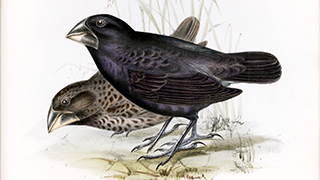
Weird Science
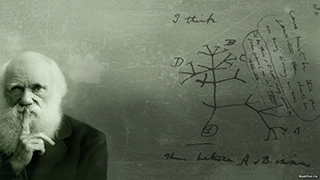
Treating Disease with Fecal Transplantation
Fossils of miniature humans (hobbits) discovered in Indonesia
Paleontology
Dinosaur tail, complete with feathers, found preserved in amber.
Astronomy
Mysterious fast radio burst (FRB) detected in the distant universe.
Big Data & Informatics

Big Data: Buzzword or Big Deal?
Hacking the genome: Identifying anonymized human subjects using publicly available data.