MENU

Bibliography Options Menu

The Electronic Scholarly Publishing Project: Providing world-wide, free access to classic scientific papers and other scholarly materials, since 1993.
More About: ESP | OUR CONTENT | THIS WEBSITE | WHAT'S NEW | WHAT'S HOT
ESP: PubMed Auto Bibliography 26 Oct 2026 at 01:48 Created:
Origin of Multicellular Eukaryotes
Created with PubMed® Query: ( (origin OR evolution) AND (eukaryotes OR eukaryota) AND (multicelluarity OR multicellular) NOT 33634751[PMID] ) NOT pmcbook NOT ispreviousversion
Citations The Papers (from PubMed®)
RevDate: 2026-10-25
CmpDate: 2026-10-25
Evolutionary and Biochemical Origins of Oxylipin Signaling.
Biochemistry. Biokhimiia, 91(10):1979-1990.
Organisms belonging to different multicellular eukaryotic lineages use strikingly similar compounds - oxylipins - for cell-to-cell signaling. Moreover, in several kingdoms, including vertebrates and plants, oxylipin signaling has convergently acquired similar biological functions, particularly in mediating responses to tissue injury. Oxylipins are also produced by some bacteria; however, the biological role of these compounds remains unclear. In this article, we integrate bioinformatic and literature data to reconstruct the evolutionary history of oxylipins as the basis of a universal communication system of living organisms. We demonstrate that oxylipin signaling has evolved independently on multiple occasions, thus indicating that selection pressure for such evolutionary processes is associated with the universal biochemistry of oxidative stress. Finally, we discuss medical and agricultural implications of the convergent evolution of oxylipin signaling.
Additional Links: PMID-42927755
Publisher:
PubMed:
Citation:
show bibtex listing
hide bibtex listing
@article {pmid42927755,
year = {2026},
author = {Kurakin, G},
title = {Evolutionary and Biochemical Origins of Oxylipin Signaling.},
journal = {Biochemistry. Biokhimiia},
volume = {91},
number = {10},
pages = {1979-1990},
doi = {10.1134/S0006297926601851},
pmid = {42927755},
issn = {1608-3040},
mesh = {*Oxylipins/metabolism/chemistry ; *Signal Transduction ; Animals ; *Evolution, Molecular ; Humans ; Plants/metabolism ; Bacteria/metabolism ; *Biological Evolution ; },
abstract = {Organisms belonging to different multicellular eukaryotic lineages use strikingly similar compounds - oxylipins - for cell-to-cell signaling. Moreover, in several kingdoms, including vertebrates and plants, oxylipin signaling has convergently acquired similar biological functions, particularly in mediating responses to tissue injury. Oxylipins are also produced by some bacteria; however, the biological role of these compounds remains unclear. In this article, we integrate bioinformatic and literature data to reconstruct the evolutionary history of oxylipins as the basis of a universal communication system of living organisms. We demonstrate that oxylipin signaling has evolved independently on multiple occasions, thus indicating that selection pressure for such evolutionary processes is associated with the universal biochemistry of oxidative stress. Finally, we discuss medical and agricultural implications of the convergent evolution of oxylipin signaling.},
}
MeSH Terms:
show MeSH Terms
hide MeSH Terms
*Oxylipins/metabolism/chemistry
*Signal Transduction
Animals
*Evolution, Molecular
Humans
Plants/metabolism
Bacteria/metabolism
*Biological Evolution
RevDate: 2026-10-22
CmpDate: 2026-10-22
Macrophages in spatial context: cellular niches in lung disease.
Frontiers in immunology, 17:1977224.
Advances in spatial omics are shifting the study of lung macrophages from the characterization of isolated transcriptional states toward an understanding of their function in the context of cellular origin, anatomical location, neighboring cells, and tissue architecture. Here, we distinguish the macrophage niche in the strict sense-the local microenvironment that sustains tissue-resident macrophage survival and identity-from the broader cellular niche, in which macrophages are spatially organized with multiple interacting cell populations, and integrate recent insights into lung repair and chronic remodeling. Following injury, remodeling of the resident macrophage compartment, recruitment of monocyte-derived macrophages, and the emergence of regenerative epithelial intermediates and stromal responses generate transient multicellular environments that normally resolve as tissue homeostasis is restored. Spatial analyses, however, indicate that in at least some lung diseases, these repair-associated states fail to resolve and instead become organized into pathological cellular niches characterized by recurrent proximity among aberrant epithelial cells, inflammatory and profibrotic macrophages, activated stromal cells, and extracellular matrix. We further propose a spatial framework in which shared immune-epithelial-stromal interactions can give rise to distinct fibrotic architectures depending on whether they are anchored within alveolar-interstitial regions or around small airways. Finally, we discuss how pathological cellular niches identified by spatial approaches can be functionally validated and translated into therapeutically actionable intercellular circuits.
Additional Links: PMID-42903557
PubMed:
Citation:
show bibtex listing
hide bibtex listing
@article {pmid42903557,
year = {2026},
author = {Yamamoto, A and Fujii, N and Maeda, Y},
title = {Macrophages in spatial context: cellular niches in lung disease.},
journal = {Frontiers in immunology},
volume = {17},
number = {},
pages = {1977224},
pmid = {42903557},
issn = {1664-3224},
mesh = {Humans ; Animals ; *Cellular Microenvironment/immunology ; *Lung Diseases/pathology/immunology/metabolism ; *Macrophages/immunology ; *Macrophages, Alveolar/immunology/pathology/metabolism ; Lung/pathology/immunology ; },
abstract = {Advances in spatial omics are shifting the study of lung macrophages from the characterization of isolated transcriptional states toward an understanding of their function in the context of cellular origin, anatomical location, neighboring cells, and tissue architecture. Here, we distinguish the macrophage niche in the strict sense-the local microenvironment that sustains tissue-resident macrophage survival and identity-from the broader cellular niche, in which macrophages are spatially organized with multiple interacting cell populations, and integrate recent insights into lung repair and chronic remodeling. Following injury, remodeling of the resident macrophage compartment, recruitment of monocyte-derived macrophages, and the emergence of regenerative epithelial intermediates and stromal responses generate transient multicellular environments that normally resolve as tissue homeostasis is restored. Spatial analyses, however, indicate that in at least some lung diseases, these repair-associated states fail to resolve and instead become organized into pathological cellular niches characterized by recurrent proximity among aberrant epithelial cells, inflammatory and profibrotic macrophages, activated stromal cells, and extracellular matrix. We further propose a spatial framework in which shared immune-epithelial-stromal interactions can give rise to distinct fibrotic architectures depending on whether they are anchored within alveolar-interstitial regions or around small airways. Finally, we discuss how pathological cellular niches identified by spatial approaches can be functionally validated and translated into therapeutically actionable intercellular circuits.},
}
MeSH Terms:
show MeSH Terms
hide MeSH Terms
Humans
Animals
*Cellular Microenvironment/immunology
*Lung Diseases/pathology/immunology/metabolism
*Macrophages/immunology
*Macrophages, Alveolar/immunology/pathology/metabolism
Lung/pathology/immunology
RevDate: 2026-10-20
CmpDate: 2026-10-20
Patient-derived organoids for precision oncology in colorectal cancer: from tumor modeling to clinical translation.
Molecular cancer, 25(1):.
Precision oncology in colorectal cancer (CRC) has been profoundly informed by genomic and transcriptomic profiling, yet molecular stratification remains only partially predictive of therapeutic benefit. This reflects a broader challenge: moving from static molecular information to dynamic, adaptive, and time-resolved predictions of drug response for individual patients along their clinical history. In CRC, this challenge is compounded by extensive inter- and intratumoral heterogeneity, clonal evolution, chromosomal instability, phenotypic plasticity and tumor-microenvironment (TME) interactions, all of which reshape therapeutic vulnerabilities over time.Patient-derived organoids (PDOs) have emerged as a functional platform to address this gap, with CRC providing one of the most fertile contexts for their development and application. By preserving key histopathological, molecular, and phenotypic features of parental tumors while remaining experimentally tractable, expandable, and amenable to pharmacological and genetic perturbation, PDOs add a functional layer to precision oncology in CRC. Living organoid biobanks and ex vivo screening studies have shown that PDOs can capture interpatient heterogeneity, uncover mechanisms of sensitivity and resistance, and, in selected contexts, mirror clinical responses to chemotherapy and targeted agents. The same experimental tractability has made these systems powerful tools for investigating tumor initiation and clonal evolution, while enabling exploration of cellular plasticity through the lens of dynamic cellular hierarchies. In parallel, next-generation CRC organoid systems incorporating stromal and immune components may extend functional testing to TME-dependent processes, including response to immunotherapy.In this review, we discuss the conceptual foundations of organoid technology and its emergence as a functional precision oncology platform in CRC. We examine how CRC organoids have advanced understanding of tumor initiation, evolution, chromosomal instability, and phenotypic plasticity; summarize their applications in drug discovery, therapy-response prediction, and resistance modeling; and highlight the development of next-generation multicellular organoid systems incorporating immune and stromal components. Finally, we address the major technical, biological, and clinical challenges that must be overcome to translate PDO-based approaches into robust and clinically actionable tools for precision medicine.
Additional Links: PMID-42897542
PubMed:
Citation:
show bibtex listing
hide bibtex listing
@article {pmid42897542,
year = {2026},
author = {Lupo, B and Catalano, I and Trusolino, L},
title = {Patient-derived organoids for precision oncology in colorectal cancer: from tumor modeling to clinical translation.},
journal = {Molecular cancer},
volume = {25},
number = {1},
pages = {},
pmid = {42897542},
issn = {1476-4598},
support = {ID RF-2021-12372851//Ministero della Salute/ ; Investigator Grant 30315//Associazione Italiana per la Ricerca sul Cancro/ ; project PNC0000001//Ministero dell'Università e della Ricerca/ ; },
mesh = {Humans ; *Organoids/metabolism/pathology ; *Colorectal Neoplasms/pathology/drug therapy/etiology/therapy ; *Precision Medicine/methods ; Translational Research, Biomedical ; Tumor Microenvironment ; Animals ; },
abstract = {Precision oncology in colorectal cancer (CRC) has been profoundly informed by genomic and transcriptomic profiling, yet molecular stratification remains only partially predictive of therapeutic benefit. This reflects a broader challenge: moving from static molecular information to dynamic, adaptive, and time-resolved predictions of drug response for individual patients along their clinical history. In CRC, this challenge is compounded by extensive inter- and intratumoral heterogeneity, clonal evolution, chromosomal instability, phenotypic plasticity and tumor-microenvironment (TME) interactions, all of which reshape therapeutic vulnerabilities over time.Patient-derived organoids (PDOs) have emerged as a functional platform to address this gap, with CRC providing one of the most fertile contexts for their development and application. By preserving key histopathological, molecular, and phenotypic features of parental tumors while remaining experimentally tractable, expandable, and amenable to pharmacological and genetic perturbation, PDOs add a functional layer to precision oncology in CRC. Living organoid biobanks and ex vivo screening studies have shown that PDOs can capture interpatient heterogeneity, uncover mechanisms of sensitivity and resistance, and, in selected contexts, mirror clinical responses to chemotherapy and targeted agents. The same experimental tractability has made these systems powerful tools for investigating tumor initiation and clonal evolution, while enabling exploration of cellular plasticity through the lens of dynamic cellular hierarchies. In parallel, next-generation CRC organoid systems incorporating stromal and immune components may extend functional testing to TME-dependent processes, including response to immunotherapy.In this review, we discuss the conceptual foundations of organoid technology and its emergence as a functional precision oncology platform in CRC. We examine how CRC organoids have advanced understanding of tumor initiation, evolution, chromosomal instability, and phenotypic plasticity; summarize their applications in drug discovery, therapy-response prediction, and resistance modeling; and highlight the development of next-generation multicellular organoid systems incorporating immune and stromal components. Finally, we address the major technical, biological, and clinical challenges that must be overcome to translate PDO-based approaches into robust and clinically actionable tools for precision medicine.},
}
MeSH Terms:
show MeSH Terms
hide MeSH Terms
Humans
*Organoids/metabolism/pathology
*Colorectal Neoplasms/pathology/drug therapy/etiology/therapy
*Precision Medicine/methods
Translational Research, Biomedical
Tumor Microenvironment
Animals
RevDate: 2026-10-20
CmpDate: 2026-10-20
Experimental snowball earth viscosity drives the evolution of motile multicellularity.
iScience, 29(11):117756.
During the 70-million-year Cryogenian Snowball Earth glaciations, low ocean temperatures beneath global sea ice increased water viscosity over 3-fold. Unicellular eukaryotes in this environment would have faced severe constraints on movement and nutrient uptake, while nascent multicellular organisms, with larger size and collective mobility, could have gained an adaptive advantage. We experimentally tested whether viscosity-induced metabolic constraints could have selected for multicellular phenotypes, potentially driving the origin or early diversification of multicellularity. Under Snowball Earth-like viscosities, populations of unicellular green algae evolved motile multicellular forms, along with other phenotypes that optimize size and speed. As oceans warmed and viscosities decreased, the diversity of multicellular phenotypes may have allowed early multicellular organisms to exert novel physical control over their local environments. This pivotal period in Earth's history could have shaped the emergence and eventual dominance of certain multicellular lineages, highlighting a potential ecological driver of one of life's major evolutionary transitions.
Additional Links: PMID-42898253
PubMed:
Citation:
show bibtex listing
hide bibtex listing
@article {pmid42898253,
year = {2026},
author = {Halling, A and Goodson, B and Hirschmann, A and Wing, BA and Simpson, C},
title = {Experimental snowball earth viscosity drives the evolution of motile multicellularity.},
journal = {iScience},
volume = {29},
number = {11},
pages = {117756},
pmid = {42898253},
issn = {2589-0042},
abstract = {During the 70-million-year Cryogenian Snowball Earth glaciations, low ocean temperatures beneath global sea ice increased water viscosity over 3-fold. Unicellular eukaryotes in this environment would have faced severe constraints on movement and nutrient uptake, while nascent multicellular organisms, with larger size and collective mobility, could have gained an adaptive advantage. We experimentally tested whether viscosity-induced metabolic constraints could have selected for multicellular phenotypes, potentially driving the origin or early diversification of multicellularity. Under Snowball Earth-like viscosities, populations of unicellular green algae evolved motile multicellular forms, along with other phenotypes that optimize size and speed. As oceans warmed and viscosities decreased, the diversity of multicellular phenotypes may have allowed early multicellular organisms to exert novel physical control over their local environments. This pivotal period in Earth's history could have shaped the emergence and eventual dominance of certain multicellular lineages, highlighting a potential ecological driver of one of life's major evolutionary transitions.},
}
RevDate: 2026-10-20
CmpDate: 2026-10-20
The present does not reflect the past: geographic mismatches between fossil and modern records are widespread across the tree of life.
Proceedings. Biological sciences, 293(2081):.
The distribution of organisms across Earth provides insight into the origin and maintenance of biodiversity. Abundant fossil evidence suggests taxa have undergone substantial range changes over time. However, biogeographic theory and models often tend to assume that clades originated in the regions where we observe them today. Understanding the prevalence of geographically dynamic clades across the tree of life provides a way to evaluate these assumptions, thereby refining key evolutionary hypotheses. We provide a review of such range-shifting clades using a two-pronged approach. First, literature searches uncovered examples across most major multicellular groups (comprising 129 clades with mismatches between fossil and modern ranges). Concurrently, we used the well-sampled mammalian fossil record as a case study, finding that more than half of its terrestrial families (51%) had substantial (>1000 km) geographic mismatches. Geographically dynamic lineages are both common and widespread, but despite their ubiquity, fossil-modern mismatches have only recently been integrated into phylogenetic and biogeographic methods and no comprehensive overview of their advantages and challenges exists. We therefore review the current state of the field and discuss case studies where fossil evidence reshaped prevailing biogeographic theory. Biogeographers must take advantage of these rich fossil histories to better elucidate evolutionary theory across space and time.
Additional Links: PMID-42901521
Publisher:
PubMed:
Citation:
show bibtex listing
hide bibtex listing
@article {pmid42901521,
year = {2026},
author = {Shipley, BR and Saupe, EE},
title = {The present does not reflect the past: geographic mismatches between fossil and modern records are widespread across the tree of life.},
journal = {Proceedings. Biological sciences},
volume = {293},
number = {2081},
pages = {},
doi = {10.1098/rspb.2026.1431},
pmid = {42901521},
issn = {1471-2954},
support = {NE/V011405/1//Natural Environment Research Council/ ; EARPF 2305234//National Science Foundation Division of Earth Sciences/ ; },
mesh = {*Fossils ; Animals ; Phylogeny ; *Biological Evolution ; Phylogeography ; Biodiversity ; *Animal Distribution ; },
abstract = {The distribution of organisms across Earth provides insight into the origin and maintenance of biodiversity. Abundant fossil evidence suggests taxa have undergone substantial range changes over time. However, biogeographic theory and models often tend to assume that clades originated in the regions where we observe them today. Understanding the prevalence of geographically dynamic clades across the tree of life provides a way to evaluate these assumptions, thereby refining key evolutionary hypotheses. We provide a review of such range-shifting clades using a two-pronged approach. First, literature searches uncovered examples across most major multicellular groups (comprising 129 clades with mismatches between fossil and modern ranges). Concurrently, we used the well-sampled mammalian fossil record as a case study, finding that more than half of its terrestrial families (51%) had substantial (>1000 km) geographic mismatches. Geographically dynamic lineages are both common and widespread, but despite their ubiquity, fossil-modern mismatches have only recently been integrated into phylogenetic and biogeographic methods and no comprehensive overview of their advantages and challenges exists. We therefore review the current state of the field and discuss case studies where fossil evidence reshaped prevailing biogeographic theory. Biogeographers must take advantage of these rich fossil histories to better elucidate evolutionary theory across space and time.},
}
MeSH Terms:
show MeSH Terms
hide MeSH Terms
*Fossils
Animals
Phylogeny
*Biological Evolution
Phylogeography
Biodiversity
*Animal Distribution
RevDate: 2026-10-16
CmpDate: 2026-10-16
Engineering the human endometrium at the intersection of development and reproduction.
Nature biomedical engineering, 10(10):2012-2027.
The human endometrium plays a central role in embryo implantation, pregnancy, and reproductive and systemic health, making it of great biological and clinical interest. Animal models of the endometrium often fail to mimic many intrinsic characteristics at the base of human physiology and pathology. Although two-dimensional cell-culture systems have yielded foundational insights, recent advances in three-dimensional modelling techniques have unlocked long-term culture of hormone-responsive, multicellular systems that more closely reproduce endometrial physiology. Here we trace the evolution of endometrial modelling technologies from early, reductionist approaches to next-generation organoids and multi-lineage assembloids. We discuss how these systems offer opportunities for integrative studies of tissue remodelling, reproductive disorders and maternal-embryo communication, and we highlight the remaining challenges in the field. We outline emerging frontiers at the intersection of developmental biology, bioengineering and personalized medicine, where endometrial models are advancing our understanding of human reproduction and its broader implications for women's health.
Additional Links: PMID-42728338
PubMed:
Citation:
show bibtex listing
hide bibtex listing
@article {pmid42728338,
year = {2026},
author = {Vélez-Avilés, AN and Abel, A and Taylor, HS and Sozen, B},
title = {Engineering the human endometrium at the intersection of development and reproduction.},
journal = {Nature biomedical engineering},
volume = {10},
number = {10},
pages = {2012-2027},
pmid = {42728338},
issn = {2157-846X},
mesh = {Female ; Humans ; *Endometrium/physiology/cytology ; Animals ; *Reproduction/physiology ; Organoids ; Pregnancy ; *Tissue Engineering/methods ; Embryo Implantation ; Models, Biological ; Precision Medicine ; },
abstract = {The human endometrium plays a central role in embryo implantation, pregnancy, and reproductive and systemic health, making it of great biological and clinical interest. Animal models of the endometrium often fail to mimic many intrinsic characteristics at the base of human physiology and pathology. Although two-dimensional cell-culture systems have yielded foundational insights, recent advances in three-dimensional modelling techniques have unlocked long-term culture of hormone-responsive, multicellular systems that more closely reproduce endometrial physiology. Here we trace the evolution of endometrial modelling technologies from early, reductionist approaches to next-generation organoids and multi-lineage assembloids. We discuss how these systems offer opportunities for integrative studies of tissue remodelling, reproductive disorders and maternal-embryo communication, and we highlight the remaining challenges in the field. We outline emerging frontiers at the intersection of developmental biology, bioengineering and personalized medicine, where endometrial models are advancing our understanding of human reproduction and its broader implications for women's health.},
}
MeSH Terms:
show MeSH Terms
hide MeSH Terms
Female
Humans
*Endometrium/physiology/cytology
Animals
*Reproduction/physiology
Organoids
Pregnancy
*Tissue Engineering/methods
Embryo Implantation
Models, Biological
Precision Medicine
RevDate: 2026-10-16
CmpDate: 2026-10-16
From Amyloid Exposure to Genetic Causality: Converging hiPSC-Based Models of Alzheimer's Disease.
Cells, 15(19): pii:cells15191793.
Alzheimer's disease (AD) is a neurodegenerative disorder in which genetic susceptibility, aging, protein aggregation, and neuroglial dysfunction converge to drive progressive neuronal loss. Although animal models and conventional cell systems have provided fundamental insights into pathomechanisms, they only partially reproduce the human-specific and multifactorial nature of AD. Human induced pluripotent stem cell (hiPSC)-based models have emerged as a powerful platform to investigate disease-relevant processes within a patient-specific genetic background while enabling the generation of multiple neural cell types and multicellular systems. In this review, we present the evolution of hiPSC-based AD modeling, from reductionist paradigms based on exogenous amyloid-β exposure to CRISPR-engineered isogenic models addressing causal mutations and genetic risk variants associated with either familial or sporadic forms. We examine the contribution of three-dimensional brain organoids and neuroglial co-culture systems in recapitulating cell-cell interactions, neuroinflammatory responses, and tissue-level pathological processes. We focus on current challenges, including the limited representation of neuronal aging, variability among organoids, and the need for standardized protocols. Finally, we discuss the translational potential of hiPSC-derived systems for target identification, drug discovery, and regenerative medicine. Collectively, these advances position hiPSC-based platforms as essential complementary models for elucidating AD pathogenesis and accelerating the development of precision therapeutic strategies.
Additional Links: PMID-42882491
Publisher:
PubMed:
Citation:
show bibtex listing
hide bibtex listing
@article {pmid42882491,
year = {2026},
author = {Colasuonno, F and Valenza, A and Rossin, F and Moreno, S},
title = {From Amyloid Exposure to Genetic Causality: Converging hiPSC-Based Models of Alzheimer's Disease.},
journal = {Cells},
volume = {15},
number = {19},
pages = {},
doi = {10.3390/cells15191793},
pmid = {42882491},
issn = {2073-4409},
support = {AGYR2020//Italian Alzheimer Research Association Onlus/ ; PRIN 2022, CUP E53D23007150006//Ministry of Universities and Research/ ; PNRR-MAC2-II.3 project PE6 "Heal Italia" CUP E83C22004670001//Ministry of Universities and Research/ ; PNRR (DM 629) CUP: F81J24000490006//Ministry of Universities and Research/ ; 27116//Italian Association for Cancer Research/ ; Grant of Excellence Department 2023-2027//Ministero dell'università e della ricerca/ ; PNRR-MAD-2022-12375639//Ministero della Salute/ ; },
mesh = {Humans ; *Alzheimer Disease/genetics/pathology/metabolism ; *Induced Pluripotent Stem Cells/metabolism/pathology ; *Amyloid beta-Peptides/metabolism ; Animals ; *Models, Biological ; Neuroglia/metabolism/pathology ; *Amyloid/metabolism ; Organoids/metabolism/pathology ; },
abstract = {Alzheimer's disease (AD) is a neurodegenerative disorder in which genetic susceptibility, aging, protein aggregation, and neuroglial dysfunction converge to drive progressive neuronal loss. Although animal models and conventional cell systems have provided fundamental insights into pathomechanisms, they only partially reproduce the human-specific and multifactorial nature of AD. Human induced pluripotent stem cell (hiPSC)-based models have emerged as a powerful platform to investigate disease-relevant processes within a patient-specific genetic background while enabling the generation of multiple neural cell types and multicellular systems. In this review, we present the evolution of hiPSC-based AD modeling, from reductionist paradigms based on exogenous amyloid-β exposure to CRISPR-engineered isogenic models addressing causal mutations and genetic risk variants associated with either familial or sporadic forms. We examine the contribution of three-dimensional brain organoids and neuroglial co-culture systems in recapitulating cell-cell interactions, neuroinflammatory responses, and tissue-level pathological processes. We focus on current challenges, including the limited representation of neuronal aging, variability among organoids, and the need for standardized protocols. Finally, we discuss the translational potential of hiPSC-derived systems for target identification, drug discovery, and regenerative medicine. Collectively, these advances position hiPSC-based platforms as essential complementary models for elucidating AD pathogenesis and accelerating the development of precision therapeutic strategies.},
}
MeSH Terms:
show MeSH Terms
hide MeSH Terms
Humans
*Alzheimer Disease/genetics/pathology/metabolism
*Induced Pluripotent Stem Cells/metabolism/pathology
*Amyloid beta-Peptides/metabolism
Animals
*Models, Biological
Neuroglia/metabolism/pathology
*Amyloid/metabolism
Organoids/metabolism/pathology
RevDate: 2026-10-16
CmpDate: 2026-10-16
Transcriptional control of meiotic recombination by DREAM complex components.
Science advances, 12(42):eaef2922.
Meiotic chromosome segregation and recombination, essential for sexual reproduction and evolution, require a specialized gene set. Despite its importance, the transcriptional regulators that directly orchestrate meiotic gene expression remain unidentified in plants. We identify the MuvB core components known from the DREAM complex as key transcriptional regulators of meiotic recombination in Arabidopsis. Loss of DREAM components TCX5/6 and ALY1/2 leads to impaired recombination and fertility defects. Meiocyte-specific transcriptome profiling and genome-wide binding analyses reveal that core recombination genes, including the crossover-promoting helicase MER3, are direct targets. Consistently, MER3 overexpression partially rescues recombination defects in DREAM-compromised plants. These findings establish the DREAM complex components as important regulators of the meiotic program in plants. Given that DREAM dysfunction causes reproductive defects in animals, this regulatory role may be conserved across multicellular eukaryotes.
Additional Links: PMID-42886811
Publisher:
PubMed:
Citation:
show bibtex listing
hide bibtex listing
@article {pmid42886811,
year = {2026},
author = {Tunçay, H and Ma, X and Müller, K and Guo, Y and Toccaceli, VF and Fu, H and Böwer, F and Lang, L and Latrasse, D and Wang, Y and Benhamed, M and Schnittger, A},
title = {Transcriptional control of meiotic recombination by DREAM complex components.},
journal = {Science advances},
volume = {12},
number = {42},
pages = {eaef2922},
doi = {10.1126/sciadv.aef2922},
pmid = {42886811},
issn = {2375-2548},
mesh = {*Meiosis/genetics ; *Arabidopsis/genetics/metabolism ; *Arabidopsis Proteins/genetics/metabolism ; *Transcription, Genetic ; *Gene Expression Regulation, Plant ; *Recombination, Genetic ; *Homologous Recombination ; DNA Helicases/genetics/metabolism ; },
abstract = {Meiotic chromosome segregation and recombination, essential for sexual reproduction and evolution, require a specialized gene set. Despite its importance, the transcriptional regulators that directly orchestrate meiotic gene expression remain unidentified in plants. We identify the MuvB core components known from the DREAM complex as key transcriptional regulators of meiotic recombination in Arabidopsis. Loss of DREAM components TCX5/6 and ALY1/2 leads to impaired recombination and fertility defects. Meiocyte-specific transcriptome profiling and genome-wide binding analyses reveal that core recombination genes, including the crossover-promoting helicase MER3, are direct targets. Consistently, MER3 overexpression partially rescues recombination defects in DREAM-compromised plants. These findings establish the DREAM complex components as important regulators of the meiotic program in plants. Given that DREAM dysfunction causes reproductive defects in animals, this regulatory role may be conserved across multicellular eukaryotes.},
}
MeSH Terms:
show MeSH Terms
hide MeSH Terms
*Meiosis/genetics
*Arabidopsis/genetics/metabolism
*Arabidopsis Proteins/genetics/metabolism
*Transcription, Genetic
*Gene Expression Regulation, Plant
*Recombination, Genetic
*Homologous Recombination
DNA Helicases/genetics/metabolism
RevDate: 2026-10-12
CmpDate: 2026-10-12
Streptophyte algae and terrestrialization: breaking down the fundamental challenges from an ECM perspective.
Plant physiology, 202(2):.
The successful conquest of land by ancient streptophyte algae is closely related to the structural features and functional roles of their extracellular matrix and associated evolutionary innovations. Terrestrialization 500+ million years ago required adaptation to multiple and novel abiotic and biotic stressors. The establishment of a sessile habit, which encompasses adhesion, likely required special cell surface components like arabinogalactan protein-like macromolecules. The secretion of polysaccharide-rich extracellular polymeric substance provided multiple services, including the establishment of a platform for interactions with surrounding microorganisms (ie, biofilms). Protection against harmful UV radiation likely included production of phenolic compounds, cuticular components, and sporopollenin. Innovations to the various components of the cell wall contributed to the evolution of multicellularity and large thallus sizes, water retention, defense, wound response, and interactions with surrounding microorganisms. Yet we are only in an infancy stage in understanding how specific cell wall components contributed to the invasion of land by streptophyte algae. Future studies are needed that encompass much larger taxonomic screening, detailed glycomics and proteomics, mining of biosynthetic pathways, and comprehensive analyses of cell wall integrity, especially in response to abiotic and biotic stressors of terrestrial habitats.
Additional Links: PMID-42184981
Publisher:
PubMed:
Citation:
show bibtex listing
hide bibtex listing
@article {pmid42184981,
year = {2026},
author = {Domozych, DS},
title = {Streptophyte algae and terrestrialization: breaking down the fundamental challenges from an ECM perspective.},
journal = {Plant physiology},
volume = {202},
number = {2},
pages = {},
doi = {10.1093/plphys/kiag307},
pmid = {42184981},
issn = {1532-2548},
support = {NSF 2129443//NSF (USA)/ ; },
mesh = {Cell Wall/metabolism ; *Extracellular Matrix/metabolism ; *Streptophyta/physiology ; Biological Evolution ; *Extracellular Polymeric Substance Matrix/metabolism ; },
abstract = {The successful conquest of land by ancient streptophyte algae is closely related to the structural features and functional roles of their extracellular matrix and associated evolutionary innovations. Terrestrialization 500+ million years ago required adaptation to multiple and novel abiotic and biotic stressors. The establishment of a sessile habit, which encompasses adhesion, likely required special cell surface components like arabinogalactan protein-like macromolecules. The secretion of polysaccharide-rich extracellular polymeric substance provided multiple services, including the establishment of a platform for interactions with surrounding microorganisms (ie, biofilms). Protection against harmful UV radiation likely included production of phenolic compounds, cuticular components, and sporopollenin. Innovations to the various components of the cell wall contributed to the evolution of multicellularity and large thallus sizes, water retention, defense, wound response, and interactions with surrounding microorganisms. Yet we are only in an infancy stage in understanding how specific cell wall components contributed to the invasion of land by streptophyte algae. Future studies are needed that encompass much larger taxonomic screening, detailed glycomics and proteomics, mining of biosynthetic pathways, and comprehensive analyses of cell wall integrity, especially in response to abiotic and biotic stressors of terrestrial habitats.},
}
MeSH Terms:
show MeSH Terms
hide MeSH Terms
Cell Wall/metabolism
*Extracellular Matrix/metabolism
*Streptophyta/physiology
Biological Evolution
*Extracellular Polymeric Substance Matrix/metabolism
RevDate: 2026-10-07
CmpDate: 2026-10-08
Overcoming key challenges in the evolutionary transition to multicellularity.
Nature, 658(8135):327-336.
Dozens of independent origins of multicellularity have profoundly shaped Earth's evolutionary and ecological history. These transitions have given rise to massive radiations encompassing thousands to millions of species and the evolution of increasingly complex bodies. Multicellular taxa now constitute the majority of Earth's biomass and have fundamentally transformed global ecosystems, underpinning diverse biomes from forests and grasslands to coral reefs. While these macroevolutionary patterns have long been recognized, the microevolutionary processes driving the transition to multicellularity have remained unclear. Questions remain on how solitary cells form cohesive groups, how these groups become evolutionary units capable of adaptation at the multicellular level, and how novel cell types and developmental patterns emerge. Recent discoveries of previously unknown multicellular species and the development of experimental models have provided important insights into these questions. This work reveals that seemingly insurmountable evolutionary hurdles are often readily overcome either through the repurposing of ancestral unicellular traits or through emergent properties of multicellular collectives that arise spontaneously. Here we review key breakthroughs in our understanding of the microevolutionary processes that underpin the evolution of increasingly complex multicellularity, focusing on mechanisms through which single cells can evolve into functionally integrated multicellular organisms.
Additional Links: PMID-42844412
PubMed:
Citation:
show bibtex listing
hide bibtex listing
@article {pmid42844412,
year = {2026},
author = {Ozan Bozdag, G and Tong, K and Yunker, PJ and Herron, MD and Ratcliff, WC},
title = {Overcoming key challenges in the evolutionary transition to multicellularity.},
journal = {Nature},
volume = {658},
number = {8135},
pages = {327-336},
pmid = {42844412},
issn = {1476-4687},
mesh = {*Biological Evolution ; Animals ; },
abstract = {Dozens of independent origins of multicellularity have profoundly shaped Earth's evolutionary and ecological history. These transitions have given rise to massive radiations encompassing thousands to millions of species and the evolution of increasingly complex bodies. Multicellular taxa now constitute the majority of Earth's biomass and have fundamentally transformed global ecosystems, underpinning diverse biomes from forests and grasslands to coral reefs. While these macroevolutionary patterns have long been recognized, the microevolutionary processes driving the transition to multicellularity have remained unclear. Questions remain on how solitary cells form cohesive groups, how these groups become evolutionary units capable of adaptation at the multicellular level, and how novel cell types and developmental patterns emerge. Recent discoveries of previously unknown multicellular species and the development of experimental models have provided important insights into these questions. This work reveals that seemingly insurmountable evolutionary hurdles are often readily overcome either through the repurposing of ancestral unicellular traits or through emergent properties of multicellular collectives that arise spontaneously. Here we review key breakthroughs in our understanding of the microevolutionary processes that underpin the evolution of increasingly complex multicellularity, focusing on mechanisms through which single cells can evolve into functionally integrated multicellular organisms.},
}
MeSH Terms:
show MeSH Terms
hide MeSH Terms
*Biological Evolution
Animals
RevDate: 2026-10-07
CmpDate: 2026-10-07
Diversity and spatial segregation of TRP channels in the closest relatives of animals.
Proceedings of the National Academy of Sciences of the United States of America, 123(41):e2625484123.
Sensory systems, built around specialized cell types, are central to how animals perceive and respond to their environments. However, the evolutionary origin of these systems remains unclear. Here, we show that choanoflagellates, the sister group of animals, possess remarkably diverse repertoires of transient receptor potential (TRP) channels, an ancient superfamily of sensory ion channels. Comparative analyses indicate that most major animal TRP channel families predate the origin of animals and reveal extensive radiations of the TRPM and TRPW families within choanoflagellates, with the latter family likely being lost in the animal lineage. Furthermore, in the choanoflagellate model Salpingoeca rosetta, TRPA, TRPC and TRPV occupy discrete microdomains within the collar complex, a key interface for environmental sensing and feeding. We propose that the evolution of animal sensory systems involved both expansion and reorganization of this ancestral repertoire, with subcellular patterning in unicellular organisms representing a precursor to cell-type specialization in multicellular animals.
Additional Links: PMID-42842415
Publisher:
PubMed:
Citation:
show bibtex listing
hide bibtex listing
@article {pmid42842415,
year = {2026},
author = {Mannsåker, S and Burkhardt, P and Colgren, J},
title = {Diversity and spatial segregation of TRP channels in the closest relatives of animals.},
journal = {Proceedings of the National Academy of Sciences of the United States of America},
volume = {123},
number = {41},
pages = {e2625484123},
doi = {10.1073/pnas.2625484123},
pmid = {42842415},
issn = {1091-6490},
support = {234817//Norwegian Research Council/ ; },
mesh = {Animals ; *Transient Receptor Potential Channels/genetics/metabolism ; *Choanoflagellata/genetics/metabolism ; Phylogeny ; Evolution, Molecular ; Biological Evolution ; },
abstract = {Sensory systems, built around specialized cell types, are central to how animals perceive and respond to their environments. However, the evolutionary origin of these systems remains unclear. Here, we show that choanoflagellates, the sister group of animals, possess remarkably diverse repertoires of transient receptor potential (TRP) channels, an ancient superfamily of sensory ion channels. Comparative analyses indicate that most major animal TRP channel families predate the origin of animals and reveal extensive radiations of the TRPM and TRPW families within choanoflagellates, with the latter family likely being lost in the animal lineage. Furthermore, in the choanoflagellate model Salpingoeca rosetta, TRPA, TRPC and TRPV occupy discrete microdomains within the collar complex, a key interface for environmental sensing and feeding. We propose that the evolution of animal sensory systems involved both expansion and reorganization of this ancestral repertoire, with subcellular patterning in unicellular organisms representing a precursor to cell-type specialization in multicellular animals.},
}
MeSH Terms:
show MeSH Terms
hide MeSH Terms
Animals
*Transient Receptor Potential Channels/genetics/metabolism
*Choanoflagellata/genetics/metabolism
Phylogeny
Evolution, Molecular
Biological Evolution
RevDate: 2026-10-02
CmpDate: 2026-10-02
Hox/Meis-dependent gene-regulatory transition underlies cardiopharyngeal neural crest diversification.
The EMBO journal, 45(19):6978-7020.
Neural crest cells (NCCs) are multipotent migratory cells essential for cardiac development, yet the lineage trajectories and gene regulatory networks underlying their differentiation in the cardiopharyngeal region remain unclear. Here, we integrate single-cell RNA-seq, spatial transcriptomics, and multiomic analyses to construct a comprehensive map of NCC lineages in developing mouse cardiopharyngeal tissues. We identify a transition from Hox-positive pharyngeal NCCs to Hox-negative intracardiac populations associated with the outflow tract cushion, accompanied by a shift in Meis transcription factor binding and gene-regulatory network architecture. By contrast, NCCs forming the aorticopulmonary septum and great vessel smooth muscle retain distinct Hox-codes. A Meis2-Sox9-Scx gene-regulatory network defines a skeletogenic progenitor-like intermediate state that gives rise to coronary artery smooth muscle and semilunar valves. Our findings suggest that the loss of Hox-dependent regional identity enables pharyngeal NCCs to acquire new fates upon entering the cardiac cushion, providing insight into the developmental origins of coronary and valvular calcification.
Additional Links: PMID-42745049
PubMed:
Citation:
show bibtex listing
hide bibtex listing
@article {pmid42745049,
year = {2026},
author = {Iwase, A and Uchijima, Y and Seya, D and Kida, M and Higashiyama, H and Matsui, K and Taguchi, A and Harada, Y and Wang, Y and Yamamoto, S and Fukuda, S and Nomura, S and Kohro, T and Shukunami, C and Akiyama, H and Seki, M and Kanai, A and Suzuki, Y and Kawamura, T and Nakagawa, O and Katoh, H and Ishikawa, S and Wada, Y and Aburatani, H and Kurihara, Y and Miyagawa-Tomita, S and Kurihara, H},
title = {Hox/Meis-dependent gene-regulatory transition underlies cardiopharyngeal neural crest diversification.},
journal = {The EMBO journal},
volume = {45},
number = {19},
pages = {6978-7020},
pmid = {42745049},
issn = {1460-2075},
support = {19H01048//MEXT | Japan Society for the Promotion of Science (JSPS)/ ; 21K19519//MEXT | Japan Society for the Promotion of Science (JSPS)/ ; 22H04991//MEXT | Japan Society for the Promotion of Science (JSPS)/ ; 19K08308//MEXT | Japan Society for the Promotion of Science (JSPS)/ ; 22K20917//MEXT | Japan Society for the Promotion of Science (JSPS)/ ; 24K18996//MEXT | Japan Society for the Promotion of Science (JSPS)/ ; 20K15858//MEXT | JSPS | Japan Society for the Promotion of Science London (JSPS)/ ; 22K07877//MEXT | JSPS | Japan Society for the Promotion of Science London (JSPS)/ ; 17J11177//MEXT | JSPS | Japan Society for the Promotion of Science London (JSPS)/ ; 20H04858//MEXT | JSPS | Japan Society for the Promotion of Science London (JSPS)/ ; 24K11186//MEXT | JSPS | Japan Society for the Promotion of Science London (JSPS)/ ; JPMJCR13W2//MEXT | JST | Core Research for Evolutional Science and Technology (CREST)/ ; 16H06279//MEXT | JST | Core Research for Evolutional Science and Technology (CREST)/ ; JP22H04925//MEXT | JST | Core Research for Evolutional Science and Technology (CREST)/ ; },
mesh = {Animals ; *Neural Crest/cytology/metabolism/embryology ; Mice ; *Gene Expression Regulation, Developmental ; *Homeodomain Proteins/genetics/metabolism ; *Gene Regulatory Networks ; Cell Differentiation ; Heart/embryology ; Cell Lineage ; },
abstract = {Neural crest cells (NCCs) are multipotent migratory cells essential for cardiac development, yet the lineage trajectories and gene regulatory networks underlying their differentiation in the cardiopharyngeal region remain unclear. Here, we integrate single-cell RNA-seq, spatial transcriptomics, and multiomic analyses to construct a comprehensive map of NCC lineages in developing mouse cardiopharyngeal tissues. We identify a transition from Hox-positive pharyngeal NCCs to Hox-negative intracardiac populations associated with the outflow tract cushion, accompanied by a shift in Meis transcription factor binding and gene-regulatory network architecture. By contrast, NCCs forming the aorticopulmonary septum and great vessel smooth muscle retain distinct Hox-codes. A Meis2-Sox9-Scx gene-regulatory network defines a skeletogenic progenitor-like intermediate state that gives rise to coronary artery smooth muscle and semilunar valves. Our findings suggest that the loss of Hox-dependent regional identity enables pharyngeal NCCs to acquire new fates upon entering the cardiac cushion, providing insight into the developmental origins of coronary and valvular calcification.},
}
MeSH Terms:
show MeSH Terms
hide MeSH Terms
Animals
*Neural Crest/cytology/metabolism/embryology
Mice
*Gene Expression Regulation, Developmental
*Homeodomain Proteins/genetics/metabolism
*Gene Regulatory Networks
Cell Differentiation
Heart/embryology
Cell Lineage
RevDate: 2026-10-01
CmpDate: 2026-10-01
Diversity and Evolvability of Self-/Nonself-Discrimination and the Origins of Vertebrate Adaptive Immunity.
Annual review of cell and developmental biology, 42(1):307-337.
The ability to discriminate self from nonself is found throughout the tree of life and underlies a diverse range of processes, including immunity, mate choice, and cooperative social interactions. Self-/nonself-recognition also operates during development, for example, coordinating the formation of complex neural circuits. Despite this ubiquity, proteins that mediate self-/nonself-recognition are lineage-specific. Novel genetic interactions have arisen repeatedly and in a punctuated manner, in some cases even evolving de novo within the same lineages. This review examines the fundamental principles of self-/nonself-recognition across diverse taxa, focusing on the cellular and molecular mechanisms underlying discrimination, the generation and maintenance of novel recognition specificities, and how these systems have been modified over time. Together, these modifications provide a mechanistic foundation to address a central problem in evolutionary biology: the origins of vertebrate adaptive immunity, a system capable of unparalleled self-/nonself-discrimination.
Additional Links: PMID-42441833
Publisher:
PubMed:
Citation:
show bibtex listing
hide bibtex listing
@article {pmid42441833,
year = {2026},
author = {De Tomaso, AW and Rodriguez-Valbuena, H},
title = {Diversity and Evolvability of Self-/Nonself-Discrimination and the Origins of Vertebrate Adaptive Immunity.},
journal = {Annual review of cell and developmental biology},
volume = {42},
number = {1},
pages = {307-337},
doi = {10.1146/annurev-cellbio-111822-123126},
pmid = {42441833},
issn = {1530-8995},
mesh = {Animals ; *Vertebrates/immunology/genetics ; Humans ; *Adaptive Immunity/genetics/immunology ; *Biological Evolution ; Self Tolerance ; },
abstract = {The ability to discriminate self from nonself is found throughout the tree of life and underlies a diverse range of processes, including immunity, mate choice, and cooperative social interactions. Self-/nonself-recognition also operates during development, for example, coordinating the formation of complex neural circuits. Despite this ubiquity, proteins that mediate self-/nonself-recognition are lineage-specific. Novel genetic interactions have arisen repeatedly and in a punctuated manner, in some cases even evolving de novo within the same lineages. This review examines the fundamental principles of self-/nonself-recognition across diverse taxa, focusing on the cellular and molecular mechanisms underlying discrimination, the generation and maintenance of novel recognition specificities, and how these systems have been modified over time. Together, these modifications provide a mechanistic foundation to address a central problem in evolutionary biology: the origins of vertebrate adaptive immunity, a system capable of unparalleled self-/nonself-discrimination.},
}
MeSH Terms:
show MeSH Terms
hide MeSH Terms
Animals
*Vertebrates/immunology/genetics
Humans
*Adaptive Immunity/genetics/immunology
*Biological Evolution
Self Tolerance
RevDate: 2026-10-01
CmpDate: 2026-10-01
Tumor spheroids versus organoids: defining the more suitable three-dimensional model for cancer research.
Expert opinion on drug discovery, 21(10):1115-1131.
INTRODUCTION: Three-dimensional cell culture systems, such as spheroids and organoids, have emerged as tools for modeling biological processes beyond conventional two-dimensional cultures. Spheroids, formed by self-aggregation of cell lines or primary cells, are simple multicellular structures ideal for drug screening due to their reproducibility and compatibility with high-throughput platforms. Organoids, typically derived from stem cells or patient tissues, develop structures that mimic tissue architecture and genetic features, including tumor heterogeneity.
AREAS COVERED: This review examines the fundamental differences between spheroid and organoid models, focusing on their cellular origin, structural features, methods of generation, and applications in tumor research. The authors discuss the advantages and limitations of each system and highlight how experimental goals, scalability requirements, and biological complexity influence model selection. This review is based on structured literature searches of PubMed/MEDLINE, Web of Science, and Google Scholar for articles published between January 1988 and July 2026.
EXPERT OPINION: Tumor spheroid models offer practical and scalable solutions to screening and mechanistic studies, while organoids offer biological complexity and better representation of patient-derived disease characteristics. These models improve the physiological relevance of in-vitro studies, help bridge the gap between simplified cell culture systems and in-vivo testing, and reduce dependence on animal model testing.
Additional Links: PMID-42695534
Publisher:
PubMed:
Citation:
show bibtex listing
hide bibtex listing
@article {pmid42695534,
year = {2026},
author = {Tanna, H and Shah, S},
title = {Tumor spheroids versus organoids: defining the more suitable three-dimensional model for cancer research.},
journal = {Expert opinion on drug discovery},
volume = {21},
number = {10},
pages = {1115-1131},
doi = {10.1080/17460441.2026.2726313},
pmid = {42695534},
issn = {1746-045X},
mesh = {Humans ; Organoids ; Spheroids, Cellular ; *Neoplasms/pathology/drug therapy ; Animals ; Cell Culture Techniques, Three Dimensional ; *Models, Biological ; Reproducibility of Results ; Drug Screening Assays, Antitumor/methods ; High-Throughput Screening Assays/methods ; Cell Culture Techniques ; },
abstract = {INTRODUCTION: Three-dimensional cell culture systems, such as spheroids and organoids, have emerged as tools for modeling biological processes beyond conventional two-dimensional cultures. Spheroids, formed by self-aggregation of cell lines or primary cells, are simple multicellular structures ideal for drug screening due to their reproducibility and compatibility with high-throughput platforms. Organoids, typically derived from stem cells or patient tissues, develop structures that mimic tissue architecture and genetic features, including tumor heterogeneity.
AREAS COVERED: This review examines the fundamental differences between spheroid and organoid models, focusing on their cellular origin, structural features, methods of generation, and applications in tumor research. The authors discuss the advantages and limitations of each system and highlight how experimental goals, scalability requirements, and biological complexity influence model selection. This review is based on structured literature searches of PubMed/MEDLINE, Web of Science, and Google Scholar for articles published between January 1988 and July 2026.
EXPERT OPINION: Tumor spheroid models offer practical and scalable solutions to screening and mechanistic studies, while organoids offer biological complexity and better representation of patient-derived disease characteristics. These models improve the physiological relevance of in-vitro studies, help bridge the gap between simplified cell culture systems and in-vivo testing, and reduce dependence on animal model testing.},
}
MeSH Terms:
show MeSH Terms
hide MeSH Terms
Humans
Organoids
Spheroids, Cellular
*Neoplasms/pathology/drug therapy
Animals
Cell Culture Techniques, Three Dimensional
*Models, Biological
Reproducibility of Results
Drug Screening Assays, Antitumor/methods
High-Throughput Screening Assays/methods
Cell Culture Techniques
RevDate: 2026-09-30
CmpDate: 2026-09-30
Beyond the Monolayer: Leveraging 3D Culture Systems to Decode Mechanisms of Drug Resistance and Therapeutic Vulnerabilities in Colorectal Cancer.
Cancer medicine, 15(10):e72305.
Two-dimensional (2D) monolayer cultures remain the workhorse of colorectal cancer (CRC) research and high-throughput screening (HTS), yet they poorly recapitulate tissue architecture, extracellular matrix (ECM) cues, metabolic gradients, and multicellular heterogeneity that govern drug response in vivo. Over the past decade, three-dimensional (3D) culture systems-including spheroids, patient-derived organoids (PDOs), tissue-originated spheroids (CTOS), and collagen-embedded models-have revealed striking 2D vs. 3D discordance in proliferation, signaling, epithelial-mesenchymal transition (EMT), plasticity, and sensitivity to standard chemo- and targeted therapies. This review synthesizes how 3D CRC models are used to decode mechanisms of primary and acquired resistance to anti-CRC therapies, from metabolic phenotypes and ECM remodeling to EMT, polarity loss, and rare invasive trajectories identified by imaging and quantification of morphologic features of CRC cells grown in 3D. Parallel advances in PDO-based functional precision oncology demonstrate that organoid drug screens can prospectively predict patient response in advanced CRC, while 3D combination screens uncover format-specific synergies that are invisible in 2D. Building on this foundation, we highlight recent technical innovations and discuss how integrating morphometric, metabolic, and trajectory-level readouts can move CRC drug discovery "beyond live/dead." Rather than propose a single best model, we outline practical guidelines for matching 3D platform choice (cell lines vs. PDO/CTOS, collagen vs. Matrigel, static vs. live-imaging HTS) to mechanistic questions and therapeutic goals in CRC. We propose an integrated roadmap-matrix-embedded 3D cultures, high-content morphological endpoints, trajectory analytics, and rigorous HTS validation-to decode resistance mechanisms and prioritize clinically actionable combinations in CRC.
Additional Links: PMID-42816767
PubMed:
Citation:
show bibtex listing
hide bibtex listing
@article {pmid42816767,
year = {2026},
author = {Harmych, SJ and Singh, B},
title = {Beyond the Monolayer: Leveraging 3D Culture Systems to Decode Mechanisms of Drug Resistance and Therapeutic Vulnerabilities in Colorectal Cancer.},
journal = {Cancer medicine},
volume = {15},
number = {10},
pages = {e72305},
pmid = {42816767},
issn = {2045-7634},
support = {R01 CA248505/CA/NCI NIH HHS/United States ; RSG-20-130-01-DDC//American Cancer Society/ ; },
mesh = {Humans ; *Colorectal Neoplasms/drug therapy/pathology/metabolism ; *Drug Resistance, Neoplasm ; *Cell Culture Techniques, Three Dimensional/methods ; Epithelial-Mesenchymal Transition ; *Antineoplastic Agents/pharmacology/therapeutic use ; Organoids/drug effects ; Animals ; Extracellular Matrix/metabolism ; Spheroids, Cellular ; Cell Culture Techniques/methods ; Drug Screening Assays, Antitumor/methods ; High-Throughput Screening Assays ; },
abstract = {Two-dimensional (2D) monolayer cultures remain the workhorse of colorectal cancer (CRC) research and high-throughput screening (HTS), yet they poorly recapitulate tissue architecture, extracellular matrix (ECM) cues, metabolic gradients, and multicellular heterogeneity that govern drug response in vivo. Over the past decade, three-dimensional (3D) culture systems-including spheroids, patient-derived organoids (PDOs), tissue-originated spheroids (CTOS), and collagen-embedded models-have revealed striking 2D vs. 3D discordance in proliferation, signaling, epithelial-mesenchymal transition (EMT), plasticity, and sensitivity to standard chemo- and targeted therapies. This review synthesizes how 3D CRC models are used to decode mechanisms of primary and acquired resistance to anti-CRC therapies, from metabolic phenotypes and ECM remodeling to EMT, polarity loss, and rare invasive trajectories identified by imaging and quantification of morphologic features of CRC cells grown in 3D. Parallel advances in PDO-based functional precision oncology demonstrate that organoid drug screens can prospectively predict patient response in advanced CRC, while 3D combination screens uncover format-specific synergies that are invisible in 2D. Building on this foundation, we highlight recent technical innovations and discuss how integrating morphometric, metabolic, and trajectory-level readouts can move CRC drug discovery "beyond live/dead." Rather than propose a single best model, we outline practical guidelines for matching 3D platform choice (cell lines vs. PDO/CTOS, collagen vs. Matrigel, static vs. live-imaging HTS) to mechanistic questions and therapeutic goals in CRC. We propose an integrated roadmap-matrix-embedded 3D cultures, high-content morphological endpoints, trajectory analytics, and rigorous HTS validation-to decode resistance mechanisms and prioritize clinically actionable combinations in CRC.},
}
MeSH Terms:
show MeSH Terms
hide MeSH Terms
Humans
*Colorectal Neoplasms/drug therapy/pathology/metabolism
*Drug Resistance, Neoplasm
*Cell Culture Techniques, Three Dimensional/methods
Epithelial-Mesenchymal Transition
*Antineoplastic Agents/pharmacology/therapeutic use
Organoids/drug effects
Animals
Extracellular Matrix/metabolism
Spheroids, Cellular
Cell Culture Techniques/methods
Drug Screening Assays, Antitumor/methods
High-Throughput Screening Assays
RevDate: 2026-10-01
CmpDate: 2026-10-01
Population density constrains coexistence of cooperative and cheating Kluyveromyces lactis through frequency-dependent physical interactions.
PloS one, 21(10):e0359779.
Coexistence between cooperative and cheating individuals remains a central puzzle in social evolution. Here, we investigate how population density modulates coexistence using Kluyveromyces lactis strains that interact via physical attachment. Snowflake (cooperative) strains flocculate into multicellular clusters that settle efficiently, while Co-Uni (cheater) strains remain planktonic unless attached to Snowflakes, enabling them to exploit settling benefits without contributing to cluster formation. We manipulated settling density over 15 transfers (~60 generations) to alter encounter rates between strains while holding initial frequencies constant. At high densities, Co-Uni persistence was stabilized by frequent co-settling with Snowflakes; at low densities, reduced interaction frequency drove more rapid exclusion. Model-based projections revealed that both the rate of exclusion and the predicted equilibrium frequency of Co-Uni depend on settling density. Direct measurements of settling fitness confirmed that Co-Uni strains were less enriched in the settled fraction at low densities. These results demonstrate that interaction frequency, as modified by population density, can shape the ecological stability of social traits even in the absence of evolved enforcement or metabolic exchange. Our findings support the idea that density acts as a generalizable structural constraint on coexistence in microbial systems.
Additional Links: PMID-42821588
PubMed:
Citation:
show bibtex listing
hide bibtex listing
@article {pmid42821588,
year = {2026},
author = {Zorrilla González, R and Travisano, M},
title = {Population density constrains coexistence of cooperative and cheating Kluyveromyces lactis through frequency-dependent physical interactions.},
journal = {PloS one},
volume = {21},
number = {10},
pages = {e0359779},
pmid = {42821588},
issn = {1932-6203},
mesh = {*Kluyveromyces/physiology ; Population Density ; *Microbial Interactions ; Models, Biological ; },
abstract = {Coexistence between cooperative and cheating individuals remains a central puzzle in social evolution. Here, we investigate how population density modulates coexistence using Kluyveromyces lactis strains that interact via physical attachment. Snowflake (cooperative) strains flocculate into multicellular clusters that settle efficiently, while Co-Uni (cheater) strains remain planktonic unless attached to Snowflakes, enabling them to exploit settling benefits without contributing to cluster formation. We manipulated settling density over 15 transfers (~60 generations) to alter encounter rates between strains while holding initial frequencies constant. At high densities, Co-Uni persistence was stabilized by frequent co-settling with Snowflakes; at low densities, reduced interaction frequency drove more rapid exclusion. Model-based projections revealed that both the rate of exclusion and the predicted equilibrium frequency of Co-Uni depend on settling density. Direct measurements of settling fitness confirmed that Co-Uni strains were less enriched in the settled fraction at low densities. These results demonstrate that interaction frequency, as modified by population density, can shape the ecological stability of social traits even in the absence of evolved enforcement or metabolic exchange. Our findings support the idea that density acts as a generalizable structural constraint on coexistence in microbial systems.},
}
MeSH Terms:
show MeSH Terms
hide MeSH Terms
*Kluyveromyces/physiology
Population Density
*Microbial Interactions
Models, Biological
RevDate: 2026-09-18
The Genome of Bangia fuscopurpurea Illustrates Early Establishment of Multicellularity and Intertidal Adaptation in Red Algae.
Plant physiology pii:8817494 [Epub ahead of print].
The billion-year-old fossil red alga Bangiomorpha pubescens represents the oldest taxonomically resolved multicellular eukaryote, morphologically indistinguishable from the extant intertidal alga Bangia fuscopurpurea. Here, we report a chromosome-level 107.55 Mb genome assembly of B. fuscopurpurea. Phylogenomic analysis confirms its placement as the most basal multicellular red algal lineage, diverging ∼973.40 million years ago. The genome reveals lineage-specific expansion of Osvaldo-type LTR retrotransposons that influence generation-specific gene expression. Metabolically, B. fuscopurpurea relies exclusively on the methylerythritol phosphate pathway for terpenoid biosynthesis, lacking the mevalonate pathway. Genomic analysis reveals the presence of core abscisic acid biosynthetic genes alongside partial of other hormone pathway components, suggesting that fundamental phytohormone biosynthetic capacity was established in early red algal lineages. Multi-omics profiling reveals pronounced transcriptional and epigenetic differences between haploid gametophytes and diploid sporophytes, with distinct generation-specific DNA methylation patterns (5mC and 6mA). Time-series transcriptomic analyses identified 2,320 rhythmically expressed genes exhibiting diurnal patterns aligned with intertidal environmental fluctuations, including reactive oxygen species detoxification genes peaking at dusk and photoprotective genes at dawn. These findings illuminate the genomic innovations underlying early multicellular evolution, life cycle regulation, and intertidal adaptation in ancient red algae, establishing B. fuscopurpurea as a critical reference for understanding photosynthetic eukaryote diversification.
Additional Links: PMID-42759495
Publisher:
PubMed:
Citation:
show bibtex listing
hide bibtex listing
@article {pmid42759495,
year = {2026},
author = {Hui, Y and Lyu, D and Cao, T and Deng, Y and Yang, L and Cheng, H and Liang, H and Huang, N and Ge, Z and Liu, J and Zheng, L and Zhou, F and Li, P and Zhu, J and Lu, Q and Zhuang, Y and Yarish, C and Shen, Z and Niu, J and Wang, G and Chen, W and Lu, S and Li, K},
title = {The Genome of Bangia fuscopurpurea Illustrates Early Establishment of Multicellularity and Intertidal Adaptation in Red Algae.},
journal = {Plant physiology},
volume = {},
number = {},
pages = {},
doi = {10.1093/plphys/kiag695},
pmid = {42759495},
issn = {1532-2548},
abstract = {The billion-year-old fossil red alga Bangiomorpha pubescens represents the oldest taxonomically resolved multicellular eukaryote, morphologically indistinguishable from the extant intertidal alga Bangia fuscopurpurea. Here, we report a chromosome-level 107.55 Mb genome assembly of B. fuscopurpurea. Phylogenomic analysis confirms its placement as the most basal multicellular red algal lineage, diverging ∼973.40 million years ago. The genome reveals lineage-specific expansion of Osvaldo-type LTR retrotransposons that influence generation-specific gene expression. Metabolically, B. fuscopurpurea relies exclusively on the methylerythritol phosphate pathway for terpenoid biosynthesis, lacking the mevalonate pathway. Genomic analysis reveals the presence of core abscisic acid biosynthetic genes alongside partial of other hormone pathway components, suggesting that fundamental phytohormone biosynthetic capacity was established in early red algal lineages. Multi-omics profiling reveals pronounced transcriptional and epigenetic differences between haploid gametophytes and diploid sporophytes, with distinct generation-specific DNA methylation patterns (5mC and 6mA). Time-series transcriptomic analyses identified 2,320 rhythmically expressed genes exhibiting diurnal patterns aligned with intertidal environmental fluctuations, including reactive oxygen species detoxification genes peaking at dusk and photoprotective genes at dawn. These findings illuminate the genomic innovations underlying early multicellular evolution, life cycle regulation, and intertidal adaptation in ancient red algae, establishing B. fuscopurpurea as a critical reference for understanding photosynthetic eukaryote diversification.},
}
RevDate: 2026-09-17
CmpDate: 2026-09-17
Rethinking the origins and functions of adaptive immunity.
Trends in immunology, 47(9):785-796.
The adaptive immune system (AIS) is traditionally viewed as a defensive vertebrate innovation forged by pathogen pressure. Yet many of its core features suggest it is a homeostatic, regulatory circuit, not simply a sophisticated means of antimicrobial warfare. The horizontal transfer of mitochondria--endogenous endosymbiotic organelles-is a conserved mechanism for maintaining tissue homeostasis through metabolic rescue but can alter a cell's identity and provoke immune responses. We propose that escalating multicellular complexity accommodated mitochondrial mobility-and the inevitable intrinsic immunological danger it presents-through a complementary supervisory system with buffering (tolerance), contextualization (specificity), memory, and eliminatory capacities. This perspective reframes the AIS as a constitutive danger management network, integrating tissue homeostasis, metabolic surveillance, immune tolerance, and immunological defense.
Additional Links: PMID-42142972
PubMed:
Citation:
show bibtex listing
hide bibtex listing
@article {pmid42142972,
year = {2026},
author = {Okwan-Duodu, D and Sperling, EA and Engleman, EG},
title = {Rethinking the origins and functions of adaptive immunity.},
journal = {Trends in immunology},
volume = {47},
number = {9},
pages = {785-796},
pmid = {42142972},
issn = {1471-4981},
support = {P30 CA124435/CA/NCI NIH HHS/United States ; R01 CA251174/CA/NCI NIH HHS/United States ; R01 ES034235/ES/NIEHS NIH HHS/United States ; U54 CA274511/CA/NCI NIH HHS/United States ; },
mesh = {Animals ; Humans ; *Adaptive Immunity ; *Mitochondria/immunology/metabolism ; Homeostasis ; Immune Tolerance ; Symbiosis ; },
abstract = {The adaptive immune system (AIS) is traditionally viewed as a defensive vertebrate innovation forged by pathogen pressure. Yet many of its core features suggest it is a homeostatic, regulatory circuit, not simply a sophisticated means of antimicrobial warfare. The horizontal transfer of mitochondria--endogenous endosymbiotic organelles-is a conserved mechanism for maintaining tissue homeostasis through metabolic rescue but can alter a cell's identity and provoke immune responses. We propose that escalating multicellular complexity accommodated mitochondrial mobility-and the inevitable intrinsic immunological danger it presents-through a complementary supervisory system with buffering (tolerance), contextualization (specificity), memory, and eliminatory capacities. This perspective reframes the AIS as a constitutive danger management network, integrating tissue homeostasis, metabolic surveillance, immune tolerance, and immunological defense.},
}
MeSH Terms:
show MeSH Terms
hide MeSH Terms
Animals
Humans
*Adaptive Immunity
*Mitochondria/immunology/metabolism
Homeostasis
Immune Tolerance
Symbiosis
RevDate: 2026-09-16
CmpDate: 2026-09-16
The twofold cost of sex reconsidered: meiotic mechanisms protect anisogamous populations from invasion by thelytoky.
Journal of evolutionary biology, 39(9):1154-1168.
Most multicellular animals practice anisogamy (fertilization between eggs and sperm). When mothers produce sons and daughters at a 1:1 ratio, the "twofold cost of males" arises because males do not directly contribute to population growth. If thelytokous parthenogens producing only daughters invade a population, they should spread rapidly. Although thelytoky has repeatedly evolved across invertebrate and vertebrate taxa, it remains a minority. Why? The evolutionary transition from anisogamy to thelytoky requires eggs to initiate embryonic development without fertilization. However, in metazoan animals, meiotic metaphase (MM) arrest halts oogenesis midway and normally resumes only after stimulation by sperm penetration. Empirical and experimental evidences indicate that release of MM arrest without fertilization is extremely difficult, providing a strong mechanistic barrier against parthenogenesis. Even if MM arrest were released, oogenesis would proceed to produce either a haploid embryo or a diploid embryo through refusion with the second polar body (terminal fusion automixis). Outbred species typically accumulate more than one lethal equivalent of recessive deleterious alleles per genome as heterozygotes. Upon transition to haploid or automictic development, these recessive lethals normally masked in outbred diploids would be exposed simultaneously, causing embryonic death and creating the next barrier. Thus, thelytoky cannot be achieved simply by modification of the existing meiotic system; instead, other mechanisms, such as apomixis, that bypass meiosis are required. Mathematical models and simulations support this "meiotic constraint" hypothesis. Combined with recently proposed immediate benefits of anisogamy and traditional genetic benefits (e.g., Red Queen), it may largely explain the maintenance of costly anisogamy.
Additional Links: PMID-42578931
Publisher:
PubMed:
Citation:
show bibtex listing
hide bibtex listing
@article {pmid42578931,
year = {2026},
author = {Yasui, Y},
title = {The twofold cost of sex reconsidered: meiotic mechanisms protect anisogamous populations from invasion by thelytoky.},
journal = {Journal of evolutionary biology},
volume = {39},
number = {9},
pages = {1154-1168},
doi = {10.1093/jeb/voag069},
pmid = {42578931},
issn = {1420-9101},
support = {19K06839//Ministry of Education, Culture, Sports, Science and Technology of Japan/ ; 21K19116//Ministry of Education, Culture, Sports, Science and Technology of Japan/ ; 24K09608//Ministry of Education, Culture, Sports, Science and Technology of Japan/ ; },
mesh = {Animals ; *Meiosis/physiology ; *Parthenogenesis ; *Biological Evolution ; Male ; Female ; Haploidy ; },
abstract = {Most multicellular animals practice anisogamy (fertilization between eggs and sperm). When mothers produce sons and daughters at a 1:1 ratio, the "twofold cost of males" arises because males do not directly contribute to population growth. If thelytokous parthenogens producing only daughters invade a population, they should spread rapidly. Although thelytoky has repeatedly evolved across invertebrate and vertebrate taxa, it remains a minority. Why? The evolutionary transition from anisogamy to thelytoky requires eggs to initiate embryonic development without fertilization. However, in metazoan animals, meiotic metaphase (MM) arrest halts oogenesis midway and normally resumes only after stimulation by sperm penetration. Empirical and experimental evidences indicate that release of MM arrest without fertilization is extremely difficult, providing a strong mechanistic barrier against parthenogenesis. Even if MM arrest were released, oogenesis would proceed to produce either a haploid embryo or a diploid embryo through refusion with the second polar body (terminal fusion automixis). Outbred species typically accumulate more than one lethal equivalent of recessive deleterious alleles per genome as heterozygotes. Upon transition to haploid or automictic development, these recessive lethals normally masked in outbred diploids would be exposed simultaneously, causing embryonic death and creating the next barrier. Thus, thelytoky cannot be achieved simply by modification of the existing meiotic system; instead, other mechanisms, such as apomixis, that bypass meiosis are required. Mathematical models and simulations support this "meiotic constraint" hypothesis. Combined with recently proposed immediate benefits of anisogamy and traditional genetic benefits (e.g., Red Queen), it may largely explain the maintenance of costly anisogamy.},
}
MeSH Terms:
show MeSH Terms
hide MeSH Terms
Animals
*Meiosis/physiology
*Parthenogenesis
*Biological Evolution
Male
Female
Haploidy
RevDate: 2026-09-15
CmpDate: 2026-09-15
Learning Without Neurons: A Review of Associative Memory in Protists.
The Journal of eukaryotic microbiology, 73(5):e70120.
For decades, the capacity for associative learning was considered a hallmark of multicellular organisms possessing complex nervous systems. However, a growing body of evidence in the field of basal cognition is challenging this neuro-centric paradigm, demonstrating that unicellular eukaryotes, or protozoans, exhibit sophisticated behavioral plasticity. This review synthesizes historical and contemporary research into associative learning-specifically classical and operant conditioning-in prominent protozoan models such as Paramecium, Stentor, and the acellular slime mold Physarum polycephalum. We examine the experimental frameworks that have successfully demonstrated anticipatory behavior and stimulus-response pairing, while critically addressing the methodological skepticism that has historically clouded the field. Furthermore, we explore the hypothesized subcellular mechanisms driving these processes, including cytoskeletal restructuring, epigenetic modifications, and biochemical signaling cascades that serve as a non-neural "memory." By reevaluating the cognitive boundaries of the single cell, this paper argues that learning is a fundamental property of biological systems rather than a specialized function of neural tissue. The findings discussed herein have significant implications for our understanding of the evolution of intelligence, the development of synthetic biological systems, and the broadening definition of biological memory.
Additional Links: PMID-42741802
Publisher:
PubMed:
Citation:
show bibtex listing
hide bibtex listing
@article {pmid42741802,
year = {2026},
author = {Jorwal, Y},
title = {Learning Without Neurons: A Review of Associative Memory in Protists.},
journal = {The Journal of eukaryotic microbiology},
volume = {73},
number = {5},
pages = {e70120},
doi = {10.1111/jeu.70120},
pmid = {42741802},
issn = {1550-7408},
mesh = {*Physarum polycephalum/physiology ; Memory ; *Paramecium/physiology ; *Learning ; Neurons/physiology ; Animals ; },
abstract = {For decades, the capacity for associative learning was considered a hallmark of multicellular organisms possessing complex nervous systems. However, a growing body of evidence in the field of basal cognition is challenging this neuro-centric paradigm, demonstrating that unicellular eukaryotes, or protozoans, exhibit sophisticated behavioral plasticity. This review synthesizes historical and contemporary research into associative learning-specifically classical and operant conditioning-in prominent protozoan models such as Paramecium, Stentor, and the acellular slime mold Physarum polycephalum. We examine the experimental frameworks that have successfully demonstrated anticipatory behavior and stimulus-response pairing, while critically addressing the methodological skepticism that has historically clouded the field. Furthermore, we explore the hypothesized subcellular mechanisms driving these processes, including cytoskeletal restructuring, epigenetic modifications, and biochemical signaling cascades that serve as a non-neural "memory." By reevaluating the cognitive boundaries of the single cell, this paper argues that learning is a fundamental property of biological systems rather than a specialized function of neural tissue. The findings discussed herein have significant implications for our understanding of the evolution of intelligence, the development of synthetic biological systems, and the broadening definition of biological memory.},
}
MeSH Terms:
show MeSH Terms
hide MeSH Terms
*Physarum polycephalum/physiology
Memory
*Paramecium/physiology
*Learning
Neurons/physiology
Animals
RevDate: 2026-09-09
CmpDate: 2026-09-09
Cell-type-specific activation of broadly perceived effector-triggered immunity restricts pathogen invasion in plants.
Cell host & microbe, 34(9):1843-1853.e4.
Effector-triggered immunity (ETI) is central in plant defense, but whether all cell types execute ETI similarly remains unknown. We combined chemically imposed immune activation with single-cell transcriptomics to profile ETI responses across major leaf cell types in Arabidopsis. Despite uniform ETI perception, we find divergent transcriptional outputs: a core set of defense genes is broadly induced, while distinct cell types activate specialized immune modules. We infer that immune outputs are shaped not only by immune receptor activation but also by cell identity, transcription factor availability, and chromatin accessibility. We further demonstrate that epidermis-enriched transcriptional regulators are required to restrict invasion by non-adapted pathogens. Their absence permits pathogen entry into deeper tissues despite intact recognition, revealing a spatial division of immune functions. Our findings uncover a layered immune architecture in plants, challenge the assumption of uniform immune activation, and establish a framework for exploring cell-type-specific resistance logic in multicellular hosts.
Additional Links: PMID-42575101
Publisher:
PubMed:
Citation:
show bibtex listing
hide bibtex listing
@article {pmid42575101,
year = {2026},
author = {Chhillar, H and Jo, L and Cevik, V and Redkar, A and Kajala, K and Jones, JDG and Ding 丁平涛, P},
title = {Cell-type-specific activation of broadly perceived effector-triggered immunity restricts pathogen invasion in plants.},
journal = {Cell host & microbe},
volume = {34},
number = {9},
pages = {1843-1853.e4},
doi = {10.1016/j.chom.2026.07.009},
pmid = {42575101},
issn = {1934-6069},
mesh = {*Arabidopsis/immunology/microbiology/genetics ; *Plant Immunity/genetics ; *Plant Diseases/immunology/microbiology ; Gene Expression Regulation, Plant ; Innate Immunity Recognition ; Plant Leaves/immunology/microbiology ; Host-Pathogen Interactions/immunology ; Transcription Factors/metabolism ; Arabidopsis Proteins/genetics/metabolism ; Transcriptome ; },
abstract = {Effector-triggered immunity (ETI) is central in plant defense, but whether all cell types execute ETI similarly remains unknown. We combined chemically imposed immune activation with single-cell transcriptomics to profile ETI responses across major leaf cell types in Arabidopsis. Despite uniform ETI perception, we find divergent transcriptional outputs: a core set of defense genes is broadly induced, while distinct cell types activate specialized immune modules. We infer that immune outputs are shaped not only by immune receptor activation but also by cell identity, transcription factor availability, and chromatin accessibility. We further demonstrate that epidermis-enriched transcriptional regulators are required to restrict invasion by non-adapted pathogens. Their absence permits pathogen entry into deeper tissues despite intact recognition, revealing a spatial division of immune functions. Our findings uncover a layered immune architecture in plants, challenge the assumption of uniform immune activation, and establish a framework for exploring cell-type-specific resistance logic in multicellular hosts.},
}
MeSH Terms:
show MeSH Terms
hide MeSH Terms
*Arabidopsis/immunology/microbiology/genetics
*Plant Immunity/genetics
*Plant Diseases/immunology/microbiology
Gene Expression Regulation, Plant
Innate Immunity Recognition
Plant Leaves/immunology/microbiology
Host-Pathogen Interactions/immunology
Transcription Factors/metabolism
Arabidopsis Proteins/genetics/metabolism
Transcriptome
RevDate: 2026-09-08
CmpDate: 2026-09-08
Marine flatworms as windows into the evolution of bilaterian neuropeptide signalling.
Journal of neuroendocrinology, 38(9):e70259.
The evolutionary origin(s) of neuropeptide signalling is still largely unknown. It has been hypothesised that signal transmission via neuropeptides played a crucial role in the regulation of nervous systems in the bilaterian ancestor. Identification, expression and functional analyses of neuropeptides and their receptors across different taxonomic groups are important for better understanding the origin(s) of bilaterian neuropeptide signalling. An example is flatworms belonging to the Platyhelminthes (spiralian protostomes) and Xenacoelomorpha (sister to all Bilateria or sister to Ambulacraria). Despite their simple morphology (i.e., a body plan lacking a coelom and circulatory system), they often possess brain-like central nervous systems and a number of bilaterian-conserved neuropeptides. This feature makes them useful models for analyses of neuropeptides and their links to nervous systems. Although previous studies have revealed orthologous relationships between vertebrate neuropeptides and those found in both marine Platyhelminthes and Xenacoelomorpha, our work suggests possible ancestral functions of vasopressin/oxytocin (VP/OT) peptides (platytocin) in these groups.
Additional Links: PMID-42708282
Publisher:
PubMed:
Citation:
show bibtex listing
hide bibtex listing
@article {pmid42708282,
year = {2026},
author = {Nakamura, R and Hamada, M and Bailly, X and Sakamoto, H and Sakamoto, T},
title = {Marine flatworms as windows into the evolution of bilaterian neuropeptide signalling.},
journal = {Journal of neuroendocrinology},
volume = {38},
number = {9},
pages = {e70259},
doi = {10.1111/jne.70259},
pmid = {42708282},
issn = {1365-2826},
support = {//Ministry of Education, Culture, Sports, Science and Technology/ ; //Takeda Science Foundation/ ; JP22H04925//Japan Society for the Promotion of Science/ ; JP25K09811//Japan Society for the Promotion of Science/ ; },
mesh = {Animals ; *Neuropeptides/physiology/metabolism/genetics ; *Platyhelminths/physiology/genetics/metabolism ; *Signal Transduction/physiology ; *Biological Evolution ; Phylogeny ; Evolution, Molecular ; },
abstract = {The evolutionary origin(s) of neuropeptide signalling is still largely unknown. It has been hypothesised that signal transmission via neuropeptides played a crucial role in the regulation of nervous systems in the bilaterian ancestor. Identification, expression and functional analyses of neuropeptides and their receptors across different taxonomic groups are important for better understanding the origin(s) of bilaterian neuropeptide signalling. An example is flatworms belonging to the Platyhelminthes (spiralian protostomes) and Xenacoelomorpha (sister to all Bilateria or sister to Ambulacraria). Despite their simple morphology (i.e., a body plan lacking a coelom and circulatory system), they often possess brain-like central nervous systems and a number of bilaterian-conserved neuropeptides. This feature makes them useful models for analyses of neuropeptides and their links to nervous systems. Although previous studies have revealed orthologous relationships between vertebrate neuropeptides and those found in both marine Platyhelminthes and Xenacoelomorpha, our work suggests possible ancestral functions of vasopressin/oxytocin (VP/OT) peptides (platytocin) in these groups.},
}
MeSH Terms:
show MeSH Terms
hide MeSH Terms
Animals
*Neuropeptides/physiology/metabolism/genetics
*Platyhelminths/physiology/genetics/metabolism
*Signal Transduction/physiology
*Biological Evolution
Phylogeny
Evolution, Molecular
RevDate: 2026-09-07
CmpDate: 2026-09-07
Superorganismal anisogamy: a comparative test of an extended theory.
Evolution; international journal of organic evolution, 80(9):1895-1904.
Multicellular organisms and superorganisms (e.g., ant colonies) are both products of major evolutionary transitions in individuality, and they share many analogous traits. Theory developed to explain the evolution of one such trait, anisogamy, has recently been adapted to explain its superorganismal analogue: large egg-like queens and small sperm-like males. To test this theory with comparative data, we first extended it to determine if changing how multiqueen colonies arise affects the model's predictions. We then used data from 732 ant species to investigate the effects of colony size, worker caste number, and queen number on queen size (thorax volume) and queen-male dimorphism. Queen size and queen-male size dimorphism both increased with colony size and number of worker castes, consistent with predictions. Contrary to predictions, queen size and queen-male size dimorphism were not associated with queen number. To further understand the commonalities and idiosyncrasies of evolution at different hierarchical levels, future work should consider the adaptive and nonadaptive causes for correlated evolution between queen and male, and egg and sperm sizes.
Additional Links: PMID-42392197
Publisher:
PubMed:
Citation:
show bibtex listing
hide bibtex listing
@article {pmid42392197,
year = {2026},
author = {Downing, PA and Lehtonen, J and Bell-Roberts, L and Helanterä, H},
title = {Superorganismal anisogamy: a comparative test of an extended theory.},
journal = {Evolution; international journal of organic evolution},
volume = {80},
number = {9},
pages = {1895-1904},
doi = {10.1093/evolut/qpag120},
pmid = {42392197},
issn = {1558-5646},
support = {101067861//Skłodowska-Curie Postdoctoral Fellowship/ ; //Kone Foundation/ ; 340130//Research Council of Finland/ ; 101171163//European Union/ ; },
mesh = {Animals ; Male ; *Biological Evolution ; *Ants/physiology/genetics/anatomy & histology ; Female ; Sex Characteristics ; },
abstract = {Multicellular organisms and superorganisms (e.g., ant colonies) are both products of major evolutionary transitions in individuality, and they share many analogous traits. Theory developed to explain the evolution of one such trait, anisogamy, has recently been adapted to explain its superorganismal analogue: large egg-like queens and small sperm-like males. To test this theory with comparative data, we first extended it to determine if changing how multiqueen colonies arise affects the model's predictions. We then used data from 732 ant species to investigate the effects of colony size, worker caste number, and queen number on queen size (thorax volume) and queen-male dimorphism. Queen size and queen-male size dimorphism both increased with colony size and number of worker castes, consistent with predictions. Contrary to predictions, queen size and queen-male size dimorphism were not associated with queen number. To further understand the commonalities and idiosyncrasies of evolution at different hierarchical levels, future work should consider the adaptive and nonadaptive causes for correlated evolution between queen and male, and egg and sperm sizes.},
}
MeSH Terms:
show MeSH Terms
hide MeSH Terms
Animals
Male
*Biological Evolution
*Ants/physiology/genetics/anatomy & histology
Female
Sex Characteristics
RevDate: 2026-09-07
CmpDate: 2026-09-07
Mutation rate variation as the neutral byproduct of developmental and life-history diversification.
Evolution; international journal of organic evolution, 80(9):2015-2029.
Understanding why species differ in their rates of mutation is central to explaining patterns of molecular and phenotypic evolution. Mutation rates are often assumed to evolve primarily through selection acting on molecular mechanisms that control DNA replication, repair, and damage. Prominently, the drift-barrier hypothesis proposes that selection tends to purge mutator alleles as they tend to increase deleterious mutation rates, leading to a negative correlation between population size (Ne) and generational mutation rate (μpop). Here, we propose and test an alternative, yet compatible, framework-the life-history hypothesis of mutation rate variation-which posits that generational mutation rates diversify passively as a byproduct of diversification in developmental and life-history traits, without requiring selection acting on mutator alleles. Using developmental models integrated with evolutionary simulations, we show that the empirically observed negative correlation between effective population size Ne and μpop can arise neutrally from covariation with body size and developmental parameters. Our results also reveal that the life-history hypothesis can easily capture variation in μpop at short-to-medium evolutionary timescales, where the drift-barrier hypothesis would require a high rate of emergence of mutator alleles and a high fraction of deleterious mutations. Comparative phylogenetic analyses of mammalian clades further support this view, revealing that covariation between body mass, generation time, and μpop among closely related species is sufficient to explain the observed variation in mutation rates. Together, these findings suggest that developmental and organismal properties play a central role in shaping mutation rate diversity, providing a unified framework linking molecular evolution to the evolution of life histories in multicellular organisms.
Additional Links: PMID-42409366
Publisher:
PubMed:
Citation:
show bibtex listing
hide bibtex listing
@article {pmid42409366,
year = {2026},
author = {Majic, P and Srivastava, M and Herrera-Álvarez, S and Crocker, J},
title = {Mutation rate variation as the neutral byproduct of developmental and life-history diversification.},
journal = {Evolution; international journal of organic evolution},
volume = {80},
number = {9},
pages = {2015-2029},
doi = {10.1093/evolut/qpag122},
pmid = {42409366},
issn = {1558-5646},
support = {101217201//EMBL/ ; //European Molecular Biology Lab/ ; },
mesh = {*Mutation Rate ; Animals ; *Models, Genetic ; Genetic Drift ; Population Density ; *Life History Traits ; *Biological Evolution ; Selection, Genetic ; Body Size ; },
abstract = {Understanding why species differ in their rates of mutation is central to explaining patterns of molecular and phenotypic evolution. Mutation rates are often assumed to evolve primarily through selection acting on molecular mechanisms that control DNA replication, repair, and damage. Prominently, the drift-barrier hypothesis proposes that selection tends to purge mutator alleles as they tend to increase deleterious mutation rates, leading to a negative correlation between population size (Ne) and generational mutation rate (μpop). Here, we propose and test an alternative, yet compatible, framework-the life-history hypothesis of mutation rate variation-which posits that generational mutation rates diversify passively as a byproduct of diversification in developmental and life-history traits, without requiring selection acting on mutator alleles. Using developmental models integrated with evolutionary simulations, we show that the empirically observed negative correlation between effective population size Ne and μpop can arise neutrally from covariation with body size and developmental parameters. Our results also reveal that the life-history hypothesis can easily capture variation in μpop at short-to-medium evolutionary timescales, where the drift-barrier hypothesis would require a high rate of emergence of mutator alleles and a high fraction of deleterious mutations. Comparative phylogenetic analyses of mammalian clades further support this view, revealing that covariation between body mass, generation time, and μpop among closely related species is sufficient to explain the observed variation in mutation rates. Together, these findings suggest that developmental and organismal properties play a central role in shaping mutation rate diversity, providing a unified framework linking molecular evolution to the evolution of life histories in multicellular organisms.},
}
MeSH Terms:
show MeSH Terms
hide MeSH Terms
*Mutation Rate
Animals
*Models, Genetic
Genetic Drift
Population Density
*Life History Traits
*Biological Evolution
Selection, Genetic
Body Size
RevDate: 2026-09-07
CmpDate: 2026-09-07
Susana Coelho.
Current biology : CB, 36(17):R929-R930.
Susana Coelho is an evolutionary developmental biologist who uses brown algae as a model system to investigate the evolution of multicellularity, development, and life-cycle complexity. After doctoral training as a cell biologist at the Marine Biological Association in Plymouth, UK and postdoctoral research at the CNRS in France, she became Research Director at the Roscoff Biological Station before joining the Max Planck Institute for Biology Tübingen as Director and Scientific Member.
Additional Links: PMID-42705212
Publisher:
PubMed:
Citation:
show bibtex listing
hide bibtex listing
@article {pmid42705212,
year = {2026},
author = {Coelho, S},
title = {Susana Coelho.},
journal = {Current biology : CB},
volume = {36},
number = {17},
pages = {R929-R930},
doi = {10.1016/j.cub.2026.06.058},
pmid = {42705212},
issn = {1879-0445},
mesh = {History, 20th Century ; History, 21st Century ; *Biological Evolution ; Animals ; *Developmental Biology/history ; },
abstract = {Susana Coelho is an evolutionary developmental biologist who uses brown algae as a model system to investigate the evolution of multicellularity, development, and life-cycle complexity. After doctoral training as a cell biologist at the Marine Biological Association in Plymouth, UK and postdoctoral research at the CNRS in France, she became Research Director at the Roscoff Biological Station before joining the Max Planck Institute for Biology Tübingen as Director and Scientific Member.},
}
MeSH Terms:
show MeSH Terms
hide MeSH Terms
History, 20th Century
History, 21st Century
*Biological Evolution
Animals
*Developmental Biology/history
RevDate: 2026-09-05
Mechanosensitive channels dominate the minimal ion channel repertoire in prokaryotes.
Biophysical journal pii:S0006-3495(26)00611-9 [Epub ahead of print].
The eukaryotic genomes encode hundreds of proteins that function as ion channels and transporters. Essential for sustaining life, these proteins mediate the movement of inorganic ions (e.g., K[+], Na[+], Cl[-], and Ca[2+]) across the plasma membrane according to their electrochemical gradients. In multicellular organisms, a diverse array of ion channels contributes to the maintenance of the resting membrane potential, the regulation of pH, osmolarity, and cell volume, and the control of secretion, electrical excitability, and synaptic activity, among many other fundamental physiological processes. Although independent evolutionary origins have been proposed for several ion channel families, their relative hierarchical importance for cellular viability remains poorly understood. To advance our knowledge of ion channel evolutionary history, we focused on determining the minimal combination of permeabilities that allows cellular viability. To this end, we conducted a survey of representative prokaryotes with small genomes across bacterial and archaeal phyla. By focusing on the smallest genomes, our approach enabled the identification of five ion channel architectures shared among prokaryotes. Among these, non-selective mechanosensitive channels (MscS and MscL) are the most abundant, followed by potassium channels, CLC-type channels and proton channels of the MotA/TolQ/ExbB family. The conservation of the mechanosensitive protein architecture across archaeal and bacterial membranes suggests that the capacity to monitor physical membrane integrity predates the requirements for electrical communication.
Additional Links: PMID-42698212
Publisher:
PubMed:
Citation:
show bibtex listing
hide bibtex listing
@article {pmid42698212,
year = {2026},
author = {Uribe, C and Peña, L and Morales-Navarro, S and Brauchi, SE and Riadi, G and Opazo, JC and González, W},
title = {Mechanosensitive channels dominate the minimal ion channel repertoire in prokaryotes.},
journal = {Biophysical journal},
volume = {},
number = {},
pages = {},
doi = {10.1016/j.bpj.2026.09.006},
pmid = {42698212},
issn = {1542-0086},
abstract = {The eukaryotic genomes encode hundreds of proteins that function as ion channels and transporters. Essential for sustaining life, these proteins mediate the movement of inorganic ions (e.g., K[+], Na[+], Cl[-], and Ca[2+]) across the plasma membrane according to their electrochemical gradients. In multicellular organisms, a diverse array of ion channels contributes to the maintenance of the resting membrane potential, the regulation of pH, osmolarity, and cell volume, and the control of secretion, electrical excitability, and synaptic activity, among many other fundamental physiological processes. Although independent evolutionary origins have been proposed for several ion channel families, their relative hierarchical importance for cellular viability remains poorly understood. To advance our knowledge of ion channel evolutionary history, we focused on determining the minimal combination of permeabilities that allows cellular viability. To this end, we conducted a survey of representative prokaryotes with small genomes across bacterial and archaeal phyla. By focusing on the smallest genomes, our approach enabled the identification of five ion channel architectures shared among prokaryotes. Among these, non-selective mechanosensitive channels (MscS and MscL) are the most abundant, followed by potassium channels, CLC-type channels and proton channels of the MotA/TolQ/ExbB family. The conservation of the mechanosensitive protein architecture across archaeal and bacterial membranes suggests that the capacity to monitor physical membrane integrity predates the requirements for electrical communication.},
}
RevDate: 2026-09-05
CmpDate: 2026-09-05
Glucan exopolysaccharide from Enterococcus hirae OL616073 alleviates oxidative stress and extends lifespan in different model systems.
Frontiers in molecular biosciences, 13:1901988 pii:1901988.
OBJECTIVE: This study aims to evaluate the oxidative stress alleviating potential of glucan exopolysaccharide (EPS) using in vitro (biochemical and cell culture) and in vivo Caenorhabditis elegans model systems.
METHODS: The in vitro antioxidant potential of EPS from Enterococcus hirae OL616073 of food origin was evaluated using reducing power, ferric-reducing antioxidant power (FRAP) assay, and 2,2-azino-bis (3-ethylbenzothiazoline-6-sulfonic acid) (ABTS) radical-scavenging activity assays. The antioxidant effect of EPS was also evaluated in C. elegans (wild type Bristol N2), a simple multi-cellular eukaryotic model via survival assay, gene expression, DCF-DA staining, reproduction, and pharyngeal pumping assay. Finally, the ROS scavenging activity of EPS was investigated in human colon cancer cells (Caco-2 cell line) by DCF-DA staining and flow cytometry.
RESULTS AND DISCUSSION: The in vitro assays showed the significant antioxidant activity of EPS as evidenced by reducing power, FRAP, and ABTS radical-scavenging activity. In C. elegans, EPS treatment (150 and 300 μg/mL) significantly extended the lifespan of wild-type (Bristol N2) C. elegans (∼1.21% and ∼0.83%) compared to control. EPS treatment (150 μg/mL) resulted in increased egg-laying capacity and little change in the pharyngeal pumping rate of C. elegans over five consecutive days. In addition, pre-, post-, and co-treatment of EPS (150 μg/mL) in the presence or absence of H2O2 (1 mM) showed a reduction in ROS generation. Similarly, in the colorectal cancer cell line (Caco-2), high basal intracellular ROS levels were reduced with increasing concentration of EPS via an increase in intracellular antioxidant enzymes.
CONCLUSION: EPS from E. hirae OL616073 of food origin exhibited significant antioxidant potential across diverse model systems. These findings highlight its potential as a natural antioxidant ingredient for applications in functional foods, nutraceuticals, and pharmaceutical formulations.
Additional Links: PMID-42698900
Full Text:
Publisher:
PubMed:
Citation:
show bibtex listing
hide bibtex listing
@article {pmid42698900,
year = {2026},
author = {Potunuru, UR and Padmapriya, P and Muthubharathi, BC and Meenachi, BA and Goswami, R and Devi, PB and Mohan, A and Balamurugan, K and Dhayalan, A and Kavitake, D and Shetty, PH},
title = {Glucan exopolysaccharide from Enterococcus hirae OL616073 alleviates oxidative stress and extends lifespan in different model systems.},
journal = {Frontiers in molecular biosciences},
volume = {13},
number = {},
pages = {1901988},
doi = {10.3389/fmolb.2026.1901988},
pmid = {42698900},
issn = {2296-889X},
abstract = {OBJECTIVE: This study aims to evaluate the oxidative stress alleviating potential of glucan exopolysaccharide (EPS) using in vitro (biochemical and cell culture) and in vivo Caenorhabditis elegans model systems.
METHODS: The in vitro antioxidant potential of EPS from Enterococcus hirae OL616073 of food origin was evaluated using reducing power, ferric-reducing antioxidant power (FRAP) assay, and 2,2-azino-bis (3-ethylbenzothiazoline-6-sulfonic acid) (ABTS) radical-scavenging activity assays. The antioxidant effect of EPS was also evaluated in C. elegans (wild type Bristol N2), a simple multi-cellular eukaryotic model via survival assay, gene expression, DCF-DA staining, reproduction, and pharyngeal pumping assay. Finally, the ROS scavenging activity of EPS was investigated in human colon cancer cells (Caco-2 cell line) by DCF-DA staining and flow cytometry.
RESULTS AND DISCUSSION: The in vitro assays showed the significant antioxidant activity of EPS as evidenced by reducing power, FRAP, and ABTS radical-scavenging activity. In C. elegans, EPS treatment (150 and 300 μg/mL) significantly extended the lifespan of wild-type (Bristol N2) C. elegans (∼1.21% and ∼0.83%) compared to control. EPS treatment (150 μg/mL) resulted in increased egg-laying capacity and little change in the pharyngeal pumping rate of C. elegans over five consecutive days. In addition, pre-, post-, and co-treatment of EPS (150 μg/mL) in the presence or absence of H2O2 (1 mM) showed a reduction in ROS generation. Similarly, in the colorectal cancer cell line (Caco-2), high basal intracellular ROS levels were reduced with increasing concentration of EPS via an increase in intracellular antioxidant enzymes.
CONCLUSION: EPS from E. hirae OL616073 of food origin exhibited significant antioxidant potential across diverse model systems. These findings highlight its potential as a natural antioxidant ingredient for applications in functional foods, nutraceuticals, and pharmaceutical formulations.},
}
RevDate: 2026-09-02
CmpDate: 2026-09-02
Direct link between convergent evolution at sequence level and phenotypic level of septal pore cap in Agaricomycotina.
G3 (Bethesda, Md.), 16(9):.
Several homologous morphological characters, despite sharing apparently similar features, are known to have independently evolved in different lineages multiple times. However, the genetic backgrounds of such morphological convergences remain poorly understood. To detect any correlated amino acid substitutions potentially responsible for morphological convergence at the phenotypic level, we focused on the morphology of the septal pore cap (SPC), a structure involved in mycelia's complex multicellularity in fungi. SPCs are classified into 3 morphological types: perforate, imperforate, and vesiculate. To understand the evolutionary events that occurred at the sequence level during the morphological convergence of perforate SPCs in Agaricomycotina, we examined sequence differences among species with different SPC types by comparative genomic analysis using a single-copy gene dataset from 12 Agaricomycotina genomes with morphological literature of SPC. Our analysis revealed that sequences of 8 genes, including an SPC-related gene spc33, were clustered based on SPC morphology rather than species relationship. Additionally, same amino acid substitutions independently occurred in both lineages in which species with perforate SPCs emerged. These findings suggest that specific amino acid substitutions in spc33 were critical for the emergence of perforate SPCs in multiple lineages. Further, our gene search for spc33 across organisms suggests that spc33 evolved shortly before the emergence of imperforate SPC. This study represents the first step toward elucidating the genetic basis of the morphological evolution of SPC. It contributes to both clarifying the genetic basis underlying morphological convergence and advances the study of fungal evolutionary morphology.
Additional Links: PMID-42405879
Publisher:
PubMed:
Citation:
show bibtex listing
hide bibtex listing
@article {pmid42405879,
year = {2026},
author = {Iizuka, T and Nozawa, M and Ikeo, K},
title = {Direct link between convergent evolution at sequence level and phenotypic level of septal pore cap in Agaricomycotina.},
journal = {G3 (Bethesda, Md.)},
volume = {16},
number = {9},
pages = {},
doi = {10.1093/g3journal/jkag176},
pmid = {42405879},
issn = {2160-1836},
support = {18J13859//JSPS KAKENHI/ ; //SOKENDAI/ ; },
mesh = {*Evolution, Molecular ; Phylogeny ; Phenotype ; *Basidiomycota/genetics/classification ; Amino Acid Substitution ; Genome, Fungal ; Fungal Proteins/genetics ; },
abstract = {Several homologous morphological characters, despite sharing apparently similar features, are known to have independently evolved in different lineages multiple times. However, the genetic backgrounds of such morphological convergences remain poorly understood. To detect any correlated amino acid substitutions potentially responsible for morphological convergence at the phenotypic level, we focused on the morphology of the septal pore cap (SPC), a structure involved in mycelia's complex multicellularity in fungi. SPCs are classified into 3 morphological types: perforate, imperforate, and vesiculate. To understand the evolutionary events that occurred at the sequence level during the morphological convergence of perforate SPCs in Agaricomycotina, we examined sequence differences among species with different SPC types by comparative genomic analysis using a single-copy gene dataset from 12 Agaricomycotina genomes with morphological literature of SPC. Our analysis revealed that sequences of 8 genes, including an SPC-related gene spc33, were clustered based on SPC morphology rather than species relationship. Additionally, same amino acid substitutions independently occurred in both lineages in which species with perforate SPCs emerged. These findings suggest that specific amino acid substitutions in spc33 were critical for the emergence of perforate SPCs in multiple lineages. Further, our gene search for spc33 across organisms suggests that spc33 evolved shortly before the emergence of imperforate SPC. This study represents the first step toward elucidating the genetic basis of the morphological evolution of SPC. It contributes to both clarifying the genetic basis underlying morphological convergence and advances the study of fungal evolutionary morphology.},
}
MeSH Terms:
show MeSH Terms
hide MeSH Terms
*Evolution, Molecular
Phylogeny
Phenotype
*Basidiomycota/genetics/classification
Amino Acid Substitution
Genome, Fungal
Fungal Proteins/genetics
RevDate: 2020-02-25
CmpDate: 2020-01-08
Using Sacrificial Cell Spheroids for the Bioprinting of Perfusable 3D Tissue and Organ Constructs: A Computational Study.
Computational and mathematical methods in medicine, 2019:7853586.
A long-standing problem in tissue engineering is the biofabrication of perfusable tissue constructs that can be readily connected to the patient's vasculature. It was partially solved by three-dimensional (3D) printing of sacrificial material (e.g., hydrogel) strands: upon incorporation in another cell-laden hydrogel, the strands were removed, leaving behind perfusable channels. Their complexity, however, did not match that of the native vasculature. Here, we propose to use multicellular spheroids as a sacrificial material and investigate their potential benefits in the context of 3D bioprinting of cell aggregates and/or cell-laden hydrogels. Our study is based on computer simulations of postprinting cellular rearrangements. The computational model of the biological system is built on a cubic lattice, whereas its evolution is simulated using the Metropolis Monte Carlo algorithm. The simulations describe structural changes in three types of tissue constructs: a tube made of a single cell type, a tube made of two cell types, and a cell-laden hydrogel slab that incorporates a branching tube. In all three constructs, the lumen is obtained after the elimination of the sacrificial cell population. Our study suggests that sacrificial cell spheroids (sacrospheres) enable one to print tissue constructs outfitted with a finer and more complex network of channels than the ones obtained so far. Moreover, cellular interactions might give rise to a tissue microarchitecture that lies beyond the bioprinter's resolution. Although more expensive than inert materials, sacrificial cells have the potential to bring further progress towards the biofabrication of fully vascularized tissue substitutes.
Additional Links: PMID-31236128
PubMed:
Citation:
show bibtex listing
hide bibtex listing
@article {pmid31236128,
year = {2019},
author = {Robu, A and Mironov, V and Neagu, A},
title = {Using Sacrificial Cell Spheroids for the Bioprinting of Perfusable 3D Tissue and Organ Constructs: A Computational Study.},
journal = {Computational and mathematical methods in medicine},
volume = {2019},
number = {},
pages = {7853586},
pmid = {31236128},
issn = {1748-6718},
mesh = {3T3 Cells ; Algorithms ; Animals ; Bioprinting/*methods ; Carcinoma, Lewis Lung/metabolism ; Computer Simulation ; Humans ; Hydrogels/*chemistry ; Metal Nanoparticles/chemistry ; Mice ; Monte Carlo Method ; Perfusion ; *Printing, Three-Dimensional ; Silicon/chemistry ; Spheroids, Cellular/*cytology ; Tissue Engineering/*methods ; Tissue Scaffolds ; },
abstract = {A long-standing problem in tissue engineering is the biofabrication of perfusable tissue constructs that can be readily connected to the patient's vasculature. It was partially solved by three-dimensional (3D) printing of sacrificial material (e.g., hydrogel) strands: upon incorporation in another cell-laden hydrogel, the strands were removed, leaving behind perfusable channels. Their complexity, however, did not match that of the native vasculature. Here, we propose to use multicellular spheroids as a sacrificial material and investigate their potential benefits in the context of 3D bioprinting of cell aggregates and/or cell-laden hydrogels. Our study is based on computer simulations of postprinting cellular rearrangements. The computational model of the biological system is built on a cubic lattice, whereas its evolution is simulated using the Metropolis Monte Carlo algorithm. The simulations describe structural changes in three types of tissue constructs: a tube made of a single cell type, a tube made of two cell types, and a cell-laden hydrogel slab that incorporates a branching tube. In all three constructs, the lumen is obtained after the elimination of the sacrificial cell population. Our study suggests that sacrificial cell spheroids (sacrospheres) enable one to print tissue constructs outfitted with a finer and more complex network of channels than the ones obtained so far. Moreover, cellular interactions might give rise to a tissue microarchitecture that lies beyond the bioprinter's resolution. Although more expensive than inert materials, sacrificial cells have the potential to bring further progress towards the biofabrication of fully vascularized tissue substitutes.},
}
MeSH Terms:
show MeSH Terms
hide MeSH Terms
3T3 Cells
Algorithms
Animals
Bioprinting/*methods
Carcinoma, Lewis Lung/metabolism
Computer Simulation
Humans
Hydrogels/*chemistry
Metal Nanoparticles/chemistry
Mice
Monte Carlo Method
Perfusion
*Printing, Three-Dimensional
Silicon/chemistry
Spheroids, Cellular/*cytology
Tissue Engineering/*methods
Tissue Scaffolds
RevDate: 2020-01-17
CmpDate: 2019-10-28
Enforcement is central to the evolution of cooperation.
Nature ecology & evolution, 3(7):1018-1029.
Cooperation occurs at all levels of life, from genomes, complex cells and multicellular organisms to societies and mutualisms between species. A major question for evolutionary biology is what these diverse systems have in common. Here, we review the full breadth of cooperative systems and find that they frequently rely on enforcement mechanisms that suppress selfish behaviour. We discuss many examples, including the suppression of transposable elements, uniparental inheritance of mitochondria and plastids, anti-cancer mechanisms, reciprocation and punishment in humans and other vertebrates, policing in eusocial insects and partner choice in mutualisms between species. To address a lack of accompanying theory, we develop a series of evolutionary models that show that the enforcement of cooperation is widely predicted. We argue that enforcement is an underappreciated, and often critical, ingredient for cooperation across all scales of biological organization.
Additional Links: PMID-31239554
Publisher:
PubMed:
Citation:
show bibtex listing
hide bibtex listing
@article {pmid31239554,
year = {2019},
author = {Ågren, JA and Davies, NG and Foster, KR},
title = {Enforcement is central to the evolution of cooperation.},
journal = {Nature ecology & evolution},
volume = {3},
number = {7},
pages = {1018-1029},
doi = {10.1038/s41559-019-0907-1},
pmid = {31239554},
issn = {2397-334X},
support = {209397/Z/17/Z/WT_/Wellcome Trust/United Kingdom ; },
mesh = {Animals ; *Biological Evolution ; *Cooperative Behavior ; Humans ; Symbiosis ; },
abstract = {Cooperation occurs at all levels of life, from genomes, complex cells and multicellular organisms to societies and mutualisms between species. A major question for evolutionary biology is what these diverse systems have in common. Here, we review the full breadth of cooperative systems and find that they frequently rely on enforcement mechanisms that suppress selfish behaviour. We discuss many examples, including the suppression of transposable elements, uniparental inheritance of mitochondria and plastids, anti-cancer mechanisms, reciprocation and punishment in humans and other vertebrates, policing in eusocial insects and partner choice in mutualisms between species. To address a lack of accompanying theory, we develop a series of evolutionary models that show that the enforcement of cooperation is widely predicted. We argue that enforcement is an underappreciated, and often critical, ingredient for cooperation across all scales of biological organization.},
}
MeSH Terms:
show MeSH Terms
hide MeSH Terms
Animals
*Biological Evolution
*Cooperative Behavior
Humans
Symbiosis
RevDate: 2020-05-07
CmpDate: 2020-05-07
Rewiring of transcriptional networks as a major event leading to the diversity of asexual multicellularity in fungi.
Critical reviews in microbiology, 45(5-6):548-563.
Complex multicellularity (CM) is characterized by the generation of three-dimensional structures that follow a genetically controlled program. CM emerged at least five times in evolution, one of them in fungi. There are two types of CM programs in fungi, leading, respectively, to the formation of sexual or asexual spores. Asexual spores foment the spread of mycoses, as they are the main vehicle for dispersion. In spite of this key dependence, there is great morphological diversity of asexual multicellular structures in fungi. To advance the understanding of the mechanisms that control initiation and progression of asexual CM and how they can lead to such a remarkable morphological diversification, we studied 503 fungal proteomes, representing all phyla and subphyla, and most known classes. Conservation analyses of 33 regulators of asexual development suggest stepwise emergence of transcription factors. While velvet proteins constitute one of the most ancient systems, the central regulator BrlA emerged late in evolution (with the class Eurotiomycetes). Some factors, such as MoConX4, seem to be species-specific. These observations suggest that the emergence and evolution of transcriptional regulators rewire transcriptional networks. This process could reach the species level, resulting in a vast diversity of morphologies.
Additional Links: PMID-31267819
Publisher:
PubMed:
Citation:
show bibtex listing
hide bibtex listing
@article {pmid31267819,
year = {2019},
author = {Etxebeste, O and Otamendi, A and Garzia, A and Espeso, EA and Cortese, MS},
title = {Rewiring of transcriptional networks as a major event leading to the diversity of asexual multicellularity in fungi.},
journal = {Critical reviews in microbiology},
volume = {45},
number = {5-6},
pages = {548-563},
doi = {10.1080/1040841X.2019.1630359},
pmid = {31267819},
issn = {1549-7828},
mesh = {Fungal Proteins/genetics/*metabolism ; Fungi/genetics/*growth & development/physiology ; *Gene Expression Regulation, Fungal ; Gene Regulatory Networks ; Reproduction, Asexual ; Spores, Fungal/genetics/growth & development/metabolism ; Transcription Factors/genetics/*metabolism ; },
abstract = {Complex multicellularity (CM) is characterized by the generation of three-dimensional structures that follow a genetically controlled program. CM emerged at least five times in evolution, one of them in fungi. There are two types of CM programs in fungi, leading, respectively, to the formation of sexual or asexual spores. Asexual spores foment the spread of mycoses, as they are the main vehicle for dispersion. In spite of this key dependence, there is great morphological diversity of asexual multicellular structures in fungi. To advance the understanding of the mechanisms that control initiation and progression of asexual CM and how they can lead to such a remarkable morphological diversification, we studied 503 fungal proteomes, representing all phyla and subphyla, and most known classes. Conservation analyses of 33 regulators of asexual development suggest stepwise emergence of transcription factors. While velvet proteins constitute one of the most ancient systems, the central regulator BrlA emerged late in evolution (with the class Eurotiomycetes). Some factors, such as MoConX4, seem to be species-specific. These observations suggest that the emergence and evolution of transcriptional regulators rewire transcriptional networks. This process could reach the species level, resulting in a vast diversity of morphologies.},
}
MeSH Terms:
show MeSH Terms
hide MeSH Terms
Fungal Proteins/genetics/*metabolism
Fungi/genetics/*growth & development/physiology
*Gene Expression Regulation, Fungal
Gene Regulatory Networks
Reproduction, Asexual
Spores, Fungal/genetics/growth & development/metabolism
Transcription Factors/genetics/*metabolism
RevDate: 2021-03-03
CmpDate: 2019-10-28
Emergence of diverse life cycles and life histories at the origin of multicellularity.
Nature ecology & evolution, 3(8):1197-1205.
The evolution of multicellularity has given rise to a remarkable diversity of multicellular life cycles and life histories. Whereas some multicellular organisms are long-lived, grow through cell division, and repeatedly release single-celled propagules (for example, animals), others are short-lived, form by aggregation, and propagate only once, by generating large numbers of solitary cells (for example, cellular slime moulds). There are no systematic studies that explore how diverse multicellular life cycles can come about. Here, we focus on the origin of multicellularity and develop a mechanistic model to examine the primitive life cycles that emerge from a unicellular ancestor when an ancestral gene is co-opted for cell adhesion. Diverse life cycles readily emerge, depending on ecological conditions, group-forming mechanism, and ancestral constraints. Among these life cycles, we recapitulate both extremes of long-lived groups that propagate continuously and short-lived groups that propagate only once, with the latter type of life cycle being particularly favoured when groups can form by aggregation. Our results show how diverse life cycles and life histories can easily emerge at the origin of multicellularity, shaped by ancestral constraints and ecological conditions. Beyond multicellularity, this finding has similar implications for other major transitions, such as the evolution of sociality.
Additional Links: PMID-31285576
PubMed:
Citation:
show bibtex listing
hide bibtex listing
@article {pmid31285576,
year = {2019},
author = {Staps, M and van Gestel, J and Tarnita, CE},
title = {Emergence of diverse life cycles and life histories at the origin of multicellularity.},
journal = {Nature ecology & evolution},
volume = {3},
number = {8},
pages = {1197-1205},
pmid = {31285576},
issn = {2397-334X},
mesh = {Animals ; *Biological Evolution ; },
abstract = {The evolution of multicellularity has given rise to a remarkable diversity of multicellular life cycles and life histories. Whereas some multicellular organisms are long-lived, grow through cell division, and repeatedly release single-celled propagules (for example, animals), others are short-lived, form by aggregation, and propagate only once, by generating large numbers of solitary cells (for example, cellular slime moulds). There are no systematic studies that explore how diverse multicellular life cycles can come about. Here, we focus on the origin of multicellularity and develop a mechanistic model to examine the primitive life cycles that emerge from a unicellular ancestor when an ancestral gene is co-opted for cell adhesion. Diverse life cycles readily emerge, depending on ecological conditions, group-forming mechanism, and ancestral constraints. Among these life cycles, we recapitulate both extremes of long-lived groups that propagate continuously and short-lived groups that propagate only once, with the latter type of life cycle being particularly favoured when groups can form by aggregation. Our results show how diverse life cycles and life histories can easily emerge at the origin of multicellularity, shaped by ancestral constraints and ecological conditions. Beyond multicellularity, this finding has similar implications for other major transitions, such as the evolution of sociality.},
}
MeSH Terms:
show MeSH Terms
hide MeSH Terms
Animals
*Biological Evolution
RevDate: 2024-04-19
CmpDate: 2020-08-24
Coupled cycling programs multicellular self-organization of neural progenitors.
Cell cycle (Georgetown, Tex.), 18(17):2040-2054.
Self-organization is central to the morphogenesis of multicellular organisms. However, the molecular platform that coordinates the robust emergence of complex morphological patterns from local interactions between cells remains unresolved. Here we demonstrate that neural self- organization is driven by coupled cycling of progenitor cells. In a coupled cycling mode, intercellular contacts relay extrinsic cues to override the intrinsic cycling rhythm of an individual cell and synchronize the population. The stringency of coupling and hence the synchronicity of the population is programmed by recruitment of a key coupler, β-catenin, into junctional complexes. As such, multicellular self-organization is driven by the same basic mathematical principle that governs synchronized behavior of macro-scale biological systems as diverse as the synchronized chirping of crickets, flashing of fireflies and schooling of fish; that is synchronization by coupling. It is proposed that coupled cycling foreshadows a fundamental adaptive change that facilitated evolution and diversification of multicellular life forms.
Additional Links: PMID-31286803
PubMed:
Citation:
show bibtex listing
hide bibtex listing
@article {pmid31286803,
year = {2019},
author = {Rezaei-Lotfi, S and Hunter, N and Farahani, RM},
title = {Coupled cycling programs multicellular self-organization of neural progenitors.},
journal = {Cell cycle (Georgetown, Tex.)},
volume = {18},
number = {17},
pages = {2040-2054},
pmid = {31286803},
issn = {1551-4005},
support = {R01 DE015272/DE/NIDCR NIH HHS/United States ; },
mesh = {Animals ; Humans ; Models, Theoretical ; Morphogenesis/*genetics ; Neural Stem Cells/*metabolism/pathology ; Neurogenesis/genetics ; Neurons/*metabolism/pathology ; beta Catenin/*genetics ; },
abstract = {Self-organization is central to the morphogenesis of multicellular organisms. However, the molecular platform that coordinates the robust emergence of complex morphological patterns from local interactions between cells remains unresolved. Here we demonstrate that neural self- organization is driven by coupled cycling of progenitor cells. In a coupled cycling mode, intercellular contacts relay extrinsic cues to override the intrinsic cycling rhythm of an individual cell and synchronize the population. The stringency of coupling and hence the synchronicity of the population is programmed by recruitment of a key coupler, β-catenin, into junctional complexes. As such, multicellular self-organization is driven by the same basic mathematical principle that governs synchronized behavior of macro-scale biological systems as diverse as the synchronized chirping of crickets, flashing of fireflies and schooling of fish; that is synchronization by coupling. It is proposed that coupled cycling foreshadows a fundamental adaptive change that facilitated evolution and diversification of multicellular life forms.},
}
MeSH Terms:
show MeSH Terms
hide MeSH Terms
Animals
Humans
Models, Theoretical
Morphogenesis/*genetics
Neural Stem Cells/*metabolism/pathology
Neurogenesis/genetics
Neurons/*metabolism/pathology
beta Catenin/*genetics
RevDate: 2023-10-13
CmpDate: 2020-02-13
The Centrosome and the Primary Cilium: The Yin and Yang of a Hybrid Organelle.
Cells, 8(7):.
Centrosomes and primary cilia are usually considered as distinct organelles, although both are assembled with the same evolutionary conserved, microtubule-based templates, the centrioles. Centrosomes serve as major microtubule- and actin cytoskeleton-organizing centers and are involved in a variety of intracellular processes, whereas primary cilia receive and transduce environmental signals to elicit cellular and organismal responses. Understanding the functional relationship between centrosomes and primary cilia is important because defects in both structures have been implicated in various diseases, including cancer. Here, we discuss evidence that the animal centrosome evolved, with the transition to complex multicellularity, as a hybrid organelle comprised of the two distinct, but intertwined, structural-functional modules: the centriole/primary cilium module and the pericentriolar material/centrosome module. The evolution of the former module may have been caused by the expanding cellular diversification and intercommunication, whereas that of the latter module may have been driven by the increasing complexity of mitosis and the requirement for maintaining cell polarity, individuation, and adhesion. Through its unique ability to serve both as a plasma membrane-associated primary cilium organizer and a juxtanuclear microtubule-organizing center, the animal centrosome has become an ideal integrator of extracellular and intracellular signals with the cytoskeleton and a switch between the non-cell autonomous and the cell-autonomous signaling modes. In light of this hypothesis, we discuss centrosome dynamics during cell proliferation, migration, and differentiation and propose a model of centrosome-driven microtubule assembly in mitotic and interphase cells. In addition, we outline the evolutionary benefits of the animal centrosome and highlight the hierarchy and modularity of the centrosome biogenesis networks.
Additional Links: PMID-31295970
PubMed:
Citation:
show bibtex listing
hide bibtex listing
@article {pmid31295970,
year = {2019},
author = {Joukov, V and De Nicolo, A},
title = {The Centrosome and the Primary Cilium: The Yin and Yang of a Hybrid Organelle.},
journal = {Cells},
volume = {8},
number = {7},
pages = {},
pmid = {31295970},
issn = {2073-4409},
mesh = {Animals ; Cell Cycle ; Cell Differentiation ; Centrioles/metabolism/physiology ; Centrosome/*metabolism/*physiology ; Cilia/genetics/*metabolism ; Humans ; Microtubule-Organizing Center/physiology ; Microtubules/physiology ; Mitosis/genetics ; Organelles/metabolism/physiology ; },
abstract = {Centrosomes and primary cilia are usually considered as distinct organelles, although both are assembled with the same evolutionary conserved, microtubule-based templates, the centrioles. Centrosomes serve as major microtubule- and actin cytoskeleton-organizing centers and are involved in a variety of intracellular processes, whereas primary cilia receive and transduce environmental signals to elicit cellular and organismal responses. Understanding the functional relationship between centrosomes and primary cilia is important because defects in both structures have been implicated in various diseases, including cancer. Here, we discuss evidence that the animal centrosome evolved, with the transition to complex multicellularity, as a hybrid organelle comprised of the two distinct, but intertwined, structural-functional modules: the centriole/primary cilium module and the pericentriolar material/centrosome module. The evolution of the former module may have been caused by the expanding cellular diversification and intercommunication, whereas that of the latter module may have been driven by the increasing complexity of mitosis and the requirement for maintaining cell polarity, individuation, and adhesion. Through its unique ability to serve both as a plasma membrane-associated primary cilium organizer and a juxtanuclear microtubule-organizing center, the animal centrosome has become an ideal integrator of extracellular and intracellular signals with the cytoskeleton and a switch between the non-cell autonomous and the cell-autonomous signaling modes. In light of this hypothesis, we discuss centrosome dynamics during cell proliferation, migration, and differentiation and propose a model of centrosome-driven microtubule assembly in mitotic and interphase cells. In addition, we outline the evolutionary benefits of the animal centrosome and highlight the hierarchy and modularity of the centrosome biogenesis networks.},
}
MeSH Terms:
show MeSH Terms
hide MeSH Terms
Animals
Cell Cycle
Cell Differentiation
Centrioles/metabolism/physiology
Centrosome/*metabolism/*physiology
Cilia/genetics/*metabolism
Humans
Microtubule-Organizing Center/physiology
Microtubules/physiology
Mitosis/genetics
Organelles/metabolism/physiology
RevDate: 2020-07-29
CmpDate: 2020-07-29
Inherency and homomorphy in the evolution of development.
Current opinion in genetics & development, 57:1-8.
Organismal development occurs when expression of certain genes leads to the mobilization of physical forces and effects that shape and pattern multicellular clusters. All materials exhibit preferred forms, but the inherent morphological motifs of some, such as liquids and crystalline solids are well-characterized. Recent work has shown that the origin of the animals (Metazoa) was accompanied by the acquisition by their developing tissues of liquid-like and liquid-crystalline properties. This and the novel capacity to produce stiff internal substrata (basal laminae) set these organisms apart from their closest relatives by the propensity (predictable from their material nature) to form complex bodies and organs. Once functional forms became established, however, they were susceptible to further genetic change as well as partial or full supplanting of original physical determinants by different ones. This results in the increasingly recognized phenomenon of homomorphy, the presence of the same structure in descendent organisms, brought about by transformed developmental mechanisms.
Additional Links: PMID-31302471
Publisher:
PubMed:
Citation:
show bibtex listing
hide bibtex listing
@article {pmid31302471,
year = {2019},
author = {Newman, SA},
title = {Inherency and homomorphy in the evolution of development.},
journal = {Current opinion in genetics & development},
volume = {57},
number = {},
pages = {1-8},
doi = {10.1016/j.gde.2019.05.006},
pmid = {31302471},
issn = {1879-0380},
mesh = {Animals ; *Biological Evolution ; Body Patterning/*genetics/physiology ; Embryonic Development/*genetics/physiology ; Gene Expression Regulation, Developmental/genetics ; Physical Phenomena ; },
abstract = {Organismal development occurs when expression of certain genes leads to the mobilization of physical forces and effects that shape and pattern multicellular clusters. All materials exhibit preferred forms, but the inherent morphological motifs of some, such as liquids and crystalline solids are well-characterized. Recent work has shown that the origin of the animals (Metazoa) was accompanied by the acquisition by their developing tissues of liquid-like and liquid-crystalline properties. This and the novel capacity to produce stiff internal substrata (basal laminae) set these organisms apart from their closest relatives by the propensity (predictable from their material nature) to form complex bodies and organs. Once functional forms became established, however, they were susceptible to further genetic change as well as partial or full supplanting of original physical determinants by different ones. This results in the increasingly recognized phenomenon of homomorphy, the presence of the same structure in descendent organisms, brought about by transformed developmental mechanisms.},
}
MeSH Terms:
show MeSH Terms
hide MeSH Terms
Animals
*Biological Evolution
Body Patterning/*genetics/physiology
Embryonic Development/*genetics/physiology
Gene Expression Regulation, Developmental/genetics
Physical Phenomena
RevDate: 2023-10-13
CmpDate: 2019-12-19
Morphophenotypic classification of tumor organoids as an indicator of drug exposure and penetration potential.
PLoS computational biology, 15(7):e1007214.
The dynamics of tumor progression is driven by multiple factors, which can be exogenous to the tumor (microenvironment) or intrinsic (genetic, epigenetic or due to intercellular interactions). While tumor heterogeneity has been extensively studied on the level of cell genetic profiles or cellular composition, tumor morphological diversity has not been given as much attention. The limited analysis of tumor morphophenotypes may be attributed to the lack of accurate models, both experimental and computational, capable of capturing changes in tumor morphology with fine levels of spatial detail. Using a three-dimensional, agent-based, lattice-free computational model, we generated a library of multicellular tumor organoids, the experimental analogues of in vivo tumors. By varying three biologically relevant parameters-cell radius, cell division age and cell sensitivity to contact inhibition, we showed that tumor organoids with similar growth dynamics can express distinct morphologies and possess diverse cellular compositions. Taking advantage of the high-resolution of computational modeling, we applied the quantitative measures of compactness and accessible surface area, concepts that originated from the structural biology of proteins. Based on these analyses, we demonstrated that tumor organoids with similar sizes may differ in features associated with drug effectiveness, such as potential exposure to the drug or the extent of drug penetration. Both these characteristics might lead to major differences in tumor organoid's response to therapy. This indicates that therapeutic protocols should not be based solely on tumor size, but take into account additional tumor features, such as their morphology or cellular packing density.
Additional Links: PMID-31310602
PubMed:
Citation:
show bibtex listing
hide bibtex listing
@article {pmid31310602,
year = {2019},
author = {Karolak, A and Poonja, S and Rejniak, KA},
title = {Morphophenotypic classification of tumor organoids as an indicator of drug exposure and penetration potential.},
journal = {PLoS computational biology},
volume = {15},
number = {7},
pages = {e1007214},
pmid = {31310602},
issn = {1553-7358},
support = {U01 CA202229/CA/NCI NIH HHS/United States ; },
mesh = {Antineoplastic Agents/administration & dosage/pharmacokinetics ; Computational Biology ; Computer Simulation ; Disease Progression ; Drug Screening Assays, Antitumor ; Humans ; Imaging, Three-Dimensional ; Models, Biological ; Neoplasms/*drug therapy/metabolism/*pathology ; Organoids/*drug effects/metabolism/*pathology ; Phenotype ; Surface Properties ; Tumor Cells, Cultured ; Tumor Microenvironment/drug effects/physiology ; },
abstract = {The dynamics of tumor progression is driven by multiple factors, which can be exogenous to the tumor (microenvironment) or intrinsic (genetic, epigenetic or due to intercellular interactions). While tumor heterogeneity has been extensively studied on the level of cell genetic profiles or cellular composition, tumor morphological diversity has not been given as much attention. The limited analysis of tumor morphophenotypes may be attributed to the lack of accurate models, both experimental and computational, capable of capturing changes in tumor morphology with fine levels of spatial detail. Using a three-dimensional, agent-based, lattice-free computational model, we generated a library of multicellular tumor organoids, the experimental analogues of in vivo tumors. By varying three biologically relevant parameters-cell radius, cell division age and cell sensitivity to contact inhibition, we showed that tumor organoids with similar growth dynamics can express distinct morphologies and possess diverse cellular compositions. Taking advantage of the high-resolution of computational modeling, we applied the quantitative measures of compactness and accessible surface area, concepts that originated from the structural biology of proteins. Based on these analyses, we demonstrated that tumor organoids with similar sizes may differ in features associated with drug effectiveness, such as potential exposure to the drug or the extent of drug penetration. Both these characteristics might lead to major differences in tumor organoid's response to therapy. This indicates that therapeutic protocols should not be based solely on tumor size, but take into account additional tumor features, such as their morphology or cellular packing density.},
}
MeSH Terms:
show MeSH Terms
hide MeSH Terms
Antineoplastic Agents/administration & dosage/pharmacokinetics
Computational Biology
Computer Simulation
Disease Progression
Drug Screening Assays, Antitumor
Humans
Imaging, Three-Dimensional
Models, Biological
Neoplasms/*drug therapy/metabolism/*pathology
Organoids/*drug effects/metabolism/*pathology
Phenotype
Surface Properties
Tumor Cells, Cultured
Tumor Microenvironment/drug effects/physiology
RevDate: 2022-05-12
CmpDate: 2020-06-30
The Spatial and Genomic Hierarchy of Tumor Ecosystems Revealed by Single-Cell Technologies.
Trends in cancer, 5(7):411-425.
Many malignancies display heterogeneous features that support cancer progression. Emerging high-resolution methods provide a view of heterogeneity that recognizes the influence of diverse cell types and cell states of the tumor microenvironment. Here we outline a hierarchical organization of tumor heterogeneity from a genomic perspective, summarize the origins of spatially patterned metabolic features, and review recent developments in single-cell and spatially resolved techniques for genome-wide study of multicellular tissues. We also discuss how integrating these approaches can yield new insights into human cancer and emerging immune therapies. Applying these technologies for the analysis of primary tumors, patient-derived xenografts, and in vitro systems holds great promise for understanding the hierarchical structure and environmental influences that underlie tumor ecosystems.
Additional Links: PMID-31311656
PubMed:
Citation:
show bibtex listing
hide bibtex listing
@article {pmid31311656,
year = {2019},
author = {Smith, EA and Hodges, HC},
title = {The Spatial and Genomic Hierarchy of Tumor Ecosystems Revealed by Single-Cell Technologies.},
journal = {Trends in cancer},
volume = {5},
number = {7},
pages = {411-425},
pmid = {31311656},
issn = {2405-8025},
support = {R00 CA187565/CA/NCI NIH HHS/United States ; },
mesh = {Biomarkers, Tumor/genetics ; Genetic Predisposition to Disease ; *Genome-Wide Association Study/methods ; *Genomics/methods ; Humans ; Immunomodulation ; Lymphocytes, Tumor-Infiltrating/immunology/metabolism/pathology ; Mutation ; Neoplasms/*genetics/*metabolism/pathology ; Single-Cell Analysis/methods ; *Tumor Microenvironment ; },
abstract = {Many malignancies display heterogeneous features that support cancer progression. Emerging high-resolution methods provide a view of heterogeneity that recognizes the influence of diverse cell types and cell states of the tumor microenvironment. Here we outline a hierarchical organization of tumor heterogeneity from a genomic perspective, summarize the origins of spatially patterned metabolic features, and review recent developments in single-cell and spatially resolved techniques for genome-wide study of multicellular tissues. We also discuss how integrating these approaches can yield new insights into human cancer and emerging immune therapies. Applying these technologies for the analysis of primary tumors, patient-derived xenografts, and in vitro systems holds great promise for understanding the hierarchical structure and environmental influences that underlie tumor ecosystems.},
}
MeSH Terms:
show MeSH Terms
hide MeSH Terms
Biomarkers, Tumor/genetics
Genetic Predisposition to Disease
*Genome-Wide Association Study/methods
*Genomics/methods
Humans
Immunomodulation
Lymphocytes, Tumor-Infiltrating/immunology/metabolism/pathology
Mutation
Neoplasms/*genetics/*metabolism/pathology
Single-Cell Analysis/methods
*Tumor Microenvironment
RevDate: 2020-03-12
CmpDate: 2020-03-12
Characterizing symbiont inheritance during host-microbiota evolution: Application to the great apes gut microbiota.
Molecular ecology resources, 19(6):1659-1671.
Microbiota play a central role in the functioning of multicellular life, yet understanding their inheritance during host evolutionary history remains an important challenge. Symbiotic microorganisms are either acquired from the environment during the life of the host (i.e. environmental acquisition), transmitted across generations with a faithful association with their hosts (i.e. strict vertical transmission), or transmitted with occasional host switches (i.e. vertical transmission with horizontal switches). These different modes of inheritance affect microbes' diversification, which at the two extremes can be independent from that of their associated host or follow host diversification. The few existing quantitative tools for investigating the inheritance of symbiotic organisms rely on cophylogenetic approaches, which require knowledge of both host and symbiont phylogenies, and are therefore often not well adapted to DNA metabarcoding microbial data. Here, we develop a model-based framework for identifying vertically transmitted microbial taxa. We consider a model for the evolution of microbial sequences on a fixed host phylogeny that includes vertical transmission and horizontal host switches. This model allows estimating the number of host switches and testing for strict vertical transmission and independent evolution. We test our approach using simulations. Finally, we illustrate our framework on gut microbiota high-throughput sequencing data of the family Hominidae and identify several microbial taxonomic units, including fibrolytic bacteria involved in carbohydrate digestion, that tend to be vertically transmitted.
Additional Links: PMID-31325911
Publisher:
PubMed:
Citation:
show bibtex listing
hide bibtex listing
@article {pmid31325911,
year = {2019},
author = {Perez-Lamarque, B and Morlon, H},
title = {Characterizing symbiont inheritance during host-microbiota evolution: Application to the great apes gut microbiota.},
journal = {Molecular ecology resources},
volume = {19},
number = {6},
pages = {1659-1671},
doi = {10.1111/1755-0998.13063},
pmid = {31325911},
issn = {1755-0998},
support = {Programme Bettencourt//Ecole Doctorale FIRE/ ; //Ecole normale supérieure/ ; //Centre National de la Recherche Scientifique/ ; PANDA/ERC_/European Research Council/International ; /ERC_/European Research Council/International ; //École Normale Supérieure/ ; },
mesh = {Animals ; Bacteria/genetics ; DNA Barcoding, Taxonomic/methods ; Disease Transmission, Infectious ; Evolution, Molecular ; Gastrointestinal Microbiome/*genetics ; Hominidae/*microbiology ; Infectious Disease Transmission, Vertical ; Microbiota/*genetics ; Phylogeny ; Symbiosis/*genetics ; },
abstract = {Microbiota play a central role in the functioning of multicellular life, yet understanding their inheritance during host evolutionary history remains an important challenge. Symbiotic microorganisms are either acquired from the environment during the life of the host (i.e. environmental acquisition), transmitted across generations with a faithful association with their hosts (i.e. strict vertical transmission), or transmitted with occasional host switches (i.e. vertical transmission with horizontal switches). These different modes of inheritance affect microbes' diversification, which at the two extremes can be independent from that of their associated host or follow host diversification. The few existing quantitative tools for investigating the inheritance of symbiotic organisms rely on cophylogenetic approaches, which require knowledge of both host and symbiont phylogenies, and are therefore often not well adapted to DNA metabarcoding microbial data. Here, we develop a model-based framework for identifying vertically transmitted microbial taxa. We consider a model for the evolution of microbial sequences on a fixed host phylogeny that includes vertical transmission and horizontal host switches. This model allows estimating the number of host switches and testing for strict vertical transmission and independent evolution. We test our approach using simulations. Finally, we illustrate our framework on gut microbiota high-throughput sequencing data of the family Hominidae and identify several microbial taxonomic units, including fibrolytic bacteria involved in carbohydrate digestion, that tend to be vertically transmitted.},
}
MeSH Terms:
show MeSH Terms
hide MeSH Terms
Animals
Bacteria/genetics
DNA Barcoding, Taxonomic/methods
Disease Transmission, Infectious
Evolution, Molecular
Gastrointestinal Microbiome/*genetics
Hominidae/*microbiology
Infectious Disease Transmission, Vertical
Microbiota/*genetics
Phylogeny
Symbiosis/*genetics
RevDate: 2019-10-11
CmpDate: 2019-10-08
Phalangispora sinensis sp. nov. from Yunnan, China and two new members of Wiesneriomycetaceae.
International journal of systematic and evolutionary microbiology, 69(10):3217-3223.
Phalangispora sinensis, an aquatic hyphomycete collected from south-western PR China, is described as a new species. This new species is characterized by having multicellular branched conidia composed of a curved main axis and one or two laterals, with the laterals arising from the third or fourth cell of the base of the main axis. Combined analyses of the LSU, SSU, RPB2 and TEF1 gene sequence data revealed that Phalangispora and another aquatic hyphomycete genus, Setosynnema, belonged to Wiesneriomycetaceae, Tubeufiales, Dothideomycetes, Ascomycota.
Additional Links: PMID-31339482
Publisher:
PubMed:
Citation:
show bibtex listing
hide bibtex listing
@article {pmid31339482,
year = {2019},
author = {Guo, JS and Zhang, Z and Qiao, M and Yu, ZF},
title = {Phalangispora sinensis sp. nov. from Yunnan, China and two new members of Wiesneriomycetaceae.},
journal = {International journal of systematic and evolutionary microbiology},
volume = {69},
number = {10},
pages = {3217-3223},
doi = {10.1099/ijsem.0.003612},
pmid = {31339482},
issn = {1466-5034},
mesh = {Ascomycota/*classification/isolation & purification ; China ; DNA, Fungal/genetics ; Mycological Typing Techniques ; *Phylogeny ; Sequence Analysis, DNA ; Spores, Fungal ; *Water Microbiology ; },
abstract = {Phalangispora sinensis, an aquatic hyphomycete collected from south-western PR China, is described as a new species. This new species is characterized by having multicellular branched conidia composed of a curved main axis and one or two laterals, with the laterals arising from the third or fourth cell of the base of the main axis. Combined analyses of the LSU, SSU, RPB2 and TEF1 gene sequence data revealed that Phalangispora and another aquatic hyphomycete genus, Setosynnema, belonged to Wiesneriomycetaceae, Tubeufiales, Dothideomycetes, Ascomycota.},
}
MeSH Terms:
show MeSH Terms
hide MeSH Terms
Ascomycota/*classification/isolation & purification
China
DNA, Fungal/genetics
Mycological Typing Techniques
*Phylogeny
Sequence Analysis, DNA
Spores, Fungal
*Water Microbiology
RevDate: 2020-03-09
CmpDate: 2020-03-02
Dicyemid Mesozoans: A Unique Parasitic Lifestyle and a Reduced Genome.
Genome biology and evolution, 11(8):2232-2243.
Dicyemids, previously called "mesozoans" (intermediates between unicellular protozoans and multicellular metazoans), are an enigmatic animal group. They have a highly simplified adult body, comprising only ∼30 cells, and they have a unique parasitic lifestyle. Recently, dicyemids were shown to be spiralians, with affinities to the Platyhelminthes. In order to understand molecular mechanisms involved in evolution of this odd animal, we sequenced the genome of Dicyema japonicum and a reference transcriptome assembly using mixed-stage samples. The D. japonicum genome features a high proportion of repetitive sequences that account for 49% of the genome. The dicyemid genome is reduced to ∼67.5 Mb with 5,012 protein-coding genes. Only four Hox genes exist in the genome, with no clustering. Gene distribution in KEGG pathways shows that D. japonicum has fewer genes in most pathways. Instead of eliminating entire critical metabolic pathways, parasitic lineages likely simplify pathways by eliminating pathway-specific genes, while genes with fundamental functions may be retained in multiple pathways. In principle, parasites can stand to lose genes that are unnecessary, in order to conserve energy. However, whether retained genes in incomplete pathways serve intermediate functions and how parasites overcome the physiological needs served by lost genes, remain to be investigated in future studies.
Additional Links: PMID-31347665
PubMed:
Citation:
show bibtex listing
hide bibtex listing
@article {pmid31347665,
year = {2019},
author = {Lu, TM and Kanda, M and Furuya, H and Satoh, N},
title = {Dicyemid Mesozoans: A Unique Parasitic Lifestyle and a Reduced Genome.},
journal = {Genome biology and evolution},
volume = {11},
number = {8},
pages = {2232-2243},
pmid = {31347665},
issn = {1759-6653},
mesh = {Animals ; *Evolution, Molecular ; *Gene Expression Regulation, Developmental ; *Genome ; Invertebrates/classification/*genetics/growth & development ; Parasites/*genetics ; Phylogeny ; Proteins/*genetics ; Transcriptome ; },
abstract = {Dicyemids, previously called "mesozoans" (intermediates between unicellular protozoans and multicellular metazoans), are an enigmatic animal group. They have a highly simplified adult body, comprising only ∼30 cells, and they have a unique parasitic lifestyle. Recently, dicyemids were shown to be spiralians, with affinities to the Platyhelminthes. In order to understand molecular mechanisms involved in evolution of this odd animal, we sequenced the genome of Dicyema japonicum and a reference transcriptome assembly using mixed-stage samples. The D. japonicum genome features a high proportion of repetitive sequences that account for 49% of the genome. The dicyemid genome is reduced to ∼67.5 Mb with 5,012 protein-coding genes. Only four Hox genes exist in the genome, with no clustering. Gene distribution in KEGG pathways shows that D. japonicum has fewer genes in most pathways. Instead of eliminating entire critical metabolic pathways, parasitic lineages likely simplify pathways by eliminating pathway-specific genes, while genes with fundamental functions may be retained in multiple pathways. In principle, parasites can stand to lose genes that are unnecessary, in order to conserve energy. However, whether retained genes in incomplete pathways serve intermediate functions and how parasites overcome the physiological needs served by lost genes, remain to be investigated in future studies.},
}
MeSH Terms:
show MeSH Terms
hide MeSH Terms
Animals
*Evolution, Molecular
*Gene Expression Regulation, Developmental
*Genome
Invertebrates/classification/*genetics/growth & development
Parasites/*genetics
Phylogeny
Proteins/*genetics
Transcriptome
RevDate: 2020-07-31
CmpDate: 2020-06-08
Induction of ALP and MMP9 activity facilitates invasive behavior in heterogeneous human BMSC and HNSCC 3D spheroids.
FASEB journal : official publication of the Federation of American Societies for Experimental Biology, 33(11):11884-11893.
Mesenchymal stem cells (MSCs) are multipotent progenitor cells capable of differentiating into adipocytic, osteogenic, chondrogenic, and myogenic lineages. There is growing evidence that MSCs home into the tumor microenvironment attracted by a variety of signals such as chemokines, growth factors, and cytokines. Tumor-homing stem cells may originate from bone marrow-derived MSCs (BMSCs) or adipose tissue-derived MSCs. Recent scientific data suggest that MSCs in combination with tumor cells can either promote or inhibit tumorigenic behavior. In head and neck squamous cell carcinoma (HNSCC), BMSCs are reported to be enriched with a potential negative role. Here, we evaluated the effect of BMSCs from 4 different donors in combination with 4 HNSCC cell lines in a 3-dimensional multicellular spheroid model. Heterogeneous combinations revealed an up-regulation of gene and protein expression of osteogenic markers runt-related transcription factor 2 (RUNX2) and alkaline phosphatase (ALP) together with a substantial secretion of matrix metalloproteinase 9. Moreover, heterogenous BMSC/tumor spheroids showed increased invasion compared with homogenous spheroids in a Boyden chamber invasion assay. Furthermore, inhibition of ALP resulted in a substantially decreased spreading of heterogeneous spheroids on laminin-rich matrix. In summary, our data suggest a prometastatic effect of BMSCs combined with HNSCC.-Wessely, A., Waltera, A., Reichert, T. E., Stöckl, S., Grässel, S., Bauer, R. J. Induction of ALP and MMP9 activity facilitates invasive behavior in heterogeneous human BMSC and HNSCC 3D-spheroids.
Additional Links: PMID-31366234
PubMed:
Citation:
show bibtex listing
hide bibtex listing
@article {pmid31366234,
year = {2019},
author = {Wessely, A and Waltera, A and Reichert, TE and Stöckl, S and Grässel, S and Bauer, RJ},
title = {Induction of ALP and MMP9 activity facilitates invasive behavior in heterogeneous human BMSC and HNSCC 3D spheroids.},
journal = {FASEB journal : official publication of the Federation of American Societies for Experimental Biology},
volume = {33},
number = {11},
pages = {11884-11893},
pmid = {31366234},
issn = {1530-6860},
mesh = {Adipose Tissue/cytology/metabolism ; Alkaline Phosphatase/*metabolism ; Bone Marrow Cells/cytology/*metabolism ; Carcinoma, Squamous Cell/*metabolism/pathology ; Cell Culture Techniques/methods ; Cell Differentiation ; Cell Movement ; Cells, Cultured ; Enzyme Induction ; Head and Neck Neoplasms/*metabolism/pathology ; Humans ; Matrix Metalloproteinase 9/*metabolism ; Mesenchymal Stem Cells/cytology/*metabolism ; Spheroids, Cellular/*metabolism/pathology ; },
abstract = {Mesenchymal stem cells (MSCs) are multipotent progenitor cells capable of differentiating into adipocytic, osteogenic, chondrogenic, and myogenic lineages. There is growing evidence that MSCs home into the tumor microenvironment attracted by a variety of signals such as chemokines, growth factors, and cytokines. Tumor-homing stem cells may originate from bone marrow-derived MSCs (BMSCs) or adipose tissue-derived MSCs. Recent scientific data suggest that MSCs in combination with tumor cells can either promote or inhibit tumorigenic behavior. In head and neck squamous cell carcinoma (HNSCC), BMSCs are reported to be enriched with a potential negative role. Here, we evaluated the effect of BMSCs from 4 different donors in combination with 4 HNSCC cell lines in a 3-dimensional multicellular spheroid model. Heterogeneous combinations revealed an up-regulation of gene and protein expression of osteogenic markers runt-related transcription factor 2 (RUNX2) and alkaline phosphatase (ALP) together with a substantial secretion of matrix metalloproteinase 9. Moreover, heterogenous BMSC/tumor spheroids showed increased invasion compared with homogenous spheroids in a Boyden chamber invasion assay. Furthermore, inhibition of ALP resulted in a substantially decreased spreading of heterogeneous spheroids on laminin-rich matrix. In summary, our data suggest a prometastatic effect of BMSCs combined with HNSCC.-Wessely, A., Waltera, A., Reichert, T. E., Stöckl, S., Grässel, S., Bauer, R. J. Induction of ALP and MMP9 activity facilitates invasive behavior in heterogeneous human BMSC and HNSCC 3D-spheroids.},
}
MeSH Terms:
show MeSH Terms
hide MeSH Terms
Adipose Tissue/cytology/metabolism
Alkaline Phosphatase/*metabolism
Bone Marrow Cells/cytology/*metabolism
Carcinoma, Squamous Cell/*metabolism/pathology
Cell Culture Techniques/methods
Cell Differentiation
Cell Movement
Cells, Cultured
Enzyme Induction
Head and Neck Neoplasms/*metabolism/pathology
Humans
Matrix Metalloproteinase 9/*metabolism
Mesenchymal Stem Cells/cytology/*metabolism
Spheroids, Cellular/*metabolism/pathology
RevDate: 2025-05-30
CmpDate: 2020-01-21
Lysine harvesting is an antioxidant strategy and triggers underground polyamine metabolism.
Nature, 572(7768):249-253.
Both single and multicellular organisms depend on anti-stress mechanisms that enable them to deal with sudden changes in the environment, including exposure to heat and oxidants. Central to the stress response are dynamic changes in metabolism, such as the transition from the glycolysis to the pentose phosphate pathway-a conserved first-line response to oxidative insults[1,2]. Here we report a second metabolic adaptation that protects microbial cells in stress situations. The role of the yeast polyamine transporter Tpo1p[3-5] in maintaining oxidant resistance is unknown[6]. However, a proteomic time-course experiment suggests a link to lysine metabolism. We reveal a connection between polyamine and lysine metabolism during stress situations, in the form of a promiscuous enzymatic reaction in which the first enzyme of the polyamine pathway, Spe1p, decarboxylates lysine and forms an alternative polyamine, cadaverine. The reaction proceeds in the presence of extracellular lysine, which is taken up by cells to reach concentrations up to one hundred times higher than those required for growth. Such extensive harvest is not observed for the other amino acids, is dependent on the polyamine pathway and triggers a reprogramming of redox metabolism. As a result, NADPH-which would otherwise be required for lysine biosynthesis-is channelled into glutathione metabolism, leading to a large increase in glutathione concentrations, lower levels of reactive oxygen species and increased oxidant tolerance. Our results show that nutrient uptake occurs not only to enable cell growth, but when the nutrient availability is favourable it also enables cells to reconfigure their metabolism to preventatively mount stress protection.
Additional Links: PMID-31367038
PubMed:
Citation:
show bibtex listing
hide bibtex listing
@article {pmid31367038,
year = {2019},
author = {Olin-Sandoval, V and Yu, JSL and Miller-Fleming, L and Alam, MT and Kamrad, S and Correia-Melo, C and Haas, R and Segal, J and Peña Navarro, DA and Herrera-Dominguez, L and Méndez-Lucio, O and Vowinckel, J and Mülleder, M and Ralser, M},
title = {Lysine harvesting is an antioxidant strategy and triggers underground polyamine metabolism.},
journal = {Nature},
volume = {572},
number = {7768},
pages = {249-253},
pmid = {31367038},
issn = {1476-4687},
support = {200829/WT_/Wellcome Trust/United Kingdom ; W 1224/FWF_/Austrian Science Fund FWF/Austria ; FC001134/MRC_/Medical Research Council/United Kingdom ; FC001134/WT_/Wellcome Trust/United Kingdom ; 260809/ERC_/European Research Council/International ; },
mesh = {Antioxidants/*metabolism ; Antiporters/metabolism ; Cadaverine/metabolism ; Glutamine/metabolism ; Glutathione/metabolism ; Lysine/*metabolism ; NADP/metabolism ; Organic Cation Transport Proteins/metabolism ; Ornithine Decarboxylase/metabolism ; Oxidants/metabolism ; Polyamines/*metabolism ; Reactive Oxygen Species/metabolism ; Saccharomyces cerevisiae/*metabolism ; Saccharomyces cerevisiae Proteins/metabolism ; },
abstract = {Both single and multicellular organisms depend on anti-stress mechanisms that enable them to deal with sudden changes in the environment, including exposure to heat and oxidants. Central to the stress response are dynamic changes in metabolism, such as the transition from the glycolysis to the pentose phosphate pathway-a conserved first-line response to oxidative insults[1,2]. Here we report a second metabolic adaptation that protects microbial cells in stress situations. The role of the yeast polyamine transporter Tpo1p[3-5] in maintaining oxidant resistance is unknown[6]. However, a proteomic time-course experiment suggests a link to lysine metabolism. We reveal a connection between polyamine and lysine metabolism during stress situations, in the form of a promiscuous enzymatic reaction in which the first enzyme of the polyamine pathway, Spe1p, decarboxylates lysine and forms an alternative polyamine, cadaverine. The reaction proceeds in the presence of extracellular lysine, which is taken up by cells to reach concentrations up to one hundred times higher than those required for growth. Such extensive harvest is not observed for the other amino acids, is dependent on the polyamine pathway and triggers a reprogramming of redox metabolism. As a result, NADPH-which would otherwise be required for lysine biosynthesis-is channelled into glutathione metabolism, leading to a large increase in glutathione concentrations, lower levels of reactive oxygen species and increased oxidant tolerance. Our results show that nutrient uptake occurs not only to enable cell growth, but when the nutrient availability is favourable it also enables cells to reconfigure their metabolism to preventatively mount stress protection.},
}
MeSH Terms:
show MeSH Terms
hide MeSH Terms
Antioxidants/*metabolism
Antiporters/metabolism
Cadaverine/metabolism
Glutamine/metabolism
Glutathione/metabolism
Lysine/*metabolism
NADP/metabolism
Organic Cation Transport Proteins/metabolism
Ornithine Decarboxylase/metabolism
Oxidants/metabolism
Polyamines/*metabolism
Reactive Oxygen Species/metabolism
Saccharomyces cerevisiae/*metabolism
Saccharomyces cerevisiae Proteins/metabolism
RevDate: 2020-03-30
CmpDate: 2020-03-30
Inherent forms and the evolution of evolution.
Journal of experimental zoology. Part B, Molecular and developmental evolution, 332(8):331-338.
John Bonner presented a provocative conjecture that the means by which organisms evolve has itself evolved. The elements of his postulated nonuniformitarianism in the essay under discussion-the emergence of sex, the enhanced selection pressures on larger multicellular forms-center on a presumed close mapping of genotypic to phenotypic change. A different view emerges from delving into earlier work of Bonner's in which he proposed the concept of "neutral phenotypes" and "neutral morphologies" allied to D'Arcy Thompson's analysis of physical determinants of form and studied the conditional elicitation of intrinsic organizational properties of cell aggregates in social amoebae. By comparing the shared and disparate mechanistic bases of morphogenesis and developmental outcomes in the embryos of metazoans (animals), closely related nonmetazoan holozoans, more distantly related dictyostelids, and very distantly related volvocine algae, I conclude, in agreement with Bonner's earlier proposals, that understanding the evolution of multicellular evolution requires knowledge of the inherent forms of diversifying lineages, and that the relevant causative factors extend beyond genes and adaptation to the physics of materials.
Additional Links: PMID-31380606
Publisher:
PubMed:
Citation:
show bibtex listing
hide bibtex listing
@article {pmid31380606,
year = {2019},
author = {Newman, SA},
title = {Inherent forms and the evolution of evolution.},
journal = {Journal of experimental zoology. Part B, Molecular and developmental evolution},
volume = {332},
number = {8},
pages = {331-338},
doi = {10.1002/jez.b.22895},
pmid = {31380606},
issn = {1552-5015},
mesh = {Animals ; *Biological Evolution ; Chlorophyta ; Developmental Biology ; Dictyosteliida ; Morphogenesis ; },
abstract = {John Bonner presented a provocative conjecture that the means by which organisms evolve has itself evolved. The elements of his postulated nonuniformitarianism in the essay under discussion-the emergence of sex, the enhanced selection pressures on larger multicellular forms-center on a presumed close mapping of genotypic to phenotypic change. A different view emerges from delving into earlier work of Bonner's in which he proposed the concept of "neutral phenotypes" and "neutral morphologies" allied to D'Arcy Thompson's analysis of physical determinants of form and studied the conditional elicitation of intrinsic organizational properties of cell aggregates in social amoebae. By comparing the shared and disparate mechanistic bases of morphogenesis and developmental outcomes in the embryos of metazoans (animals), closely related nonmetazoan holozoans, more distantly related dictyostelids, and very distantly related volvocine algae, I conclude, in agreement with Bonner's earlier proposals, that understanding the evolution of multicellular evolution requires knowledge of the inherent forms of diversifying lineages, and that the relevant causative factors extend beyond genes and adaptation to the physics of materials.},
}
MeSH Terms:
show MeSH Terms
hide MeSH Terms
Animals
*Biological Evolution
Chlorophyta
Developmental Biology
Dictyosteliida
Morphogenesis
RevDate: 2020-12-17
CmpDate: 2020-12-17
The N-space Episenome unifies cellular information space-time within cognition-based evolution.
Progress in biophysics and molecular biology, 150:112-139.
Self-referential cellular homeostasis is maintained by the measured assessment of both internal status and external conditions based within an integrated cellular information field. This cellular field attachment to biologic information space-time coordinates environmental inputs by connecting the cellular senome, as the sum of the sensory experiences of the cell, with its genome and epigenome. In multicellular organisms, individual cellular information fields aggregate into a collective information architectural matrix, termed a N-space Episenome, that enables mutualized organism-wide information management. It is hypothesized that biological organization represents a dual heritable system constituted by both its biological materiality and a conjoining N-space Episenome. It is further proposed that morphogenesis derives from reciprocations between these inter-related facets to yield coordinated multicellular growth and development. The N-space Episenome is conceived as a whole cell informational projection that is heritable, transferable via cell division and essential for the synchronous integration of the diverse self-referential cells that constitute holobionts.
Additional Links: PMID-31415772
Publisher:
PubMed:
Citation:
show bibtex listing
hide bibtex listing
@article {pmid31415772,
year = {2020},
author = {Miller, WB and Torday, JS and Baluška, F},
title = {The N-space Episenome unifies cellular information space-time within cognition-based evolution.},
journal = {Progress in biophysics and molecular biology},
volume = {150},
number = {},
pages = {112-139},
doi = {10.1016/j.pbiomolbio.2019.08.006},
pmid = {31415772},
issn = {1873-1732},
mesh = {Animals ; *Biological Evolution ; Cell Communication ; Cell Physiological Phenomena ; Cells ; Cognition/*physiology ; Genome ; *Homeostasis ; Humans ; Morphogenesis/*genetics ; Time Factors ; },
abstract = {Self-referential cellular homeostasis is maintained by the measured assessment of both internal status and external conditions based within an integrated cellular information field. This cellular field attachment to biologic information space-time coordinates environmental inputs by connecting the cellular senome, as the sum of the sensory experiences of the cell, with its genome and epigenome. In multicellular organisms, individual cellular information fields aggregate into a collective information architectural matrix, termed a N-space Episenome, that enables mutualized organism-wide information management. It is hypothesized that biological organization represents a dual heritable system constituted by both its biological materiality and a conjoining N-space Episenome. It is further proposed that morphogenesis derives from reciprocations between these inter-related facets to yield coordinated multicellular growth and development. The N-space Episenome is conceived as a whole cell informational projection that is heritable, transferable via cell division and essential for the synchronous integration of the diverse self-referential cells that constitute holobionts.},
}
MeSH Terms:
show MeSH Terms
hide MeSH Terms
Animals
*Biological Evolution
Cell Communication
Cell Physiological Phenomena
Cells
Cognition/*physiology
Genome
*Homeostasis
Humans
Morphogenesis/*genetics
Time Factors
RevDate: 2024-07-19
CmpDate: 2020-10-07
T Cell Microvilli: Sensors or Senders?.
Frontiers in immunology, 10:1753.
Communication between cells is essential for multicellular life. During cognate immune interactions, T cells communicate with antigen-presenting cells (APC) via direct cell-cell contact or the release of molecules and vesicles containing T cell messages. A wide variety of mechanisms have been reported and among them a process called "trogocytosis" has traditionally been thought to be the fastest way to directly transfer membrane portions containing intact proteins from one cell to another; however, the mechanism is unverified. Trogocytosis has been distinguished from the generation of extracellular vesicles (EVs), a term that encompasses exosomes and microvesicles, as EVs are released via a contact-independent manner and are suggested to potentially send molecular messages over a distance. However, some previous reports regarding EVs in T cells may be misleading in terms of explaining their cellular origins. In addition, there is little evidence on how EVs are generated from T cells in vivo and function to regulate complex immune responses. A recent work demonstrated that T cell microvilli-thin and finger-like membrane protrusions-are highly fragile and easily separated as membrane particles by trogocytosis, forming a new class of EVs. Surprisingly, released T cell microvilli-derived particles act as vectors, transmitting T cell messages to cognate APCs. This review focuses on how T cell microvilli vesicles are connected with immune regulation mechanisms discovered previously.
Additional Links: PMID-31417549
PubMed:
Citation:
show bibtex listing
hide bibtex listing
@article {pmid31417549,
year = {2019},
author = {Kim, HR and Jun, CD},
title = {T Cell Microvilli: Sensors or Senders?.},
journal = {Frontiers in immunology},
volume = {10},
number = {},
pages = {1753},
pmid = {31417549},
issn = {1664-3224},
mesh = {Animals ; Antigen-Presenting Cells/cytology/*immunology ; Cell Communication/*immunology ; Cell-Derived Microparticles/*immunology ; Exosomes/*immunology ; Humans ; Microvilli/*immunology ; T-Lymphocytes/cytology/*immunology ; },
abstract = {Communication between cells is essential for multicellular life. During cognate immune interactions, T cells communicate with antigen-presenting cells (APC) via direct cell-cell contact or the release of molecules and vesicles containing T cell messages. A wide variety of mechanisms have been reported and among them a process called "trogocytosis" has traditionally been thought to be the fastest way to directly transfer membrane portions containing intact proteins from one cell to another; however, the mechanism is unverified. Trogocytosis has been distinguished from the generation of extracellular vesicles (EVs), a term that encompasses exosomes and microvesicles, as EVs are released via a contact-independent manner and are suggested to potentially send molecular messages over a distance. However, some previous reports regarding EVs in T cells may be misleading in terms of explaining their cellular origins. In addition, there is little evidence on how EVs are generated from T cells in vivo and function to regulate complex immune responses. A recent work demonstrated that T cell microvilli-thin and finger-like membrane protrusions-are highly fragile and easily separated as membrane particles by trogocytosis, forming a new class of EVs. Surprisingly, released T cell microvilli-derived particles act as vectors, transmitting T cell messages to cognate APCs. This review focuses on how T cell microvilli vesicles are connected with immune regulation mechanisms discovered previously.},
}
MeSH Terms:
show MeSH Terms
hide MeSH Terms
Animals
Antigen-Presenting Cells/cytology/*immunology
Cell Communication/*immunology
Cell-Derived Microparticles/*immunology
Exosomes/*immunology
Humans
Microvilli/*immunology
T-Lymphocytes/cytology/*immunology
RevDate: 2024-01-09
CmpDate: 2020-11-11
Single-base methylome profiling of the giant kelp Saccharina japonica reveals significant differences in DNA methylation to microalgae and plants.
The New phytologist, 225(1):234-249.
Brown algae have convergently evolved plant-like body plans and reproductive cycles, which in plants are controlled by differential DNA methylation. This contribution provides the first single-base methylome profiles of haploid gametophytes and diploid sporophytes of a multicellular alga. Although only c. 1.4% of cytosines in Saccharina japonica were methylated mainly at CHH sites and characterized by 5-methylcytosine (5mC), there were significant differences between life-cycle stages. DNA methyltransferase 2 (DNMT2), known to efficiently catalyze tRNA methylation, is assumed to methylate the genome of S. japonica in the structural context of tRNAs as the genome does not encode any other DNA methyltransferases. Circular and long noncoding RNA genes were the most strongly methylated regulatory elements in S. japonica. Differential expression of genes was negatively correlated with DNA methylation with the highest methylation levels measured in both haploid gametophytes. Hypomethylated and highly expressed genes in diploid sporophytes included genes involved in morphogenesis and halogen metabolism. The data herein provide evidence that cytosine methylation, although occurring at a low level, is significantly contributing to the formation of different life-cycle stages, tissue differentiation and metabolism in brown algae.
Additional Links: PMID-31419316
PubMed:
Citation:
show bibtex listing
hide bibtex listing
@article {pmid31419316,
year = {2020},
author = {Fan, X and Han, W and Teng, L and Jiang, P and Zhang, X and Xu, D and Li, C and Pellegrini, M and Wu, C and Wang, Y and Kaczurowski, MJS and Lin, X and Tirichine, L and Mock, T and Ye, N},
title = {Single-base methylome profiling of the giant kelp Saccharina japonica reveals significant differences in DNA methylation to microalgae and plants.},
journal = {The New phytologist},
volume = {225},
number = {1},
pages = {234-249},
pmid = {31419316},
issn = {1469-8137},
mesh = {Chromosomes, Plant/genetics ; Cytosine/metabolism ; DNA Methylation/*genetics ; Evolution, Molecular ; Gene Expression Regulation, Plant ; Genome, Plant ; Heterozygote ; Kelp/*genetics ; Methyltransferases/genetics/metabolism ; Microalgae/*genetics ; Oxidoreductases, O-Demethylating/metabolism ; Plants/*genetics ; Promoter Regions, Genetic/genetics ; Transcriptome/genetics ; },
abstract = {Brown algae have convergently evolved plant-like body plans and reproductive cycles, which in plants are controlled by differential DNA methylation. This contribution provides the first single-base methylome profiles of haploid gametophytes and diploid sporophytes of a multicellular alga. Although only c. 1.4% of cytosines in Saccharina japonica were methylated mainly at CHH sites and characterized by 5-methylcytosine (5mC), there were significant differences between life-cycle stages. DNA methyltransferase 2 (DNMT2), known to efficiently catalyze tRNA methylation, is assumed to methylate the genome of S. japonica in the structural context of tRNAs as the genome does not encode any other DNA methyltransferases. Circular and long noncoding RNA genes were the most strongly methylated regulatory elements in S. japonica. Differential expression of genes was negatively correlated with DNA methylation with the highest methylation levels measured in both haploid gametophytes. Hypomethylated and highly expressed genes in diploid sporophytes included genes involved in morphogenesis and halogen metabolism. The data herein provide evidence that cytosine methylation, although occurring at a low level, is significantly contributing to the formation of different life-cycle stages, tissue differentiation and metabolism in brown algae.},
}
MeSH Terms:
show MeSH Terms
hide MeSH Terms
Chromosomes, Plant/genetics
Cytosine/metabolism
DNA Methylation/*genetics
Evolution, Molecular
Gene Expression Regulation, Plant
Genome, Plant
Heterozygote
Kelp/*genetics
Methyltransferases/genetics/metabolism
Microalgae/*genetics
Oxidoreductases, O-Demethylating/metabolism
Plants/*genetics
Promoter Regions, Genetic/genetics
Transcriptome/genetics
RevDate: 2020-03-09
CmpDate: 2019-10-29
Somatic maintenance impacts the evolution of mutation rate.
BMC evolutionary biology, 19(1):172.
BACKGROUND: The evolution of multi-cellular animals has produced a conspicuous trend toward increased body size. This trend has introduced at least two novel problems: an expected elevated risk of somatic disorders, such as cancer, and declining evolvability due to generally reduced population size, lower reproduction rate and extended generation time. Low population size is widely recognized to explain the high mutation rates in animals by limiting the presumed universally negative selection acting on mutation rates.
RESULTS: Here, we present evidence from stochastic modeling that the direction and strength of selection acting on mutation rates is highly dependent on the evolution of somatic maintenance, and thus longevity, which modulates the cost of somatic mutations.
CONCLUSIONS: We argue that the impact of the evolution of longevity on mutation rates may have been critical in facilitating animal evolution.
Additional Links: PMID-31443631
PubMed:
Citation:
show bibtex listing
hide bibtex listing
@article {pmid31443631,
year = {2019},
author = {Rozhok, A and DeGregori, J},
title = {Somatic maintenance impacts the evolution of mutation rate.},
journal = {BMC evolutionary biology},
volume = {19},
number = {1},
pages = {172},
pmid = {31443631},
issn = {1471-2148},
support = {R01 CA180175/CA/NCI NIH HHS/United States ; },
mesh = {Animals ; *Biological Evolution ; *Body Size ; Computer Simulation ; Longevity ; *Models, Genetic ; Monte Carlo Method ; Mutation ; *Mutation Rate ; Neoplasms/genetics ; Phenotype ; Population Density ; Selection, Genetic ; },
abstract = {BACKGROUND: The evolution of multi-cellular animals has produced a conspicuous trend toward increased body size. This trend has introduced at least two novel problems: an expected elevated risk of somatic disorders, such as cancer, and declining evolvability due to generally reduced population size, lower reproduction rate and extended generation time. Low population size is widely recognized to explain the high mutation rates in animals by limiting the presumed universally negative selection acting on mutation rates.
RESULTS: Here, we present evidence from stochastic modeling that the direction and strength of selection acting on mutation rates is highly dependent on the evolution of somatic maintenance, and thus longevity, which modulates the cost of somatic mutations.
CONCLUSIONS: We argue that the impact of the evolution of longevity on mutation rates may have been critical in facilitating animal evolution.},
}
MeSH Terms:
show MeSH Terms
hide MeSH Terms
Animals
*Biological Evolution
*Body Size
Computer Simulation
Longevity
*Models, Genetic
Monte Carlo Method
Mutation
*Mutation Rate
Neoplasms/genetics
Phenotype
Population Density
Selection, Genetic
RevDate: 2026-01-27
CmpDate: 2020-06-11
Behavioural, physiological and molecular changes in alloparental caregivers may be responsible for selection response for female reproductive investment in honey bees.
Molecular ecology, 28(18):4212-4227.
Reproductive investment is a central life history variable that influences all aspects of life. Hormones coordinate reproduction in multicellular organisms, but the mechanisms controlling the collective reproductive investment of social insects are largely unexplored. One important aspect of honey bee (Apis mellifera) reproductive investment consists of raising female-destined larvae into new queens by alloparental care of nurse bees in form of royal jelly provisioning. Artificial selection for commercial royal jelly production over 40 years has increased this reproductive investment by an order of magnitude. In a cross-fostering experiment, we establish that this shift in social phenotype is caused by nurse bees. We find no evidence for changes in larval signalling. Instead, the antennae of the nurse bees of the selected stock are more responsive to brood pheromones than control bees. Correspondingly, the selected royal jelly bee nurses are more attracted to brood pheromones than unselected control nurses. Comparative proteomics of the antennae from the selected and unselected stocks indicate putative molecular mechanisms, primarily changes in chemosensation and energy metabolism. We report expression differences of several candidate genes that correlate with the differences in reproductive investment. The functional relevance of these genes is supported by demonstrating that the corresponding proteins can competitively bind one previously described and one newly discovered brood pheromone. Thus, we suggest several chemosensory genes, most prominently OBP16 and CSP4, as candidate mechanisms controlling queen rearing, a key reproductive investment, in honey bees. These findings reveal novel aspects of pheromonal communication in honey bees and explain how sensory changes affect communication and lead to a drastic shift in colony-level resource allocation to sexual reproduction. Thus, pheromonal and hormonal communication may play similar roles for reproductive investment in superorganisms and multicellular organisms, respectively.
Additional Links: PMID-31444931
Publisher:
PubMed:
Citation:
show bibtex listing
hide bibtex listing
@article {pmid31444931,
year = {2019},
author = {Wu, F and Ma, C and Han, B and Meng, L and Hu, H and Fang, Y and Feng, M and Zhang, X and Rueppell, O and Li, J},
title = {Behavioural, physiological and molecular changes in alloparental caregivers may be responsible for selection response for female reproductive investment in honey bees.},
journal = {Molecular ecology},
volume = {28},
number = {18},
pages = {4212-4227},
doi = {10.1111/mec.15207},
pmid = {31444931},
issn = {1365-294X},
mesh = {Amino Acid Sequence ; Animals ; Arthropod Antennae/physiology ; Bees/*genetics/*physiology ; Behavior, Animal/*physiology ; Fatty Acids ; Female ; Genetic Association Studies ; Honey ; Insect Proteins/chemistry/metabolism ; Larva/physiology ; Pheromones/chemistry/metabolism ; Proteome/metabolism ; Proteomics ; Reproduction ; Volatile Organic Compounds/analysis ; Royal Jelly ; },
abstract = {Reproductive investment is a central life history variable that influences all aspects of life. Hormones coordinate reproduction in multicellular organisms, but the mechanisms controlling the collective reproductive investment of social insects are largely unexplored. One important aspect of honey bee (Apis mellifera) reproductive investment consists of raising female-destined larvae into new queens by alloparental care of nurse bees in form of royal jelly provisioning. Artificial selection for commercial royal jelly production over 40 years has increased this reproductive investment by an order of magnitude. In a cross-fostering experiment, we establish that this shift in social phenotype is caused by nurse bees. We find no evidence for changes in larval signalling. Instead, the antennae of the nurse bees of the selected stock are more responsive to brood pheromones than control bees. Correspondingly, the selected royal jelly bee nurses are more attracted to brood pheromones than unselected control nurses. Comparative proteomics of the antennae from the selected and unselected stocks indicate putative molecular mechanisms, primarily changes in chemosensation and energy metabolism. We report expression differences of several candidate genes that correlate with the differences in reproductive investment. The functional relevance of these genes is supported by demonstrating that the corresponding proteins can competitively bind one previously described and one newly discovered brood pheromone. Thus, we suggest several chemosensory genes, most prominently OBP16 and CSP4, as candidate mechanisms controlling queen rearing, a key reproductive investment, in honey bees. These findings reveal novel aspects of pheromonal communication in honey bees and explain how sensory changes affect communication and lead to a drastic shift in colony-level resource allocation to sexual reproduction. Thus, pheromonal and hormonal communication may play similar roles for reproductive investment in superorganisms and multicellular organisms, respectively.},
}
MeSH Terms:
show MeSH Terms
hide MeSH Terms
Amino Acid Sequence
Animals
Arthropod Antennae/physiology
Bees/*genetics/*physiology
Behavior, Animal/*physiology
Fatty Acids
Female
Genetic Association Studies
Honey
Insect Proteins/chemistry/metabolism
Larva/physiology
Pheromones/chemistry/metabolism
Proteome/metabolism
Proteomics
Reproduction
Volatile Organic Compounds/analysis
Royal Jelly
RevDate: 2019-12-30
CmpDate: 2019-12-30
Development and evolution of gut structures: from molecules to function.
Cell and tissue research, 377(3):445-458.
The emergence of a specialized system for food digestion and nutrient absorption was a crucial innovation for multicellular organisms. Digestive systems with different levels of complexity evolved in different animals, with the endoderm-derived one-way gut of most bilaterians to be the prevailing and more specialized form. While the molecular events regulating the early phases of embryonic tissue specification have been deeply investigated in animals occupying different phylogenetic positions, the mechanisms underlying gut patterning and gut-associated structures differentiation are still mostly obscure. In this review, we describe the main discoveries in gut and gut-associated structures development in echinoderm larvae (mainly for sea urchin and, when available, for sea star) and compare them with existing information in vertebrates. An impressive degree of conservation emerges when comparing the transcription factor toolkits recruited for gut cells and tissue differentiation in animals as diverse as echinoderms and vertebrates, thus suggesting that their function emerged in the deuterostome ancestor.
Additional Links: PMID-31446445
Publisher:
PubMed:
Citation:
show bibtex listing
hide bibtex listing
@article {pmid31446445,
year = {2019},
author = {Annunziata, R and Andrikou, C and Perillo, M and Cuomo, C and Arnone, MI},
title = {Development and evolution of gut structures: from molecules to function.},
journal = {Cell and tissue research},
volume = {377},
number = {3},
pages = {445-458},
doi = {10.1007/s00441-019-03093-9},
pmid = {31446445},
issn = {1432-0878},
support = {215781//Marie Curie ITN EVONET/ ; },
mesh = {Animals ; Biological Evolution ; *Gastrointestinal Tract/cytology/physiology ; Gene Expression Regulation, Developmental ; Gene Regulatory Networks ; Larva/physiology ; Sea Urchins/genetics/*physiology ; Starfish/genetics/*physiology ; Vertebrates/genetics/*physiology ; },
abstract = {The emergence of a specialized system for food digestion and nutrient absorption was a crucial innovation for multicellular organisms. Digestive systems with different levels of complexity evolved in different animals, with the endoderm-derived one-way gut of most bilaterians to be the prevailing and more specialized form. While the molecular events regulating the early phases of embryonic tissue specification have been deeply investigated in animals occupying different phylogenetic positions, the mechanisms underlying gut patterning and gut-associated structures differentiation are still mostly obscure. In this review, we describe the main discoveries in gut and gut-associated structures development in echinoderm larvae (mainly for sea urchin and, when available, for sea star) and compare them with existing information in vertebrates. An impressive degree of conservation emerges when comparing the transcription factor toolkits recruited for gut cells and tissue differentiation in animals as diverse as echinoderms and vertebrates, thus suggesting that their function emerged in the deuterostome ancestor.},
}
MeSH Terms:
show MeSH Terms
hide MeSH Terms
Animals
Biological Evolution
*Gastrointestinal Tract/cytology/physiology
Gene Expression Regulation, Developmental
Gene Regulatory Networks
Larva/physiology
Sea Urchins/genetics/*physiology
Starfish/genetics/*physiology
Vertebrates/genetics/*physiology
RevDate: 2025-05-30
CmpDate: 2020-03-05
Selective deployment of transcription factor paralogs with submaximal strength facilitates gene regulation in the immune system.
Nature immunology, 20(10):1372-1380.
In multicellular organisms, duplicated genes can diverge through tissue-specific gene expression patterns, as exemplified by highly regulated expression of RUNX transcription factor paralogs with apparent functional redundancy. Here we asked what cell-type-specific biologies might be supported by the selective expression of RUNX paralogs during Langerhans cell and inducible regulatory T cell differentiation. We uncovered functional nonequivalence between RUNX paralogs. Selective expression of native paralogs allowed integration of transcription factor activity with extrinsic signals, while non-native paralogs enforced differentiation even in the absence of exogenous inducers. DNA binding affinity was controlled by divergent amino acids within the otherwise highly conserved RUNT domain and evolutionary reconstruction suggested convergence of RUNT domain residues toward submaximal strength. Hence, the selective expression of gene duplicates in specialized cell types can synergize with the acquisition of functional differences to enable appropriate gene expression, lineage choice and differentiation in the mammalian immune system.
Additional Links: PMID-31451789
PubMed:
Citation:
show bibtex listing
hide bibtex listing
@article {pmid31451789,
year = {2019},
author = {Bruno, L and Ramlall, V and Studer, RA and Sauer, S and Bradley, D and Dharmalingam, G and Carroll, T and Ghoneim, M and Chopin, M and Nutt, SL and Elderkin, S and Rueda, DS and Fisher, AG and Siggers, T and Beltrao, P and Merkenschlager, M},
title = {Selective deployment of transcription factor paralogs with submaximal strength facilitates gene regulation in the immune system.},
journal = {Nature immunology},
volume = {20},
number = {10},
pages = {1372-1380},
pmid = {31451789},
issn = {1529-2916},
support = {099276/WT_/Wellcome Trust/United Kingdom ; MC_U120027516/MRC_/Medical Research Council/United Kingdom ; MC_UP_1102/5/MRC_/Medical Research Council/United Kingdom ; R01 AI116829/AI/NIAID NIH HHS/United States ; },
mesh = {Animals ; Cell Differentiation ; Cell Lineage ; Conserved Sequence ; Core Binding Factor alpha Subunits/*genetics ; Evolution, Molecular ; Gene Duplication ; Humans ; Immune System/*physiology ; Langerhans Cells/*physiology ; Mammals ; Organ Specificity/*genetics ; Signal Transduction ; T-Lymphocytes, Regulatory/*physiology ; Transcriptome ; },
abstract = {In multicellular organisms, duplicated genes can diverge through tissue-specific gene expression patterns, as exemplified by highly regulated expression of RUNX transcription factor paralogs with apparent functional redundancy. Here we asked what cell-type-specific biologies might be supported by the selective expression of RUNX paralogs during Langerhans cell and inducible regulatory T cell differentiation. We uncovered functional nonequivalence between RUNX paralogs. Selective expression of native paralogs allowed integration of transcription factor activity with extrinsic signals, while non-native paralogs enforced differentiation even in the absence of exogenous inducers. DNA binding affinity was controlled by divergent amino acids within the otherwise highly conserved RUNT domain and evolutionary reconstruction suggested convergence of RUNT domain residues toward submaximal strength. Hence, the selective expression of gene duplicates in specialized cell types can synergize with the acquisition of functional differences to enable appropriate gene expression, lineage choice and differentiation in the mammalian immune system.},
}
MeSH Terms:
show MeSH Terms
hide MeSH Terms
Animals
Cell Differentiation
Cell Lineage
Conserved Sequence
Core Binding Factor alpha Subunits/*genetics
Evolution, Molecular
Gene Duplication
Humans
Immune System/*physiology
Langerhans Cells/*physiology
Mammals
Organ Specificity/*genetics
Signal Transduction
T-Lymphocytes, Regulatory/*physiology
Transcriptome
RevDate: 2020-01-17
CmpDate: 2020-01-17
Agent-based model of multicellular tumor spheroid evolution including cell metabolism.
The European physical journal. E, Soft matter, 42(8):112.
Computational models aiming at the spatio-temporal description of cancer evolution are a suitable framework for testing biological hypotheses from experimental data, and generating new ones. Building on our recent work (J. Theor. Biol. 389, 146 (2016)) we develop a 3D agent-based model, capable of tracking hundreds of thousands of interacting cells, over time scales ranging from seconds to years. Cell dynamics is driven by a Monte Carlo solver, incorporating partial differential equations to describe chemical pathways and the activation/repression of "genes", leading to the up- or down-regulation of specific cell markers. Each cell-agent of different kind (stem, cancer, stromal etc.) runs through its cycle, undergoes division, can exit to a dormant, senescent, necrotic state, or apoptosis, according to the inputs from its systemic network. The basic network at this stage describes glucose/oxygen/ATP cycling, and can be readily extended to cancer-cell specific markers. Eventual accumulation of chemical/radiation damage to each cell's DNA is described by a Markov chain of internal states, and by a damage-repair network, whose evolution is linked to the cell systemic network. Aimed at a direct comparison with experiments of tumorsphere growth from stem cells, the present model will allow to quantitatively study the role of transcription factors involved in the reprogramming and variable radio-resistance of simulated cancer-stem cells, evolving in a realistic computer simulation of a growing multicellular tumorsphere.
Additional Links: PMID-31456065
PubMed:
Citation:
show bibtex listing
hide bibtex listing
@article {pmid31456065,
year = {2019},
author = {Cleri, F},
title = {Agent-based model of multicellular tumor spheroid evolution including cell metabolism.},
journal = {The European physical journal. E, Soft matter},
volume = {42},
number = {8},
pages = {112},
pmid = {31456065},
issn = {1292-895X},
mesh = {Adenosine Triphosphate/metabolism ; Animals ; Carcinogenesis/genetics/*metabolism/pathology ; *Clonal Evolution ; DNA Damage ; Glucose/metabolism ; Humans ; Markov Chains ; *Models, Theoretical ; Oxygen/metabolism ; Spheroids, Cellular/*metabolism/pathology ; Tumor Cells, Cultured ; },
abstract = {Computational models aiming at the spatio-temporal description of cancer evolution are a suitable framework for testing biological hypotheses from experimental data, and generating new ones. Building on our recent work (J. Theor. Biol. 389, 146 (2016)) we develop a 3D agent-based model, capable of tracking hundreds of thousands of interacting cells, over time scales ranging from seconds to years. Cell dynamics is driven by a Monte Carlo solver, incorporating partial differential equations to describe chemical pathways and the activation/repression of "genes", leading to the up- or down-regulation of specific cell markers. Each cell-agent of different kind (stem, cancer, stromal etc.) runs through its cycle, undergoes division, can exit to a dormant, senescent, necrotic state, or apoptosis, according to the inputs from its systemic network. The basic network at this stage describes glucose/oxygen/ATP cycling, and can be readily extended to cancer-cell specific markers. Eventual accumulation of chemical/radiation damage to each cell's DNA is described by a Markov chain of internal states, and by a damage-repair network, whose evolution is linked to the cell systemic network. Aimed at a direct comparison with experiments of tumorsphere growth from stem cells, the present model will allow to quantitatively study the role of transcription factors involved in the reprogramming and variable radio-resistance of simulated cancer-stem cells, evolving in a realistic computer simulation of a growing multicellular tumorsphere.},
}
MeSH Terms:
show MeSH Terms
hide MeSH Terms
Adenosine Triphosphate/metabolism
Animals
Carcinogenesis/genetics/*metabolism/pathology
*Clonal Evolution
DNA Damage
Glucose/metabolism
Humans
Markov Chains
*Models, Theoretical
Oxygen/metabolism
Spheroids, Cellular/*metabolism/pathology
Tumor Cells, Cultured
RevDate: 2020-08-03
CmpDate: 2020-08-03
Allorecognition upon Fungal Cell-Cell Contact Determines Social Cooperation and Impacts the Acquisition of Multicellularity.
Current biology : CB, 29(18):3006-3017.e3.
Somatic cell fusion and conspecific cooperation are crucial social traits for microbial unicellular-to-multicellular transitions, colony expansion, and substrate foraging but are also associated with risks of parasitism. We identified a cell wall remodeling (cwr) checkpoint that acts upon cell contact to assess genetic compatibility and regulate cell wall dissolution during somatic cell fusion in a wild population of the filamentous fungus Neurospora crassa. Non-allelic interactions between two linked loci, cwr-1 and cwr-2, were necessary and sufficient to block cell fusion: cwr-1 encodes a polysaccharide monooxygenase (PMO), a class of enzymes associated with extracellular degradative capacities, and cwr-2 encodes a predicted transmembrane protein. Mutations of sites in CWR-1 essential for PMO catalytic activity abolished the block in cell fusion between formerly incompatible strains. In Neurospora, alleles cwr-1 and cwr-2 were highly polymorphic, fell into distinct haplogroups, and showed trans-species polymorphisms. Distinct haplogroups and trans-species polymorphisms at cwr-1 and cwr-2 were also identified in the distantly related genus Fusarium, suggesting convergent evolution. Proteins involved in chemotropic processes showed extended localization at contact sites, suggesting that cwr regulates the transition between chemotropic growth and cell wall dissolution. Our work revealed an allorecognition surveillance system based on kind discrimination that inhibits cooperative behavior in fungi by blocking cell fusion upon contact, contributing to fungal immunity by preventing formation of chimeras between genetically non-identical colonies.
Additional Links: PMID-31474536
Publisher:
PubMed:
Citation:
show bibtex listing
hide bibtex listing
@article {pmid31474536,
year = {2019},
author = {Gonçalves, AP and Heller, J and Span, EA and Rosenfield, G and Do, HP and Palma-Guerrero, J and Requena, N and Marletta, MA and Glass, NL},
title = {Allorecognition upon Fungal Cell-Cell Contact Determines Social Cooperation and Impacts the Acquisition of Multicellularity.},
journal = {Current biology : CB},
volume = {29},
number = {18},
pages = {3006-3017.e3},
doi = {10.1016/j.cub.2019.07.060},
pmid = {31474536},
issn = {1879-0445},
support = {S10 RR029668/RR/NCRR NIH HHS/United States ; S10 RR027303/RR/NCRR NIH HHS/United States ; },
mesh = {Alleles ; Amino Acid Sequence/genetics ; Cell Communication/*genetics/physiology ; Cell Fusion ; Cell Wall/*genetics/*metabolism ; Evolution, Molecular ; Fungal Proteins/genetics/metabolism ; Genes, Fungal/genetics ; Neurospora crassa/genetics/growth & development ; Phylogeny ; Polymorphism, Genetic/genetics ; },
abstract = {Somatic cell fusion and conspecific cooperation are crucial social traits for microbial unicellular-to-multicellular transitions, colony expansion, and substrate foraging but are also associated with risks of parasitism. We identified a cell wall remodeling (cwr) checkpoint that acts upon cell contact to assess genetic compatibility and regulate cell wall dissolution during somatic cell fusion in a wild population of the filamentous fungus Neurospora crassa. Non-allelic interactions between two linked loci, cwr-1 and cwr-2, were necessary and sufficient to block cell fusion: cwr-1 encodes a polysaccharide monooxygenase (PMO), a class of enzymes associated with extracellular degradative capacities, and cwr-2 encodes a predicted transmembrane protein. Mutations of sites in CWR-1 essential for PMO catalytic activity abolished the block in cell fusion between formerly incompatible strains. In Neurospora, alleles cwr-1 and cwr-2 were highly polymorphic, fell into distinct haplogroups, and showed trans-species polymorphisms. Distinct haplogroups and trans-species polymorphisms at cwr-1 and cwr-2 were also identified in the distantly related genus Fusarium, suggesting convergent evolution. Proteins involved in chemotropic processes showed extended localization at contact sites, suggesting that cwr regulates the transition between chemotropic growth and cell wall dissolution. Our work revealed an allorecognition surveillance system based on kind discrimination that inhibits cooperative behavior in fungi by blocking cell fusion upon contact, contributing to fungal immunity by preventing formation of chimeras between genetically non-identical colonies.},
}
MeSH Terms:
show MeSH Terms
hide MeSH Terms
Alleles
Amino Acid Sequence/genetics
Cell Communication/*genetics/physiology
Cell Fusion
Cell Wall/*genetics/*metabolism
Evolution, Molecular
Fungal Proteins/genetics/metabolism
Genes, Fungal/genetics
Neurospora crassa/genetics/growth & development
Phylogeny
Polymorphism, Genetic/genetics
RevDate: 2020-09-01
CmpDate: 2019-12-30
Structure, development and evolution of the digestive system.
Cell and tissue research, 377(3):289-292.
Living cells depend on a constant supply of energy-rich organic molecules from the environment. Small molecules pass into the interior of the cell via simple diffusion or active transport carried out by membrane bound transporters; macromolecules, or entire cells, are taken up by endocytosis/phagocytosis, and are degraded intracellularly in specialized membrane bound compartments (lysosomes). Whereas all cells are capable of transporting molecules through the membrane, the efficient procurement, digestion and uptake of nutrients have become the function of specialized cell types and organs, forming the digestive system in multicellular animals. In mammals, for example, the digestive system is comprised of glandular organs with classes of cells specialized in the secretion of enzymes for the extracellular digestion of food particles (e.g., exocrine cells of the salivary gland, pancreas), as well as other organs with absorptive function (e.g., small intestine). Numerous other cell types, such as smooth muscle cells, neurons and enteroendocrine cells, are associated with glandular cells and intestinal cells to promote the digestive process.
Additional Links: PMID-31478136
PubMed:
Citation:
show bibtex listing
hide bibtex listing
@article {pmid31478136,
year = {2019},
author = {Hartenstein, V and Martinez, P},
title = {Structure, development and evolution of the digestive system.},
journal = {Cell and tissue research},
volume = {377},
number = {3},
pages = {289-292},
pmid = {31478136},
issn = {1432-0878},
support = {R01 NS054814/NS/NINDS NIH HHS/United States ; },
mesh = {Animals ; *Biological Evolution ; *Digestion ; Digestive System/*cytology ; Immune System/physiology ; Phagocytosis/physiology ; },
abstract = {Living cells depend on a constant supply of energy-rich organic molecules from the environment. Small molecules pass into the interior of the cell via simple diffusion or active transport carried out by membrane bound transporters; macromolecules, or entire cells, are taken up by endocytosis/phagocytosis, and are degraded intracellularly in specialized membrane bound compartments (lysosomes). Whereas all cells are capable of transporting molecules through the membrane, the efficient procurement, digestion and uptake of nutrients have become the function of specialized cell types and organs, forming the digestive system in multicellular animals. In mammals, for example, the digestive system is comprised of glandular organs with classes of cells specialized in the secretion of enzymes for the extracellular digestion of food particles (e.g., exocrine cells of the salivary gland, pancreas), as well as other organs with absorptive function (e.g., small intestine). Numerous other cell types, such as smooth muscle cells, neurons and enteroendocrine cells, are associated with glandular cells and intestinal cells to promote the digestive process.},
}
MeSH Terms:
show MeSH Terms
hide MeSH Terms
Animals
*Biological Evolution
*Digestion
Digestive System/*cytology
Immune System/physiology
Phagocytosis/physiology
RevDate: 2020-06-03
CmpDate: 2020-06-03
Multicellular group formation in Saccharomyces cerevisiae.
Proceedings. Biological sciences, 286(1910):20191098.
Understanding how and why cells cooperate to form multicellular organisms is a central aim of evolutionary biology. Multicellular groups can form through clonal development (where daughter cells stick to mother cells after division) or by aggregation (where cells aggregate to form groups). These different ways of forming groups directly affect relatedness between individual cells, which in turn can influence the degree of cooperation and conflict within the multicellular group. It is hard to study the evolution of multicellularity by focusing only on obligately multicellular organisms, like complex animals and plants, because the factors that favour multicellular cooperation cannot be disentangled, as cells cannot survive and reproduce independently. We support the use of Saccharomyces cerevisiae as an ideal model for studying the very first stages of the evolution of multicellularity. This is because it can form multicellular groups both clonally and through aggregation and uses a family of proteins called 'flocculins' that determine the way in which groups form, making it particularly amenable to laboratory experiments. We briefly review current knowledge about multicellularity in S. cerevisiae and then propose a framework for making predictions about the evolution of multicellular phenotypes in yeast based on social evolution theory. We finish by explaining how S. cerevisiae is a particularly useful experimental model for the analysis of open questions concerning multicellularity.
Additional Links: PMID-31480977
PubMed:
Citation:
show bibtex listing
hide bibtex listing
@article {pmid31480977,
year = {2019},
author = {Fisher, RM and Regenberg, B},
title = {Multicellular group formation in Saccharomyces cerevisiae.},
journal = {Proceedings. Biological sciences},
volume = {286},
number = {1910},
pages = {20191098},
pmid = {31480977},
issn = {1471-2954},
mesh = {Biological Evolution ; Phenotype ; Saccharomyces cerevisiae/*physiology ; },
abstract = {Understanding how and why cells cooperate to form multicellular organisms is a central aim of evolutionary biology. Multicellular groups can form through clonal development (where daughter cells stick to mother cells after division) or by aggregation (where cells aggregate to form groups). These different ways of forming groups directly affect relatedness between individual cells, which in turn can influence the degree of cooperation and conflict within the multicellular group. It is hard to study the evolution of multicellularity by focusing only on obligately multicellular organisms, like complex animals and plants, because the factors that favour multicellular cooperation cannot be disentangled, as cells cannot survive and reproduce independently. We support the use of Saccharomyces cerevisiae as an ideal model for studying the very first stages of the evolution of multicellularity. This is because it can form multicellular groups both clonally and through aggregation and uses a family of proteins called 'flocculins' that determine the way in which groups form, making it particularly amenable to laboratory experiments. We briefly review current knowledge about multicellularity in S. cerevisiae and then propose a framework for making predictions about the evolution of multicellular phenotypes in yeast based on social evolution theory. We finish by explaining how S. cerevisiae is a particularly useful experimental model for the analysis of open questions concerning multicellularity.},
}
MeSH Terms:
show MeSH Terms
hide MeSH Terms
Biological Evolution
Phenotype
Saccharomyces cerevisiae/*physiology
RevDate: 2020-07-24
CmpDate: 2020-07-24
Histology, histochemistry and ultrastructure of pre-embryogenic cells determined for direct somatic embryogenesis in the palm tree Syagrus oleracea.
Physiologia plantarum, 168(4):845-875.
Somatic embryogenesis in palm trees is, in general, a slow and highly complex process, with a predominance of the indirect route and, consequently, a lack of knowledge about the direct route. We present new knowledge related to the morphological, histochemical and ultrastructural aspects of the transition from somatic to embryogenic cells and direct formation of somatic embryos from mature zygotic embryos of Syagrus oleracea, a palm tree. The results support the general concept that 2,4-dichlorophenoxyacetic acid plays a critical role for the formation of somatic embryos of direct and multicellular origin. Seven days in medium with auxin were enough for the identification of embryogenic cells. These cells had a set of characteristics corresponding to totipotent stem cells. At 14 days on induction medium, nodular formations were observed in the distal region of inoculated embryos, which evolved into globular somatic embryos. At 120 days on induction medium, the quality of the somatic embryos was compromised. The dynamics of the mobilization of reserve compounds was also demonstrated, with emphasis on starch and protein as energy sources required for the embryogenic process. This study shows for the first time the anatomical and ultrastructural events involved in direct somatic embryogenesis in a palm tree and incites the scientific community to return to the discussion of classical concepts related to direct somatic embryogenesis, especially regarding the characteristics and location of determined pre-embryogenic cells.
Additional Links: PMID-31517991
Publisher:
PubMed:
Citation:
show bibtex listing
hide bibtex listing
@article {pmid31517991,
year = {2020},
author = {de Araújo Silva-Cardoso, IM and Meira, FS and Gomes, ACMM and Scherwinski-Pereira, JE},
title = {Histology, histochemistry and ultrastructure of pre-embryogenic cells determined for direct somatic embryogenesis in the palm tree Syagrus oleracea.},
journal = {Physiologia plantarum},
volume = {168},
number = {4},
pages = {845-875},
doi = {10.1111/ppl.13026},
pmid = {31517991},
issn = {1399-3054},
support = {426637/2016-0//Conselho Nacional de Desenvolvimento Científico e Tecnológico/ ; 001-2011/Grant 39//Coordenação de Aperfeiçoamento de Pessoal de Nível Superior/ ; 01.08.0597.01//Financiadora de Estudos e Projetos/ ; 01.13.0315.00//Financiadora de Estudos e Projetos/ ; },
mesh = {2,4-Dichlorophenoxyacetic Acid ; Arecaceae/*cytology ; Culture Media ; Indoleacetic Acids ; Plant Cells/*ultrastructure ; *Plant Somatic Embryogenesis Techniques ; Trees ; },
abstract = {Somatic embryogenesis in palm trees is, in general, a slow and highly complex process, with a predominance of the indirect route and, consequently, a lack of knowledge about the direct route. We present new knowledge related to the morphological, histochemical and ultrastructural aspects of the transition from somatic to embryogenic cells and direct formation of somatic embryos from mature zygotic embryos of Syagrus oleracea, a palm tree. The results support the general concept that 2,4-dichlorophenoxyacetic acid plays a critical role for the formation of somatic embryos of direct and multicellular origin. Seven days in medium with auxin were enough for the identification of embryogenic cells. These cells had a set of characteristics corresponding to totipotent stem cells. At 14 days on induction medium, nodular formations were observed in the distal region of inoculated embryos, which evolved into globular somatic embryos. At 120 days on induction medium, the quality of the somatic embryos was compromised. The dynamics of the mobilization of reserve compounds was also demonstrated, with emphasis on starch and protein as energy sources required for the embryogenic process. This study shows for the first time the anatomical and ultrastructural events involved in direct somatic embryogenesis in a palm tree and incites the scientific community to return to the discussion of classical concepts related to direct somatic embryogenesis, especially regarding the characteristics and location of determined pre-embryogenic cells.},
}
MeSH Terms:
show MeSH Terms
hide MeSH Terms
2,4-Dichlorophenoxyacetic Acid
Arecaceae/*cytology
Culture Media
Indoleacetic Acids
Plant Cells/*ultrastructure
*Plant Somatic Embryogenesis Techniques
Trees
RevDate: 2024-07-20
CmpDate: 2020-07-21
Comparative analysis of amplicon and metagenomic sequencing methods reveals key features in the evolution of animal metaorganisms.
Microbiome, 7(1):133.
BACKGROUND: The interplay between hosts and their associated microbiome is now recognized as a fundamental basis of the ecology, evolution, and development of both players. These interdependencies inspired a new view of multicellular organisms as "metaorganisms." The goal of the Collaborative Research Center "Origin and Function of Metaorganisms" is to understand why and how microbial communities form long-term associations with hosts from diverse taxonomic groups, ranging from sponges to humans in addition to plants.
METHODS: In order to optimize the choice of analysis procedures, which may differ according to the host organism and question at hand, we systematically compared the two main technical approaches for profiling microbial communities, 16S rRNA gene amplicon and metagenomic shotgun sequencing across our panel of ten host taxa. This includes two commonly used 16S rRNA gene regions and two amplification procedures, thus totaling five different microbial profiles per host sample.
CONCLUSION: While 16S rRNA gene-based analyses are subject to much skepticism, we demonstrate that many aspects of bacterial community characterization are consistent across methods. The resulting insight facilitates the selection of appropriate methods across a wide range of host taxa. Overall, we recommend single- over multi-step amplification procedures, and although exceptions and trade-offs exist, the V3 V4 over the V1 V2 region of the 16S rRNA gene. Finally, by contrasting taxonomic and functional profiles and performing phylogenetic analysis, we provide important and novel insight into broad evolutionary patterns among metaorganisms, whereby the transition of animals from an aquatic to a terrestrial habitat marks a major event in the evolution of host-associated microbial composition.
Additional Links: PMID-31521200
PubMed:
Citation:
show bibtex listing
hide bibtex listing
@article {pmid31521200,
year = {2019},
author = {Rausch, P and Rühlemann, M and Hermes, BM and Doms, S and Dagan, T and Dierking, K and Domin, H and Fraune, S and von Frieling, J and Hentschel, U and Heinsen, FA and Höppner, M and Jahn, MT and Jaspers, C and Kissoyan, KAB and Langfeldt, D and Rehman, A and Reusch, TBH and Roeder, T and Schmitz, RA and Schulenburg, H and Soluch, R and Sommer, F and Stukenbrock, E and Weiland-Bräuer, N and Rosenstiel, P and Franke, A and Bosch, T and Baines, JF},
title = {Comparative analysis of amplicon and metagenomic sequencing methods reveals key features in the evolution of animal metaorganisms.},
journal = {Microbiome},
volume = {7},
number = {1},
pages = {133},
pmid = {31521200},
issn = {2049-2618},
mesh = {Animals ; Bacteria/classification/genetics ; Databases, Genetic ; High-Throughput Nucleotide Sequencing/*methods ; Humans ; Metagenome/genetics/*physiology ; Microbiota/genetics/*physiology ; Phylogeny ; RNA, Ribosomal, 16S/*genetics ; },
abstract = {BACKGROUND: The interplay between hosts and their associated microbiome is now recognized as a fundamental basis of the ecology, evolution, and development of both players. These interdependencies inspired a new view of multicellular organisms as "metaorganisms." The goal of the Collaborative Research Center "Origin and Function of Metaorganisms" is to understand why and how microbial communities form long-term associations with hosts from diverse taxonomic groups, ranging from sponges to humans in addition to plants.
METHODS: In order to optimize the choice of analysis procedures, which may differ according to the host organism and question at hand, we systematically compared the two main technical approaches for profiling microbial communities, 16S rRNA gene amplicon and metagenomic shotgun sequencing across our panel of ten host taxa. This includes two commonly used 16S rRNA gene regions and two amplification procedures, thus totaling five different microbial profiles per host sample.
CONCLUSION: While 16S rRNA gene-based analyses are subject to much skepticism, we demonstrate that many aspects of bacterial community characterization are consistent across methods. The resulting insight facilitates the selection of appropriate methods across a wide range of host taxa. Overall, we recommend single- over multi-step amplification procedures, and although exceptions and trade-offs exist, the V3 V4 over the V1 V2 region of the 16S rRNA gene. Finally, by contrasting taxonomic and functional profiles and performing phylogenetic analysis, we provide important and novel insight into broad evolutionary patterns among metaorganisms, whereby the transition of animals from an aquatic to a terrestrial habitat marks a major event in the evolution of host-associated microbial composition.},
}
MeSH Terms:
show MeSH Terms
hide MeSH Terms
Animals
Bacteria/classification/genetics
Databases, Genetic
High-Throughput Nucleotide Sequencing/*methods
Humans
Metagenome/genetics/*physiology
Microbiota/genetics/*physiology
Phylogeny
RNA, Ribosomal, 16S/*genetics
RevDate: 2022-05-31
CmpDate: 2021-12-03
Tempos and modes of collectivity in the history of life.
Theory in biosciences = Theorie in den Biowissenschaften, 140(4):343-351.
Collective integration and processing of information have increased through the history of life, through both the formation of aggregates in which the entities may have very different properties and which jointly coarse-grained environmental variables (ranging from widely varying metabolism in microbial consortia to the ecological diversity of species on reefs) and through collectives of similar entities (such as cells within an organism or social groups). Such increases have been implicated in significant transitions in the history of life, including aspects of the origin of life, the generation of pangenomes among microbes and microbial communities such as stromatolites, multicellularity and social insects. This contribution provides a preliminary overview of the dominant modes of collective information processing in the history of life, their phylogenetic distribution and extent of convergence, and the effects of new modes for integrating and acting upon information on the tempo of evolutionary change.
Additional Links: PMID-31529373
PubMed:
Citation:
show bibtex listing
hide bibtex listing
@article {pmid31529373,
year = {2021},
author = {Erwin, DH},
title = {Tempos and modes of collectivity in the history of life.},
journal = {Theory in biosciences = Theorie in den Biowissenschaften},
volume = {140},
number = {4},
pages = {343-351},
pmid = {31529373},
issn = {1611-7530},
support = {NNA13AA90A//NASA Astrobiology Institute/ ; },
mesh = {Animals ; *Biological Evolution ; *Insecta ; Phylogeny ; },
abstract = {Collective integration and processing of information have increased through the history of life, through both the formation of aggregates in which the entities may have very different properties and which jointly coarse-grained environmental variables (ranging from widely varying metabolism in microbial consortia to the ecological diversity of species on reefs) and through collectives of similar entities (such as cells within an organism or social groups). Such increases have been implicated in significant transitions in the history of life, including aspects of the origin of life, the generation of pangenomes among microbes and microbial communities such as stromatolites, multicellularity and social insects. This contribution provides a preliminary overview of the dominant modes of collective information processing in the history of life, their phylogenetic distribution and extent of convergence, and the effects of new modes for integrating and acting upon information on the tempo of evolutionary change.},
}
MeSH Terms:
show MeSH Terms
hide MeSH Terms
Animals
*Biological Evolution
*Insecta
Phylogeny
RevDate: 2020-06-26
CmpDate: 2020-06-26
A cadherin switch marks germ layer formation in the diploblastic sea anemone Nematostella vectensis.
Development (Cambridge, England), 146(20): pii:dev.174623.
Morphogenesis is a shape-building process during development of multicellular organisms. During this process, the establishment and modulation of cell-cell contacts play an important role. Cadherins, the major cell adhesion molecules, form adherens junctions connecting epithelial cells. Numerous studies of Bilateria have shown that cadherins are associated with the regulation of cell differentiation, cell shape changes, cell migration and tissue morphogenesis. To date, the role of cadherins in non-bilaterians is unknown. Here, we study the expression and function of two paralogous classical cadherins, Cadherin 1 and Cadherin 3, in a diploblastic animal, the sea anemone Nematostella vectensis We show that a cadherin switch accompanies the formation of germ layers. Using specific antibodies, we show that both cadherins are localized to adherens junctions at apical and basal positions in ectoderm and endoderm. During gastrulation, partial epithelial-to-mesenchymal transition of endodermal cells is marked by stepwise downregulation of Cadherin 3 and upregulation of Cadherin 1. Knockdown experiments show that both cadherins are required for maintenance of tissue integrity and tissue morphogenesis. Thus, both sea anemones and bilaterians use independently duplicated cadherins combinatorially for tissue morphogenesis and germ layer differentiation.
Additional Links: PMID-31540916
Publisher:
PubMed:
Citation:
show bibtex listing
hide bibtex listing
@article {pmid31540916,
year = {2019},
author = {Pukhlyakova, EA and Kirillova, AO and Kraus, YA and Zimmermann, B and Technau, U},
title = {A cadherin switch marks germ layer formation in the diploblastic sea anemone Nematostella vectensis.},
journal = {Development (Cambridge, England)},
volume = {146},
number = {20},
pages = {},
doi = {10.1242/dev.174623},
pmid = {31540916},
issn = {1477-9129},
mesh = {Animals ; Cadherins/*metabolism ; Ectoderm/cytology/metabolism ; Embryo, Nonmammalian/*cytology/*metabolism ; Endoderm/cytology/metabolism ; Germ Layers/*cytology/*metabolism ; Sea Anemones/*embryology/*metabolism ; },
abstract = {Morphogenesis is a shape-building process during development of multicellular organisms. During this process, the establishment and modulation of cell-cell contacts play an important role. Cadherins, the major cell adhesion molecules, form adherens junctions connecting epithelial cells. Numerous studies of Bilateria have shown that cadherins are associated with the regulation of cell differentiation, cell shape changes, cell migration and tissue morphogenesis. To date, the role of cadherins in non-bilaterians is unknown. Here, we study the expression and function of two paralogous classical cadherins, Cadherin 1 and Cadherin 3, in a diploblastic animal, the sea anemone Nematostella vectensis We show that a cadherin switch accompanies the formation of germ layers. Using specific antibodies, we show that both cadherins are localized to adherens junctions at apical and basal positions in ectoderm and endoderm. During gastrulation, partial epithelial-to-mesenchymal transition of endodermal cells is marked by stepwise downregulation of Cadherin 3 and upregulation of Cadherin 1. Knockdown experiments show that both cadherins are required for maintenance of tissue integrity and tissue morphogenesis. Thus, both sea anemones and bilaterians use independently duplicated cadherins combinatorially for tissue morphogenesis and germ layer differentiation.},
}
MeSH Terms:
show MeSH Terms
hide MeSH Terms
Animals
Cadherins/*metabolism
Ectoderm/cytology/metabolism
Embryo, Nonmammalian/*cytology/*metabolism
Endoderm/cytology/metabolism
Germ Layers/*cytology/*metabolism
Sea Anemones/*embryology/*metabolism
RevDate: 2020-11-15
CmpDate: 2020-06-16
Human myosin 1e tail but not motor domain replaces fission yeast Myo1 domains to support myosin-I function during endocytosis.
Experimental cell research, 384(2):111625.
In both unicellular and multicellular organisms, long-tailed class I myosins function in clathrin-mediated endocytosis. Myosin 1e (Myo1e) in vertebrates and Myo1 in fission yeast have similar domain organization, yet whether these proteins or their individual protein domains are functionally interchangeable remains unknown. In an effort to assess functional conservation of class I myosins, we tested whether human Myo1e could replace Myo1 in fission yeast Schizosaccharomyces pombe and found that it was unable to substitute for yeast Myo1. To determine if any individual protein domain is responsible for the inability of Myo1e to function in yeast, we created human-yeast myosin-I chimeras. By functionally testing these chimeric myosins in vivo, we concluded that the Myo1e motor domain is unable to function in yeast, even when combined with the yeast Myo1 tail and a full complement of yeast regulatory light chains. Conversely, the Myo1e tail, when attached to the yeast Myo1 motor domain, supports localization to endocytic actin patches and partially rescues the endocytosis defect in myo1Δ cells. Further dissection showed that both the TH1 and TH2-SH3 domains in the human Myo1e tail are required for localization and function of chimeric myosin-I at endocytic sites. Overall, this study provides insights into the role of individual myosin-I domains, expands the utility of fission yeast as a simple model system to study the effects of disease-associated MYO1E mutations, and supports a model of co-evolution between a myosin motor and its actin track.
Additional Links: PMID-31542284
PubMed:
Citation:
show bibtex listing
hide bibtex listing
@article {pmid31542284,
year = {2019},
author = {Barger, SR and James, ML and Pellenz, CD and Krendel, M and Sirotkin, V},
title = {Human myosin 1e tail but not motor domain replaces fission yeast Myo1 domains to support myosin-I function during endocytosis.},
journal = {Experimental cell research},
volume = {384},
number = {2},
pages = {111625},
pmid = {31542284},
issn = {1090-2422},
support = {R01 DK083345/DK/NIDDK NIH HHS/United States ; },
mesh = {Actins/metabolism ; Endocytosis/*physiology ; Humans ; Myosin Heavy Chains/*metabolism ; Myosin Type I/*metabolism ; Protein Domains/physiology ; Schizosaccharomyces/*metabolism ; Schizosaccharomyces pombe Proteins/*metabolism ; },
abstract = {In both unicellular and multicellular organisms, long-tailed class I myosins function in clathrin-mediated endocytosis. Myosin 1e (Myo1e) in vertebrates and Myo1 in fission yeast have similar domain organization, yet whether these proteins or their individual protein domains are functionally interchangeable remains unknown. In an effort to assess functional conservation of class I myosins, we tested whether human Myo1e could replace Myo1 in fission yeast Schizosaccharomyces pombe and found that it was unable to substitute for yeast Myo1. To determine if any individual protein domain is responsible for the inability of Myo1e to function in yeast, we created human-yeast myosin-I chimeras. By functionally testing these chimeric myosins in vivo, we concluded that the Myo1e motor domain is unable to function in yeast, even when combined with the yeast Myo1 tail and a full complement of yeast regulatory light chains. Conversely, the Myo1e tail, when attached to the yeast Myo1 motor domain, supports localization to endocytic actin patches and partially rescues the endocytosis defect in myo1Δ cells. Further dissection showed that both the TH1 and TH2-SH3 domains in the human Myo1e tail are required for localization and function of chimeric myosin-I at endocytic sites. Overall, this study provides insights into the role of individual myosin-I domains, expands the utility of fission yeast as a simple model system to study the effects of disease-associated MYO1E mutations, and supports a model of co-evolution between a myosin motor and its actin track.},
}
MeSH Terms:
show MeSH Terms
hide MeSH Terms
Actins/metabolism
Endocytosis/*physiology
Humans
Myosin Heavy Chains/*metabolism
Myosin Type I/*metabolism
Protein Domains/physiology
Schizosaccharomyces/*metabolism
Schizosaccharomyces pombe Proteins/*metabolism
RevDate: 2020-10-14
CmpDate: 2020-10-14
Methods in Brain Development of Molluscs.
Methods in molecular biology (Clifton, N.J.), 2047:311-324.
Representatives of the phylum Mollusca have long been important models in neurobiological research. Recently, the routine application of immunocytochemistry and gene expression analyses in combination with confocal laserscanning microscopy has allowed fast generation of highly detailed reconstructions of neural structures of even the smallest multicellular animals, including early developmental stages. As a consequence, large-scale comparative analyses of neurogenesis-an important prerequisite for inferences concerning the evolution of animal nervous systems-are now possible in a reasonable amount of time. Herein, we describe immunocytochemical staining and in situ hybridization protocols for both, whole-mount preparations of developmental stages-usually 70-300 μm in size-as well as for vibratome and cryostat sections of complex brains. Although our procedures have been optimized for marine molluscs, they may easily be adapted to other (marine) organisms by the creative neurobiologist.
Additional Links: PMID-31552662
Publisher:
PubMed:
Citation:
show bibtex listing
hide bibtex listing
@article {pmid31552662,
year = {2020},
author = {Wanninger, A and Wollesen, T},
title = {Methods in Brain Development of Molluscs.},
journal = {Methods in molecular biology (Clifton, N.J.)},
volume = {2047},
number = {},
pages = {311-324},
doi = {10.1007/978-1-4939-9732-9_17},
pmid = {31552662},
issn = {1940-6029},
mesh = {Animals ; Brain/growth & development/metabolism ; Gene Expression Profiling ; Gene Expression Regulation, Developmental ; Immunohistochemistry/*methods ; In Situ Hybridization/*methods ; Microscopy, Confocal ; Mollusca/*growth & development/metabolism ; },
abstract = {Representatives of the phylum Mollusca have long been important models in neurobiological research. Recently, the routine application of immunocytochemistry and gene expression analyses in combination with confocal laserscanning microscopy has allowed fast generation of highly detailed reconstructions of neural structures of even the smallest multicellular animals, including early developmental stages. As a consequence, large-scale comparative analyses of neurogenesis-an important prerequisite for inferences concerning the evolution of animal nervous systems-are now possible in a reasonable amount of time. Herein, we describe immunocytochemical staining and in situ hybridization protocols for both, whole-mount preparations of developmental stages-usually 70-300 μm in size-as well as for vibratome and cryostat sections of complex brains. Although our procedures have been optimized for marine molluscs, they may easily be adapted to other (marine) organisms by the creative neurobiologist.},
}
MeSH Terms:
show MeSH Terms
hide MeSH Terms
Animals
Brain/growth & development/metabolism
Gene Expression Profiling
Gene Expression Regulation, Developmental
Immunohistochemistry/*methods
In Situ Hybridization/*methods
Microscopy, Confocal
Mollusca/*growth & development/metabolism
RevDate: 2020-02-21
CmpDate: 2020-02-21
The Selection and Validation of Reference Genes for mRNA and microRNA Expression Studies in Human Liver Slices Using RT-qPCR.
Genes, 10(10):.
The selection of a suitable combination of reference genes (RGs) for data normalization is a crucial step for obtaining reliable and reproducible results from transcriptional response analysis using a reverse transcription-quantitative polymerase chain reaction. This is especially so if a three-dimensional multicellular model prepared from liver tissues originating from biologically diverse human individuals is used. The mRNA and miRNA RGs stability were studied in thirty-five human liver tissue samples and twelve precision-cut human liver slices (PCLS) treated for 24 h with dimethyl sulfoxide (controls) and PCLS treated with β-naphthoflavone (10 µM) or rifampicin (10 µM) as cytochrome P450 (CYP) inducers. Validation of RGs was performed by an expression analysis of CYP3A4 and CYP1A2 on rifampicin and β-naphthoflavone induction, respectively. Regarding mRNA, the best combination of RGs for the controls was YWHAZ and B2M, while YWHAZ and ACTB were selected for the liver samples and treated PCLS. Stability of all candidate miRNA RGs was comparable or better than that of generally used short non-coding RNA U6. The best combination for the control PCLS was miR-16-5p and miR-152-3p, in contrast to the miR-16-5b and miR-23b-3p selected for the treated PCLS. Our results showed that the candidate RGs were rather stable, especially for miRNA in human PCLS.
Additional Links: PMID-31569378
PubMed:
Citation:
show bibtex listing
hide bibtex listing
@article {pmid31569378,
year = {2019},
author = {Zárybnický, T and Matoušková, P and Ambrož, M and Šubrt, Z and Skálová, L and Boušová, I},
title = {The Selection and Validation of Reference Genes for mRNA and microRNA Expression Studies in Human Liver Slices Using RT-qPCR.},
journal = {Genes},
volume = {10},
number = {10},
pages = {},
pmid = {31569378},
issn = {2073-4425},
mesh = {14-3-3 Proteins/genetics/metabolism ; Adult ; Aged ; Cytochrome P-450 CYP1A2/genetics/metabolism ; Cytochrome P-450 CYP3A/genetics/metabolism ; Cytochrome P-450 Enzyme System/pharmacology ; Dimethyl Sulfoxide/pharmacology ; Female ; Gene Expression Profiling/*standards ; Humans ; Liver/drug effects/*metabolism ; Male ; MicroRNAs/*genetics/metabolism ; Middle Aged ; RNA, Messenger/*genetics/metabolism ; Real-Time Polymerase Chain Reaction/*standards ; Reference Standards ; Rifampin/pharmacology ; Transcriptome ; beta 2-Microglobulin/genetics/metabolism ; beta-Naphthoflavone/pharmacology ; },
abstract = {The selection of a suitable combination of reference genes (RGs) for data normalization is a crucial step for obtaining reliable and reproducible results from transcriptional response analysis using a reverse transcription-quantitative polymerase chain reaction. This is especially so if a three-dimensional multicellular model prepared from liver tissues originating from biologically diverse human individuals is used. The mRNA and miRNA RGs stability were studied in thirty-five human liver tissue samples and twelve precision-cut human liver slices (PCLS) treated for 24 h with dimethyl sulfoxide (controls) and PCLS treated with β-naphthoflavone (10 µM) or rifampicin (10 µM) as cytochrome P450 (CYP) inducers. Validation of RGs was performed by an expression analysis of CYP3A4 and CYP1A2 on rifampicin and β-naphthoflavone induction, respectively. Regarding mRNA, the best combination of RGs for the controls was YWHAZ and B2M, while YWHAZ and ACTB were selected for the liver samples and treated PCLS. Stability of all candidate miRNA RGs was comparable or better than that of generally used short non-coding RNA U6. The best combination for the control PCLS was miR-16-5p and miR-152-3p, in contrast to the miR-16-5b and miR-23b-3p selected for the treated PCLS. Our results showed that the candidate RGs were rather stable, especially for miRNA in human PCLS.},
}
MeSH Terms:
show MeSH Terms
hide MeSH Terms
14-3-3 Proteins/genetics/metabolism
Adult
Aged
Cytochrome P-450 CYP1A2/genetics/metabolism
Cytochrome P-450 CYP3A/genetics/metabolism
Cytochrome P-450 Enzyme System/pharmacology
Dimethyl Sulfoxide/pharmacology
Female
Gene Expression Profiling/*standards
Humans
Liver/drug effects/*metabolism
Male
MicroRNAs/*genetics/metabolism
Middle Aged
RNA, Messenger/*genetics/metabolism
Real-Time Polymerase Chain Reaction/*standards
Reference Standards
Rifampin/pharmacology
Transcriptome
beta 2-Microglobulin/genetics/metabolism
beta-Naphthoflavone/pharmacology
RevDate: 2020-12-13
CmpDate: 2020-03-16
Genetic relationships between the RACK1 homolog cpc-2 and heterotrimeric G protein subunit genes in Neurospora crassa.
PloS one, 14(10):e0223334.
Receptor for Activated C Kinase-1 (RACK1) is a multifunctional eukaryotic scaffolding protein with a seven WD repeat structure. Among their many cellular roles, RACK1 homologs have been shown to serve as alternative Gβ subunits during heterotrimeric G protein signaling in many systems. We investigated genetic interactions between the RACK1 homolog cpc-2, the previously characterized Gβ subunit gnb-1 and other G protein signaling components in the multicellular filamentous fungus Neurospora crassa. Results from cell fractionation studies and from fluorescent microscopy of a strain expressing a CPC-2-GFP fusion protein revealed that CPC-2 is a cytoplasmic protein. Genetic epistasis experiments between cpc-2, the three Gα genes (gna-1, gna-2 and gna-3) and gnb-1 demonstrated that cpc-2 is epistatic to gna-2 with regards to basal hyphae growth rate and aerial hyphae height, while deletion of cpc-2 mitigates the increased macroconidiation on solid medium observed in Δgnb-1 mutants. Δcpc-2 mutants inappropriately produce conidiophores during growth in submerged culture and mutational activation of gna-3 alleviates this defect. Δcpc-2 mutants are female-sterile and fertility could not be restored by mutational activation of any of the three Gα genes. With the exception of macroconidiation on solid medium, double mutants lacking cpc-2 and gnb-1 exhibited more severe defects for all phenotypic traits, supporting a largely synergistic relationship between GNB-1 and CPC-2 in N. crassa.
Additional Links: PMID-31581262
PubMed:
Citation:
show bibtex listing
hide bibtex listing
@article {pmid31581262,
year = {2019},
author = {Garud, A and Carrillo, AJ and Collier, LA and Ghosh, A and Kim, JD and Lopez-Lopez, B and Ouyang, S and Borkovich, KA},
title = {Genetic relationships between the RACK1 homolog cpc-2 and heterotrimeric G protein subunit genes in Neurospora crassa.},
journal = {PloS one},
volume = {14},
number = {10},
pages = {e0223334},
pmid = {31581262},
issn = {1932-6203},
support = {P01 GM068087/GM/NIGMS NIH HHS/United States ; R01 GM086565/GM/NIGMS NIH HHS/United States ; T34 GM062756/GM/NIGMS NIH HHS/United States ; },
mesh = {Genes, Fungal ; Heterotrimeric GTP-Binding Proteins/chemistry/*genetics/metabolism ; Models, Biological ; Mutation ; Neurospora crassa/classification/*genetics/immunology ; Phenotype ; Phylogeny ; Protein Binding ; Recombinant Proteins ; rho-Associated Kinases/chemistry/*genetics/metabolism ; },
abstract = {Receptor for Activated C Kinase-1 (RACK1) is a multifunctional eukaryotic scaffolding protein with a seven WD repeat structure. Among their many cellular roles, RACK1 homologs have been shown to serve as alternative Gβ subunits during heterotrimeric G protein signaling in many systems. We investigated genetic interactions between the RACK1 homolog cpc-2, the previously characterized Gβ subunit gnb-1 and other G protein signaling components in the multicellular filamentous fungus Neurospora crassa. Results from cell fractionation studies and from fluorescent microscopy of a strain expressing a CPC-2-GFP fusion protein revealed that CPC-2 is a cytoplasmic protein. Genetic epistasis experiments between cpc-2, the three Gα genes (gna-1, gna-2 and gna-3) and gnb-1 demonstrated that cpc-2 is epistatic to gna-2 with regards to basal hyphae growth rate and aerial hyphae height, while deletion of cpc-2 mitigates the increased macroconidiation on solid medium observed in Δgnb-1 mutants. Δcpc-2 mutants inappropriately produce conidiophores during growth in submerged culture and mutational activation of gna-3 alleviates this defect. Δcpc-2 mutants are female-sterile and fertility could not be restored by mutational activation of any of the three Gα genes. With the exception of macroconidiation on solid medium, double mutants lacking cpc-2 and gnb-1 exhibited more severe defects for all phenotypic traits, supporting a largely synergistic relationship between GNB-1 and CPC-2 in N. crassa.},
}
MeSH Terms:
show MeSH Terms
hide MeSH Terms
Genes, Fungal
Heterotrimeric GTP-Binding Proteins/chemistry/*genetics/metabolism
Models, Biological
Mutation
Neurospora crassa/classification/*genetics/immunology
Phenotype
Phylogeny
Protein Binding
Recombinant Proteins
rho-Associated Kinases/chemistry/*genetics/metabolism
RevDate: 2023-10-14
CmpDate: 2020-02-14
Spatiotemporal cytoskeleton organizations determine morphogenesis of multicellular trichomes in tomato.
PLoS genetics, 15(10):e1008438.
Plant trichomes originate from epidermal cell, forming protective structure from abiotic and biotic stresses. Different from the unicellular trichome in Arabidopsis, tomato trichomes are multicellular structure and can be classified into seven different types based on cell number, shape and the presence of glandular cells. Despite the importance of tomato trichomes in insect resistance, our understanding of the tomato trichome morphogenesis remains elusive. In this study, we quantitatively analyzed morphological traits of trichomes in tomato and further performed live imaging of cytoskeletons in stably transformed lines with actin and microtubule markers. At different developmental stages, two types of cytoskeletons exhibited distinct patterns in different trichome cells, ranging from transverse, spiral to longitudinal. This gradual transition of actin filament angle from basal to top cells could correlate with the spatial expansion mode in different cells. Further genetic screen for aberrant trichome morphology led to the discovery of a number of independent mutations in SCAR/WAVE and ARP2/3 complex, which resulted in actin bundling and distorted trichomes. Disruption of microtubules caused isotropic expansion while abolished actin filaments entirely inhibited axial extension of trichomes, indicating that microtubules and actin filaments may control distinct aspects of trichome cell expansion. Our results shed light on the roles of cytoskeletons in the formation of multicellular structure of tomato trichomes.
Additional Links: PMID-31584936
PubMed:
Citation:
show bibtex listing
hide bibtex listing
@article {pmid31584936,
year = {2019},
author = {Chang, J and Xu, Z and Li, M and Yang, M and Qin, H and Yang, J and Wu, S},
title = {Spatiotemporal cytoskeleton organizations determine morphogenesis of multicellular trichomes in tomato.},
journal = {PLoS genetics},
volume = {15},
number = {10},
pages = {e1008438},
pmid = {31584936},
issn = {1553-7404},
mesh = {Actin Cytoskeleton/genetics/metabolism ; Actin-Related Protein 2-3 Complex/genetics/metabolism ; Solanum lycopersicum/genetics/*growth & development/metabolism ; Microfilament Proteins/*genetics/metabolism ; Microtubules/genetics/metabolism ; *Morphogenesis ; Mutation ; Plant Proteins/*genetics/metabolism ; Spatio-Temporal Analysis ; Trichomes/genetics/*growth & development ; },
abstract = {Plant trichomes originate from epidermal cell, forming protective structure from abiotic and biotic stresses. Different from the unicellular trichome in Arabidopsis, tomato trichomes are multicellular structure and can be classified into seven different types based on cell number, shape and the presence of glandular cells. Despite the importance of tomato trichomes in insect resistance, our understanding of the tomato trichome morphogenesis remains elusive. In this study, we quantitatively analyzed morphological traits of trichomes in tomato and further performed live imaging of cytoskeletons in stably transformed lines with actin and microtubule markers. At different developmental stages, two types of cytoskeletons exhibited distinct patterns in different trichome cells, ranging from transverse, spiral to longitudinal. This gradual transition of actin filament angle from basal to top cells could correlate with the spatial expansion mode in different cells. Further genetic screen for aberrant trichome morphology led to the discovery of a number of independent mutations in SCAR/WAVE and ARP2/3 complex, which resulted in actin bundling and distorted trichomes. Disruption of microtubules caused isotropic expansion while abolished actin filaments entirely inhibited axial extension of trichomes, indicating that microtubules and actin filaments may control distinct aspects of trichome cell expansion. Our results shed light on the roles of cytoskeletons in the formation of multicellular structure of tomato trichomes.},
}
MeSH Terms:
show MeSH Terms
hide MeSH Terms
Actin Cytoskeleton/genetics/metabolism
Actin-Related Protein 2-3 Complex/genetics/metabolism
Solanum lycopersicum/genetics/*growth & development/metabolism
Microfilament Proteins/*genetics/metabolism
Microtubules/genetics/metabolism
*Morphogenesis
Mutation
Plant Proteins/*genetics/metabolism
Spatio-Temporal Analysis
Trichomes/genetics/*growth & development
RevDate: 2025-05-30
CmpDate: 2020-10-13
The Evolutionary History of Ephs and Ephrins: Toward Multicellular Organisms.
Molecular biology and evolution, 37(2):379-394.
Eph receptor (Eph) and ephrin signaling regulate fundamental developmental processes through both forward and reverse signaling triggered upon cell-cell contact. In vertebrates, they are both classified into classes A and B, and some representatives have been identified in many metazoan groups, where their expression and functions have been well studied. We have extended previous phylogenetic analyses and examined the presence of Eph and ephrins in the tree of life to determine their origin and evolution. We have found that 1) premetazoan choanoflagellates may already have rudimental Eph/ephrin signaling as they have an Eph-/ephrin-like pair and homologs of downstream-signaling genes; 2) both forward- and reverse-downstream signaling might already occur in Porifera since sponges have most genes involved in these types of signaling; 3) the nonvertebrate metazoan Eph is a type-B receptor that can bind ephrins regardless of their membrane-anchoring structure, glycosylphosphatidylinositol, or transmembrane; 4) Eph/ephrin cross-class binding is specific to Gnathostomata; and 5) kinase-dead Eph receptors can be traced back to Gnathostomata. We conclude that Eph/ephrin signaling is of older origin than previously believed. We also examined the presence of protein domains associated with functional characteristics and the appearance and conservation of downstream-signaling pathways to understand the original and derived functions of Ephs and ephrins. We find that the evolutionary history of these gene families points to an ancestral function in cell-cell interactions that could contribute to the emergence of multicellularity and, in particular, to the required segregation of cell populations.
Additional Links: PMID-31589243
PubMed:
Citation:
show bibtex listing
hide bibtex listing
@article {pmid31589243,
year = {2020},
author = {Arcas, A and Wilkinson, DG and Nieto, MÁ},
title = {The Evolutionary History of Ephs and Ephrins: Toward Multicellular Organisms.},
journal = {Molecular biology and evolution},
volume = {37},
number = {2},
pages = {379-394},
pmid = {31589243},
issn = {1537-1719},
support = {FC001217/MRC_/Medical Research Council/United Kingdom ; FC001217/WT_/Wellcome Trust/United Kingdom ; },
mesh = {Animals ; Cell Communication ; Choanoflagellata/genetics/metabolism ; Ephrins/*genetics/*metabolism ; Evolution, Molecular ; Humans ; Phylogeny ; Porifera/genetics/metabolism ; Receptors, Eph Family/*genetics/*metabolism ; Signal Transduction ; Vertebrates/genetics/metabolism ; },
abstract = {Eph receptor (Eph) and ephrin signaling regulate fundamental developmental processes through both forward and reverse signaling triggered upon cell-cell contact. In vertebrates, they are both classified into classes A and B, and some representatives have been identified in many metazoan groups, where their expression and functions have been well studied. We have extended previous phylogenetic analyses and examined the presence of Eph and ephrins in the tree of life to determine their origin and evolution. We have found that 1) premetazoan choanoflagellates may already have rudimental Eph/ephrin signaling as they have an Eph-/ephrin-like pair and homologs of downstream-signaling genes; 2) both forward- and reverse-downstream signaling might already occur in Porifera since sponges have most genes involved in these types of signaling; 3) the nonvertebrate metazoan Eph is a type-B receptor that can bind ephrins regardless of their membrane-anchoring structure, glycosylphosphatidylinositol, or transmembrane; 4) Eph/ephrin cross-class binding is specific to Gnathostomata; and 5) kinase-dead Eph receptors can be traced back to Gnathostomata. We conclude that Eph/ephrin signaling is of older origin than previously believed. We also examined the presence of protein domains associated with functional characteristics and the appearance and conservation of downstream-signaling pathways to understand the original and derived functions of Ephs and ephrins. We find that the evolutionary history of these gene families points to an ancestral function in cell-cell interactions that could contribute to the emergence of multicellularity and, in particular, to the required segregation of cell populations.},
}
MeSH Terms:
show MeSH Terms
hide MeSH Terms
Animals
Cell Communication
Choanoflagellata/genetics/metabolism
Ephrins/*genetics/*metabolism
Evolution, Molecular
Humans
Phylogeny
Porifera/genetics/metabolism
Receptors, Eph Family/*genetics/*metabolism
Signal Transduction
Vertebrates/genetics/metabolism
RevDate: 2023-06-03
CmpDate: 2020-04-06
Use of organoids to study regenerative responses to intestinal damage.
American journal of physiology. Gastrointestinal and liver physiology, 317(6):G845-G852.
Intestinal organoid cultures provide an in vitro model system for studying pathways and mechanisms involved in epithelial damage and repair. Derived from either embryonic or induced pluripotent stem cells or adult intestinal stem cells or tissues, these self-organizing, multicellular structures contain polarized mature cells that recapitulate both the physiology and heterogeneity of the intestinal epithelium. These cultures provide a cutting-edge technology for defining regenerative pathways that are induced following radiation or chemical damage, which directly target the cycling intestinal stem cell, or damage resulting from viral, bacterial, or parasitic infection of the epithelium. Novel signaling pathways or biological mechanisms identified from organoid studies that mediate regeneration of the epithelium following damage are likely to be important targets of preventive or therapeutic modalities to mitigate intestinal injury. The evolution of these cultures to include more components of the intestinal wall and the ability to genetically modify them are key components for defining the mechanisms that modulate epithelial regeneration.
Additional Links: PMID-31589468
PubMed:
Citation:
show bibtex listing
hide bibtex listing
@article {pmid31589468,
year = {2019},
author = {Blutt, SE and Klein, OD and Donowitz, M and Shroyer, N and Guha, C and Estes, MK},
title = {Use of organoids to study regenerative responses to intestinal damage.},
journal = {American journal of physiology. Gastrointestinal and liver physiology},
volume = {317},
number = {6},
pages = {G845-G852},
pmid = {31589468},
issn = {1522-1547},
support = {R24 DK099803/DK/NIDDK NIH HHS/United States ; U01 DK103117/DK/NIDDK NIH HHS/United States ; P30 DK089502/DK/NIDDK NIH HHS/United States ; U24 DK085532/DK/NIDDK NIH HHS/United States ; R01 DK118904/DK/NIDDK NIH HHS/United States ; U19 AI116497/AI/NIAID NIH HHS/United States ; U01 DK085532/DK/NIDDK NIH HHS/United States ; U01 DK103168/DK/NIDDK NIH HHS/United States ; P30 DK056338/DK/NIDDK NIH HHS/United States ; },
mesh = {*Adult Stem Cells ; Animals ; Cells, Cultured/physiology/transplantation ; Humans ; *Intestinal Diseases/etiology/metabolism/therapy ; *Intestines/drug effects/radiation effects ; Models, Biological ; *Organoids/physiology/transplantation ; Regeneration/*physiology ; Tissue Engineering/methods ; },
abstract = {Intestinal organoid cultures provide an in vitro model system for studying pathways and mechanisms involved in epithelial damage and repair. Derived from either embryonic or induced pluripotent stem cells or adult intestinal stem cells or tissues, these self-organizing, multicellular structures contain polarized mature cells that recapitulate both the physiology and heterogeneity of the intestinal epithelium. These cultures provide a cutting-edge technology for defining regenerative pathways that are induced following radiation or chemical damage, which directly target the cycling intestinal stem cell, or damage resulting from viral, bacterial, or parasitic infection of the epithelium. Novel signaling pathways or biological mechanisms identified from organoid studies that mediate regeneration of the epithelium following damage are likely to be important targets of preventive or therapeutic modalities to mitigate intestinal injury. The evolution of these cultures to include more components of the intestinal wall and the ability to genetically modify them are key components for defining the mechanisms that modulate epithelial regeneration.},
}
MeSH Terms:
show MeSH Terms
hide MeSH Terms
*Adult Stem Cells
Animals
Cells, Cultured/physiology/transplantation
Humans
*Intestinal Diseases/etiology/metabolism/therapy
*Intestines/drug effects/radiation effects
Models, Biological
*Organoids/physiology/transplantation
Regeneration/*physiology
Tissue Engineering/methods
RevDate: 2021-09-15
CmpDate: 2020-11-17
Microbe Profile: Pseudomonas aeruginosa: opportunistic pathogen and lab rat.
Microbiology (Reading, England), 166(1):30-33.
Pseudomonas aeruginosa is a Gram-negative opportunistic pathogen and a model bacterium for studying virulence and bacterial social traits. While it can be isolated in low numbers from a wide variety of environments including soil and water, it can readily be found in almost any human/animal-impacted environment. It is a major cause of illness and death in humans with immunosuppressive and chronic conditions, and infections in these patients are difficult to treat due to a number of antibiotic resistance mechanisms and the organism's propensity to form multicellular biofilms.
Additional Links: PMID-31597590
PubMed:
Citation:
show bibtex listing
hide bibtex listing
@article {pmid31597590,
year = {2020},
author = {Diggle, SP and Whiteley, M},
title = {Microbe Profile: Pseudomonas aeruginosa: opportunistic pathogen and lab rat.},
journal = {Microbiology (Reading, England)},
volume = {166},
number = {1},
pages = {30-33},
pmid = {31597590},
issn = {1465-2080},
support = {R01 GM116547/GM/NIGMS NIH HHS/United States ; R56 HL142857/HL/NHLBI NIH HHS/United States ; },
mesh = {Animals ; Biofilms/growth & development ; Biological Evolution ; Drug Resistance, Bacterial ; Genome, Bacterial/genetics ; Humans ; Phylogeny ; Pseudomonas Infections/*microbiology ; Pseudomonas aeruginosa/classification/genetics/*pathogenicity/*physiology ; Virulence ; },
abstract = {Pseudomonas aeruginosa is a Gram-negative opportunistic pathogen and a model bacterium for studying virulence and bacterial social traits. While it can be isolated in low numbers from a wide variety of environments including soil and water, it can readily be found in almost any human/animal-impacted environment. It is a major cause of illness and death in humans with immunosuppressive and chronic conditions, and infections in these patients are difficult to treat due to a number of antibiotic resistance mechanisms and the organism's propensity to form multicellular biofilms.},
}
MeSH Terms:
show MeSH Terms
hide MeSH Terms
Animals
Biofilms/growth & development
Biological Evolution
Drug Resistance, Bacterial
Genome, Bacterial/genetics
Humans
Phylogeny
Pseudomonas Infections/*microbiology
Pseudomonas aeruginosa/classification/genetics/*pathogenicity/*physiology
Virulence
RevDate: 2024-07-20
CmpDate: 2020-03-05
Regeneration in the ctenophore Mnemiopsis leidyi occurs in the absence of a blastema, requires cell division, and is temporally separable from wound healing.
BMC biology, 17(1):80.
BACKGROUND: The ability to regenerate is a widely distributed but highly variable trait among metazoans. A variety of modes of regeneration has been described for different organisms; however, many questions regarding the origin and evolution of these strategies remain unanswered. Most species of ctenophore (or "comb jellies"), a clade of marine animals that branch off at the base of the animal tree of life, possess an outstanding capacity to regenerate. However, the cellular and molecular mechanisms underlying this ability are unknown. We have used the ctenophore Mnemiopsis leidyi as a system to study wound healing and adult regeneration and provide some first-time insights of the cellular mechanisms involved in the regeneration of one of the most ancient extant group of multicellular animals.
RESULTS: We show that cell proliferation is activated at the wound site and is indispensable for whole-body regeneration. Wound healing occurs normally in the absence of cell proliferation forming a scar-less wound epithelium. No blastema-like structure is generated at the cut site, and pulse-chase experiments and surgical intervention show that cells originating in the main regions of cell proliferation (the tentacle bulbs) do not seem to contribute to the formation of new structures after surgical challenge, suggesting a local source of cells during regeneration. While exposure to cell-proliferation blocking treatment inhibits regeneration, the ability to regenerate is recovered when the treatment ends (days after the original cut), suggesting that ctenophore regenerative capabilities are constantly ready to be triggered and they are somehow separable of the wound healing process.
CONCLUSIONS: Ctenophore regeneration takes place through a process of cell proliferation-dependent non-blastemal-like regeneration and is temporally separable of the wound healing process. We propose that undifferentiated cells assume the correct location of missing structures and differentiate in place. The remarkable ability to replace missing tissue, the many favorable experimental features (e.g., optical clarity, high fecundity, rapid regenerative performance, stereotyped cell lineage, sequenced genome), and the early branching phylogenetic position in the animal tree, all point to the emergence of ctenophores as a new model system to study the evolution of animal regeneration.
Additional Links: PMID-31604443
PubMed:
Citation:
show bibtex listing
hide bibtex listing
@article {pmid31604443,
year = {2019},
author = {Ramon-Mateu, J and Ellison, ST and Angelini, TE and Martindale, MQ},
title = {Regeneration in the ctenophore Mnemiopsis leidyi occurs in the absence of a blastema, requires cell division, and is temporally separable from wound healing.},
journal = {BMC biology},
volume = {17},
number = {1},
pages = {80},
pmid = {31604443},
issn = {1741-7007},
mesh = {Animals ; Body Patterning ; Cell Proliferation ; Ctenophora/*physiology ; Models, Biological ; *Regeneration ; *Wound Healing ; },
abstract = {BACKGROUND: The ability to regenerate is a widely distributed but highly variable trait among metazoans. A variety of modes of regeneration has been described for different organisms; however, many questions regarding the origin and evolution of these strategies remain unanswered. Most species of ctenophore (or "comb jellies"), a clade of marine animals that branch off at the base of the animal tree of life, possess an outstanding capacity to regenerate. However, the cellular and molecular mechanisms underlying this ability are unknown. We have used the ctenophore Mnemiopsis leidyi as a system to study wound healing and adult regeneration and provide some first-time insights of the cellular mechanisms involved in the regeneration of one of the most ancient extant group of multicellular animals.
RESULTS: We show that cell proliferation is activated at the wound site and is indispensable for whole-body regeneration. Wound healing occurs normally in the absence of cell proliferation forming a scar-less wound epithelium. No blastema-like structure is generated at the cut site, and pulse-chase experiments and surgical intervention show that cells originating in the main regions of cell proliferation (the tentacle bulbs) do not seem to contribute to the formation of new structures after surgical challenge, suggesting a local source of cells during regeneration. While exposure to cell-proliferation blocking treatment inhibits regeneration, the ability to regenerate is recovered when the treatment ends (days after the original cut), suggesting that ctenophore regenerative capabilities are constantly ready to be triggered and they are somehow separable of the wound healing process.
CONCLUSIONS: Ctenophore regeneration takes place through a process of cell proliferation-dependent non-blastemal-like regeneration and is temporally separable of the wound healing process. We propose that undifferentiated cells assume the correct location of missing structures and differentiate in place. The remarkable ability to replace missing tissue, the many favorable experimental features (e.g., optical clarity, high fecundity, rapid regenerative performance, stereotyped cell lineage, sequenced genome), and the early branching phylogenetic position in the animal tree, all point to the emergence of ctenophores as a new model system to study the evolution of animal regeneration.},
}
MeSH Terms:
show MeSH Terms
hide MeSH Terms
Animals
Body Patterning
Cell Proliferation
Ctenophora/*physiology
Models, Biological
*Regeneration
*Wound Healing
RevDate: 2020-11-25
CmpDate: 2020-11-25
Intestinal Stem Cell Aging: Origins and Interventions.
Annual review of physiology, 82:203-226.
Regenerative processes that maintain the function of the gastrointestinal (GI) epithelium are critical for health and survival of multicellular organisms. In insects and vertebrates, intestinal stem cells (ISCs) regenerate the GI epithelium. ISC function is regulated by intrinsic, local, and systemic stimuli to adjust regeneration to tissue demands. These control mechanisms decline with age, resulting in significant perturbation of intestinal homeostasis. Processes that lead to this decline have been explored intensively in Drosophila melanogaster in recent years and are now starting to be characterized in mammalian models. This review presents a model for age-related regenerative decline in the fly intestine and discusses recent findings that start to establish molecular mechanisms of age-related decline of mammalian ISC function.
Additional Links: PMID-31610128
Publisher:
PubMed:
Citation:
show bibtex listing
hide bibtex listing
@article {pmid31610128,
year = {2020},
author = {Jasper, H},
title = {Intestinal Stem Cell Aging: Origins and Interventions.},
journal = {Annual review of physiology},
volume = {82},
number = {},
pages = {203-226},
doi = {10.1146/annurev-physiol-021119-034359},
pmid = {31610128},
issn = {1545-1585},
mesh = {Aging/*physiology ; Animals ; Cellular Senescence/*physiology ; Epithelial Cells/physiology ; Humans ; Intestinal Mucosa/chemistry/physiology ; Intestines/*cytology/*physiology ; Regeneration/physiology ; Stem Cells/*physiology ; },
abstract = {Regenerative processes that maintain the function of the gastrointestinal (GI) epithelium are critical for health and survival of multicellular organisms. In insects and vertebrates, intestinal stem cells (ISCs) regenerate the GI epithelium. ISC function is regulated by intrinsic, local, and systemic stimuli to adjust regeneration to tissue demands. These control mechanisms decline with age, resulting in significant perturbation of intestinal homeostasis. Processes that lead to this decline have been explored intensively in Drosophila melanogaster in recent years and are now starting to be characterized in mammalian models. This review presents a model for age-related regenerative decline in the fly intestine and discusses recent findings that start to establish molecular mechanisms of age-related decline of mammalian ISC function.},
}
MeSH Terms:
show MeSH Terms
hide MeSH Terms
Aging/*physiology
Animals
Cellular Senescence/*physiology
Epithelial Cells/physiology
Humans
Intestinal Mucosa/chemistry/physiology
Intestines/*cytology/*physiology
Regeneration/physiology
Stem Cells/*physiology
RevDate: 2020-03-30
CmpDate: 2020-03-30
Many roads lead to Rome: Neutral phenotypes in microorganisms.
Journal of experimental zoology. Part B, Molecular and developmental evolution, 332(8):339-348.
John Bonner pointed out that microorganisms differ in several ways, some of which may reflect neutral phenotypic evolution. For making his case, Bonner referred to interspecies differences and morphological traits. Here we consider intraspecies differences and physiological traits. As a case-study, we examine the production of an extracellular cyclic 3 ' ,5 ' monophosphate phosphodiesterase in the cellular slime mold Dictyostelium discoideum. Temporal profiles of phosphodiesterase activity differ significantly between wild-type strains. From that we argue that the inference drawn initially from studies on a single wild-type, namely that the profile displayed by it pointed to an adaptive role, was mistaken. We generalize the conclusion to suggest that physiological differences exhibited by microorganisms of the same species may, but need not, reflect adaptations to different environments. Rather, the differences could be related to the fact that microorganisms live in groups whose composition can vary between homogeneous (clonal) and heterogeneous (polyclonal). More than one physiological profile is consistent with the normal development of the group in a given environment; the alternatives are neutral. When studying microbial physiology and behavior, it is expected that the observations are made on a clonal population; genetic (and so phenotypic) heterogeneity is carefully guarded against. As the example from D. discoideum shows, an unintended consequence of overlooking phenotypic heterogeneity is that one can fall into the trap of accepting a seemingly plausible, but possibly erroneous, adaptive explanation for a "normal" wild-type phenotype.
Additional Links: PMID-31617664
Publisher:
PubMed:
Citation:
show bibtex listing
hide bibtex listing
@article {pmid31617664,
year = {2019},
author = {Nanjundiah, V},
title = {Many roads lead to Rome: Neutral phenotypes in microorganisms.},
journal = {Journal of experimental zoology. Part B, Molecular and developmental evolution},
volume = {332},
number = {8},
pages = {339-348},
doi = {10.1002/jez.b.22909},
pmid = {31617664},
issn = {1552-5015},
mesh = {3',5'-Cyclic-AMP Phosphodiesterases ; Adaptation, Biological ; *Biological Evolution ; Dictyostelium/enzymology/*physiology ; *Phenotype ; },
abstract = {John Bonner pointed out that microorganisms differ in several ways, some of which may reflect neutral phenotypic evolution. For making his case, Bonner referred to interspecies differences and morphological traits. Here we consider intraspecies differences and physiological traits. As a case-study, we examine the production of an extracellular cyclic 3 ' ,5 ' monophosphate phosphodiesterase in the cellular slime mold Dictyostelium discoideum. Temporal profiles of phosphodiesterase activity differ significantly between wild-type strains. From that we argue that the inference drawn initially from studies on a single wild-type, namely that the profile displayed by it pointed to an adaptive role, was mistaken. We generalize the conclusion to suggest that physiological differences exhibited by microorganisms of the same species may, but need not, reflect adaptations to different environments. Rather, the differences could be related to the fact that microorganisms live in groups whose composition can vary between homogeneous (clonal) and heterogeneous (polyclonal). More than one physiological profile is consistent with the normal development of the group in a given environment; the alternatives are neutral. When studying microbial physiology and behavior, it is expected that the observations are made on a clonal population; genetic (and so phenotypic) heterogeneity is carefully guarded against. As the example from D. discoideum shows, an unintended consequence of overlooking phenotypic heterogeneity is that one can fall into the trap of accepting a seemingly plausible, but possibly erroneous, adaptive explanation for a "normal" wild-type phenotype.},
}
MeSH Terms:
show MeSH Terms
hide MeSH Terms
3',5'-Cyclic-AMP Phosphodiesterases
Adaptation, Biological
*Biological Evolution
Dictyostelium/enzymology/*physiology
*Phenotype
RevDate: 2020-04-08
CmpDate: 2020-04-06
Light-regulated collective contractility in a multicellular choanoflagellate.
Science (New York, N.Y.), 366(6463):326-334.
Collective cell contractions that generate global tissue deformations are a signature feature of animal movement and morphogenesis. However, the origin of collective contractility in animals remains unclear. While surveying the Caribbean island of Curaçao for choanoflagellates, the closest living relatives of animals, we isolated a previously undescribed species (here named Choanoeca flexa sp. nov.) that forms multicellular cup-shaped colonies. The colonies rapidly invert their curvature in response to changing light levels, which they detect through a rhodopsin-cyclic guanosine monophosphate pathway. Inversion requires actomyosin-mediated apical contractility and allows alternation between feeding and swimming behavior. C. flexa thus rapidly converts sensory inputs directly into multicellular contractions. These findings may inform reconstructions of hypothesized animal ancestors that existed before the evolution of specialized sensory and contractile cells.
Additional Links: PMID-31624206
Publisher:
PubMed:
Citation:
show bibtex listing
hide bibtex listing
@article {pmid31624206,
year = {2019},
author = {Brunet, T and Larson, BT and Linden, TA and Vermeij, MJA and McDonald, K and King, N},
title = {Light-regulated collective contractility in a multicellular choanoflagellate.},
journal = {Science (New York, N.Y.)},
volume = {366},
number = {6463},
pages = {326-334},
doi = {10.1126/science.aay2346},
pmid = {31624206},
issn = {1095-9203},
mesh = {Actomyosin/metabolism ; Animals ; Biological Evolution ; Choanoflagellata/cytology/*physiology ; Cyclic GMP/metabolism ; *Light ; Microvilli/physiology ; Movement ; Phosphoric Diester Hydrolases/metabolism ; Protozoan Proteins/metabolism ; Sensory Rhodopsins/metabolism ; },
abstract = {Collective cell contractions that generate global tissue deformations are a signature feature of animal movement and morphogenesis. However, the origin of collective contractility in animals remains unclear. While surveying the Caribbean island of Curaçao for choanoflagellates, the closest living relatives of animals, we isolated a previously undescribed species (here named Choanoeca flexa sp. nov.) that forms multicellular cup-shaped colonies. The colonies rapidly invert their curvature in response to changing light levels, which they detect through a rhodopsin-cyclic guanosine monophosphate pathway. Inversion requires actomyosin-mediated apical contractility and allows alternation between feeding and swimming behavior. C. flexa thus rapidly converts sensory inputs directly into multicellular contractions. These findings may inform reconstructions of hypothesized animal ancestors that existed before the evolution of specialized sensory and contractile cells.},
}
MeSH Terms:
show MeSH Terms
hide MeSH Terms
Actomyosin/metabolism
Animals
Biological Evolution
Choanoflagellata/cytology/*physiology
Cyclic GMP/metabolism
*Light
Microvilli/physiology
Movement
Phosphoric Diester Hydrolases/metabolism
Protozoan Proteins/metabolism
Sensory Rhodopsins/metabolism
RevDate: 2024-04-21
CmpDate: 2020-03-30
Cis-regulatory basis of sister cell type divergence in the vertebrate retina.
eLife, 8:.
Multicellular organisms evolved via repeated functional divergence of transcriptionally related sister cell types, but the mechanisms underlying sister cell type divergence are not well understood. Here, we study a canonical pair of sister cell types, retinal photoreceptors and bipolar cells, to identify the key cis-regulatory features that distinguish them. By comparing open chromatin maps and transcriptomic profiles, we found that while photoreceptor and bipolar cells have divergent transcriptomes, they share remarkably similar cis-regulatory grammars, marked by enrichment of K50 homeodomain binding sites. However, cell class-specific enhancers are distinguished by enrichment of E-box motifs in bipolar cells, and Q50 homeodomain motifs in photoreceptors. We show that converting K50 motifs to Q50 motifs represses reporter expression in bipolar cells, while photoreceptor expression is maintained. These findings suggest that partitioning of Q50 motifs within cell type-specific cis-regulatory elements was a critical step in the evolutionary divergence of the bipolar transcriptome from that of photoreceptors.
Additional Links: PMID-31633482
PubMed:
Citation:
show bibtex listing
hide bibtex listing
@article {pmid31633482,
year = {2019},
author = {Murphy, DP and Hughes, AE and Lawrence, KA and Myers, CA and Corbo, JC},
title = {Cis-regulatory basis of sister cell type divergence in the vertebrate retina.},
journal = {eLife},
volume = {8},
number = {},
pages = {},
pmid = {31633482},
issn = {2050-084X},
support = {T32 EY013360/EY/NEI NIH HHS/United States ; T32EY013360/EY/NEI NIH HHS/United States ; R01EY024958/EY/NEI NIH HHS/United States ; R01EY026672/EY/NEI NIH HHS/United States ; R01 EY024958/EY/NEI NIH HHS/United States ; R01 EY026672/EY/NEI NIH HHS/United States ; F32EY029571/EY/NEI NIH HHS/United States ; F32 EY029571/EY/NEI NIH HHS/United States ; R01EY025196/EY/NEI NIH HHS/United States ; R01 EY025196/EY/NEI NIH HHS/United States ; },
mesh = {Animals ; Binding Sites ; Chromatin/metabolism ; *Evolution, Molecular ; Gene Expression Profiling ; *Gene Regulatory Networks ; Mice ; Photoreceptor Cells/*physiology ; Regulatory Sequences, Nucleic Acid/*genetics ; Retinal Bipolar Cells/*physiology ; },
abstract = {Multicellular organisms evolved via repeated functional divergence of transcriptionally related sister cell types, but the mechanisms underlying sister cell type divergence are not well understood. Here, we study a canonical pair of sister cell types, retinal photoreceptors and bipolar cells, to identify the key cis-regulatory features that distinguish them. By comparing open chromatin maps and transcriptomic profiles, we found that while photoreceptor and bipolar cells have divergent transcriptomes, they share remarkably similar cis-regulatory grammars, marked by enrichment of K50 homeodomain binding sites. However, cell class-specific enhancers are distinguished by enrichment of E-box motifs in bipolar cells, and Q50 homeodomain motifs in photoreceptors. We show that converting K50 motifs to Q50 motifs represses reporter expression in bipolar cells, while photoreceptor expression is maintained. These findings suggest that partitioning of Q50 motifs within cell type-specific cis-regulatory elements was a critical step in the evolutionary divergence of the bipolar transcriptome from that of photoreceptors.},
}
MeSH Terms:
show MeSH Terms
hide MeSH Terms
Animals
Binding Sites
Chromatin/metabolism
*Evolution, Molecular
Gene Expression Profiling
*Gene Regulatory Networks
Mice
Photoreceptor Cells/*physiology
Regulatory Sequences, Nucleic Acid/*genetics
Retinal Bipolar Cells/*physiology
RevDate: 2020-06-23
CmpDate: 2020-04-08
A unicellular relative of animals generates a layer of polarized cells by actomyosin-dependent cellularization.
eLife, 8:.
In animals, cellularization of a coenocyte is a specialized form of cytokinesis that results in the formation of a polarized epithelium during early embryonic development. It is characterized by coordinated assembly of an actomyosin network, which drives inward membrane invaginations. However, whether coordinated cellularization driven by membrane invagination exists outside animals is not known. To that end, we investigate cellularization in the ichthyosporean Sphaeroforma arctica, a close unicellular relative of animals. We show that the process of cellularization involves coordinated inward plasma membrane invaginations dependent on an actomyosin network and reveal the temporal order of its assembly. This leads to the formation of a polarized layer of cells resembling an epithelium. We show that this stage is associated with tightly regulated transcriptional activation of genes involved in cell adhesion. Hereby we demonstrate the presence of a self-organized, clonally-generated, polarized layer of cells in a unicellular relative of animals.
Additional Links: PMID-31647412
PubMed:
Citation:
show bibtex listing
hide bibtex listing
@article {pmid31647412,
year = {2019},
author = {Dudin, O and Ondracka, A and Grau-Bové, X and Haraldsen, AA and Toyoda, A and Suga, H and Bråte, J and Ruiz-Trillo, I},
title = {A unicellular relative of animals generates a layer of polarized cells by actomyosin-dependent cellularization.},
journal = {eLife},
volume = {8},
number = {},
pages = {},
pmid = {31647412},
issn = {2050-084X},
support = {Consolidator Grant ERC-2012-Co-616960/ERC_/European Research Council/International ; MEXT KAKENHI 221S0002//Ministry of Education, Culture, Sports, Science and Technology/International ; MEXT KAKENHI 26891021//Ministry of Education, Culture, Sports, Science and Technology/International ; Young Research Talents grant 240284//Research Council of Norway/International ; P2LAP3_171815/SNSF_/Swiss National Science Foundation/Switzerland ; Individual fellowship MSCA-IF 746044//H2020 Marie Skłodowska-Curie Actions/International ; Individual fellowship MSCA-IF 747086//H2020 Marie Skłodowska-Curie Actions/International ; ERC-2012-Co -616960//European Research Council Consolidator Grant/International ; 221S0002//MEXT KAKENHI/International ; 26891021//MEXT KAKENHI/International ; 240284//Young Research Talents grant from the Research Council of Norway/International ; MSCA-IF 746044//Marie Sklodowska-Curie individual fellowship/International ; MSCA-IF 747086//Marie Sklodowska-Curie individual fellowship/International ; },
mesh = {Actomyosin/*metabolism ; Animals ; Cell Membrane/*metabolism ; *Cell Polarity ; Gene Expression Regulation ; Mesomycetozoea/*physiology ; },
abstract = {In animals, cellularization of a coenocyte is a specialized form of cytokinesis that results in the formation of a polarized epithelium during early embryonic development. It is characterized by coordinated assembly of an actomyosin network, which drives inward membrane invaginations. However, whether coordinated cellularization driven by membrane invagination exists outside animals is not known. To that end, we investigate cellularization in the ichthyosporean Sphaeroforma arctica, a close unicellular relative of animals. We show that the process of cellularization involves coordinated inward plasma membrane invaginations dependent on an actomyosin network and reveal the temporal order of its assembly. This leads to the formation of a polarized layer of cells resembling an epithelium. We show that this stage is associated with tightly regulated transcriptional activation of genes involved in cell adhesion. Hereby we demonstrate the presence of a self-organized, clonally-generated, polarized layer of cells in a unicellular relative of animals.},
}
MeSH Terms:
show MeSH Terms
hide MeSH Terms
Actomyosin/*metabolism
Animals
Cell Membrane/*metabolism
*Cell Polarity
Gene Expression Regulation
Mesomycetozoea/*physiology
RevDate: 2020-10-30
CmpDate: 2020-10-30
A Comparison of the Innate and Adaptive Immune Systems in Cartilaginous Fish, Ray-Finned Fish, and Lobe-Finned Fish.
Frontiers in immunology, 10:2292.
The immune system is composed of two subsystems-the innate immune system and the adaptive immune system. The innate immune system is the first to respond to pathogens and does not retain memory of previous responses. Innate immune responses are evolutionarily older than adaptive responses and elements of innate immunity can be found in all multicellular organisms. If a pathogen persists, the adaptive immune system will engage the pathogen with specificity and memory. Several components of the adaptive system including immunoglobulins (Igs), T cell receptors (TCR), and major histocompatibility complex (MHC), are assumed to have arisen in the first jawed vertebrates-the Gnathostomata. This review will discuss and compare components of both the innate and adaptive immune systems in Gnathostomes, particularly in Chondrichthyes (cartilaginous fish) and in Osteichthyes [bony fish: the Actinopterygii (ray-finned fish) and the Sarcopterygii (lobe-finned fish)]. While many elements of both the innate and adaptive immune systems are conserved within these species and with higher level vertebrates, some elements have marked differences. Components of the innate immune system covered here include physical barriers, such as the skin and gastrointestinal tract, cellular components, such as pattern recognition receptors and immune cells including macrophages and neutrophils, and humoral components, such as the complement system. Components of the adaptive system covered include the fundamental cells and molecules of adaptive immunity: B lymphocytes (B cells), T lymphocytes (T cells), immunoglobulins (Igs), and major histocompatibility complex (MHC). Comparative studies in fish such as those discussed here are essential for developing a comprehensive understanding of the evolution of the immune system.
Additional Links: PMID-31649660
PubMed:
Citation:
show bibtex listing
hide bibtex listing
@article {pmid31649660,
year = {2019},
author = {Smith, NC and Rise, ML and Christian, SL},
title = {A Comparison of the Innate and Adaptive Immune Systems in Cartilaginous Fish, Ray-Finned Fish, and Lobe-Finned Fish.},
journal = {Frontiers in immunology},
volume = {10},
number = {},
pages = {2292},
pmid = {31649660},
issn = {1664-3224},
mesh = {*Adaptive Immunity ; Animals ; *Evolution, Molecular ; Fish Proteins/genetics/immunology ; *Immunity, Innate ; Immunoglobulins/genetics/immunology ; Leukocytes/*immunology ; Major Histocompatibility Complex/genetics/immunology ; Skates, Fish/genetics/*immunology ; Species Specificity ; },
abstract = {The immune system is composed of two subsystems-the innate immune system and the adaptive immune system. The innate immune system is the first to respond to pathogens and does not retain memory of previous responses. Innate immune responses are evolutionarily older than adaptive responses and elements of innate immunity can be found in all multicellular organisms. If a pathogen persists, the adaptive immune system will engage the pathogen with specificity and memory. Several components of the adaptive system including immunoglobulins (Igs), T cell receptors (TCR), and major histocompatibility complex (MHC), are assumed to have arisen in the first jawed vertebrates-the Gnathostomata. This review will discuss and compare components of both the innate and adaptive immune systems in Gnathostomes, particularly in Chondrichthyes (cartilaginous fish) and in Osteichthyes [bony fish: the Actinopterygii (ray-finned fish) and the Sarcopterygii (lobe-finned fish)]. While many elements of both the innate and adaptive immune systems are conserved within these species and with higher level vertebrates, some elements have marked differences. Components of the innate immune system covered here include physical barriers, such as the skin and gastrointestinal tract, cellular components, such as pattern recognition receptors and immune cells including macrophages and neutrophils, and humoral components, such as the complement system. Components of the adaptive system covered include the fundamental cells and molecules of adaptive immunity: B lymphocytes (B cells), T lymphocytes (T cells), immunoglobulins (Igs), and major histocompatibility complex (MHC). Comparative studies in fish such as those discussed here are essential for developing a comprehensive understanding of the evolution of the immune system.},
}
MeSH Terms:
show MeSH Terms
hide MeSH Terms
*Adaptive Immunity
Animals
*Evolution, Molecular
Fish Proteins/genetics/immunology
*Immunity, Innate
Immunoglobulins/genetics/immunology
Leukocytes/*immunology
Major Histocompatibility Complex/genetics/immunology
Skates, Fish/genetics/*immunology
Species Specificity
RevDate: 2021-01-10
CmpDate: 2020-10-28
Biofilm-stimulated epithelium modulates the inflammatory responses in co-cultured immune cells.
Scientific reports, 9(1):15779.
The gingival epithelium is a physical and immunological barrier to the microbiota of the oral cavity, which interact through soluble mediators with the immune cells that patrol the tissue at the gingival epithelium. We sought to develop a three-dimensional gingivae-biofilm interface model using a commercially available gingival epithelium to study the tissue inflammatory response to oral biofilms associated with "health", "gingivitis" and "periodontitis". These biofilms were developed by sequential addition of microorganisms to mimic the formation of supra- and sub-gingival plaque in vivo. Secondly, to mimic the interactions between gingival epithelium and immune cells in vivo, we integrated peripheral blood mononuclear cells and CD14[+] monocytes into our three-dimensional model and were able to assess the inflammatory response in the immune cells cultured with and without gingival epithelium. We describe a differential inflammatory response in immune cells cultured with epithelial tissue, and more so following incubation with epithelium stimulated by "gingivitis-associated" biofilm. These results suggest that gingival epithelium-derived soluble mediators may control the inflammatory status of immune cells in vitro, and therefore targeting of the epithelial response may offer novel therapies. This multi-cellular interface model, both of microbial and host origin, offers a robust in vitro platform to investigate host-pathogens at the epithelial surface.
Additional Links: PMID-31673005
PubMed:
Citation:
show bibtex listing
hide bibtex listing
@article {pmid31673005,
year = {2019},
author = {Brown, JL and Johnston, W and Delaney, C and Rajendran, R and Butcher, J and Khan, S and Bradshaw, D and Ramage, G and Culshaw, S},
title = {Biofilm-stimulated epithelium modulates the inflammatory responses in co-cultured immune cells.},
journal = {Scientific reports},
volume = {9},
number = {1},
pages = {15779},
pmid = {31673005},
issn = {2045-2322},
support = {BB/P504567/1/BB_/Biotechnology and Biological Sciences Research Council/United Kingdom ; },
mesh = {Bacteria/*immunology ; *Bacterial Physiological Phenomena ; Biofilms/*growth & development ; Coculture Techniques ; *Gingiva/immunology/microbiology/pathology ; Humans ; Inflammation/immunology/microbiology/pathology ; Inflammation Mediators/*immunology ; *Monocytes/immunology/microbiology/pathology ; *Mouth Mucosa/immunology/microbiology/pathology ; },
abstract = {The gingival epithelium is a physical and immunological barrier to the microbiota of the oral cavity, which interact through soluble mediators with the immune cells that patrol the tissue at the gingival epithelium. We sought to develop a three-dimensional gingivae-biofilm interface model using a commercially available gingival epithelium to study the tissue inflammatory response to oral biofilms associated with "health", "gingivitis" and "periodontitis". These biofilms were developed by sequential addition of microorganisms to mimic the formation of supra- and sub-gingival plaque in vivo. Secondly, to mimic the interactions between gingival epithelium and immune cells in vivo, we integrated peripheral blood mononuclear cells and CD14[+] monocytes into our three-dimensional model and were able to assess the inflammatory response in the immune cells cultured with and without gingival epithelium. We describe a differential inflammatory response in immune cells cultured with epithelial tissue, and more so following incubation with epithelium stimulated by "gingivitis-associated" biofilm. These results suggest that gingival epithelium-derived soluble mediators may control the inflammatory status of immune cells in vitro, and therefore targeting of the epithelial response may offer novel therapies. This multi-cellular interface model, both of microbial and host origin, offers a robust in vitro platform to investigate host-pathogens at the epithelial surface.},
}
MeSH Terms:
show MeSH Terms
hide MeSH Terms
Bacteria/*immunology
*Bacterial Physiological Phenomena
Biofilms/*growth & development
Coculture Techniques
*Gingiva/immunology/microbiology/pathology
Humans
Inflammation/immunology/microbiology/pathology
Inflammation Mediators/*immunology
*Monocytes/immunology/microbiology/pathology
*Mouth Mucosa/immunology/microbiology/pathology
RevDate: 2021-01-04
CmpDate: 2021-01-04
A sense of place, many times over - pattern formation and evolution of repetitive morphological structures.
Developmental dynamics : an official publication of the American Association of Anatomists, 249(3):313-327.
Fifty years ago, Lewis Wolpert introduced the concept of "positional information" to explain how patterns form in a multicellular embryonic field. Using morphogen gradients, whose continuous distributions of positional values are discretized via thresholds into distinct cellular states, he provided, at the theoretical level, an elegant solution to the "French Flag problem." In the intervening years, many experimental studies have lent support to Wolpert's ideas. However, the embryonic patterning of highly repetitive morphological structures, as often occurring in nature, can reveal limitations in the strict implementation of his initial theory, given the number of distinct threshold values that would have to be specified. Here, we review how positional information is complemented to circumvent these inadequacies, to accommodate tissue growth and pattern periodicity. In particular, we focus on functional anatomical assemblies composed of such structures, like the vertebrate spine or tetrapod digits, where the resulting segmented architecture is intrinsically linked to periodic pattern formation and unidirectional growth. These systems integrate positional information and growth with additional patterning cues that, we suggest, increase robustness and evolvability. We discuss different experimental and theoretical models to study such patterning systems, and how the underlying processes are modulated over evolutionary timescales to enable morphological diversification.
Additional Links: PMID-31702845
Publisher:
PubMed:
Citation:
show bibtex listing
hide bibtex listing
@article {pmid31702845,
year = {2020},
author = {Grall, E and Tschopp, P},
title = {A sense of place, many times over - pattern formation and evolution of repetitive morphological structures.},
journal = {Developmental dynamics : an official publication of the American Association of Anatomists},
volume = {249},
number = {3},
pages = {313-327},
doi = {10.1002/dvdy.131},
pmid = {31702845},
issn = {1097-0177},
mesh = {Animals ; Body Patterning/genetics/*physiology ; Gene Expression Regulation, Developmental/genetics/*physiology ; Humans ; Morphogenesis/genetics/*physiology ; Signal Transduction/genetics/*physiology ; },
abstract = {Fifty years ago, Lewis Wolpert introduced the concept of "positional information" to explain how patterns form in a multicellular embryonic field. Using morphogen gradients, whose continuous distributions of positional values are discretized via thresholds into distinct cellular states, he provided, at the theoretical level, an elegant solution to the "French Flag problem." In the intervening years, many experimental studies have lent support to Wolpert's ideas. However, the embryonic patterning of highly repetitive morphological structures, as often occurring in nature, can reveal limitations in the strict implementation of his initial theory, given the number of distinct threshold values that would have to be specified. Here, we review how positional information is complemented to circumvent these inadequacies, to accommodate tissue growth and pattern periodicity. In particular, we focus on functional anatomical assemblies composed of such structures, like the vertebrate spine or tetrapod digits, where the resulting segmented architecture is intrinsically linked to periodic pattern formation and unidirectional growth. These systems integrate positional information and growth with additional patterning cues that, we suggest, increase robustness and evolvability. We discuss different experimental and theoretical models to study such patterning systems, and how the underlying processes are modulated over evolutionary timescales to enable morphological diversification.},
}
MeSH Terms:
show MeSH Terms
hide MeSH Terms
Animals
Body Patterning/genetics/*physiology
Gene Expression Regulation, Developmental/genetics/*physiology
Humans
Morphogenesis/genetics/*physiology
Signal Transduction/genetics/*physiology
RevDate: 2020-11-08
CmpDate: 2020-07-22
Convergent evolution of signal-structure interfaces for maintaining symbioses.
Current opinion in microbiology, 50:71-78.
Symbiotic microbes are essential to the ecological success and evolutionary diversification of multicellular organisms. The establishment and stability of bipartite symbioses are shaped by mechanisms ensuring partner fidelity between host and symbiont. In this minireview, we demonstrate how the interface of chemical signals and host structures influences fidelity between legume root nodules and rhizobia, Hawaiian bobtail squid light organs and Allivibrio fischeri, and fungus-growing ant crypts and Pseudonocardia. Subsequently, we illustrate the morphological diversity and widespread phylogenetic distribution of specialized structures used by hosts to house microbial symbionts, indicating the importance of signal-structure interfaces across the history of multicellular life. These observations, and the insights garnered from well-studied bipartite associations, demonstrate the need to concentrate on the signal-structure interface in complex and multipartite systems, including the human microbiome.
Additional Links: PMID-31707219
PubMed:
Citation:
show bibtex listing
hide bibtex listing
@article {pmid31707219,
year = {2019},
author = {Stubbendieck, RM and Li, H and Currie, CR},
title = {Convergent evolution of signal-structure interfaces for maintaining symbioses.},
journal = {Current opinion in microbiology},
volume = {50},
number = {},
pages = {71-78},
pmid = {31707219},
issn = {1879-0364},
support = {T15 LM007359/LM/NLM NIH HHS/United States ; U19 AI109673/AI/NIAID NIH HHS/United States ; U19 TW009872/TW/FIC NIH HHS/United States ; },
mesh = {Animals ; Ants/microbiology ; Decapodiformes/microbiology ; *Evolution, Molecular ; Fabaceae/microbiology ; *Host Microbial Interactions ; Humans ; *Microbiota ; *Symbiosis ; },
abstract = {Symbiotic microbes are essential to the ecological success and evolutionary diversification of multicellular organisms. The establishment and stability of bipartite symbioses are shaped by mechanisms ensuring partner fidelity between host and symbiont. In this minireview, we demonstrate how the interface of chemical signals and host structures influences fidelity between legume root nodules and rhizobia, Hawaiian bobtail squid light organs and Allivibrio fischeri, and fungus-growing ant crypts and Pseudonocardia. Subsequently, we illustrate the morphological diversity and widespread phylogenetic distribution of specialized structures used by hosts to house microbial symbionts, indicating the importance of signal-structure interfaces across the history of multicellular life. These observations, and the insights garnered from well-studied bipartite associations, demonstrate the need to concentrate on the signal-structure interface in complex and multipartite systems, including the human microbiome.},
}
MeSH Terms:
show MeSH Terms
hide MeSH Terms
Animals
Ants/microbiology
Decapodiformes/microbiology
*Evolution, Molecular
Fabaceae/microbiology
*Host Microbial Interactions
Humans
*Microbiota
*Symbiosis
RevDate: 2020-12-14
CmpDate: 2020-12-04
Multicellular growth of the Basidiomycota phytopathogen fungus Sporisorium reilianum induced by acid conditions.
Folia microbiologica, 65(3):511-521.
Fungi are considered model organisms for the analysis of important phenomena of eukaryotes. For example, some of them have been described as models to understand the phenomenon of multicellularity acquisition by different unicellular organisms phylogenetically distant. Interestingly, in this work, we describe the multicellular development in the model fungus S. reilianum. We observed that Sporisorium reilianum, a Basidiomycota cereal pathogen that at neutral pH grows with a yeast-like morphology during its saprophytic haploid stage, when incubated at acid pH grew in the form of multicellular clusters. The multicellularity observed in S. reilianum was of clonal type, where buds of "stem" cells growing as yeasts remain joined by their cell wall septa, after cytokinesis. The elaboration and analysis of a regulatory network of S. reilianum showed that the putative zinc finger transcription factor CBQ73544.1 regulates a number of genes involved in cell cycle, cellular division, signal transduction pathways, and biogenesis of cell wall. Interestingly, homologous of these genes have been found to be regulated during Saccharomyces cerevisiae multicellular growth. In adddition, some of these genes were found to be negatively regulated during multicellularity of S. reilianum. With these data, we suggest that S. reilianum is an interesting model for the study of multicellular development.
Additional Links: PMID-31721091
Publisher:
PubMed:
Citation:
show bibtex listing
hide bibtex listing
@article {pmid31721091,
year = {2020},
author = {Martínez-Soto, D and Velez-Haro, JM and León-Ramírez, CG and Galán-Vásquez, E and Chávez-Munguía, B and Ruiz-Herrera, J},
title = {Multicellular growth of the Basidiomycota phytopathogen fungus Sporisorium reilianum induced by acid conditions.},
journal = {Folia microbiologica},
volume = {65},
number = {3},
pages = {511-521},
doi = {10.1007/s12223-019-00755-7},
pmid = {31721091},
issn = {1874-9356},
mesh = {Acids/*pharmacology ; Basidiomycota/drug effects/*genetics/*growth & development ; Cell Cycle/drug effects ; Cell Division/drug effects ; Fungal Proteins/*genetics ; Hydrogen-Ion Concentration ; Phylogeny ; Signal Transduction/drug effects ; },
abstract = {Fungi are considered model organisms for the analysis of important phenomena of eukaryotes. For example, some of them have been described as models to understand the phenomenon of multicellularity acquisition by different unicellular organisms phylogenetically distant. Interestingly, in this work, we describe the multicellular development in the model fungus S. reilianum. We observed that Sporisorium reilianum, a Basidiomycota cereal pathogen that at neutral pH grows with a yeast-like morphology during its saprophytic haploid stage, when incubated at acid pH grew in the form of multicellular clusters. The multicellularity observed in S. reilianum was of clonal type, where buds of "stem" cells growing as yeasts remain joined by their cell wall septa, after cytokinesis. The elaboration and analysis of a regulatory network of S. reilianum showed that the putative zinc finger transcription factor CBQ73544.1 regulates a number of genes involved in cell cycle, cellular division, signal transduction pathways, and biogenesis of cell wall. Interestingly, homologous of these genes have been found to be regulated during Saccharomyces cerevisiae multicellular growth. In adddition, some of these genes were found to be negatively regulated during multicellularity of S. reilianum. With these data, we suggest that S. reilianum is an interesting model for the study of multicellular development.},
}
MeSH Terms:
show MeSH Terms
hide MeSH Terms
Acids/*pharmacology
Basidiomycota/drug effects/*genetics/*growth & development
Cell Cycle/drug effects
Cell Division/drug effects
Fungal Proteins/*genetics
Hydrogen-Ion Concentration
Phylogeny
Signal Transduction/drug effects
RevDate: 2020-11-12
CmpDate: 2020-11-12
Somatic Mutations and Genome Stability Maintenance in Clonal Coral Colonies.
Molecular biology and evolution, 37(3):828-838.
One challenge for multicellular organisms is maintaining genome stability in the face of mutagens across long life spans. Imperfect genome maintenance leads to mutation accumulation in somatic cells, which is associated with tumors and senescence in vertebrates. Colonial reef-building corals are often large, can live for hundreds of years, rarely develop recognizable tumors, and are thought to convert somatic cells into gamete producers, so they are a pivotal group in which to understand long-term genome maintenance. To measure rates and patterns of somatic mutations, we analyzed transcriptomes from 17 to 22 branches from each of four Acropora hyacinthus colonies, determined putative single nucleotide variants, and verified them with Sanger resequencing. Unlike for human skin carcinomas, there is no signature of mutations caused by UV damage, indicating either higher efficiency of repair than in vertebrates, or strong sunscreen protection in these shallow water tropical animals. The somatic mutation frequency per nucleotide in A. hyacinthus is on the same order of magnitude (10-7) as noncancerous human somatic cells, and accumulation of mutations with age is similar. Loss of heterozygosity variants outnumber gain of heterozygosity mutations ∼2:1. Although the mutation frequency is similar in mammals and corals, the preponderance of loss of heterozygosity changes and potential selection may reduce the frequency of deleterious mutations in colonial animals like corals. This may limit the deleterious effects of somatic mutations on the coral organism as well as potential offspring.
Additional Links: PMID-31722397
Publisher:
PubMed:
Citation:
show bibtex listing
hide bibtex listing
@article {pmid31722397,
year = {2020},
author = {López, EH and Palumbi, SR},
title = {Somatic Mutations and Genome Stability Maintenance in Clonal Coral Colonies.},
journal = {Molecular biology and evolution},
volume = {37},
number = {3},
pages = {828-838},
doi = {10.1093/molbev/msz270},
pmid = {31722397},
issn = {1537-1719},
mesh = {Animals ; Anthozoa/*genetics ; Clonal Evolution ; Coral Reefs ; Gene Expression Profiling/*methods ; Genomic Instability ; Loss of Heterozygosity ; *Mutation ; Mutation Rate ; Polymorphism, Single Nucleotide ; Sequence Analysis, DNA/*methods ; },
abstract = {One challenge for multicellular organisms is maintaining genome stability in the face of mutagens across long life spans. Imperfect genome maintenance leads to mutation accumulation in somatic cells, which is associated with tumors and senescence in vertebrates. Colonial reef-building corals are often large, can live for hundreds of years, rarely develop recognizable tumors, and are thought to convert somatic cells into gamete producers, so they are a pivotal group in which to understand long-term genome maintenance. To measure rates and patterns of somatic mutations, we analyzed transcriptomes from 17 to 22 branches from each of four Acropora hyacinthus colonies, determined putative single nucleotide variants, and verified them with Sanger resequencing. Unlike for human skin carcinomas, there is no signature of mutations caused by UV damage, indicating either higher efficiency of repair than in vertebrates, or strong sunscreen protection in these shallow water tropical animals. The somatic mutation frequency per nucleotide in A. hyacinthus is on the same order of magnitude (10-7) as noncancerous human somatic cells, and accumulation of mutations with age is similar. Loss of heterozygosity variants outnumber gain of heterozygosity mutations ∼2:1. Although the mutation frequency is similar in mammals and corals, the preponderance of loss of heterozygosity changes and potential selection may reduce the frequency of deleterious mutations in colonial animals like corals. This may limit the deleterious effects of somatic mutations on the coral organism as well as potential offspring.},
}
MeSH Terms:
show MeSH Terms
hide MeSH Terms
Animals
Anthozoa/*genetics
Clonal Evolution
Coral Reefs
Gene Expression Profiling/*methods
Genomic Instability
Loss of Heterozygosity
*Mutation
Mutation Rate
Polymorphism, Single Nucleotide
Sequence Analysis, DNA/*methods
RevDate: 2020-04-29
CmpDate: 2020-04-29
How contraction has shaped evolution.
eLife, 8:.
Two unicellular relatives of animals reveal that coordinated contractions of groups of cells using actomyosin predated animal multicellularity during evolution.
Additional Links: PMID-31724951
PubMed:
Citation:
show bibtex listing
hide bibtex listing
@article {pmid31724951,
year = {2019},
author = {Thattai, M},
title = {How contraction has shaped evolution.},
journal = {eLife},
volume = {8},
number = {},
pages = {},
pmid = {31724951},
issn = {2050-084X},
mesh = {*Actin Cytoskeleton ; *Actomyosin ; Animals ; },
abstract = {Two unicellular relatives of animals reveal that coordinated contractions of groups of cells using actomyosin predated animal multicellularity during evolution.},
}
MeSH Terms:
show MeSH Terms
hide MeSH Terms
*Actin Cytoskeleton
*Actomyosin
Animals
RevDate: 2021-11-01
CmpDate: 2021-11-01
Adult neurogenesis in crayfish: Origin, expansion, and migration of neural progenitor lineages in a pseudostratified neuroepithelium.
The Journal of comparative neurology, 528(9):1459-1485.
Two decades after the discovery of adult-born neurons in the brains of decapod crustaceans, the deutocerebral proliferative system (DPS) producing these neural lineages has become a model of adult neurogenesis in invertebrates. Studies on crayfish have provided substantial insights into the anatomy, cellular dynamics, and regulation of the DPS. Contrary to traditional thinking, recent evidence suggests that the neurogenic niche in the crayfish DPS lacks self-renewing stem cells, its cell pool being instead sustained via integration of hemocytes generated by the innate immune system. Here, we investigated the origin, division and migration patterns of the adult-born neural progenitor (NP) lineages in detail. We show that the niche cell pool is not only replenished by hemocyte integration but also by limited numbers of symmetric cell divisions with some characteristics reminiscent of interkinetic nuclear migration. Once specified in the niche, first generation NPs act as transit-amplifying intermediate NPs that eventually exit and produce multicellular clones as they move along migratory streams toward target brain areas. Different clones may migrate simultaneously in the streams but occupy separate tracks and show spatio-temporally flexible division patterns. Based on this, we propose an extended DPS model that emphasizes structural similarities to pseudostratified neuroepithelia in other arthropods and vertebrates. This model includes hemocyte integration and intrinsic cell proliferation to synergistically counteract niche cell pool depletion during the animal's lifespan. Further, we discuss parallels to recent findings on mammalian adult neurogenesis, as both systems seem to exhibit a similar decoupling of proliferative replenishment divisions and consuming neurogenic divisions.
Additional Links: PMID-31743442
Publisher:
PubMed:
Citation:
show bibtex listing
hide bibtex listing
@article {pmid31743442,
year = {2020},
author = {Brenneis, G and Beltz, BS},
title = {Adult neurogenesis in crayfish: Origin, expansion, and migration of neural progenitor lineages in a pseudostratified neuroepithelium.},
journal = {The Journal of comparative neurology},
volume = {528},
number = {9},
pages = {1459-1485},
doi = {10.1002/cne.24820},
pmid = {31743442},
issn = {1096-9861},
mesh = {Animals ; Astacoidea/*cytology/physiology ; Brain/*cytology ; Cell Differentiation/physiology ; Cell Lineage/physiology ; Cell Movement/physiology ; Hemocytes/cytology ; Neural Stem Cells/*cytology ; Neurogenesis/*physiology ; },
abstract = {Two decades after the discovery of adult-born neurons in the brains of decapod crustaceans, the deutocerebral proliferative system (DPS) producing these neural lineages has become a model of adult neurogenesis in invertebrates. Studies on crayfish have provided substantial insights into the anatomy, cellular dynamics, and regulation of the DPS. Contrary to traditional thinking, recent evidence suggests that the neurogenic niche in the crayfish DPS lacks self-renewing stem cells, its cell pool being instead sustained via integration of hemocytes generated by the innate immune system. Here, we investigated the origin, division and migration patterns of the adult-born neural progenitor (NP) lineages in detail. We show that the niche cell pool is not only replenished by hemocyte integration but also by limited numbers of symmetric cell divisions with some characteristics reminiscent of interkinetic nuclear migration. Once specified in the niche, first generation NPs act as transit-amplifying intermediate NPs that eventually exit and produce multicellular clones as they move along migratory streams toward target brain areas. Different clones may migrate simultaneously in the streams but occupy separate tracks and show spatio-temporally flexible division patterns. Based on this, we propose an extended DPS model that emphasizes structural similarities to pseudostratified neuroepithelia in other arthropods and vertebrates. This model includes hemocyte integration and intrinsic cell proliferation to synergistically counteract niche cell pool depletion during the animal's lifespan. Further, we discuss parallels to recent findings on mammalian adult neurogenesis, as both systems seem to exhibit a similar decoupling of proliferative replenishment divisions and consuming neurogenic divisions.},
}
MeSH Terms:
show MeSH Terms
hide MeSH Terms
Animals
Astacoidea/*cytology/physiology
Brain/*cytology
Cell Differentiation/physiology
Cell Lineage/physiology
Cell Movement/physiology
Hemocytes/cytology
Neural Stem Cells/*cytology
Neurogenesis/*physiology
RevDate: 2023-01-24
CmpDate: 2021-06-23
Transcription factor NF-κB in a basal metazoan, the sponge, has conserved and unique sequences, activities, and regulation.
Developmental and comparative immunology, 104:103559.
Herein, we characterize transcription factor NF-κB from the demosponge Amphimedon queenslandica (Aq). Aq-NF-κB is most similar to NF-κB p100/p105 among vertebrate proteins, with an N-terminal DNA-binding domain, a C-terminal Ankyrin (ANK) repeat domain, and a DNA binding-site profile akin to human NF-κB proteins. Like mammalian NF-κB p100, C-terminal truncation allows nuclear translocation of Aq-NF-κB and increases its transcriptional activation activity. Expression of IκB kinases (IKKs) induces proteasome-dependent C-terminal processing of Aq-NF-κB in human cells, and processing requires C-terminal serines in Aq-NF-κB. Unlike NF-κB p100, C-terminal sequences of Aq-NF-κB do not inhibit its DNA-binding activity. Tissue of a black encrusting demosponge contains NF-κB site DNA-binding activity, as well as nuclear and processed NF-κB. Treatment of sponge tissue with LPS increases both DNA-binding activity and processing of NF-κB. A. queenslandica transcriptomes contain homologs to upstream NF-κB pathway components. This is first functional characterization of NF-κB in sponge, the most basal multicellular animal.
Additional Links: PMID-31751628
Publisher:
PubMed:
Citation:
show bibtex listing
hide bibtex listing
@article {pmid31751628,
year = {2020},
author = {Williams, LM and Inge, MM and Mansfield, KM and Rasmussen, A and Afghani, J and Agrba, M and Albert, C and Andersson, C and Babaei, M and Babaei, M and Bagdasaryants, A and Bonilla, A and Browne, A and Carpenter, S and Chen, T and Christie, B and Cyr, A and Dam, K and Dulock, N and Erdene, G and Esau, L and Esonwune, S and Hanchate, A and Huang, X and Jennings, T and Kasabwala, A and Kehoe, L and Kobayashi, R and Lee, M and LeVan, A and Liu, Y and Murphy, E and Nambiar, A and Olive, M and Patel, D and Pavesi, F and Petty, CA and Samofalova, Y and Sanchez, S and Stejskal, C and Tang, Y and Yapo, A and Cleary, JP and Yunes, SA and Siggers, T and Gilmore, TD},
title = {Transcription factor NF-κB in a basal metazoan, the sponge, has conserved and unique sequences, activities, and regulation.},
journal = {Developmental and comparative immunology},
volume = {104},
number = {},
pages = {103559},
doi = {10.1016/j.dci.2019.103559},
pmid = {31751628},
issn = {1879-0089},
support = {R01 AI116829/AI/NIAID NIH HHS/United States ; },
mesh = {Animals ; Conserved Sequence/*genetics ; DNA-Binding Proteins/*genetics/metabolism ; Evolution, Molecular ; Gene Expression Regulation ; NF-kappa B/*genetics/metabolism ; Porifera/*immunology ; Protein Domains/*genetics ; Signal Transduction ; Transcription, Genetic ; },
abstract = {Herein, we characterize transcription factor NF-κB from the demosponge Amphimedon queenslandica (Aq). Aq-NF-κB is most similar to NF-κB p100/p105 among vertebrate proteins, with an N-terminal DNA-binding domain, a C-terminal Ankyrin (ANK) repeat domain, and a DNA binding-site profile akin to human NF-κB proteins. Like mammalian NF-κB p100, C-terminal truncation allows nuclear translocation of Aq-NF-κB and increases its transcriptional activation activity. Expression of IκB kinases (IKKs) induces proteasome-dependent C-terminal processing of Aq-NF-κB in human cells, and processing requires C-terminal serines in Aq-NF-κB. Unlike NF-κB p100, C-terminal sequences of Aq-NF-κB do not inhibit its DNA-binding activity. Tissue of a black encrusting demosponge contains NF-κB site DNA-binding activity, as well as nuclear and processed NF-κB. Treatment of sponge tissue with LPS increases both DNA-binding activity and processing of NF-κB. A. queenslandica transcriptomes contain homologs to upstream NF-κB pathway components. This is first functional characterization of NF-κB in sponge, the most basal multicellular animal.},
}
MeSH Terms:
show MeSH Terms
hide MeSH Terms
Animals
Conserved Sequence/*genetics
DNA-Binding Proteins/*genetics/metabolism
Evolution, Molecular
Gene Expression Regulation
NF-kappa B/*genetics/metabolism
Porifera/*immunology
Protein Domains/*genetics
Signal Transduction
Transcription, Genetic
RevDate: 2026-03-14
CmpDate: 2020-03-31
Phylogeny-wide conservation and change in developmental expression, cell-type specificity and functional domains of the transcriptional regulators of social amoebas.
BMC genomics, 20(1):890.
BACKGROUND: Dictyostelid social amoebas self-organize into fruiting bodies, consisting of spores and up to four supporting cell types in the phenotypically most complex taxon group 4. High quality genomes and stage- and cell-type specific transcriptomes are available for representative species of each of the four taxon groups. To understand how evolution of gene regulation in Dictyostelia contributed to evolution of phenotypic complexity, we analysed conservation and change in abundance, functional domain architecture and developmental regulation of their transcription factors (TFs).
RESULTS: We detected 440 sequence-specific TFs across 33 families, of which 68% were upregulated in multicellular development and about half conserved throughout Dictyostelia. Prespore cells expressed two times more TFs than prestalk cells, but stalk cells expressed more TFs than spores, suggesting that gene expression events that define spores occur earlier than those that define stalk cells. Changes in TF developmental expression, but not in TF abundance or functional domains occurred more frequently between group 4 and groups 1-3, than between the more distant branches formed by groups 1 + 2 and 3 + 4.
CONCLUSIONS: Phenotypic innovation is correlated with changes in TF regulation, rather than functional domain- or TF acquisition. The function of only 34 TFs is known. Of 12 TFs essential for cell differentiation, 9 are expressed in the cell type for which they are required. The information acquired here on conserved cell type specifity of 120 additional TFs can effectively guide further functional analysis, while observed evolutionary change in TF developmental expression may highlight how genotypic change caused phenotypic innovation.
Additional Links: PMID-31752673
PubMed:
Citation:
show bibtex listing
hide bibtex listing
@article {pmid31752673,
year = {2019},
author = {Forbes, G and Chen, ZH and Kin, K and Lawal, HM and Schilde, C and Yamada, Y and Schaap, P},
title = {Phylogeny-wide conservation and change in developmental expression, cell-type specificity and functional domains of the transcriptional regulators of social amoebas.},
journal = {BMC genomics},
volume = {20},
number = {1},
pages = {890},
pmid = {31752673},
issn = {1471-2164},
support = {H28-1002//Japan Society for the Promotion of Science/ ; 100293/Z/12/Z/WT_/Wellcome Trust/United Kingdom ; RPG-2016-220//Leverhulme Trust/ ; /WT_/Wellcome Trust/United Kingdom ; 742288//H2020 European Research Council/ ; ALTF 295-2015//European Molecular Biology Organization/ ; },
mesh = {Amoebozoa/classification/*genetics/growth & development/metabolism ; Dictyostelium/genetics ; *Evolution, Molecular ; Gene Expression Regulation, Developmental ; Phenotype ; Phylogeny ; Protein Domains ; Transcription Factors/chemistry/*genetics/metabolism ; Transcriptome ; },
abstract = {BACKGROUND: Dictyostelid social amoebas self-organize into fruiting bodies, consisting of spores and up to four supporting cell types in the phenotypically most complex taxon group 4. High quality genomes and stage- and cell-type specific transcriptomes are available for representative species of each of the four taxon groups. To understand how evolution of gene regulation in Dictyostelia contributed to evolution of phenotypic complexity, we analysed conservation and change in abundance, functional domain architecture and developmental regulation of their transcription factors (TFs).
RESULTS: We detected 440 sequence-specific TFs across 33 families, of which 68% were upregulated in multicellular development and about half conserved throughout Dictyostelia. Prespore cells expressed two times more TFs than prestalk cells, but stalk cells expressed more TFs than spores, suggesting that gene expression events that define spores occur earlier than those that define stalk cells. Changes in TF developmental expression, but not in TF abundance or functional domains occurred more frequently between group 4 and groups 1-3, than between the more distant branches formed by groups 1 + 2 and 3 + 4.
CONCLUSIONS: Phenotypic innovation is correlated with changes in TF regulation, rather than functional domain- or TF acquisition. The function of only 34 TFs is known. Of 12 TFs essential for cell differentiation, 9 are expressed in the cell type for which they are required. The information acquired here on conserved cell type specifity of 120 additional TFs can effectively guide further functional analysis, while observed evolutionary change in TF developmental expression may highlight how genotypic change caused phenotypic innovation.},
}
MeSH Terms:
show MeSH Terms
hide MeSH Terms
Amoebozoa/classification/*genetics/growth & development/metabolism
Dictyostelium/genetics
*Evolution, Molecular
Gene Expression Regulation, Developmental
Phenotype
Phylogeny
Protein Domains
Transcription Factors/chemistry/*genetics/metabolism
Transcriptome
RevDate: 2020-05-12
CmpDate: 2020-05-12
A "NOTCH" Deeper into the Epithelial-To-Mesenchymal Transition (EMT) Program in Breast Cancer.
Genes, 10(12):.
Notch signaling is a primitive signaling pathway having various roles in the normal origin and development of each multicellular organisms. Therefore, any aberration in the pathway will inevitably lead to deadly outcomes such as cancer. It has now been more than two decades since Notch was acknowledged as an oncogene in mouse mammary tumor virus-infected mice. Since that discovery, activated Notch signaling and consequent up-regulation of tumor-promoting Notch target genes have been observed in human breast cancer. Moreover, consistent over-expression of Notch ligands and receptors has been shown to correlate with poor prognosis in human breast cancer. Notch regulates a number of key processes during breast carcinogenesis, of which, one key phenomenon is epithelial-mesenchymal transition (EMT). EMT is a key process for large-scale cell movement during morphogenesis at the time of embryonic development. Cancer cells aided by transcription factors usurp this developmental program to execute the multi-step process of tumorigenesis and metastasis. In this review, we recapitulate recent progress in breast cancer research that has provided new perceptions into the molecular mechanisms behind Notch-mediated EMT regulation during breast tumorigenesis.
Additional Links: PMID-31766724
PubMed:
Citation:
show bibtex listing
hide bibtex listing
@article {pmid31766724,
year = {2019},
author = {Kar, R and Jha, NK and Jha, SK and Sharma, A and Dholpuria, S and Asthana, N and Chaurasiya, K and Singh, VK and Burgee, S and Nand, P},
title = {A "NOTCH" Deeper into the Epithelial-To-Mesenchymal Transition (EMT) Program in Breast Cancer.},
journal = {Genes},
volume = {10},
number = {12},
pages = {},
pmid = {31766724},
issn = {2073-4425},
mesh = {Animals ; Breast Neoplasms/*genetics ; *Epithelial-Mesenchymal Transition ; Female ; Humans ; Receptors, Notch/*genetics ; Signal Transduction ; },
abstract = {Notch signaling is a primitive signaling pathway having various roles in the normal origin and development of each multicellular organisms. Therefore, any aberration in the pathway will inevitably lead to deadly outcomes such as cancer. It has now been more than two decades since Notch was acknowledged as an oncogene in mouse mammary tumor virus-infected mice. Since that discovery, activated Notch signaling and consequent up-regulation of tumor-promoting Notch target genes have been observed in human breast cancer. Moreover, consistent over-expression of Notch ligands and receptors has been shown to correlate with poor prognosis in human breast cancer. Notch regulates a number of key processes during breast carcinogenesis, of which, one key phenomenon is epithelial-mesenchymal transition (EMT). EMT is a key process for large-scale cell movement during morphogenesis at the time of embryonic development. Cancer cells aided by transcription factors usurp this developmental program to execute the multi-step process of tumorigenesis and metastasis. In this review, we recapitulate recent progress in breast cancer research that has provided new perceptions into the molecular mechanisms behind Notch-mediated EMT regulation during breast tumorigenesis.},
}
MeSH Terms:
show MeSH Terms
hide MeSH Terms
Animals
Breast Neoplasms/*genetics
*Epithelial-Mesenchymal Transition
Female
Humans
Receptors, Notch/*genetics
Signal Transduction
RevDate: 2020-06-08
CmpDate: 2020-06-08
Evolution: How Not to Become an Animal.
Current biology : CB, 29(23):R1240-R1242.
The origin of animals has always fascinated biologists. Studies on choanoflagellates, the closest living relatives of animals, have contributed major insights. The discovery of a multicellular choanoflagellate with light-regulated collective behaviour now provides a new perspective.
Additional Links: PMID-31794757
Publisher:
PubMed:
Citation:
show bibtex listing
hide bibtex listing
@article {pmid31794757,
year = {2019},
author = {Jékely, G},
title = {Evolution: How Not to Become an Animal.},
journal = {Current biology : CB},
volume = {29},
number = {23},
pages = {R1240-R1242},
doi = {10.1016/j.cub.2019.10.014},
pmid = {31794757},
issn = {1879-0445},
mesh = {Animals ; *Choanoflagellata ; },
abstract = {The origin of animals has always fascinated biologists. Studies on choanoflagellates, the closest living relatives of animals, have contributed major insights. The discovery of a multicellular choanoflagellate with light-regulated collective behaviour now provides a new perspective.},
}
MeSH Terms:
show MeSH Terms
hide MeSH Terms
Animals
*Choanoflagellata
RevDate: 2021-02-03
CmpDate: 2021-02-03
Morphological Coordination: A Common Ancestral Function Unifying Neural and Non-Neural Signaling.
Physiology (Bethesda, Md.), 35(1):16-30.
Nervous systems are traditionally thought of as providing sensing and behavioral coordination functions at the level of the whole organism. What is the evolutionary origin of the mechanisms enabling the nervous systems' information processing ability? Here, we review evidence from evolutionary, developmental, and regenerative biology suggesting a deeper, ancestral function of both pre-neural and neural cell-cell communication systems: the long-distance coordination of cell division and differentiation required to create and maintain body-axis symmetries. This conceptualization of the function of nervous system activity sheds new light on the evolutionary transition from the morphologically rudimentary, non-neural Porifera and Placazoa to the complex morphologies of Ctenophores, Cnidarians, and Bilaterians. It further allows a sharp formulation of the distinction between long-distance axis-symmetry coordination based on external coordinates, e.g., by whole-organism scale trophisms as employed by plants and sessile animals, and coordination based on body-centered coordinates as employed by motile animals. Thus we suggest that the systems that control animal behavior evolved from ancient mechanisms adapting preexisting ionic and neurotransmitter mechanisms to regulate individual cell behaviors during morphogenesis. An appreciation of the ancient, non-neural origins of bioelectrically mediated computation suggests new approaches to the study of embryological development, including embryological dysregulation, cancer, regenerative medicine, and synthetic bioengineering.
Additional Links: PMID-31799909
Publisher:
PubMed:
Citation:
show bibtex listing
hide bibtex listing
@article {pmid31799909,
year = {2020},
author = {Fields, C and Bischof, J and Levin, M},
title = {Morphological Coordination: A Common Ancestral Function Unifying Neural and Non-Neural Signaling.},
journal = {Physiology (Bethesda, Md.)},
volume = {35},
number = {1},
pages = {16-30},
doi = {10.1152/physiol.00027.2019},
pmid = {31799909},
issn = {1548-9221},
mesh = {Animals ; *Biological Evolution ; Humans ; Models, Biological ; Nervous System/*pathology ; Neurons/*physiology ; Regenerative Medicine/methods ; Signal Transduction/*physiology ; },
abstract = {Nervous systems are traditionally thought of as providing sensing and behavioral coordination functions at the level of the whole organism. What is the evolutionary origin of the mechanisms enabling the nervous systems' information processing ability? Here, we review evidence from evolutionary, developmental, and regenerative biology suggesting a deeper, ancestral function of both pre-neural and neural cell-cell communication systems: the long-distance coordination of cell division and differentiation required to create and maintain body-axis symmetries. This conceptualization of the function of nervous system activity sheds new light on the evolutionary transition from the morphologically rudimentary, non-neural Porifera and Placazoa to the complex morphologies of Ctenophores, Cnidarians, and Bilaterians. It further allows a sharp formulation of the distinction between long-distance axis-symmetry coordination based on external coordinates, e.g., by whole-organism scale trophisms as employed by plants and sessile animals, and coordination based on body-centered coordinates as employed by motile animals. Thus we suggest that the systems that control animal behavior evolved from ancient mechanisms adapting preexisting ionic and neurotransmitter mechanisms to regulate individual cell behaviors during morphogenesis. An appreciation of the ancient, non-neural origins of bioelectrically mediated computation suggests new approaches to the study of embryological development, including embryological dysregulation, cancer, regenerative medicine, and synthetic bioengineering.},
}
MeSH Terms:
show MeSH Terms
hide MeSH Terms
Animals
*Biological Evolution
Humans
Models, Biological
Nervous System/*pathology
Neurons/*physiology
Regenerative Medicine/methods
Signal Transduction/*physiology
RevDate: 2025-01-03
CmpDate: 2020-10-15
Variation in the Slimy Salamander (Plethodon spp.) Skin and Gut-Microbial Assemblages Is Explained by Geographic Distance and Host Affinity.
Microbial ecology, 79(4):985-997.
A multicellular host and its microbial communities are recognized as a metaorganism-a composite unit of evolution. Microbial communities have a variety of positive and negative effects on the host life history, ecology, and evolution. This study used high-throughput amplicon sequencing to characterize the complete skin and gut microbial communities, including both bacteria and fungi, of a terrestrial salamander, Plethodon glutinosus (Family Plethodontidae). We assessed salamander populations, representing nine mitochondrial haplotypes ('clades'), for differences in microbial assemblages across 13 geographic locations in the Southeastern United States. We hypothesized that microbial assemblages were structured by both host factors and geographic distance. We found a strong correlation between all microbial assemblages at close geographic distances, whereas, as spatial distance increases, the patterns became increasingly discriminate. Network analyses revealed that gut-bacterial communities have the highest degree of connectedness across geographic space. Host salamander clade was explanatory of skin-bacterial and gut-fungal assemblages but not gut-bacterial assemblages, unless the latter were analyzed within a phylogenetic context. We also inferred the function of gut-fungal assemblages to understand how an understudied component of the gut microbiome may influence salamander life history. We concluded that dispersal limitation may in part describe patterns in microbial assemblages across space and also that the salamander host may select for skin and gut communities that are maintained over time in closely related salamander populations.
Additional Links: PMID-31802185
Publisher:
PubMed:
Citation:
show bibtex listing
hide bibtex listing
@article {pmid31802185,
year = {2020},
author = {Walker, DM and Hill, AJ and Albecker, MA and McCoy, MW and Grisnik, M and Romer, A and Grajal-Puche, A and Camp, C and Kelehear, C and Wooten, J and Rheubert, J and Graham, SP},
title = {Variation in the Slimy Salamander (Plethodon spp.) Skin and Gut-Microbial Assemblages Is Explained by Geographic Distance and Host Affinity.},
journal = {Microbial ecology},
volume = {79},
number = {4},
pages = {985-997},
doi = {10.1007/s00248-019-01456-x},
pmid = {31802185},
issn = {1432-184X},
mesh = {Animal Distribution ; Animals ; Bacteria/isolation & purification ; *Bacterial Physiological Phenomena ; Fungi/isolation & purification/*physiology ; Gastrointestinal Microbiome ; Gastrointestinal Tract/*microbiology ; *Microbiota ; Mycobiome ; Skin/*microbiology ; Southeastern United States ; Spatial Analysis ; Tennessee ; Caudata/*microbiology ; },
abstract = {A multicellular host and its microbial communities are recognized as a metaorganism-a composite unit of evolution. Microbial communities have a variety of positive and negative effects on the host life history, ecology, and evolution. This study used high-throughput amplicon sequencing to characterize the complete skin and gut microbial communities, including both bacteria and fungi, of a terrestrial salamander, Plethodon glutinosus (Family Plethodontidae). We assessed salamander populations, representing nine mitochondrial haplotypes ('clades'), for differences in microbial assemblages across 13 geographic locations in the Southeastern United States. We hypothesized that microbial assemblages were structured by both host factors and geographic distance. We found a strong correlation between all microbial assemblages at close geographic distances, whereas, as spatial distance increases, the patterns became increasingly discriminate. Network analyses revealed that gut-bacterial communities have the highest degree of connectedness across geographic space. Host salamander clade was explanatory of skin-bacterial and gut-fungal assemblages but not gut-bacterial assemblages, unless the latter were analyzed within a phylogenetic context. We also inferred the function of gut-fungal assemblages to understand how an understudied component of the gut microbiome may influence salamander life history. We concluded that dispersal limitation may in part describe patterns in microbial assemblages across space and also that the salamander host may select for skin and gut communities that are maintained over time in closely related salamander populations.},
}
MeSH Terms:
show MeSH Terms
hide MeSH Terms
Animal Distribution
Animals
Bacteria/isolation & purification
*Bacterial Physiological Phenomena
Fungi/isolation & purification/*physiology
Gastrointestinal Microbiome
Gastrointestinal Tract/*microbiology
*Microbiota
Mycobiome
Skin/*microbiology
Southeastern United States
Spatial Analysis
Tennessee
Caudata/*microbiology
RevDate: 2023-10-20
CmpDate: 2020-03-20
Can postfertile life stages evolve as an anticancer mechanism?.
PLoS biology, 17(12):e3000565.
Why a postfertile stage has evolved in females of some species has puzzled evolutionary biologists for over 50 years. We propose that existing adaptive explanations have underestimated in their formulation an important parameter operating both at the specific and the individual levels: the balance between cancer risks and cancer defenses. During their life, most multicellular organisms naturally accumulate oncogenic processes in their body. In parallel, reproduction, notably the pregnancy process in mammals, exacerbates the progression of existing tumors in females. When, for various ecological or evolutionary reasons, anticancer defenses are too weak, given cancer risk, older females could not pursue their reproduction without triggering fatal metastatic cancers, nor even maintain a normal reproductive physiology if the latter also promotes the growth of existing oncogenic processes, e.g., hormone-dependent malignancies. At least until stronger anticancer defenses are selected for in these species, females could achieve higher inclusive fitness by ceasing their reproduction and/or going through menopause (assuming that these traits are easier to select than anticancer defenses), thereby limiting the risk of premature death due to metastatic cancers. Because relatively few species experience such an evolutionary mismatch between anticancer defenses and cancer risks, the evolution of prolonged life after reproduction could also be a rare, potentially transient, anticancer adaptation in the animal kingdom.
Additional Links: PMID-31805037
PubMed:
Citation:
show bibtex listing
hide bibtex listing
@article {pmid31805037,
year = {2019},
author = {Thomas, F and Giraudeau, M and Renaud, F and Ujvari, B and Roche, B and Pujol, P and Raymond, M and Lemaitre, JF and Alvergne, A},
title = {Can postfertile life stages evolve as an anticancer mechanism?.},
journal = {PLoS biology},
volume = {17},
number = {12},
pages = {e3000565},
pmid = {31805037},
issn = {1545-7885},
mesh = {Adaptation, Physiological/*physiology ; Animals ; Biological Evolution ; Female ; Humans ; Menopause/metabolism/*physiology ; Neoplasms/physiopathology/*prevention & control ; Reproduction/physiology ; },
abstract = {Why a postfertile stage has evolved in females of some species has puzzled evolutionary biologists for over 50 years. We propose that existing adaptive explanations have underestimated in their formulation an important parameter operating both at the specific and the individual levels: the balance between cancer risks and cancer defenses. During their life, most multicellular organisms naturally accumulate oncogenic processes in their body. In parallel, reproduction, notably the pregnancy process in mammals, exacerbates the progression of existing tumors in females. When, for various ecological or evolutionary reasons, anticancer defenses are too weak, given cancer risk, older females could not pursue their reproduction without triggering fatal metastatic cancers, nor even maintain a normal reproductive physiology if the latter also promotes the growth of existing oncogenic processes, e.g., hormone-dependent malignancies. At least until stronger anticancer defenses are selected for in these species, females could achieve higher inclusive fitness by ceasing their reproduction and/or going through menopause (assuming that these traits are easier to select than anticancer defenses), thereby limiting the risk of premature death due to metastatic cancers. Because relatively few species experience such an evolutionary mismatch between anticancer defenses and cancer risks, the evolution of prolonged life after reproduction could also be a rare, potentially transient, anticancer adaptation in the animal kingdom.},
}
MeSH Terms:
show MeSH Terms
hide MeSH Terms
Adaptation, Physiological/*physiology
Animals
Biological Evolution
Female
Humans
Menopause/metabolism/*physiology
Neoplasms/physiopathology/*prevention & control
Reproduction/physiology
RevDate: 2021-05-05
CmpDate: 2021-05-05
Genome-wide evolution of wobble base-pairing nucleotides of branchpoint motifs with increasing organismal complexity.
RNA biology, 17(3):311-324.
How have the branchpoint motifs evolved in organisms of different complexity? Here we identified and examined the consensus motifs (R1C2T3R4A5Y6, R: A or G, Y: C or T) of 898 fungal genomes. In Ascomycota unicellular yeasts, the G4/A4 ratio is mostly (98%) below 0.125 but increases sharply in multicellular species by about 40 times on average, and in the more complex Basidiomycota, it increases further by about 7 times. The global G4 increase is consistent with A4 to G4 transitions in evolution. Of the G4/A4-interacting amino acids of the branchpoint binding protein MSL5 (SF1) and the HSH155 (SF3B1), as well as the 5' splice sites (SS) and U2 snRNA genes, the 5' SS G[3]/A[3] co-vary with the G4 to some extent. However, corresponding increase of the G4-complementary GCAGTA-U2 gene is rare, suggesting wobble-base pairing between the G4-containing branchpoint motif and GTAGTA-U2 in most of these species. Interestingly, the G4/A4 ratio correlates well with the abundance of alternative splicing in the two phyla, and G4 enriched significantly at the alternative 3' SS of genes in RNA metabolism, kinases and membrane proteins. Similar wobble nucleotides also enriched at the 3' SS of multicellular fungi with only thousands of protein-coding genes. Thus, branchpoint motifs have evolved U2-complementarity in unicellular Ascomycota yeasts, but have gradually gained more wobble base-pairing nucleotides in fungi of higher complexity, likely to destabilize branchpoint motif-U2 interaction and/or branchpoint A protrusion for alternative splicing. This implies an important role of relaxing the branchpoint signals in the multicellularity and further complexity of fungi.
Additional Links: PMID-31814500
PubMed:
Citation:
show bibtex listing
hide bibtex listing
@article {pmid31814500,
year = {2020},
author = {Nguyen, H and Das, U and Xie, J},
title = {Genome-wide evolution of wobble base-pairing nucleotides of branchpoint motifs with increasing organismal complexity.},
journal = {RNA biology},
volume = {17},
number = {3},
pages = {311-324},
pmid = {31814500},
issn = {1555-8584},
mesh = {Alternative Splicing ; Ascomycota/cytology/*genetics ; *Base Pairing ; Basidiomycota/genetics ; Cytidine/genetics ; Evolution, Molecular ; Fungal Proteins/genetics ; *Genome, Fungal ; *Nucleotide Motifs ; *RNA Splice Sites ; RNA, Small Nuclear ; },
abstract = {How have the branchpoint motifs evolved in organisms of different complexity? Here we identified and examined the consensus motifs (R1C2T3R4A5Y6, R: A or G, Y: C or T) of 898 fungal genomes. In Ascomycota unicellular yeasts, the G4/A4 ratio is mostly (98%) below 0.125 but increases sharply in multicellular species by about 40 times on average, and in the more complex Basidiomycota, it increases further by about 7 times. The global G4 increase is consistent with A4 to G4 transitions in evolution. Of the G4/A4-interacting amino acids of the branchpoint binding protein MSL5 (SF1) and the HSH155 (SF3B1), as well as the 5' splice sites (SS) and U2 snRNA genes, the 5' SS G[3]/A[3] co-vary with the G4 to some extent. However, corresponding increase of the G4-complementary GCAGTA-U2 gene is rare, suggesting wobble-base pairing between the G4-containing branchpoint motif and GTAGTA-U2 in most of these species. Interestingly, the G4/A4 ratio correlates well with the abundance of alternative splicing in the two phyla, and G4 enriched significantly at the alternative 3' SS of genes in RNA metabolism, kinases and membrane proteins. Similar wobble nucleotides also enriched at the 3' SS of multicellular fungi with only thousands of protein-coding genes. Thus, branchpoint motifs have evolved U2-complementarity in unicellular Ascomycota yeasts, but have gradually gained more wobble base-pairing nucleotides in fungi of higher complexity, likely to destabilize branchpoint motif-U2 interaction and/or branchpoint A protrusion for alternative splicing. This implies an important role of relaxing the branchpoint signals in the multicellularity and further complexity of fungi.},
}
MeSH Terms:
show MeSH Terms
hide MeSH Terms
Alternative Splicing
Ascomycota/cytology/*genetics
*Base Pairing
Basidiomycota/genetics
Cytidine/genetics
Evolution, Molecular
Fungal Proteins/genetics
*Genome, Fungal
*Nucleotide Motifs
*RNA Splice Sites
RNA, Small Nuclear
RevDate: 2020-03-17
CmpDate: 2020-03-17
Review of resistance to chronic ionizing radiation exposure under environmental conditions in multicellular organisms.
Journal of environmental radioactivity, 212:106128.
Ionizing radiation resistance occurs among many phylogenetic groups and its mechanisms remain incompletely understood. Tolerances to acute and chronic irradiation do not always correlate because different mechanisms may be involved. The radioresistance phenomenon becomes even more complex in the field than in the laboratory because the effects of radioactive contamination on natural populations are intertwined with those of other factors, such as bioaccumulation of radionuclides, interspecific competition, seasonal variations in environmental conditions, and land use changes due to evacuation of humans from contaminated areas. Previous reviews of studies performed in radioactive sites like the Kyshtym, Chernobyl, and Fukushima accident regions, and of protracted irradiation experiments, often focused on detecting radiation effects at low doses in radiosensitive organisms. Here we review the literature with a different purpose: to identify organisms with high tolerance to chronic irradiation under environmental conditions, which maintained abundant populations and/or outcompeted more radiosensitive species at high dose rates. Taxa for which consistent evidence for radioresistance came from multiple studies conducted in different locations and at different times were found among plants (e.g. willow and birch trees, sedges), invertebrate and vertebrate animals (e.g. rotifers, some insects, crustaceans and freshwater fish). These organisms are not specialized "extremophiles", but tend to tolerate broad ranges of environmental conditions and stresses, have small genomes, reproduce quickly and/or disperse effectively over long distances. Based on these findings, resistance to radioactive contamination can be examined in a more broad context of chronic stress responses.
Additional Links: PMID-31818732
Publisher:
PubMed:
Citation:
show bibtex listing
hide bibtex listing
@article {pmid31818732,
year = {2020},
author = {Shuryak, I},
title = {Review of resistance to chronic ionizing radiation exposure under environmental conditions in multicellular organisms.},
journal = {Journal of environmental radioactivity},
volume = {212},
number = {},
pages = {106128},
doi = {10.1016/j.jenvrad.2019.106128},
pmid = {31818732},
issn = {1879-1700},
mesh = {Animals ; Humans ; Phylogeny ; *Radiation Exposure ; *Radiation Monitoring ; Radiation, Ionizing ; Radioisotopes ; },
abstract = {Ionizing radiation resistance occurs among many phylogenetic groups and its mechanisms remain incompletely understood. Tolerances to acute and chronic irradiation do not always correlate because different mechanisms may be involved. The radioresistance phenomenon becomes even more complex in the field than in the laboratory because the effects of radioactive contamination on natural populations are intertwined with those of other factors, such as bioaccumulation of radionuclides, interspecific competition, seasonal variations in environmental conditions, and land use changes due to evacuation of humans from contaminated areas. Previous reviews of studies performed in radioactive sites like the Kyshtym, Chernobyl, and Fukushima accident regions, and of protracted irradiation experiments, often focused on detecting radiation effects at low doses in radiosensitive organisms. Here we review the literature with a different purpose: to identify organisms with high tolerance to chronic irradiation under environmental conditions, which maintained abundant populations and/or outcompeted more radiosensitive species at high dose rates. Taxa for which consistent evidence for radioresistance came from multiple studies conducted in different locations and at different times were found among plants (e.g. willow and birch trees, sedges), invertebrate and vertebrate animals (e.g. rotifers, some insects, crustaceans and freshwater fish). These organisms are not specialized "extremophiles", but tend to tolerate broad ranges of environmental conditions and stresses, have small genomes, reproduce quickly and/or disperse effectively over long distances. Based on these findings, resistance to radioactive contamination can be examined in a more broad context of chronic stress responses.},
}
MeSH Terms:
show MeSH Terms
hide MeSH Terms
Animals
Humans
Phylogeny
*Radiation Exposure
*Radiation Monitoring
Radiation, Ionizing
Radioisotopes
RevDate: 2026-01-27
CmpDate: 2021-09-20
PTEN: Bridging Endocytosis and Signaling.
Cold Spring Harbor perspectives in medicine, 10(10):.
The transduction of signals in the PTEN/PI3-kinase (PI3K) pathway is built around a phosphoinositide (PIP) lipid messenger, phosphatidylinositol trisphosphate, PI(3,4,5)P3 or PIP3 Another, more ancient role of this family of messengers is the control of endocytosis, where a handful of separate PIPs act like postal codes. Prominent among them is PI(3)P, which helps to ensure that endocytic vesicles, their cargo, and membranes themselves reach their correct destinations. Traditionally, the cancer and the endocytic functions of the PI3K signaling pathway have been studied by cancer and membrane biologists, respectively, with some notable but overall minimal overlap. Modern microscopy has enabled monitoring of the PTEN/PI3K pathway in action. Here, we explore the flurry of groundbreaking concepts emerging from those efforts. The discovery that PTEN contains an autonomous PI(3)P reader domain, fused to the catalytic PIP3 eraser domain has prompted us to explore the relationship between PI3K signaling and endocytosis. This revealed how PTEN can achieve signal termination in a precisely controlled fashion, because endocytosis can package the PIP3 signal into discrete units that PTEN will erase. We explore how PTEN can bridge the worlds of endocytosis and PI3K signaling and discuss progress on how PI3K/AKT signaling can be acting from internal membranes. We discuss how the PTEN/PI3K system for growth control may have emerged from principles of endocytosis, and how this development could have affected the evolution of multicellular organisms.
Additional Links: PMID-31818848
PubMed:
Citation:
show bibtex listing
hide bibtex listing
@article {pmid31818848,
year = {2020},
author = {Lee, MF and Trotman, LC},
title = {PTEN: Bridging Endocytosis and Signaling.},
journal = {Cold Spring Harbor perspectives in medicine},
volume = {10},
number = {10},
pages = {},
pmid = {31818848},
issn = {2157-1422},
support = {P30 CA045508/CA/NCI NIH HHS/United States ; R01 CA137050/CA/NCI NIH HHS/United States ; },
mesh = {Animals ; *Endocytosis ; Humans ; PTEN Phosphohydrolase/*metabolism ; Phosphatidylinositol 3-Kinases/*metabolism ; Proto-Oncogene Proteins c-akt/*metabolism ; *Signal Transduction ; },
abstract = {The transduction of signals in the PTEN/PI3-kinase (PI3K) pathway is built around a phosphoinositide (PIP) lipid messenger, phosphatidylinositol trisphosphate, PI(3,4,5)P3 or PIP3 Another, more ancient role of this family of messengers is the control of endocytosis, where a handful of separate PIPs act like postal codes. Prominent among them is PI(3)P, which helps to ensure that endocytic vesicles, their cargo, and membranes themselves reach their correct destinations. Traditionally, the cancer and the endocytic functions of the PI3K signaling pathway have been studied by cancer and membrane biologists, respectively, with some notable but overall minimal overlap. Modern microscopy has enabled monitoring of the PTEN/PI3K pathway in action. Here, we explore the flurry of groundbreaking concepts emerging from those efforts. The discovery that PTEN contains an autonomous PI(3)P reader domain, fused to the catalytic PIP3 eraser domain has prompted us to explore the relationship between PI3K signaling and endocytosis. This revealed how PTEN can achieve signal termination in a precisely controlled fashion, because endocytosis can package the PIP3 signal into discrete units that PTEN will erase. We explore how PTEN can bridge the worlds of endocytosis and PI3K signaling and discuss progress on how PI3K/AKT signaling can be acting from internal membranes. We discuss how the PTEN/PI3K system for growth control may have emerged from principles of endocytosis, and how this development could have affected the evolution of multicellular organisms.},
}
MeSH Terms:
show MeSH Terms
hide MeSH Terms
Animals
*Endocytosis
Humans
PTEN Phosphohydrolase/*metabolism
Phosphatidylinositol 3-Kinases/*metabolism
Proto-Oncogene Proteins c-akt/*metabolism
*Signal Transduction
RevDate: 2021-05-14
CmpDate: 2021-05-14
The many roads to and from multicellularity.
Journal of experimental botany, 71(11):3247-3253.
The multiple origins of multicellularity had far-reaching consequences ranging from the appearance of phenotypically complex life-forms to their effects on Earth's aquatic and terrestrial ecosystems. Yet, many important questions remain. For example, do all lineages and clades share an ancestral developmental predisposition for multicellularity emerging from genomic and biophysical motifs shared from a last common ancestor, or are the multiple origins of multicellularity truly independent evolutionary events? In this review, we highlight recent developments and pitfalls in understanding the evolution of multicellularity with an emphasis on plants (here defined broadly to include the polyphyletic algae), but also draw upon insights from animals and their holozoan relatives, fungi and amoebozoans. Based on our review, we conclude that the evolution of multicellular organisms requires three phases (origination by disparate cell-cell attachment modalities, followed by integration by lineage-specific physiological mechanisms, and autonomization by natural selection) that have been achieved differently in different lineages.
Additional Links: PMID-31819969
PubMed:
Citation:
show bibtex listing
hide bibtex listing
@article {pmid31819969,
year = {2020},
author = {Niklas, KJ and Newman, SA},
title = {The many roads to and from multicellularity.},
journal = {Journal of experimental botany},
volume = {71},
number = {11},
pages = {3247-3253},
pmid = {31819969},
issn = {1460-2431},
mesh = {Animals ; *Biological Evolution ; *Ecosystem ; Fungi/genetics ; Genome ; Plants ; },
abstract = {The multiple origins of multicellularity had far-reaching consequences ranging from the appearance of phenotypically complex life-forms to their effects on Earth's aquatic and terrestrial ecosystems. Yet, many important questions remain. For example, do all lineages and clades share an ancestral developmental predisposition for multicellularity emerging from genomic and biophysical motifs shared from a last common ancestor, or are the multiple origins of multicellularity truly independent evolutionary events? In this review, we highlight recent developments and pitfalls in understanding the evolution of multicellularity with an emphasis on plants (here defined broadly to include the polyphyletic algae), but also draw upon insights from animals and their holozoan relatives, fungi and amoebozoans. Based on our review, we conclude that the evolution of multicellular organisms requires three phases (origination by disparate cell-cell attachment modalities, followed by integration by lineage-specific physiological mechanisms, and autonomization by natural selection) that have been achieved differently in different lineages.},
}
MeSH Terms:
show MeSH Terms
hide MeSH Terms
Animals
*Biological Evolution
*Ecosystem
Fungi/genetics
Genome
Plants
RevDate: 2024-05-22
CmpDate: 2020-10-13
HAS3-induced extracellular vesicles from melanoma cells stimulate IHH mediated c-Myc upregulation via the hedgehog signaling pathway in target cells.
Cellular and molecular life sciences : CMLS, 77(20):4093-4115.
Intercellular communication is fundamental to the survival and maintenance of all multicellular systems, whereas dysregulation of communication pathways can drive cancer progression. Extracellular vesicles (EVs) are mediators of cell-to-cell communication that regulate a variety of cellular processes involved in tumor progression. Overexpression of a specific plasma membrane enzyme, hyaluronan synthase 3 (HAS3), is one of the factors that can induce EV shedding. HAS3, and particularly its product hyaluronan (HA), are carried by EVs and are known to be associated with the tumorigenic properties of cancer cells. To elucidate the specific effects of cancerous, HAS3-induced EVs on target cells, normal human keratinocytes and melanoma cells were treated with EVs derived from GFP-HAS3 expressing metastatic melanoma cells. We found that the HA receptor CD44 participated in the regulation of EV binding to target cells. Furthermore, GFP-HAS3-positive EVs induced HA secretion, proliferation and invasion of target cells. Our results suggest that HAS3-EVs contains increased quantities of IHH, which activates the target cell hedgehog signaling cascade and leads to the activation of c-Myc and regulation of claspin expression. This signaling of IHH in HAS3-EVs resulted in increased cell proliferation. Claspin immunostaining correlated with HA content in human cutaneous melanocytic lesions, supporting our in vitro findings and suggesting a reciprocal regulation between claspin expression and HA synthesis. This study shows for the first time that EVs originating from HAS3 overexpressing cells carry mitogenic signals that induce proliferation and epithelial-to-mesenchymal transition in target cells. The study also identifies a novel feedback regulation between the hedgehog signaling pathway and HA metabolism in melanoma, mediated by EVs carrying HA and IHH.
Additional Links: PMID-31820036
PubMed:
Citation:
show bibtex listing
hide bibtex listing
@article {pmid31820036,
year = {2020},
author = {Arasu, UT and Deen, AJ and Pasonen-Seppänen, S and Heikkinen, S and Lalowski, M and Kärnä, R and Härkönen, K and Mäkinen, P and Lázaro-Ibáñez, E and Siljander, PR and Oikari, S and Levonen, AL and Rilla, K},
title = {HAS3-induced extracellular vesicles from melanoma cells stimulate IHH mediated c-Myc upregulation via the hedgehog signaling pathway in target cells.},
journal = {Cellular and molecular life sciences : CMLS},
volume = {77},
number = {20},
pages = {4093-4115},
pmid = {31820036},
issn = {1420-9071},
support = {276426, 284520//Academy of Finland/ ; 312519//Academy of Finland/ ; },
mesh = {Cell Line ; Cell Line, Tumor ; Cell Proliferation/genetics ; Epithelial-Mesenchymal Transition/genetics ; Extracellular Vesicles/*genetics ; Hedgehog Proteins/*genetics ; Humans ; Hyaluronan Receptors/genetics ; Hyaluronan Synthases/*genetics ; Melanoma/*genetics ; Proto-Oncogene Proteins c-myc/*genetics ; Signal Transduction/genetics ; Up-Regulation/*genetics ; },
abstract = {Intercellular communication is fundamental to the survival and maintenance of all multicellular systems, whereas dysregulation of communication pathways can drive cancer progression. Extracellular vesicles (EVs) are mediators of cell-to-cell communication that regulate a variety of cellular processes involved in tumor progression. Overexpression of a specific plasma membrane enzyme, hyaluronan synthase 3 (HAS3), is one of the factors that can induce EV shedding. HAS3, and particularly its product hyaluronan (HA), are carried by EVs and are known to be associated with the tumorigenic properties of cancer cells. To elucidate the specific effects of cancerous, HAS3-induced EVs on target cells, normal human keratinocytes and melanoma cells were treated with EVs derived from GFP-HAS3 expressing metastatic melanoma cells. We found that the HA receptor CD44 participated in the regulation of EV binding to target cells. Furthermore, GFP-HAS3-positive EVs induced HA secretion, proliferation and invasion of target cells. Our results suggest that HAS3-EVs contains increased quantities of IHH, which activates the target cell hedgehog signaling cascade and leads to the activation of c-Myc and regulation of claspin expression. This signaling of IHH in HAS3-EVs resulted in increased cell proliferation. Claspin immunostaining correlated with HA content in human cutaneous melanocytic lesions, supporting our in vitro findings and suggesting a reciprocal regulation between claspin expression and HA synthesis. This study shows for the first time that EVs originating from HAS3 overexpressing cells carry mitogenic signals that induce proliferation and epithelial-to-mesenchymal transition in target cells. The study also identifies a novel feedback regulation between the hedgehog signaling pathway and HA metabolism in melanoma, mediated by EVs carrying HA and IHH.},
}
MeSH Terms:
show MeSH Terms
hide MeSH Terms
Cell Line
Cell Line, Tumor
Cell Proliferation/genetics
Epithelial-Mesenchymal Transition/genetics
Extracellular Vesicles/*genetics
Hedgehog Proteins/*genetics
Humans
Hyaluronan Receptors/genetics
Hyaluronan Synthases/*genetics
Melanoma/*genetics
Proto-Oncogene Proteins c-myc/*genetics
Signal Transduction/genetics
Up-Regulation/*genetics
RevDate: 2021-12-04
CmpDate: 2020-09-25
3D Culture Modelling: An Emerging Approach for Translational Cancer Research in Sarcomas.
Current medicinal chemistry, 27(29):4778-4788.
Sarcomas are tumours of mesenchymal origin, which can arise in bone or soft tissues. They are rare but frequently quite aggressive and with a poor outcome. New approaches are needed to characterise these tumours and their resistance mechanisms to current therapies, responsible for tumour recurrence and treatment failure. This review is focused on the potential of three-dimensional (3D) in vitro models, including multicellular tumour spheroids (MCTS) and organoids, and the latest data about their utility for the study on important properties for tumour development. The use of spheroids as a particularly valuable alternative for compound high throughput screening (HTS) in different areas of cancer biology is also discussed, which enables the identification of new therapeutic opportunities in commonly resistant tumours.
Additional Links: PMID-31830880
Publisher:
PubMed:
Citation:
show bibtex listing
hide bibtex listing
@article {pmid31830880,
year = {2020},
author = {Heredia-Soto, V and Redondo, A and Kreilinger, JJP and Martínez-Marín, V and Berjón, A and Mendiola, M},
title = {3D Culture Modelling: An Emerging Approach for Translational Cancer Research in Sarcomas.},
journal = {Current medicinal chemistry},
volume = {27},
number = {29},
pages = {4778-4788},
doi = {10.2174/0929867326666191212162102},
pmid = {31830880},
issn = {1875-533X},
mesh = {Humans ; *Neoplasm Recurrence, Local ; *Sarcoma/therapy ; Spheroids, Cellular ; *Translational Research, Biomedical ; },
abstract = {Sarcomas are tumours of mesenchymal origin, which can arise in bone or soft tissues. They are rare but frequently quite aggressive and with a poor outcome. New approaches are needed to characterise these tumours and their resistance mechanisms to current therapies, responsible for tumour recurrence and treatment failure. This review is focused on the potential of three-dimensional (3D) in vitro models, including multicellular tumour spheroids (MCTS) and organoids, and the latest data about their utility for the study on important properties for tumour development. The use of spheroids as a particularly valuable alternative for compound high throughput screening (HTS) in different areas of cancer biology is also discussed, which enables the identification of new therapeutic opportunities in commonly resistant tumours.},
}
MeSH Terms:
show MeSH Terms
hide MeSH Terms
Humans
*Neoplasm Recurrence, Local
*Sarcoma/therapy
Spheroids, Cellular
*Translational Research, Biomedical
RevDate: 2020-07-08
CmpDate: 2020-07-08
Individual and collective behaviour in cellular slime mould development: contributions of John Bonner (1920-2019).
The International journal of developmental biology, 63(8-9-10):333-342.
John Bonner used the cellular slime moulds to address issues that lie at the heart of evolutionary and developmental biology. He did so mostly by combining acute observation and a knack for asking the right questions with the methods of classical embryology. The present paper focusses on his contributions to understanding two phenomena that are characteristic of development in general: chemotaxis of single cells to an external attractant, and spatial patterning and proportioning of cell types in the multicellular aggregate. Brief mention is also made of other areas of slime mould biology where he made significant inputs. He saw cellular slime moulds as exemplars of development and worthy of study in their own right. His ideas continue to inspire researchers.
Additional Links: PMID-31840773
Publisher:
PubMed:
Citation:
show bibtex listing
hide bibtex listing
@article {pmid31840773,
year = {2019},
author = {Nanjundiah, V},
title = {Individual and collective behaviour in cellular slime mould development: contributions of John Bonner (1920-2019).},
journal = {The International journal of developmental biology},
volume = {63},
number = {8-9-10},
pages = {333-342},
doi = {10.1387/ijdb.190272vn},
pmid = {31840773},
issn = {1696-3547},
mesh = {Animals ; Biological Evolution ; Body Patterning ; Cell Biology/history ; Chemotaxis ; Developmental Biology/history ; Dictyostelium/*genetics/*physiology ; History, 20th Century ; History, 21st Century ; Humans ; Models, Biological ; Selection, Genetic ; },
abstract = {John Bonner used the cellular slime moulds to address issues that lie at the heart of evolutionary and developmental biology. He did so mostly by combining acute observation and a knack for asking the right questions with the methods of classical embryology. The present paper focusses on his contributions to understanding two phenomena that are characteristic of development in general: chemotaxis of single cells to an external attractant, and spatial patterning and proportioning of cell types in the multicellular aggregate. Brief mention is also made of other areas of slime mould biology where he made significant inputs. He saw cellular slime moulds as exemplars of development and worthy of study in their own right. His ideas continue to inspire researchers.},
}
MeSH Terms:
show MeSH Terms
hide MeSH Terms
Animals
Biological Evolution
Body Patterning
Cell Biology/history
Chemotaxis
Developmental Biology/history
Dictyostelium/*genetics/*physiology
History, 20th Century
History, 21st Century
Humans
Models, Biological
Selection, Genetic
RevDate: 2020-07-08
CmpDate: 2020-07-08
Cooperation and conflict in the social amoeba Dictyostelium discoideum.
The International journal of developmental biology, 63(8-9-10):371-382.
The social amoeba Dictyostelium discoideum has provided considerable insight into the evolution of cooperation and conflict. Under starvation, D. discoideum amoebas cooperate to form a fruiting body comprised of hardy spores atop a stalk. The stalk development is altruistic because stalk cells die to aid spore dispersal. The high relatedness of cells in fruiting bodies in nature implies that this altruism often benefits relatives. However, since the fruiting body forms through aggregation there is potential for non-relatives to join the aggregate and create conflict over spore and stalk fates. Cheating is common in chimeras of social amoebas, where one genotype often takes advantage of the other and makes more spores. This social conflict is a significant force in nature as indicated by rapid rates of adaptive evolution in genes involved in cheating and its resistance. However, cheating can be prevented by high relatedness, allorecognition via tgr genes, pleiotropy and evolved resistance. Future avenues for the study of cooperation and conflict in D. discoideum include the sexual cycle as well as the relationship between D. discoideum and its bacterial symbionts. D. discoideum's tractability in the laboratory as well as its uncommon mode of aggregative multicellularity have established it as a promising model for future studies of cooperation and conflict.
Additional Links: PMID-31840776
Publisher:
PubMed:
Citation:
show bibtex listing
hide bibtex listing
@article {pmid31840776,
year = {2019},
author = {Medina, JM and Shreenidhi, PM and Larsen, TJ and Queller, DC and Strassmann, JE},
title = {Cooperation and conflict in the social amoeba Dictyostelium discoideum.},
journal = {The International journal of developmental biology},
volume = {63},
number = {8-9-10},
pages = {371-382},
doi = {10.1387/ijdb.190158jm},
pmid = {31840776},
issn = {1696-3547},
mesh = {Altruism ; Biological Evolution ; Dictyostelium/genetics/*physiology ; Genetic Variation ; Genetics, Population ; Genotype ; Models, Biological ; Reproduction ; Selection, Genetic ; Spores, Protozoan/*physiology ; },
abstract = {The social amoeba Dictyostelium discoideum has provided considerable insight into the evolution of cooperation and conflict. Under starvation, D. discoideum amoebas cooperate to form a fruiting body comprised of hardy spores atop a stalk. The stalk development is altruistic because stalk cells die to aid spore dispersal. The high relatedness of cells in fruiting bodies in nature implies that this altruism often benefits relatives. However, since the fruiting body forms through aggregation there is potential for non-relatives to join the aggregate and create conflict over spore and stalk fates. Cheating is common in chimeras of social amoebas, where one genotype often takes advantage of the other and makes more spores. This social conflict is a significant force in nature as indicated by rapid rates of adaptive evolution in genes involved in cheating and its resistance. However, cheating can be prevented by high relatedness, allorecognition via tgr genes, pleiotropy and evolved resistance. Future avenues for the study of cooperation and conflict in D. discoideum include the sexual cycle as well as the relationship between D. discoideum and its bacterial symbionts. D. discoideum's tractability in the laboratory as well as its uncommon mode of aggregative multicellularity have established it as a promising model for future studies of cooperation and conflict.},
}
MeSH Terms:
show MeSH Terms
hide MeSH Terms
Altruism
Biological Evolution
Dictyostelium/genetics/*physiology
Genetic Variation
Genetics, Population
Genotype
Models, Biological
Reproduction
Selection, Genetic
Spores, Protozoan/*physiology
RevDate: 2023-10-20
CmpDate: 2020-07-08
Cellular allorecognition and its roles in Dictyostelium development and social evolution.
The International journal of developmental biology, 63(8-9-10):383-393.
The social amoeba Dictyostelium discoideum is a tractable model organism to study cellular allorecognition, which is the ability of a cell to distinguish itself and its genetically similar relatives from more distantly related organisms. Cellular allorecognition is ubiquitous across the tree of life and affects many biological processes. Depending on the biological context, these versatile systems operate both within and between individual organisms, and both promote and constrain functional heterogeneity. Some of the most notable allorecognition systems mediate neural self-avoidance in flies and adaptive immunity in vertebrates. D. discoideum's allorecognition system shares several structures and functions with other allorecognition systems. Structurally, its key regulators reside at a single genomic locus that encodes two highly polymorphic proteins, a transmembrane ligand called TgrC1 and its receptor TgrB1. These proteins exhibit isoform-specific, heterophilic binding across cells. Functionally, this interaction determines the extent to which co-developing D. discoideum strains co-aggregate or segregate during the aggregation phase of multicellular development. The allorecognition system thus affects both development and social evolution, as available evidence suggests that the threat of developmental cheating represents a primary selective force acting on it. Other significant characteristics that may inform the study of allorecognition in general include that D. discoideum's allorecognition system is a continuous and inclusive trait, it is pleiotropic, and it is temporally regulated.
Additional Links: PMID-31840777
PubMed:
Citation:
show bibtex listing
hide bibtex listing
@article {pmid31840777,
year = {2019},
author = {Kundert, P and Shaulsky, G},
title = {Cellular allorecognition and its roles in Dictyostelium development and social evolution.},
journal = {The International journal of developmental biology},
volume = {63},
number = {8-9-10},
pages = {383-393},
pmid = {31840777},
issn = {1696-3547},
support = {R35 GM118016/GM/NIGMS NIH HHS/United States ; },
mesh = {Adaptive Immunity ; Cell Adhesion ; Chemotaxis ; Dictyostelium/genetics/*immunology/*physiology ; Glycoproteins/genetics ; Glycosylation ; Ligands ; Models, Biological ; Phenotype ; Protozoan Proteins/genetics ; },
abstract = {The social amoeba Dictyostelium discoideum is a tractable model organism to study cellular allorecognition, which is the ability of a cell to distinguish itself and its genetically similar relatives from more distantly related organisms. Cellular allorecognition is ubiquitous across the tree of life and affects many biological processes. Depending on the biological context, these versatile systems operate both within and between individual organisms, and both promote and constrain functional heterogeneity. Some of the most notable allorecognition systems mediate neural self-avoidance in flies and adaptive immunity in vertebrates. D. discoideum's allorecognition system shares several structures and functions with other allorecognition systems. Structurally, its key regulators reside at a single genomic locus that encodes two highly polymorphic proteins, a transmembrane ligand called TgrC1 and its receptor TgrB1. These proteins exhibit isoform-specific, heterophilic binding across cells. Functionally, this interaction determines the extent to which co-developing D. discoideum strains co-aggregate or segregate during the aggregation phase of multicellular development. The allorecognition system thus affects both development and social evolution, as available evidence suggests that the threat of developmental cheating represents a primary selective force acting on it. Other significant characteristics that may inform the study of allorecognition in general include that D. discoideum's allorecognition system is a continuous and inclusive trait, it is pleiotropic, and it is temporally regulated.},
}
MeSH Terms:
show MeSH Terms
hide MeSH Terms
Adaptive Immunity
Cell Adhesion
Chemotaxis
Dictyostelium/genetics/*immunology/*physiology
Glycoproteins/genetics
Glycosylation
Ligands
Models, Biological
Phenotype
Protozoan Proteins/genetics
RevDate: 2024-01-09
CmpDate: 2020-09-04
Genome Sequences of 72 Bacterial Strains Isolated from Ectocarpus subulatus: A Resource for Algal Microbiology.
Genome biology and evolution, 12(1):3647-3655.
Brown algae are important primary producers and ecosystem engineers in the ocean, and Ectocarpus has been established as a laboratory model for this lineage. Like most multicellular organisms, Ectocarpus is associated with a community of microorganisms, a partnership frequently referred to as holobiont due to the tight interconnections between the components. Although genomic resources for the algal host are well established, its associated microbiome is poorly characterized from a genomic point of view, limiting the possibilities of using these types of data to study host-microbe interactions. To address this gap in knowledge, we present the annotated draft genome sequences of seventy-two cultivable Ectocarpus-associated bacteria. A screening of gene clusters related to the production of secondary metabolites revealed terpene, bacteriocin, NRPS, PKS-t3, siderophore, PKS-t1, and homoserine lactone clusters to be abundant among the sequenced genomes. These compounds may be used by the bacteria to communicate with the host and other microbes. Moreover, detoxification and provision of vitamin B pathways have been observed in most sequenced genomes, highlighting potential contributions of the bacterial metabolism toward host fitness and survival. The genomes sequenced in this study form a valuable resource for comparative genomic analyses and evolutionary surveys of alga-associated bacteria. They help establish Ectocarpus as a model for brown algal holobionts and will enable the research community to produce testable hypotheses about the molecular interactions within this complex system.
Additional Links: PMID-31841132
PubMed:
Citation:
show bibtex listing
hide bibtex listing
@article {pmid31841132,
year = {2020},
author = {Karimi, E and Geslain, E and KleinJan, H and Tanguy, G and Legeay, E and Corre, E and Dittami, SM},
title = {Genome Sequences of 72 Bacterial Strains Isolated from Ectocarpus subulatus: A Resource for Algal Microbiology.},
journal = {Genome biology and evolution},
volume = {12},
number = {1},
pages = {3647-3655},
pmid = {31841132},
issn = {1759-6653},
mesh = {Bacteria/genetics/isolation & purification/metabolism ; *Genome, Bacterial ; Phaeophyceae/*microbiology ; Phylogeny ; Secondary Metabolism/genetics ; Symbiosis ; Vitamins/biosynthesis ; },
abstract = {Brown algae are important primary producers and ecosystem engineers in the ocean, and Ectocarpus has been established as a laboratory model for this lineage. Like most multicellular organisms, Ectocarpus is associated with a community of microorganisms, a partnership frequently referred to as holobiont due to the tight interconnections between the components. Although genomic resources for the algal host are well established, its associated microbiome is poorly characterized from a genomic point of view, limiting the possibilities of using these types of data to study host-microbe interactions. To address this gap in knowledge, we present the annotated draft genome sequences of seventy-two cultivable Ectocarpus-associated bacteria. A screening of gene clusters related to the production of secondary metabolites revealed terpene, bacteriocin, NRPS, PKS-t3, siderophore, PKS-t1, and homoserine lactone clusters to be abundant among the sequenced genomes. These compounds may be used by the bacteria to communicate with the host and other microbes. Moreover, detoxification and provision of vitamin B pathways have been observed in most sequenced genomes, highlighting potential contributions of the bacterial metabolism toward host fitness and survival. The genomes sequenced in this study form a valuable resource for comparative genomic analyses and evolutionary surveys of alga-associated bacteria. They help establish Ectocarpus as a model for brown algal holobionts and will enable the research community to produce testable hypotheses about the molecular interactions within this complex system.},
}
MeSH Terms:
show MeSH Terms
hide MeSH Terms
Bacteria/genetics/isolation & purification/metabolism
*Genome, Bacterial
Phaeophyceae/*microbiology
Phylogeny
Secondary Metabolism/genetics
Symbiosis
Vitamins/biosynthesis
RevDate: 2021-03-18
CmpDate: 2021-03-18
Enhancers Facilitate the Birth of De Novo Genes and Gene Integration into Regulatory Networks.
Molecular biology and evolution, 37(4):1165-1178.
Regulatory networks control the spatiotemporal gene expression patterns that give rise to and define the individual cell types of multicellular organisms. In eumetazoa, distal regulatory elements called enhancers play a key role in determining the structure of such networks, particularly the wiring diagram of "who regulates whom." Mutations that affect enhancer activity can therefore rewire regulatory networks, potentially causing adaptive changes in gene expression. Here, we use whole-tissue and single-cell transcriptomic and chromatin accessibility data from mouse to show that enhancers play an additional role in the evolution of regulatory networks: They facilitate network growth by creating transcriptionally active regions of open chromatin that are conducive to de novo gene evolution. Specifically, our comparative transcriptomic analysis with three other mammalian species shows that young, mouse-specific intergenic open reading frames are preferentially located near enhancers, whereas older open reading frames are not. Mouse-specific intergenic open reading frames that are proximal to enhancers are more highly and stably transcribed than those that are not proximal to enhancers or promoters, and they are transcribed in a limited diversity of cellular contexts. Furthermore, we report several instances of mouse-specific intergenic open reading frames proximal to promoters showing evidence of being repurposed enhancers. We also show that open reading frames gradually acquire interactions with enhancers over macroevolutionary timescales, helping integrate genes-those that have arisen de novo or by other means-into existing regulatory networks. Taken together, our results highlight a dual role of enhancers in expanding and rewiring gene regulatory networks.
Additional Links: PMID-31845961
PubMed:
Citation:
show bibtex listing
hide bibtex listing
@article {pmid31845961,
year = {2020},
author = {Majic, P and Payne, JL},
title = {Enhancers Facilitate the Birth of De Novo Genes and Gene Integration into Regulatory Networks.},
journal = {Molecular biology and evolution},
volume = {37},
number = {4},
pages = {1165-1178},
pmid = {31845961},
issn = {1537-1719},
mesh = {Animals ; DNA, Intergenic ; *Enhancer Elements, Genetic ; *Evolution, Molecular ; *Gene Regulatory Networks ; Mice ; Open Reading Frames ; Promoter Regions, Genetic ; Transcription, Genetic ; },
abstract = {Regulatory networks control the spatiotemporal gene expression patterns that give rise to and define the individual cell types of multicellular organisms. In eumetazoa, distal regulatory elements called enhancers play a key role in determining the structure of such networks, particularly the wiring diagram of "who regulates whom." Mutations that affect enhancer activity can therefore rewire regulatory networks, potentially causing adaptive changes in gene expression. Here, we use whole-tissue and single-cell transcriptomic and chromatin accessibility data from mouse to show that enhancers play an additional role in the evolution of regulatory networks: They facilitate network growth by creating transcriptionally active regions of open chromatin that are conducive to de novo gene evolution. Specifically, our comparative transcriptomic analysis with three other mammalian species shows that young, mouse-specific intergenic open reading frames are preferentially located near enhancers, whereas older open reading frames are not. Mouse-specific intergenic open reading frames that are proximal to enhancers are more highly and stably transcribed than those that are not proximal to enhancers or promoters, and they are transcribed in a limited diversity of cellular contexts. Furthermore, we report several instances of mouse-specific intergenic open reading frames proximal to promoters showing evidence of being repurposed enhancers. We also show that open reading frames gradually acquire interactions with enhancers over macroevolutionary timescales, helping integrate genes-those that have arisen de novo or by other means-into existing regulatory networks. Taken together, our results highlight a dual role of enhancers in expanding and rewiring gene regulatory networks.},
}
MeSH Terms:
show MeSH Terms
hide MeSH Terms
Animals
DNA, Intergenic
*Enhancer Elements, Genetic
*Evolution, Molecular
*Gene Regulatory Networks
Mice
Open Reading Frames
Promoter Regions, Genetic
Transcription, Genetic
RevDate: 2020-08-19
CmpDate: 2020-08-19
Distinct interactions between epithelial and mesenchymal cells control cell morphology and collective migration during sponge epithelial to mesenchymal transition.
Journal of morphology, 281(2):183-195.
Epithelial and mesenchymal cell types are basic for animal multicellularity and they have complementary functions coordinated by cellular interactions. Sponges are especially important model organisms to address the evolutionary basis of morphogenetic programs for epithelial and mesenchymal organization in animals. Evolutionary studies in sponges can contribute to the understanding of the mechanisms that control tissue maintenance and tumor progression in humans. In the present study, sponge mesenchymal and epithelial cells were isolated from the demosponge Hymeniacidon heliophila, and aggregate formation was observed by video microscopy. Epithelial-mesenchymal interaction, epithelial transition, and cell migration led to sponge cell aggregation after drastic stress. Based on their different morphologies, adhesion specificities, and motilities, we suggest a role for different sponge cell types as well as complementary functions in cell aggregation. Micromanipulation under the microscope and cell tracking were also used to promote specific grafting-host interaction, to further test the effects of cell type interaction. The loss of cell polarity and flattened shape during the epithelial to mesenchymal cell transition generated small immobile aggregates of round/amoeboid cells. The motility of these transited epithelial-cell aggregates was observed by cell tracking using fluorescent dye, but only after interaction with streams of migratory mesenchymal cells. Cell motility occurred independently of morphological changes, indicating a progressive step in the transition toward a migratory mesenchymal state. Our data suggest a two-step signaling process: (a) the lack of interaction between mesenchymal and epithelial cells triggers morphological changes; and (b) migratory mesenchymal cells instruct epithelial cells for directional cell motility. These results could have an impact on the understanding of evolutionary aspects of metastatic cancer cells. HIGHLIGHTS: Morphogenetic movements observed in modern sponges could have a common evolutionary origin with collective cell migration of human metastatic cells. A sponge regenerative model was used here to characterize epithelial and mesenchymal cells, and for the promotion of grafting/host interactions with subsequent cell tracking. The transition from epithelial to mesenchymal cell type can be observed in sponges in two steps: (a) withdrawal of epithelial/mesenchymal cell interactions to trigger morphological changes; (b) migratory mesenchymal cells to induce epithelial cells to a collective migratory state.
Additional Links: PMID-31854473
Publisher:
PubMed:
Citation:
show bibtex listing
hide bibtex listing
@article {pmid31854473,
year = {2020},
author = {Costa, ML and de Andrade Rosa, I and Andrade, L and Mermelstein, C and C Coutinho, C},
title = {Distinct interactions between epithelial and mesenchymal cells control cell morphology and collective migration during sponge epithelial to mesenchymal transition.},
journal = {Journal of morphology},
volume = {281},
number = {2},
pages = {183-195},
doi = {10.1002/jmor.21090},
pmid = {31854473},
issn = {1097-4687},
mesh = {Animals ; Cell Aggregation ; *Cell Movement ; *Cell Shape ; Epithelial Cells/*cytology/ultrastructure ; *Epithelial-Mesenchymal Transition ; Mesoderm/*cytology/ultrastructure ; Porifera/*cytology/ultrastructure ; },
abstract = {Epithelial and mesenchymal cell types are basic for animal multicellularity and they have complementary functions coordinated by cellular interactions. Sponges are especially important model organisms to address the evolutionary basis of morphogenetic programs for epithelial and mesenchymal organization in animals. Evolutionary studies in sponges can contribute to the understanding of the mechanisms that control tissue maintenance and tumor progression in humans. In the present study, sponge mesenchymal and epithelial cells were isolated from the demosponge Hymeniacidon heliophila, and aggregate formation was observed by video microscopy. Epithelial-mesenchymal interaction, epithelial transition, and cell migration led to sponge cell aggregation after drastic stress. Based on their different morphologies, adhesion specificities, and motilities, we suggest a role for different sponge cell types as well as complementary functions in cell aggregation. Micromanipulation under the microscope and cell tracking were also used to promote specific grafting-host interaction, to further test the effects of cell type interaction. The loss of cell polarity and flattened shape during the epithelial to mesenchymal cell transition generated small immobile aggregates of round/amoeboid cells. The motility of these transited epithelial-cell aggregates was observed by cell tracking using fluorescent dye, but only after interaction with streams of migratory mesenchymal cells. Cell motility occurred independently of morphological changes, indicating a progressive step in the transition toward a migratory mesenchymal state. Our data suggest a two-step signaling process: (a) the lack of interaction between mesenchymal and epithelial cells triggers morphological changes; and (b) migratory mesenchymal cells instruct epithelial cells for directional cell motility. These results could have an impact on the understanding of evolutionary aspects of metastatic cancer cells. HIGHLIGHTS: Morphogenetic movements observed in modern sponges could have a common evolutionary origin with collective cell migration of human metastatic cells. A sponge regenerative model was used here to characterize epithelial and mesenchymal cells, and for the promotion of grafting/host interactions with subsequent cell tracking. The transition from epithelial to mesenchymal cell type can be observed in sponges in two steps: (a) withdrawal of epithelial/mesenchymal cell interactions to trigger morphological changes; (b) migratory mesenchymal cells to induce epithelial cells to a collective migratory state.},
}
MeSH Terms:
show MeSH Terms
hide MeSH Terms
Animals
Cell Aggregation
*Cell Movement
*Cell Shape
Epithelial Cells/*cytology/ultrastructure
*Epithelial-Mesenchymal Transition
Mesoderm/*cytology/ultrastructure
Porifera/*cytology/ultrastructure
RevDate: 2021-06-20
CmpDate: 2021-01-08
A Screen for Gene Paralogies Delineating Evolutionary Branching Order of Early Metazoa.
G3 (Bethesda, Md.), 10(2):811-826.
The evolutionary diversification of animals is one of Earth's greatest marvels, yet its earliest steps are shrouded in mystery. Animals, the monophyletic clade known as Metazoa, evolved wildly divergent multicellular life strategies featuring ciliated sensory epithelia. In many lineages epithelial sensoria became coupled to increasingly complex nervous systems. Currently, different phylogenetic analyses of single-copy genes support mutually-exclusive possibilities that either Porifera or Ctenophora is sister to all other animals. Resolving this dilemma would advance the ecological and evolutionary understanding of the first animals and the evolution of nervous systems. Here we describe a comparative phylogenetic approach based on gene duplications. We computationally identify and analyze gene families with early metazoan duplications using an approach that mitigates apparent gene loss resulting from the miscalling of paralogs. In the transmembrane channel-like (TMC) family of mechano-transducing channels, we find ancient duplications that define separate clades for Eumetazoa (Placozoa + Cnidaria + Bilateria) vs. Ctenophora, and one duplication that is shared only by Eumetazoa and Porifera. In the Max-like protein X (MLX and MLXIP) family of bHLH-ZIP regulators of metabolism, we find that all major lineages from Eumetazoa and Porifera (sponges) share a duplicated gene pair that is sister to the single-copy gene maintained in Ctenophora. These results suggest a new avenue for deducing deep phylogeny by choosing rather than avoiding ancient gene paralogies.
Additional Links: PMID-31879283
PubMed:
Citation:
show bibtex listing
hide bibtex listing
@article {pmid31879283,
year = {2020},
author = {Erives, A and Fritzsch, B},
title = {A Screen for Gene Paralogies Delineating Evolutionary Branching Order of Early Metazoa.},
journal = {G3 (Bethesda, Md.)},
volume = {10},
number = {2},
pages = {811-826},
pmid = {31879283},
issn = {2160-1836},
support = {R01 AG060504/AG/NIA NIH HHS/United States ; },
mesh = {Animals ; *Evolution, Molecular ; Gene Duplication/radiation effects ; *Genes ; *Genetic Testing/methods ; *Genomics/methods ; Genotype ; Phylogeny ; Plant Proteins ; },
abstract = {The evolutionary diversification of animals is one of Earth's greatest marvels, yet its earliest steps are shrouded in mystery. Animals, the monophyletic clade known as Metazoa, evolved wildly divergent multicellular life strategies featuring ciliated sensory epithelia. In many lineages epithelial sensoria became coupled to increasingly complex nervous systems. Currently, different phylogenetic analyses of single-copy genes support mutually-exclusive possibilities that either Porifera or Ctenophora is sister to all other animals. Resolving this dilemma would advance the ecological and evolutionary understanding of the first animals and the evolution of nervous systems. Here we describe a comparative phylogenetic approach based on gene duplications. We computationally identify and analyze gene families with early metazoan duplications using an approach that mitigates apparent gene loss resulting from the miscalling of paralogs. In the transmembrane channel-like (TMC) family of mechano-transducing channels, we find ancient duplications that define separate clades for Eumetazoa (Placozoa + Cnidaria + Bilateria) vs. Ctenophora, and one duplication that is shared only by Eumetazoa and Porifera. In the Max-like protein X (MLX and MLXIP) family of bHLH-ZIP regulators of metabolism, we find that all major lineages from Eumetazoa and Porifera (sponges) share a duplicated gene pair that is sister to the single-copy gene maintained in Ctenophora. These results suggest a new avenue for deducing deep phylogeny by choosing rather than avoiding ancient gene paralogies.},
}
MeSH Terms:
show MeSH Terms
hide MeSH Terms
Animals
*Evolution, Molecular
Gene Duplication/radiation effects
*Genes
*Genetic Testing/methods
*Genomics/methods
Genotype
Phylogeny
Plant Proteins
▼ ▼ LOAD NEXT 100 CITATIONS
ESP Quick Facts
ESP Origins
In the early 1990's, Robert Robbins was a faculty member at Johns Hopkins, where he directed the informatics core of GDB — the human gene-mapping database of the international human genome project. To share papers with colleagues around the world, he set up a small paper-sharing section on his personal web page. This small project evolved into The Electronic Scholarly Publishing Project.
ESP Support
In 1995, Robbins became the VP/IT of the Fred Hutchinson Cancer Research Center in Seattle, WA. Soon after arriving in Seattle, Robbins secured funding, through the ELSI component of the US Human Genome Project, to create the original ESP.ORG web site, with the formal goal of providing free, world-wide access to the literature of classical genetics.
ESP Rationale
Although the methods of molecular biology can seem almost magical to the uninitiated, the original techniques of classical genetics are readily appreciated by one and all: cross individuals that differ in some inherited trait, collect all of the progeny, score their attributes, and propose mechanisms to explain the patterns of inheritance observed.
ESP Goal
In reading the early works of classical genetics, one is drawn, almost inexorably, into ever more complex models, until molecular explanations begin to seem both necessary and natural. At that point, the tools for understanding genome research are at hand. Assisting readers reach this point was the original goal of The Electronic Scholarly Publishing Project.
ESP Usage
Usage of the site grew rapidly and has remained high. Faculty began to use the site for their assigned readings. Other on-line publishers, ranging from The New York Times to Nature referenced ESP materials in their own publications. Nobel laureates (e.g., Joshua Lederberg) regularly used the site and even wrote to suggest changes and improvements.
ESP Content
When the site began, no journals were making their early content available in digital format. As a result, ESP was obliged to digitize classic literature before it could be made available. For many important papers — such as Mendel's original paper or the first genetic map — ESP had to produce entirely new typeset versions of the works, if they were to be available in a high-quality format.
ESP Help
Early support from the DOE component of the Human Genome Project was critically important for getting the ESP project on a firm foundation. Since that funding ended (nearly 20 years ago), the project has been operated as a purely volunteer effort. Anyone wishing to assist in these efforts should send an email to Robbins.
ESP Plans
With the development of methods for adding typeset side notes to PDF files, the ESP project now plans to add annotated versions of some classical papers to its holdings. We also plan to add new reference and pedagogical material. We have already started providing regularly updated, comprehensive bibliographies to the ESP.ORG site.
ESP Picks from Around the Web (updated 28 JUL 2024 )
Old Science
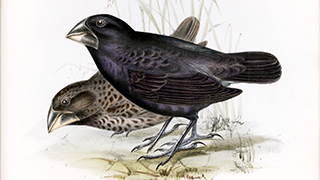
Weird Science
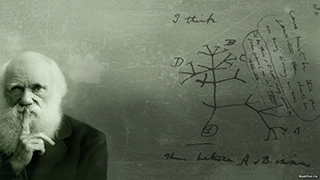
Treating Disease with Fecal Transplantation
Fossils of miniature humans (hobbits) discovered in Indonesia
Paleontology
Dinosaur tail, complete with feathers, found preserved in amber.
Astronomy

Mysterious fast radio burst (FRB) detected in the distant universe.
Big Data & Informatics

Big Data: Buzzword or Big Deal?
Hacking the genome: Identifying anonymized human subjects using publicly available data.